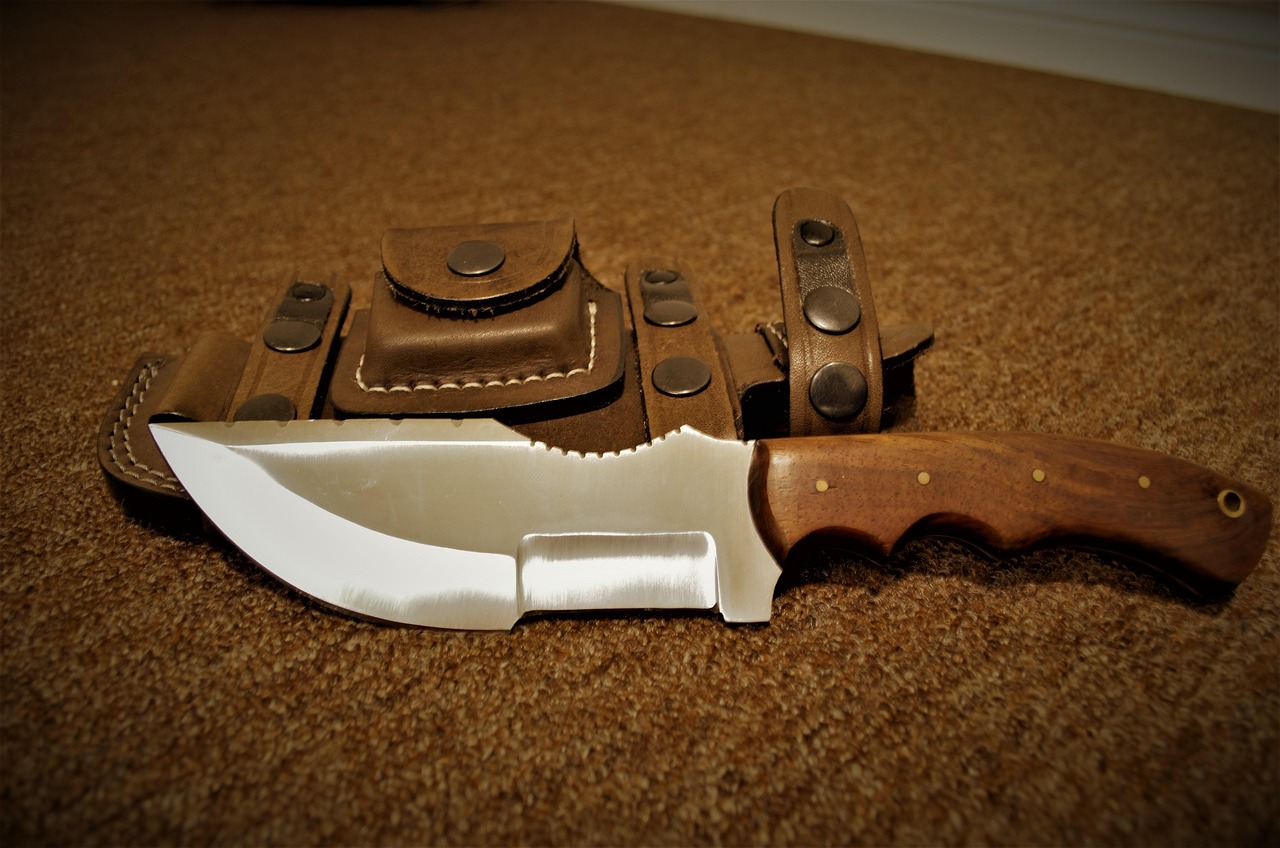
Learning knife safety is one of the most important early lessons for anyone stepping into bushcraft, and the right tools can make that learning curve smoother and far less intimidating. The following list highlights practical, beginner-friendly gifts that help new outdoors enthusiasts handle blades responsibly while still building real confidence. Each item encourages proper technique, teaches control, and reduces common risks without limiting the hands-on experience that makes bushcraft so rewarding.
1. Blunt-Tip Training Knife
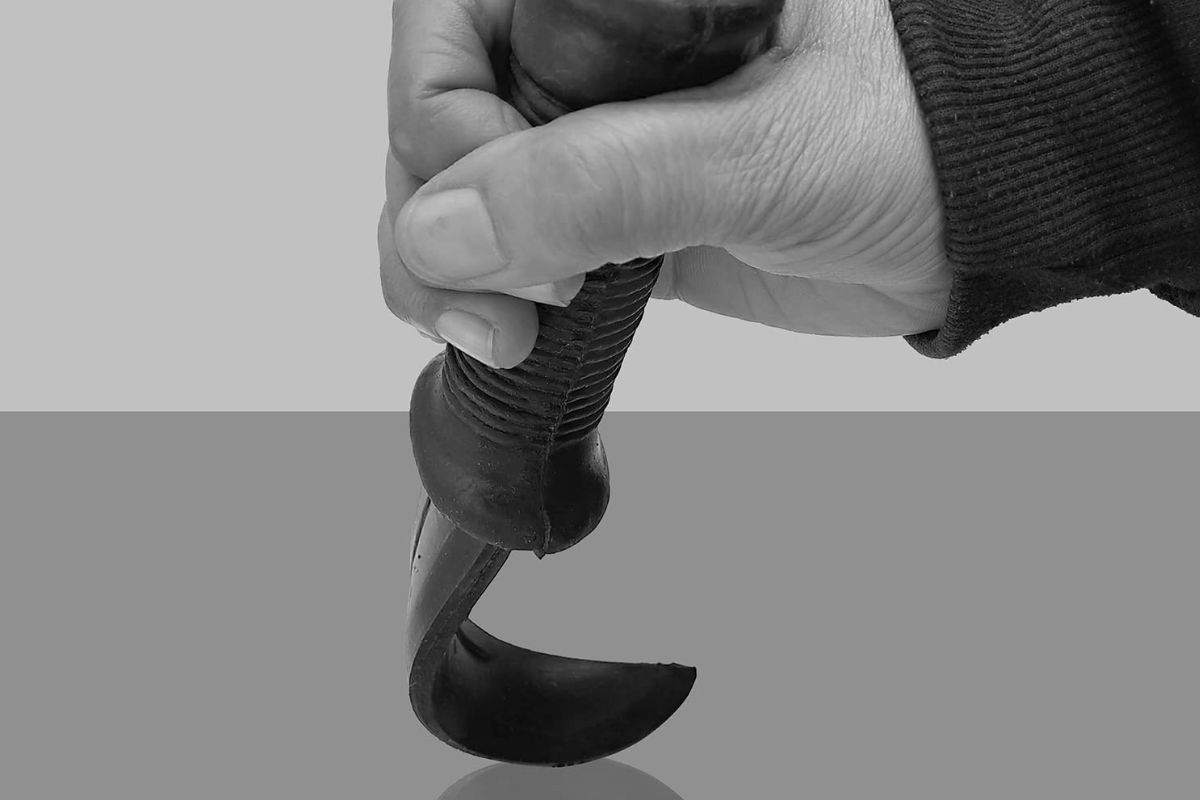
A blunt-tip training knife helps beginners develop safe handling habits before moving on to sharper tools. Its rounded point prevents accidental punctures, and the unsharpened edge allows users to practice grip, movement, and blade awareness without fear of injury. Many models have the same weight and balance as real knives, making the transition smoother. It is perfect for learning how to pass a knife safely, move with one in hand, and understand how blades behave in outdoor settings while reducing risks during early practice.
2. Cut-Resistant Gloves

Cut-resistant gloves are one of the most practical safety gifts for new bushcrafters. These gloves use strong synthetic fibres to protect hands while the wearer practices carving, notching, or feather sticking. They help beginners gain confidence by providing a protective layer against slips or sudden movements. While they do not eliminate all risks, they significantly lower the chance of shallow cuts, especially during early sessions when new skills are still developing. They are lightweight, easy to pack, and ideal for routine practice.
3. Beginner-Friendly Carving Knife
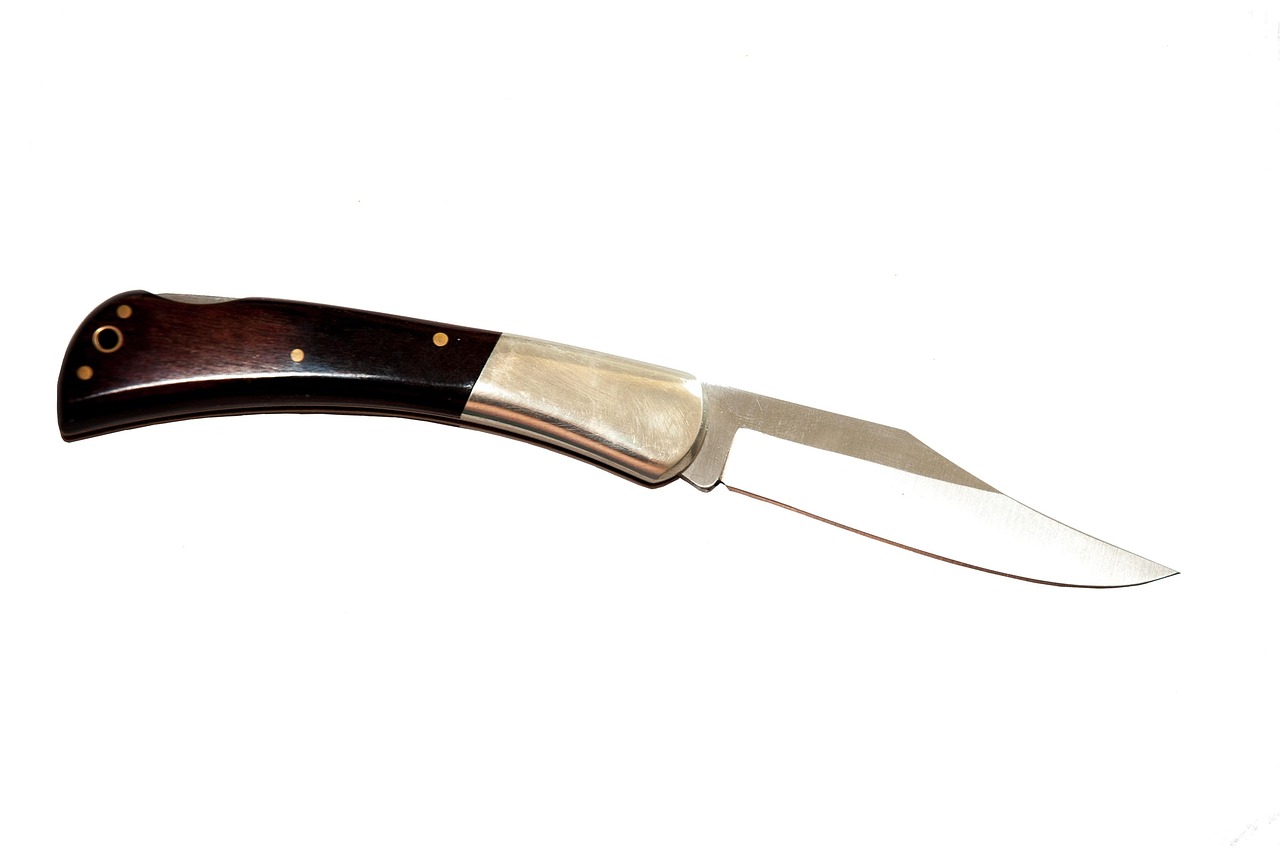
A beginner-friendly carving knife teaches new users how to apply controlled, deliberate cuts instead of relying on force. These knives typically have shorter blades, comfortable handles, and predictable balance, which helps beginners maintain steady pressure during tasks. Many have a narrower profile that supports detailed carving without causing hand fatigue. This type of knife encourages safer habits by helping users understand how wood responds to different carving motions, making it an essential tool for anyone learning blade discipline.
4. Knife Safety Field Guide
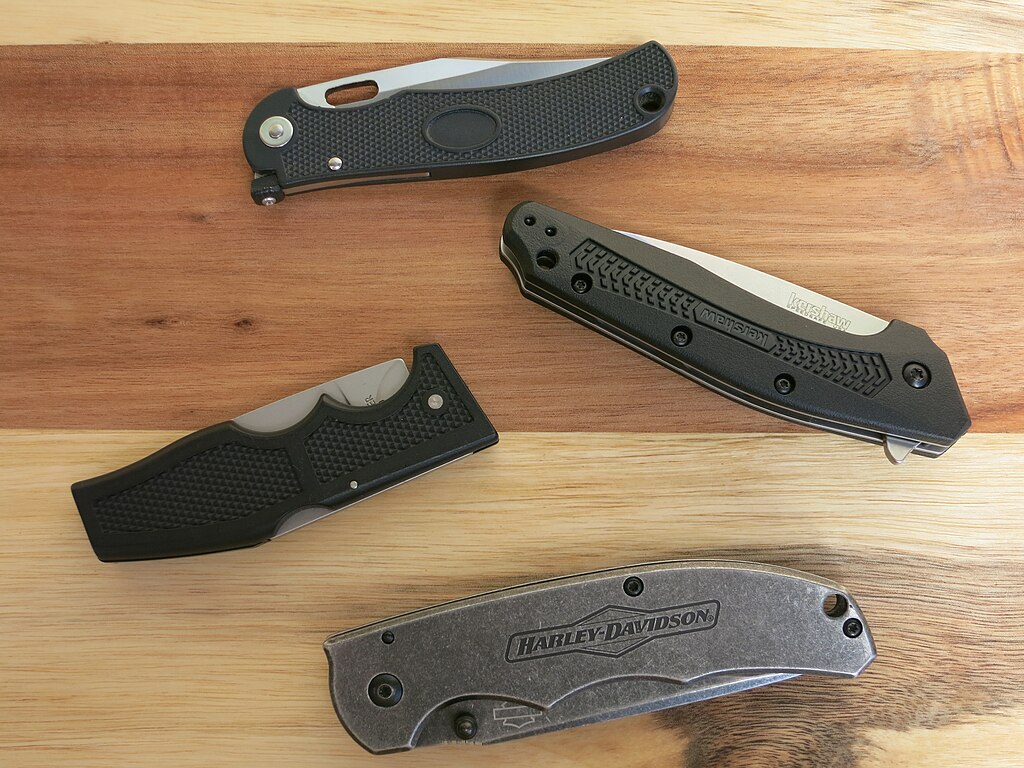
A knife safety field guide is a compact, easy-to-carry reference that teaches beginners the basics of safe blade use. It covers essential outdoor skills such as proper grip, safe cuts, passing techniques, and ways to prevent common accidents. Many guides include illustrated steps that show beginners how to position their hands or secure materials before carving. Having clear instructions in the field helps new bushcrafters make better choices when practising alone, turning knowledge into reliable habits they can use long term.
5. Carving Wood Blocks

Carving wood blocks gives beginners a predictable, safe material to practice on instead of struggling with irregular sticks found outdoors. These blocks are usually made from soft woods that respond well to controlled knife strokes, helping beginners develop smooth, consistent motion. The uniform shape makes it easier to focus on technique rather than dealing with knots or unpredictable grain. Starting with clean blocks reduces frustrations and bad habits, making it safer for users to learn the basics of knife work at their own pace.
6. Sharpening Stone with Guide
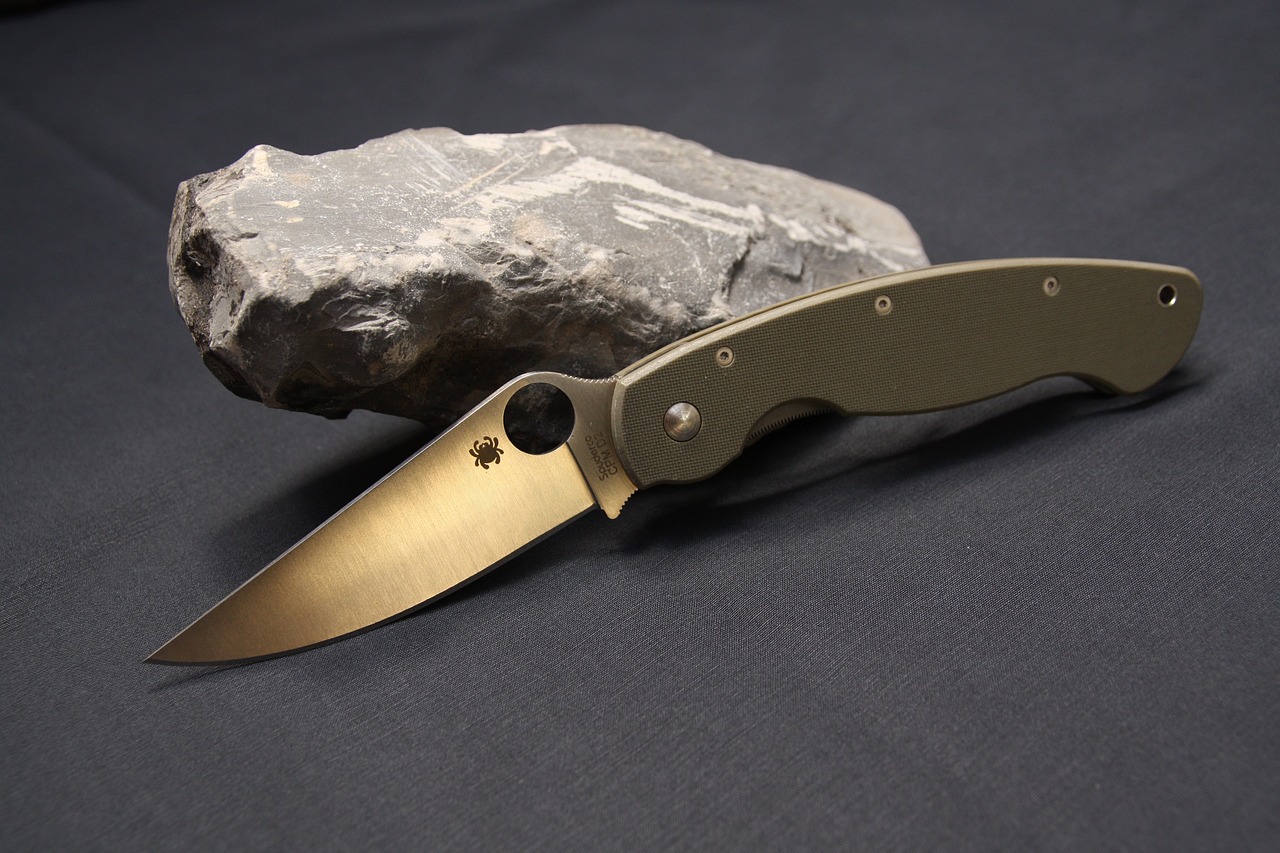
A sharpening stone with an angle guide teaches beginners how proper edge maintenance supports safe knife use. A poorly sharpened blade slips more easily, making injuries more likely, so learning to sharpen early is a key step in avoiding accidents. The guide ensures users keep a consistent angle while working on the blade, reducing guesswork and helping them learn muscle memory. This gift encourages responsible habits by showing how maintenance and safety go hand in hand in bushcraft environments.
7. Leather Strop for Edge Polishing
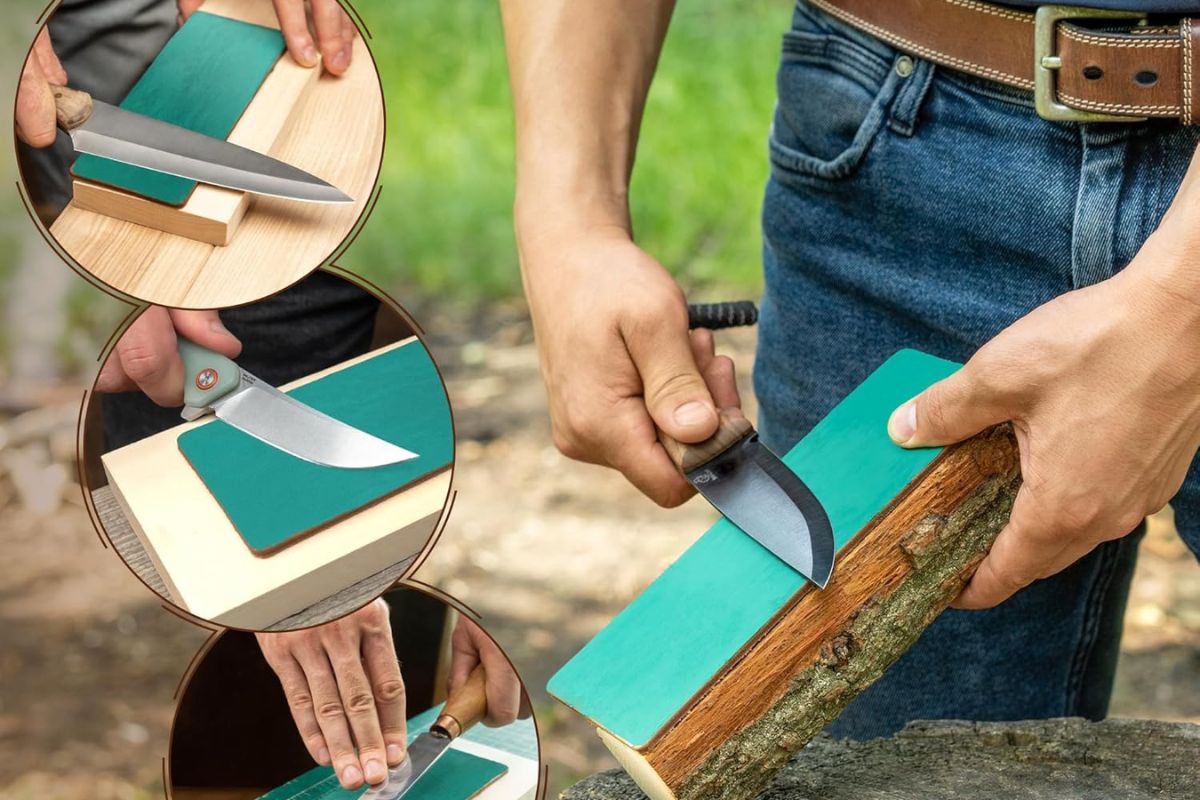
A leather strop helps beginners understand the final step of blade care by polishing and refining the edge after sharpening. Using a strop improves blade performance and reduces snagging or skipping during carving, both of which can lead to unsafe cuts. The smooth action helps users recognise how a well-maintained edge feels compared to a worn one. Strops are simple to use, highly portable, and make edge care more approachable for beginners who are still developing their maintenance skills.
8. Finger Guards for Carving Practice

Finger guards give new bushcrafters an added layer of safety when practising detailed carving. These small protective pieces sit comfortably on the hand and help shield fingers from accidental blade contact during close work. They are especially useful for beginners who struggle with keeping their off-hand positioned safely while carving. The guards allow users to focus on technique rather than constantly worrying about cuts. As skills improve, many carvers continue using them for added confidence during intricate tasks.
9. Carving Clamp or Bench Vice
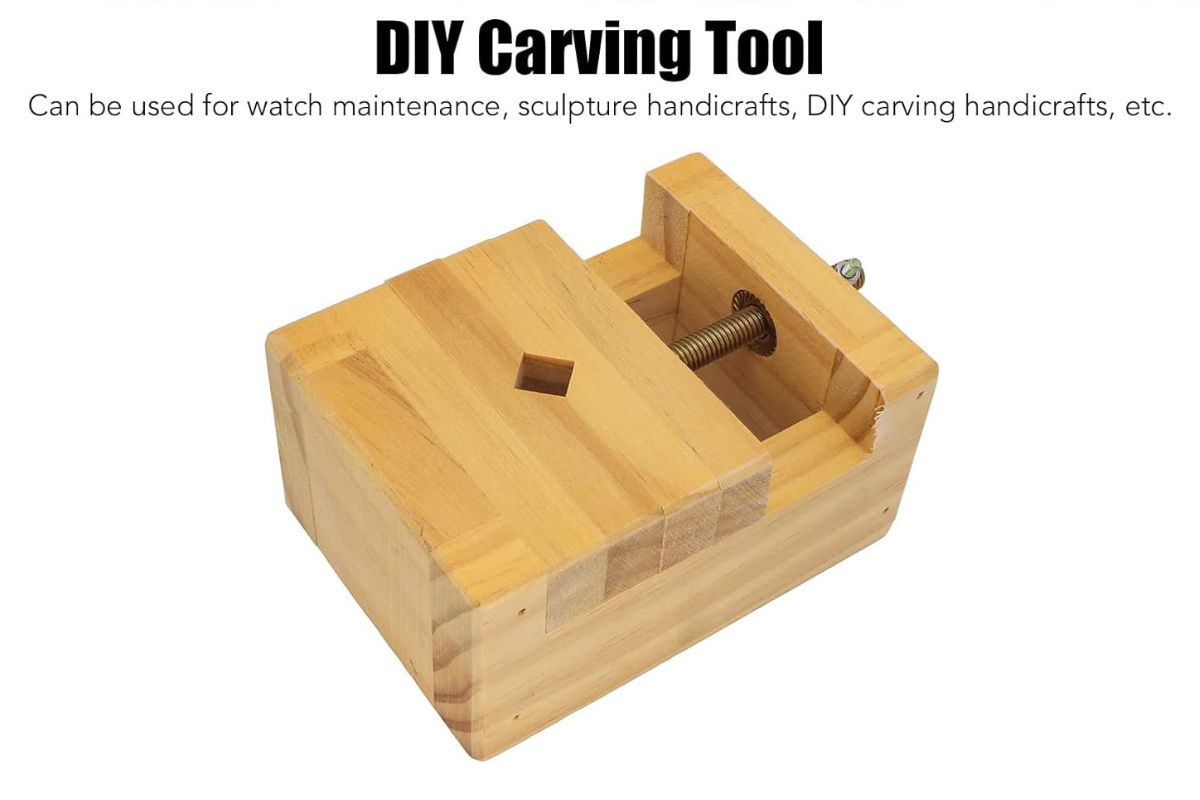
A carving clamp or mini bench vice keeps wood securely in place so beginners do not have to hold it with their hands. This drastically reduces the risk of accidental slips, as the blade is less likely to travel toward the user. For learning knife safety, stability is one of the biggest advantages. These tools help beginners focus on proper blade movement and pressure without dealing with shifting materials. They are especially useful when practising longer strokes or shaping thicker pieces of wood.
10. First Aid Kit Designed for Cuts
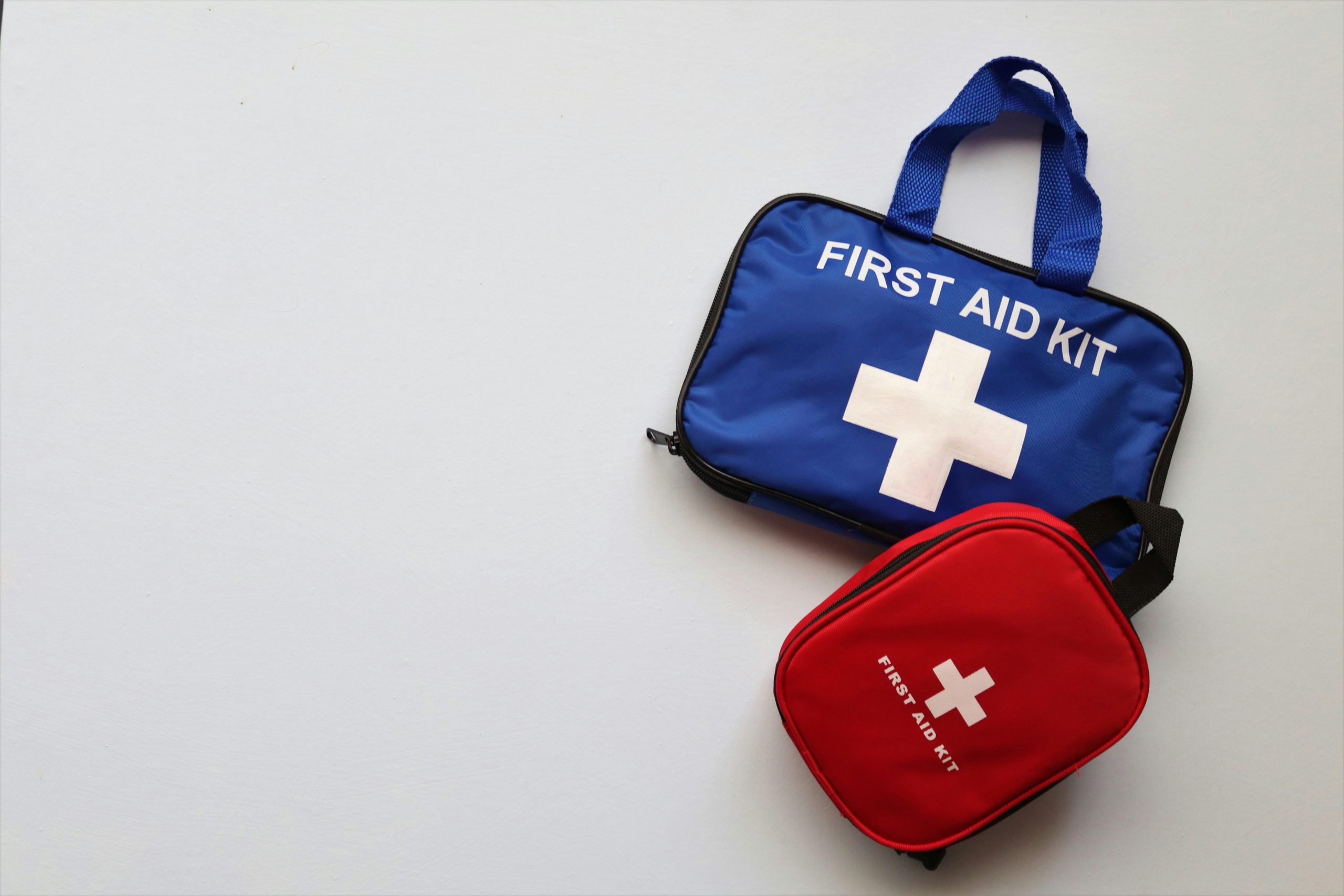
A compact first aid kit focused on treating cuts shows beginners that preparedness is part of knife safety. These kits often include antiseptic wipes, bandages, gauze, and protective ointments to manage minor injuries quickly. Having such a kit nearby reinforces responsible behaviour and teaches users to treat all cuts seriously. The simple act of keeping first aid supplies within reach encourages a safety-first mindset, which is one of the most important habits new bushcrafters can develop early on.
11. Sheath with Secure Belt Loop
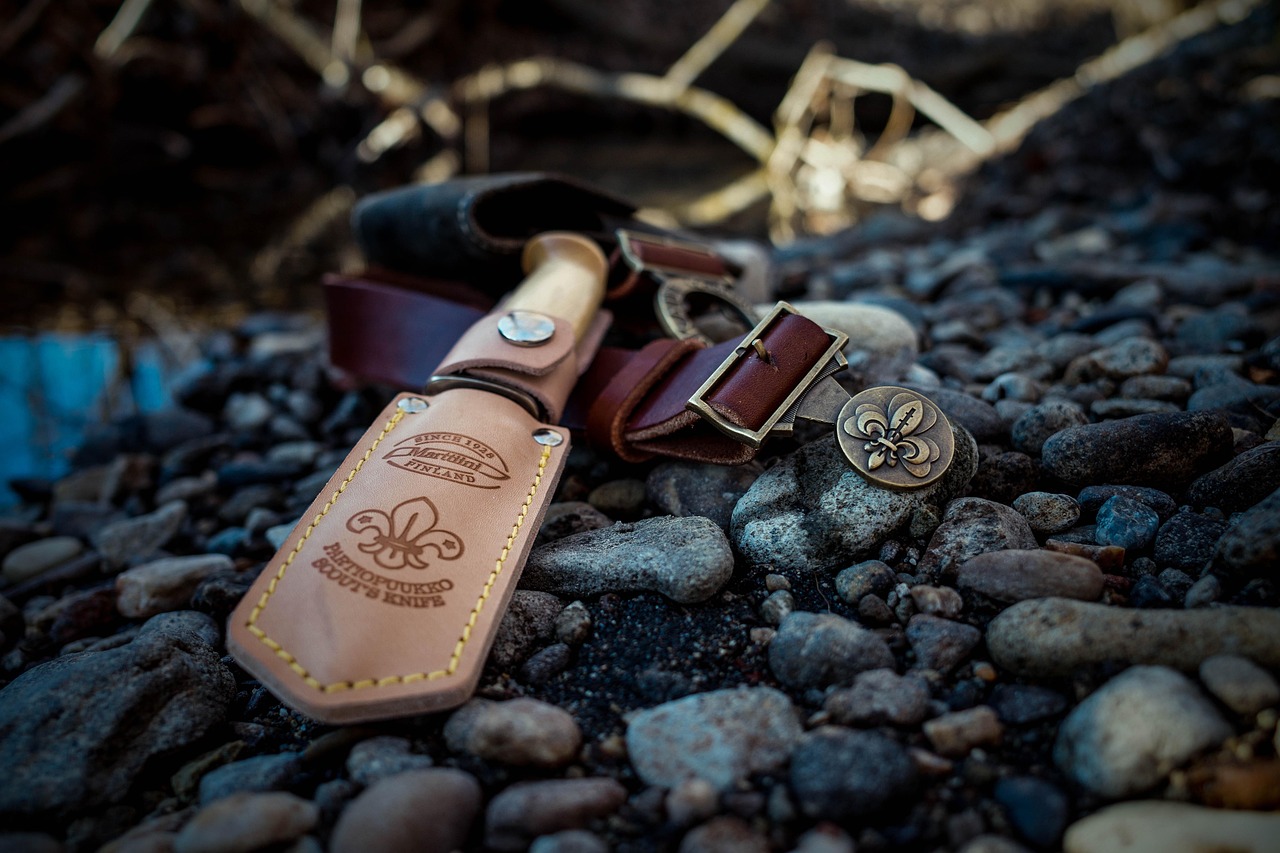
A sturdy knife sheath with a secure belt loop helps beginners learn the importance of proper blade storage. Keeping a knife safely covered reduces accidental contact and prevents the blade from being misplaced during activities. A well-fitted sheath also teaches good carrying practices, ensuring the knife stays stable during movement. This instils a habit of sheathing the blade immediately after use instead of leaving it exposed. It makes outdoor practice smoother and encourages consistent, cautious behaviour.
12. Folding Knife with Locking Mechanism
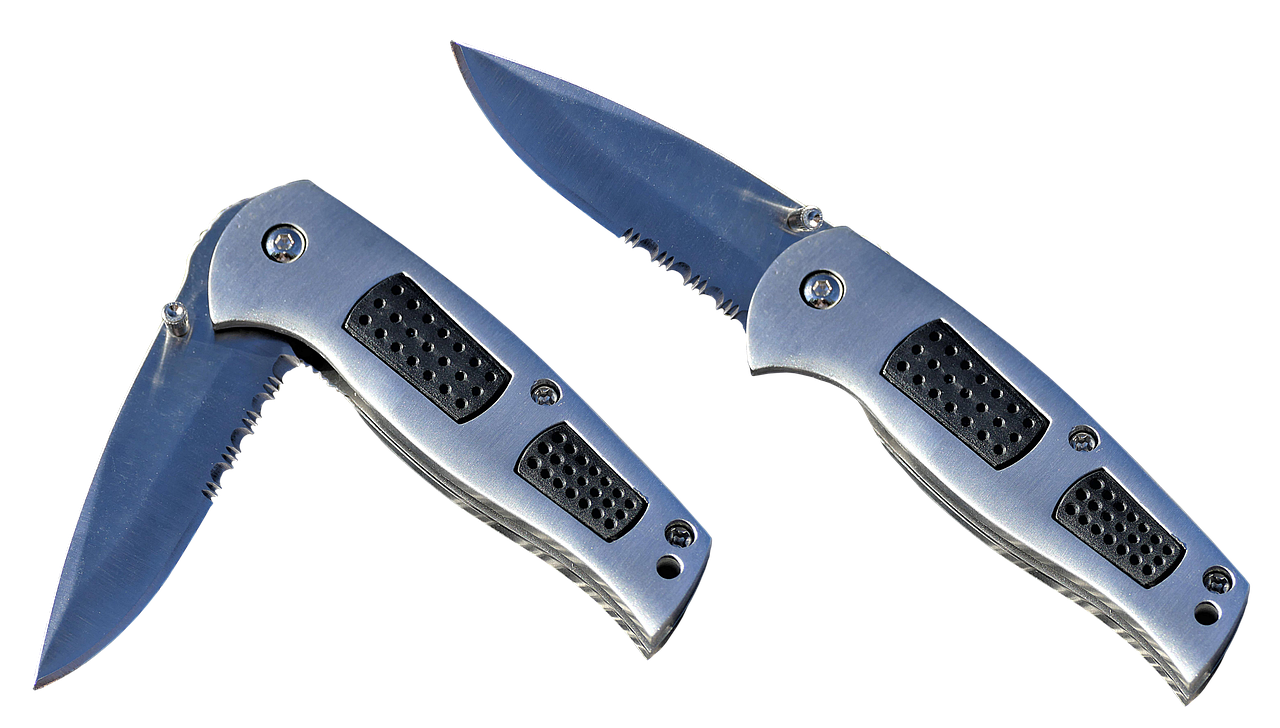
A folding knife with a reliable locking mechanism helps beginners practice blade control with added safety. When the blade locks securely, users do not have to worry about it folding shut unexpectedly during cutting tasks. This helps build confidence as beginners learn proper pressure, stroke direction, and safe hand placement. Many models have ergonomic handles that make long sessions more comfortable. This type of knife is practical for daily carry and teaches new bushcrafters to rely on mechanisms that enhance safe handling.