Hunting in high-altitude environments offers extraordinary scenery and unique challenges, especially when it comes to the way altitude affects a rifle’s performance and a hunter’s overall accuracy. Thinner air, colder temperatures, shifting winds, and steep shooting angles all influence how a bullet travels once it leaves the barrel, often in ways that surprise those unfamiliar with mountain conditions. These factors combine to create scenarios where shots that feel routine at lower elevations behave unpredictably at higher ones. Many experienced hunters study ballistic charts, adjust equipment, and practice in varied conditions to prepare for these challenges. Understanding the science behind these influences helps explain why even skilled marksmen sometimes miss shots in mountainous regions where every environmental shift can change a bullet’s path.
Reduced Air Density
Reduced air density at high altitude significantly affects bullet trajectory, making shots behave differently than they would at lower elevations. Thinner air creates less drag, allowing bullets to travel faster and flatter for longer distances, which can be disorienting for hunters accustomed to more pronounced bullet drop. This reduced resistance also diminishes the stabilizing effect that denser air provides, sometimes causing unexpected deviations in flight. Hunters who rely on established drop charts may find their expectations no longer match real-world performance in the mountains. This difference becomes even more noticeable during long-range shooting, where even slight miscalculations translate into missed opportunities. Reduced air density stands as one of the most consistent and critical ballistic challenges at altitude.
Temperature Variations
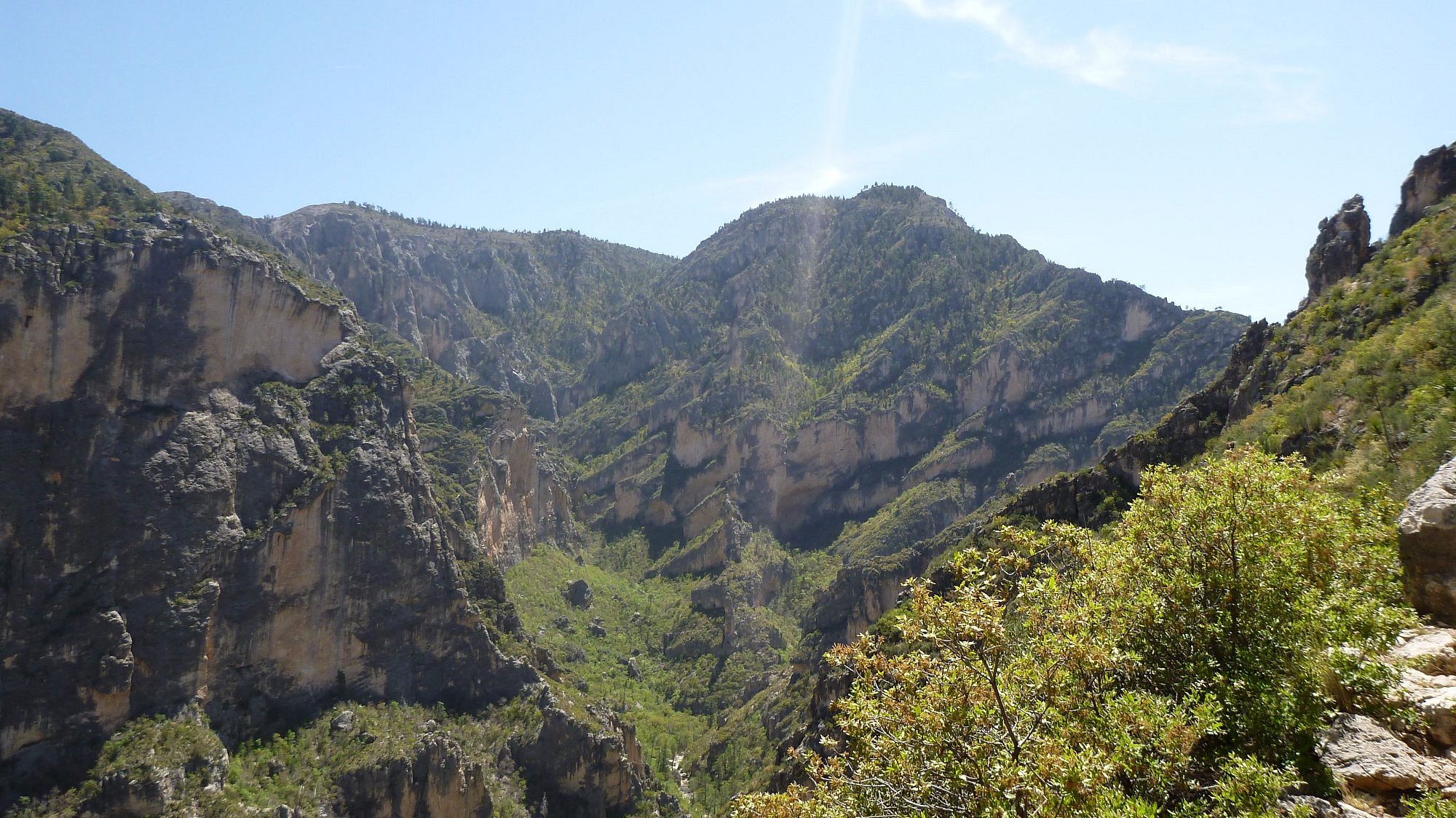
Temperature variations at high altitude play an important role in shifting ballistic performance because cold air thickens slightly while also reducing muzzle velocity as rifle powder burns less efficiently. These combined effects alter how the bullet moves immediately after firing, changing impact points compared to warmer conditions at lower elevations. Cold temperatures also stiffen lubricants and mechanical components, affecting consistency across multiple shots. As mountain weather changes rapidly, hunters may experience rising or falling temperatures within hours, forcing constant recalibration. Even minor fluctuations can produce noticeable differences in bullet behavior, making temperature awareness essential for maintaining accuracy. The unpredictable climate of high-altitude environments contributes directly to missed shots when temperature impacts are overlooked.
Steep Shooting Angles
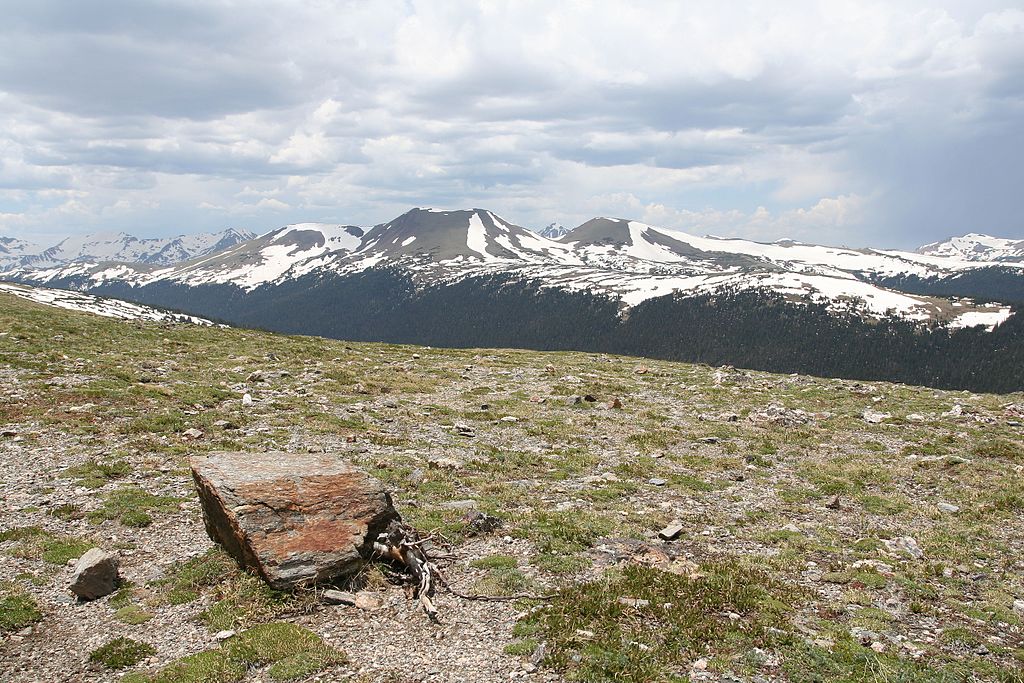
Steep shooting angles, both uphill and downhill, significantly complicate accuracy in high-altitude environments because gravity acts differently on a bullet’s path than many expect. When firing at an angle, the bullet experiences reduced gravitational influence over horizontal distance, resulting in less drop than predicted by standard charts. Shots taken across deep valleys or high ridgelines often demand careful calculation of the true horizontal distance rather than the sloped distance. Hunters unfamiliar with angle compensation frequently overshoot their targets due to misjudging how much elevation adjustment is needed. These challenges become more apparent during long-range shots where even slight miscalculations create noticeable errors. Steep terrain remains one of the most misunderstood ballistic factors affecting accuracy at elevation.
Mirage Distortion
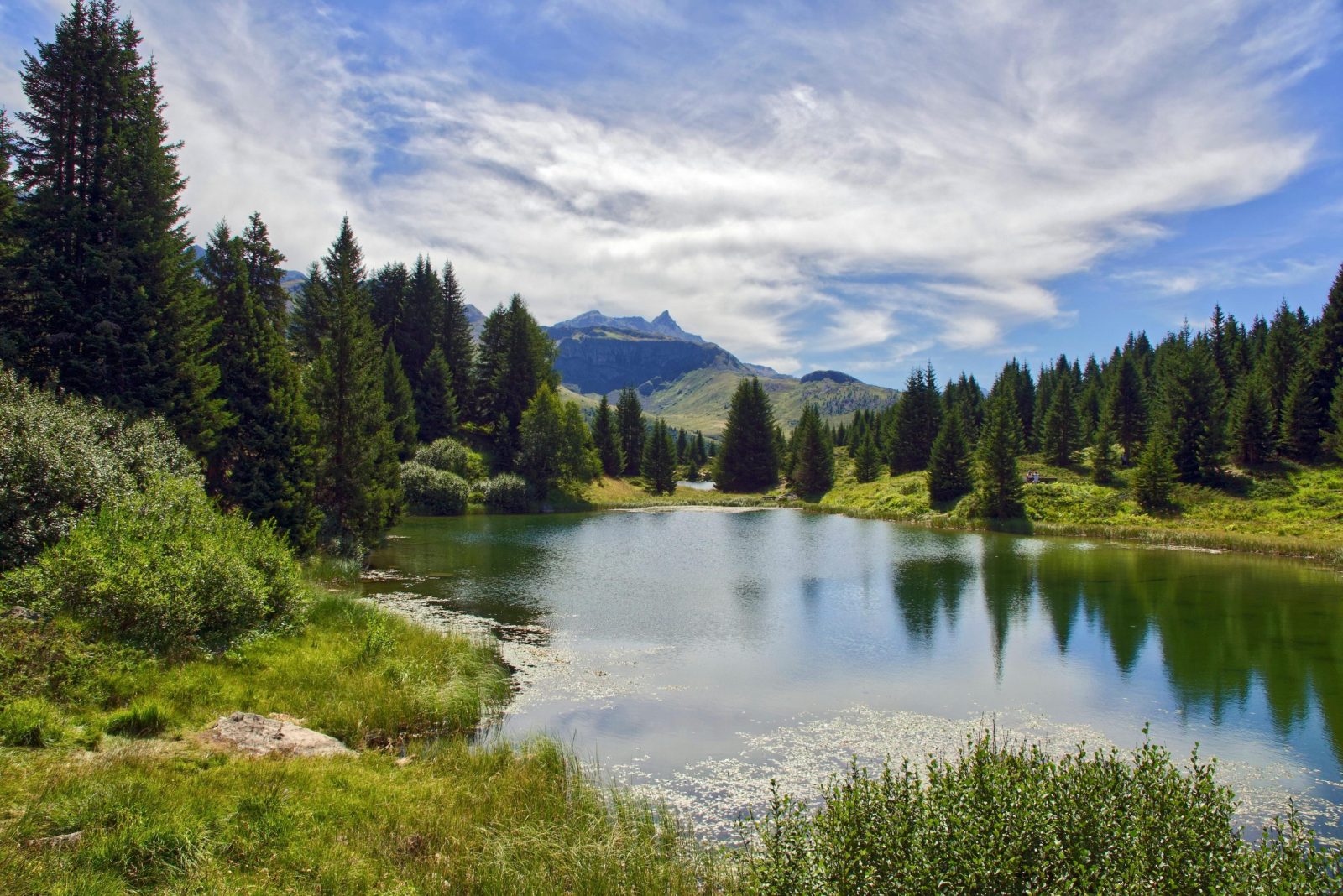
Mirage distortion affects high-altitude accuracy by bending light and altering the appearance of a target, especially on sunny days when the ground heats unevenly. This shimmering effect creates illusions of movement or shifts in position as rising heat waves distort the image seen through a scope. In mountainous environments, rock faces and open slopes often radiate heat quickly, making mirage conditions appear even when air temperatures feel cool. Hunters attempting precision shots may struggle to identify the true center of their target when mirage introduces subtle visual misalignment. This distortion becomes more pronounced at longer distances and can lead to slight adjustments that ultimately throw off accuracy. Recognizing mirage patterns proves essential for maintaining precision in elevated terrain.
Unpredictable Wind Currents
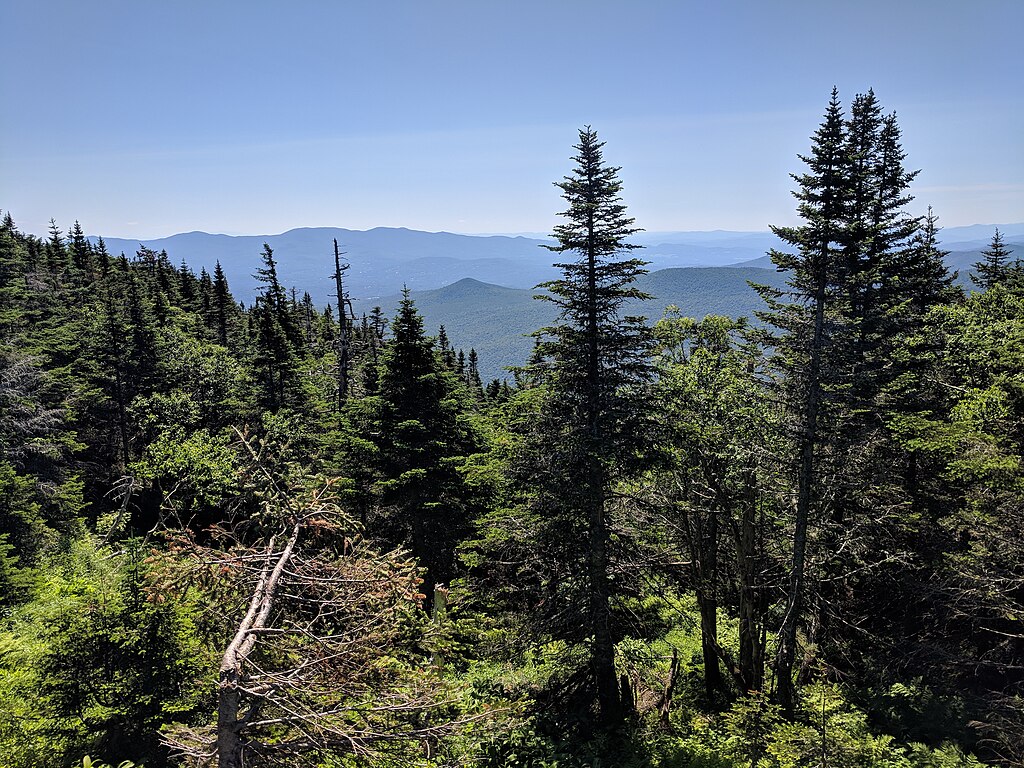
Unpredictable wind currents at high altitude pose a major challenge because mountainous landscapes create swirling patterns, sudden gusts, and directional shifts that rarely occur on flat ground. Valleys, ridgelines, and open basins funnel air differently, causing wind to change speed or direction between muzzle and target. A bullet may pass through several wind zones during flight, each influencing its trajectory differently. Even experienced hunters can struggle to read these patterns accurately in real time. Wind at elevation also tends to blow harder and more erratically as thinner air offers less resistance. These complexities contribute to missed shots, making wind behavior one of the most significant ballistic variables in alpine hunting environments.
Barometric Pressure Changes
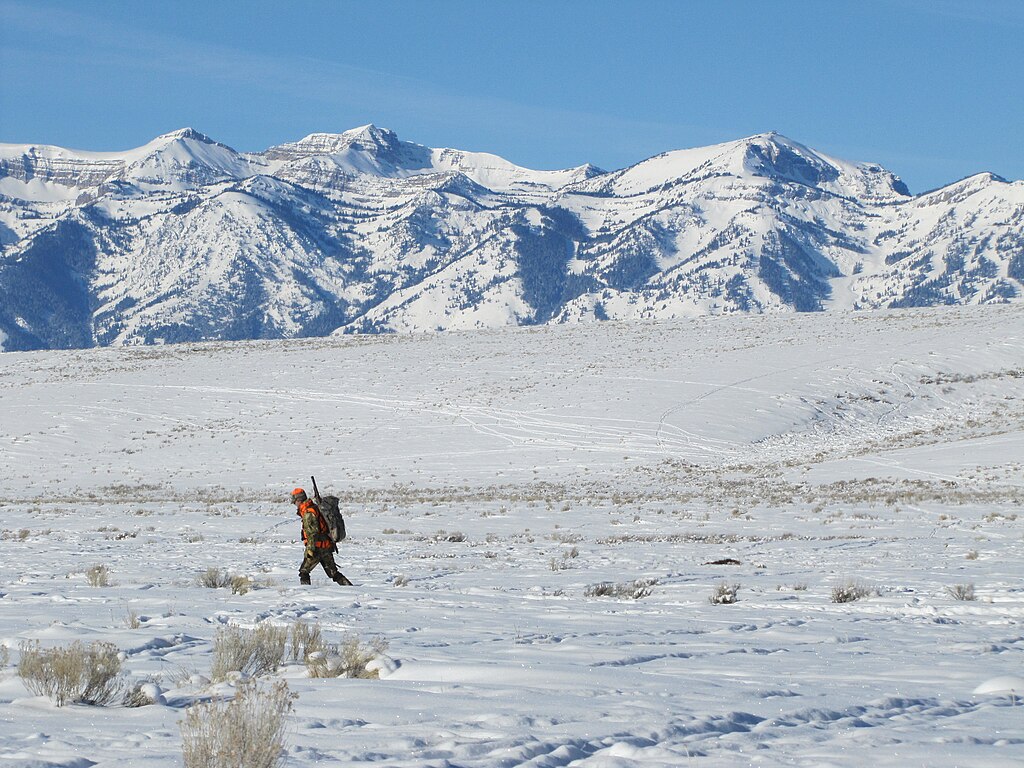
Barometric pressure changes influence bullet flight by altering air density and drag, particularly in high-altitude environments where pressure fluctuates rapidly due to weather shifts. Lower pressure results in thinner air, allowing bullets to travel faster with less drop, while rising pressure increases resistance and slows trajectory. Hunters tracking targets across varying elevations often experience subtle performance differences that become amplified during long-range shots. Sudden storm systems common in mountainous regions exacerbate pressure changes, making it difficult to rely on consistent ballistic expectations. The constant interplay between altitude, temperature, and pressure requires careful observation. When overlooked, these shifts contribute to miscalculations that lead to missed shots in rugged terrain.
Humidity Differences
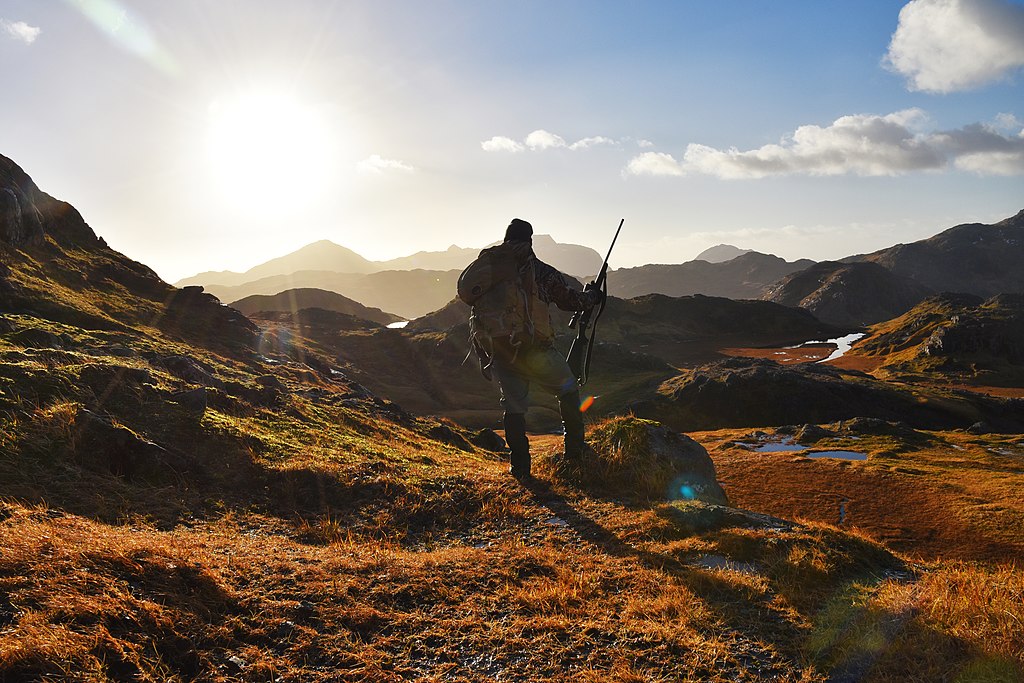
Humidity differences at high altitude affect bullet flight by subtly altering air density and visibility, though not always in ways hunters expect. Contrary to common assumptions, moist air is actually less dense than dry air, allowing bullets to fly slightly flatter. However, high-altitude environments often feature extremely low humidity levels, increasing air density and affecting drag more than anticipated. Visibility also suffers during mist or cloud cover, particularly in areas where weather shifts quickly. These factors combine to create small but meaningful deviations in bullet performance. Hunters accustomed to lower-elevation humidity levels may misjudge how their equipment behaves under drier conditions, leading to slight errors that become significant at extended distances.
Inconsistent Powder Burn
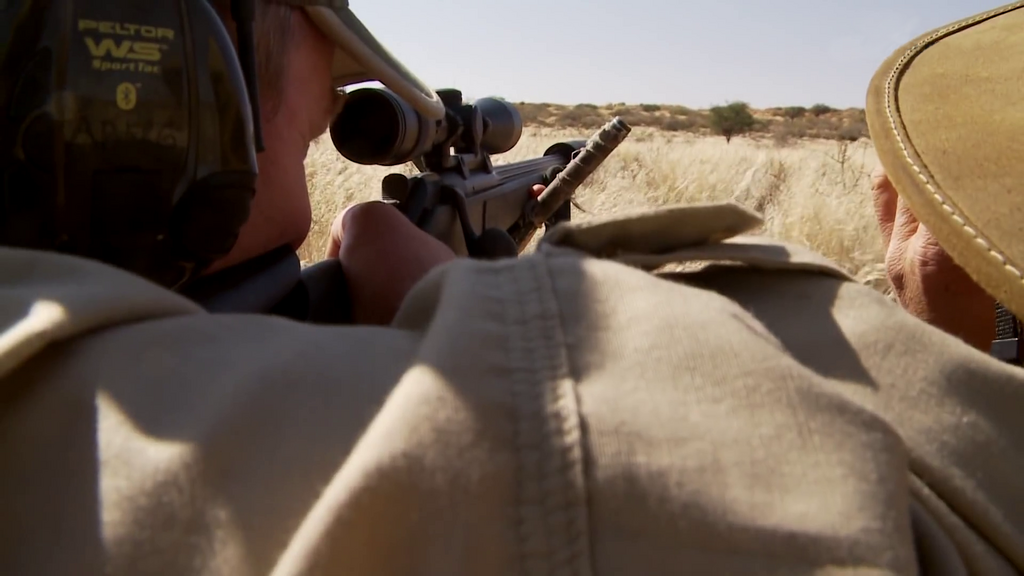
Inconsistent powder burn at high altitude impacts muzzle velocity due to reduced oxygen levels that slow the ignition process inside a cartridge. This decrease in combustion efficiency causes bullets to exit the barrel at lower speeds than expected, altering drop and wind drift calculations. Powder sensitivity becomes even more pronounced in cold mountain temperatures, further reducing burn consistency. Hunters who rely on book values or calibrated lowland data may find their real-world velocities differ enough to affect shot placement. These inconsistencies can create unpredictable groupings when firing multiple rounds. Understanding how altitude changes internal ballistics plays an essential role in fine-tuning accuracy for mountain shooting scenarios.
Scope Parallax Errors
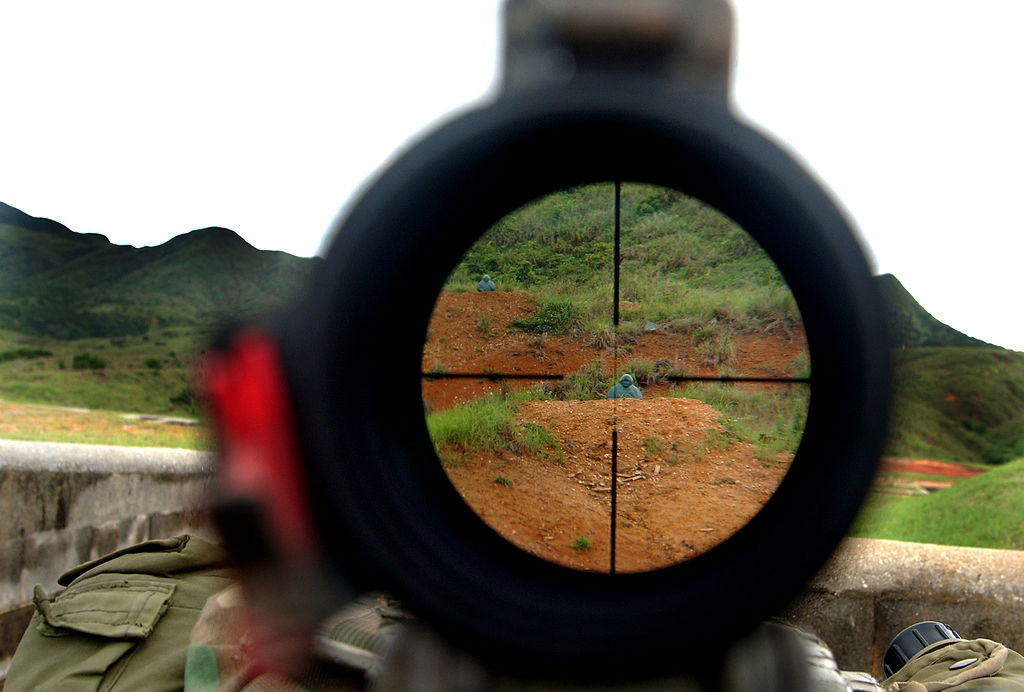
Scope parallax errors become more noticeable at high altitudes, where long-distance shots are common and clear visibility encourages precision aiming. Parallax occurs when the reticle and target image are not perfectly aligned within the optic, causing apparent shifting as the shooter changes eye position. Elevated terrain often presents targets at varying distances that require frequent scope adjustments. If the parallax setting does not match the true range, even slight head movements can alter the point of aim. These errors increase at longer ranges, where minimal deviations produce significant misses. Properly adjusting optics becomes essential in mountainous environments where elevation and distance challenge typical shooting expectations.
Shooter Fatigue
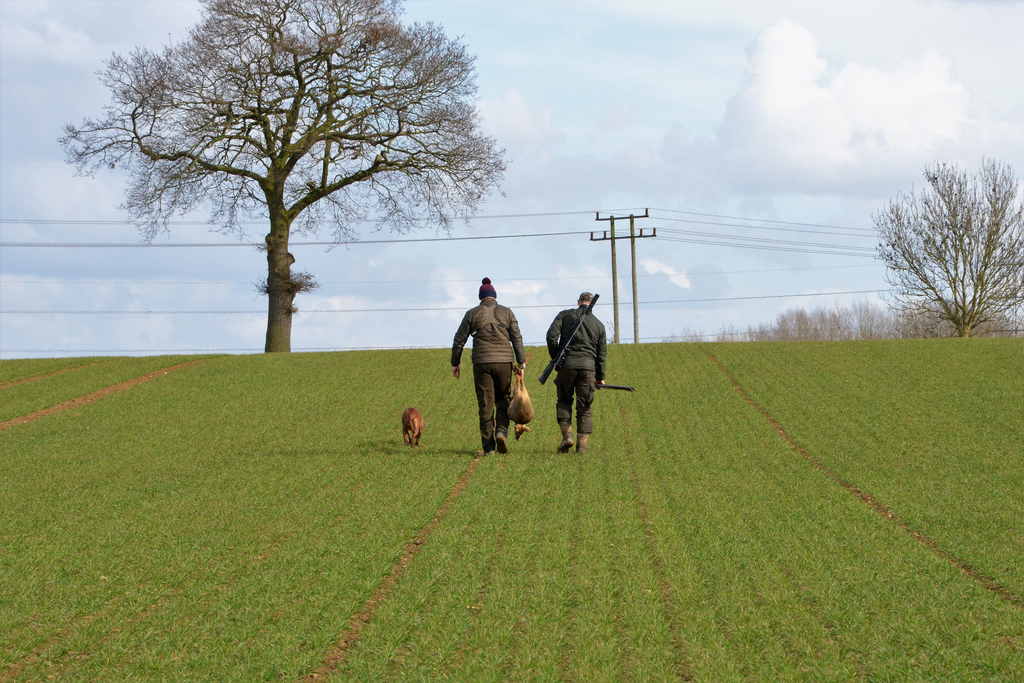
Shooter fatigue plays a significant role in missed shots at high altitude because lower oxygen levels make physical exertion more demanding. Climbing steep terrain, carrying equipment, and navigating rugged slopes elevate heart rate and breathing, reducing steadiness when preparing a shot. Fatigue affects fine motor control and concentration, two elements essential for precision shooting. Mountain conditions often require long hikes before reaching vantage points, leaving hunters physically taxed before they even shoulder a rifle. Cold temperatures intensify fatigue by tightening muscles and slowing reaction time. These combined effects demonstrate how a hunter’s physical state directly influences accuracy, making fatigue management an important factor in high-altitude environments.
Equipment Temperature Sensitivity
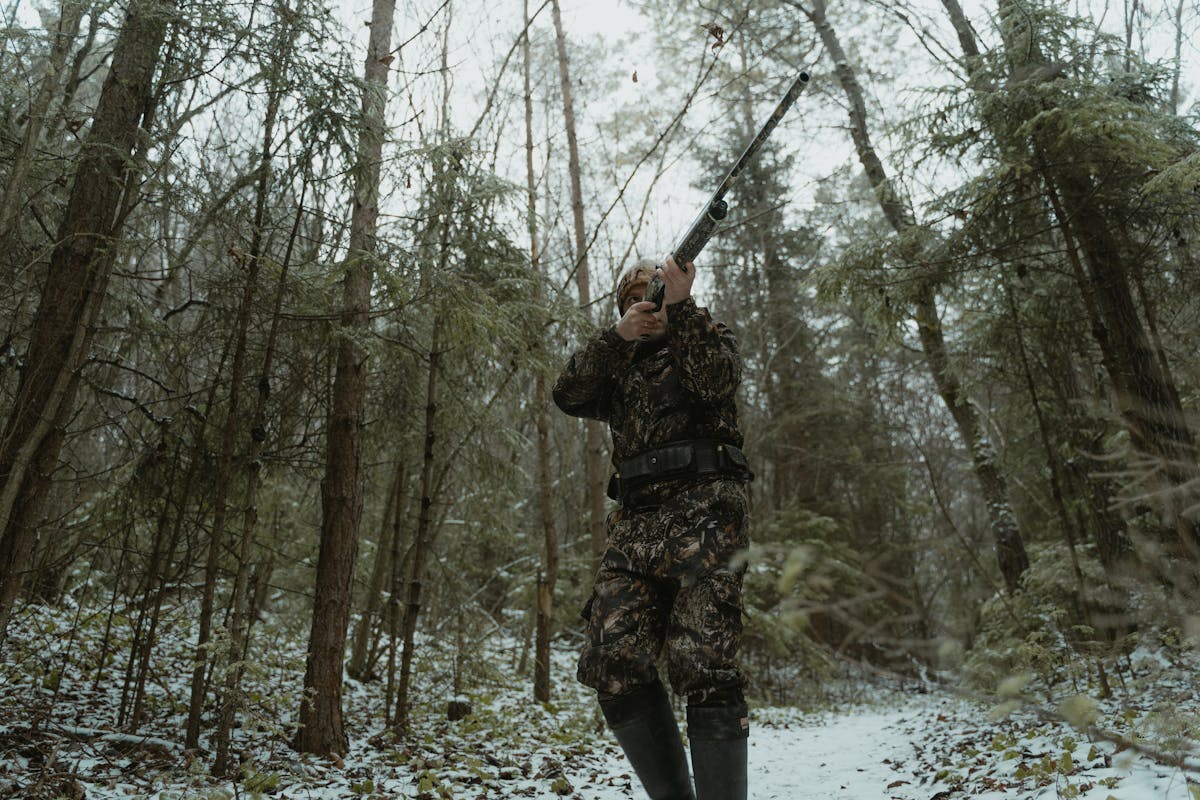
Equipment temperature sensitivity becomes a major concern at high altitude because cold conditions affect the performance of rifle components and ammunition. Metal contracts in lower temperatures, altering barrel harmonics and shifting the point of impact. Lubricants thicken, reducing the smooth operation of bolts and triggers. Optics fog or respond slowly in frigid weather, creating delays in sight acquisition. Ammunition stored in extremely cold conditions may produce inconsistent velocities, further complicating accuracy. These changes often occur gradually as temperature fluctuates throughout a long day in the mountains. Hunters relying on finely tuned equipment may find small mechanical shifts enough to cause missed shots when operating in cold, high-altitude conditions.
Overconfidence in Flatland Zero
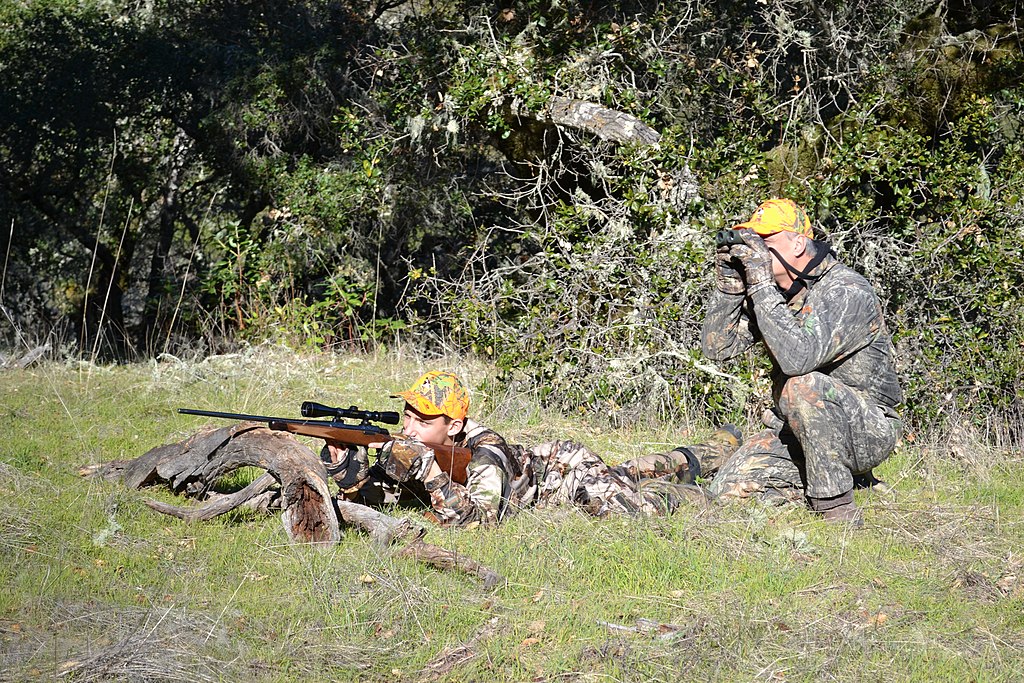
Overconfidence in flatland zero frequently causes hunters to miss at high altitude because rifles sighted in at lower elevations rarely maintain identical performance when air density drops. Even small trajectory changes become noticeable during long-range mountain shots. Hunters who fail to recheck zero at elevation may unknowingly rely on data that no longer aligns with real conditions. Differences in temperature, wind, and slope amplify these discrepancies. The assumption that a rifle shoots the same everywhere often proves incorrect once elevation increases dramatically. Understanding the need for altitude-specific adjustments helps ensure accuracy, but neglecting this practice commonly results in missed opportunities in mountainous terrain.