Arizona’s deserts may look dry enough for easy fire-starting, but many of these landscapes make even simple ignition a real challenge. The combination of mineral-heavy soils, unpredictable winds, sparse vegetation, and sudden shifts in temperature often stops flames before they fully form. Travelers who depend on traditional bushcraft techniques quickly learn that these regions demand advanced planning, reliable fire gear, and a strong awareness of how quickly conditions can change in open desert terrain.
1. Sonoran Desert Basin
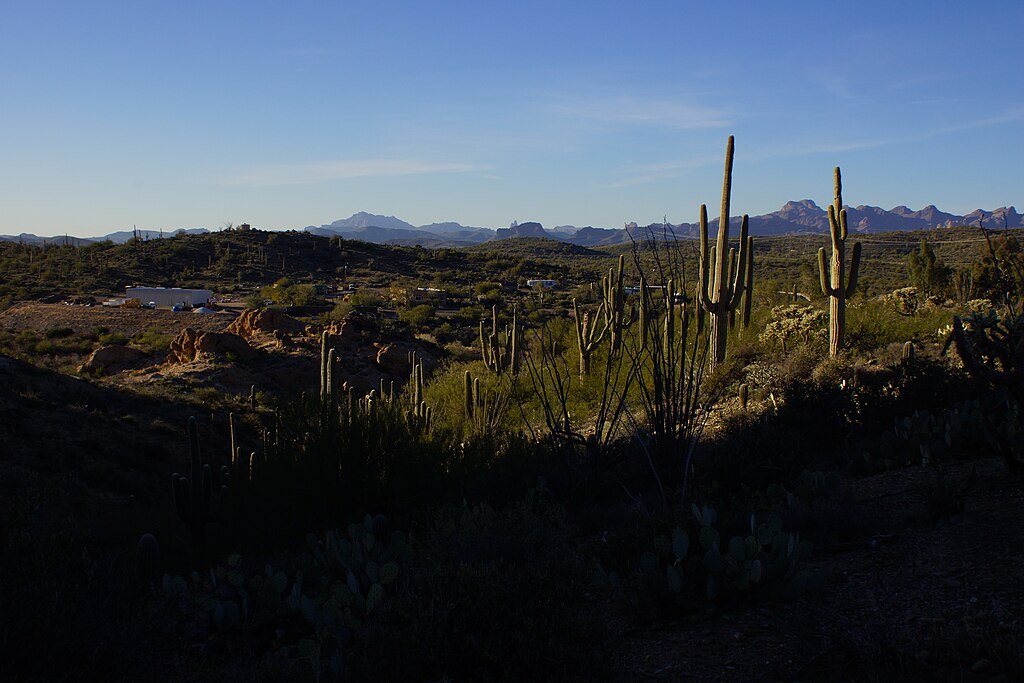
Dry heat defines this region, but dependable tinder is surprisingly scarce. Many plants contain tough fibers that resist ignition, and loose sandy soil buries sparks before they grip. Afternoon winds blow across open flats and scatter embers instantly, making even friction-based methods unreliable. Those exploring this basin often find themselves using synthetic fire starters because natural fuels simply do not catch well or burn long enough to establish a sustainable flame.
2. Paria Plateau
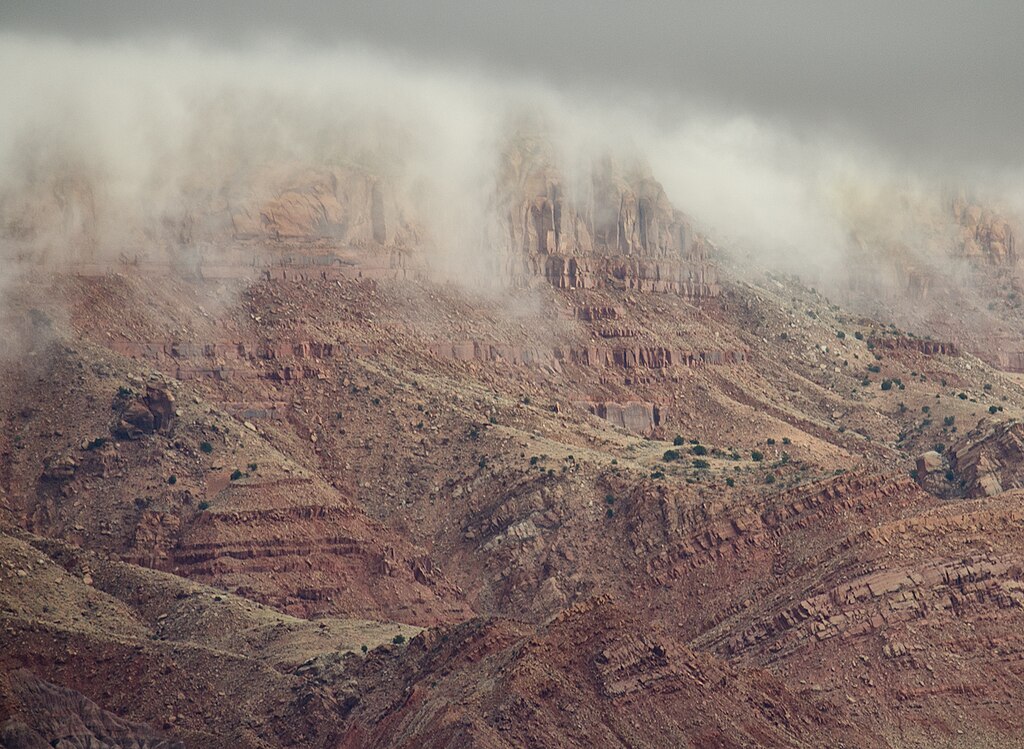
This elevated desert is known for sandstone cliffs and wide open spaces, yet the environment works against fire-making. Nights cool rapidly, leaving morning tinder damp and stubborn. The plateau’s shrubs grow with thick moisture-retaining stems that refuse to ignite easily. Soft sand absorbs heat from small flames, preventing coals from developing. Fire-builders often struggle to find enough dry, fine materials to maintain a flame, especially when midday winds sweep across the exposed highlands.
3. Agua Fria National Monument
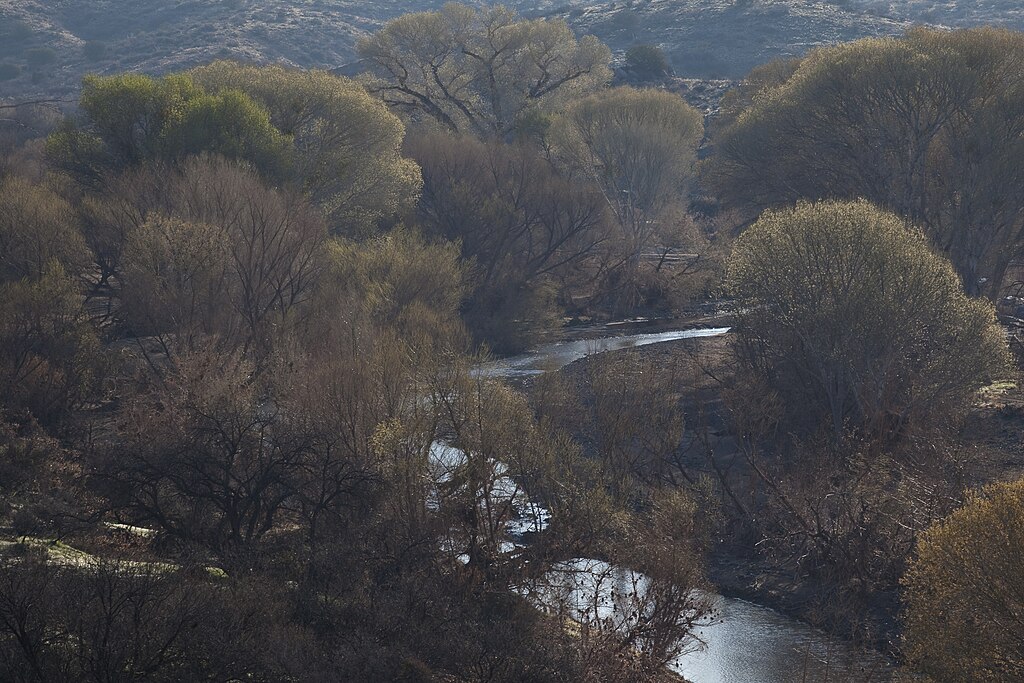
Agua Fria appears full of grasslands, but seasonal moisture hides inside the vegetation, weakening flame spread. Gusts between canyons scatter sparks long before they settle on fuel. Even deadwood is often too dense and cool from overnight temperature drops. Travelers must guard every spark carefully, sheltering small flames behind rocks or gear. Despite sunny conditions, the region demands patient fire-building techniques and multiple ignition attempts to overcome its shifting air currents and inconsistent tinder.
4. Painted Desert
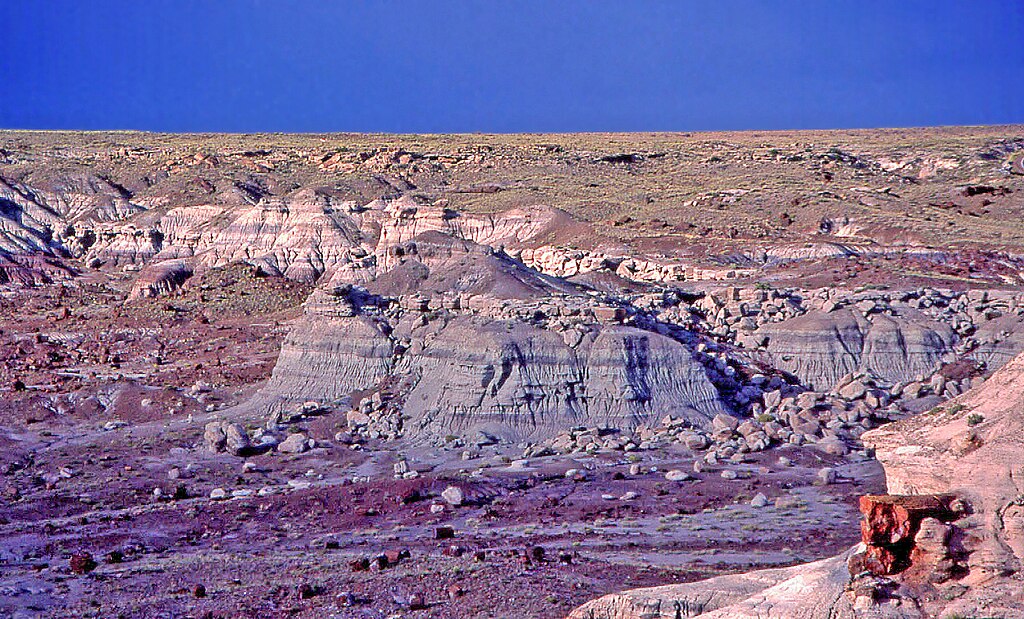
The Painted Desert is stunning but difficult for fire-starting. Clay-rich soils and eroded terrain reflect heat rather than holding it, slowing the development of coals. Vegetation is limited to sparse, brittle shrubs that crumble into powder instead of catching fire. Light winds move constantly across open flats, stealing sparks as soon as they appear. Even experienced bushcrafters must work carefully to gather enough workable fuel to create a steady burn that lasts more than a few moments.
5. Sonoran Lava Fields
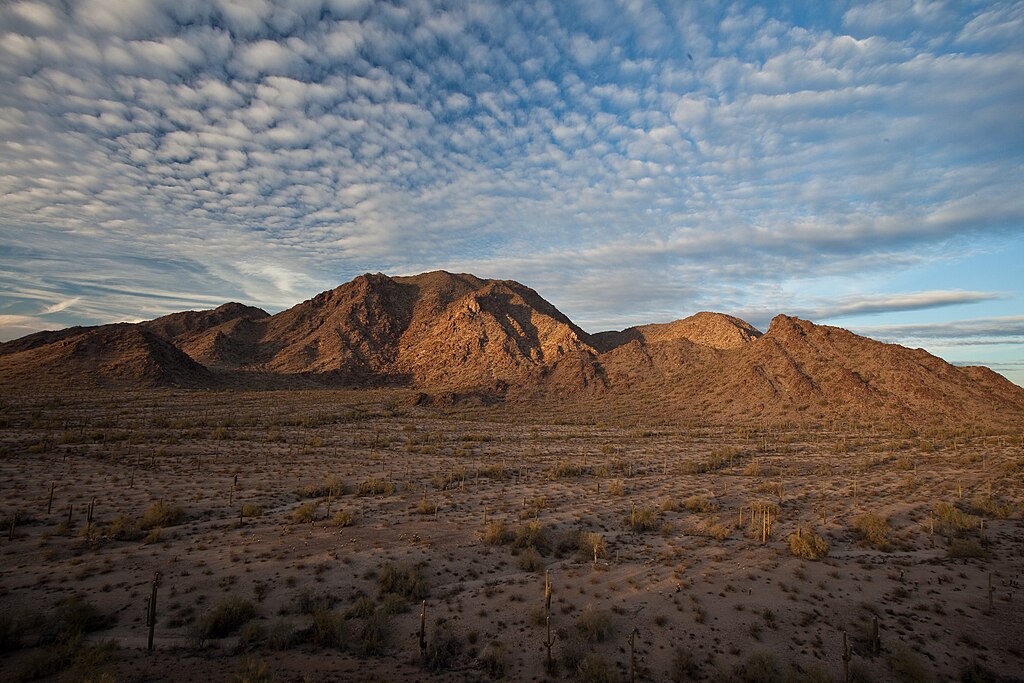
The lava fields look harsh and sunbaked, yet their smooth volcanic rock absorbs warmth without supporting any burnable material. Plants growing here are fibrous and extremely slow to ignite, and many lack the oils needed to sustain flame. Winds rise quickly across dark rock, removing heat from tinder before it reaches ember stage. Fire-builders often resort to fuel tablets or protected stoves since natural ignition is nearly impossible without strong artificial assistance.
6. Kofa National Wildlife Refuge
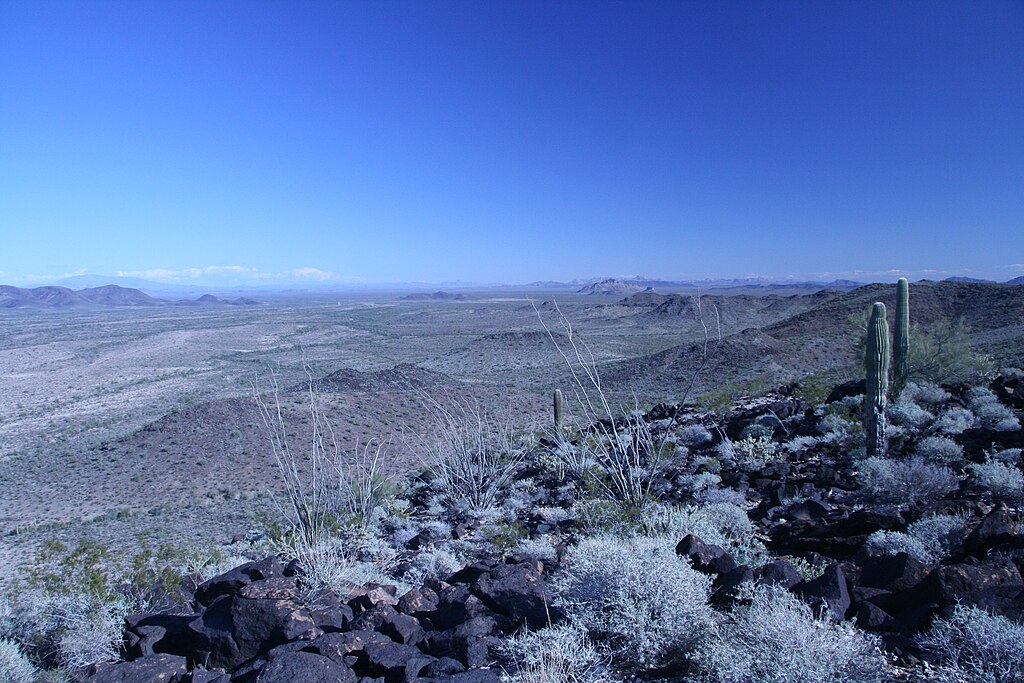
This remote refuge offers open desert views but little natural tinder. Much of the brush has waxy coatings that resist flame, and dry washes channel gusts that extinguish sparks instantly. Even when temperatures soar, many plants retain internal moisture. Travelers who expect classic dry-desert ignition discover that flames collapse quickly here. Successful fire-making requires careful wind shielding and reliable modern gear because naturally gathered materials rarely burn long enough to build stable coals.
7. Barry M. Goldwater Range Desert
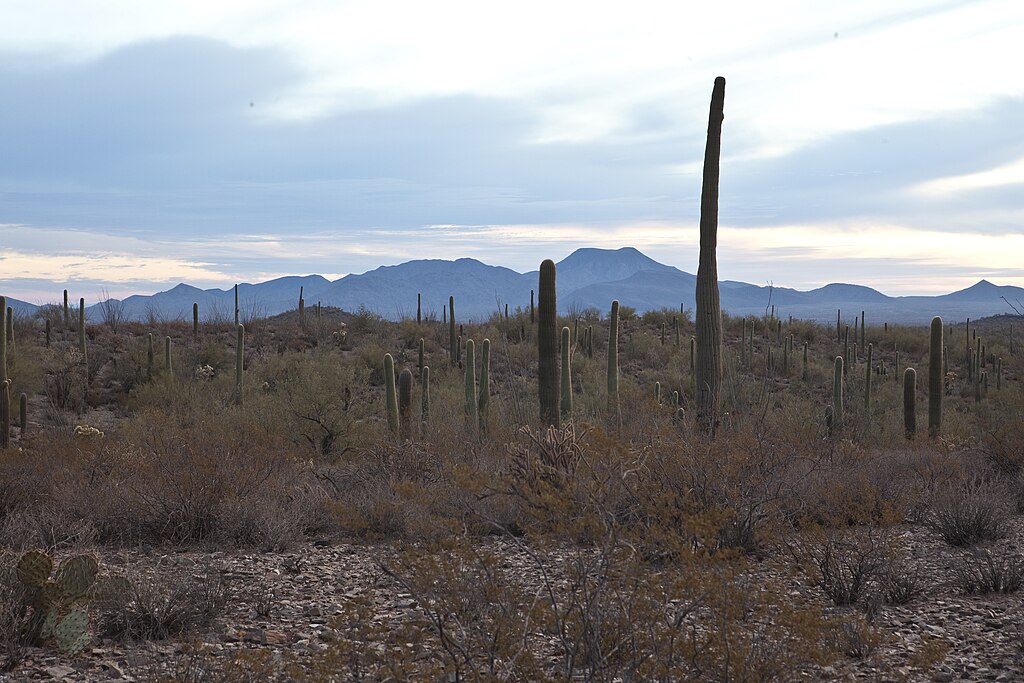
The terrain across this military range is some of Arizona’s most unforgiving. Loose gravel and rocky flats provide no tinder base, causing sparks to disappear before heat spreads. Vegetation is minimal and widely spaced, leaving little to collect for consistent fuel. Strong crosswinds sweep along the open land and remove warmth from any attempted flame. Visitors who must build fires often rely on enclosed stoves, as friction or spark-based methods rarely work in these conditions.
8. Mojave Transition Zone
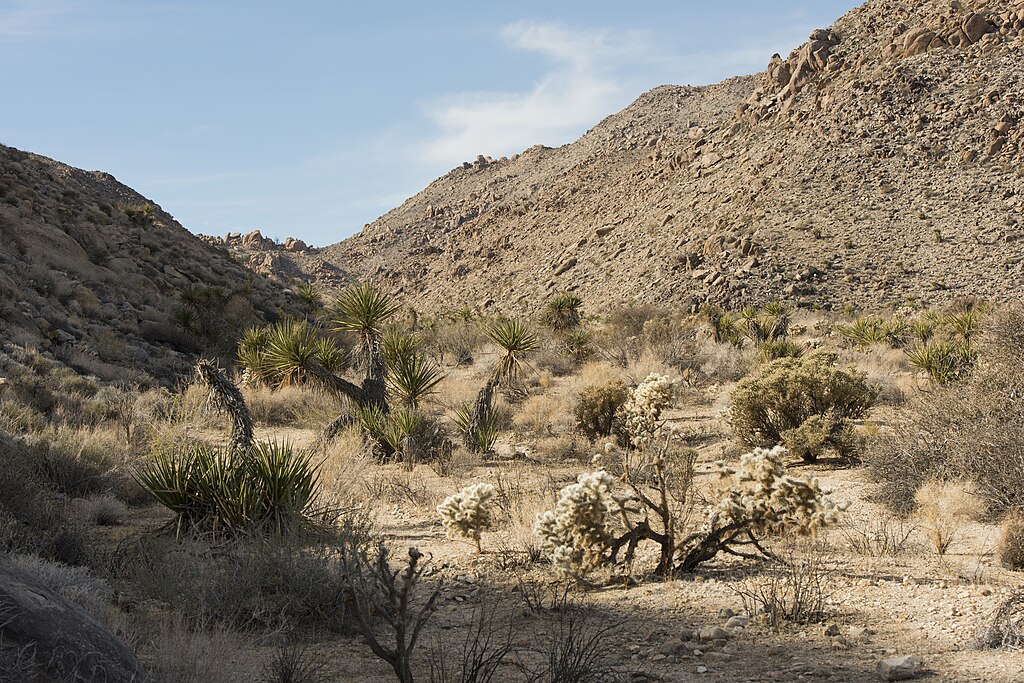
This region marks the shift from Sonoran to Mojave ecosystems, creating an extreme environment for fire-starting. Humidity drops dramatically, turning tinder into brittle fragments that crumble under even light handling. Desert pavement and packed gravel absorb sparks without letting heat build. Because the landscape remains exposed for miles, winds travel freely and disrupt any early flame. Those moving through this zone often learn that traditional fire techniques fail without advanced shielding or artificial tinder.
9. Organ Pipe Cactus Wilderness
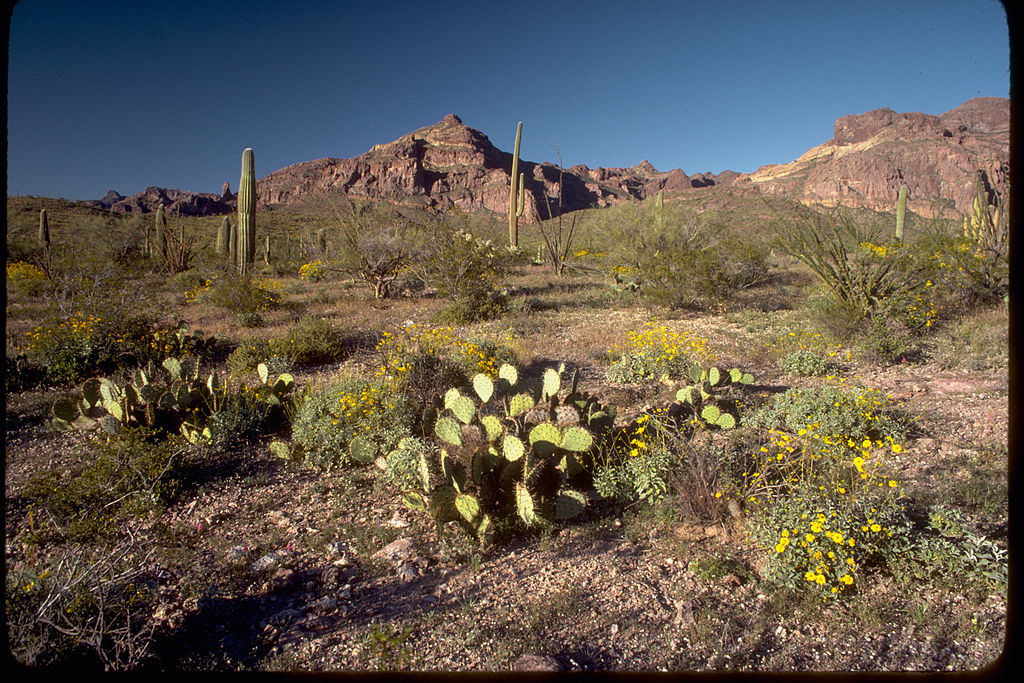
This wilderness features iconic cactus forests, yet none offer useful natural fuel for fires. Cactus wood is lightweight and lacks density, causing flames to sputter out quickly. Dry winds sweep around tall stands and strip heat away before tinder can ignite. Even fallen material holds stubborn moisture near the core. Travelers moving through this area must plan for flameless cooking or carry reliable fire-starting aids because the environment provides very little workable kindling.
10. Tonto Basin
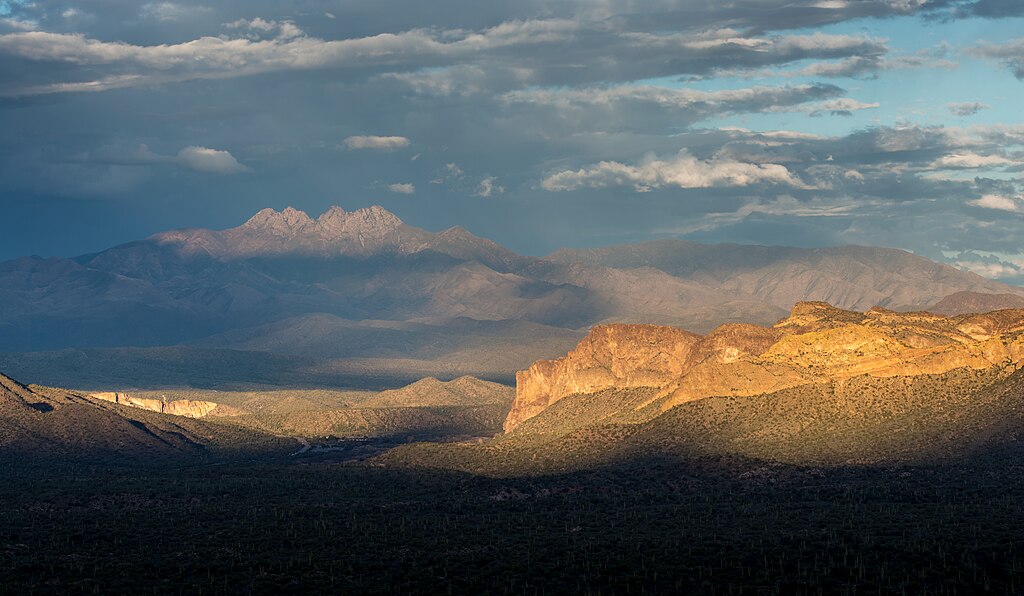
The Tonto Basin mixes desert scrub with clay soils that retain cool temperatures overnight, keeping potential tinder damp even after hot days. Many shrubs carry moisture deep inside their stems, making them poor sources of ignition. Afternoon gusts blow through the basin and disrupt small flames just as they begin to grow. Those depending on friction fire techniques often find the clay surface steals heat from sparks, stopping the process before coals can form.
11. Santa Cruz River Wash
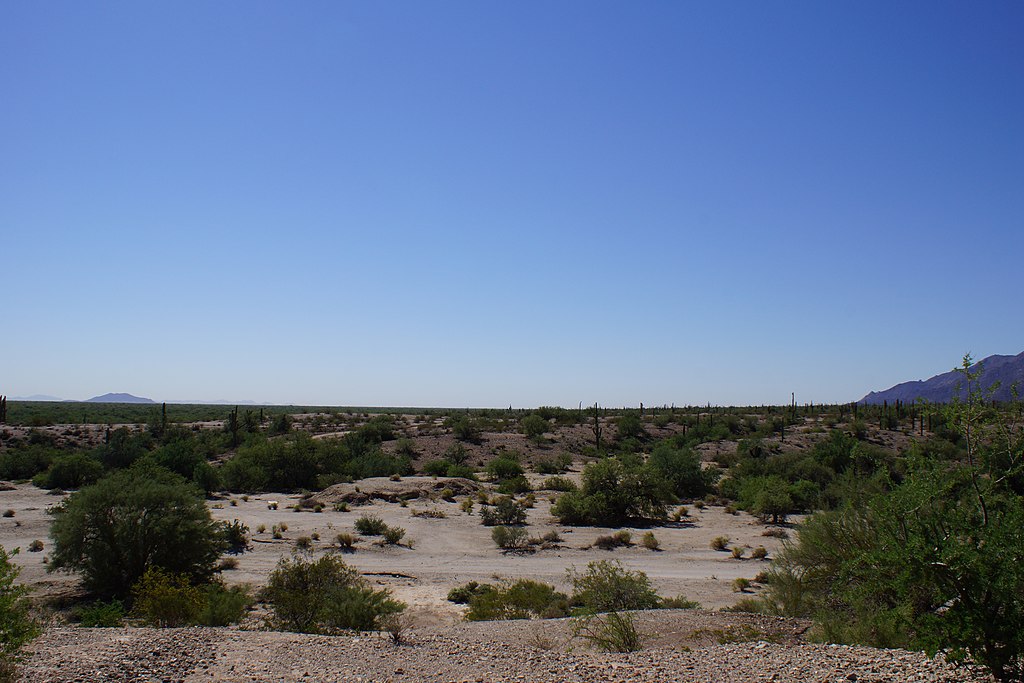
Although dry on the surface, this river wash hides underground moisture that affects deadwood found along its banks. Many branches feel dry but contain enough internal dampness to resist catching flame. Winds traveling through the wash create swirling air that makes sparks unpredictable and difficult to shield. Fire-builders must search carefully for truly dry fuels, often gathering from higher ground since most wash-area materials fail to burn consistently in changing air patterns.
12. Yuma Desert
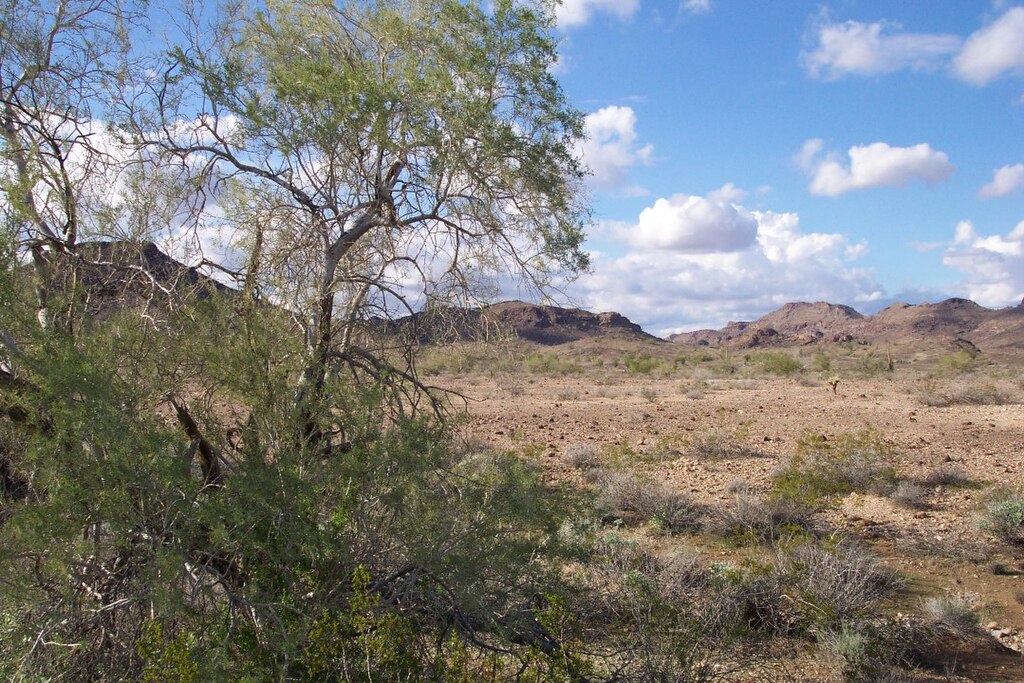
The Yuma Desert is among the hottest regions in the country, yet it offers surprisingly poor fire-starting conditions. Vegetation is extremely sparse, and the few plants present store moisture deep in their roots, making them slow to ignite. Constant winds sweep across open plains and remove the heat needed for sustained flames. Even strong sparks vanish quickly. Travelers in this region typically prepare with artificial tinder or wind-protected stoves to compensate for the lack of natural fuel.