Learning to recognize animal tracks adds excitement to a trail experience, yet beginners often find themselves puzzled when footprints look surprisingly similar across species. Soft mud, shifting soil, and partial impressions sometimes hide key details, making it easy to misinterpret what passed by earlier in the day. Tracks left by common wildlife vary by region and season, adding to the complexity. Although many animals leave distinct shapes, subtle differences in toe arrangement, stride length, or pad structure often determine whether a track belongs to a predator, herbivore, or small mammal. Understanding how these variations appear in real terrain helps hikers read the landscape more accurately. With practice, the forest floor becomes a storybook revealing clues that deepen appreciation for local ecosystems, even when the first glance at a print offers more questions than answers.
Deer Tracks Mistaken for Goat or Sheep Prints
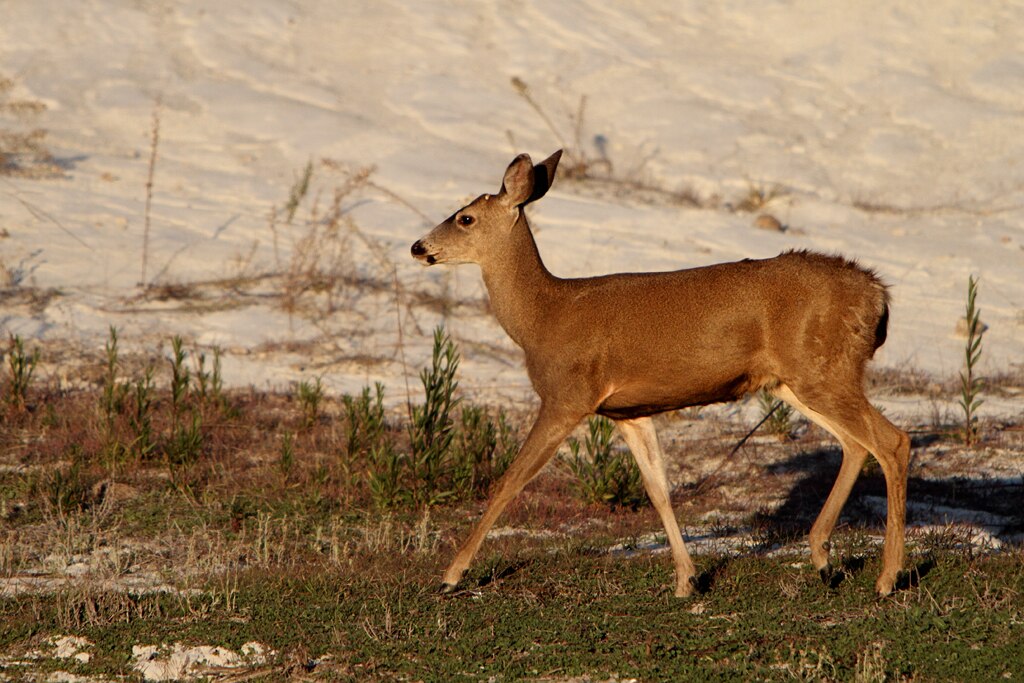
Deer tracks are some of the most commonly misinterpreted impressions due to their clean, heart-shaped appearance that resembles domestic goat or sheep prints. Beginners see the pointed tips and symmetrical shape and assume a farm animal wandered onto the trail, especially in regions where agricultural land borders wooded areas. However, deer tracks typically show a narrower gap between the hooves and display a lighter, more delicate pressure pattern due to the animal’s graceful movement. Goat and sheep tracks appear rounder and wider, often showing deeper weight distribution. Terrain and soil type further influence the print’s sharpness, creating variations that challenge newcomers reading the landscape.
Coyote Tracks Confused With Domestic Dog Prints
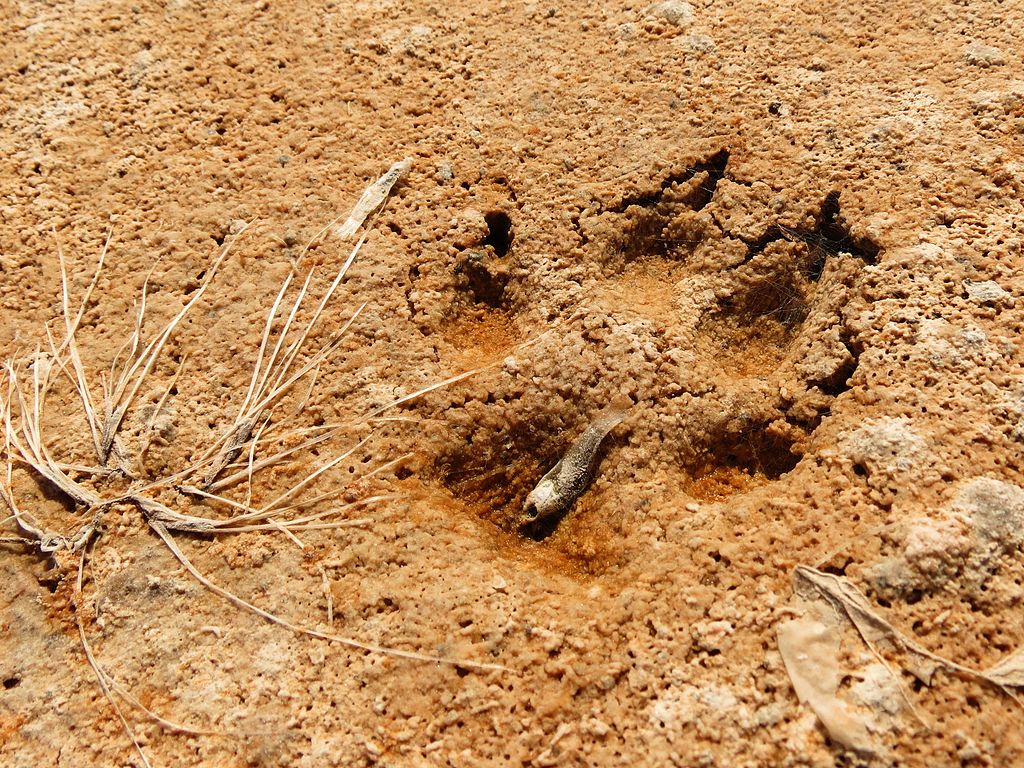
Coyote tracks and domestic dog tracks share similar outlines, making them a frequent source of confusion for trail beginners. Both animals leave four-toed prints with a central pad, yet coyotes generally place their feet with more intention and balance, resulting in straighter, more efficient stride patterns. Dog prints appear wider and often lack consistent direction due to playful movement or varied gait. Coyote pads create a slightly oval impression, and their claws tend to point forward with subtle sharpness. Soil conditions can blur these nuances, and dogs accompanying hikers may leave fresh prints nearby, further complicating identification efforts for those still learning.
Bobcat Tracks Mistaken for Small Dog Tracks
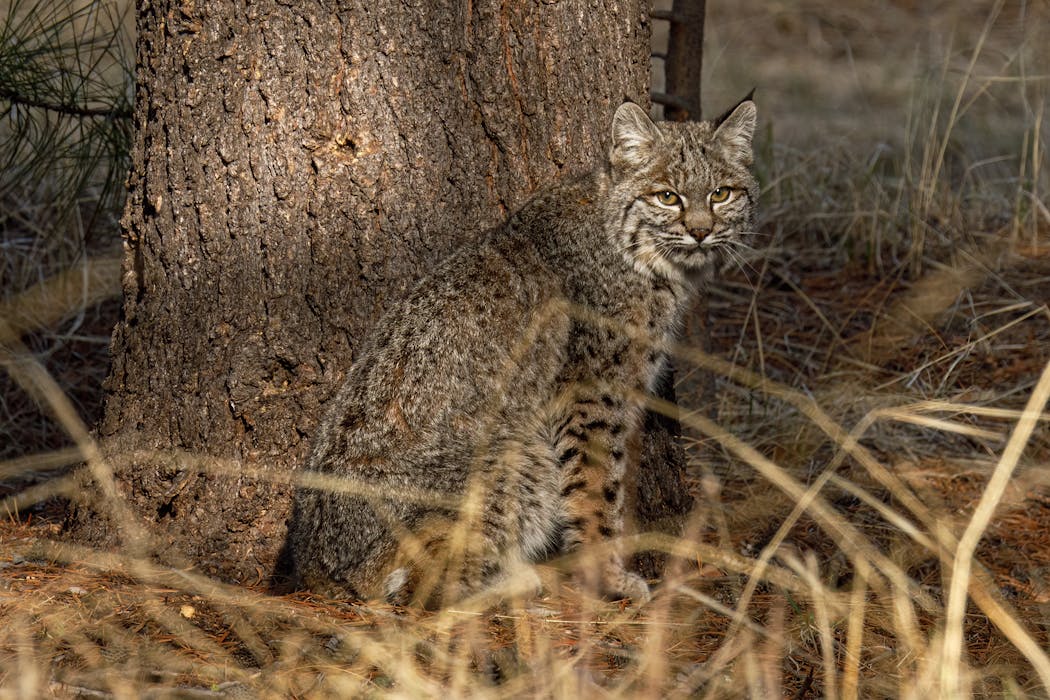
Bobcat tracks often surprise beginners because their rounded shape and lack of visible claws resemble small dog tracks at first glance. However, bobcats retract their claws while walking, creating smoother outlines without the pointed claw marks that dogs usually leave behind. Bobcat toes appear more tightly grouped, and their central pad has a distinct three-lobed shape at the back when impressions form clearly in soft soil. Small dogs distribute weight differently, producing deeper impressions near the front of the pad and showing inconsistent patterns depending on breed and gait. Subtle differences in stride length also help distinguish the two, yet these details often go unnoticed by new trackers.
Black Bear Tracks Mistaken for Human Footprints
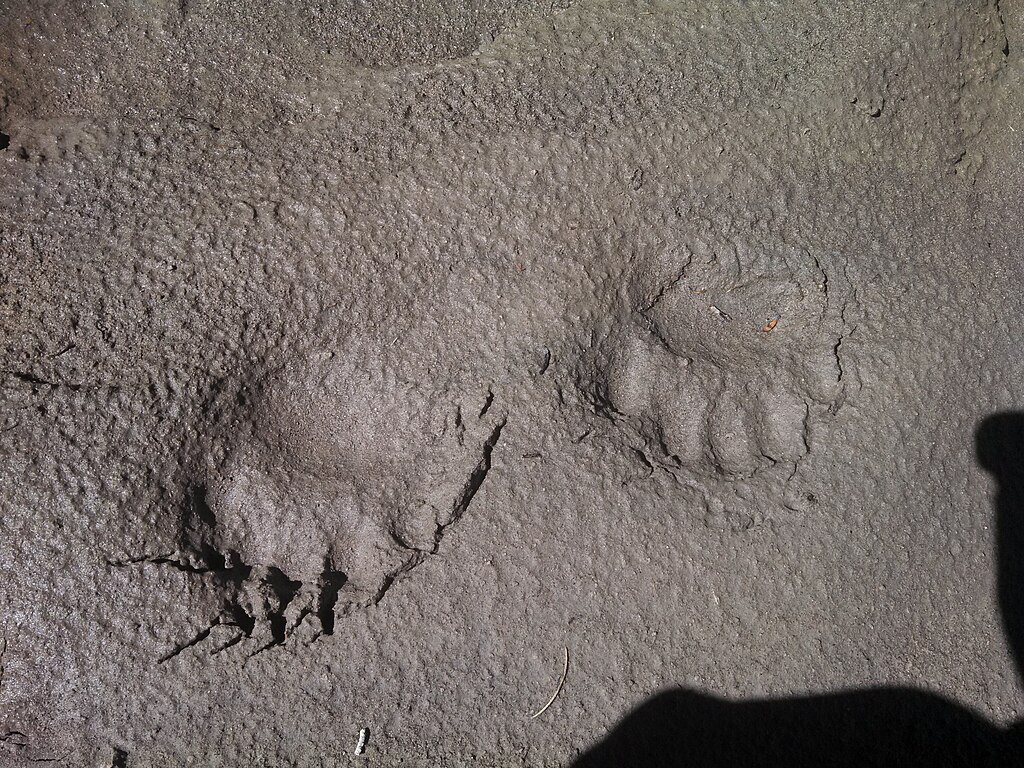
Black bear tracks occasionally confuse beginners because the rear prints feature a long heel that resembles a human footprint, especially when partially formed in mud or snow. However, bear toes sit above the pad in a curved arc, and claw marks often extend beyond the toes, creating a distinctive pattern. Bears also show a wider stance and broader pad shape compared to humans. Their front prints differ significantly, appearing shorter and rounder with prominent claws. Beginners may overlook these differences when seeing only a single print, particularly on soft ground where detail becomes blurred. Recognizing these characteristics helps avoid misinterpretations that suggest human presence where wildlife moved through.
Fox Tracks Confused With Small Coyote Prints
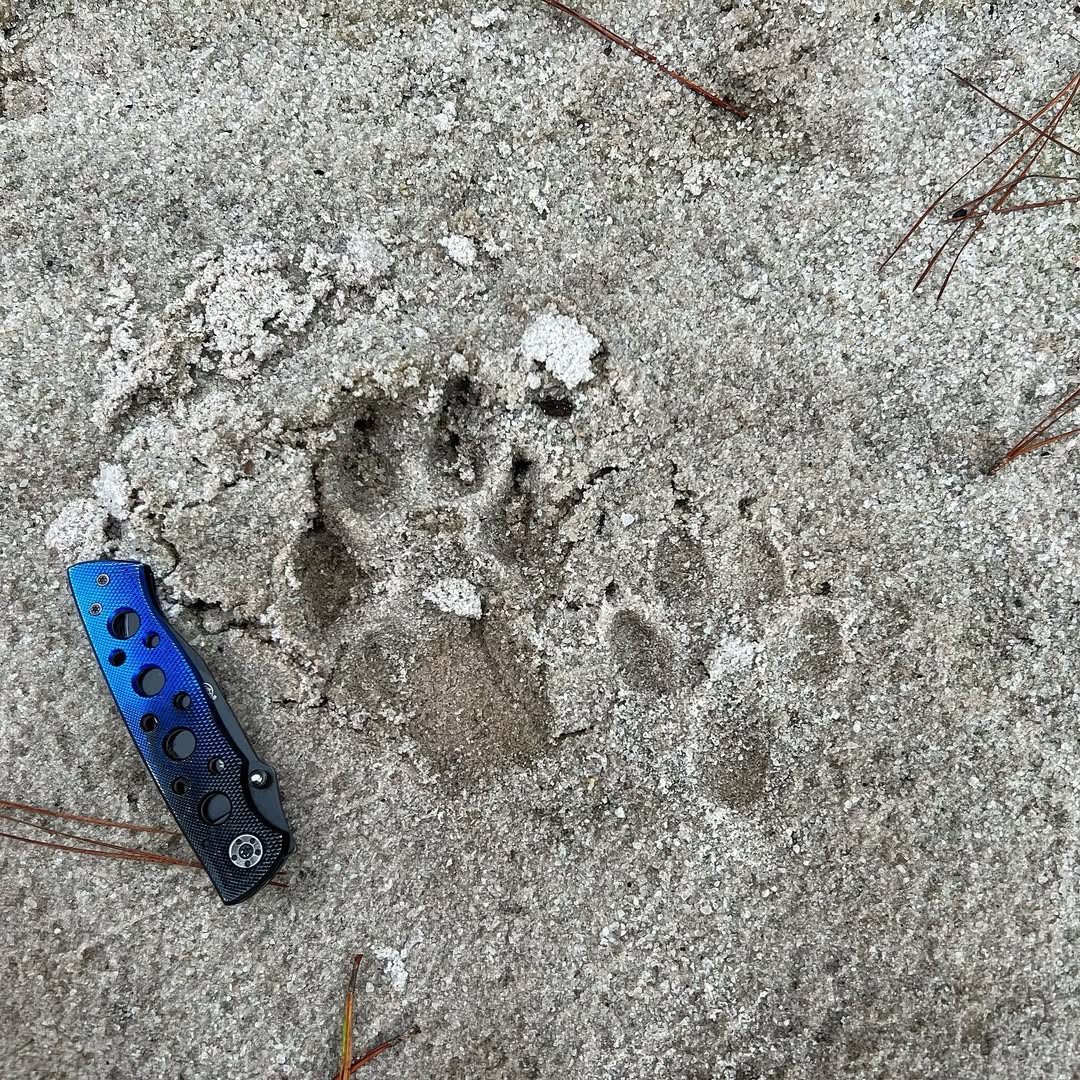
Fox tracks appear similar to coyote prints but remain smaller and more compact, causing difficulties for beginners who rely solely on shape rather than size. Both animals leave four-toed prints with a central pad, yet foxes create narrower impressions with claws that sit closer together. Fox strides also appear shorter and more dainty, reflecting their lighter build. Coyotes, by contrast, leave longer, more purposeful tracks aligned with efficient movement. Soft mud or snow may exaggerate the size of a fox print, making it resemble a young coyote. Observing stride patterns and measuring the print length often clarifies the true identity behind these similar impressions.
Mountain Lion Tracks Mistaken for Large Dog Prints
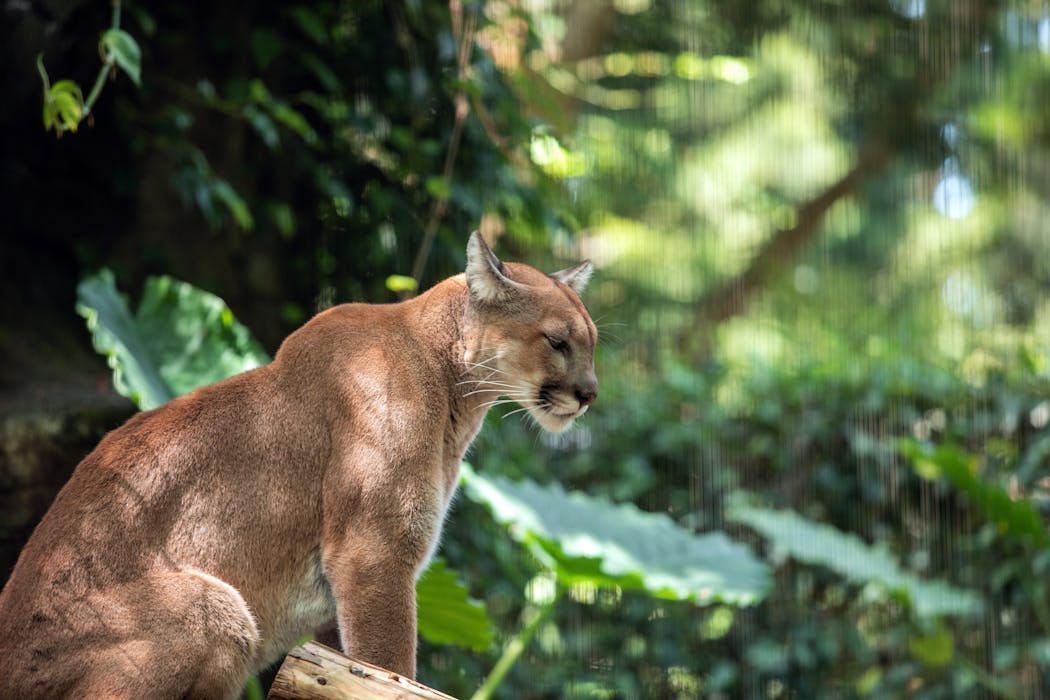
Mountain lion tracks pose challenges for beginners because their rounded shape mirrors that of large domestic dogs. However, mountain lions retract their claws, leaving clean, smooth impressions without claw marks, while dog tracks usually show pointed indentations. The central pad of a mountain lion features three distinct lobes at the rear, offering a key detail for identification. Their stride appears more purposeful and evenly spaced, reflecting a stealthy gait. Large dogs, on the other hand, often wander or change direction frequently, leaving inconsistent patterns. Snowy or muddy terrain may blur these distinctions, making careful observation necessary for accurate interpretation.
Wild Turkey Tracks Mistaken for Goose or Large Bird Prints
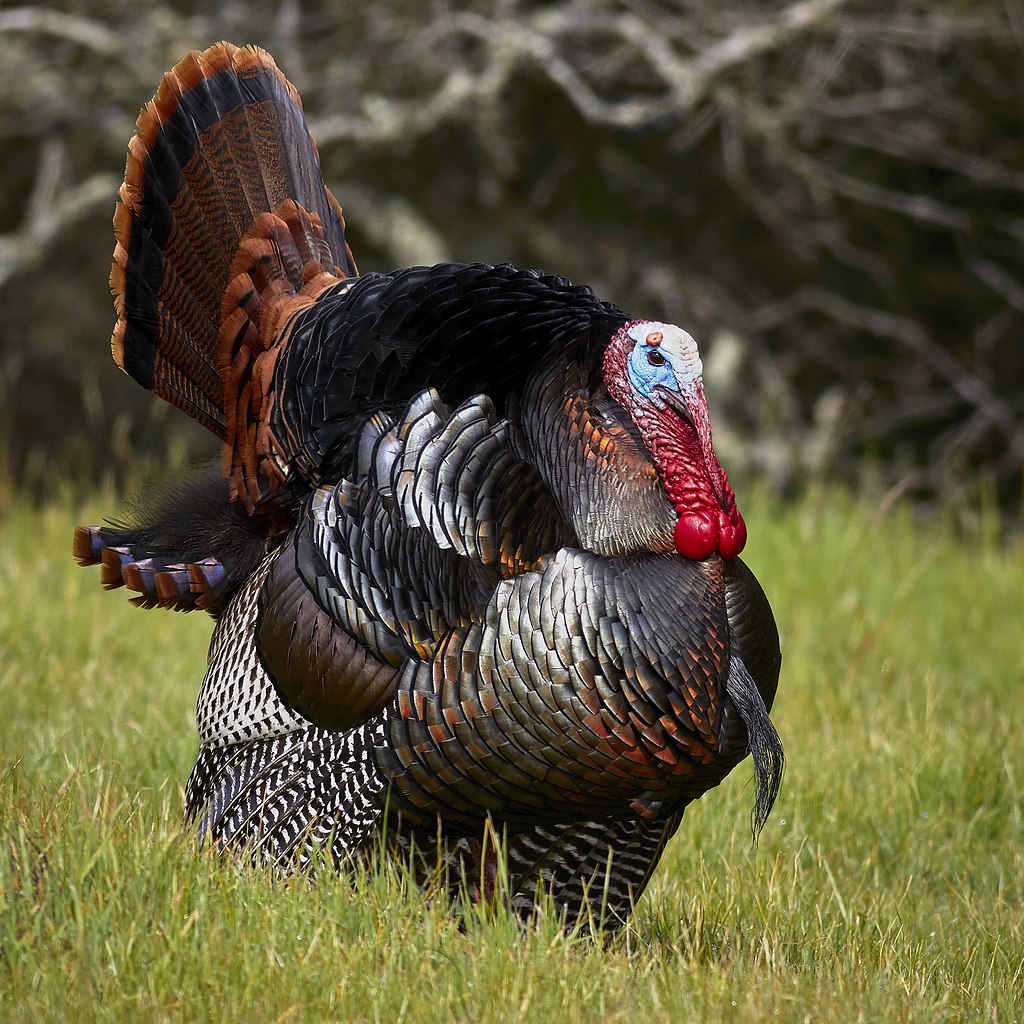
Wild turkey tracks consist of three long, forward-facing toes with a smaller rear toe, creating impressions that resemble prints from geese or other large birds. Beginners sometimes mistake them due to similarities in toe arrangement, especially on sandy or wet trails. However, turkey prints appear wider and show deeper pressure marks at the front where the bird applies weight while walking. Goose tracks reveal more elongated shapes and often display webbing between the toes, a detail not present in turkey prints. Terrain influences the sharpness of these features, and overlapping prints in muddy areas complicate identification further for new trackers exploring diverse habitats.
Opossum Tracks Confused With Raccoon or Small Mammal Prints
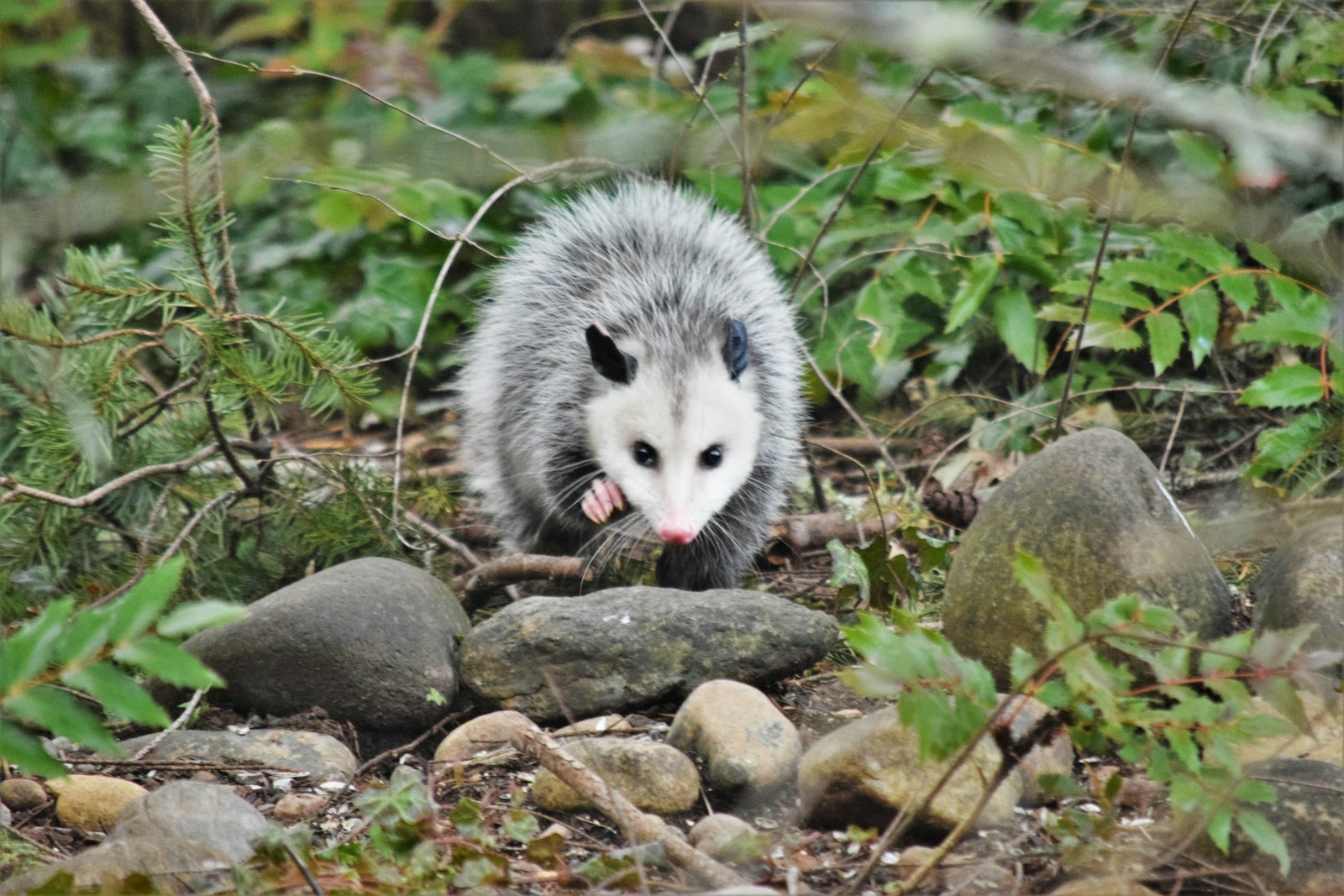
Opossum tracks often confuse beginners because their rear prints feature a thumb-like opposing toe that resembles a human-like structure, similar to raccoon impressions. However, opossum toes appear more spread out, and their unique rear footprint shows a distinctive L-shape due to this opposable digit. Their front tracks remain smaller and less hand-like, creating differences easily missed by inexperienced observers. The spacing between prints also reflects their slow, deliberate movement. Muddy or leaf-covered terrain can obscure these clues, causing confusion with other small mammals present. Recognizing the unusual rear toe helps distinguish opossum tracks from raccoons and other forest-dwelling species.
Skunk Tracks Mistaken for Cat or Small Raccoon Prints
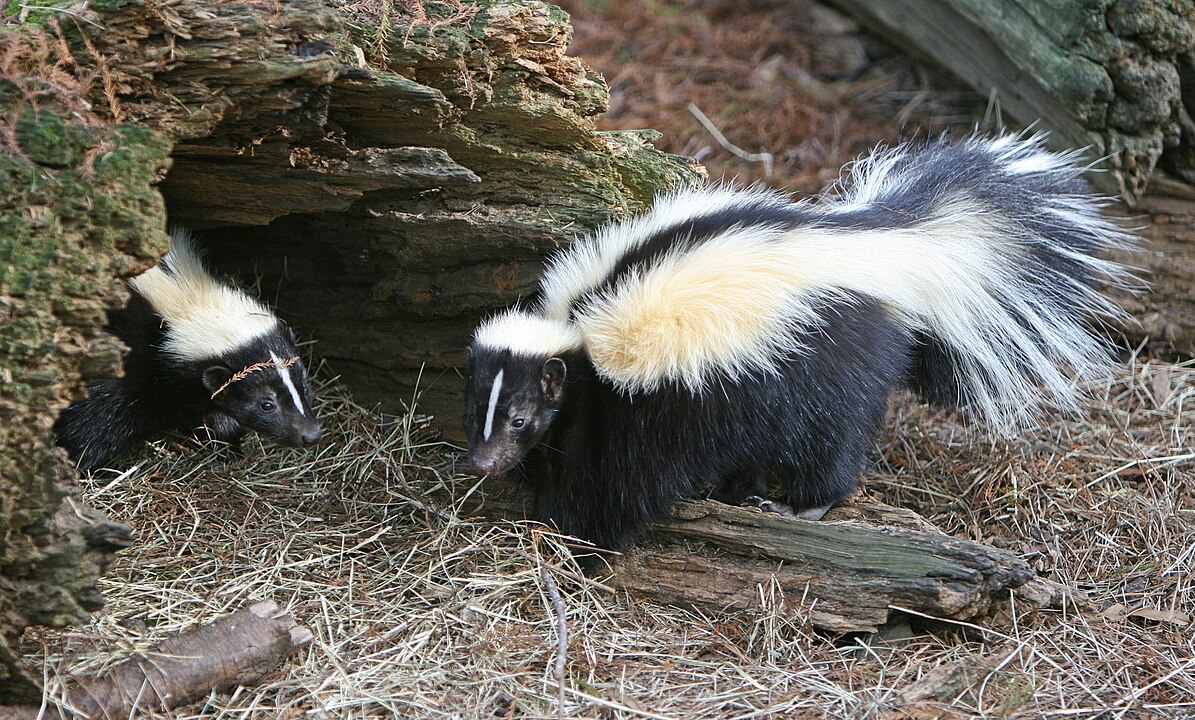
Skunk tracks may resemble prints from cats or small raccoons because they share a similar four-toe arrangement on the front feet. However, skunks leave five toes on the rear feet, with claws that show clearly in soft soil. Their prints appear elongated and point slightly inward due to their waddling gait. Cats retract claws, leaving cleaner impressions, while raccoons form more hand-like shapes. Skunk pads also differ in proportion, with a narrower rear pad that reflects their slower movement. Wet conditions may blur toe distinctions, making it easier for beginners to misinterpret the pattern. Careful attention to toe count helps clarify identification.
Rabbit Tracks Confused With Rodent or Squirrel Prints

Rabbit tracks often puzzle beginners because they show a unique pattern where the larger rear feet land ahead of the smaller front feet when the animal hops forward. This creates an unusual spacing that differs from rodents or squirrels, which produce tighter, more symmetrical prints. Rabbit toes appear less defined, and their longer hind feet create oval impressions that may distort in muddy or snowy conditions. Squirrels, by contrast, produce sharper front prints with clearer toe outlines due to their climbing behavior. Observing the leap pattern helps distinguish rabbit tracks from other small mammals frequently encountered on woodland or meadow trails.
Moose Tracks Mistaken for Large Deer Tracks
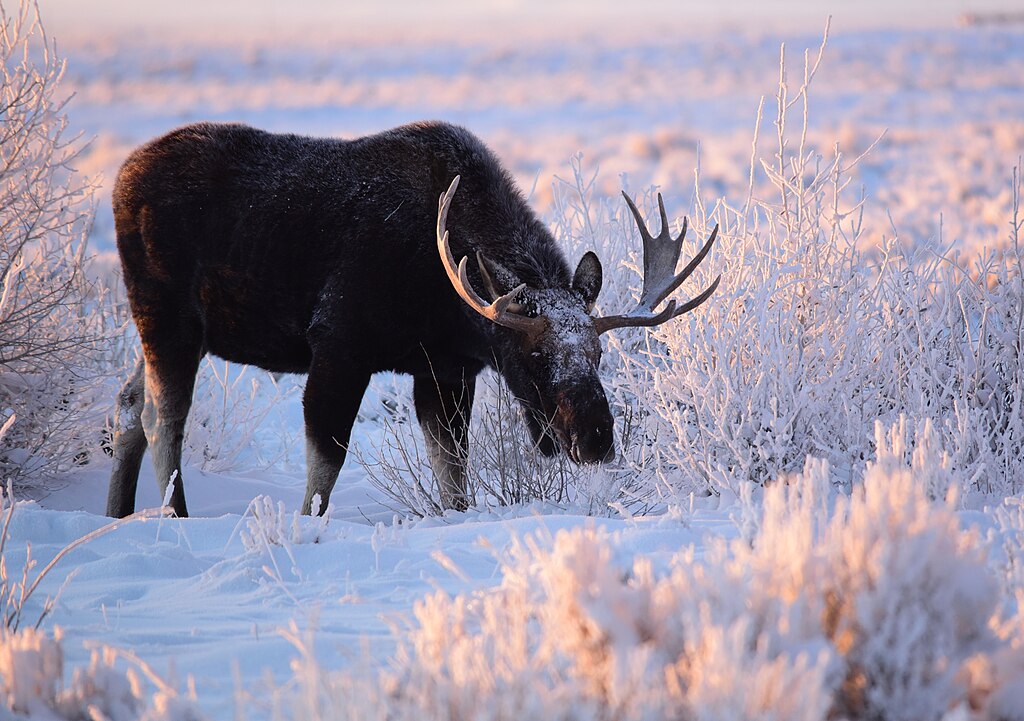
Moose tracks resemble oversized deer tracks, leading many beginners to assume a particularly large deer passed through rather than a moose. Both animals leave split-hoof impressions, yet moose tracks appear broader, longer, and more rounded at the tips. The depth of the print often indicates significant weight, another clue distinguishing moose from deer. Terrain pressure may exaggerate size differences, especially in soft soil or snow, where hooves sink more deeply. In regions such as the northern Rockies and New England, these similarities cause frequent mix-ups. Recognizing the substantial width and weight distribution of a moose track helps clarify identification in appropriate habitats.
Beaver Tracks Mistaken for Muskrat or River Otter Prints
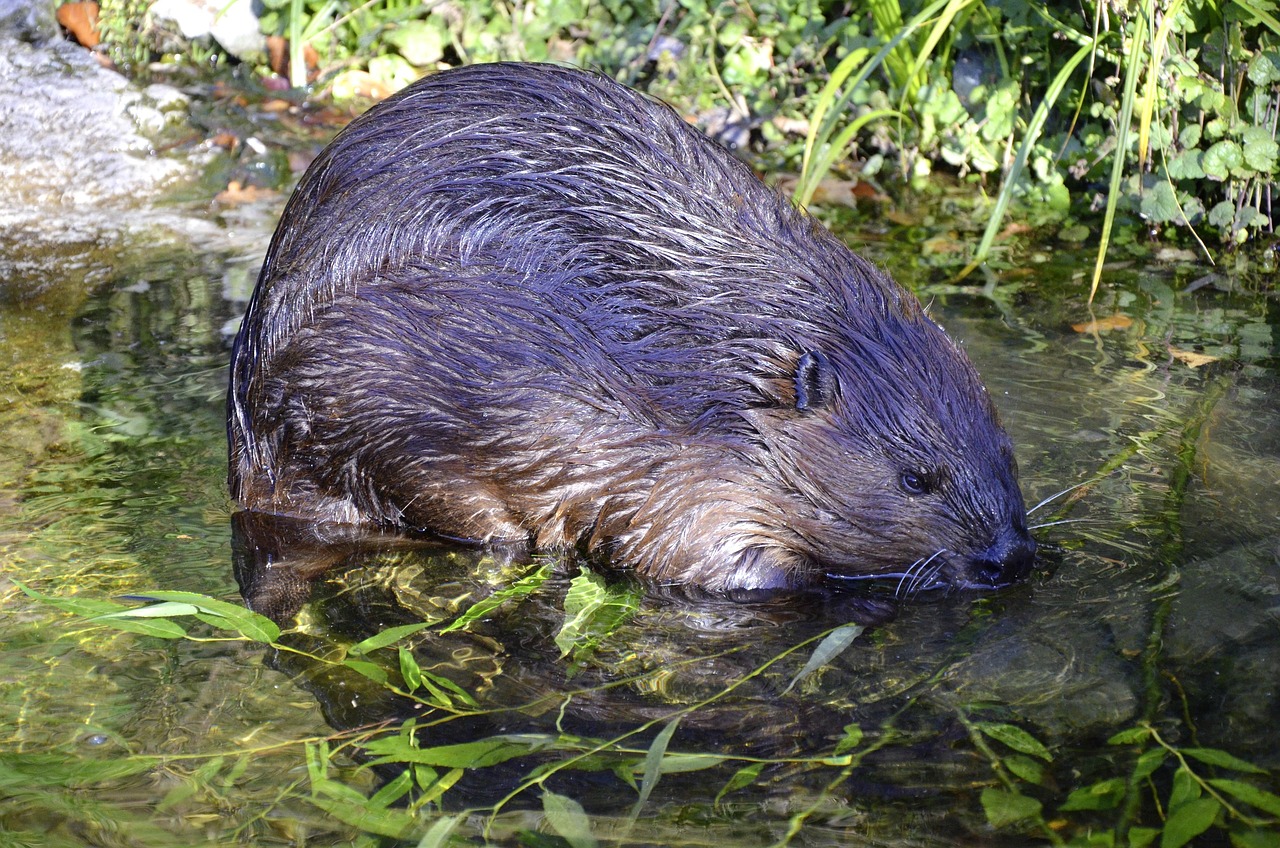
Beaver tracks often challenge beginners because their webbed hind feet resemble impressions from muskrats or river otters that share similar aquatic habits. Beaver rear tracks appear larger and show distinct webbing with a broader heel. Front tracks remain smaller with noticeable claws used for manipulating wood. Muskrat prints appear narrower and lack pronounced webbing, while otter tracks feature a playful bounding pattern with elongated toes. Mud, riverbanks, and shallow shoreline areas often blur details, increasing confusion. Observing the combination of tail drag marks and large webbed impressions helps identify beaver activity more accurately across freshwater habitats.