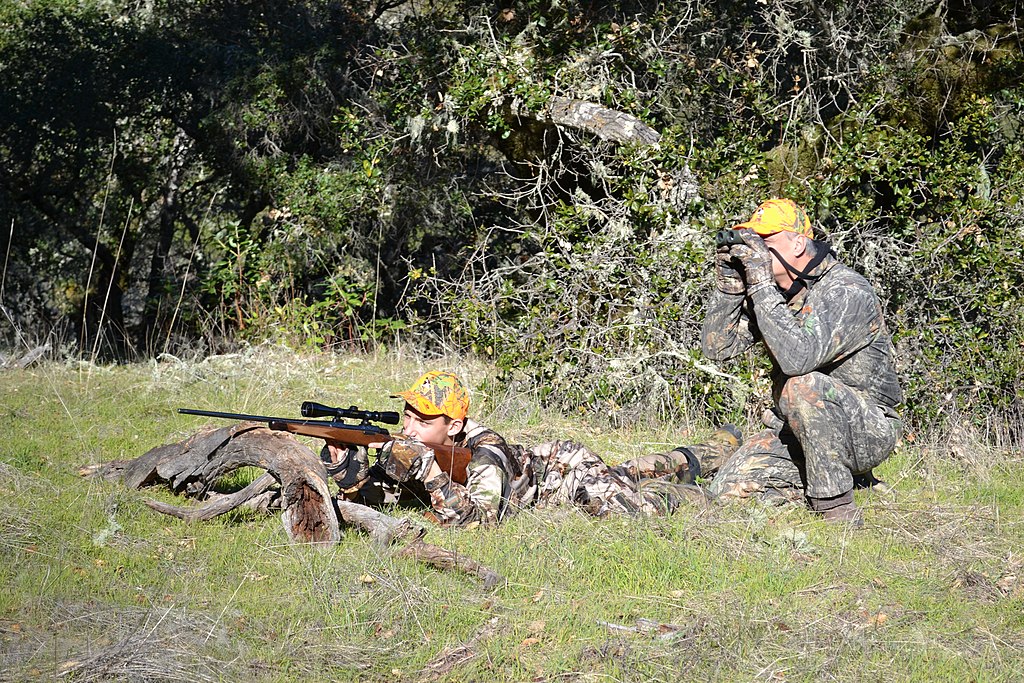
Tension between hunters and conservationists often emerges when wildlife policies must balance ecological science with longstanding field traditions. Population declines, invasive species, habitat loss, and disease create complex management challenges that demand coordinated approaches, yet priorities differ sharply between groups. Debates frequently focus on harvesting rules, predator interactions, and human expansion into natural areas. These disagreements shape how regions protect biodiversity while supporting sustainable outdoor practices. As environmental pressures intensify, differing viewpoints continue to influence long-term strategies across diverse ecosystems.
Predator Control
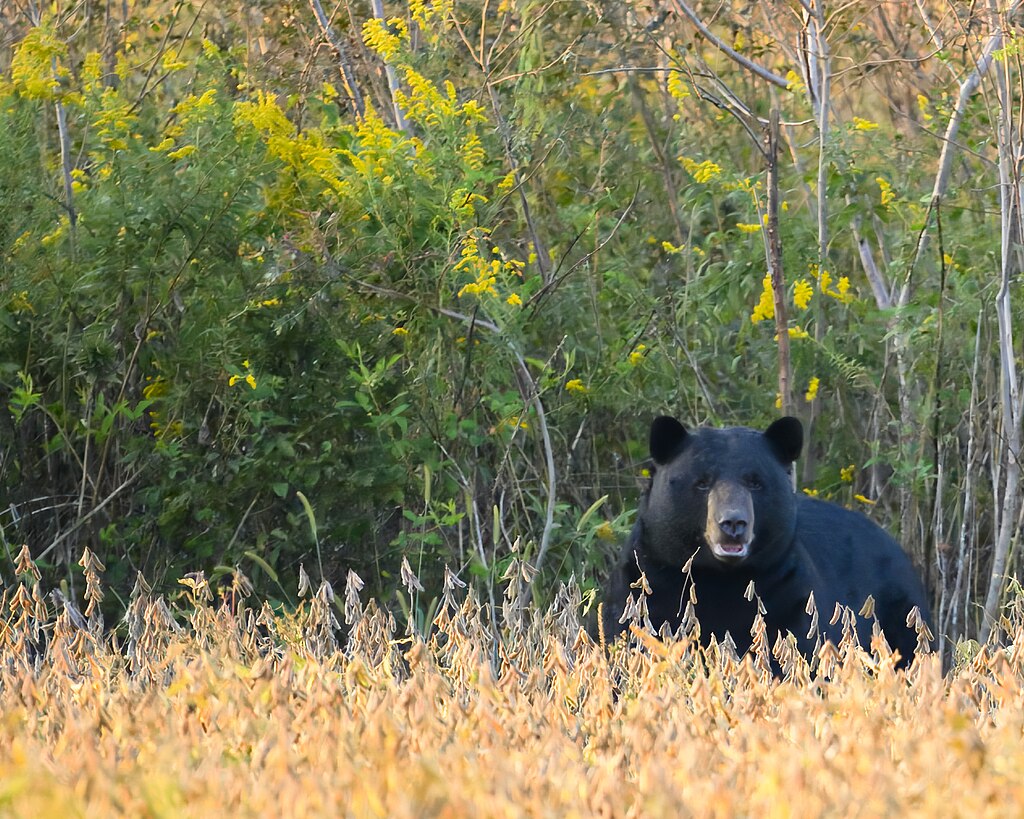
Predator control generates ongoing disagreement because hunters often support reducing predator numbers to protect game species, while conservationists stress the ecological importance of apex predators. Population imbalances can influence deer, elk, and small-mammal trends, prompting calls for carefully structured strategies. Conflicts increase when livestock losses or declining hunting success affect communities dependent on seasonal harvests. Scientific studies highlight predators’ roles in stabilizing ecosystems. Policymakers must weigh ecological benefits, cultural expectations, and regional impacts when shaping predator-management plans.
Chronic Wasting Disease
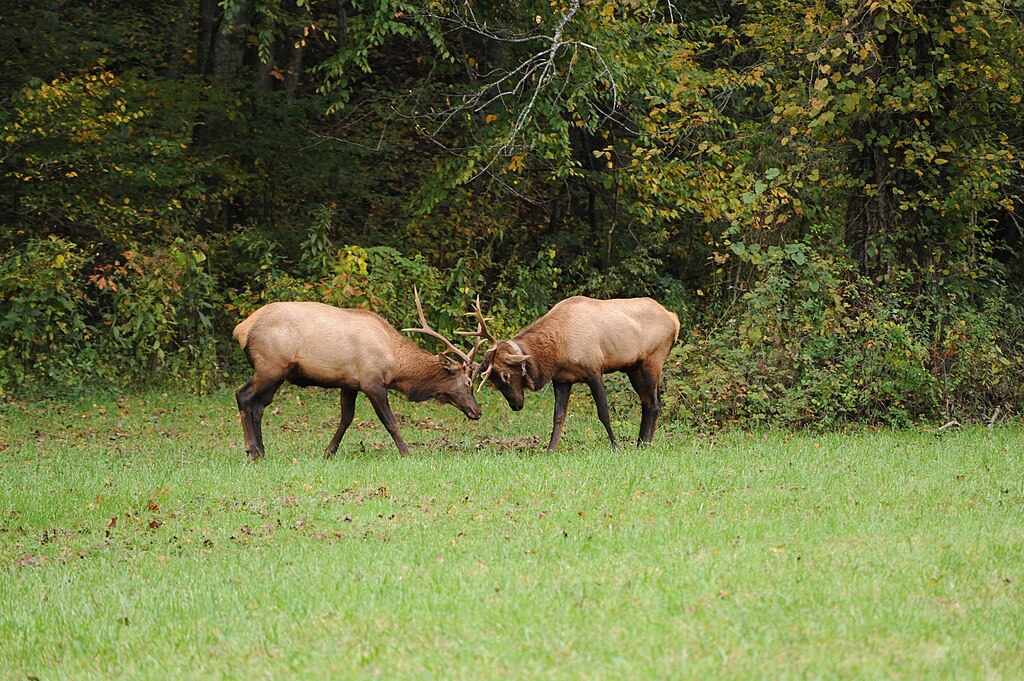
Chronic wasting disease remains a critical issue because it spreads among deer and elk and threatens long-term herd health. Hunters frequently advocate for expanded testing and targeted population reductions in high-risk zones. Conservationists often argue for stricter oversight of captive facilities and transport networks that may accelerate transmission. Differences arise over which interventions offer the greatest impact. Research continues examining environmental persistence, genetic resistance, and regional spread patterns. Agencies rely on updated data to guide regulations that protect wildlife and mitigate further contamination.
Hunting Seasons
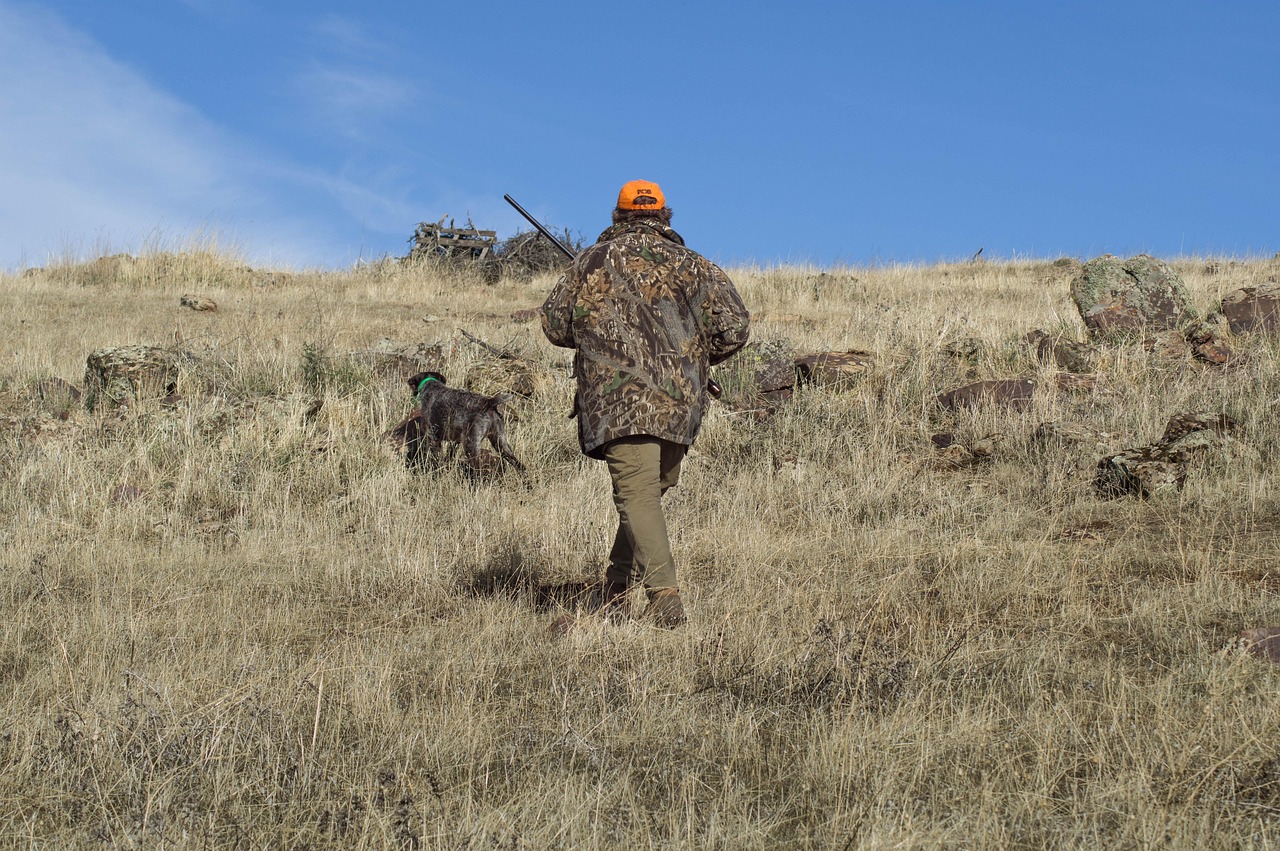
Debates over hunting seasons revolve around timing, duration, and the influence of human pressure on animal behavior. Hunters often prefer flexible dates to account for changing migration patterns and weather conditions. Conservationists emphasize the need for strict schedules that safeguard breeding cycles and juvenile development. Adjustments require detailed population assessments, harvest reports, and environmental forecasts. Disputes emerge when populations fluctuate or tourism economies depend heavily on seasonal activity. Wildlife agencies continually refine season structures to support sustainable herd management.
Nonresident Tags
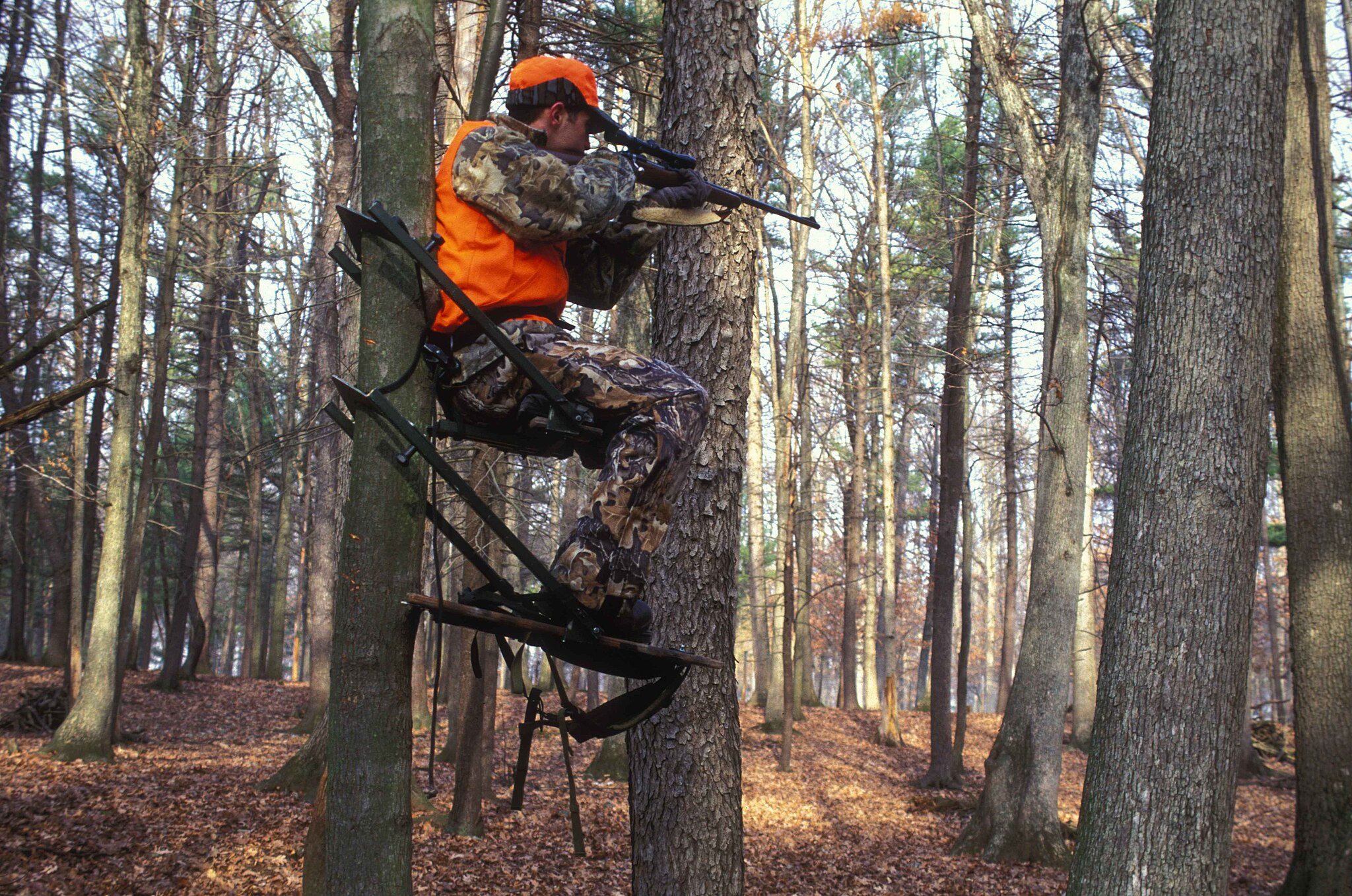
Nonresident tag allocation sparks conflict because increased demand affects opportunity, revenue, and population control. Hunters advocate for broader access that supports travel, while conservationists emphasize limiting pressure on sensitive herds. States often respond by tightening quotas to reduce overcrowding. Licensing programs contribute substantial funding to habitat restoration and enforcement, complicating policy decisions. Public input and biological data shape annual tag distribution. Balancing financial benefits with responsible harvest levels remains a central challenge in regions facing high visitor interest.
Private Land Access
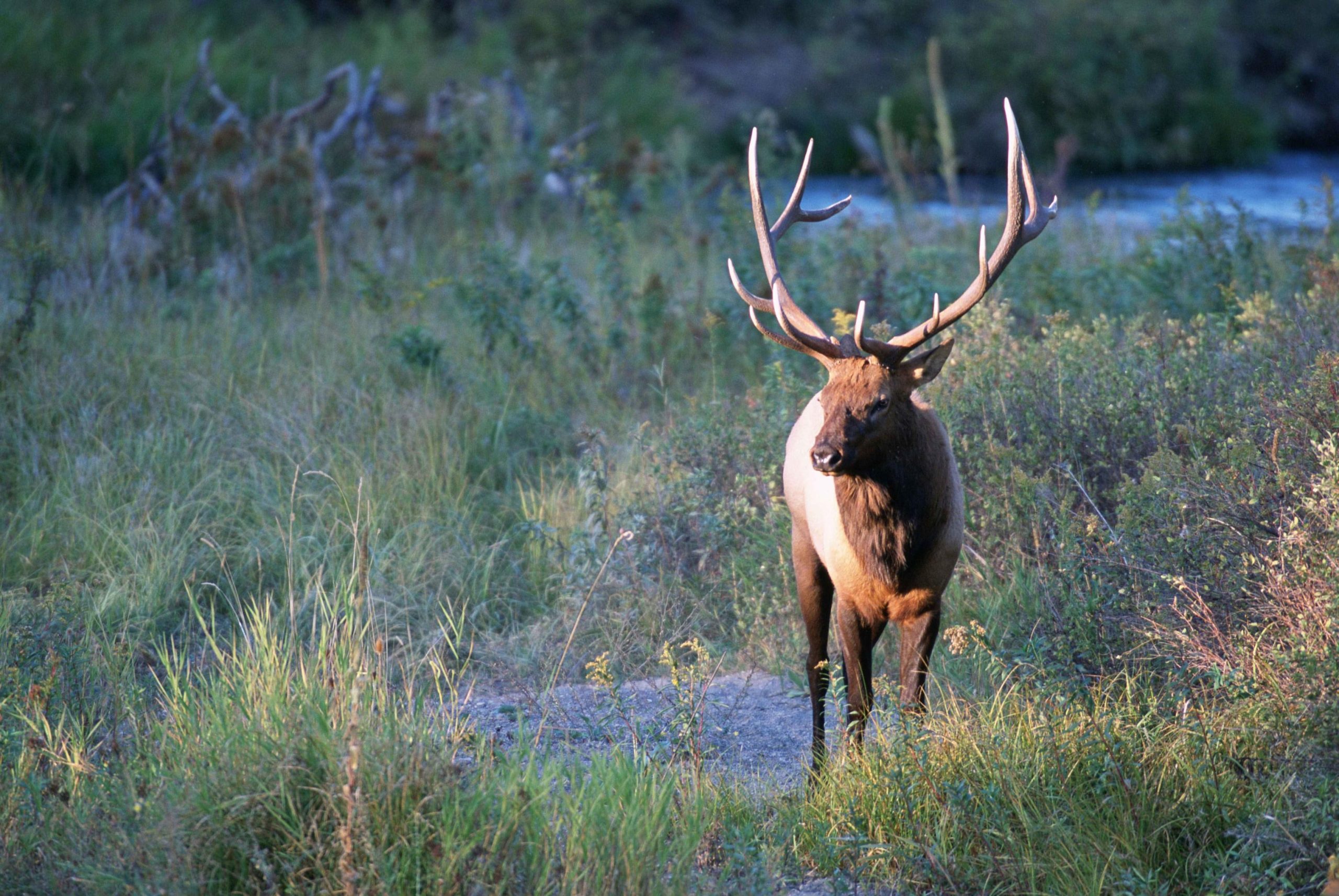
Private land access raises concerns about liability, habitat preservation, and competing interests among landowners and sportsmen. Hunters frequently support incentive programs that open private parcels to regulated use, while conservationists prioritize protecting fragile habitats from overuse. Conflicts deepen when migration corridors cross privately owned terrain. Cooperative agreements, conservation easements, and habitat-improvement partnerships help bridge differences. Long-term success depends on trust and collaboration among landowners committed to balancing ecological stewardship with controlled recreational access.
Wolf Reintroduction

Wolf reintroduction remains a polarizing issue because expanding wolf populations affect big-game dynamics, livestock safety, and public perception. Conservationists highlight wolves’ ecological roles in maintaining balanced ecosystems. Hunters express concern that elk and deer populations decline in heavily impacted regions. Management plans often include compensation programs, controlled harvests, and ongoing monitoring. Opinions vary widely by region due to cultural history, landscape size, and economic factors. Wolf policy remains one of the most complex wildlife debates in modern management.
Baiting Practices
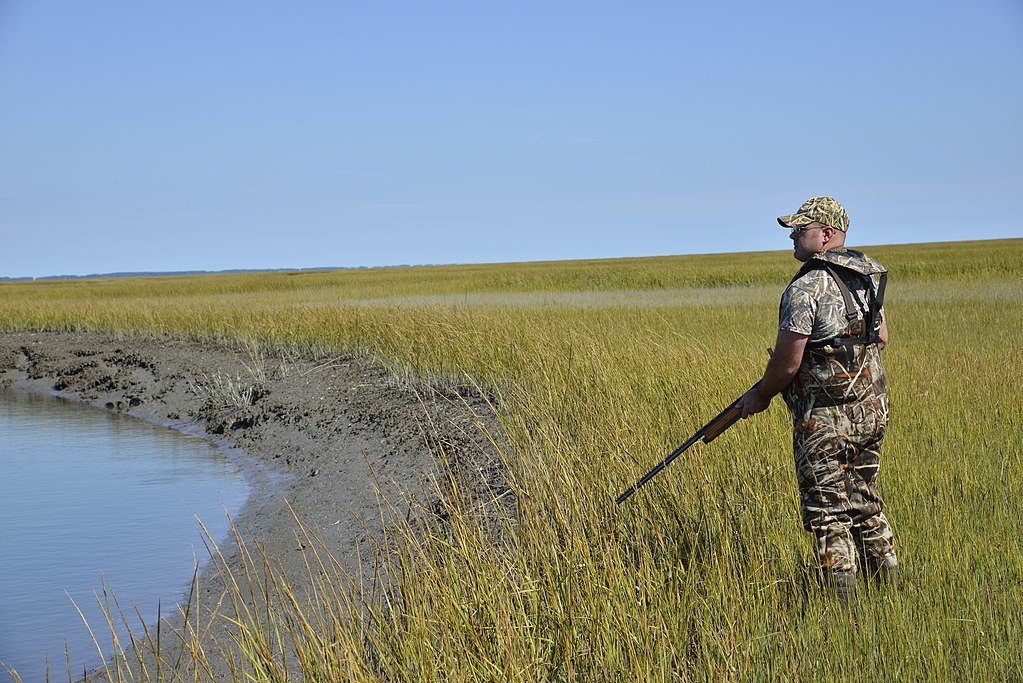
Baiting practices generate conflict regarding ethical standards, disease risk, and wildlife behavior. Hunters argue that baiting allows targeted harvest in dense environments where visibility is limited. Conservationists warn that artificial feeding encourages unnatural congregation and increases the likelihood of disease transmission. Agencies evaluate habitat conditions, population density, and biological studies before issuing regulations. Research continues assessing behavioral changes linked to baiting. Regional policies differ widely, reflecting ongoing debate about how supplemental attractants influence long-term wildlife stability.
Urban Wildlife

Urban wildlife management raises difficult questions as communities expand into natural habitats. Species such as deer, coyotes, and raccoons adapt rapidly, creating challenges for property owners and municipalities. Hunters often support selective removal to reduce safety risks, while conservationists emphasize nonlethal approaches such as fencing, education, and habitat modification. Expanding development increases encounters and complicates traditional management strategies. Officials must balance ecological health, public safety, and community expectations while designing policies that respond to evolving urban-wildlife interactions.
Invasive Species

Invasive species control receives support from both groups, though disagreements emerge over preferred removal methods. Hunters often participate in efforts targeting feral hogs, invasive fish, and nonnative plants that disrupt ecosystems. Conservationists emphasize science-driven plans that minimize harm to native species. Disputes arise when proposed interventions require extensive habitat alteration or large-scale population reductions. Long-term success depends on early detection, public education, and coordinated strategies across jurisdictions. Managing invasive species remains essential to preventing ecological degradation.
Trail Camera Restrictions
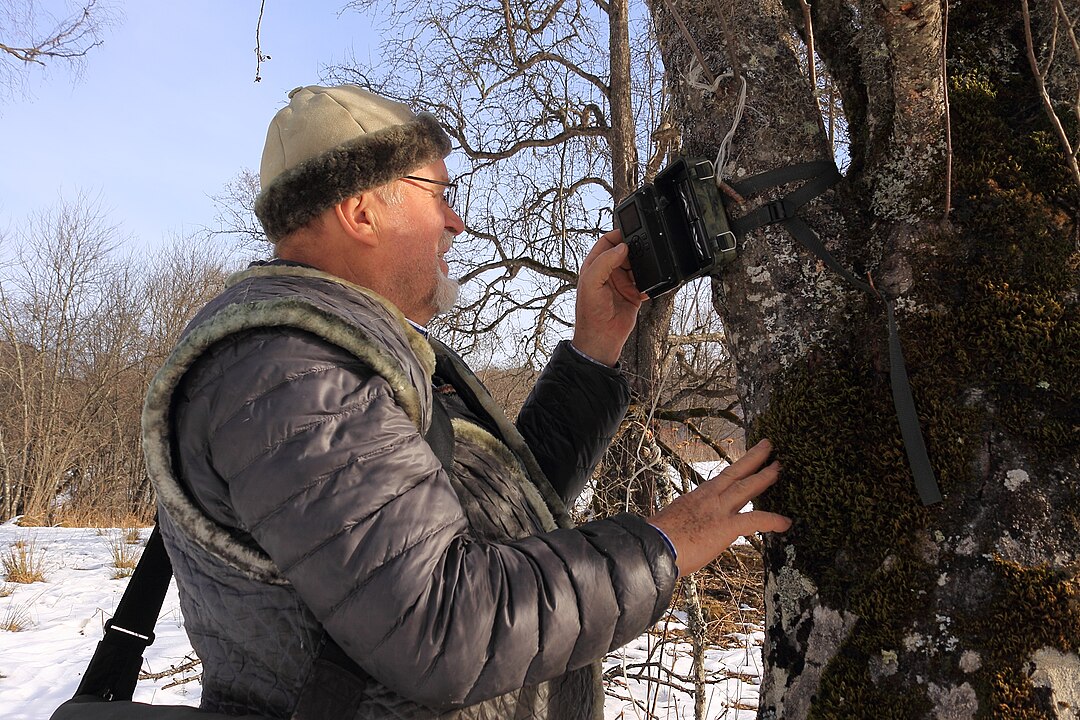
Trail camera restrictions highlight contrasting views on technology’s role in wildlife interaction. Hunters argue that cameras improve harvest efficiency and reduce disturbance by limiting scouting trips. Conservationists worry that widespread camera use alters animal movement and increases human intrusion into sensitive areas. Some regions evaluate seasonal bans during peak stress periods. Studies continue analyzing how technology influences wildlife behavior. Regulatory decisions incorporate ecological data, public input, and ethical considerations to guide responsible use in natural habitats.
Feeding Bans
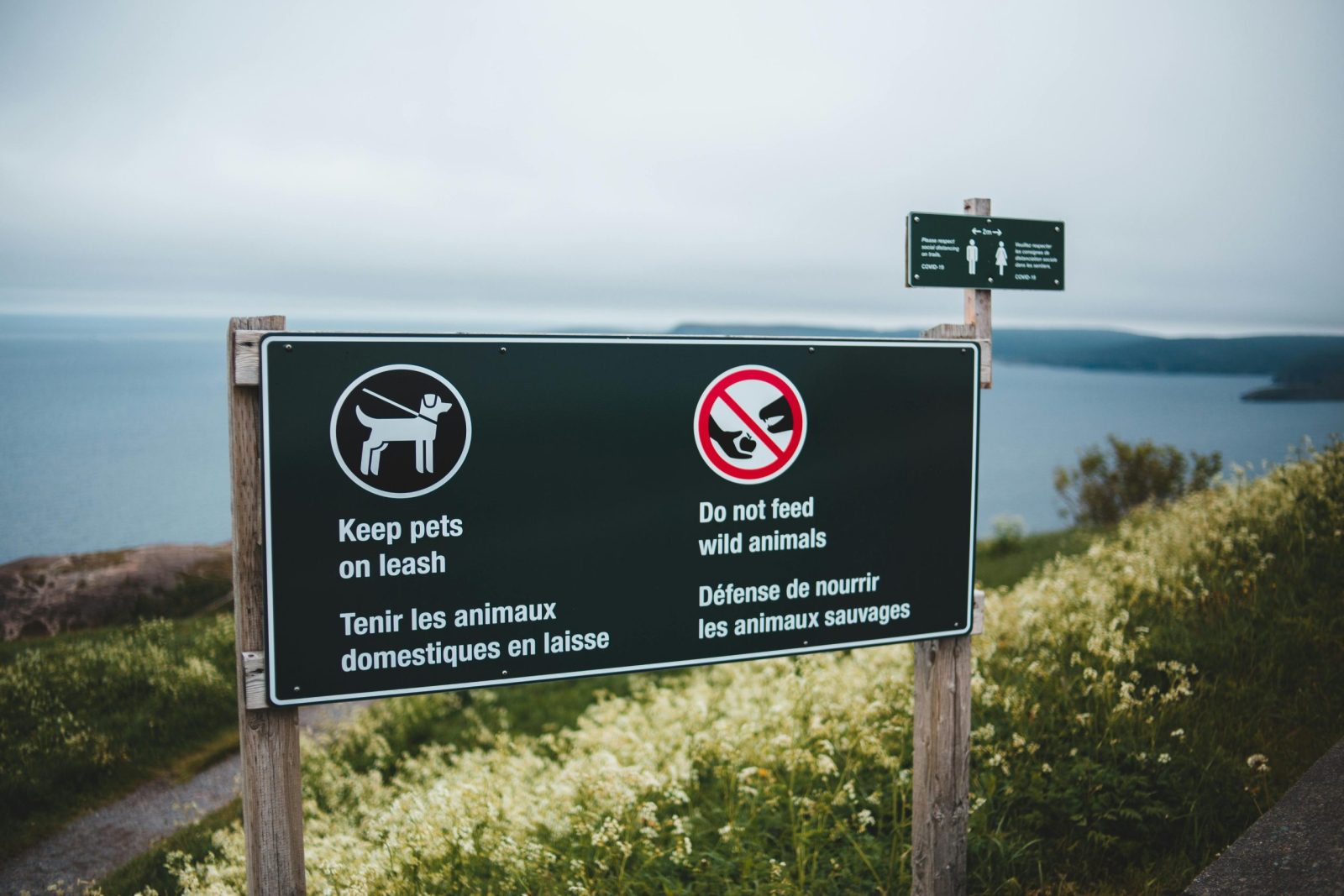
Feeding bans aim to curb disease transmission and prevent behavioral changes linked to artificial food sources. Hunters often support supplemental feeding during severe winters to help struggling populations, while conservationists argue that feeding alters natural foraging patterns and increases herd density. State agencies review disease prevalence, habitat quality, and environmental conditions before implementing restrictions. Education campaigns help explain long-term effects on herd health. Feeding policies remain highly regional, reflecting diverse landscapes and wildlife-management philosophies.