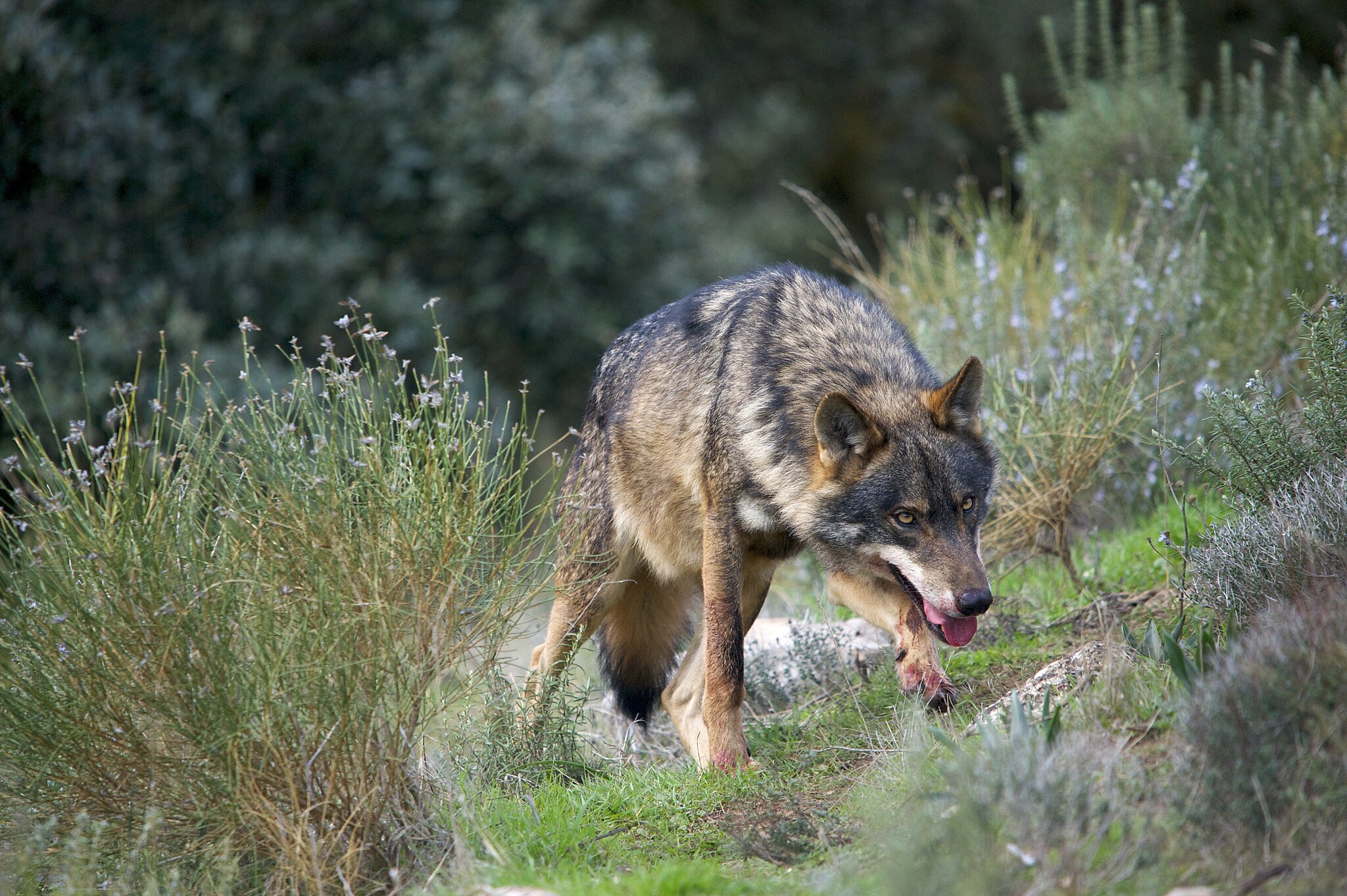
Across the United States, wolves are quietly reclaiming portions of their historic range. Decades of conservation work, legal protection, and changing public attitudes have allowed certain populations to stabilize and, in some regions, grow. These expansions are not uniform, nor are they free from controversy. Wolves influence ecosystems, livestock management, and wildlife policy, making their return both ecologically significant and socially complex. Population growth often depends on prey availability, habitat connectivity, and regulatory frameworks. The following states illustrate where wolf numbers or territory are visibly increasing. Each story reflects a different combination of biology, geography, and human response.
1. Montana
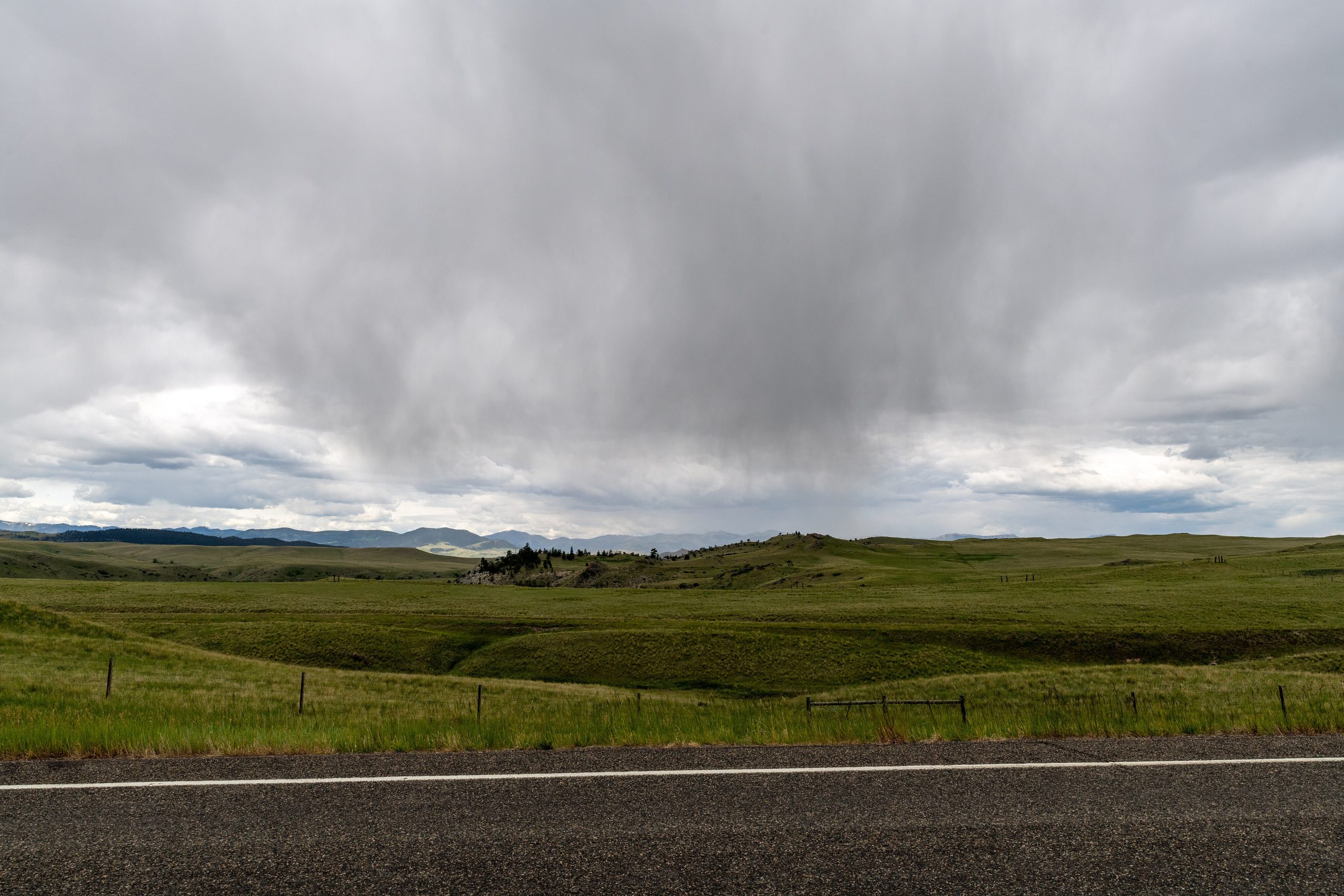
Montana remains one of the most important strongholds for gray wolves in the Northern Rockies. Vast wilderness areas, healthy elk populations, and habitat corridors have supported steady growth over recent decades. Wolves here disperse across large territories, frequently moving between protected lands and multiple-use regions. Population dynamics fluctuate with management policies, prey distribution, and seasonal pressures. Ranching concerns and wildlife conservation priorities coexist in ongoing debate. The state’s rugged landscapes provide ideal conditions for pack formation and expansion. Montana’s wolf story reflects how adaptable predators respond when prey density and suitable habitat remain broadly available across interconnected ecosystems.
2. Idaho
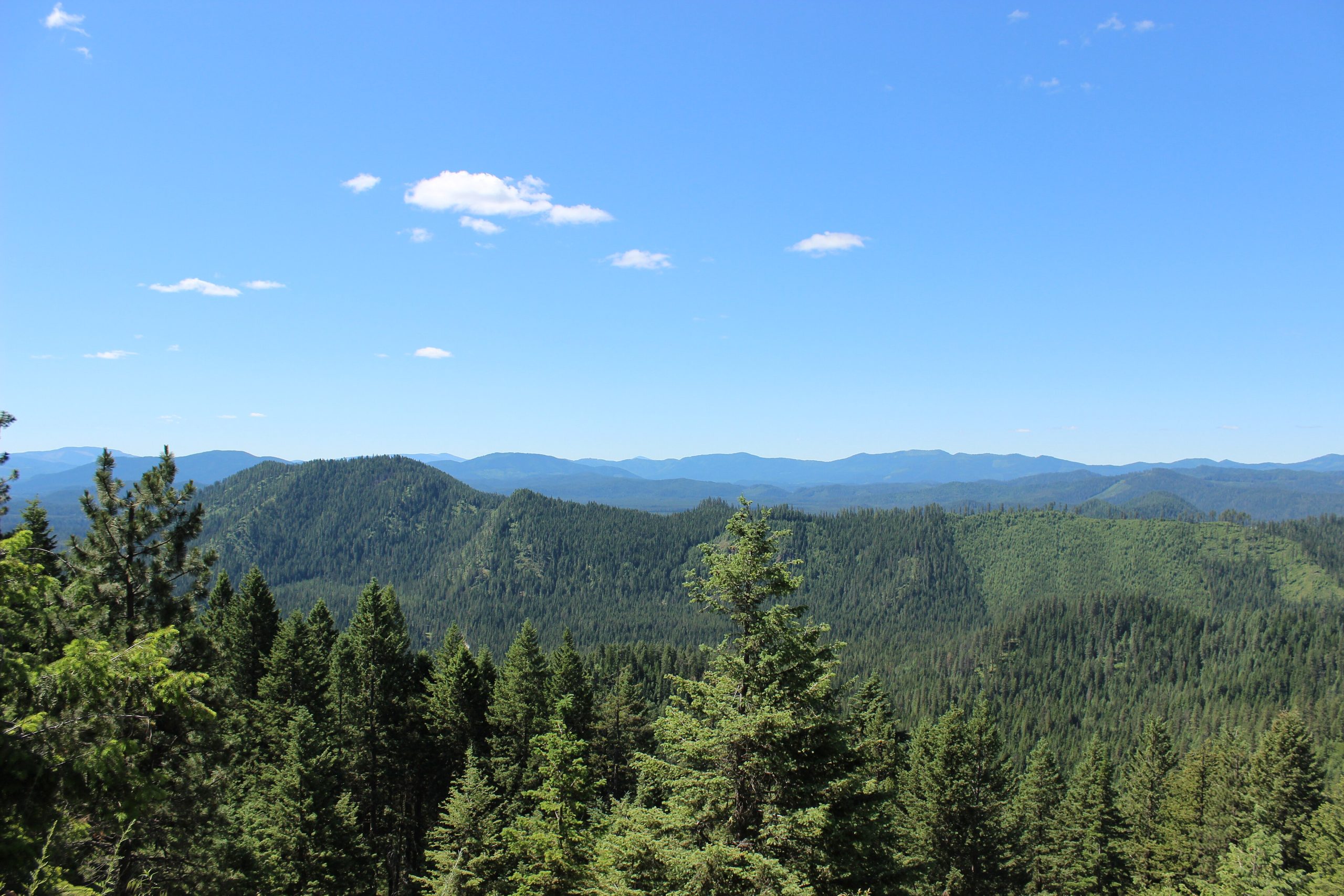
Idaho’s extensive backcountry and mountainous terrain have enabled wolves to expand well beyond initial recovery zones. Packs now occupy diverse regions, demonstrating remarkable ecological flexibility. Abundant ungulate populations contribute significantly to survival and reproduction. Population monitoring remains a key management component, balancing ecological goals with agricultural realities. Dispersing individuals frequently establish new territories, reinforcing long term stability. Idaho’s geography allows natural movement patterns across neighboring states, strengthening genetic diversity. Public perspectives vary widely, shaping regulatory discussions. The state illustrates how predator recovery intersects with land use, wildlife management, and evolving attitudes toward large carnivores.
3. Wyoming
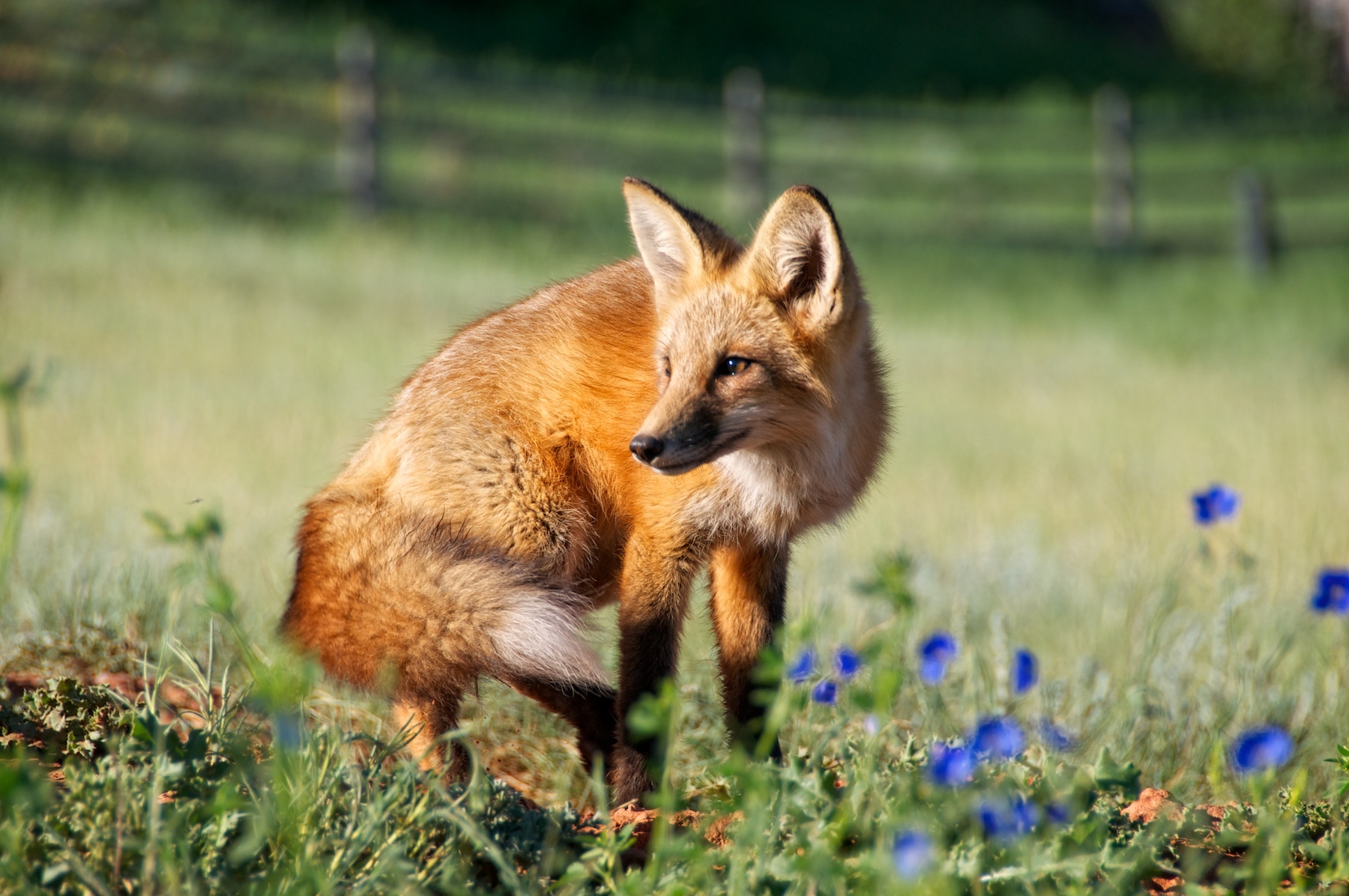
Wyoming’s wolf population growth centers largely around the Greater Yellowstone Ecosystem, where prey abundance and protected habitat have supported reproduction. Wolves dispersing from national parks increasingly occupy surrounding areas, expanding their territorial reach. Management strategies vary by region, influencing distribution and survival rates. Seasonal migration of prey species shapes pack movements. Wyoming’s terrain offers a mix of high-elevation wilderness and open landscapes, both capable of supporting wolves. Conflicts and coexistence efforts continue in parallel. The state’s experience underscores the importance of ecological connectivity, legal frameworks, and adaptive management in sustaining and expanding predator populations.
4. Wisconsin
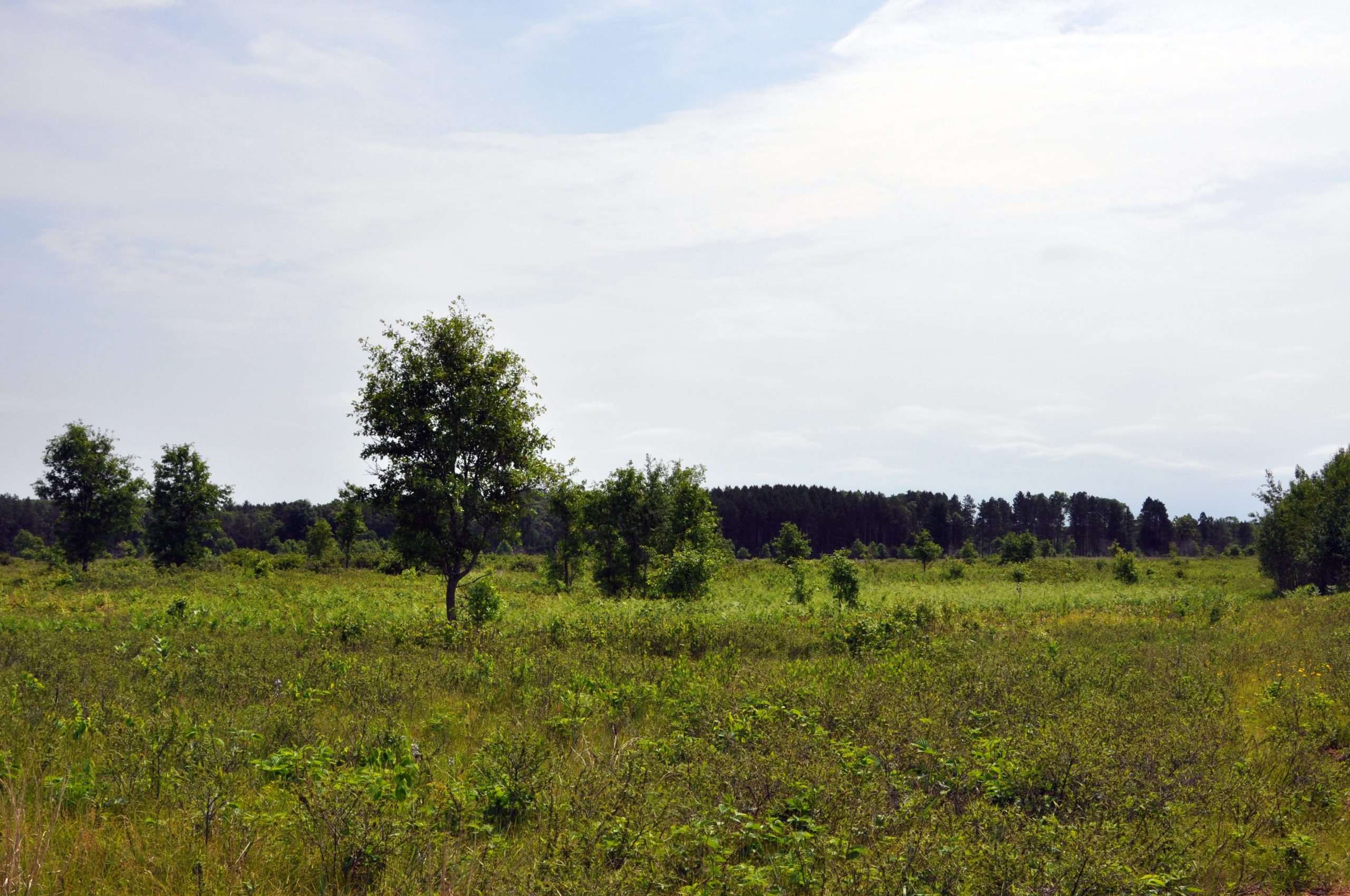
Wisconsin represents one of the most notable wolf recovery stories in the Midwest. Forested habitats, white-tailed deer populations, and suitable cover have facilitated gradual expansion. Wolves recolonized the state naturally, dispersing from neighboring regions over time. Population estimates have generally trended upward despite periodic fluctuations. Management debates reflect differing views on conservation, hunting policy, and rural impacts. Wisconsin’s landscape mosaic supports wide-ranging movement while maintaining viable territories. Monitoring efforts emphasize ecological balance and conflict mitigation. The state highlights how wolves adapt to mixed human-dominated environments when prey and habitat conditions remain favorable.
5. Minnesota
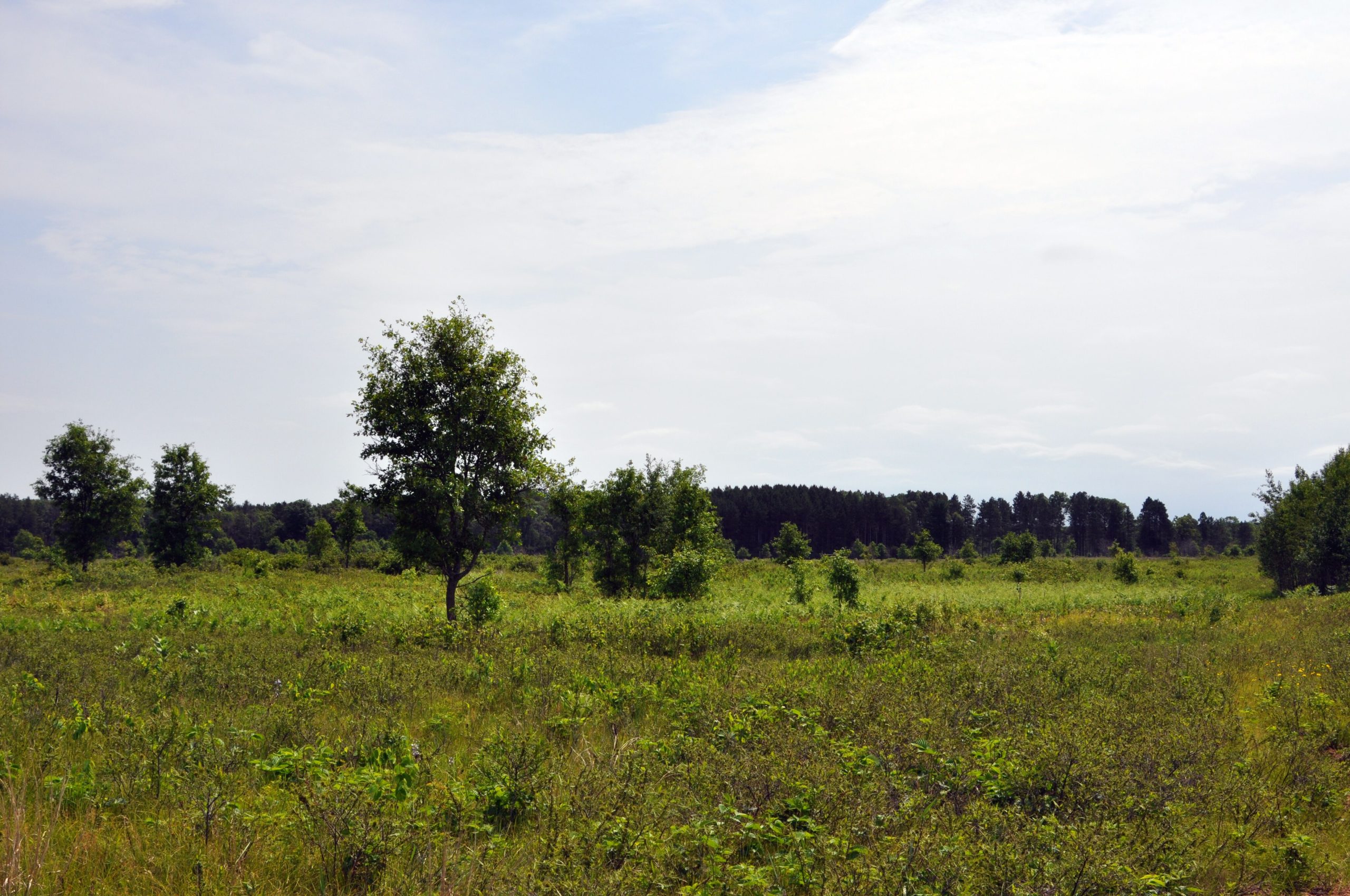
Minnesota has long supported the largest continuous wolf population in the lower forty-eight states. Stable numbers and natural reproduction have allowed gradual dispersal into adjacent areas. Dense forests and strong prey availability remain central to persistence. Wolves here play a well-documented ecological role, influencing deer dynamics and trophic interactions. Policy discussions continue regarding management authority and population thresholds. Minnesota’s long-standing coexistence experience offers valuable research insights. While expansion is slower compared to Western states, distribution patterns remain resilient. The state demonstrates how sustained habitat suitability supports enduring predator presence across decades of environmental change.
6. Michigan
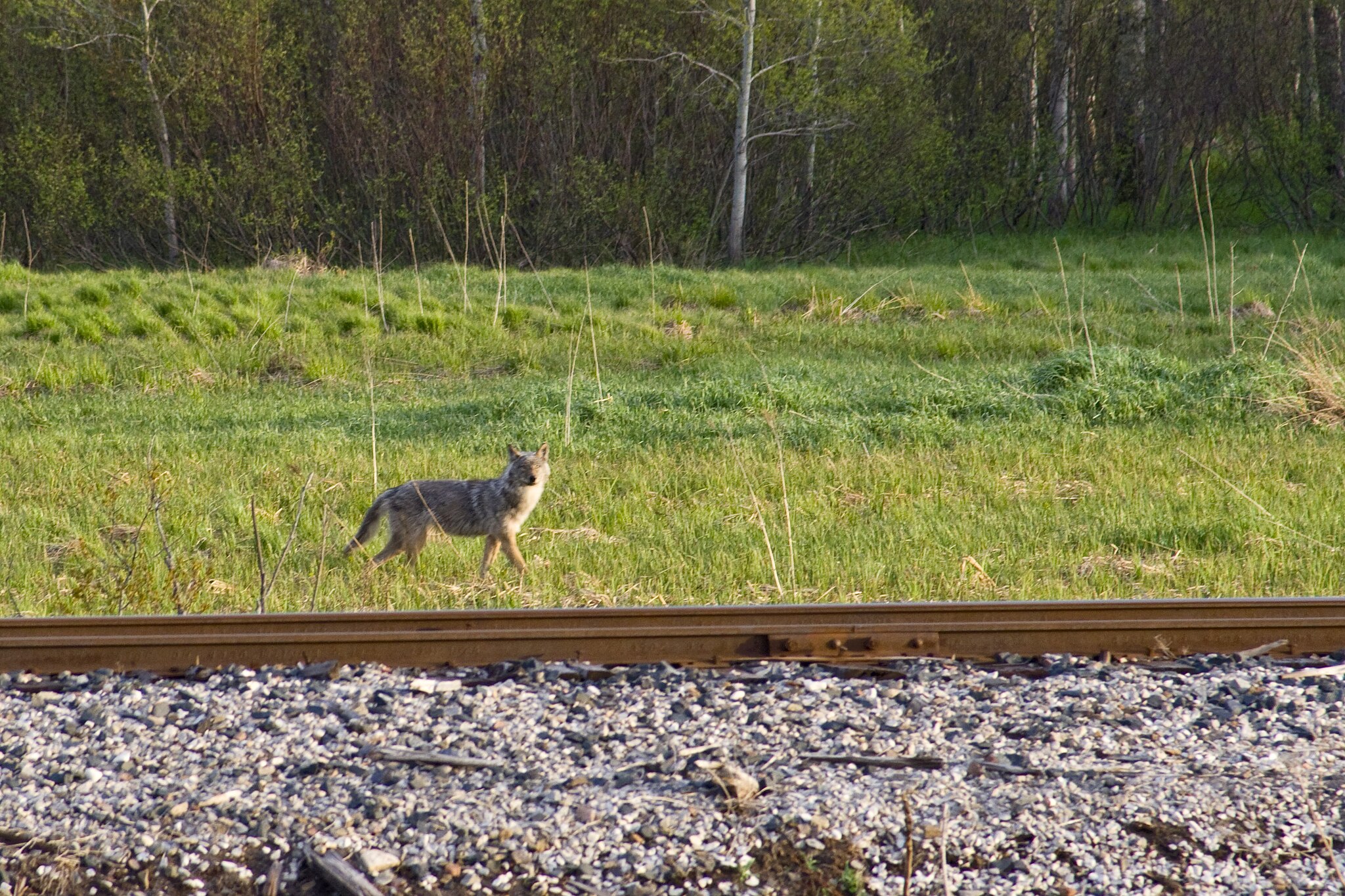
Michigan’s Upper Peninsula has experienced steady wolf population establishment and territorial spread. Immigration from neighboring states initially supported recolonization. Suitable forest cover and prey density sustain packs across varied landscapes. Seasonal movements reflect both ecological conditions and human activity patterns. Management priorities emphasize monitoring, conflict response, and public engagement. Wolves here occupy regions shaped by logging, recreation, and rural communities. Population resilience illustrates adaptability within dynamic environments. Michigan’s example highlights the importance of connectivity and habitat structure. Growth trends show how predators integrate into landscapes where ecological resources and cautious management coexist.
7. Washington
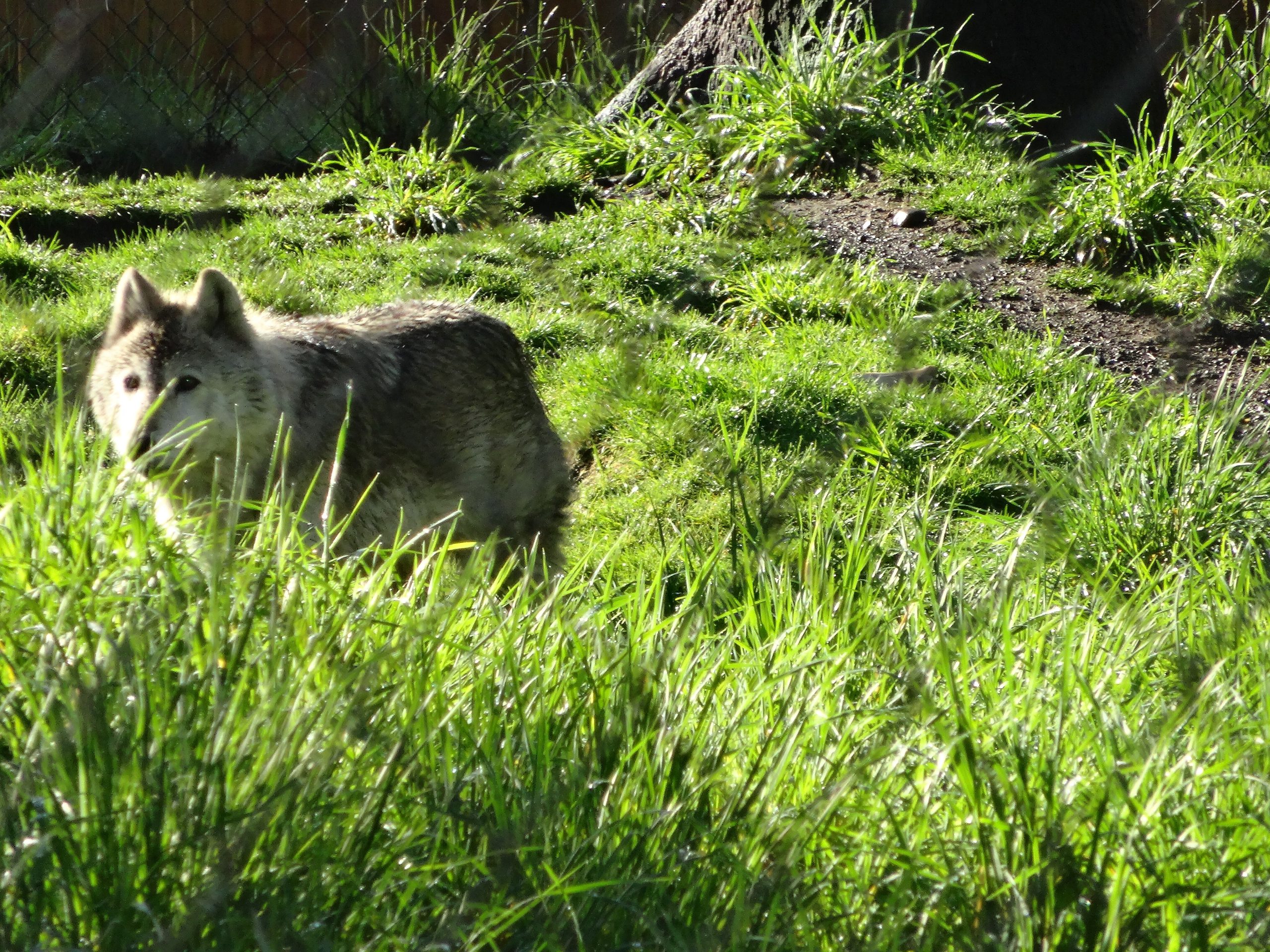
Washington’s wolf recovery reflects natural dispersal combined with careful management oversight. Packs increasingly appear in eastern regions where habitat and prey support reproduction. Expansion patterns remain closely monitored through collaborative programs. Wolves navigate landscapes that blend wilderness, agriculture, and human settlement. Public interest and policy debates shape regulatory decisions. Washington’s terrain diversity encourages gradual territorial establishment. Connectivity with neighboring states contributes to genetic exchange. Population growth illustrates resilience despite challenges. The state provides a compelling case of predator recolonization in modern multi-use environments where ecological processes unfold alongside human development pressures.
8. Oregon

Oregon’s wolves largely descend from dispersing individuals moving westward from established populations. Gradual pack formation and reproduction indicate sustained adaptation. Habitat conditions, prey availability, and policy frameworks influence distribution. Monitoring programs track movement, health, and population trends. Wolves occupy regions ranging from forests to high desert ecosystems. Oregon’s experience highlights the unpredictable nature of recolonization. Public perspectives vary across rural and urban communities. Expansion continues cautiously but visibly. The state’s landscape complexity demonstrates how predators exploit diverse ecological niches when corridors and prey resources remain accessible.
9. California

California’s wolf presence marks a relatively recent yet closely watched development. Dispersing wolves from neighboring states established small but significant footholds. Population growth remains modest yet symbolically important. Habitat connectivity and prey resources support gradual expansion potential. Monitoring relies heavily on tracking and field observation. Wolves here traverse large distances, reflecting natural dispersal instincts. Policy and public reactions remain diverse. California’s ecological diversity presents both opportunity and challenge. The state’s evolving wolf story illustrates how recolonization can occur even in highly populated regions when suitable habitat pockets persist.
10. Colorado
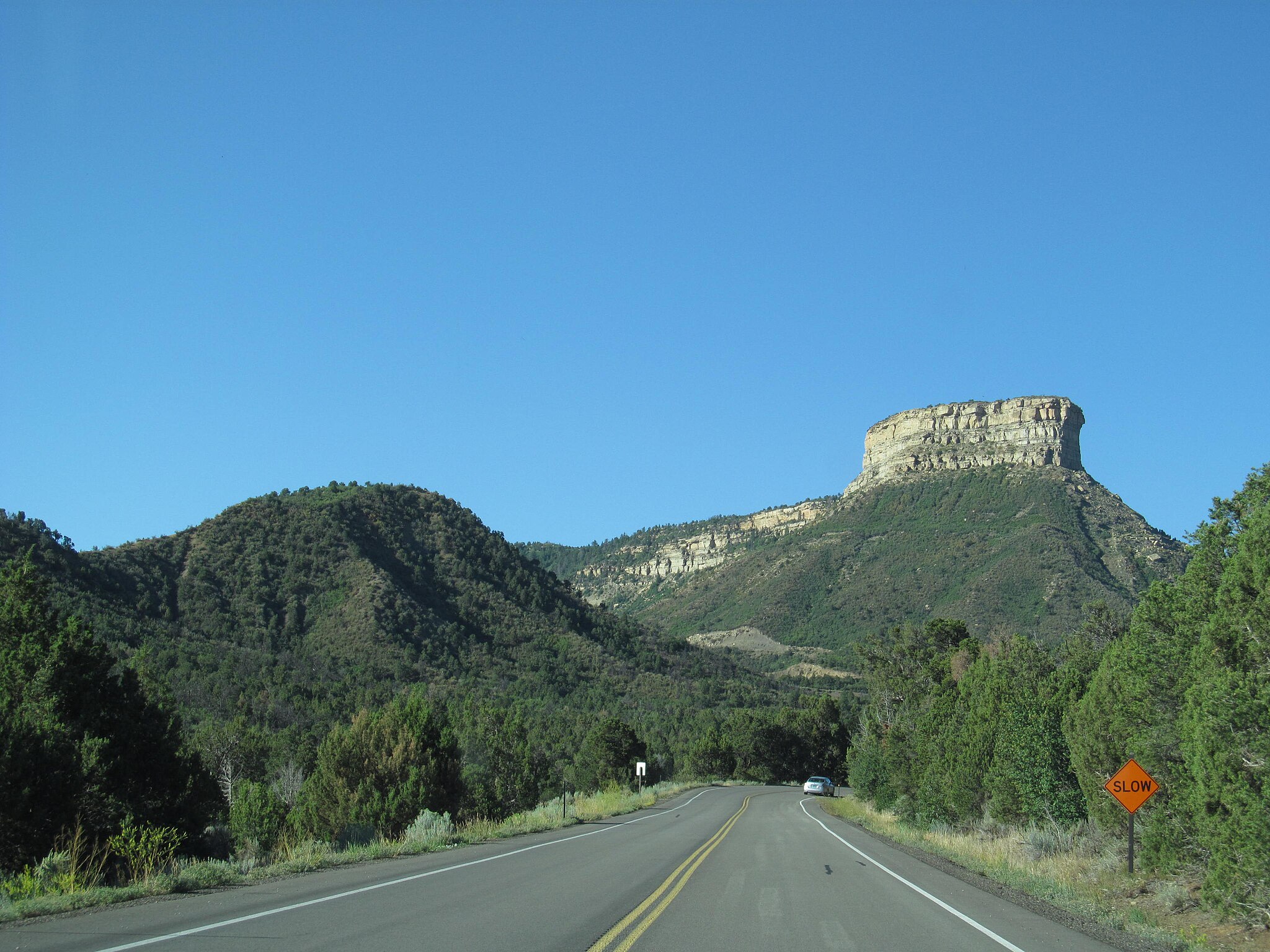
Colorado’s wolf expansion reflects deliberate reintroduction efforts combined with long-term ecological planning. Early observations suggest adaptive movement and territory exploration. Habitat suitability, prey density, and monitoring programs guide expectations. Wolves influence ecosystem dynamics and public discourse simultaneously. Management strategies emphasize coexistence and scientific assessment. Colorado’s mountainous landscapes provide an extensive potential range. Population development remains under scrutiny. The state represents a modern experiment in predator restoration. Early trends indicate cautious optimism. Colorado’s approach underscores how human decisions directly shape wildlife distribution and recovery trajectories.
11. Arizona and New Mexico
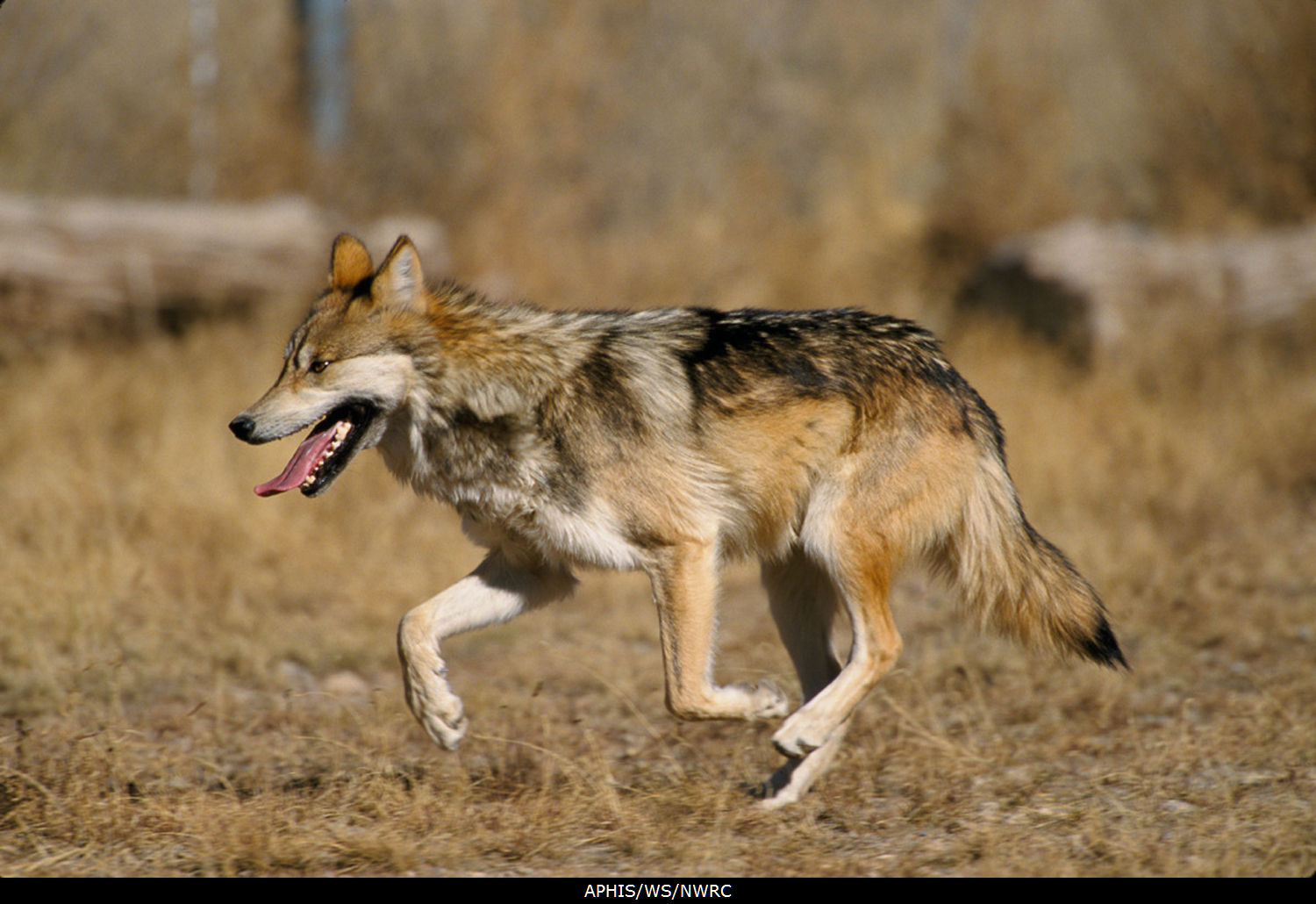
The Mexican gray wolf recovery region spanning Arizona and New Mexico reflects one of the most intensively managed predator programs in North America. Population growth remains gradual yet meaningful. Reintroductions, monitoring, and adaptive management guide expansion. Wolves navigate complex terrain and human land use patterns. Genetic diversity and survival rates receive continuous attention. The region’s experience highlights the challenges of restoring endangered subspecies. Public perspectives vary widely. Despite obstacles, reproduction and territory establishment continue. The Southwest’s wolf story emphasizes persistence, long term commitment, and ecological resilience.