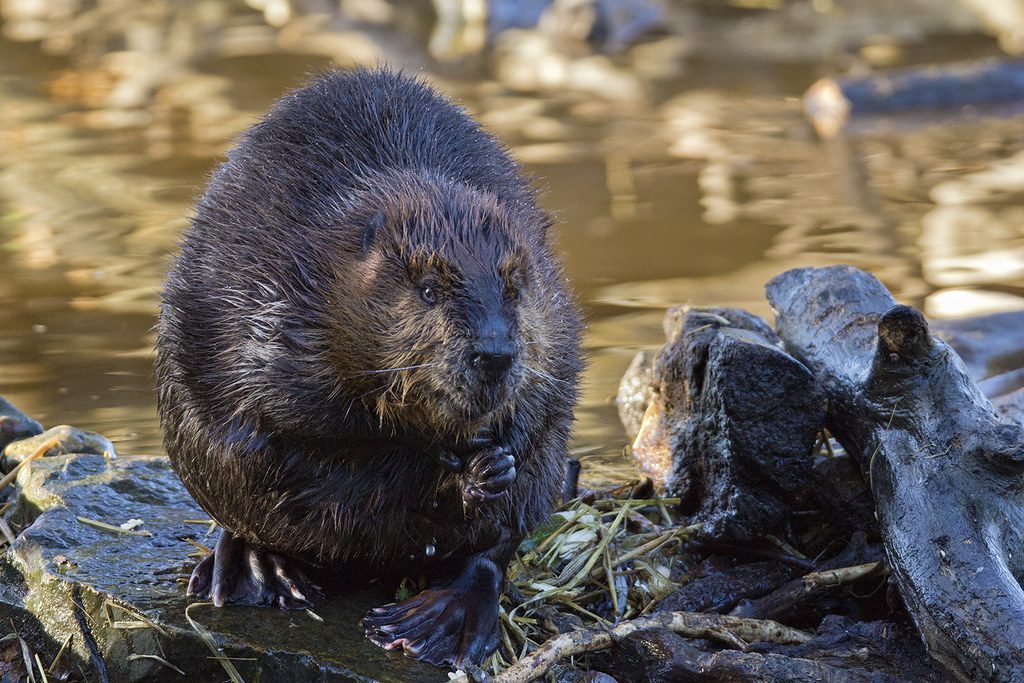
Nature enthusiasts absolutely love watching industrious beavers building intricate dams across quiet wilderness streams. Identifying the eleven U.S. states where the most beavers live provides wonderful opportunities for wildlife observation. These incredible aquatic rodents transformed historical landscapes and continue shaping modern wetland ecosystems today. Following near extinction during the unregulated fur trade era, dedicated conservation efforts successfully restored their numbers nationwide. Today, millions of these fascinating animals thrive throughout diverse habitats spanning from coastal forests to rugged mountain valleys. Exploring their preferred territories reveals exactly how these tireless builders manage to completely engineer natural environments to their distinct advantage.
Alaska
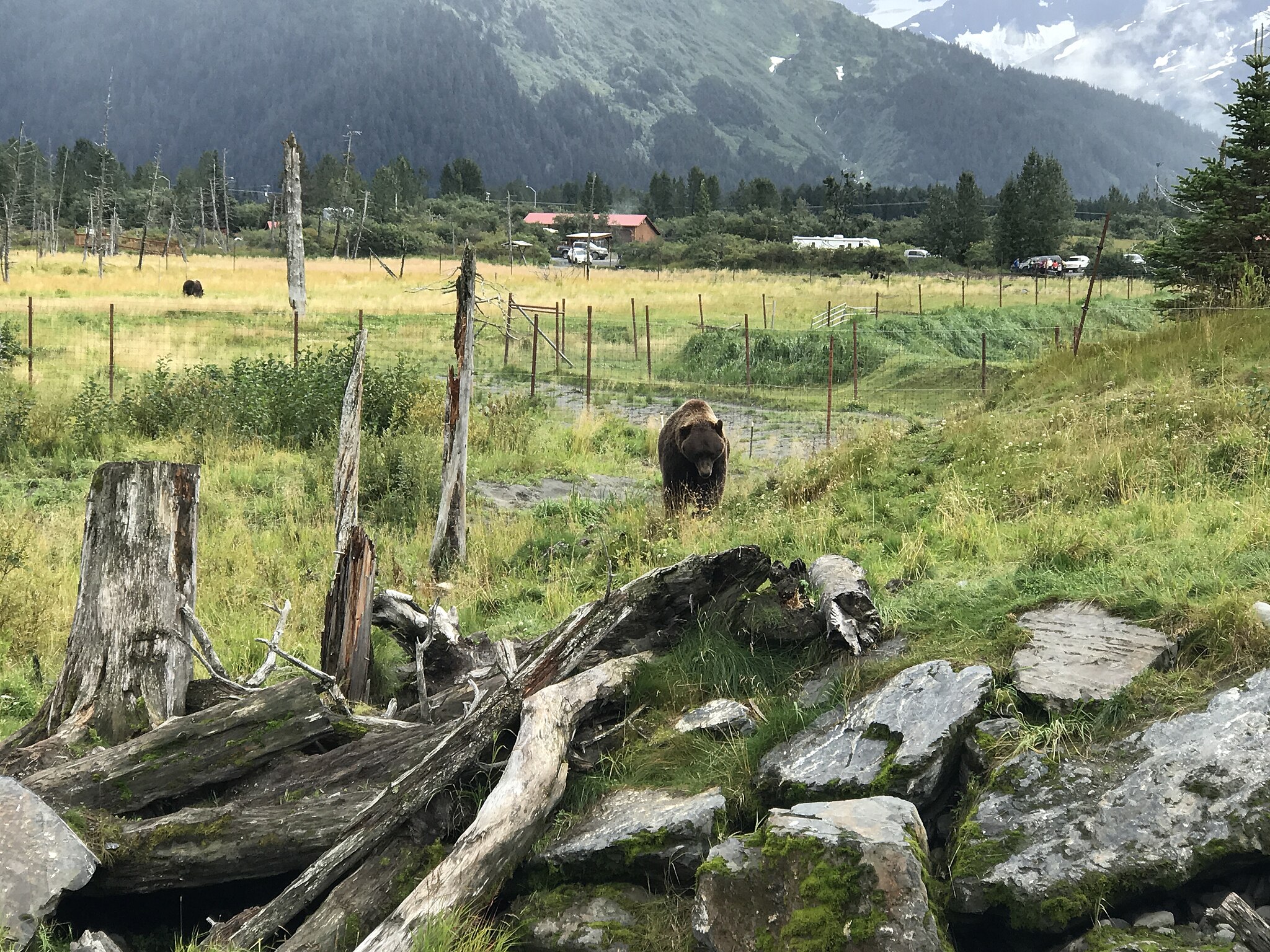
Alaska provides a truly massive, pristine landscape perfectly suited for expanding aquatic rodent populations. The dense northern wilderness features countless untouched waterways and endless supplies of prime building materials. Scientists recently noticed these ambitious creatures migrating further north into the warming tundra regions. Their impressive dam-building activities actively create new ponds that drastically alter the vast northern terrain. Visitors exploring remote Alaskan parks frequently spot enormous wood lodges rising from secluded forest lakes. The sheer abundance of fresh water guarantees that this magnificent northern territory will always support a remarkably large and very healthy native population over time.
Oregon
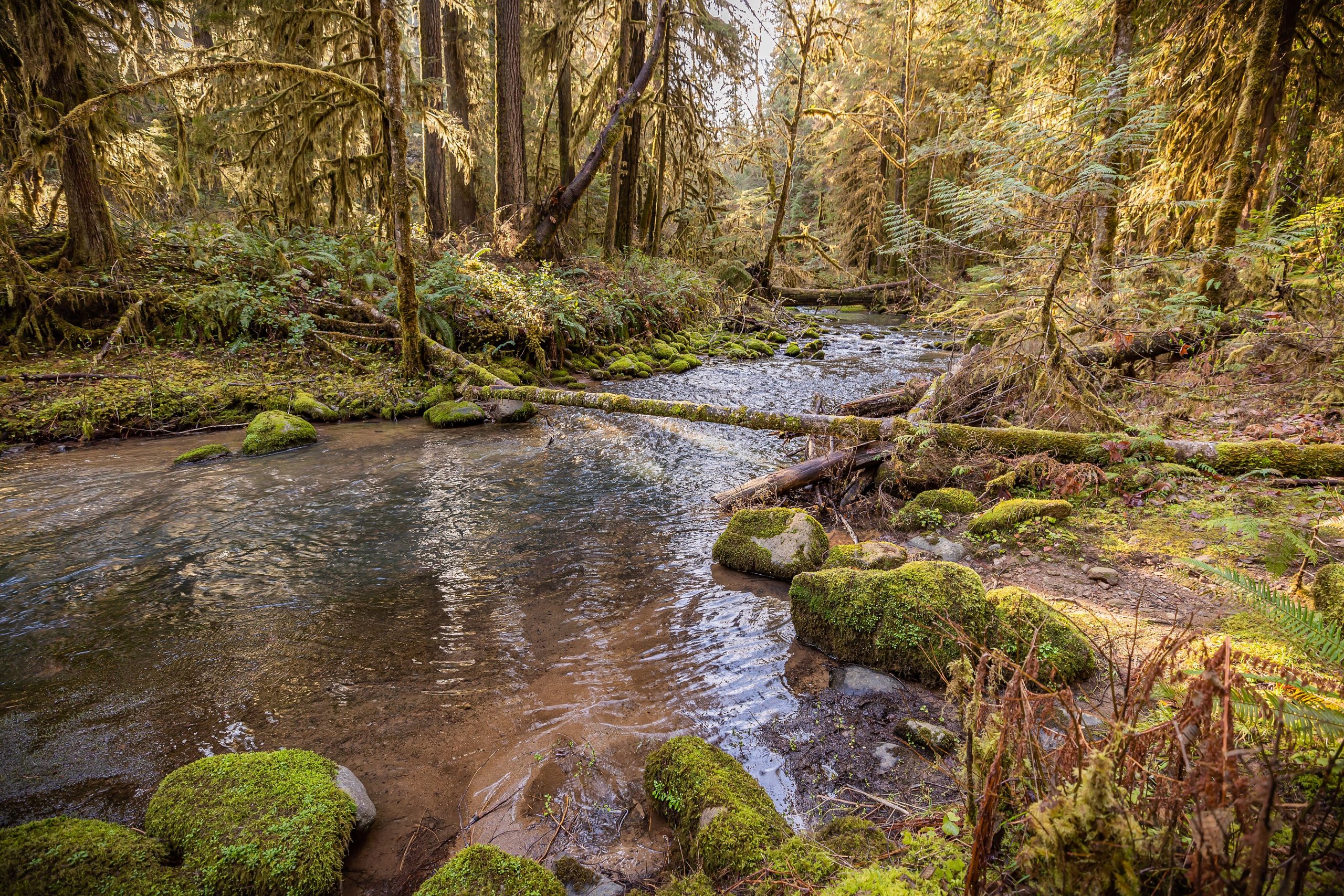
Choosing the beaver as the official state animal perfectly reflects the deep historical connection Oregon shares with these animals. Early explorers heavily relied on fur trapping economies that fundamentally shaped early pioneer settlements across the lush Pacific Northwest. Modern conservation practices allowed the species to rebound beautifully within local rivers and coastal streams. The diverse terrain offers everything from dense timber forests to slow-moving valley creeks. Hikers traveling through beautiful state parks regularly encounter chewed tree trunks and intricate dams blocking small creeks. The state remains a premier destination for witnessing these incredible natural architects hard at work.
Maine
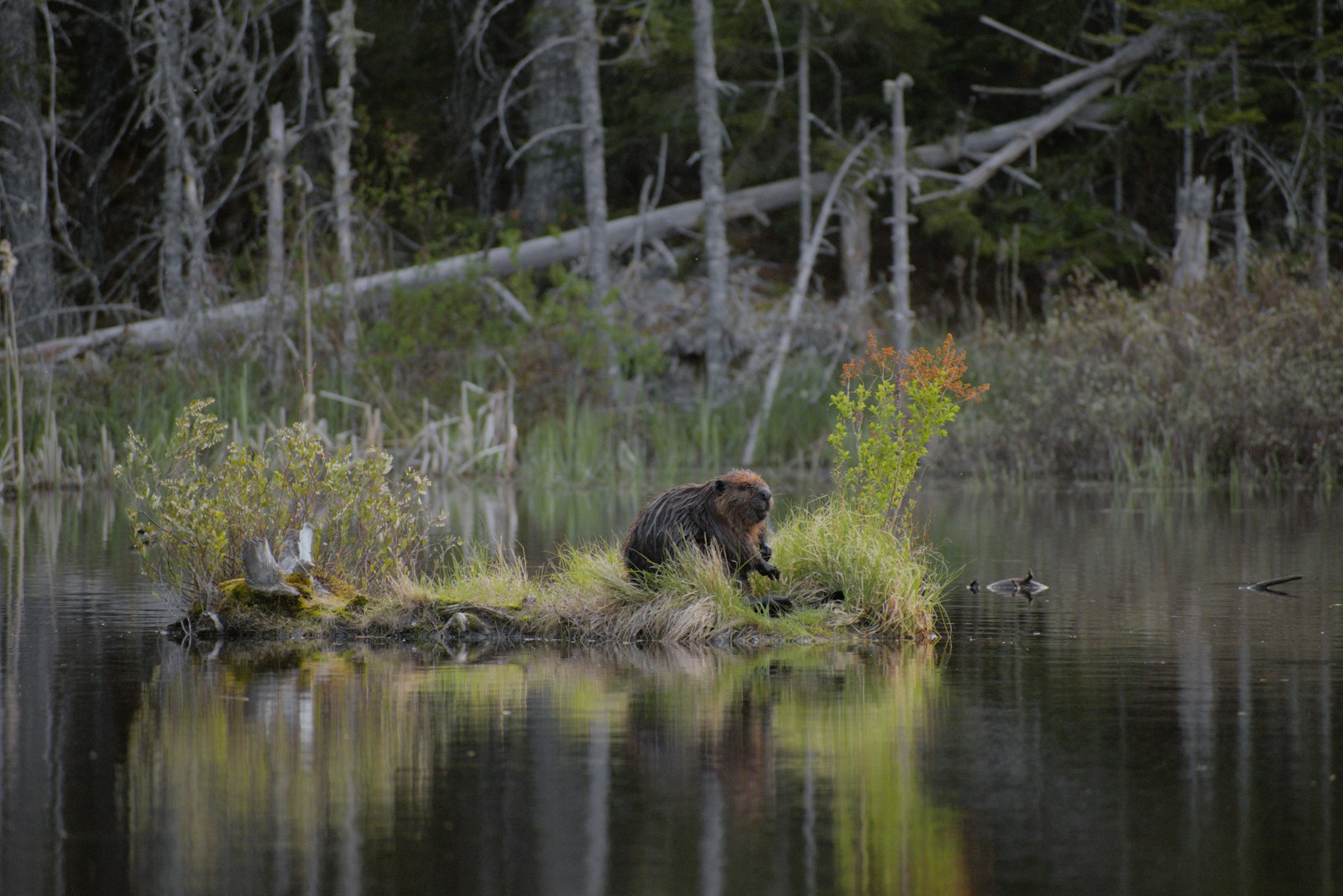
The heavily forested landscape of Maine creates an absolute paradise for thriving aquatic wildlife. Thousands of freshwater lakes and gentle rivers offer endless territory for establishing massive family lodges. The cold winter climate forces these animals to diligently hoard large underwater food caches to survive freezing temperatures. Biologists consider their wetland engineering absolutely vital for maintaining healthy moose and waterfowl habitats throughout the northern woods. People kayaking along tranquil morning waters often hear the loud warning slap of a flat tail breaking the surface. This state clearly treasures the ecological benefits brought by these busy and determined creatures.
Michigan
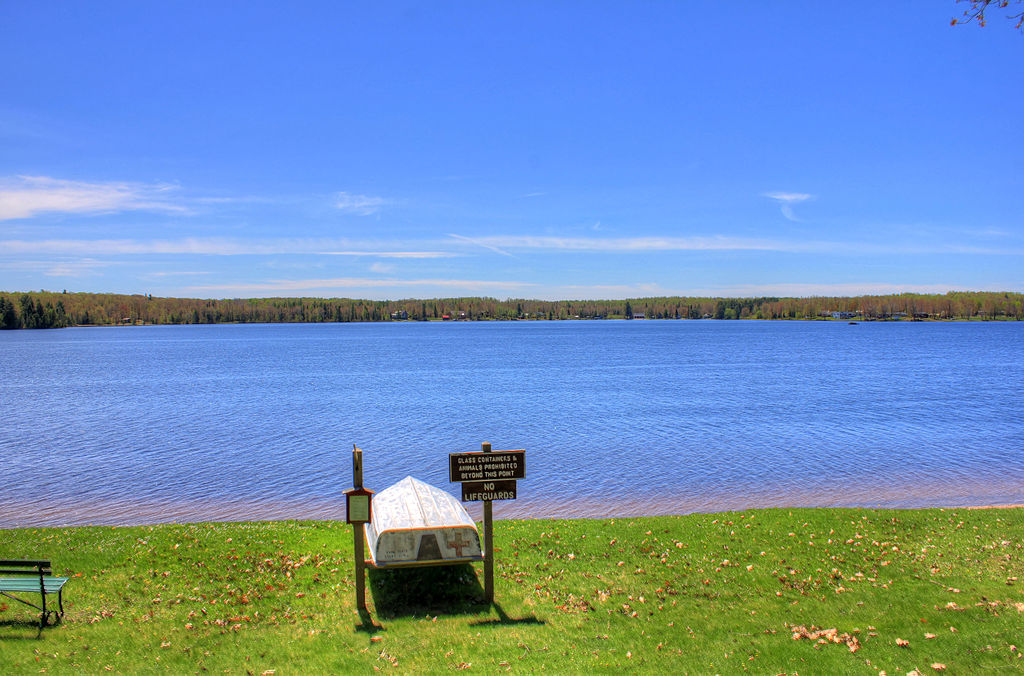
Surrounded by massive freshwater lakes, Michigan offers perfect ecological conditions for huge local rodent colonies. The Upper Peninsula specifically hosts countless undisturbed river systems winding through dense pine and deciduous forests. These isolated habitats allow families to construct incredibly long dams without any human interference. The resulting deep ponds provide excellent shelter from dangerous land predators during brutal midwestern winter storms. Anglers frequently cast their lines near flooded timber patches created by these busy builders because fish flock toward submerged branch structures. Their constant chewing drastically reshapes the gorgeous shorelines framing the iconic Great Lakes region every single year.
Minnesota
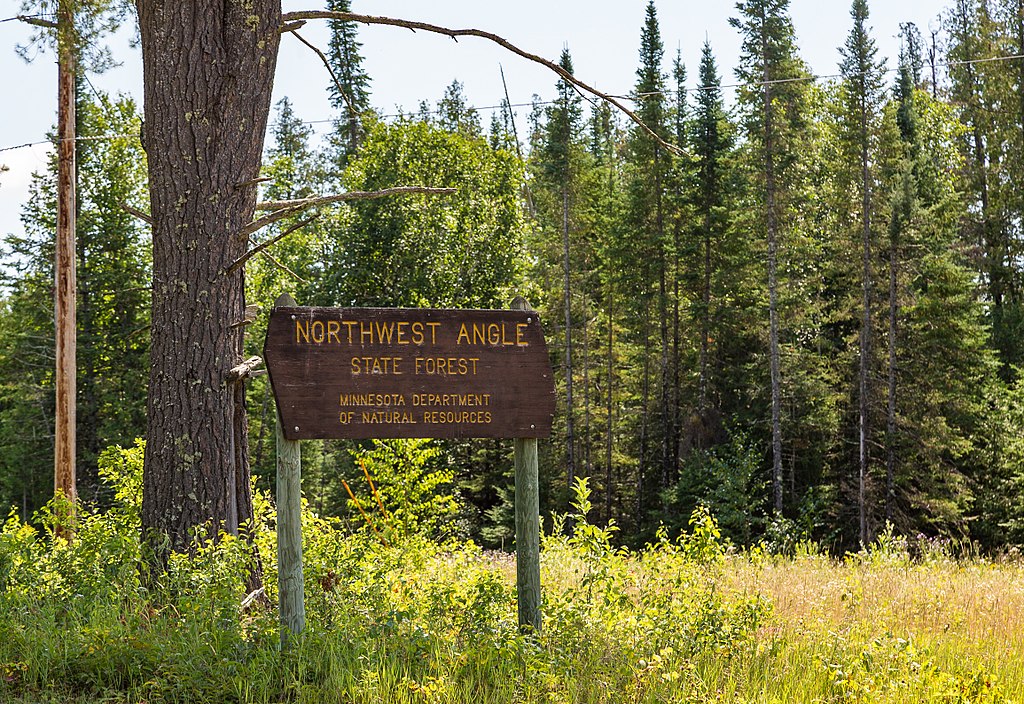
Famous for having ten thousand beautiful lakes, Minnesota naturally supports an exceptionally robust beaver population across the entire state. The Boundary Waters Canoe Area provides an incredible sanctuary where these animals operate freely without urban disruptions. Paddlers navigating this spectacular northern wilderness constantly maneuver around massive wooden barricades built across narrow channels. The flooded zones actively filter water impurities while providing critical breeding grounds for countless native amphibian species. State wildlife officials carefully monitor their impressive numbers to ensure a healthy balance remains between protecting timber resources and maintaining vital wetland habitats for future generations to enjoy immensely.
Wisconsin
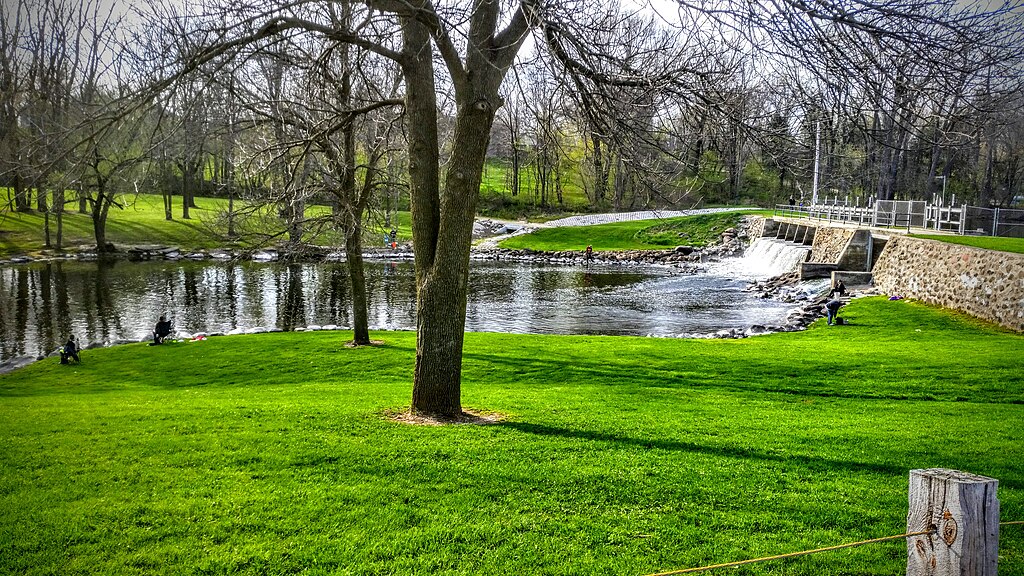
Wisconsin boasts deeply interconnected woodland streams that act as perfect highways for migrating wildlife colonies. The state actually imported several breeding pairs decades ago to successfully restore depleted natural populations. Those initial relocation efforts worked brilliantly because the surrounding habitat offered an endless bounty of tender willow branches. Today, they flourish vigorously across nearly every single county within the state boundaries. Their engineering prowess helps restore degraded wetland areas by slowing rapid water currents during heavy spring rains. Farmers occasionally experience flooded agricultural fields, but communities generally appreciate having these remarkable ecosystem engineers swimming actively in local waterways.
New York
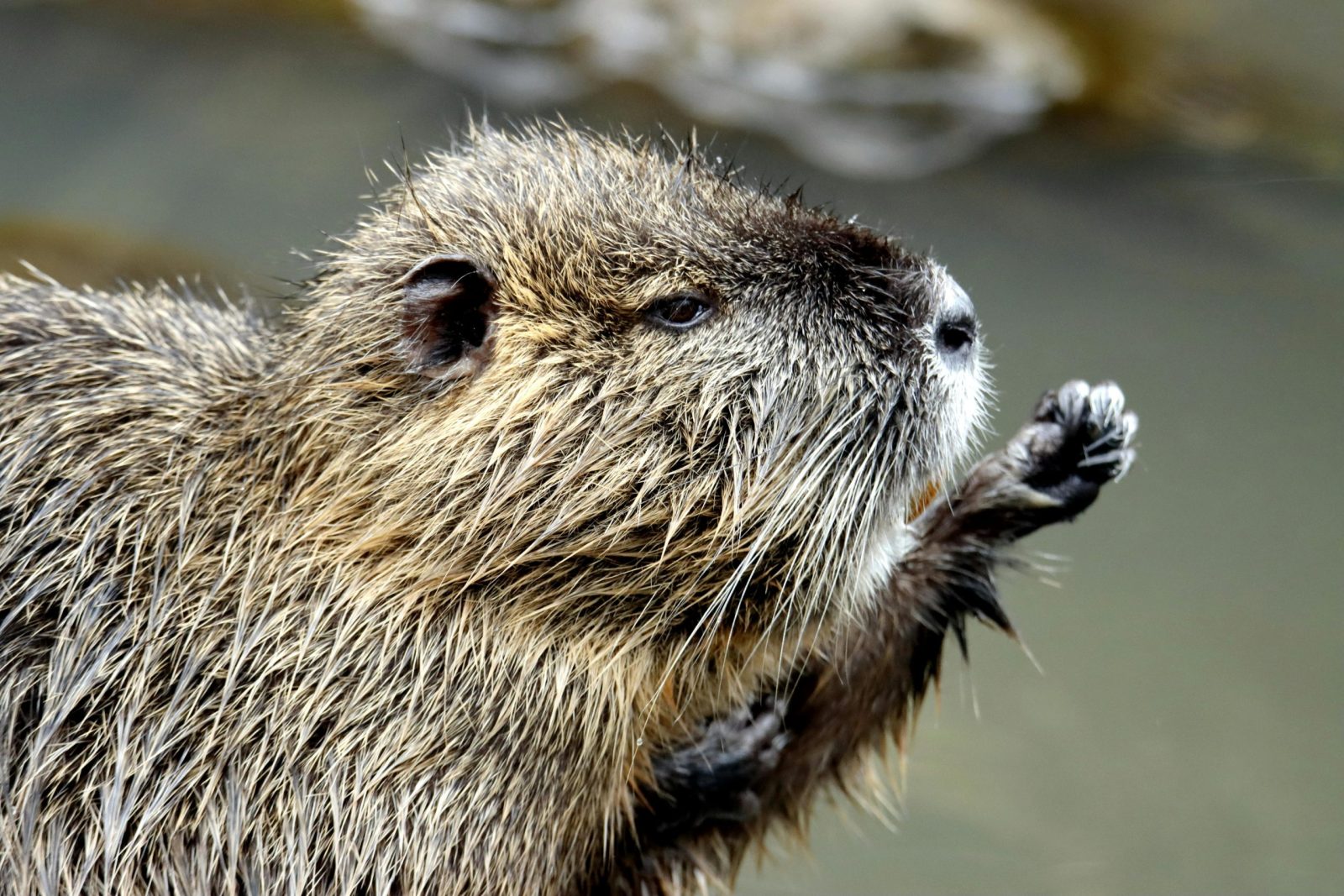
The official state mammal of New York absolutely thrives across the expansive Adirondack mountain region. Protected forest preserves provide an incredible haven for massive colonies to expand their territories naturally. The animals utilize abundant deciduous trees to build extremely secure lodges along quiet mountain creeks. Even suburban neighborhoods frequently discover fresh tooth marks on ornamental trees surrounding localized golf courses. State environmental conservation departments work tirelessly to educate excited residents regarding peaceful coexistence strategies. Their spectacular recovery from near total local extinction represents an incredible triumph for dedicated wildlife protection programs operating successfully across the eastern seaboard.
Washington
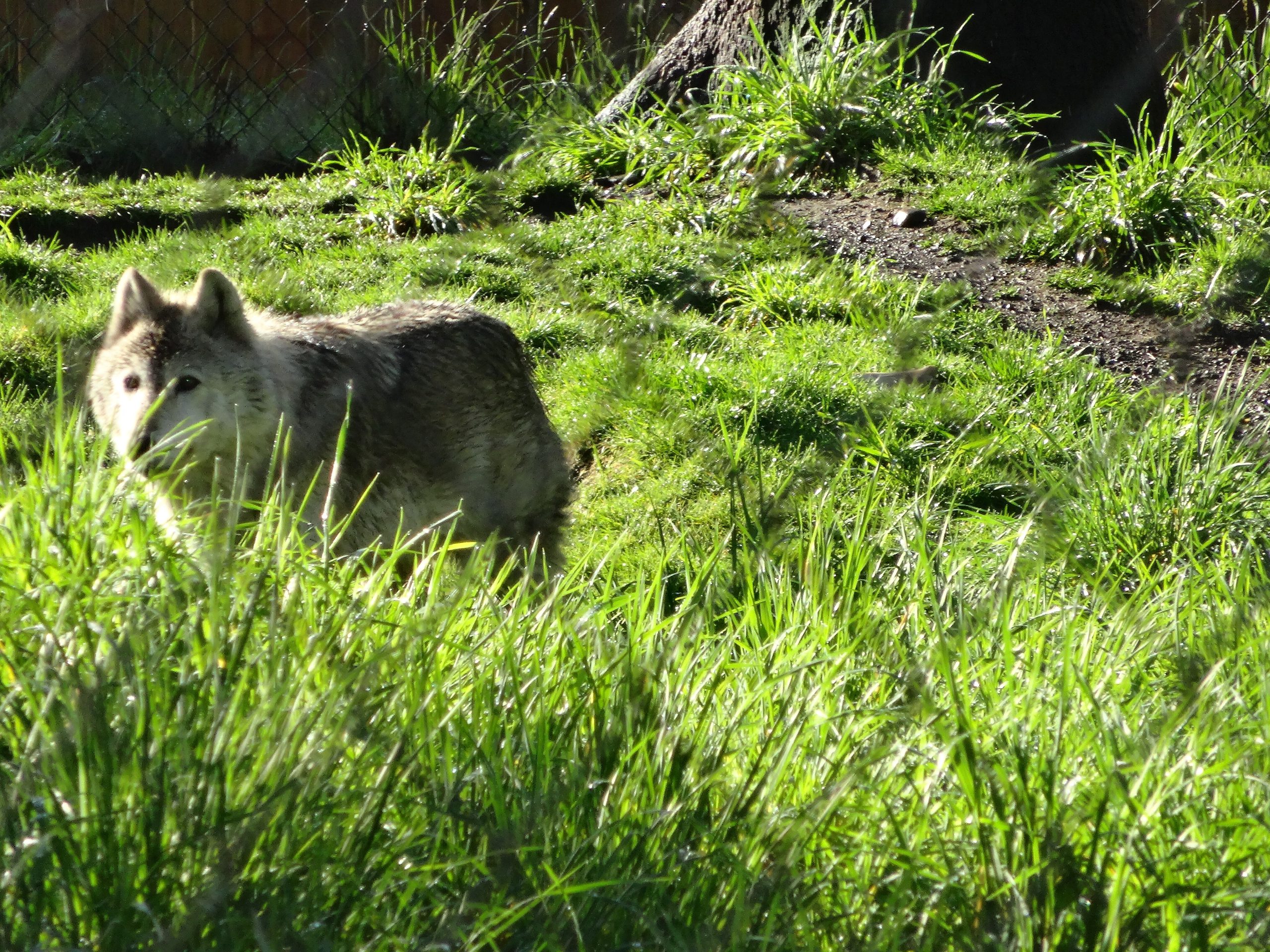
Washington features vast networks of coastal streams and dense evergreen forests perfectly suited for aquatic habitation. The animals find incredible shelter beneath sweeping willow branches overhanging cool salmon rivers. Scientists strongly praise their brilliant structural engineering because newly formed ponds provide critical resting pools for migrating fish. Many dedicated local organizations actively relocate troublesome individuals into remote mountainous regions instead of eliminating them. This thoughtful relocation strategy brilliantly utilizes their natural building talents to restore dried riverbeds. Outdoor lovers exploring the rugged Cascade Mountains often encounter freshly built mud structures completely spanning narrow woodland valleys.
Colorado.
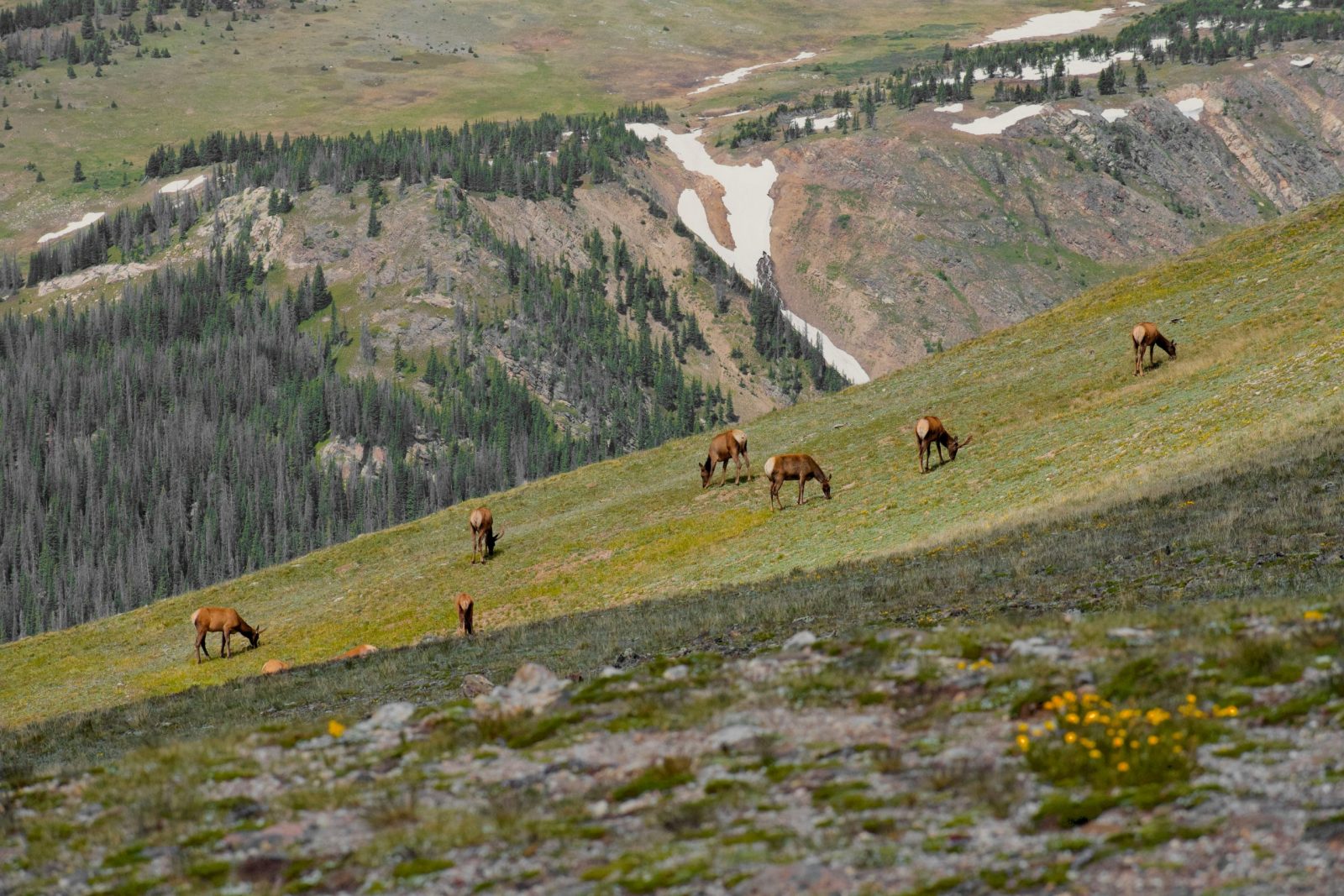
High altitude environments present no serious challenge for the resilient beaver populations scattered throughout Colorado. These fuzzy builders establish impressive high mountain colonies along frigid streams formed directly by melting snowpack. Their sturdy dams serve a crucial ecological role by trapping precious spring runoff and slowly releasing moisture during dry summer months. Wildfires devastated certain forested regions recently, but their flooded habitats effectively functioned as protective firebreaks during intense blazes. Aspen groves surround picturesque alpine lakes, providing endless delicious nutritional sources for hungry families preparing for long snowy winters resting inside well-insulated bank dens.
Montana
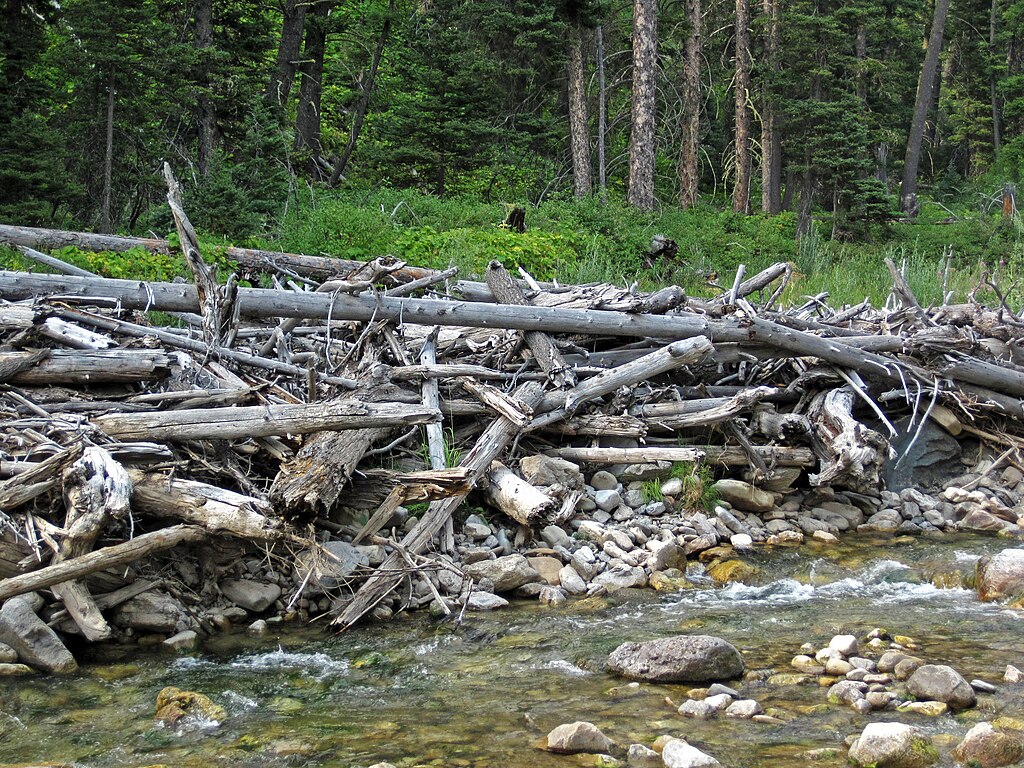
The big sky state provides completely uninterrupted wilderness stretching across millions of gorgeous scenic acres. Montana successfully maintains an incredibly robust beaver population heavily concentrated around the pristine western valleys. The animals fell mature cottonwood trees to create incredibly deep ponds that directly benefit wild trout fisheries. Their constant environmental manipulation creates rich wetland habitats necessary for massive moose herds and migrating duck flocks. Spotting a flat tail slapping the shimmering water surface remains a beloved highlight for enthusiastic tourists exploring the famous national parks. State wildlife managers carefully track these incredible engineers to ensure overall ecological stability.
Pennsylvania
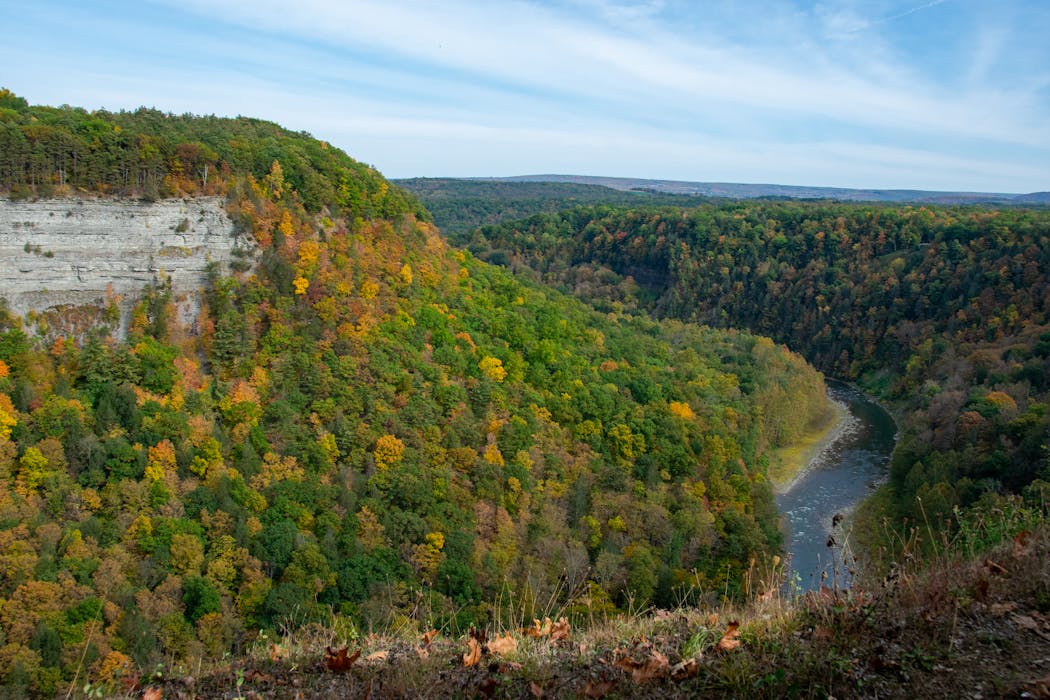
Thriving woodlands and abundant river networks make Pennsylvania an incredible hotspot for fascinating aquatic rodents. The state completely rebuilt its severely diminished population by importing several active colonies from neighboring regions. They adapted wonderfully to the mixed hardwood forests surrounding quiet rural communities. Naturalists love observing complex stick formations rising mysteriously from hidden wetland swamps. Their steady chewing activities clear away thick forest canopies and effectively allow warm sunlight to finally reach dark forest floors. This remarkable natural regeneration process helps sustain beautiful wildflower meadows and incredibly diverse insect populations throughout the picturesque eastern hardwood region.