Gun confiscation rarely begins with dramatic raids or criminal intent. In most cases, firearms are taken because owners unknowingly violate technical rules, overlook paperwork, or rely on outdated assumptions. Laws focus on compliance, not intent, and enforcement often happens during routine interactions like traffic stops, domestic calls, or administrative checks. Many responsible gun owners are surprised to learn how easily a lawful firearm can be seized. Understanding these common mistakes helps owners protect their rights, avoid unnecessary loss, and stay aligned with current regulations that quietly shape legal ownership.
1. Storing Firearms Unsafely Around Children
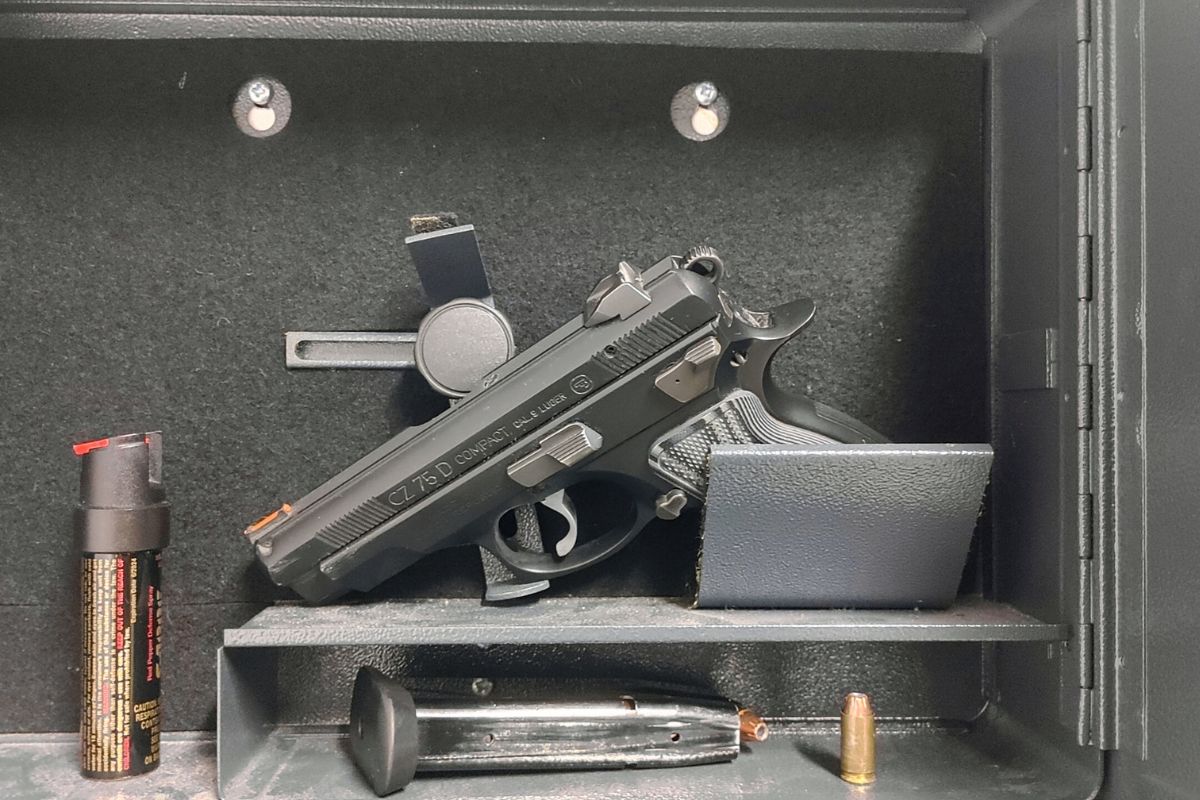
Improper storage around minors is one of the fastest paths to confiscation. Many states require firearms to be secured if children are present, regardless of whether an incident occurs. Leaving a gun loaded, unlocked, or accessible can trigger enforcement if authorities become aware. This often happens after unrelated calls, inspections, or reports. Owners may believe brief access or verbal warnings are enough. Laws usually define safety by physical barriers, not intention. Once unsafe storage is documented, firearms can be seized immediately. This mistake often stems from familiarity and trust rather than legal awareness.
2. Transporting Firearms Incorrectly
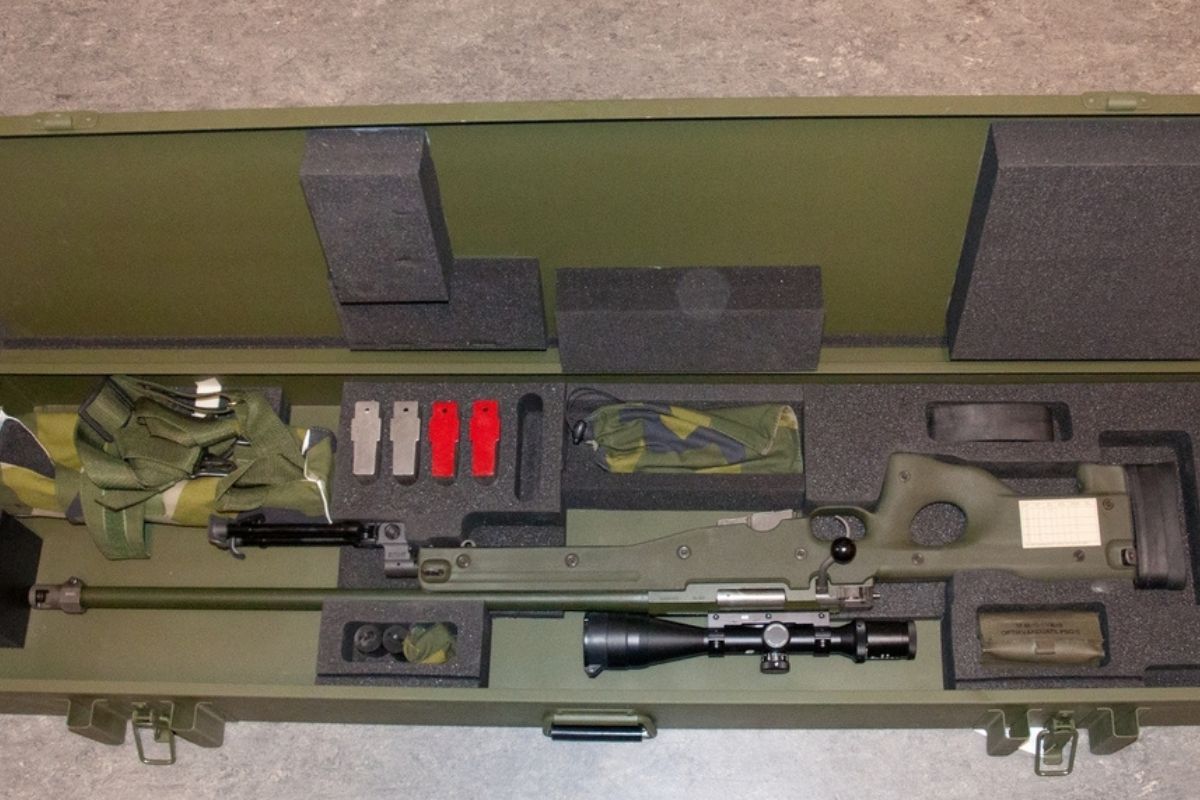
Transport laws vary widely and catch many owners off guard. A firearm that is legal at home may be illegal when carried in a vehicle if it is loaded, unsecured, or within reach. Crossing state or city lines increases risk. Traffic stops frequently expose these issues. Officers may confiscate firearms during investigation even without arrest. Owners often rely on outdated advice or assume permits cover all situations. Transport mistakes feel minor but are treated as compliance failures. Proper cases, separation from ammunition, and understanding local rules are essential.
3. Giving Access to Prohibited Individuals
Allowing access to firearms is treated as seriously as ownership itself. If a prohibited person can access a firearm, authorities may seize it. This includes shared safes, unlocked storage, or unattended weapons. Owners often trust family or friends without realizing legal consequences. Enforcement focuses on access potential, not misuse. Even temporary access can trigger confiscation. This mistake usually comes from convenience or generosity rather than intent. Legal responsibility remains with the owner regardless of who touched the firearm.
4. Failing to Update Address or Registration Information
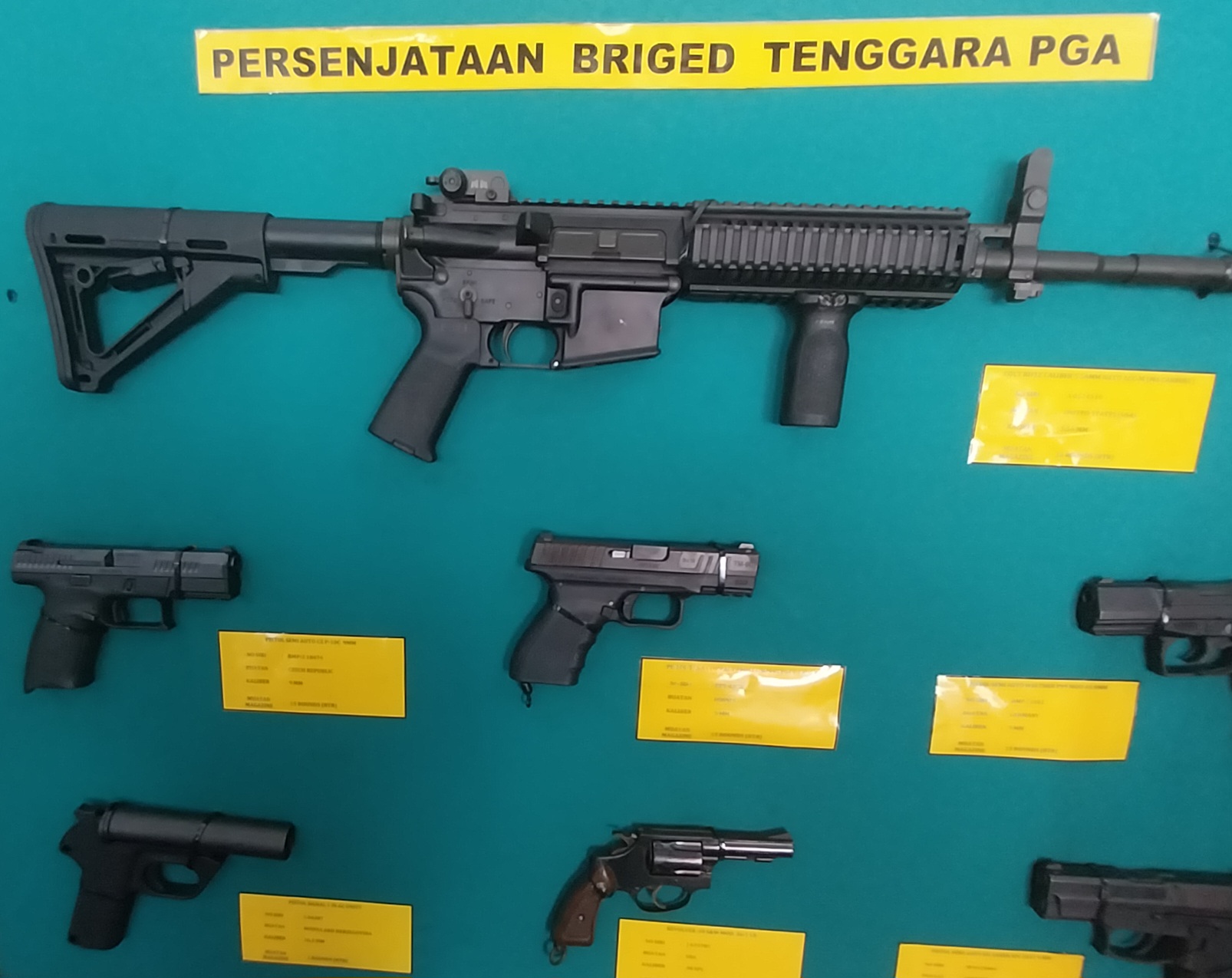
Administrative errors cause more confiscations than many owners realize. Moving without updating address records, permits, or registrations can place firearms out of compliance. During inspections or unrelated police contact, discrepancies appear. Authorities may seize firearms until records are corrected. Owners often assume ownership remains valid regardless of paperwork. However, accurate records are required in many jurisdictions. This mistake feels harmless but undermines legal standing. Simple delays can result in unexpected enforcement actions.
5. Carrying Firearms Into Prohibited Locations
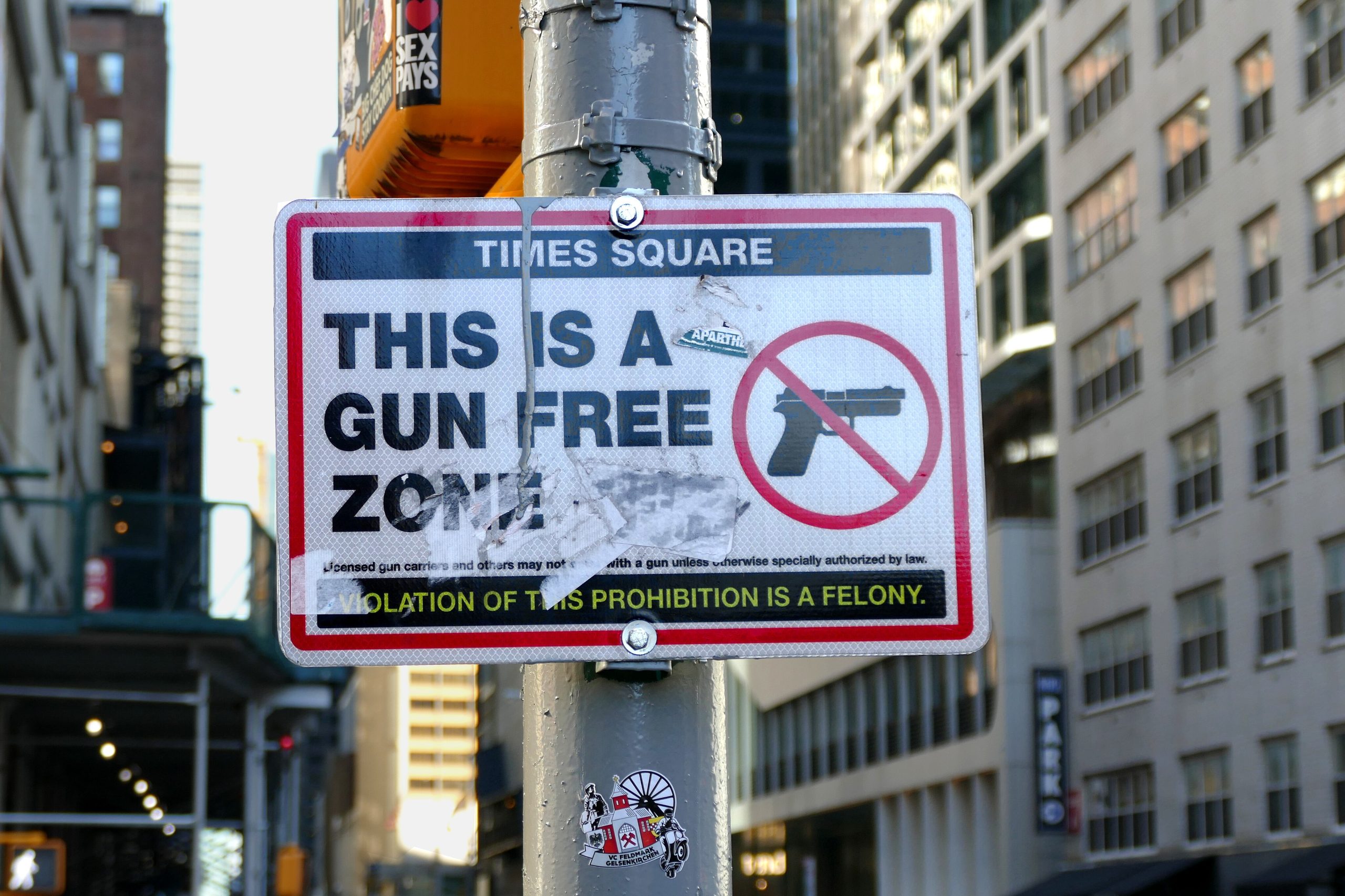
Gun-free zones are widely misunderstood. Schools, government buildings, and posted private properties often prohibit firearms regardless of permits. Owners may unknowingly carry, assuming concealed means compliant. Discovery usually leads to immediate confiscation. Intent rarely matters. Enforcement depends on location rules, signage, and local law. Many owners learn restrictions only after violations occur. Carrying in prohibited places is treated seriously and often results in seizure, even without criminal charges.
6. Making Illegal Firearm Modifications
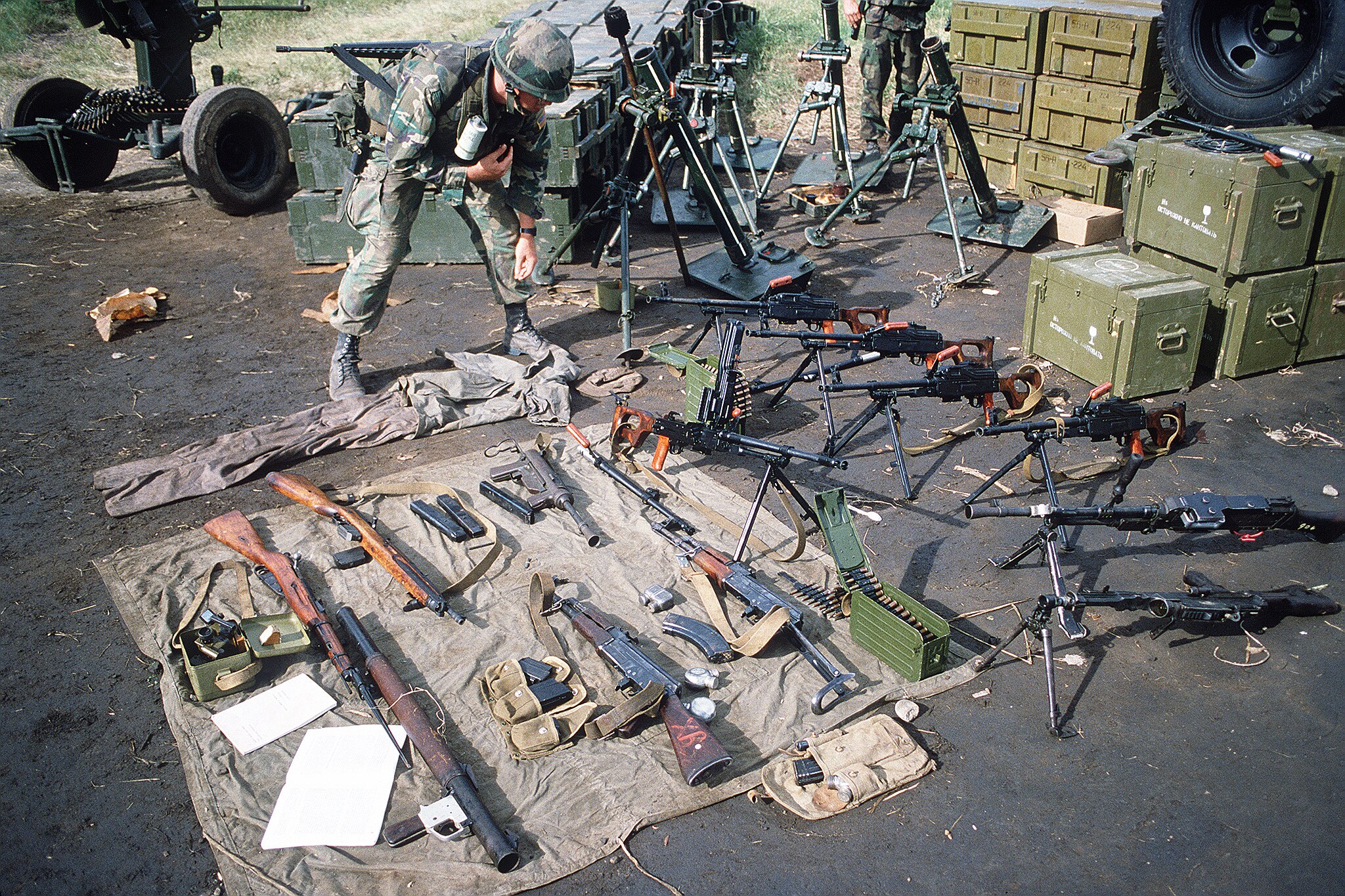
Customization culture encourages modifications that may cross legal boundaries. Altering barrel length, trigger components, or magazine capacity can violate regulations. Owners often follow online advice without verifying legality. During stops or inspections, modified firearms draw attention. Confiscation occurs when weapons fail to meet legal specifications. Intent does not protect against enforcement. This mistake is common among otherwise responsible owners who misunderstand technical limits. Once seized, modified firearms are often difficult to recover.
7. Ignoring Temporary Court Orders

Protective or restraining orders frequently include firearm surrender requirements. Some owners believe short-term or temporary orders do not apply. Authorities enforce these orders immediately. Failure to surrender firearms results in forced confiscation. Even lawful owners lose possession until legal mattersare resolvede. Ignoring deadlines or assuming flexibility leads to serious consequences. Temporary orders carry full legal authority regardless of outcome. This mistake often comes from denial or misunderstanding rather than defiance.
8. Conducting Improper Private Sales or Transfers
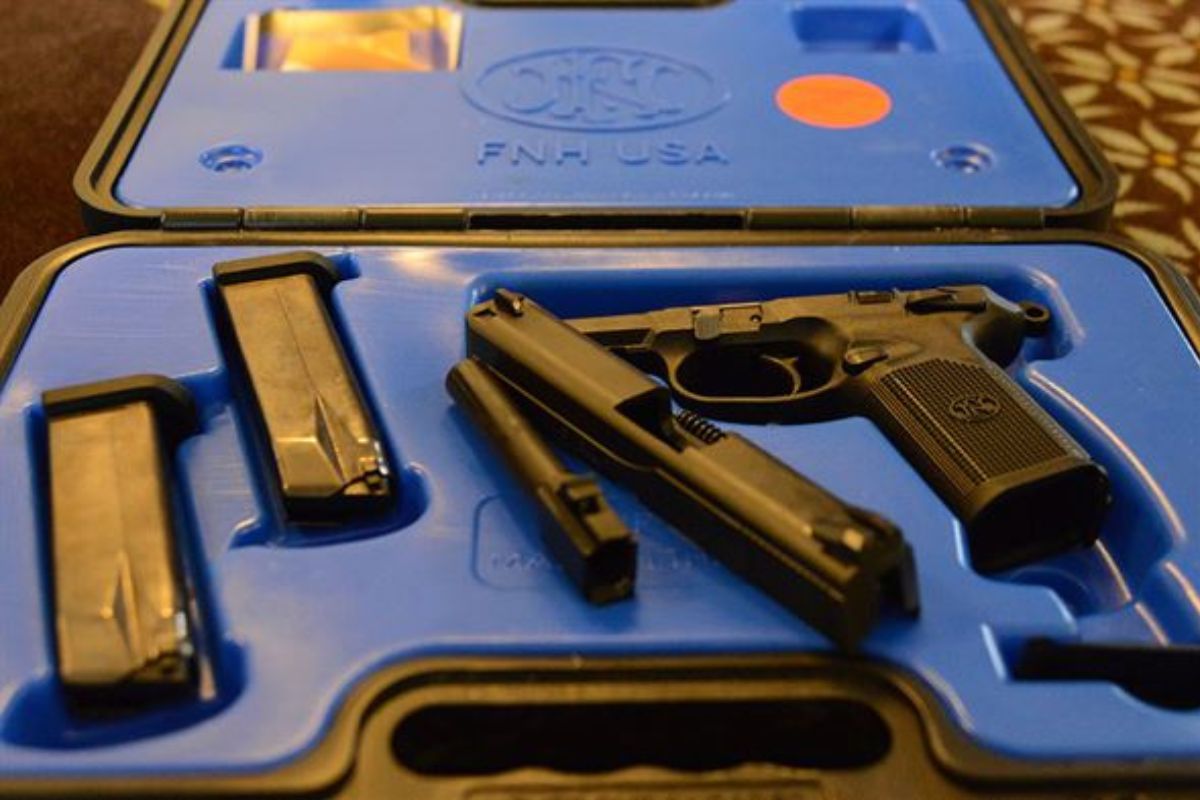
Private firearm transfers are tightly regulated in many states. Selling, lending, or gifting firearms without required checks or documentation can trigger confiscation. Owners often rely on trust instead of legal process. When improper transfers surface later, both parties may lose firearms. Lending firearms can also count as an illegal transfer. This mistake comes from older traditions that no longer apply. Proper documentation protects ownership and prevents seizure.
9. Handling Firearms While Intoxicated

Using or possessing firearms while impaired is illegal in many jurisdictions. Owners may assume private property provides protection. Reports of intoxication combined with firearm access prompt immediate enforcement. Even legal substances can qualify if impairment is shown. Confiscation often follows safety-based responses. This mistake frequently arises during unrelated incidents. Authorities prioritize prevention over intent. Impairment undermines lawful possession quickly.
10. Failing to Report Lost or Stolen Firearms
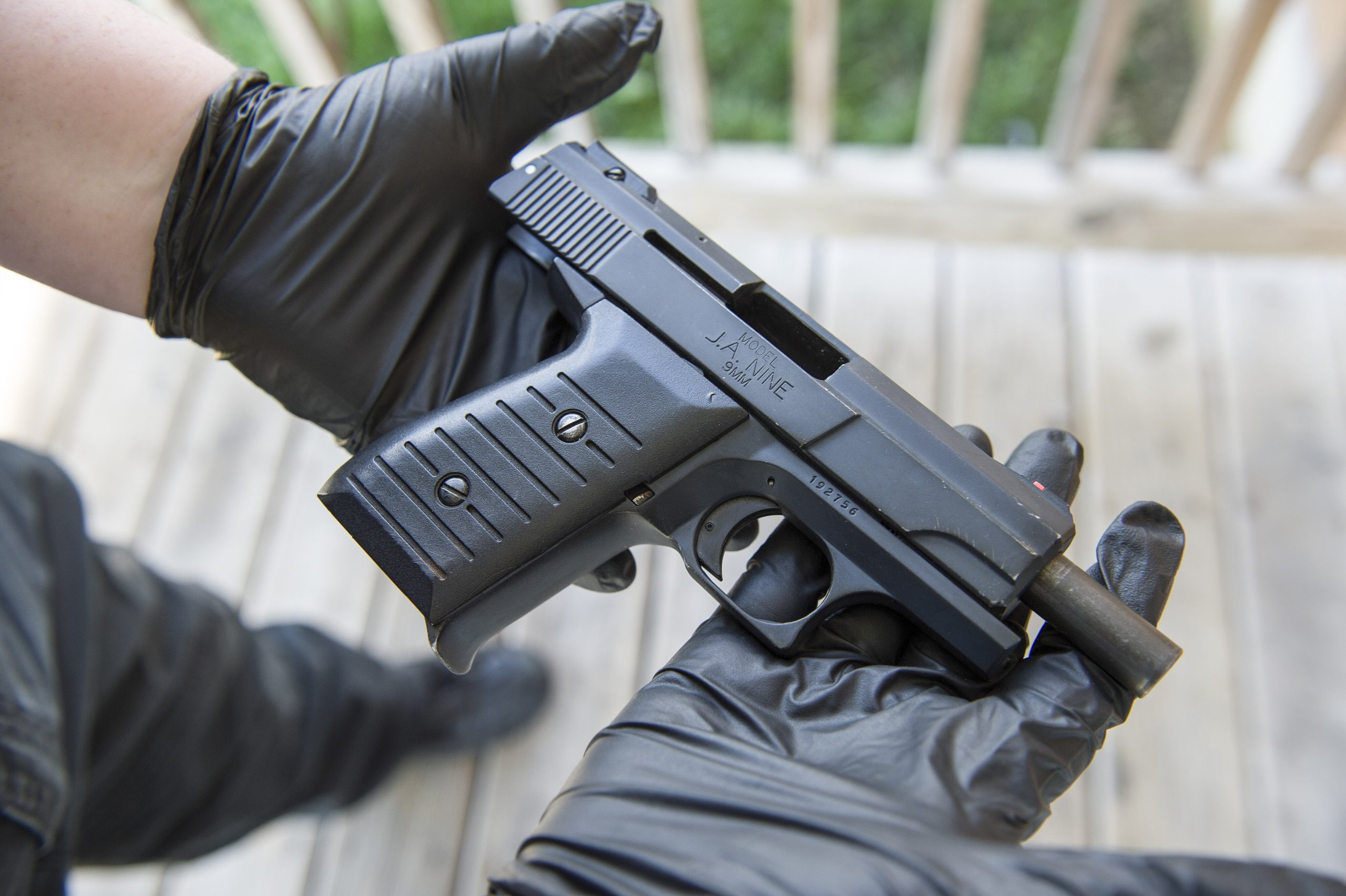
Delayed reporting of lost or stolen firearms raises red flags. Many states require prompt notification. Owners may hesitate, hoping firearms will reappear. If recovered later in criminal contexts, failure to report becomes serious. Authorities may seize remaining firearms due to perceived negligence. Reporting protects owners from liability. Silence often creates suspicion and leads to enforcement action.
11. Relying on Outdated Legal Information

Gun laws change quietly and often. Advice from friends, forums, or old training may no longer apply. Owners rely on information that was once correct but is now obsolete. Enforcement does not excuse outdated knowledge. Confiscation often follows compliance checks based on current law. This mistake persists because change feels gradual. Staying informed is essential to lawful ownership.