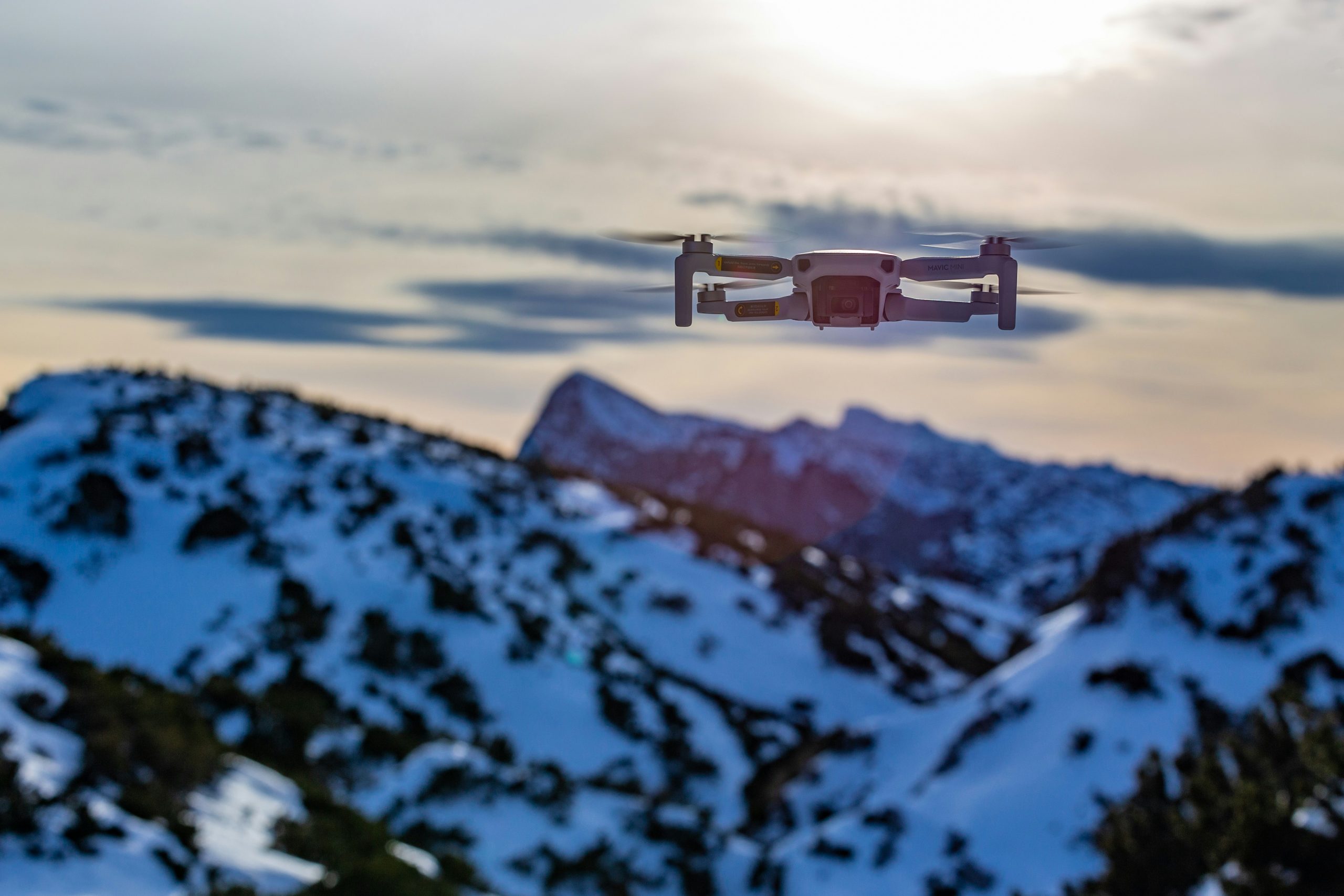
Modern hunting has changed quickly as new tools arrive faster than many hunters can evaluate them. Some say today’s gear helps them stay accurate, ethical, and efficient, while others feel it creates distance from the traditions they value most. The debate has become especially strong as advanced devices blend with skills that once depended on patience, practice, and close familiarity with the land. These twelve technologies highlight just how divided the hunting community is right now.
1. Thermal Imaging Scopes

Many hunters appreciate thermal scopes for spotting animals in low visibility, especially in dense forests or late evenings when shapes blend into the environment. Supporters believe these devices prevent wounded game and make nighttime hog control safer. Critics worry that they give an unfair advantage and reduce the challenge of reading signs, tracking movement, and relying on natural light. Some states have limited or banned their use, adding more tension to an already divided topic that continues to grow as the technology improves.
2. Cellular Trail Cameras

Cellular trail cameras send real-time images to phones, which users say helps them pattern game more transparently without disturbing an area. Supporters argue that the instant updates reduce unnecessary scouting and limit stress on wildlife. Opponents say the constant incoming data feels more like remote surveillance than hunting, turning a natural pursuit into a digital operation. Debates focus on whether real-time photos give an unreasonable advantage compared to traditional scouting methods, especially during peak seasons and sensitive time periods.
3. GPS-Linked Smart Rangefinders
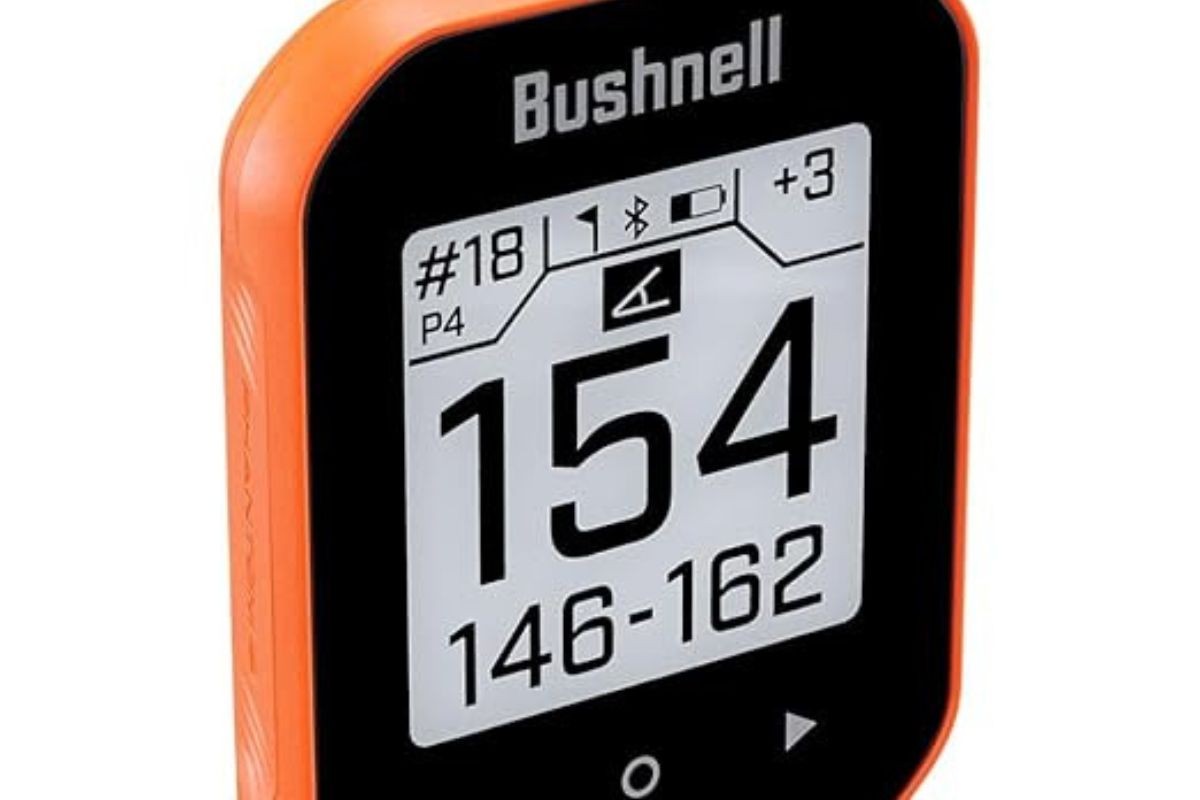
Smart rangefinders can measure distance, angle, elevation shift, and even compensate for weather conditions. Precision-focused hunters appreciate the accuracy and say it helps ensure cleaner shots. Others believe these features pull attention away from learning wind behavior, animal posture, and the instincts gained through long experience. The worry is that heavy dependence on digital calculation may dull fundamentals like judging yardage by eye. The argument grows stronger as more models connect directly to phones and automated sight systems.
4. Long-Range Calibrated Rifle Scopes

Many long-range scopes now include digital reticles, adjustable turrets, and built-in data to help hunters reach farther than before. Supporters say these tools open opportunities in wide-open terrain where long shots are normal. Critics counter that extended reach can tempt hunters into distances beyond their personal skill level, creating ethical concerns. Some believe the technology encourages a marksman mindset rather than a hunter’s approach. The discussion continues as models become more advanced and widely available.
5. Smart Bow Sights
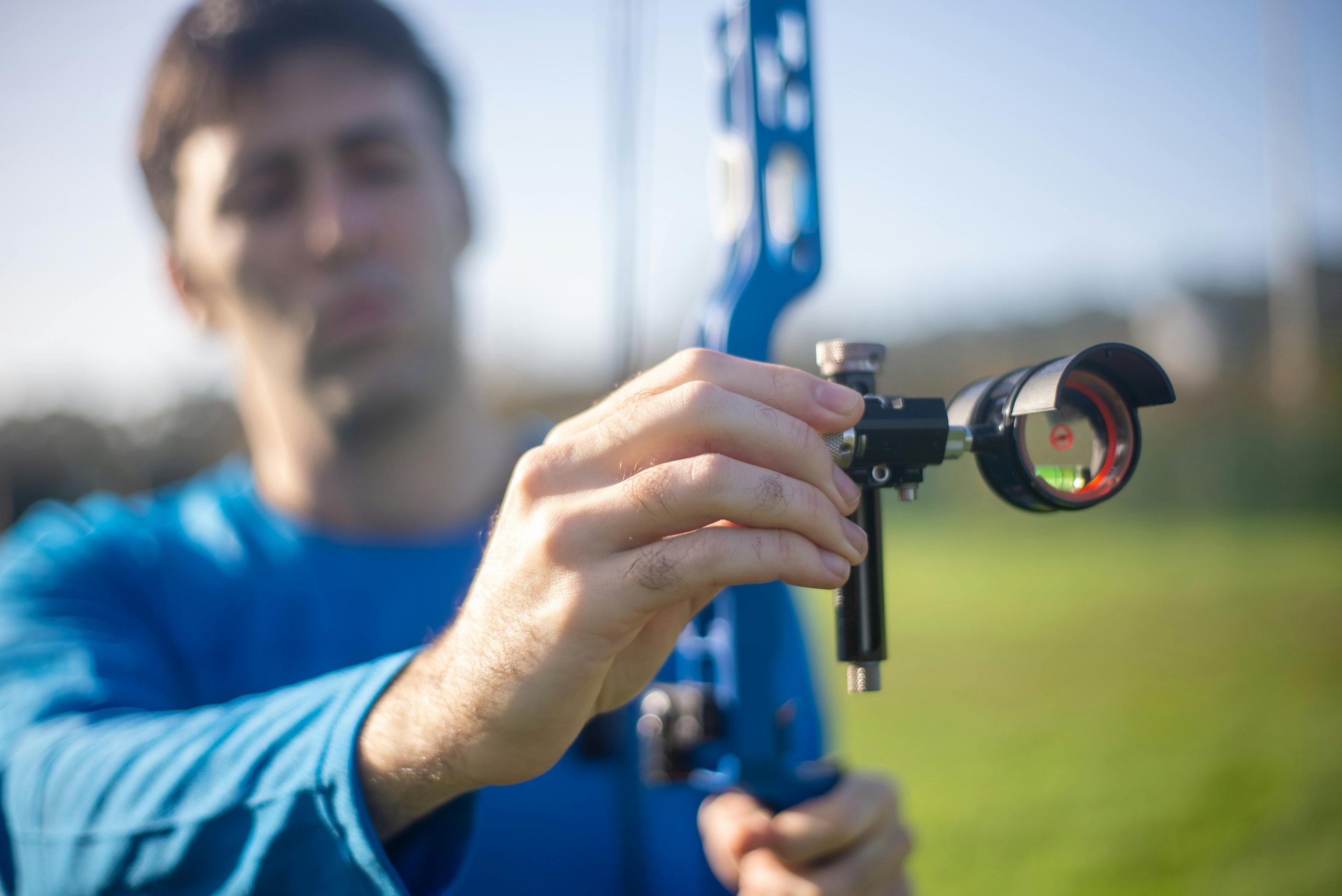
Smart bow sights display digital pins that move automatically as distance changes. Many archers appreciate how they simplify aiming when the game is moving unpredictably. Traditional bowhunters argue the sight turns archery into a mechanical experience rather than one built on muscle memory and practice. Concerns also rise about battery failure, screen glare, and the learning curve required to manage electronics during tense moments. These points keep smart sights at the center of heated debates across archery communities.
6. Electric Bikes for Backcountry Access

Electric hunting bikes allow quiet travel through remote areas, making it easier to haul gear and reach distant stands. Fans appreciate the low noise and reduced physical strain during long routes. Opponents argue that the bikes shortcut the experience, disturb untouched terrain, and may pressure wildlife by increasing hunter presence in deeper habitat. Regulations differ widely, creating more disagreement over whether e-bikes belong in sensitive landscapes or only on established access routes commonly used for game retrieval.
7. Drone-Assisted Scouting
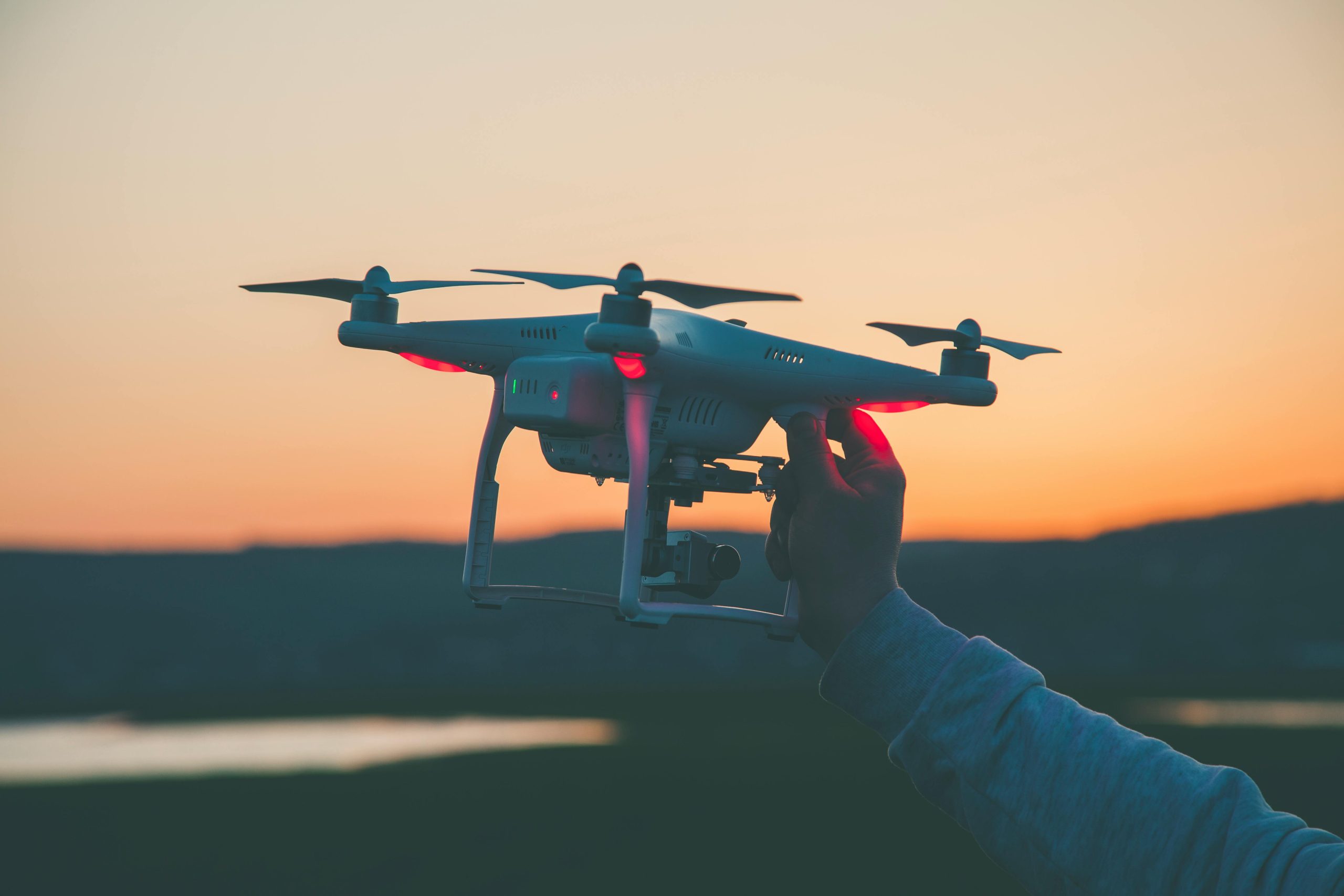
Drones provide aerial views of terrain, trails, bedding areas, and food sources. Some hunters say this helps them understand the landscape with less physical intrusion. Others strongly oppose drone use, saying it violates fair chase principles by removing the need for boots-on-the-ground scouting. Many regions strictly regulate or prohibit drones during hunting seasons, which shows how contentious the topic remains. Even lawful off-season scouting creates tension in communities that favor traditional approaches.
8. Electronic Calls with Programmable Sound Banks
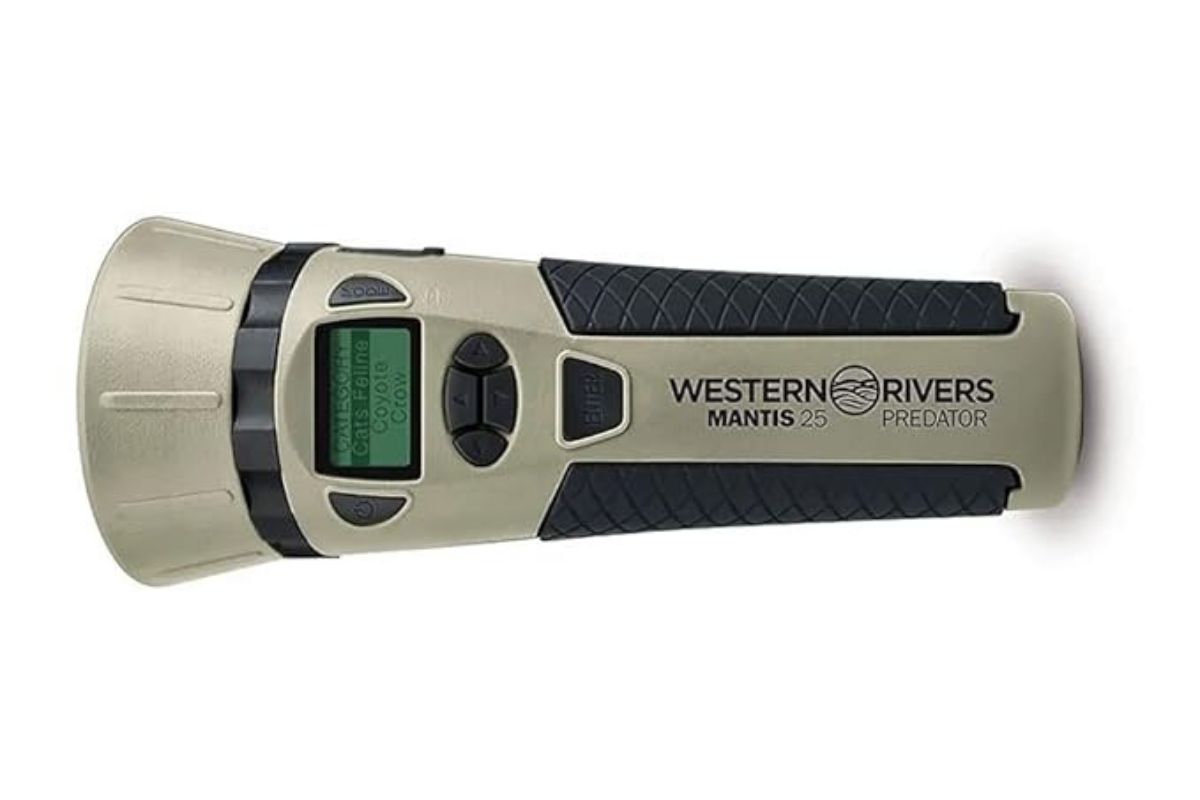
Electronic calls have become highly advanced, offering extensive libraries of animal vocalizations. Some hunters appreciate how programmable sound variation helps create natural patterns. Others argue that the broad range of automated calls can pressure wildlife and increase success in a way that feels closer to technology than skill. Concerns also revolve around inexperienced users overcalling and altering local behavior. As sound banks continue to expand, the fair use discussion becomes more complicated each season.
9. Real-Time Weather Apps with Wind Mapping

Wind mapping apps help hunters plan movement, choose stand locations, and understand how scent might travel. Supporters value how this reduces guesswork and enhances safety in unpredictable conditions. Critics argue that reliance on constant updates prevents hunters from developing natural awareness and reading the wind themselves. Some say the tools remove the challenge from scouting difficult terrain. The debate persists as more apps add features like pressure tracking, storm alerts, and scent analysis overlays.
10. Smart Clothing with Heated Panels

Heated jackets, gloves, and insoles give hunters comfort in freezing weather, allowing them to stay still longer and reduce movement that might spook game. While many appreciate the warmth, others worry the gear adds too much reliance on battery power and may malfunction at critical times. Some traditionalists feel technology-based clothing reduces the endurance and preparedness skills that once defined cold-weather hunts. These heated layers remain popular yet polarizing throughout winter seasons.
11. Digital Mapping Platforms with Property Boundaries
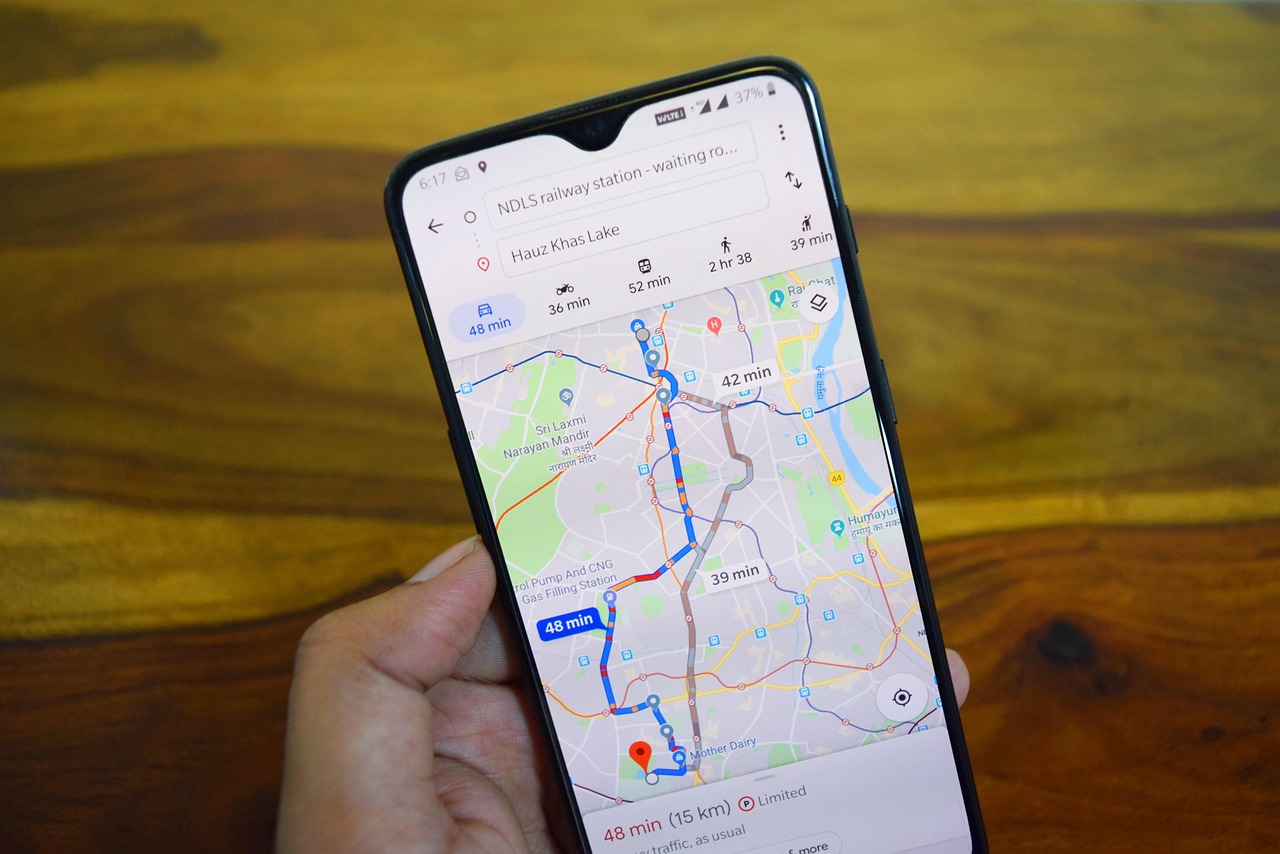
Mapping apps display property lines, landowner data, topography, and trail overlays. They help prevent accidental trespassing and allow safer travel through unfamiliar regions. Supporters say the clarity and convenience provide fairness for hunters and landowners alike. Critics feel the constant screen checking breaks immersion and makes the hunt feel more like a navigation exercise than a natural experience. Privacy concerns also arise as more data becomes publicly accessible through detailed mapping tools.