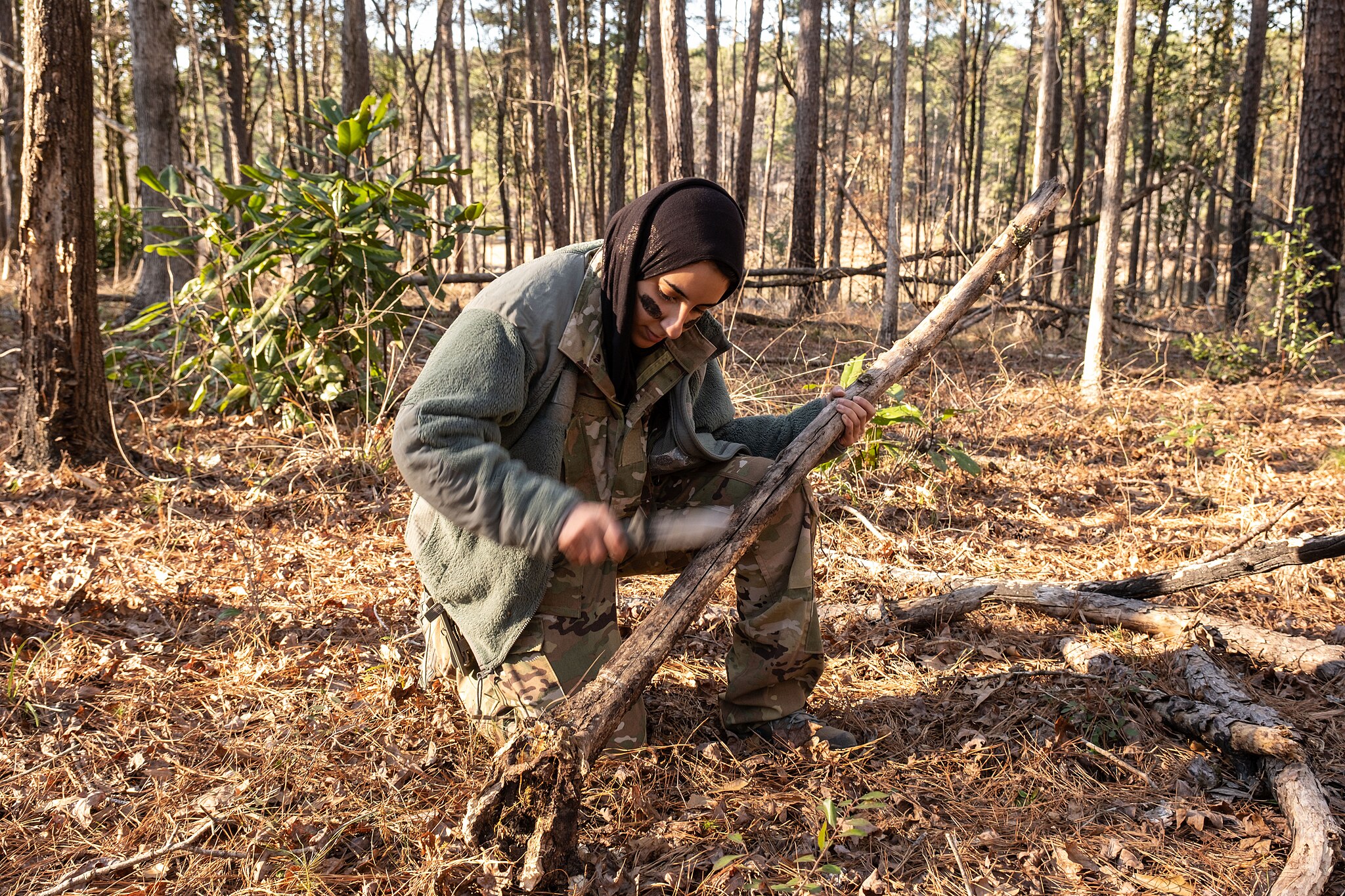
Survival advice often sounds simple: stay put, follow the trail, find water, seek shelter. But real emergencies are rarely that clean. In many survival situations, the option that feels safest at first glance can quietly increase risk, while the smarter choice looks uncomfortable, uncertain, or even dangerous. Fear, habit, and common wisdom all influence decisions under stress, and those influences don’t always align with reality. This list explores eleven survival situations where the safest option isn’t immediately obvious. Each section breaks down why instinct or popular advice may mislead you, what hidden risks exist, and how experienced survivors evaluate safety when conditions, terrain, and human limits complicate the choice.
1. Staying Put vs. Moving After Getting Lost
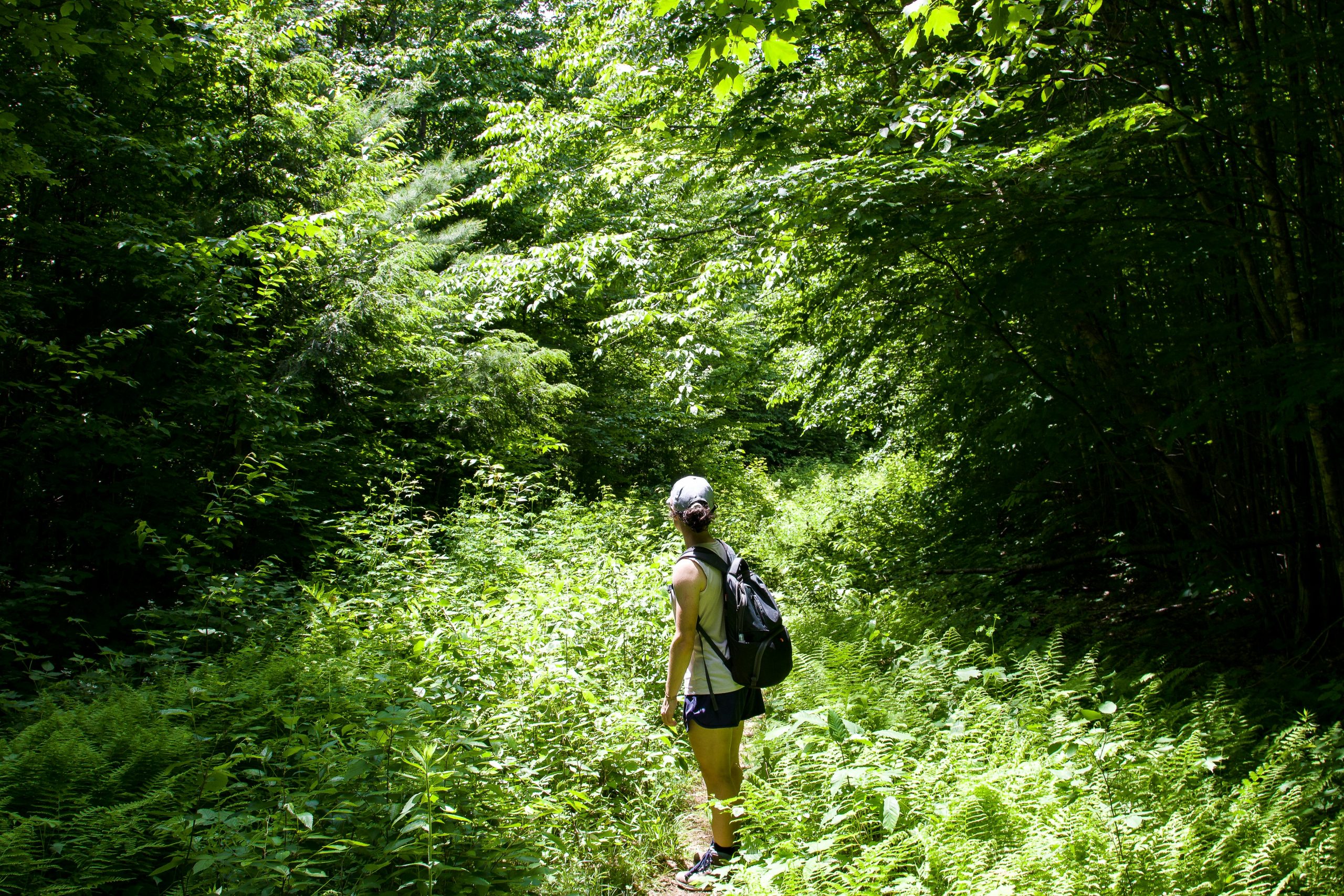
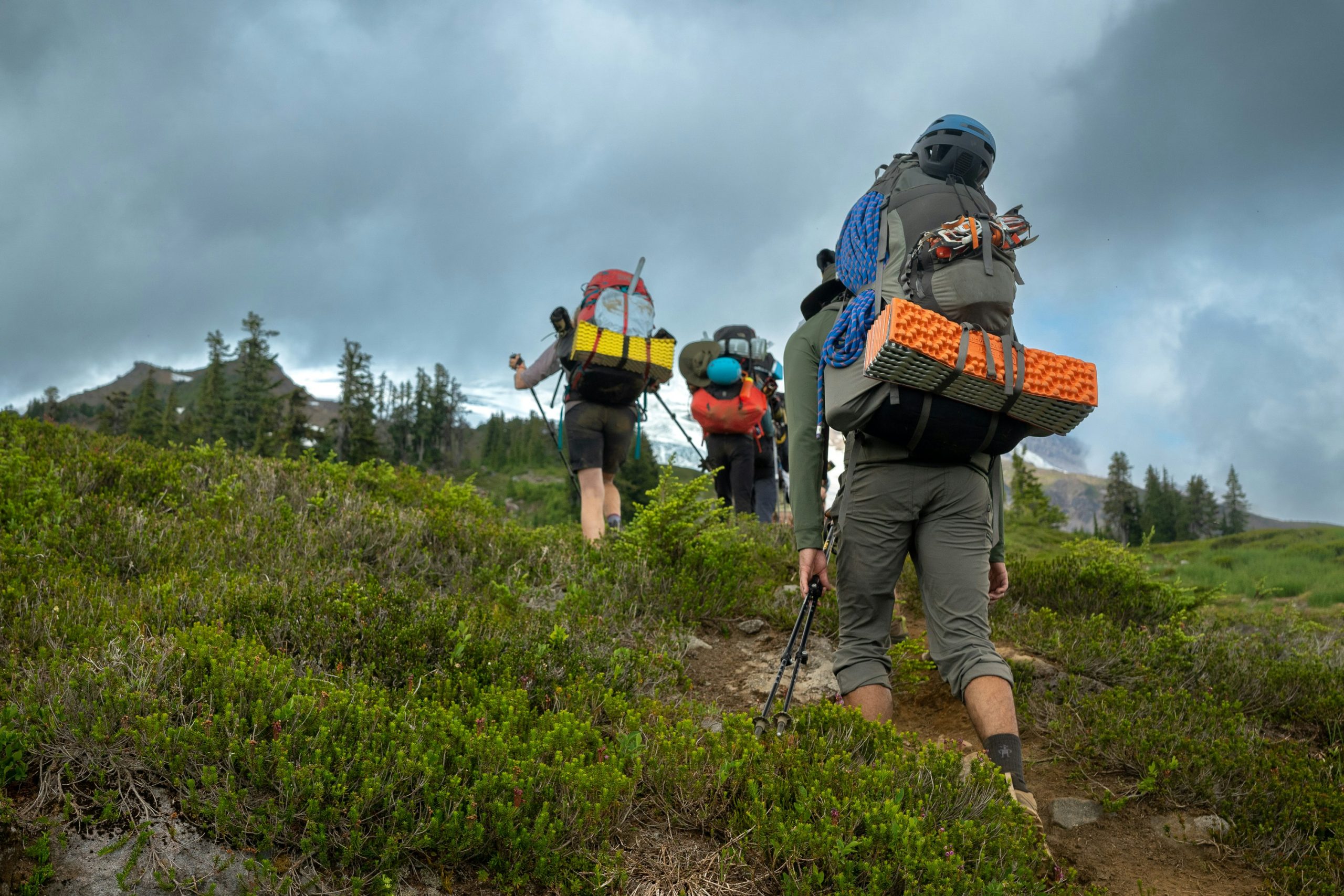
Standard advice says to stay put when lost, but that isn’t always the safest move. Remaining stationary makes sense if you’re reported missing, injured, or clearly off-route with reliable shelter and water. However, staying put can become dangerous if exposure, rising water, or worsening weather threaten your position. In some cases, controlled movement toward known landmarks or safer terrain improves survival odds. The real risk lies in emotional movement wandering without purpose. Safe movement is deliberate, slow, and navigationally sound. The safest choice depends on visibility, terrain, signaling ability, and physical condition, not on a universal rule.
2. Following a River Downstream
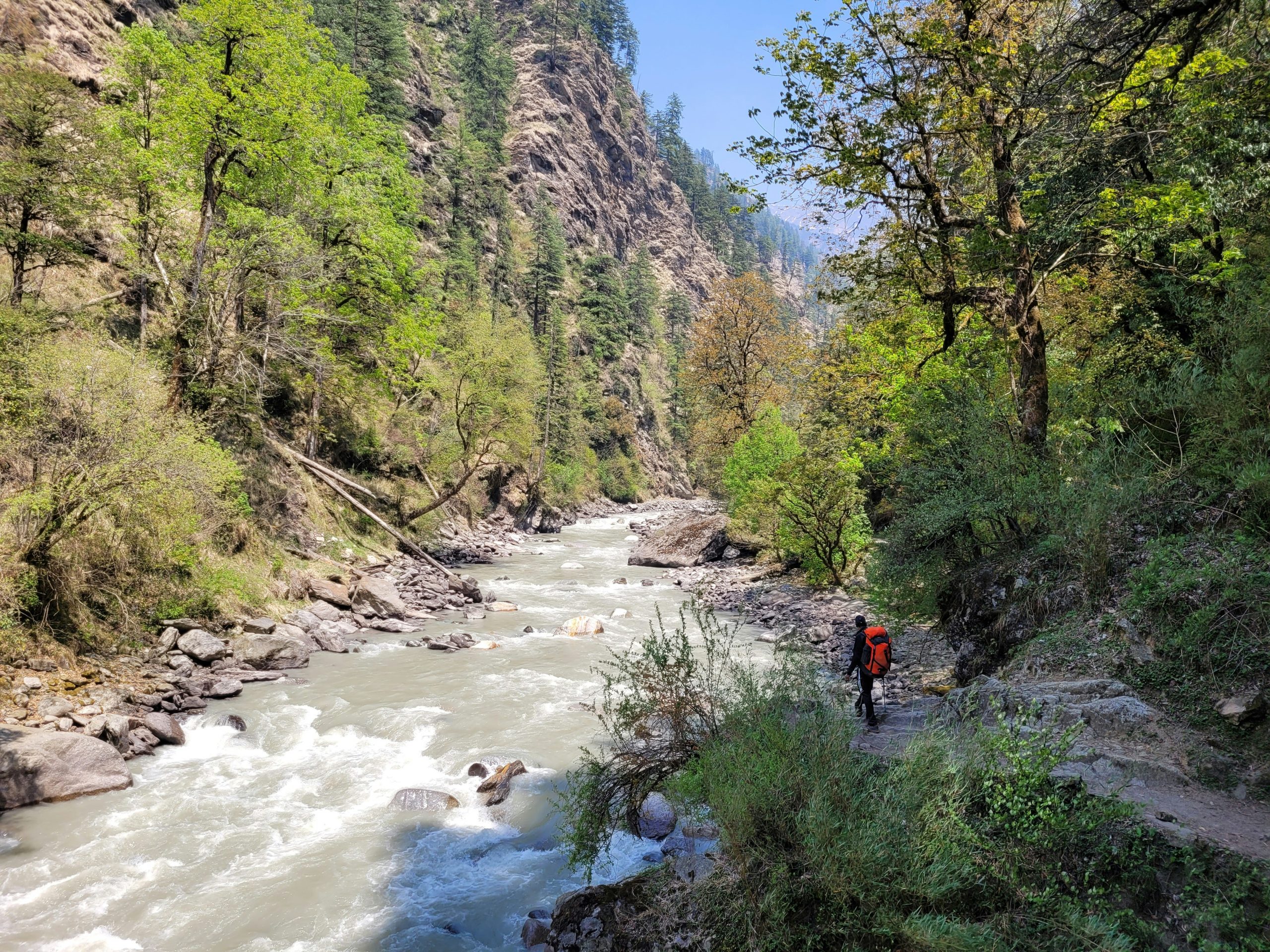
Rivers feel like natural guides, promising civilization downstream. While that’s sometimes true, following water blindly can trap you in steep canyons, flood zones, or dense vegetation that burns energy fast. Rivers also curve, widen, and split, increasing navigation errors. In cold environments, constant exposure to water accelerates heat loss. Insects and unstable banks add risk. Sometimes, climbing away from a river to gain elevation offers better visibility, drier travel, and clearer navigation. The safest option isn’t always downstrea;m it’s the route that preserves energy, orientation, and shelter opportunities.
3. Seeking Shade vs. Building Shelter
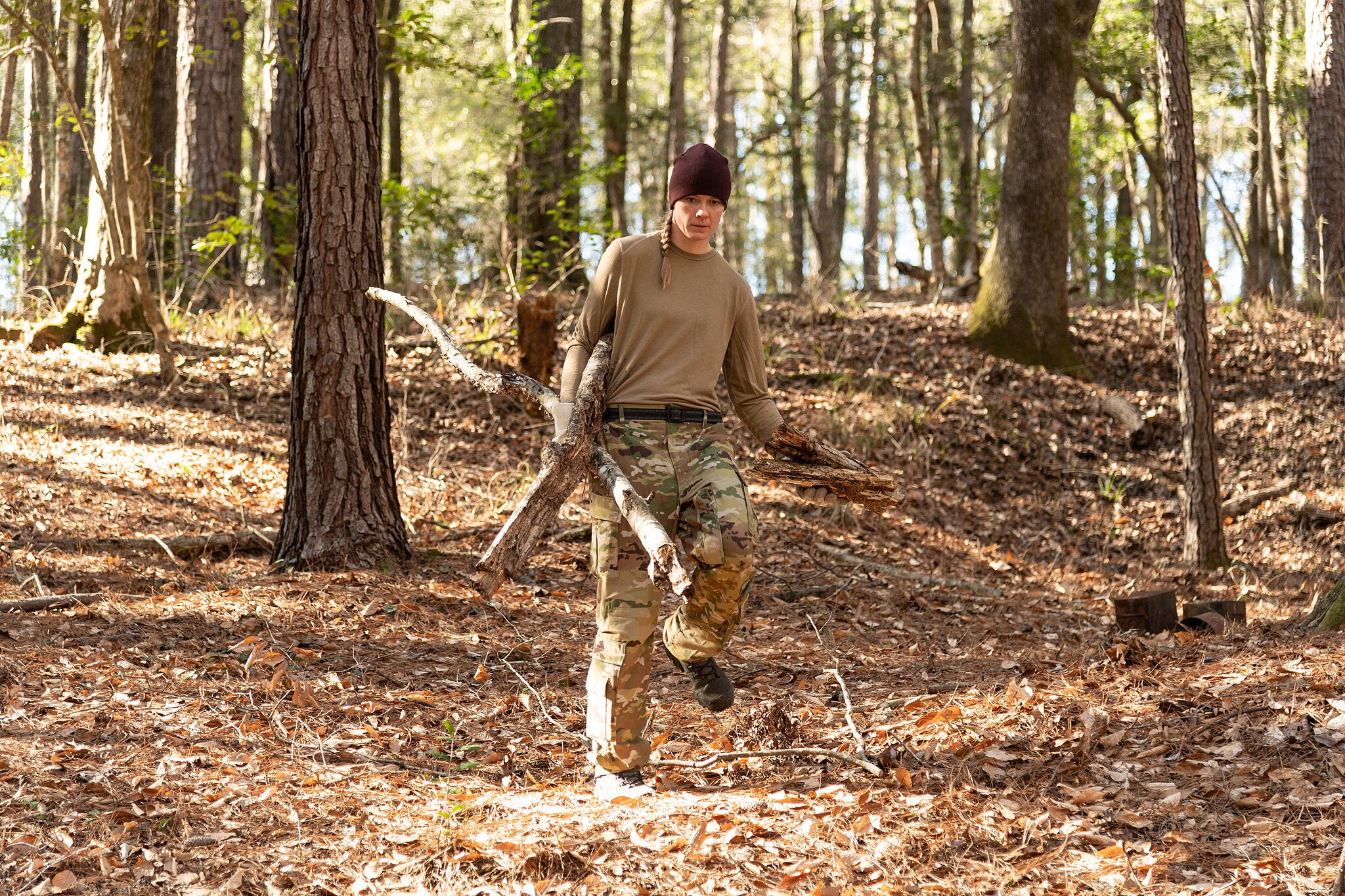
Shade feels like safety in heat, but relying solely on natural shade can expose you to wind shifts, sun movement, or nighttime temperature drops. Trees and rocks don’t block radiant heat from all angles, and shade disappears quickly as the sun moves. A simple shelter, even crude, offers consistent protection and psychological comfort. In deserts or open terrain, shelter controls airflow, conserves moisture, and provides predictable rest. The safest option balances immediate relief with long-term protection. Shade buys minutes; shelter buys stability.
4. Lighting a Fire Immediately
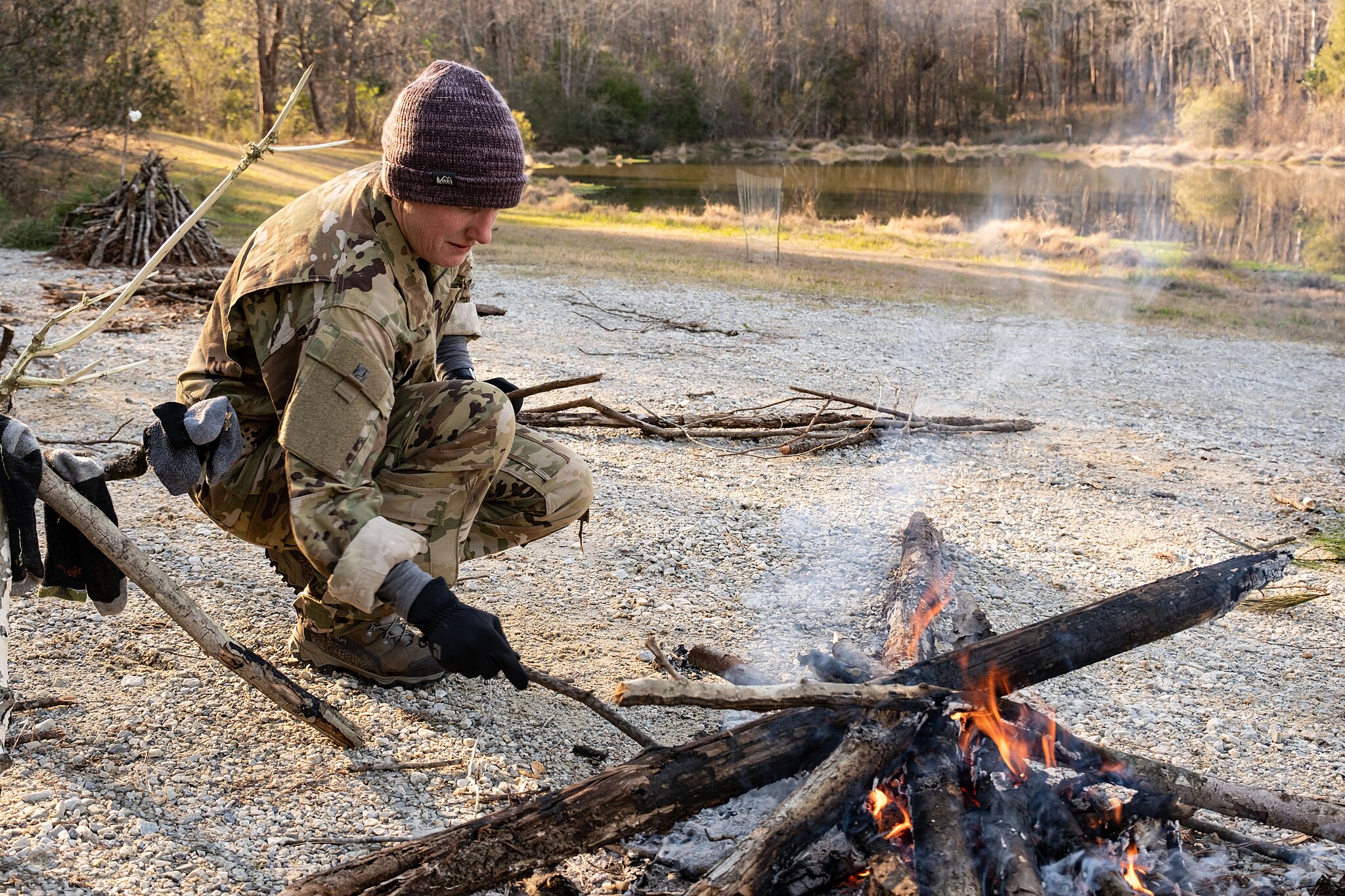
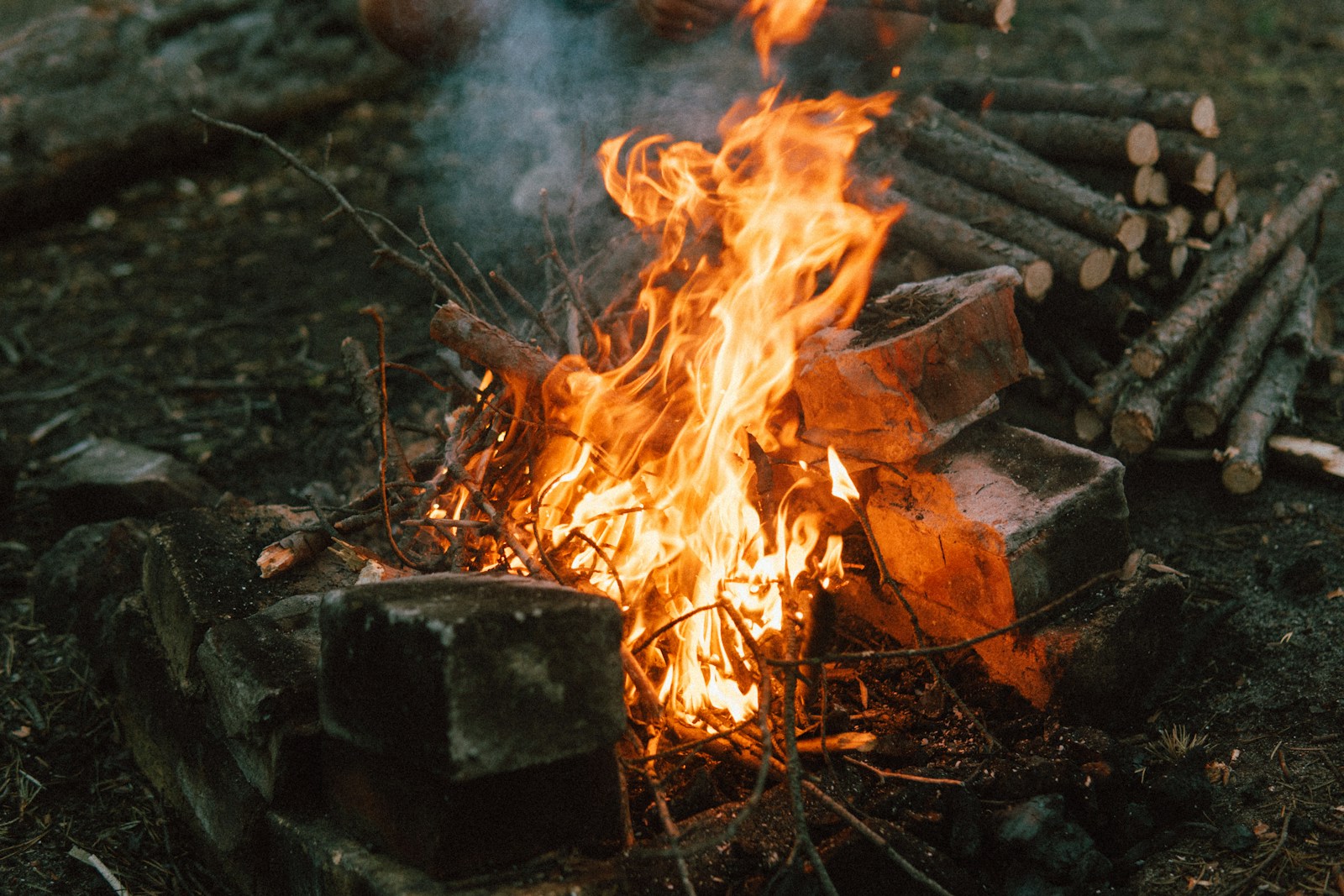
Fire equals warmth and security, so people rush to light one. But starting a fire without preparation can waste limited ignition sources and energy. Poor placement increases wind exposure, smoke visibility, or wildfire risk. In some environments, fire attracts attention you don’t want, including wildlife or hostile humans. Gathering materials first, choosing the location carefully, and timing ignition matter. Sometimes delaying fire until conditions improve is safer. Fire is powerful, but misuse turns comfort into danger fast.
5. Drinking Clear Water Without Treatment
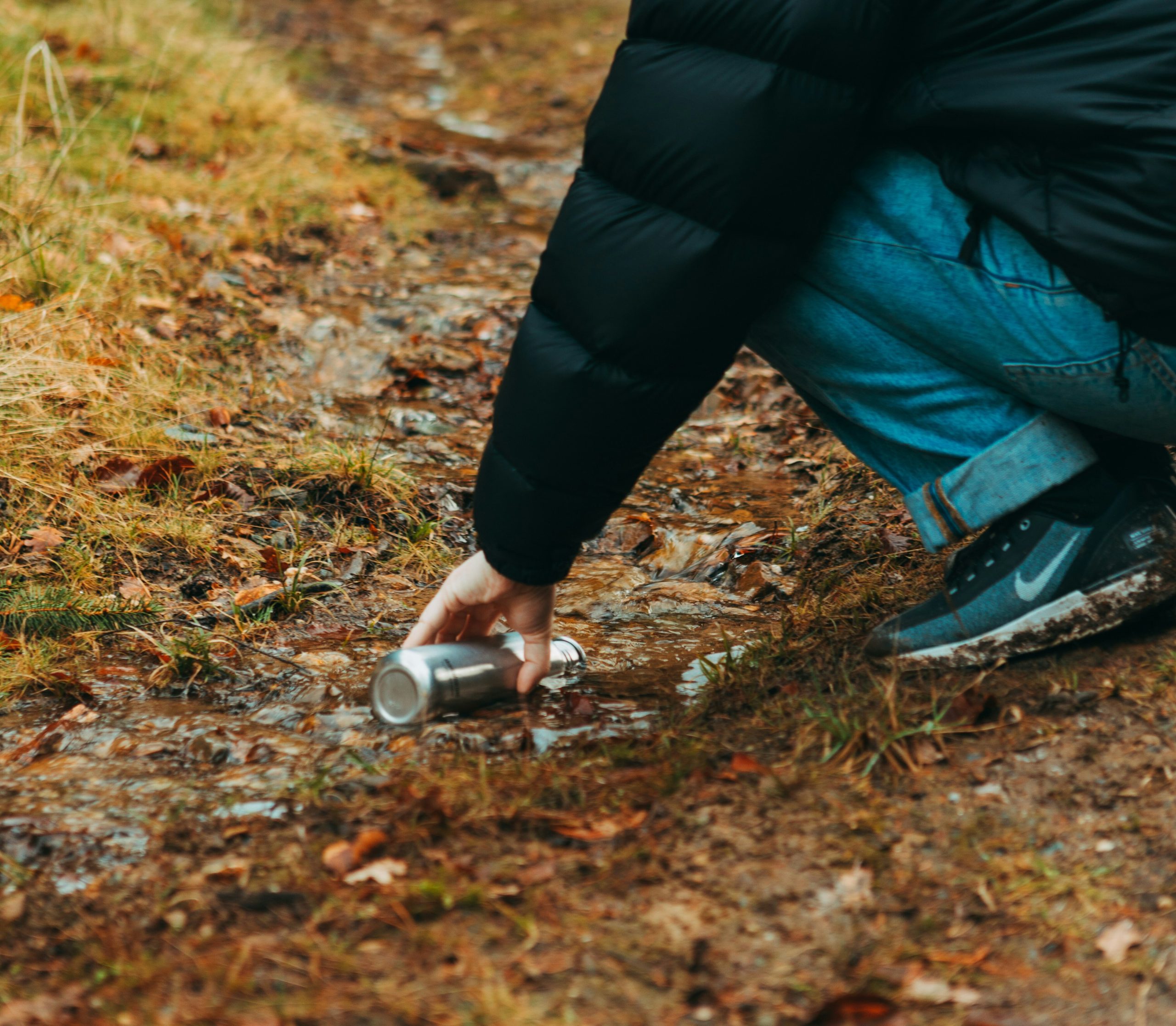
Clear water looks safe, especially when dehydration presses hard. But clarity doesn’t equal purity. Many pathogens are invisible and odorless. Drinking untreated water often causes illness hours later, when evacuation or movement becomes harder. In cold or remote environments, dehydration plus sickness compounds rapidly. Treating water feels slow, but it preserves strength and function. The safest option is patience, not appearance. Clean-looking water can quietly sabotage survival if consumed without protection.
6. Sleeping Through the Night for Recovery
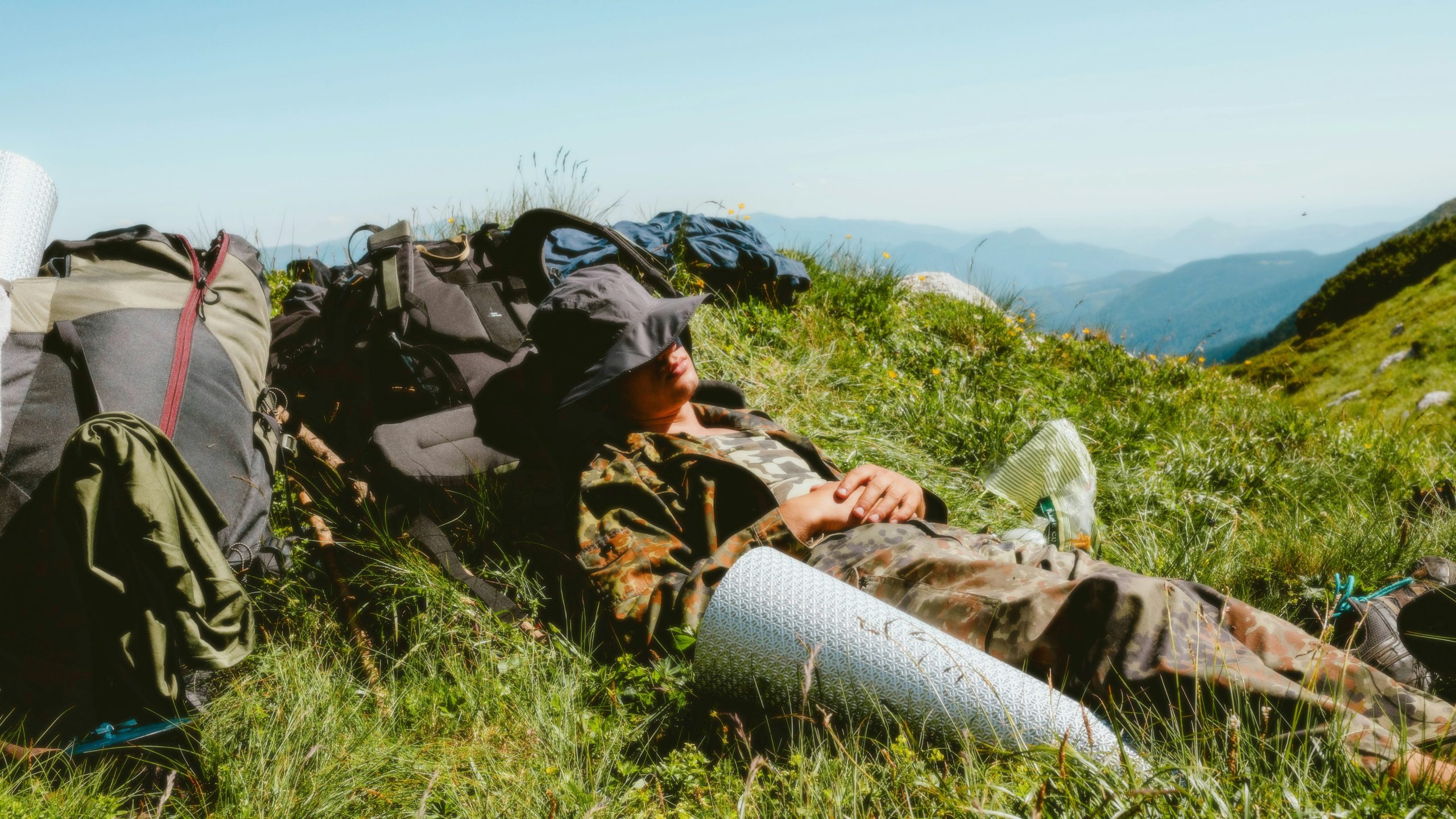
Rest is critical, but sleeping deeply in unsafe conditions can be dangerous. Cold exposure, rising tides, predators, or weather shifts don’t pause overnight. In some scenarios, light, broken sleep with periodic checks is safer than full rest. Monitoring fire, shelter stability, and surroundings preserves control. Exhaustion clouds judgment, but so does neglect. The safest rest balances recovery with awareness, especially during the first night of an emergency.
7. Wearing All Clothing to Stay Warm
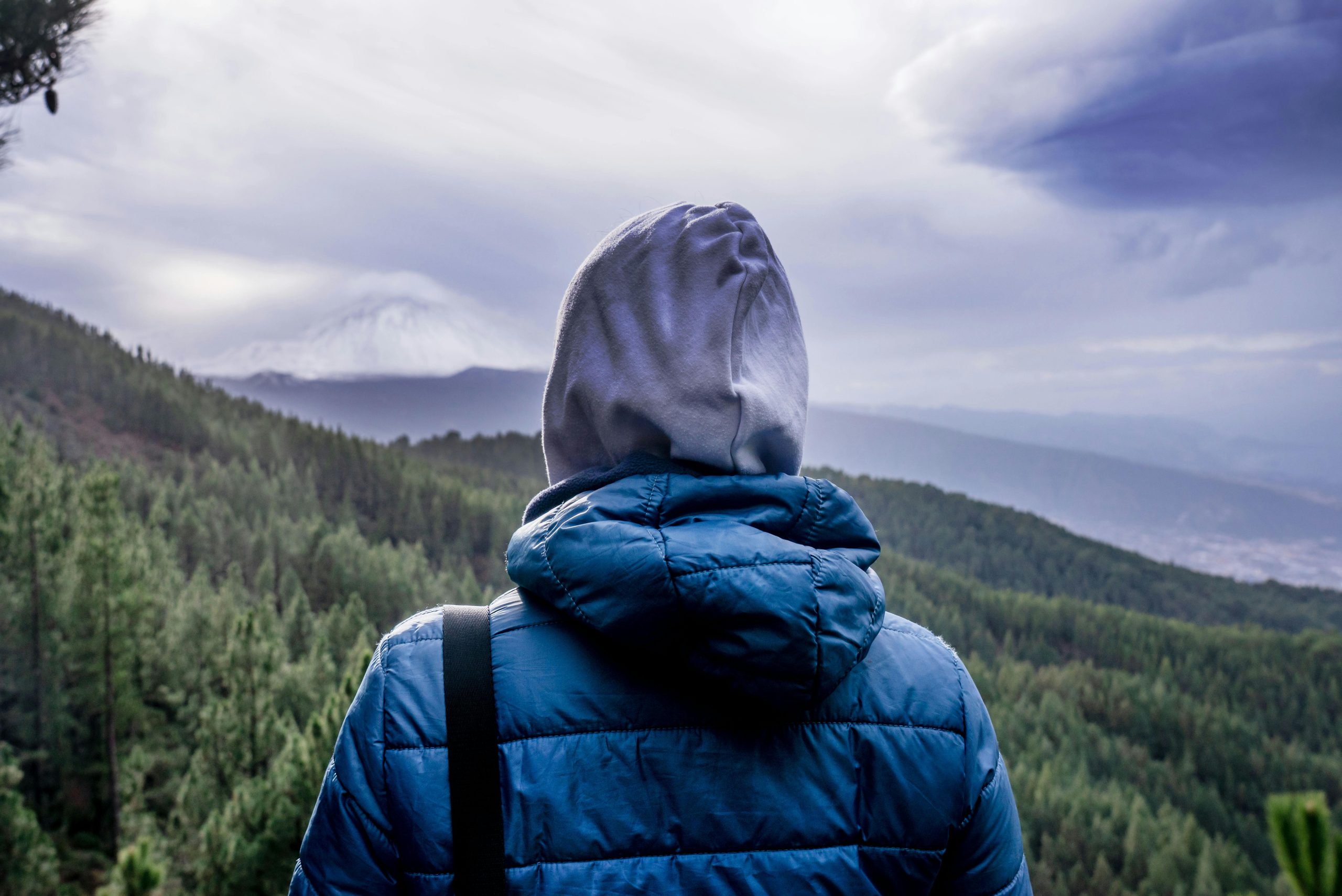
Bundling everything on at once feels smart in cold conditions, but overdressing during movement causes sweat. Moisture trapped against the skin accelerates heat loss once activity slows. Wet clothing in cold environments is one of the fastest paths to hypothermia. Layering allows adjustment, venting heat while moving and sealing warmth while resting. The safest option isn’t maximum insulation, it’s moisture management. Staying dry matters more than staying heavily dressed.
8. Choosing the Easiest Terrain to Travel
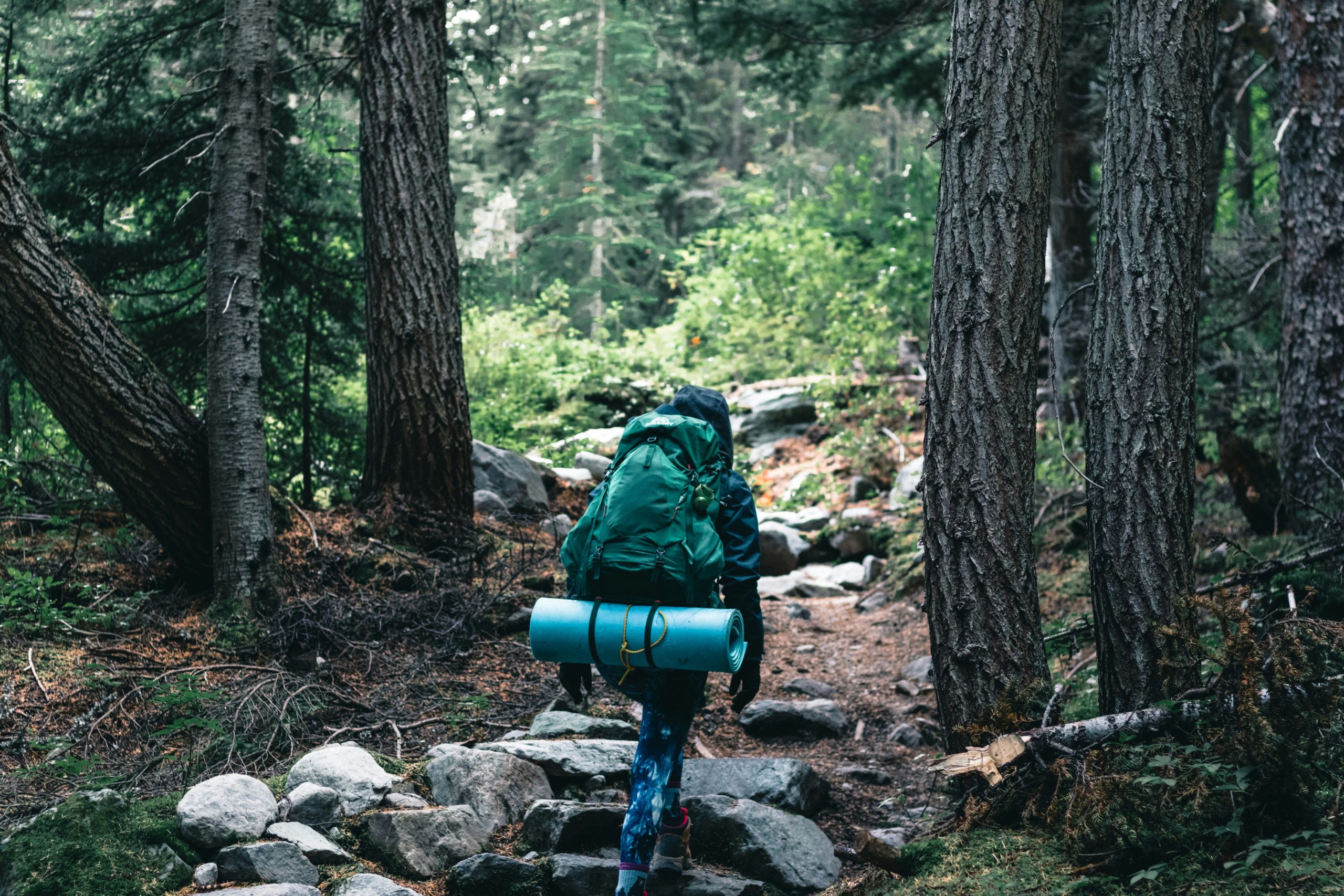
Flat, open terrain looks safe and efficient, but it often exposes you to wind, sun, or visibility issues. Low areas collect cold air, fog, and water. Higher ground may be harder to reach but offers better navigation, drainage, and signaling opportunities. Easy terrain can drain energy through exposure, while slightly harder routes provide strategic advantages. The safest path isn’t always the smoothest; it’s the one that controls environmental threats.
9. Using Technology as Primary Navigation
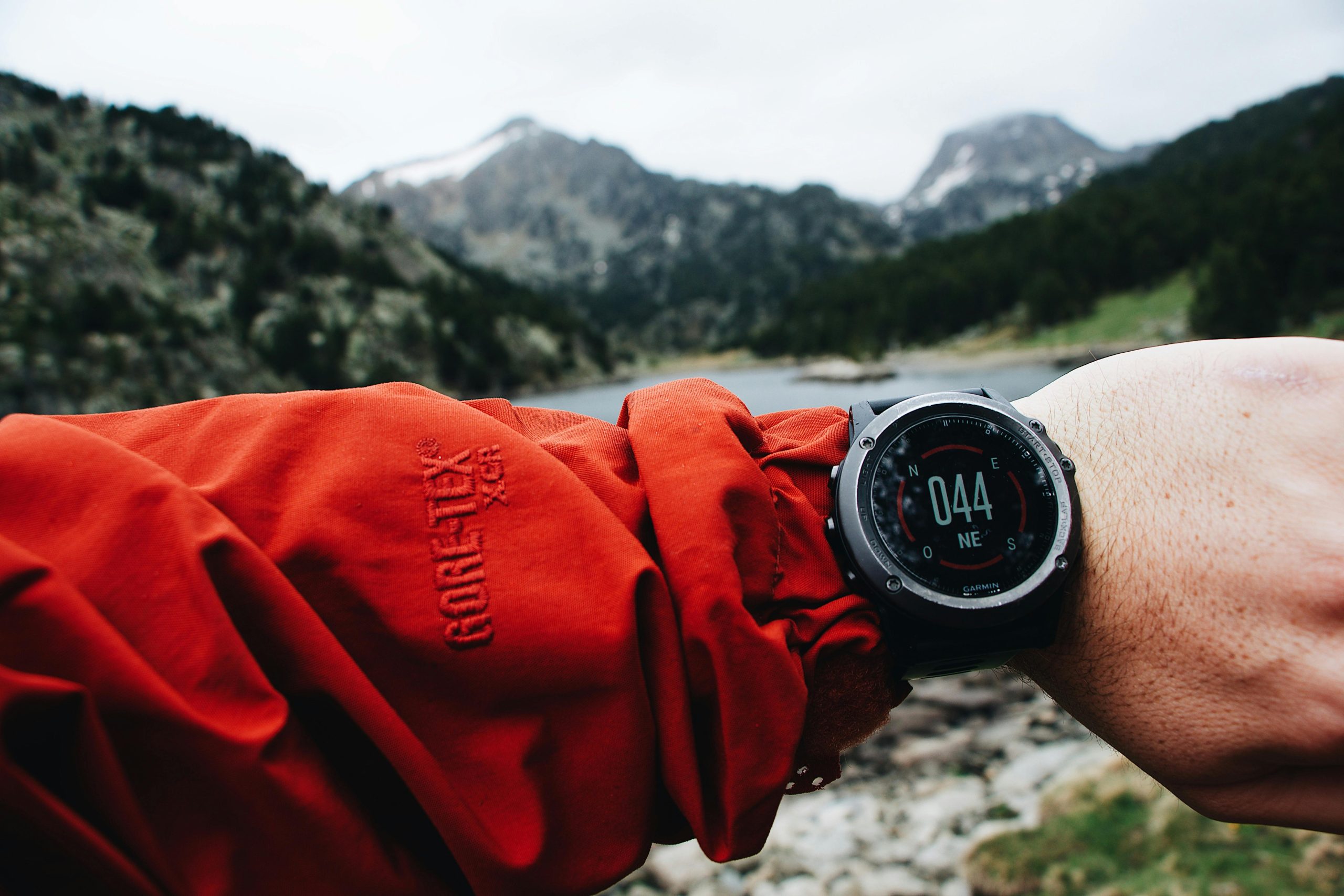
GPS devices feel reliable, but batteries fail, signals drop, and cold drains power fast. Relying entirely on electronics without backup creates a single point of failure. Maps and compasses require skill, but they don’t shut off. The safest option blends tools with knowledge. Technology supports navigation; it shouldn’t replace situational awareness. Confidence in devices without redundancy can quietly turn minor errors into major emergencies.
10. Signaling Constantly for Rescue
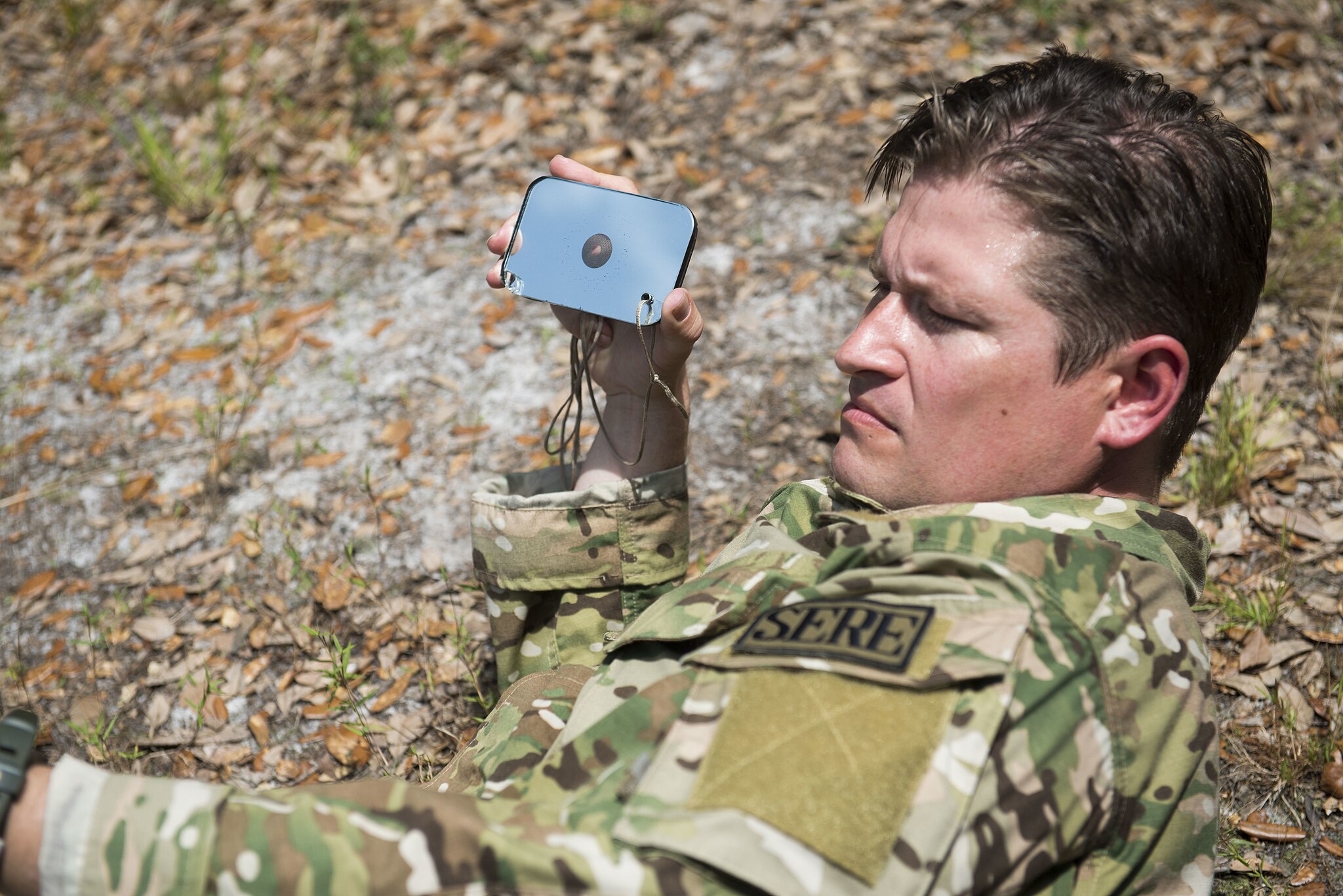
Signaling improves rescue chances, but constant signaling can exhaust energy, deplete supplies, or reveal your position to unintended observers. In some regions, over-signaling creates false hope or misinterpretation. Strategic signaling timed, visible, and efficient works better. Conserving strength while signaling intelligently balances hope with survival. The safest option isn’t nonstop effort; it’s controlled visibility aligned with realistic rescue windows.
11. Trusting Familiar Skills Over Conditions
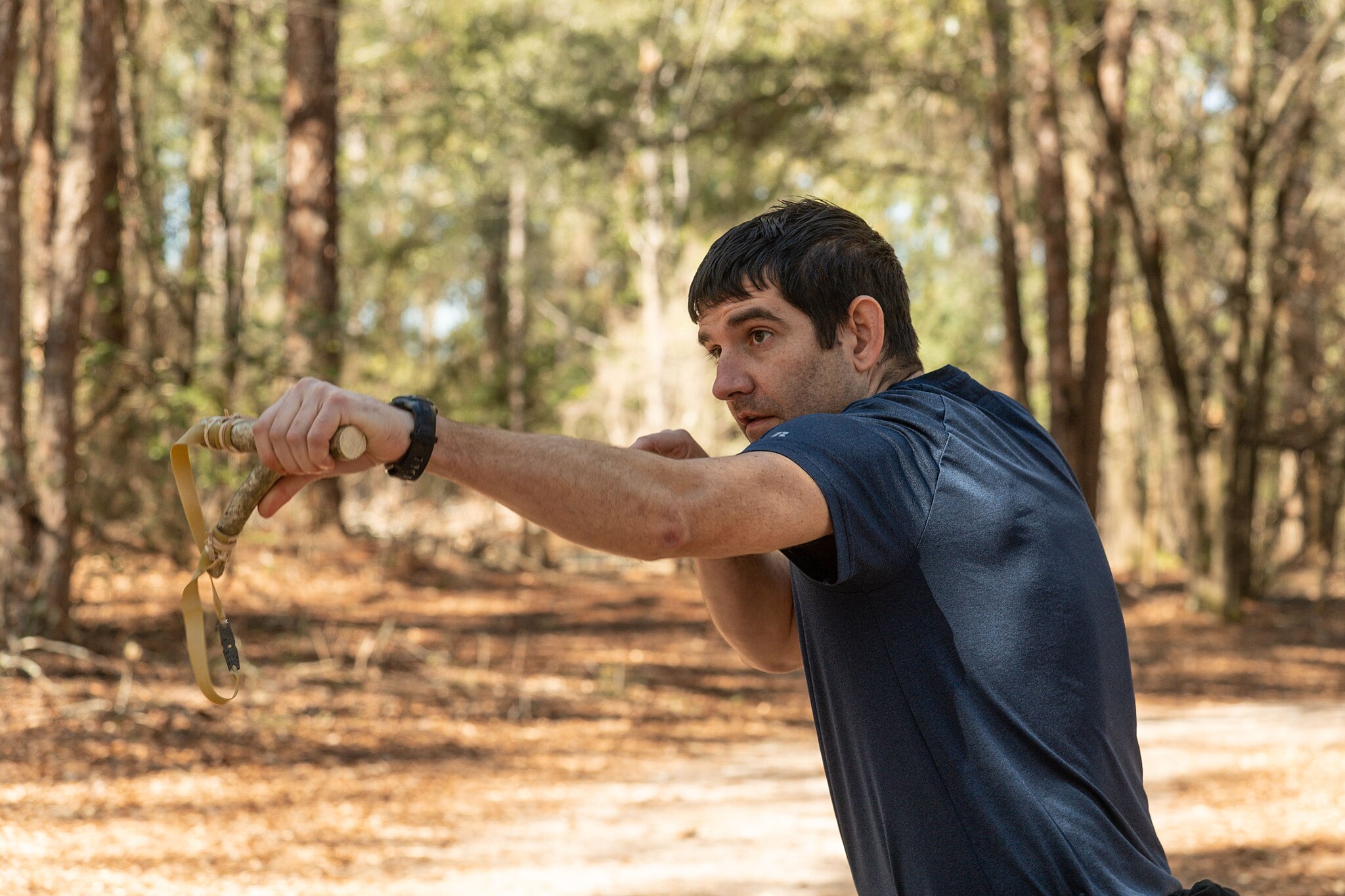
People lean on what they know, camping habits, military training, or past experiences. Familiar skills can fail when environments change. Desert logic doesn’t apply to forests, and cold-weather habits fail in heat. Conditions dictate safety, not confidence. Adapting mindset matters more than repeating routines. The safest option is flexibility, reading the environment honestly and adjusting behavior, even when it contradicts experience.