Waterways across mountainous and colder regions often shift character as seasonal snow begins to melt, feeding streams, rivers, and lakes with fresh runoff that can influence clarity, temperature, and overall flow. These changes can appear gradually or suddenly, depending on elevation, sun exposure, and weather patterns, making it helpful to recognize the signs that indicate a water source is responding to melting snow upstream. Observing these indicators offers insight into natural cycles that support ecosystems, supply communities, and shape landscapes throughout the year. Many hikers, anglers, and nature observers pay attention to these details because they often reveal how much water is moving through a watershed and how conditions might evolve. Understanding these cues creates a clearer picture of how snowmelt drives seasonal transitions in waterways large and small.
Sudden Increase in Water Flow
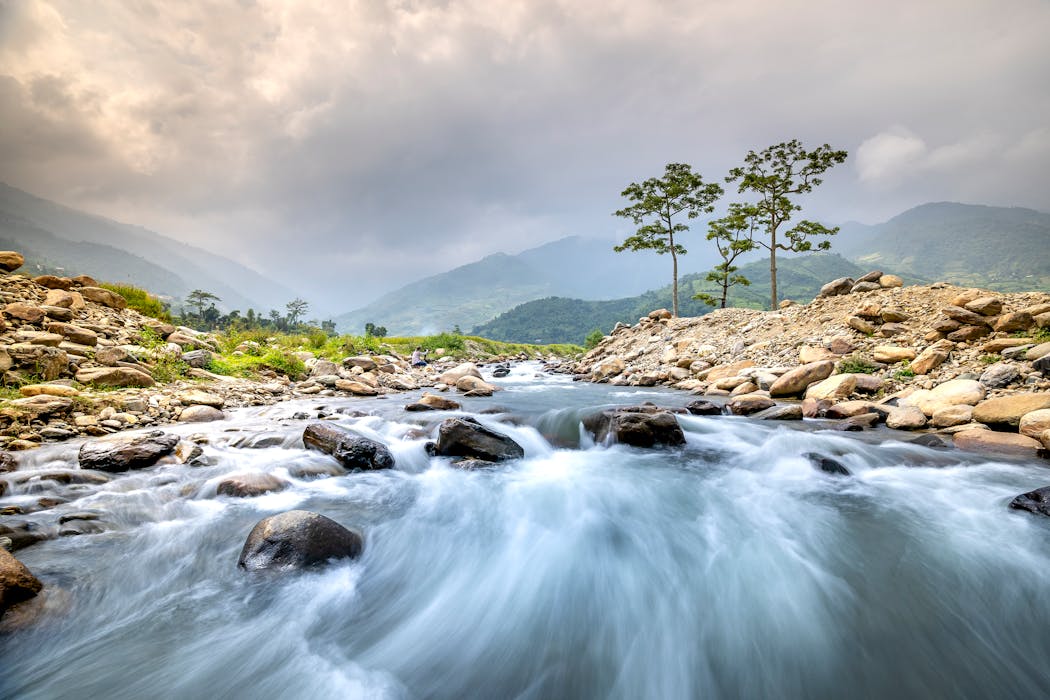
A sudden increase in water flow often indicates the influence of upstream snowmelt, especially in regions where mountain snowpack accumulates through winter. When warm temperatures or extended sunshine reach higher elevations, melting snow releases large amounts of runoff that travel rapidly into river channels. This influx creates a noticeable rise in water speed and volume, sometimes transforming gentle streams into fast-moving currents. The shift often appears more dramatic during late spring or early summer when snow reserves melt quickly. Observers may also notice nearby tributaries swelling as they contribute additional runoff downstream. Increased flow plays an important role in transporting nutrients, sediment, and colder water into lower elevation ecosystems.
Drop in Water Temperature
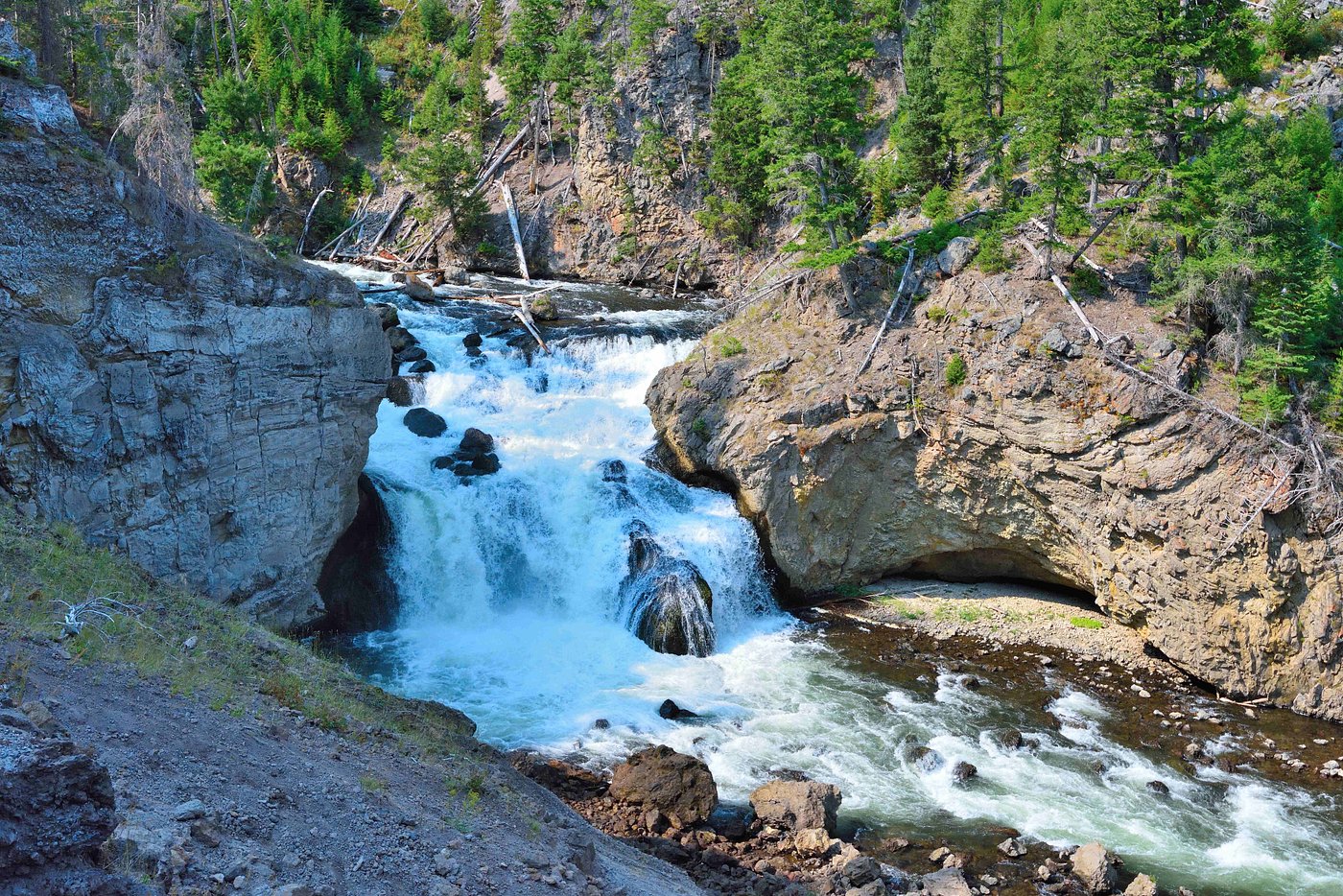
A drop in water temperature serves as a strong indicator that upstream snowmelt is contributing to a water source because melting snow introduces cold, freshly thawed runoff into warmer channels. Even during sunny days, streams carrying snowmelt maintain noticeably cooler conditions compared to those fed by groundwater or rainfall. This temperature shift influences aquatic life, with species such as trout responding positively to cooler water. Sudden cooling can also signal increased melt rates at higher elevations. These temperature changes often persist throughout the day and remain consistent across long stretches of river, making them one of the most reliable signs of seasonal snowmelt input.
Cloudier Water With Fine Sediment
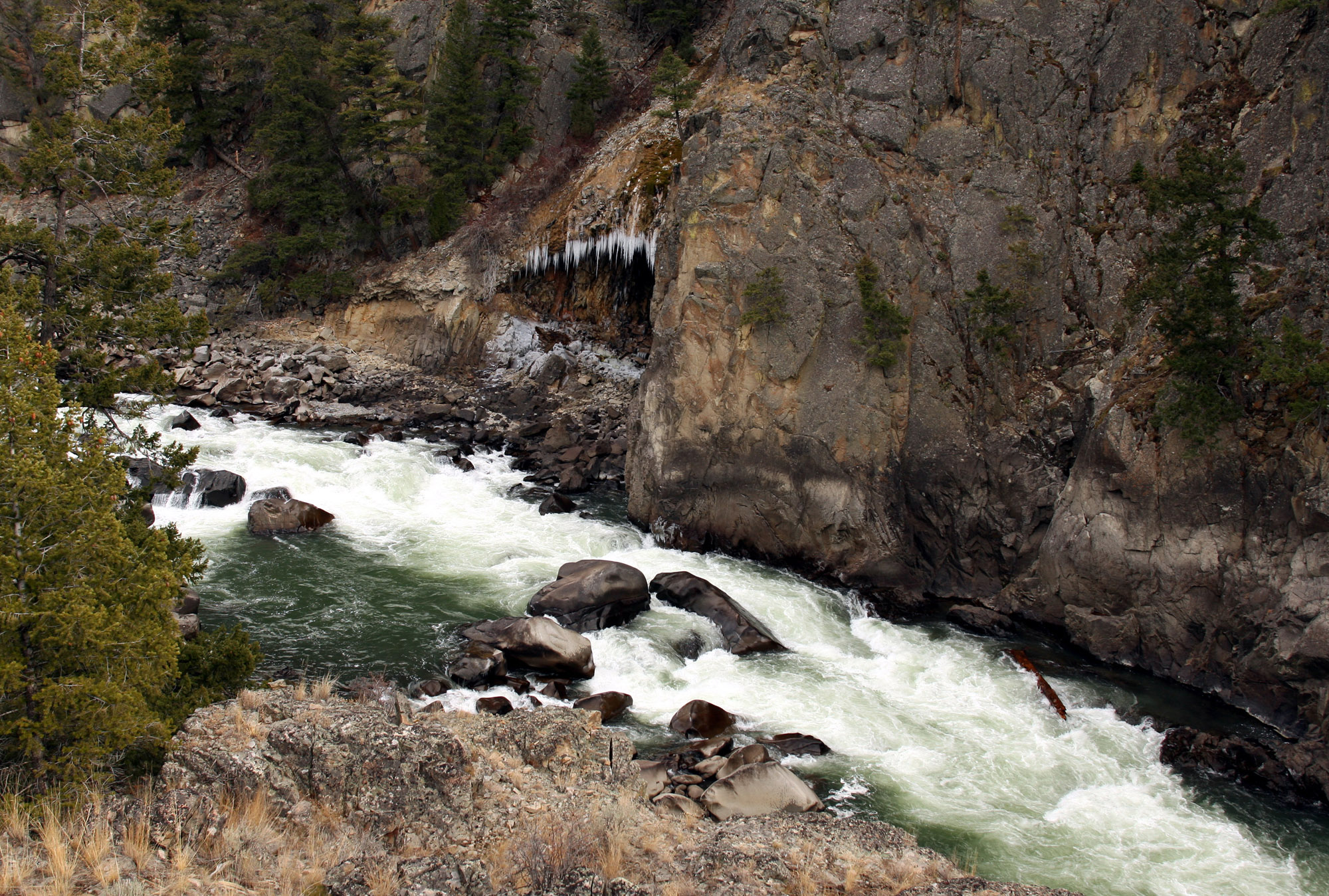
Cloudier water containing fine sediment frequently indicates that upstream snowmelt is loosening soil and transporting particles downstream. As melting snow moves across exposed slopes, it picks up silt, sand, and organic material that remain suspended in the flow. This sediment-rich water appears murky or tinted compared to the clearer conditions seen earlier in the season. The change can be especially pronounced near hillsides where winter storms leave debris that runoff easily lifts. Sediment distribution supports ecological processes by moving nutrients into new areas, although heavy deposits may temporarily reduce visibility for fish and aquatic insects. Observing these changes provides insight into how meltwater shapes riverbeds and surrounding landscapes.
Higher Water Levels After Warm Days
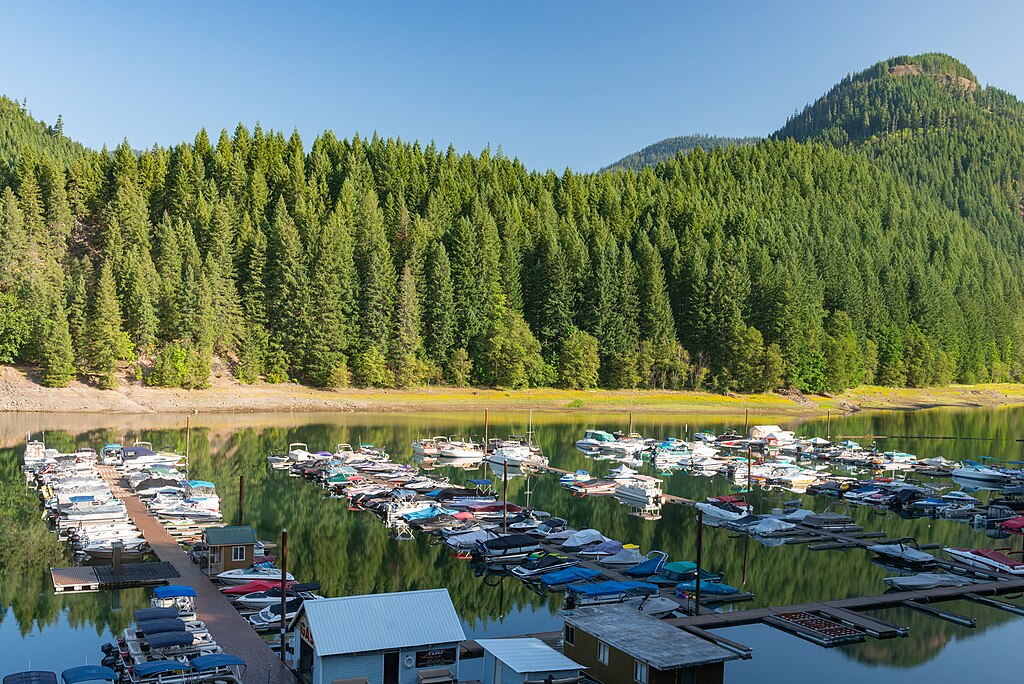
Higher water levels following warm days often reflect increased snowmelt activity at higher elevations. When temperatures rise rapidly, snowpack softens and produces runoff that flows into creeks and rivers over several hours. This creates an observable rise in water height that may continue into the evening as meltwater travels downhill. Even without rain, banks appear fuller, and water spreads into areas that were previously dry. This pattern often becomes most noticeable during late spring as longer daylight hours accelerate snowmelt. Seasonal monitoring of water levels can help reveal the connection between weather conditions and the volume of upstream thaw.
Consistent Afternoon Swells

Consistent afternoon swells are a common sign of snowmelt-influenced waterways because midday sun produces faster melting at higher elevations. Water levels and flow typically increase during the afternoon, peak in early evening, and decline overnight as temperatures cool. This rhythmic rise and fall becomes especially clear in rivers that drain steep mountain basins. Observers often recognize this pattern during periods without rainfall, confirming that the change stems from meltwater rather than storm runoff. Afternoon surges also distribute nutrients and oxygen throughout river systems, supporting plant and animal life during transitional seasons.
Cooler Air Near the Water
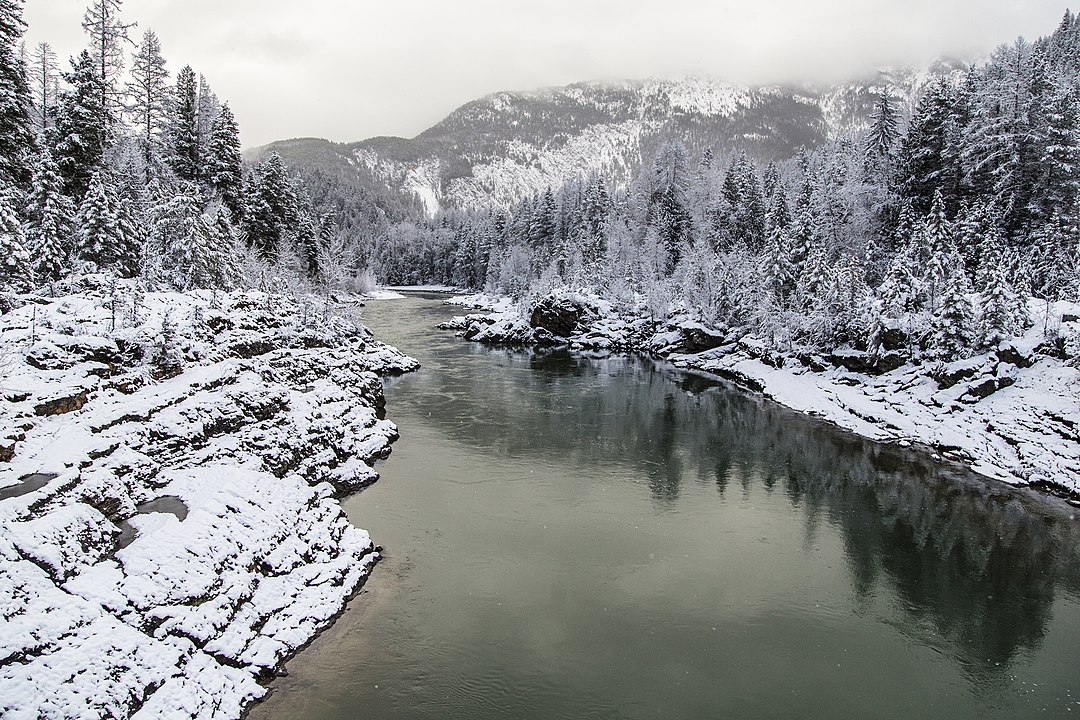
Cooler air surrounding a water source can signal snowmelt influence because meltwater lowers the ambient temperature in nearby areas. Cold water cools the air above it, producing a noticeable difference along riverbanks or near inflow points. The effect often becomes more prominent during warm afternoons when contrast increases. In some locations, small pockets of cool air linger because meltwater continually enters the stream from shaded or forested slopes. This natural cooling supports local wildlife and can help create microclimates that influence vegetation patterns. Recognizing these temperature shifts offers another subtle clue about snowmelt’s role in shaping water conditions.
Audible Roaring or Rushing Sounds
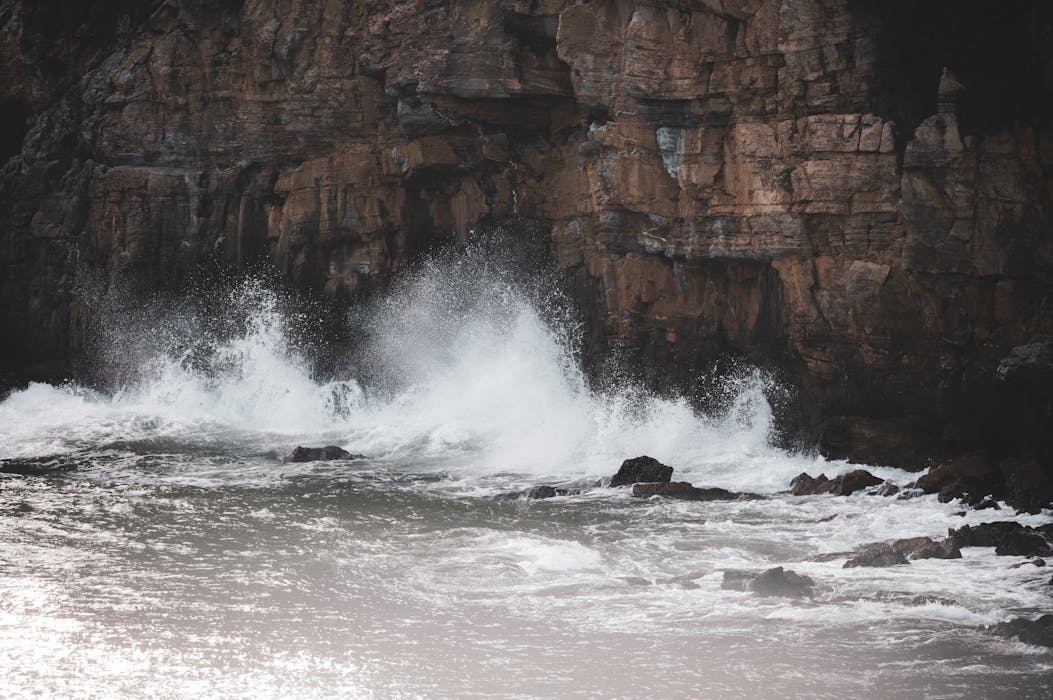
A sudden increase in roaring or rushing sounds from a river or stream often indicates rising water volume caused by upstream thaw. Meltwater flowing rapidly over rocks amplifies sound, creating a livelier and more forceful river tone. These changes can be heard before the water level becomes visually noticeable, especially in narrow canyons where sound carries clearly. As snowmelt accelerates, the acoustic character of a waterway shifts from gentle trickling to powerful rushing. This audible cue reflects the increased energy within the system and provides an early indication of conditions that may influence trail safety, bridge crossings, or shoreline erosion.
Presence of Floating Debris
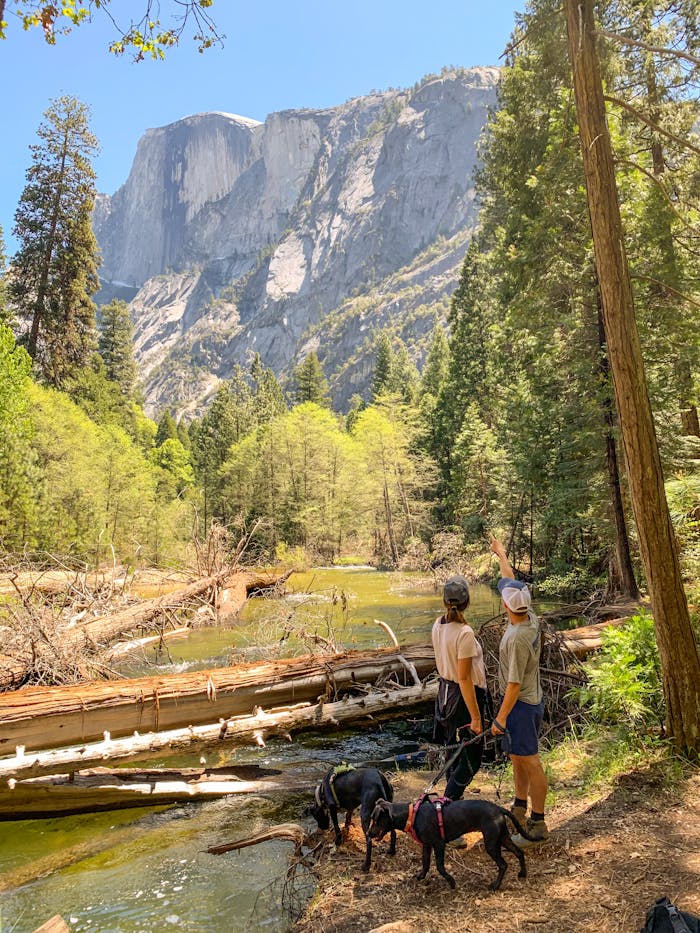
Floating debris such as small branches, bark, or natural litter often signals that snowmelt is moving material downstream. As melting snow releases water across forest floors and exposed hillsides, it lifts debris that gathers near waterways. This material becomes more abundant during periods of rapid thaw when runoff gains enough force to transport objects that were resting on winter ground cover. The presence of this debris, paired with stronger currents, highlights the changes occurring upstream. These natural cycles help redistribute organic matter and contribute to nutrient flow across river ecosystems.
Springs and Seeps Becoming Active
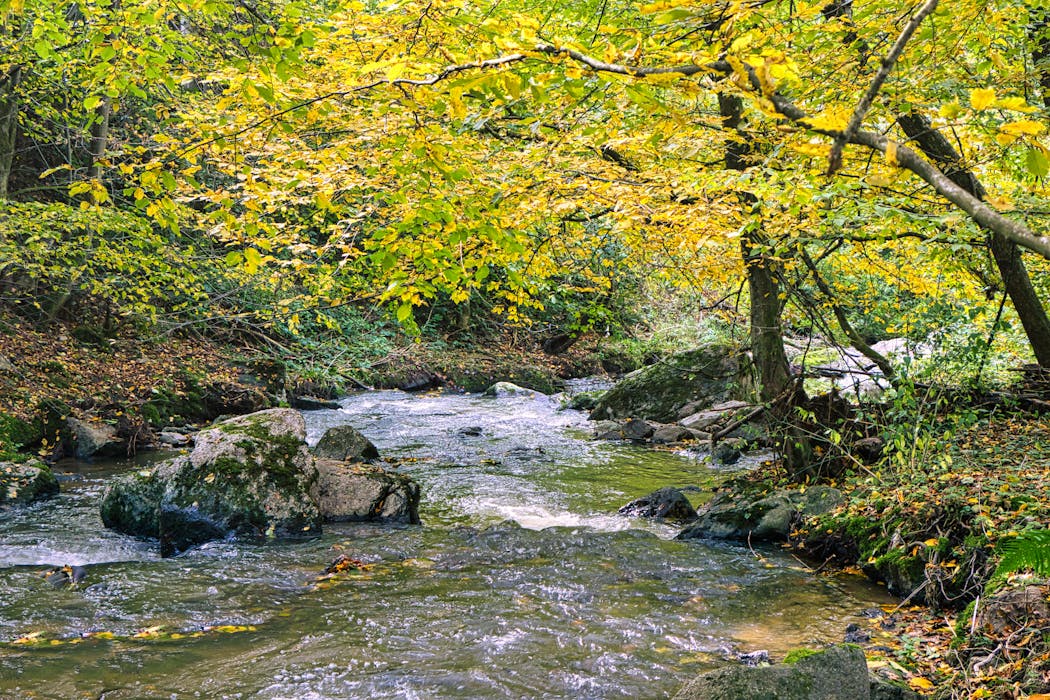
Springs and seeps often grow more active during peak snowmelt because increased groundwater recharge raises internal pressure within soil and rock layers. Meltwater travels underground, filling channels that feed these natural outlets. As a result, trickles become steady flows, and previously dry spots may begin releasing cool, clear water. This phenomenon often occurs in foothill regions where the connection between mountain snowpack and groundwater movement becomes more direct. Active springs signal healthy watershed function and provide important hydration sources for plants and wildlife as the season transitions.
River Color Shifts After Temperature Spikes

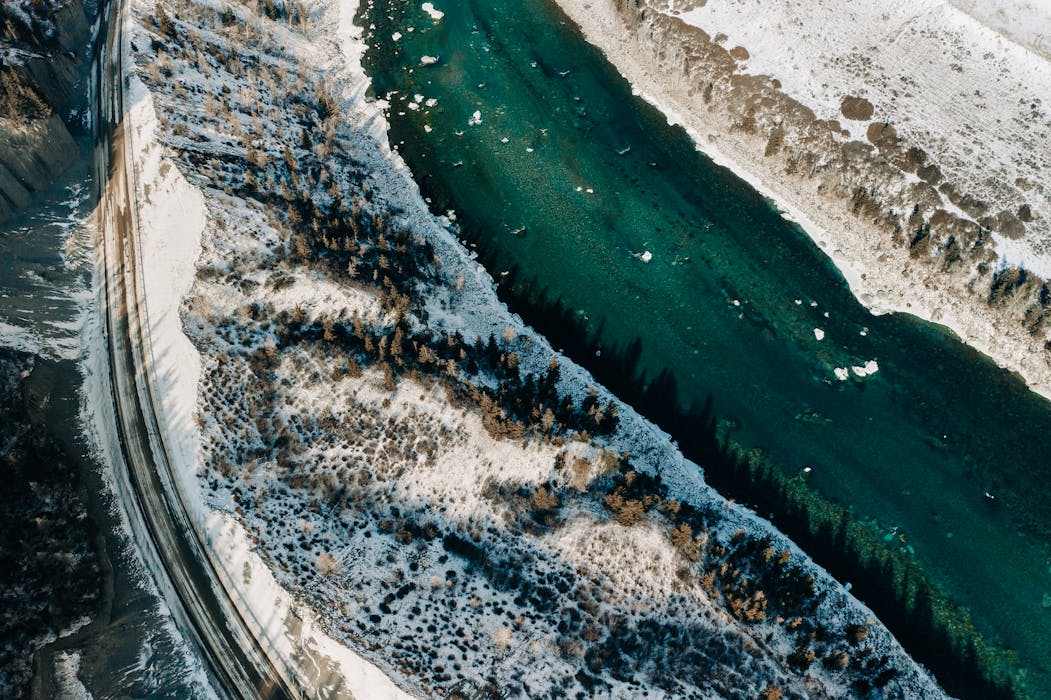
Color shifts in river water following temperature spikes may indicate that upstream snowmelt is carrying additional minerals, sediment, or glacial silt into the channel. As temperatures rise, meltwater interacts with rocks and soil before joining the main river, picking up fine particles that influence color. Streams may appear lighter, milkier, or slightly opaque depending on the surrounding geology. This visual change typically coincides with increased flow, forming a clear connection between warm periods and waterway transformation. Such shifts reveal how seasonal thaw contributes to the dynamic character of rivers in mountain regions.
Broader Wet Zones Along Banks
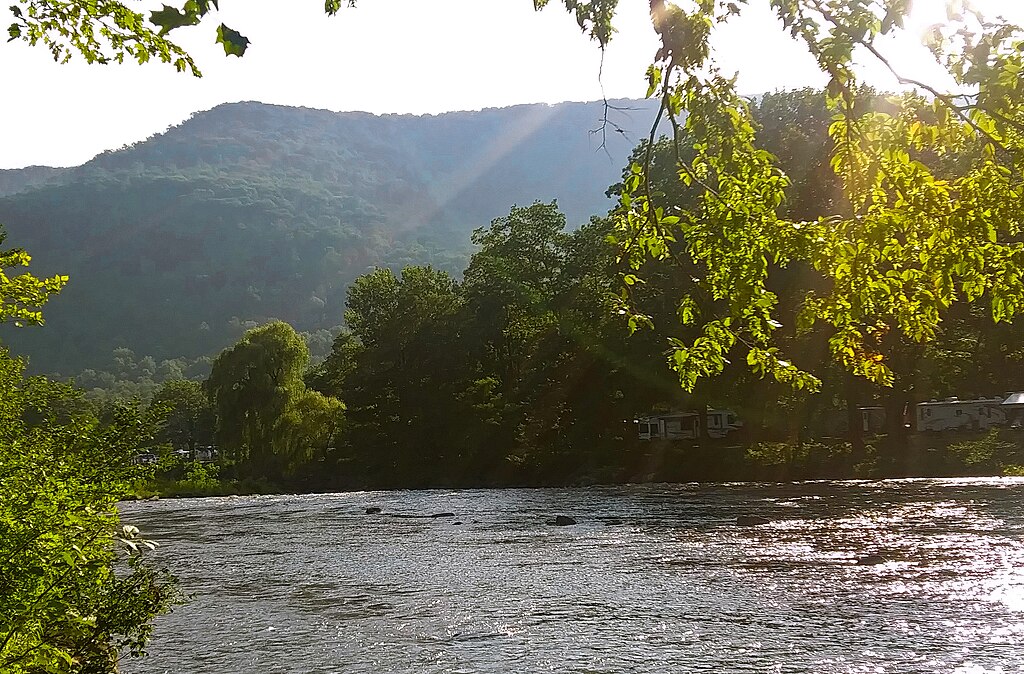
Wider wet zones along riverbanks or streams often appear when meltwater increases overall flow and saturates nearby soil. Areas once dry may become muddy or spongy as rising water height spreads across adjacent ground. These wet regions indicate that a consistent influx of runoff is expanding the boundary of the water source. Observing changes in bank width or moisture levels can help identify the timing and intensity of snowmelt upstream. This expansion plays a role in shaping riparian habitats and supporting seasonal plant growth.