Hiking after rain often brings fresh air, vibrant colors, and a peaceful atmosphere, yet it also introduces hazards that even seasoned hikers sometimes underestimate. Wet conditions change how soil behaves, how rocks grip boots, and how water moves across slopes, creating risks that appear minor at first glance but escalate quickly once the trail becomes saturated. Many markers indicating instability, erosion, or poor drainage are visible long before a storm, allowing hikers to anticipate which areas may become hazardous. Recognizing these clues helps prevent accidents by encouraging better route planning and thoughtful timing. Weather affects each landscape differently, and trails in forests, deserts, mountains, or coastal regions respond uniquely to moisture. A closer look at these signs reveals how terrain, soil type, vegetation, and trail design interact with rainfall to create conditions that require caution, patience, and respect for the natural environment.
Excessive Leaf Litter or Loose Debris on Slopes
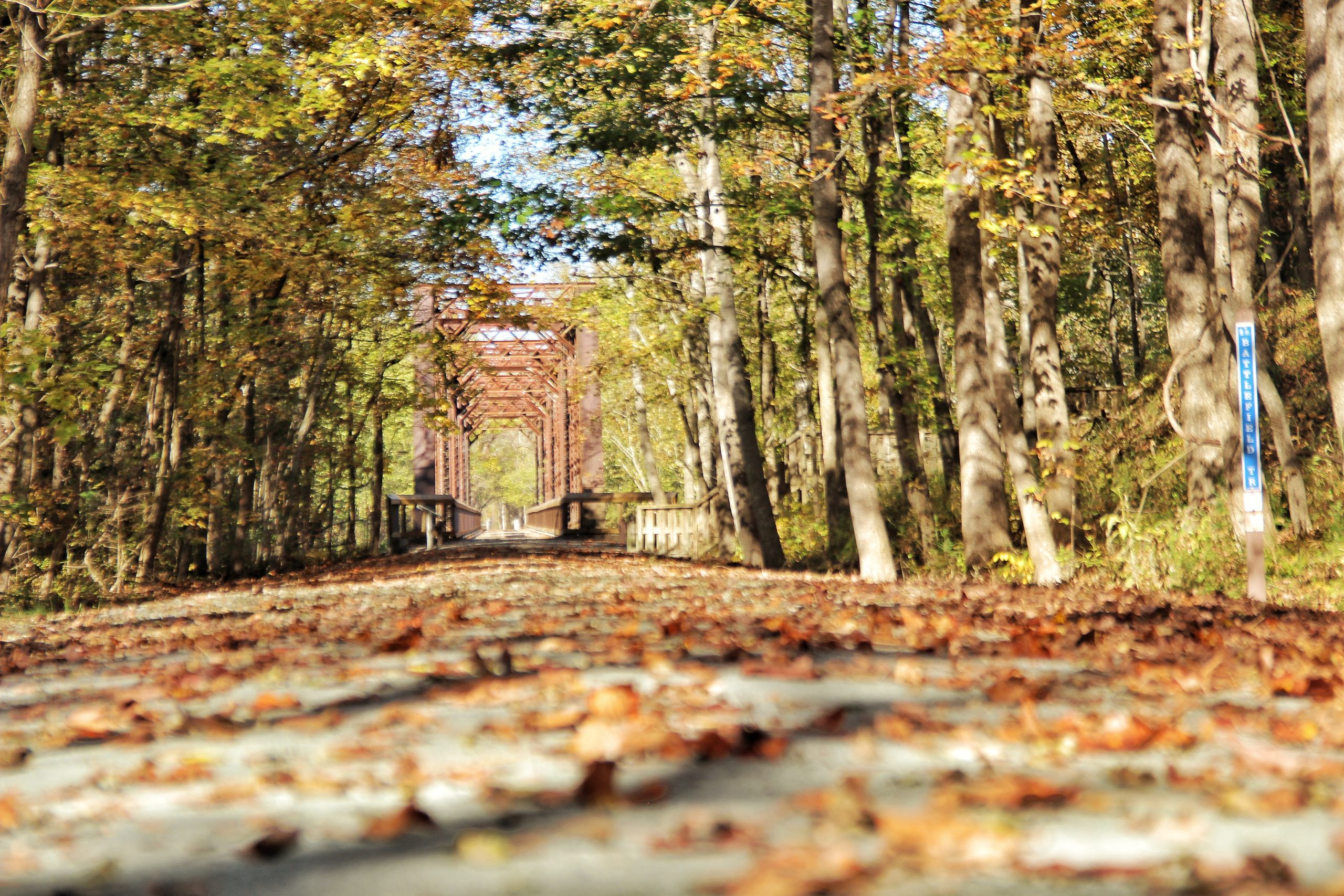
Excessive leaf litter or loose debris on sloped sections of a trail often signals that footing will deteriorate dramatically after rain. Dry leaves and twigs may seem harmless during clear weather, but once soaked, they form a slippery layer that reduces traction underfoot. Steep terrain magnifies this issue because the combination of moisture and debris creates a natural slide that forces hikers to rely heavily on balance and precise steps. Trails with thick seasonal leaf coverage, common in wooded areas of the Northeast and Appalachians, often hide underlying rocks or uneven ground that become difficult to detect when wet. This mix of concealed obstacles and reduced grip transforms a seemingly moderate ascent into a challenging and potentially dangerous climb after rainfall.
Hardpacked Dirt That Turns Slick When Saturated
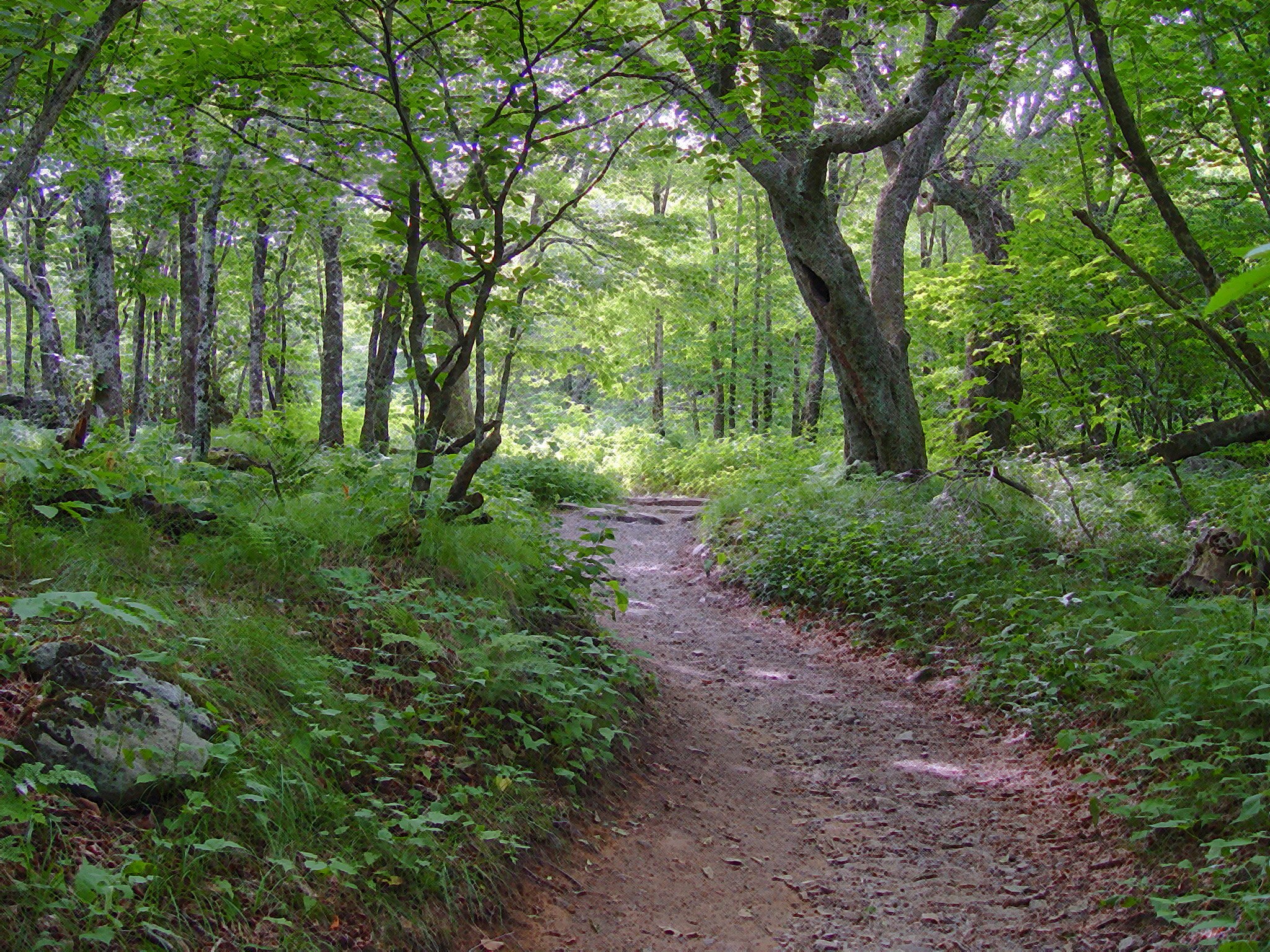
Hard-packed dirt trails may feel solid during dry weather, yet they often become slick and unstable once rain saturates the surface. This soil type resists absorption initially, causing water to pool before slowly forming a slick film across the trail. As hikers step onto the surface, boots lose friction and slide easily, especially on declines where momentum increases. Trails in regions with clay-rich soil, such as parts of the Midwest and the South, experience this effect frequently because clay creates a smooth, slippery texture when wet. Once the ground begins to soften beneath the top layer, deep footprints form, destabilizing the path further. These conditions make progress slower and increase the risk of falls on routes that otherwise feel manageable.
Rock Faces That Show Polished or Smooth Surfaces
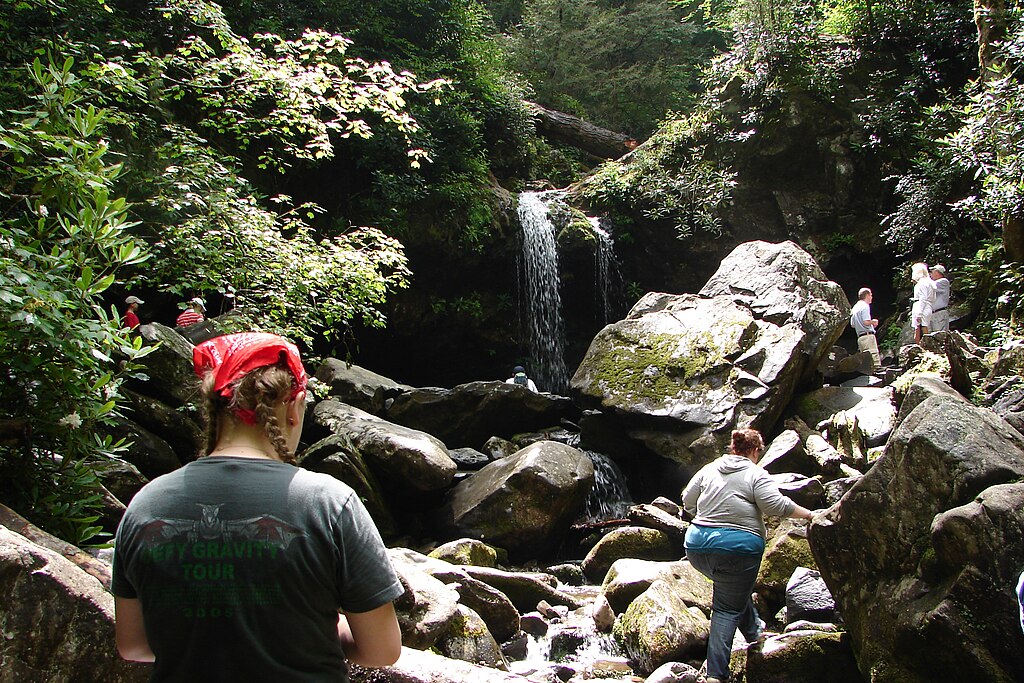
Rock faces or large flat stones with polished, smooth, or shiny surfaces often indicate sections that become extremely slippery once rain arrives. These formations appear on mountain trails, river crossings, and elevated ridgelines where weather and foot traffic gradually wear down the rock’s natural texture. When moisture collects, these surfaces offer little friction, causing hikers to slide unexpectedly even when moving deliberately. Granite slabs in places like New Hampshire’s White Mountains or sandstone ledges in the Southwest demonstrate how quickly conditions can shift from stable to treacherous. Smooth rock becomes even more dangerous at angles where water flows across the surface, creating a natural lubricant that reduces stability with each step.
Trails That Cut Through Narrow Gullies or Drainage Channels
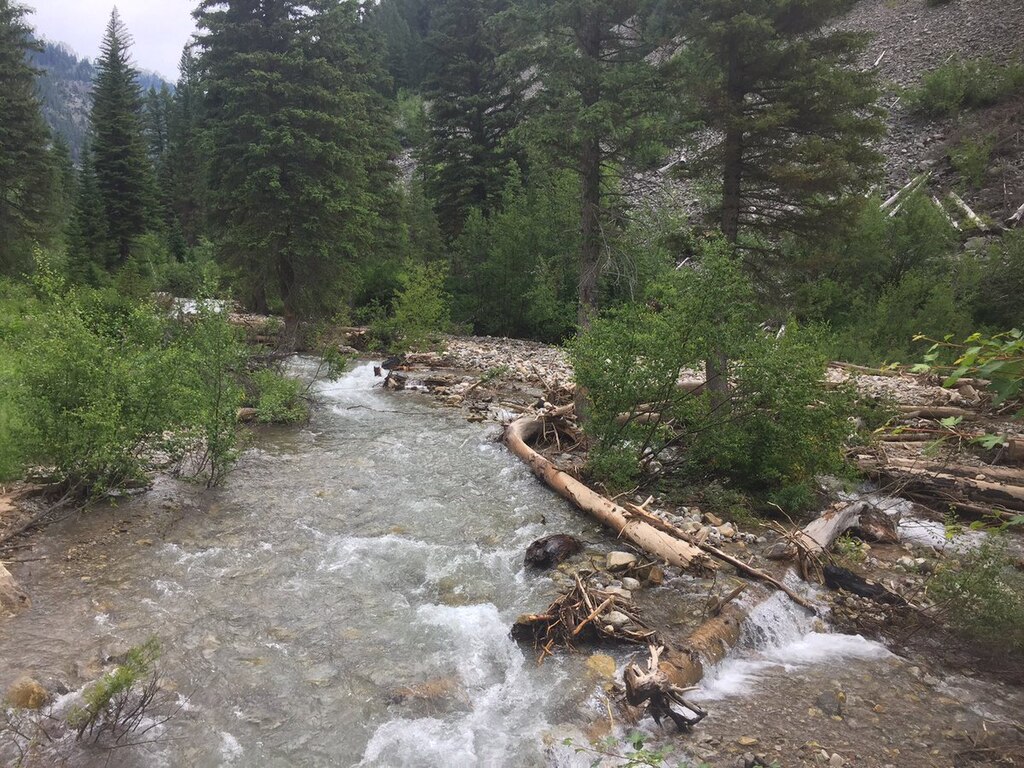
Trails routed through narrow gullies or natural drainage channels pose a significant risk after rain because these areas funnel water rapidly downhill. Even light rainfall can transform these depressions into streams, washing loose gravel, mud, and debris into the trail. As water accelerates, it erodes soil and deepens the gully, leaving uneven surfaces that challenge balance. In heavier storms, these channels may carry enough water to push hikers off their footing or conceal sudden drops. Trails in the Rockies, Appalachians, and Pacific Northwest often cross small drainage features that appear harmless when dry but behave unpredictably once storms pass. Recognizing these channels helps hikers understand how water shapes trail dynamics in wet weather.
Areas With Visible Erosion or Undercut Edges
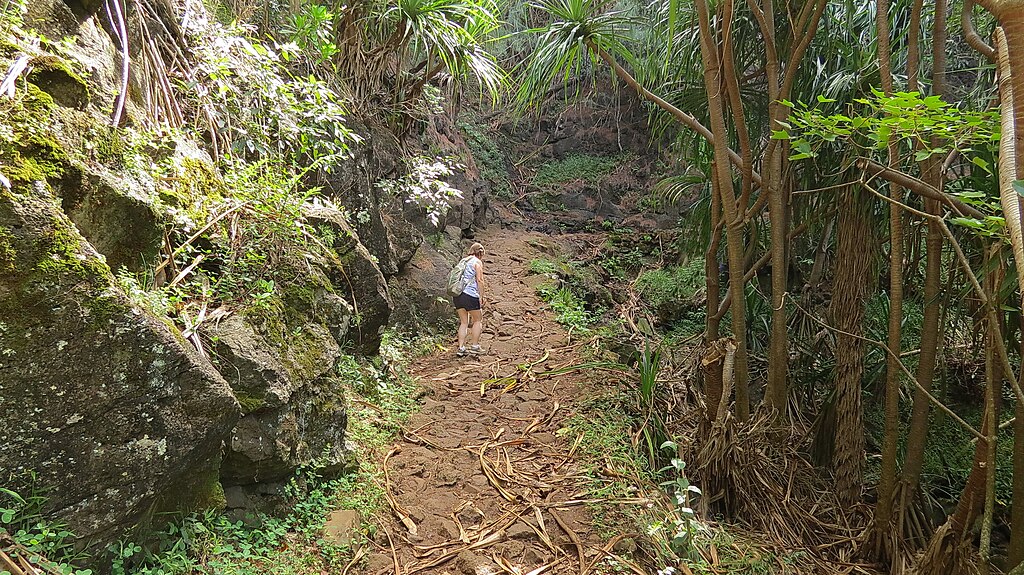
Visible erosion or undercut trail edges indicate terrain already compromised before rain even begins, making these areas particularly hazardous afterward. When storms arrive, water flows through weakened sections with greater force, washing away additional soil and widening existing gaps. Undercut edges along cliffs, steep slopes, or riverbanks may collapse under the weight of a hiker, especially after moisture softens the underlying soil. Trails with exposed roots, crumbling ledges, or uneven drop-offs require extra attention because rain accelerates the erosion process. These conditions are common along coastal bluffs, canyon rims, and older trails lacking modern drainage features. Paying attention to early signs of erosion helps prevent missteps in unstable locations.
Muddy Sections With Deep Ruts or Footprints
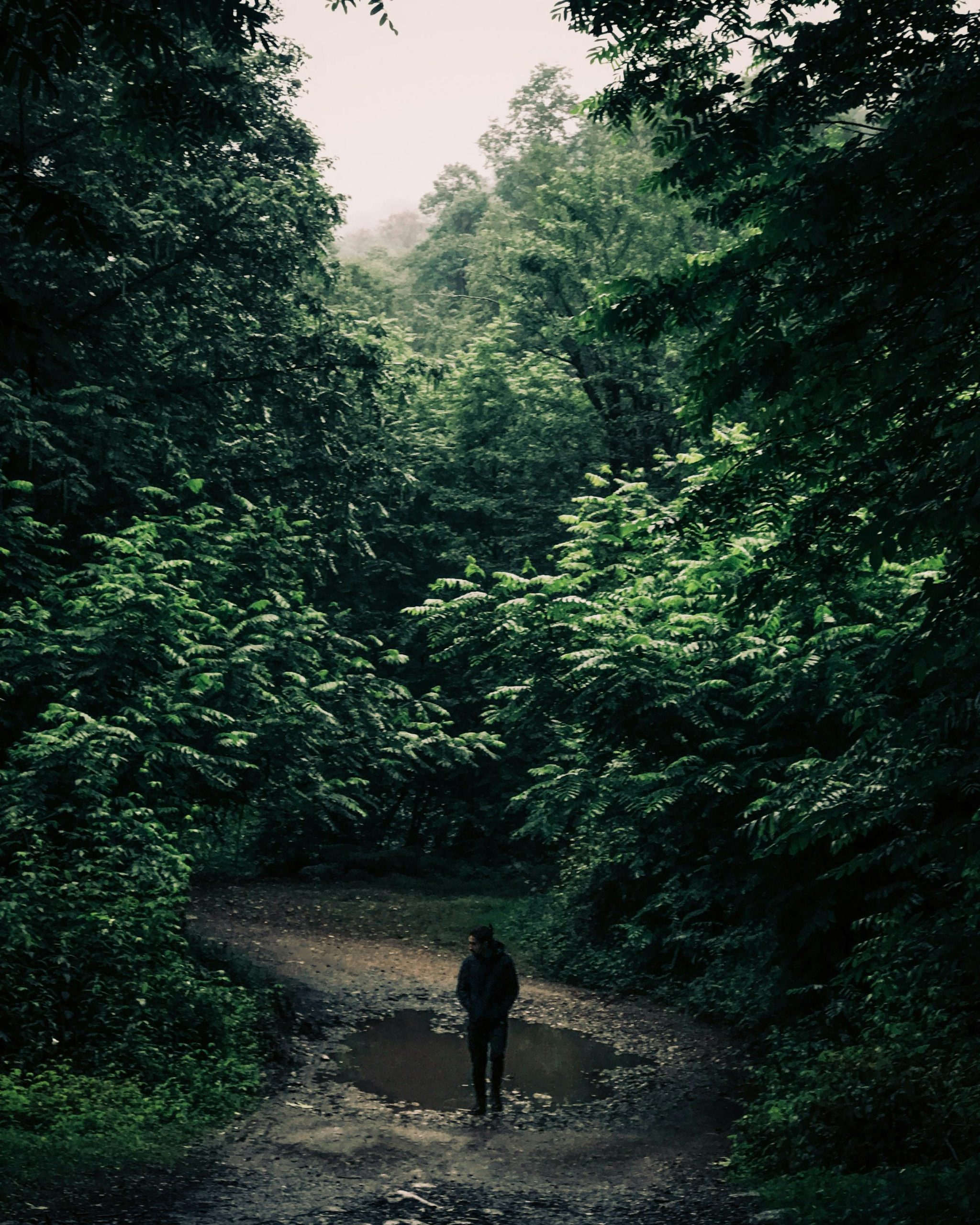
Trails marked by deep ruts or hardened footprints reveal areas prone to becoming unstable mud pits after a storm. Water collects in these depressions, softening the soil even further and creating suction that pulls on each step. As hikers attempt to navigate the mud, energy expenditure increases, and balance becomes more difficult to maintain. Repeated foot traffic deepens these ruts, making the trail unpredictable as the ground shifts beneath boots. Such sections are especially common on popular routes in humid states where soil retains moisture for extended periods. The challenging combination of sticky mud and uneven terrain often leads to slips, twisted ankles, or slow progress on wet days.
Wooden Footbridges or Boardwalks Without Traction Strips

Wooden footbridges, boardwalks, and steps lacking traction strips quickly become hazardous once surface moisture accumulates. Wood absorbs water and develops a slick sheen that reduces grip dramatically, especially in shaded forested areas where planks dry slowly. These structures appear frequently in marshlands, coastal trails, and wetlands where elevated pathways protect delicate ecosystems. Without grip-enhancing features, hikers may lose footing even on flat boards, and sloped structures magnify the danger. Algae or moss growth, common in high-humidity regions, increases slipperiness further after rain. Observing the condition of wooden structures before storms can reveal how they are likely to behave once wet.
Exposed Roots Covering Long Stretches of Trail
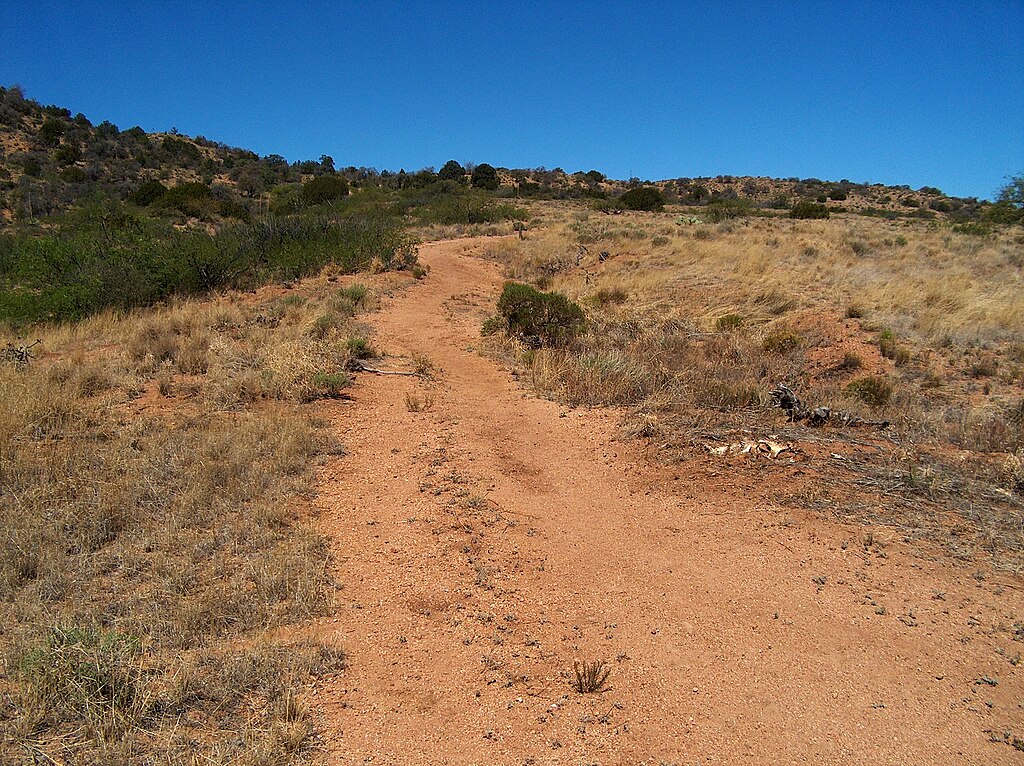
Exposed roots provide natural footholds during dry conditions, but once soaked by rain, they become slick obstacles that require careful navigation. Trails winding through dense forests often feature roots crisscrossing the path, creating raised surfaces that collect moisture and reduce traction. These roots become especially dangerous on inclines where slipping backward or sideways becomes more likely. The gaps between roots can also trap water, hiding puddles or mud patches that destabilize each step. Forested trails in the Pacific Northwest, New England, and the Great Lakes region frequently display this pattern. After rainfall, these sections demand slower pacing and increased attention to foot placement.
Steep Switchbacks With Loose Gravel
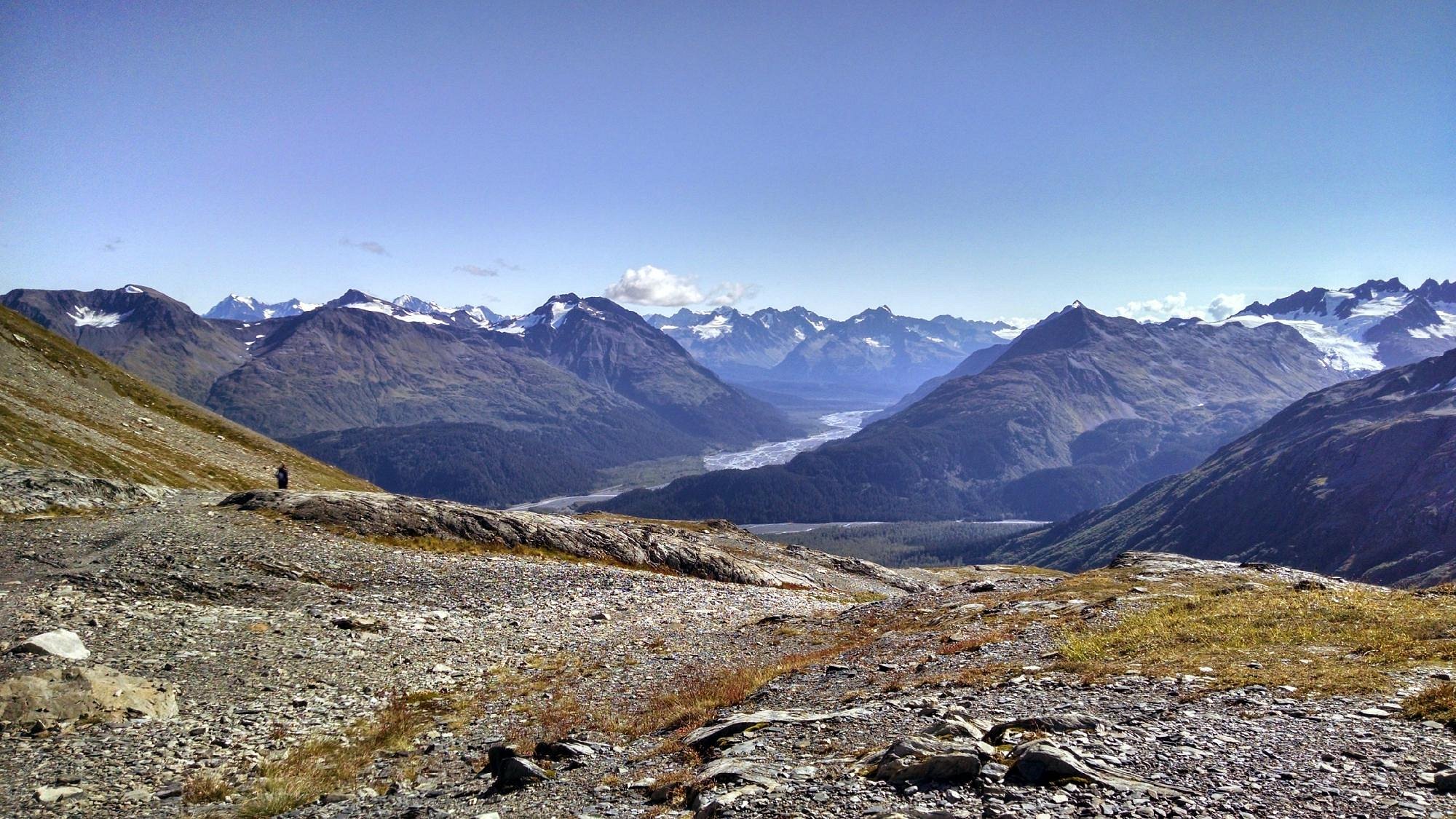
Steep switchbacks containing loose gravel pose a significant risk after rain because water dislodges small stones and creates shifting surfaces underfoot. Even light moisture can wash gravel into narrow piles or scatter it across the trail, making traction inconsistent. As hikers navigate tight turns on inclines, these unstable rocks increase the likelihood of slipping or sliding downhill. Trails carved into mountainsides or desert foothills commonly feature gravel layers that respond quickly to rain. Because switchbacks concentrate elevation change into short segments, moisture amplifies the difficulty and reduces stability at each pivot point. Recognizing gravel-prone areas helps predict which portions will become unpredictable once wet.
Trails Near Clay or Silt-Based Hillside
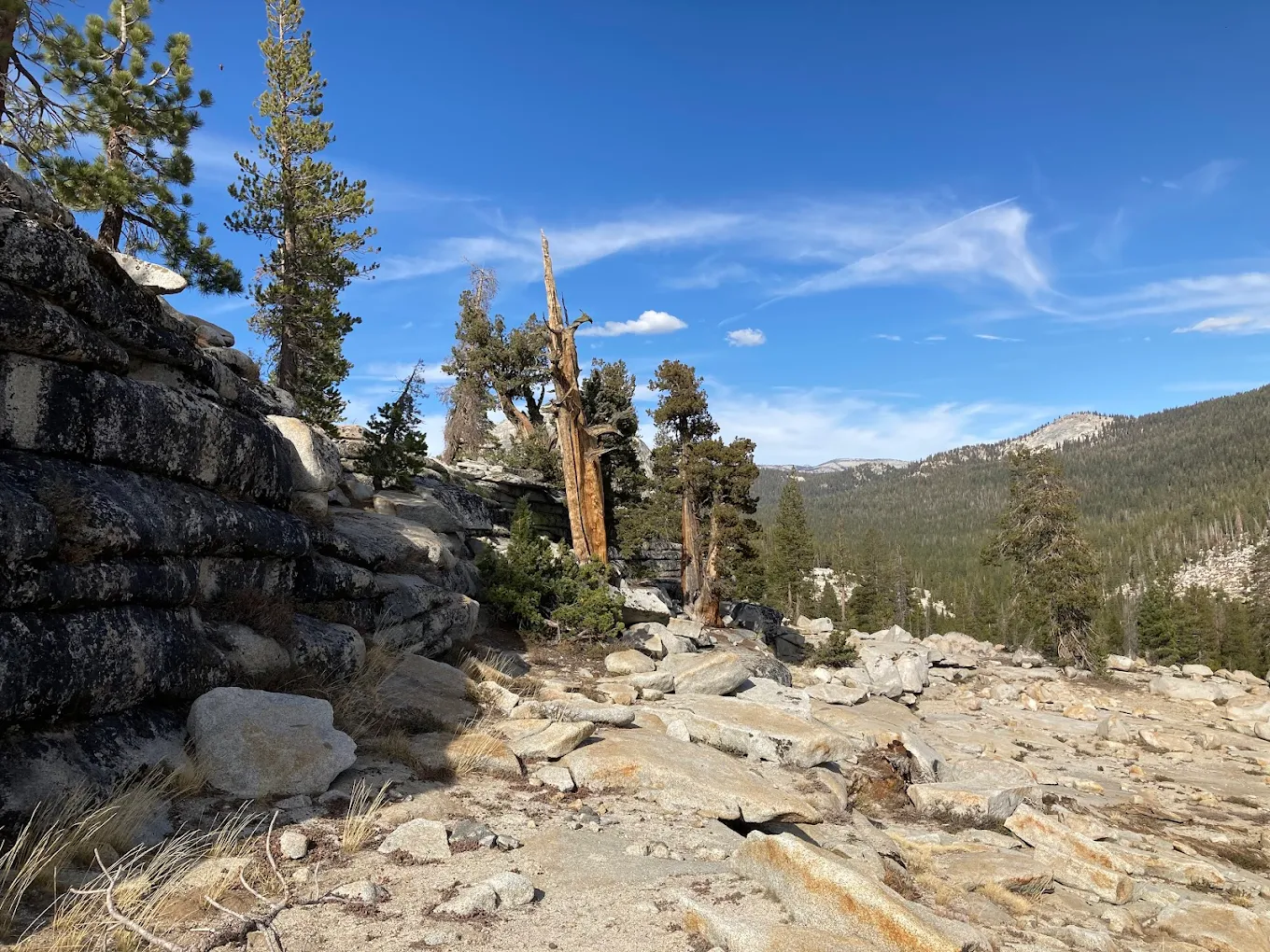
Clay and silt-rich soils dramatically change consistency when exposed to rain, transforming into slick, sticky surfaces that challenge even experienced hikers. Trails crossing or bordering these soil types may appear harmless when dry, but become extremely difficult to traverse after precipitation. Clay forms a smooth, slippery coating that reduces traction, while silt can liquefy into a semi-fluid texture on steeper hillsides. These materials often occur in southern and midwestern regions, where frequent storms magnify their impact. Once wet, these surfaces require careful steps and slower pacing to avoid falls or ankle injuries. Observing soil texture along the trail can reveal how it may behave after rain.
Sections With Standing Water Even Before Rain
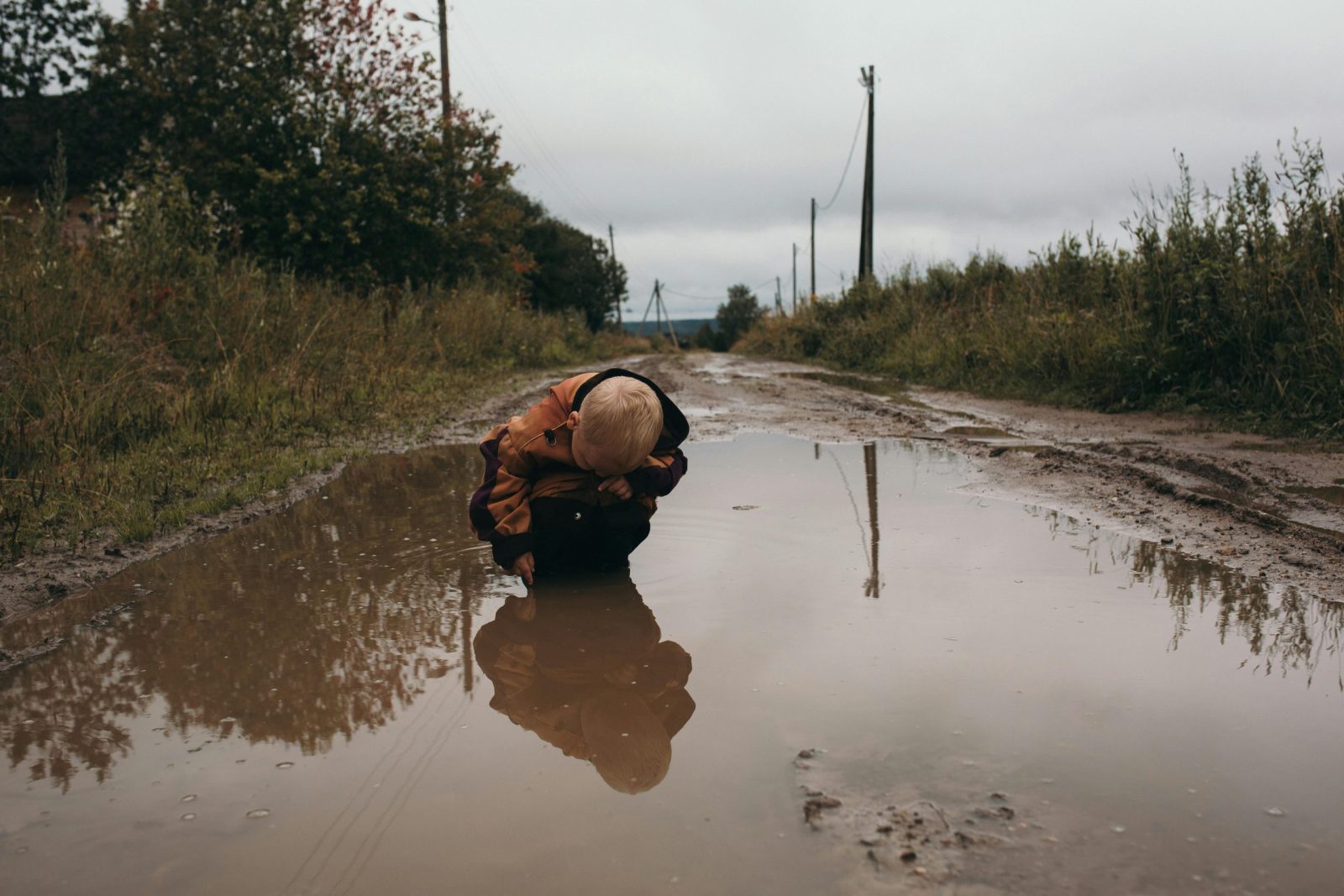
Trails that already hold standing water during dry conditions often become far more hazardous after rainfall because they indicate underlying drainage problems. These soggy areas typically sit at low points or along compacted ground where water cannot disperse efficiently. After storms, these puddles may deepen or expand across the trail, hiding uneven terrain beneath the surface. The combination of mud, concealed holes, and inconsistent footing dramatically increases the chance of slipping or twisting an ankle. Wetland-adjacent trails or flat forest paths frequently display this pattern. Recognizing persistent water patches helps hikers anticipate which areas will become especially difficult once additional moisture arrives.