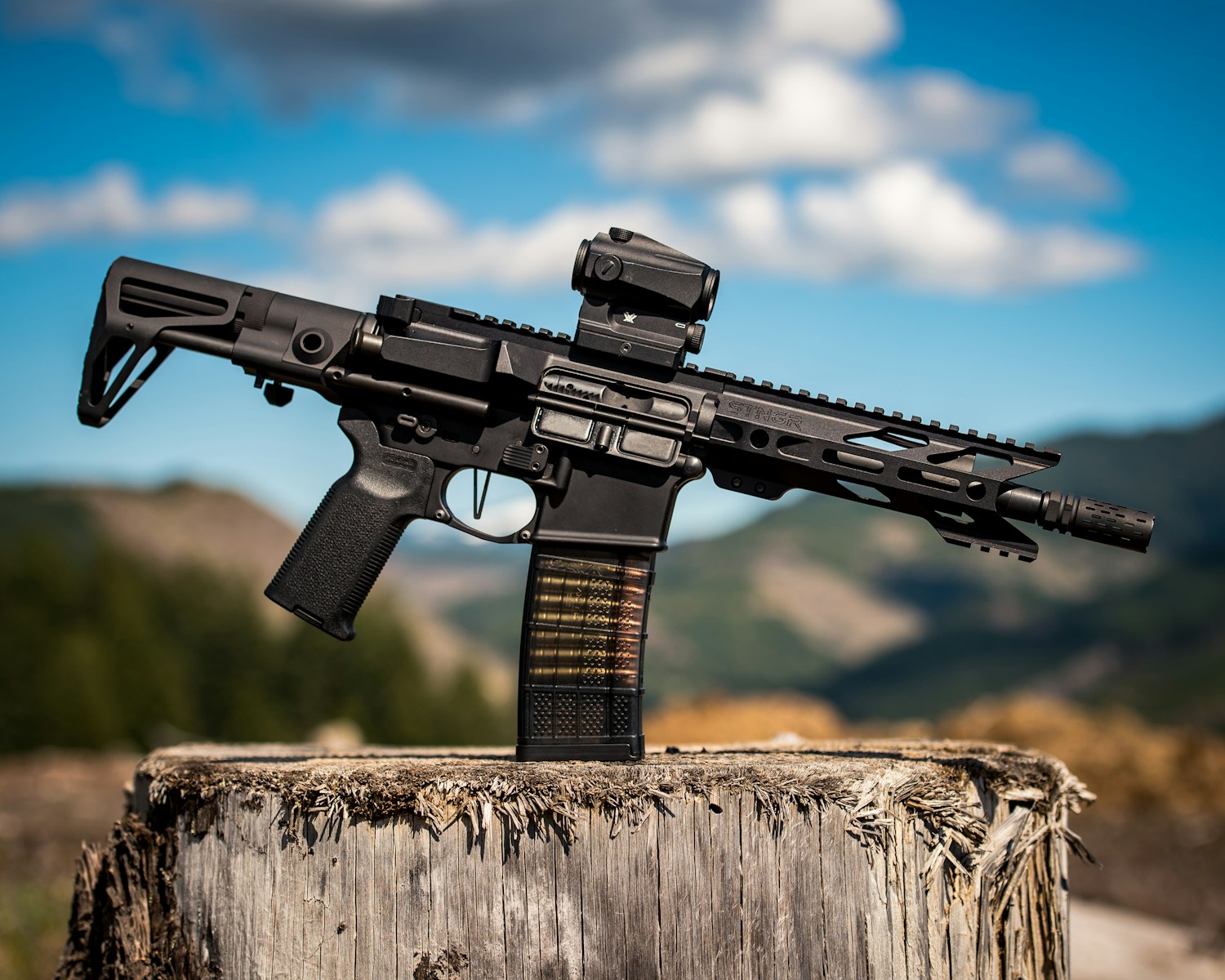
Selecting a high-quality rifle involves a careful examination of manufacturing standards and mechanical reliability across various price points. While modern engineering typically produces excellent firearms, specific models often suffer from persistent quality control issues or design flaws that compromise safety and accuracy. Expert marksmen frequently advise against purchasing certain platforms due to recurring malfunctions or substandard materials that degrade quickly under normal field conditions. Understanding which rifles to avoid helps enthusiasts invest their resources into dependable equipment that maintains its value over time. This guide highlights eleven specific rifles that often fall short of modern expectations during rigorous performance testing.
The Remington 770
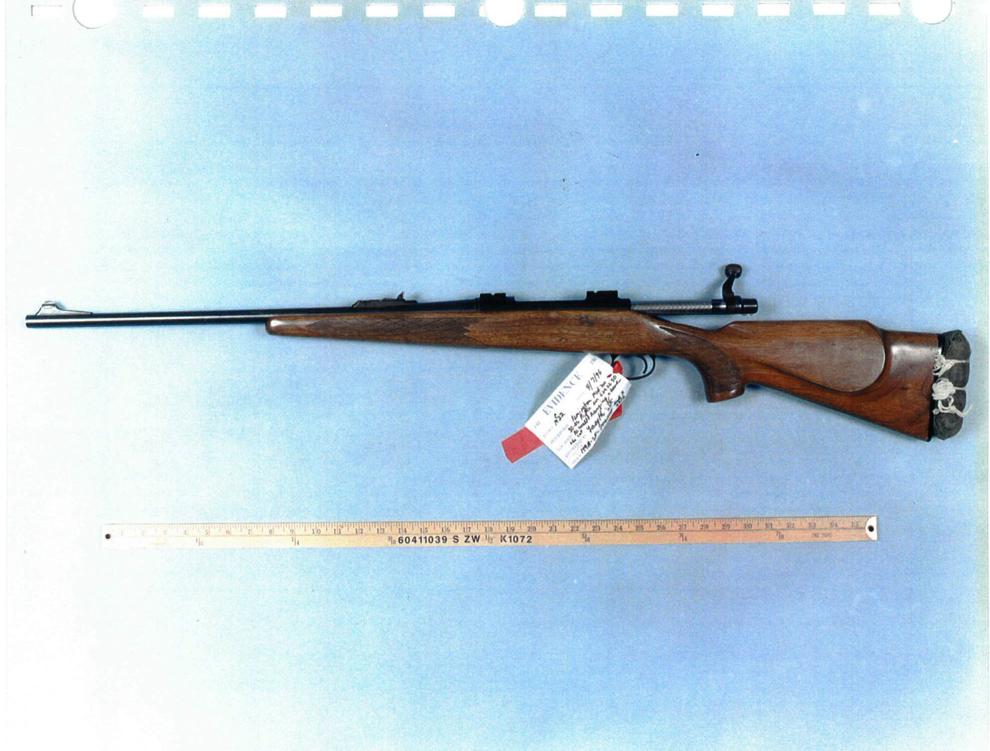
The Remington 770 often receives criticism from seasoned hunters for its pervasive use of plastic components and a notoriously rough bolt action. Although marketed as an affordable entry-level package, the rifle frequently suffers from extraction failures and poor magazine fitment. The synthetic stock feels hollow and lacks the rigidity necessary for consistent long-range precision during seasonal hunts. Many owners report that the included optics are subpar and lose zero after only a few rounds of standard ammunition. This model represents a significant step down in quality from the legendary bolt-action heritage of the older Remington manufacturing era.
The Rossi RS22
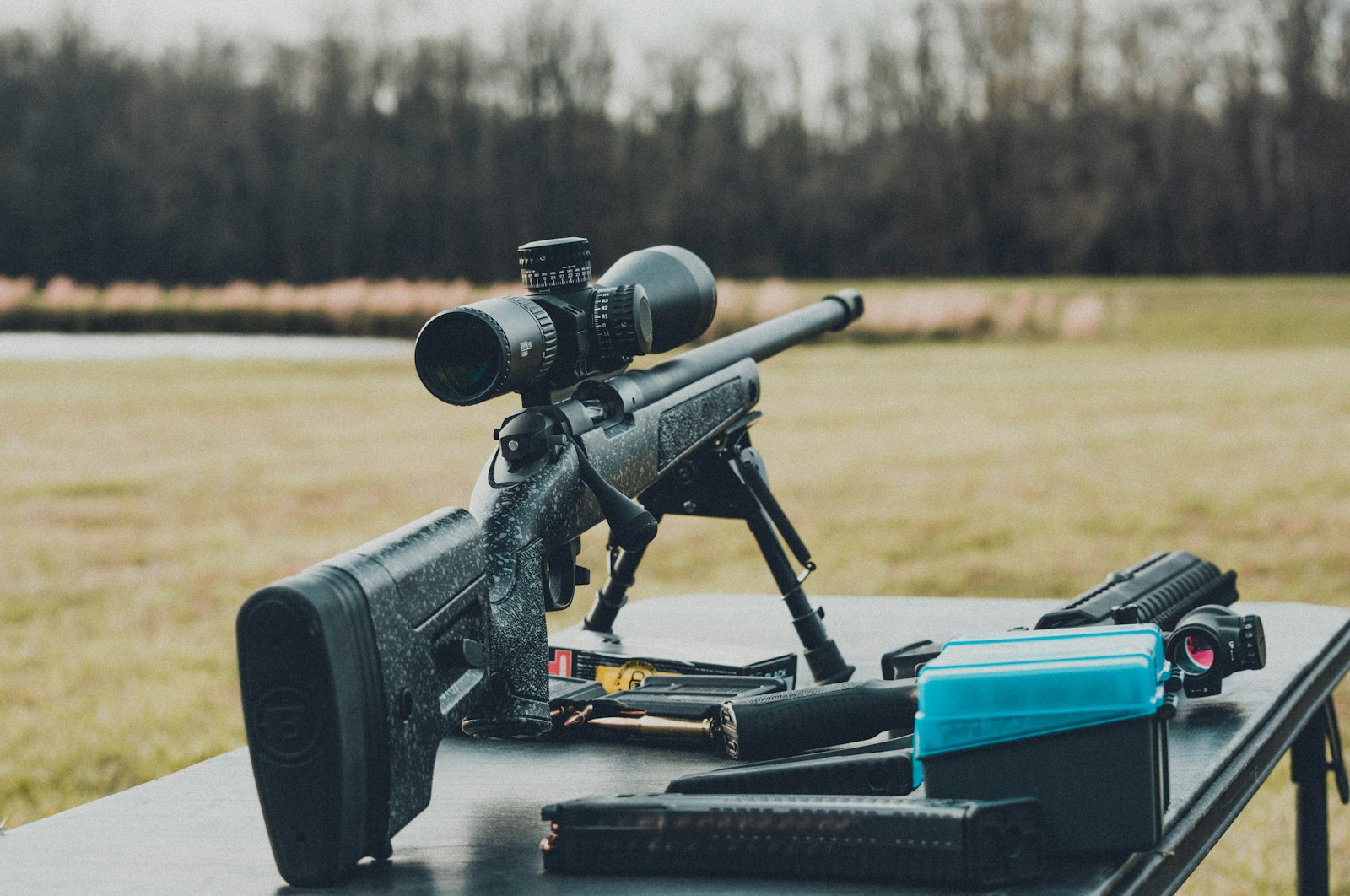
The Rossi RS22 serves as a budget-friendly rimfire option but frequently exhibits frustrating reliability issues during extended plinking sessions. Owners often encounter persistent stovepipe jams and feeding malfunctions regardless of the ammunition quality used. The lightweight construction utilizes thin materials that do not inspire confidence during rugged outdoor use or long-term ownership. While the price point remains attractive to new shooters, the frequent mechanical interruptions often detract from the overall enjoyment of the sport. Skilled gunsmiths frequently note that the internal components are prone to premature wear, which eventually renders the semi-automatic action completely unreliable.
The Mossberg 715T
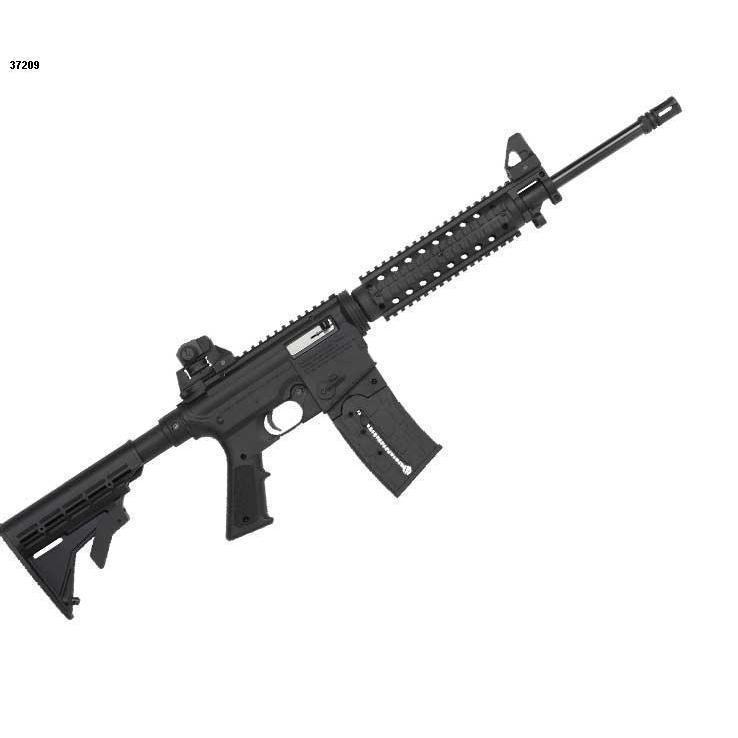
The Mossberg 715T attempts to mimic the appearance of a modern sporting rifle but houses a basic rimfire action inside a bulky plastic shell. This clamshell design makes routine cleaning and maintenance an arduous task for the average owner. Many shooters find that the tactical furniture feels flimsy and prone to rattling during standard operation. Feeding issues are common due to the proprietary magazine design, which often struggles to seat properly within the magwell. The overall build quality reflects a compromise that prioritizes aesthetic appeal over functional durability and mechanical excellence. It remains a polarizing choice among serious rimfire enthusiasts.
The IO Inc AK-47
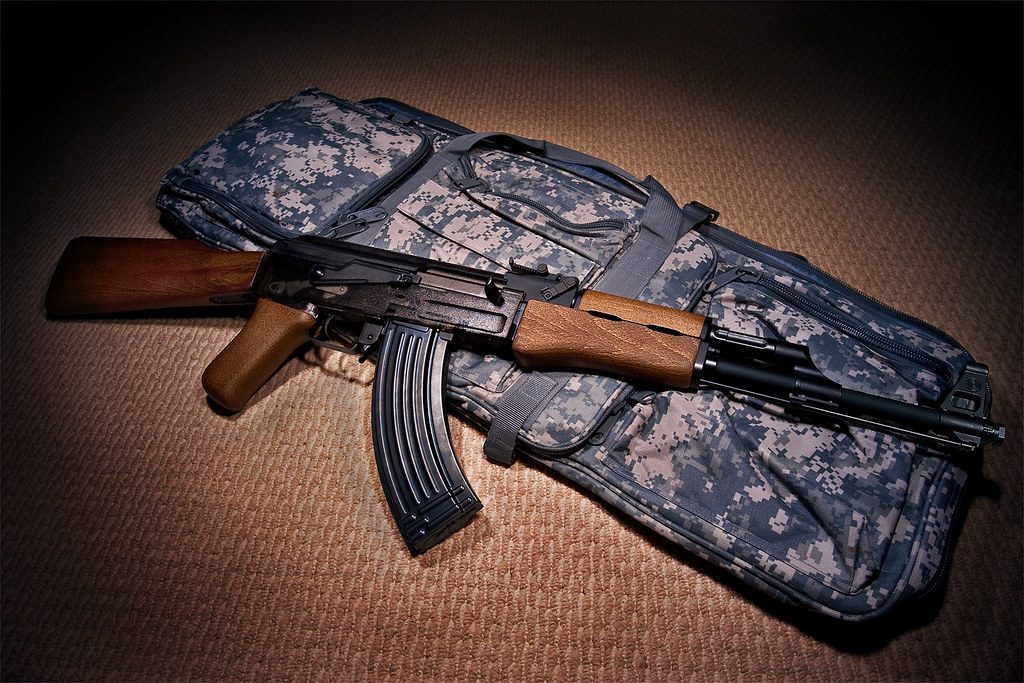
The IO Inc AK-47 variants are notoriously famous among collectors for significant metallurgical failures and dangerous trunnion wear. Unlike the rugged military surplus models, these American-made rifles often utilize cast parts that cannot withstand the high pressures of sustained fire. Reports of cracked receivers and catastrophic failures have surfaced frequently within the firearms community over recent years. The canted sights and poor finish quality further indicate a lack of attention to detail during the assembly process. Choosing this specific brand often leads to safety concerns that far outweigh any potential savings gained at the initial purchase point.
The Century Arms RAS47

The Century Arms RAS47 often faces scrutiny due to the use of cast metal components in critical high-stress areas of the action. Testing by independent reviewers frequently reveals premature mushrooming of the bolt carrier tail and significant wear on the locking lugs. Such defects can lead to dangerous headspace issues that compromise the safety of the shooter over time. While the rifle appears aesthetically pleasing, the underlying metallurgical weaknesses make it a risky investment for high-volume shooting. Most experienced AK enthusiasts recommend seeking out rifles with forged internal parts to ensure long term reliability and functional safety.
The Chiappa Little Badger.
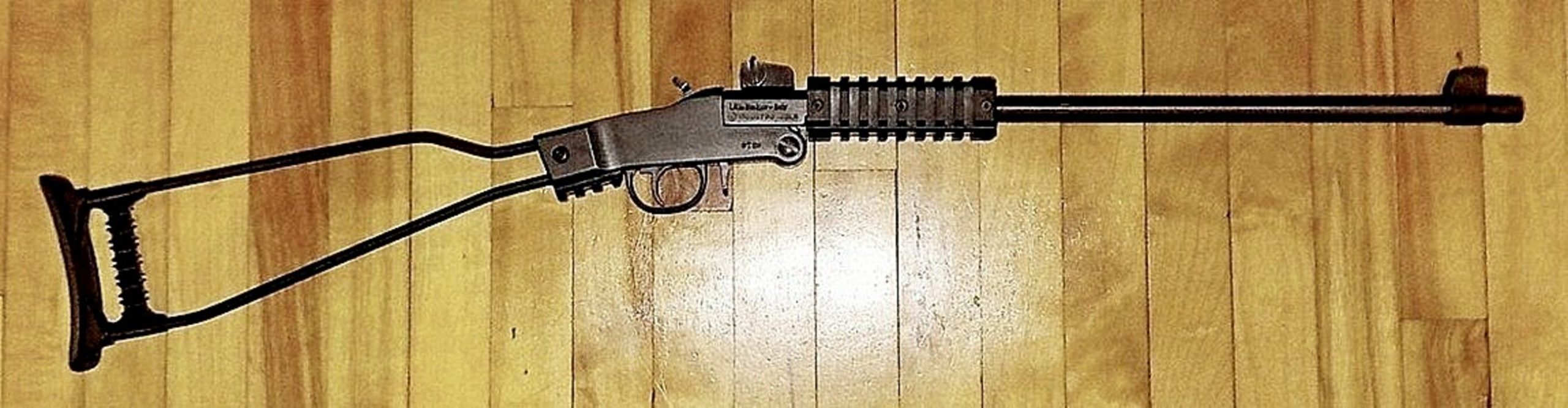
The Chiappa Little Badger features an ultralight folding design that prioritizes portability but sacrifices nearly all aspects of ergonomic comfort. The wire stock provides a poor cheek weld, which makes achieving consistent accuracy a difficult challenge for most shooters. Many find the plastic sights to be fragile and difficult to adjust precisely for varying distances in the field. While the concept of a survival rifle is appealing, the execution of this model feels somewhat primitive and lacks durability. The unconventional aesthetics and minimalist construction often leave owners wishing for a more substantial and traditionally designed rimfire sporting rifle.
The Remington 783
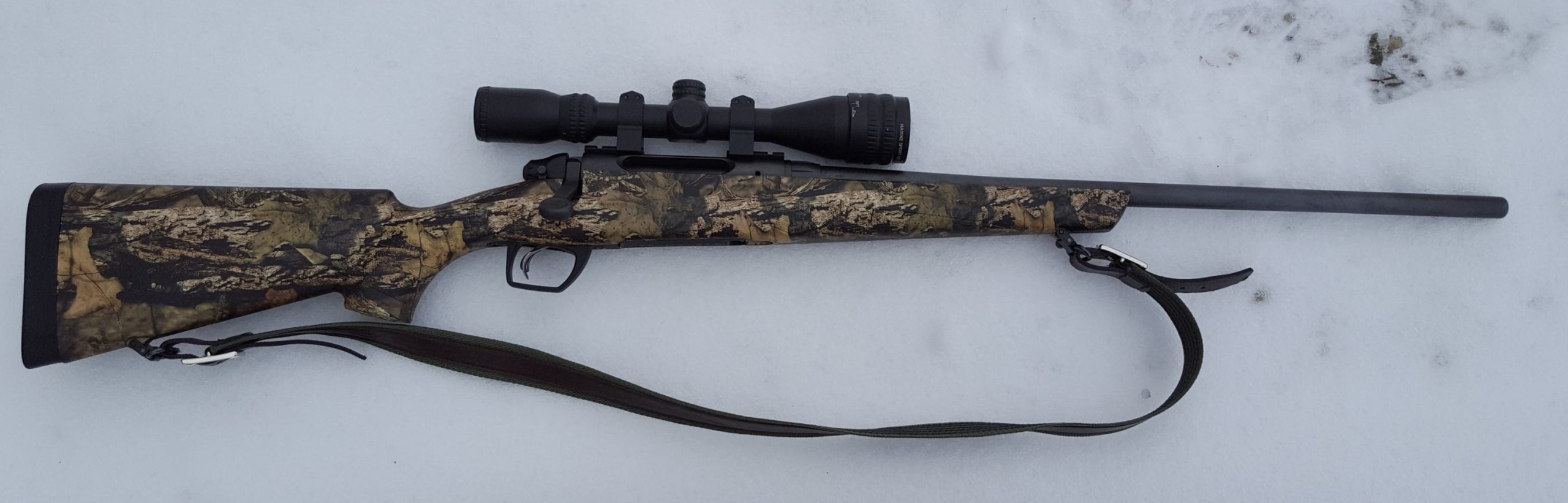
The Remington 783 was designed to compete in the budget bolt-action market, but it often fails to impress compared to its direct rivals. The trigger pull is frequently described as heavy and inconsistent, which negatively impacts the potential for tight groups at the range. Many users report that the finish on the barrel and receiver is prone to surface rust even with proper care. The synthetic stock lacks the refined texture and balance found on higher-end sporting arms from the same manufacturer. It serves its purpose as a basic tool, but lacks the soul and quality of classic designs.
The Savage Axis
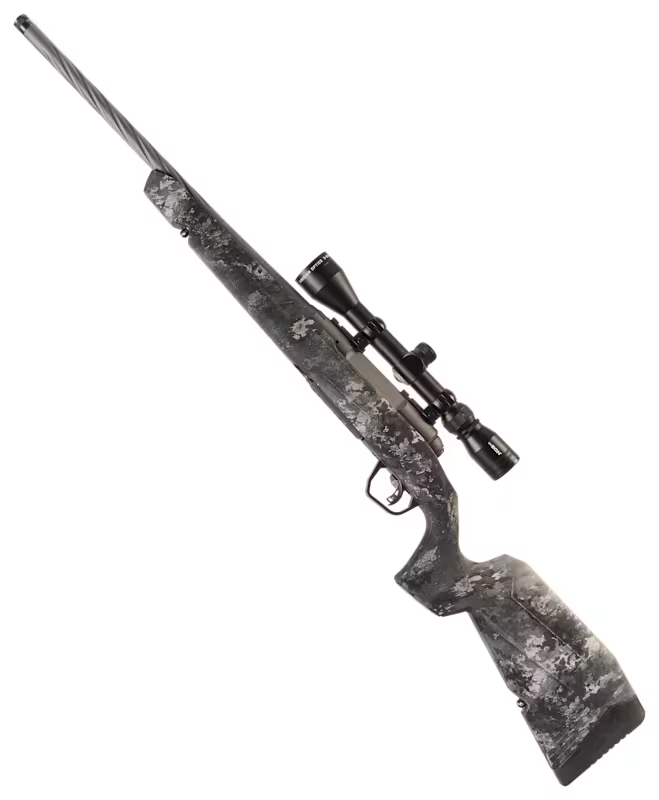
The Savage Axis remains a common sight at gun counters but often receives flak for its flimsy stock and stiff bolt lift. While the barrel is typically accurate, the overall feel of the rifle is somewhat industrial and lacks ergonomic refinement. The detachable magazine is made of thin plastic and can be difficult to latch securely under pressure. Many hunters find that the recoil pad is insufficient for larger calibers, which makes for an unpleasant shooting experience during practice. While it functions reliably, the aesthetic and tactile deficiencies often lead shooters to upgrade to a more polished rifle relatively quickly.
The DPMS Oracle
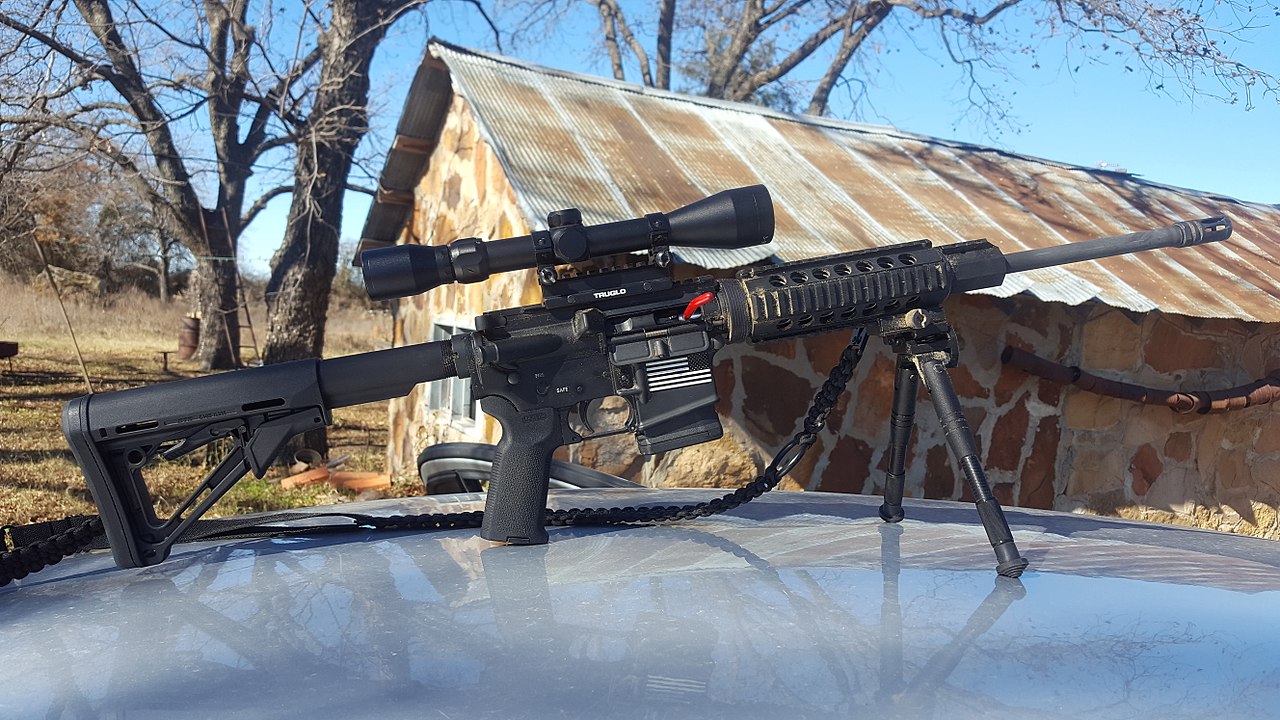
The DPMS Oracle represents one of the most basic entries into the AR-15 market, but often utilises commercial-grade parts rather than military specification components. This leads to a rifle that may struggle with reliability under heavy use or in adverse environmental conditions. The lack of a heat shield in the handguard can make the rifle uncomfortable to hold during rapid strings of fire. Many owners find that the gas block is prone to leaking, which reduces the cycling efficiency of the action. It is a functional starter platform, but it frequently requires immediate upgrades to achieve a professional level of performance.
The Kel-Tec SUB-2000
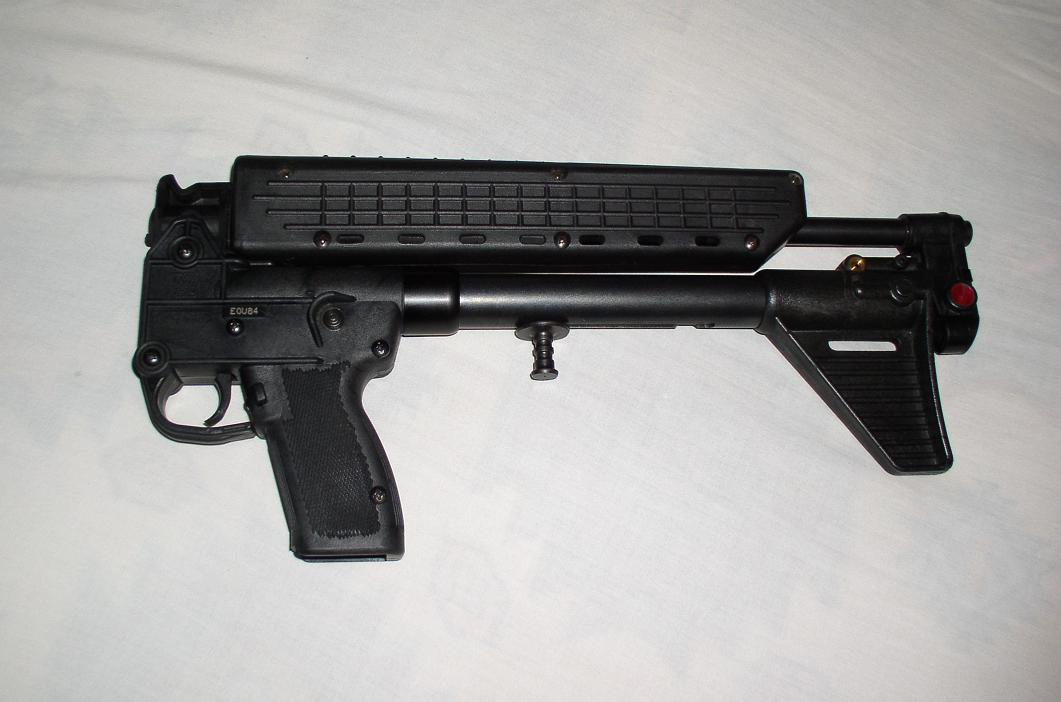
The Kel-Tec SUB-2000 offers a unique folding capability, but many shooters find the ergonomics to be awkward and the recoil surprisingly sharp. The blowback action results in a significant amount of vibration that travels directly through the plastic stock into the shooter’s face. Mounting optics is a challenge due to the folding mechanism, which often requires specialized and expensive aftermarket mounts. The trigger is typically heavy and gritty, which makes precise shot placement at fifty yards more difficult than necessary. While the portability is unmatched, the trade-offs in comfort and usability make it a niche tool rather than a primary rifle.
The Hi-Point 995TS
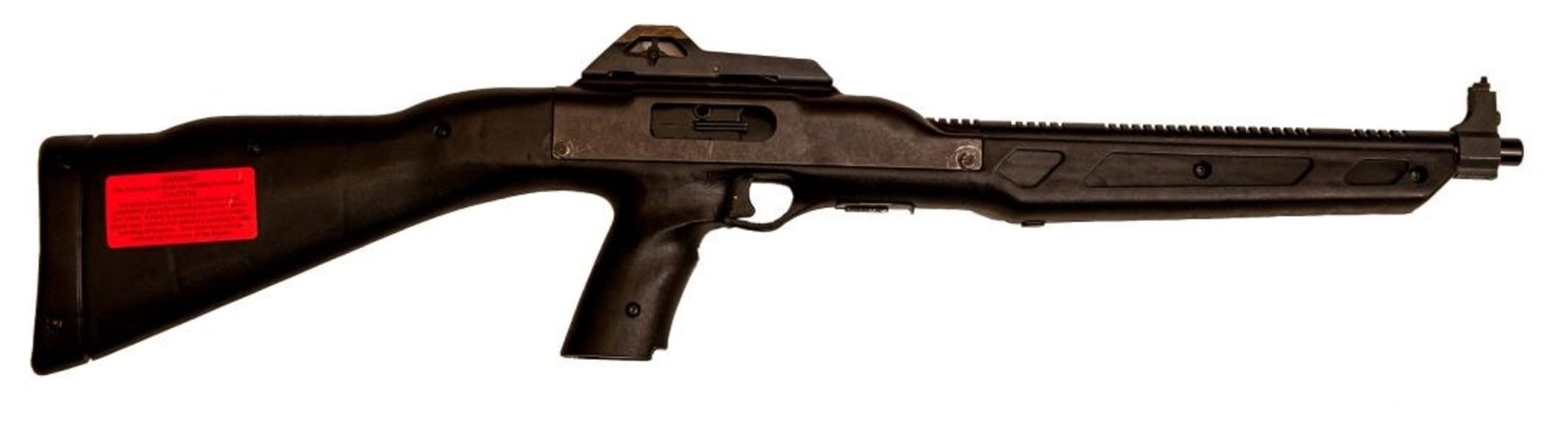
The Hi-Point 995TS carbine is known for its extreme affordability and bulky aesthetic, which many find unappealing. The heavyweight and unconventional balance make it cumbersome to carry during long treks through the woods or fields. While the rifle is surprisingly reliable, the limited magazine capacity and proprietary design are significant drawbacks for modern users. The disassembly process is notoriously complex and requires tools, which discourages regular maintenance by the average owner. It remains a functional budget option but lacks the refinement and versatility offered by more modern pistol caliber carbines currently available on the retail market today.