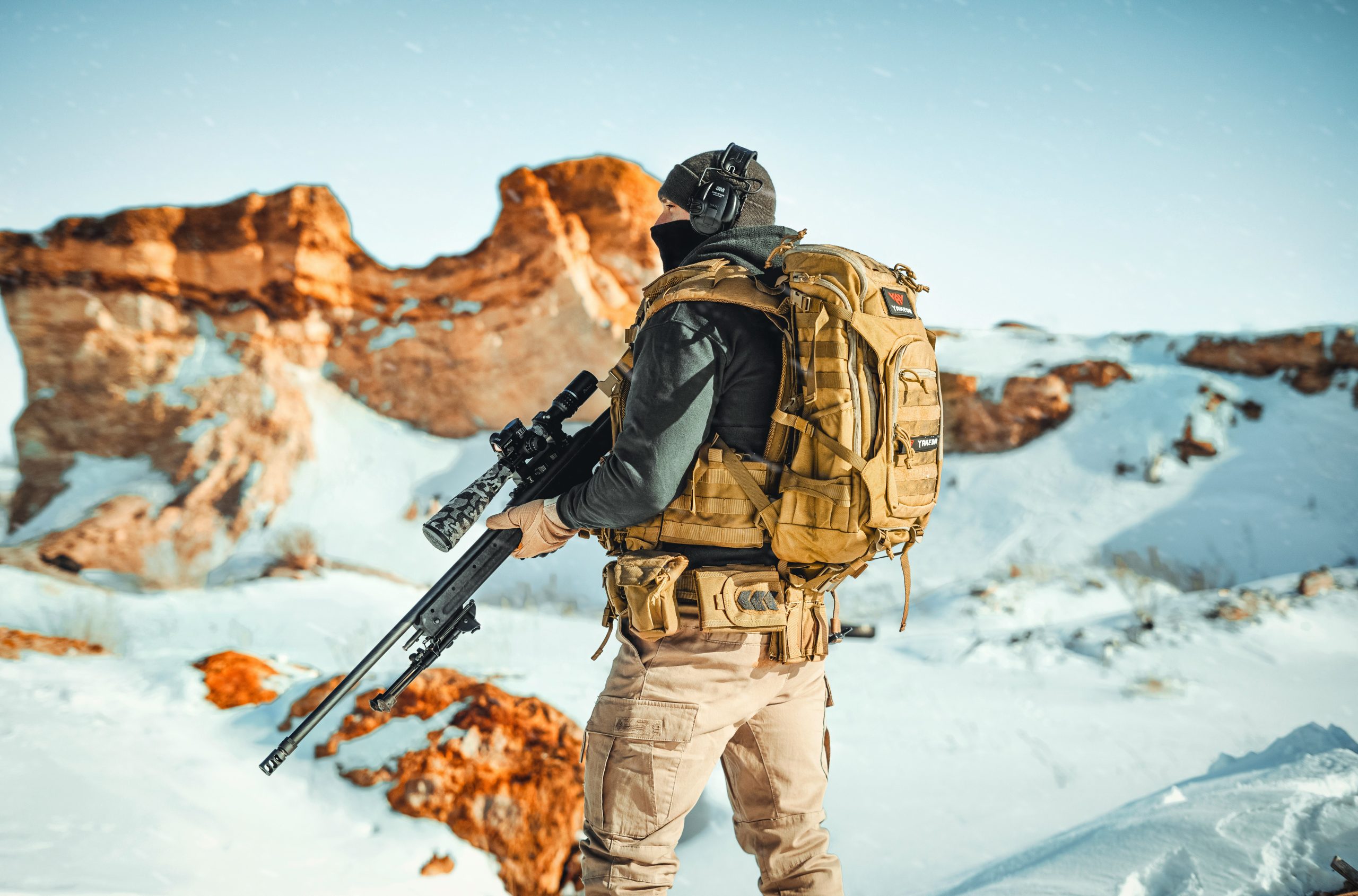
Cold weather affects rifles in ways many shooters don’t fully recognize until they watch their groups drift, their velocity drop, or their carefully built dope charts lose their reliability the moment temperatures sink. Winter conditions don’t simply make your hands numb; they change the physical behavior of steel, lubricants, propellants, optics, and even the air your bullet must push through. Understanding how low temperatures influence every component of your rifle system helps you prepare better and prevents the frustration of unexplained misses. These eleven reasons explain exactly why rifles act differently when the mercury falls and what shooters need to anticipate.
1. Cold Air Density Increases Drag on Bullets
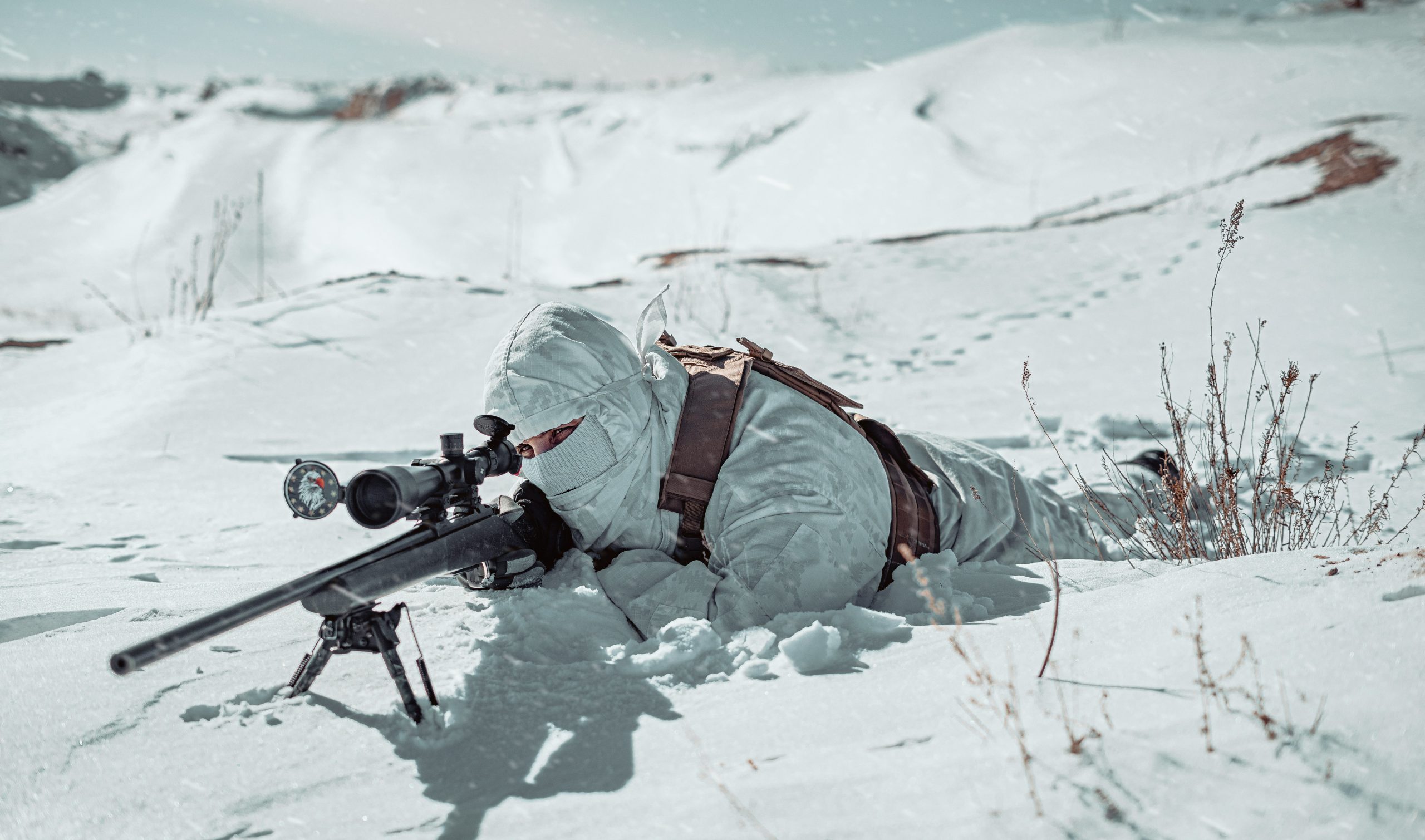
Cold air becomes denser as temperatures drop, forcing bullets to work harder to maintain speed and stability during flight. This increased density creates additional drag, which slows the projectile sooner than it would in warmer weather. Shooters often notice impacts hitting lower or slightly off predicted windage values because the bullet’s energy bleeds off faster. Even a mild drop in temperature can shift ballistic performance enough to matter at longer distances. Hunters and precision shooters especially need to confirm their zero and update ballistic data to compensate for air that is heavier and more resistant to the projectile’s path.
2. Cold Powder Burns Less Efficiently, Reducing Velocity
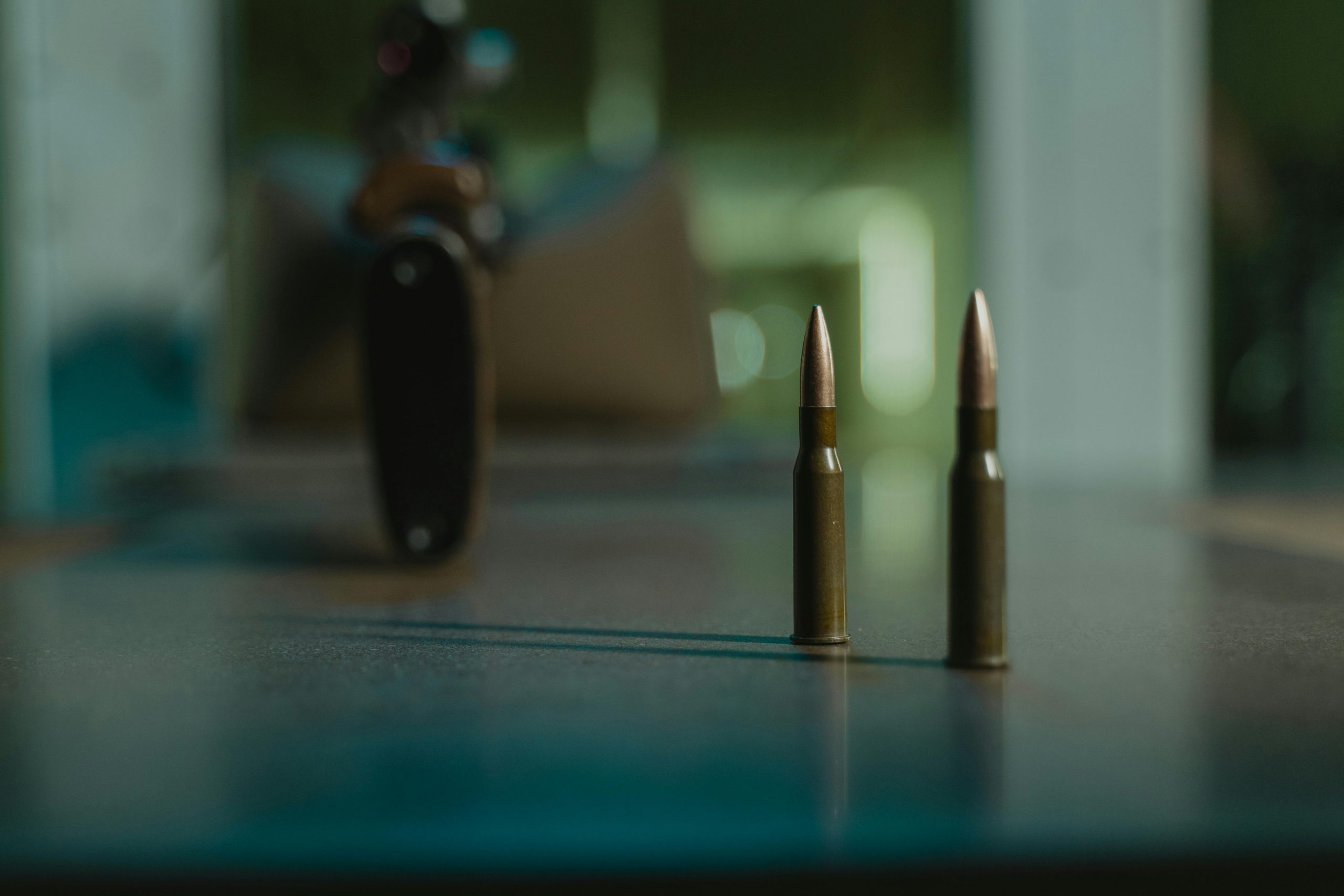
Propellant chemistry reacts strongly to temperature changes, and cold weather slows the burn rate of many powders, especially older or non-temperature-stable formulations. When powder burns cooler and less efficiently, muzzle velocity drops, and even small reductions can significantly affect trajectory past a couple of hundred yards. This loss of velocity may also cause inconsistent spreads shot-to-shot, making groups less predictable. It’s why ammunition that performed flawlessly in summer may feel sluggish in winter. Shooters should chronograph their loads in cold conditions and consider powders designed to resist temperature-related performance swings.
3. Metal Contraction Alters Barrel Harmonics
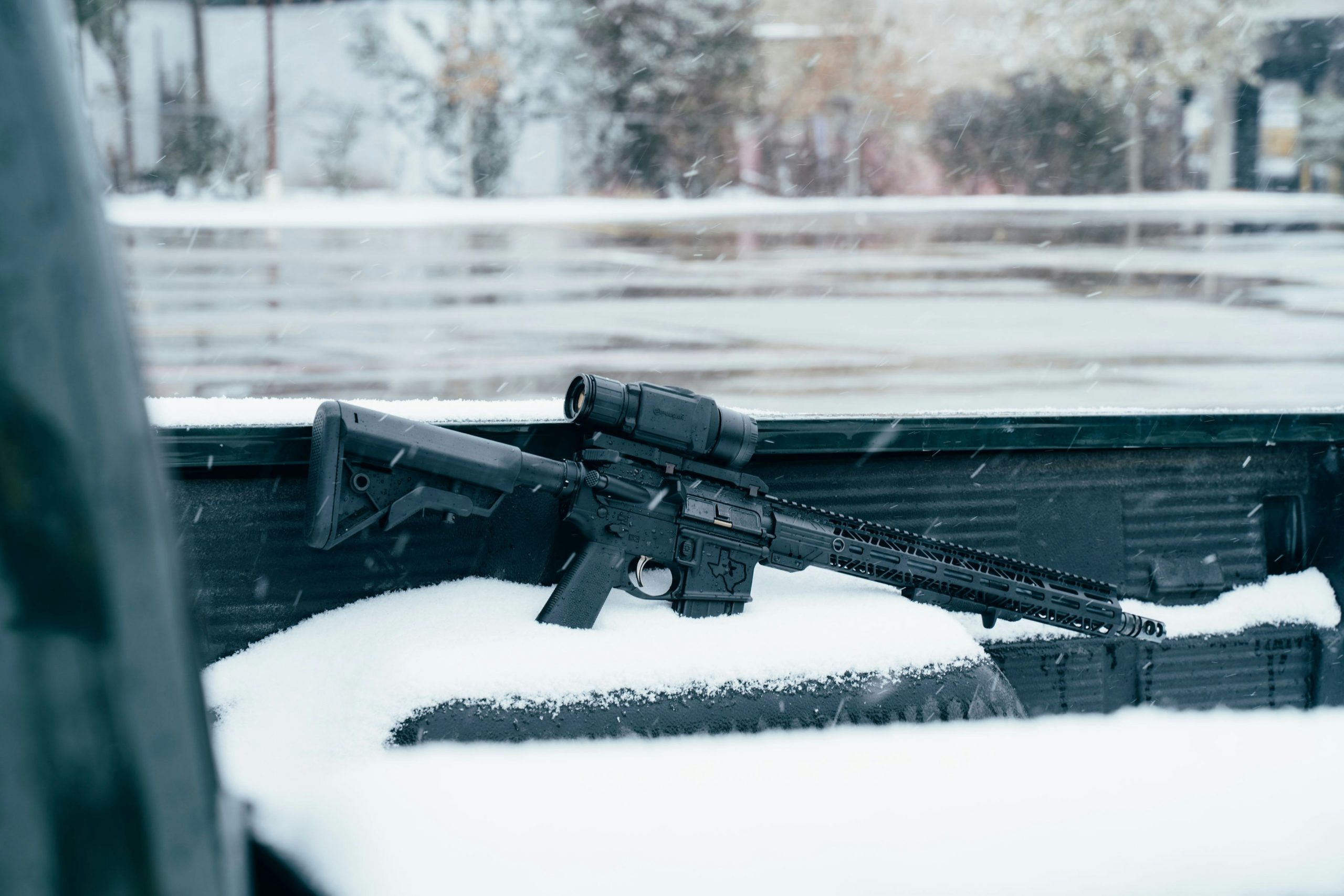
All metals contract slightly in cold weather, and rifle barrels are no exception. When the steel shrinks microscopically, the way the barrel vibrates during firing can shift just enough to influence the point of impact. Even precision-machined barrels experience changes in their harmonic signature, which can tighten or loosen groups depending on the rifle’s design and the ammo used. Free-floated barrels often handle this contraction better, but no setup is entirely immune. Because harmonics play such a vital role in consistency, it’s smart to recheck zero after a major temperature drop to ensure accuracy remains trustworthy.
4. Thickened Lubricants Slow Bolt and Trigger Function
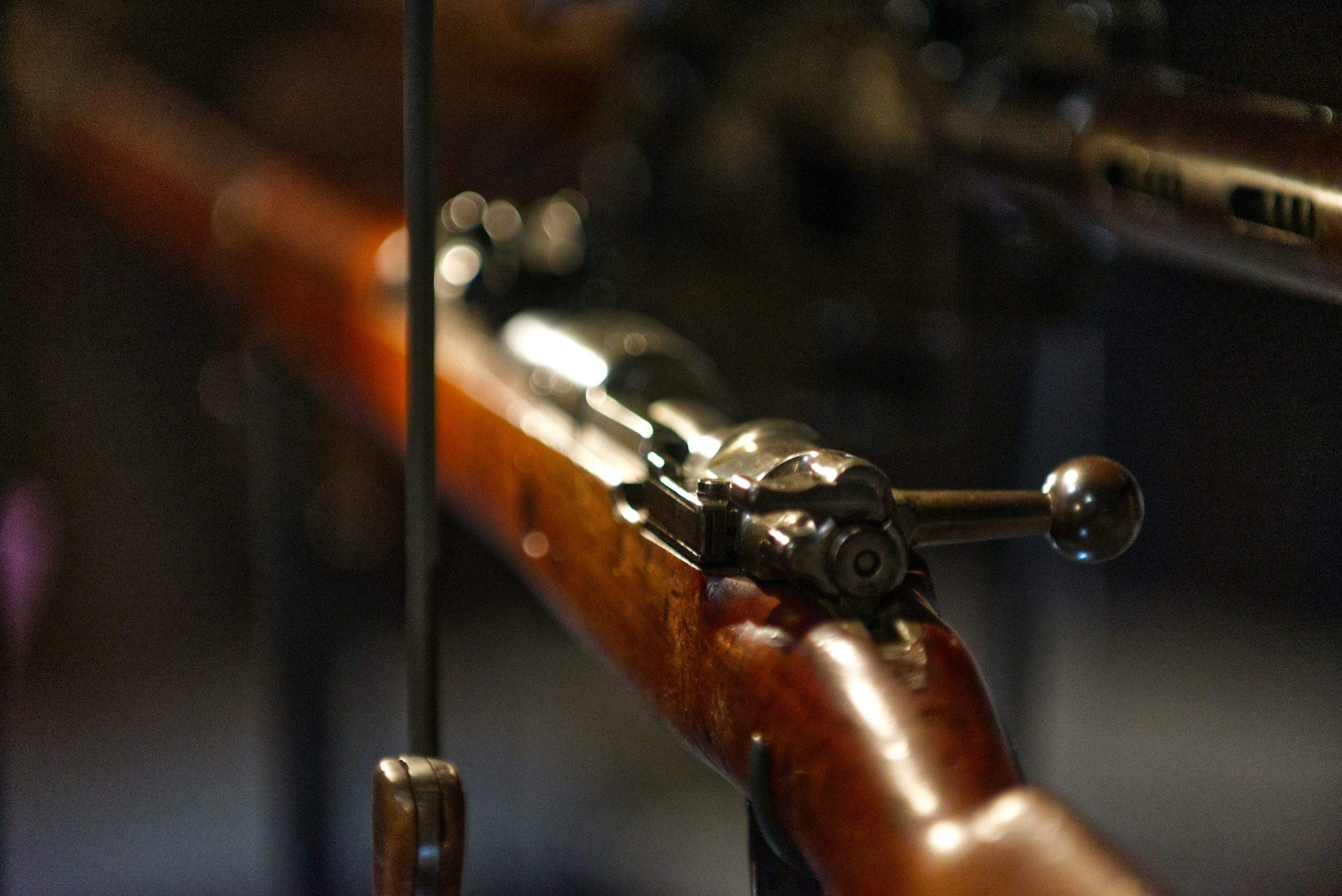
Many common firearm lubricants thicken when exposed to freezing temperatures, reducing the smooth cycling that shooters expect. A sluggish bolt may not lock or extract cleanly, and cold-stiffened trigger components can feel noticeably heavier or grittier. Semi-autos are especially vulnerable since their operating systems depend on fluid movement. In extreme cold, thick oil can even cause light primer strikes or incomplete cycling. Winter-specific lubricants help, but it’s equally important not to over-lube a rifle during cold weather. A lightly applied, cold-rated lubricant ensures mechanical parts move freely without unnecessary resistance.
5. Optics Experience Fogging and Internal Temperature Stress
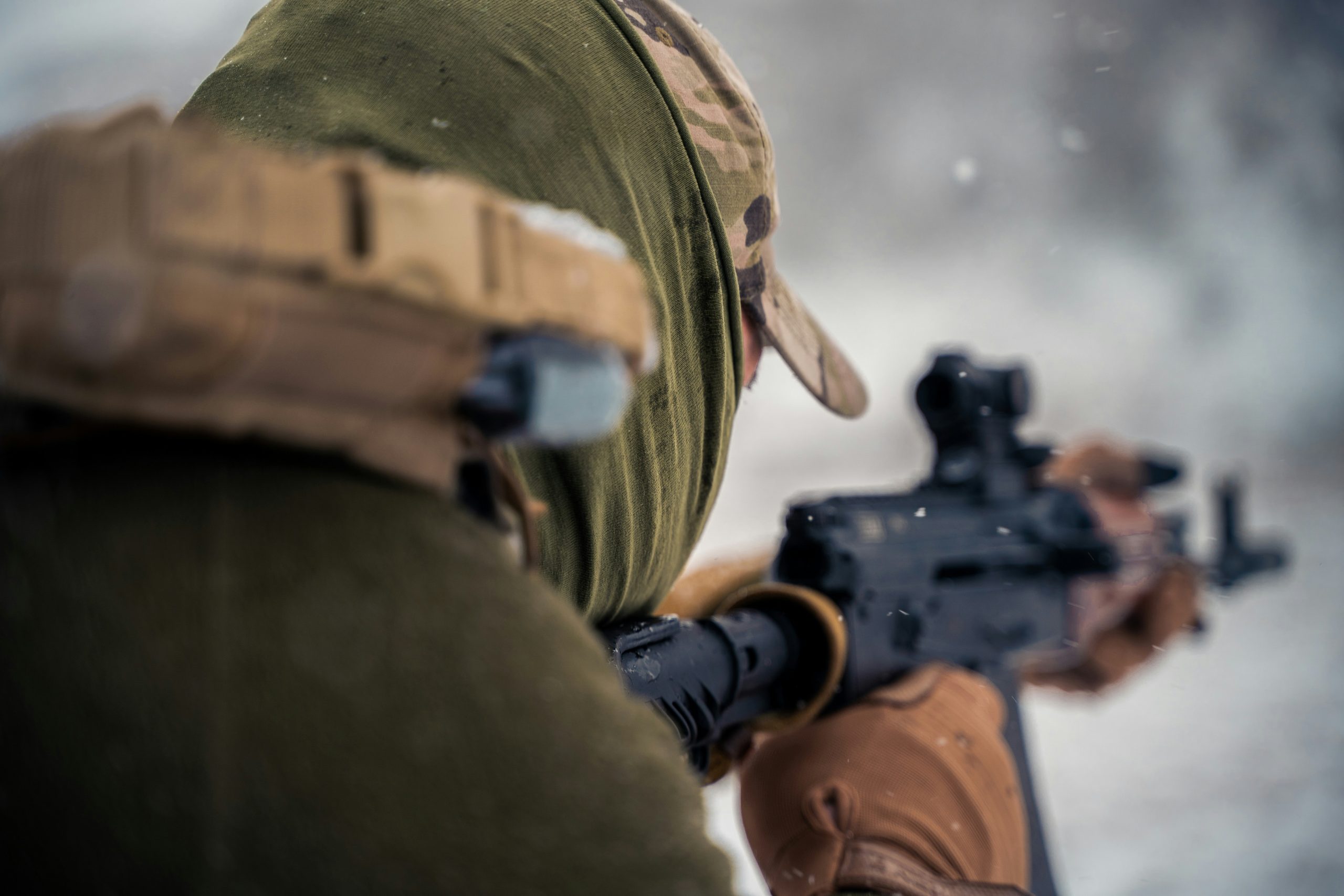
Rapid temperature shifts between warm vehicles and cold air can cause scopes to fog externally or develop internal condensation if seals are compromised. Cold weather also stiffens adjustment turrets, making precise dialing more difficult. Even high-quality optics can experience slight shifts in point of aim if temperature extremes affect lens alignment or internal pressure. Shooters often underestimate how temperature swings influence optical clarity, contrast, and tracking performance. Allowing scopes to acclimate slowly and keeping lens covers on until shooting conditions stabilize helps maintain the optical reliability needed for long-range precision.
6. Batteries Lose Power Significantly Faster in the Cold
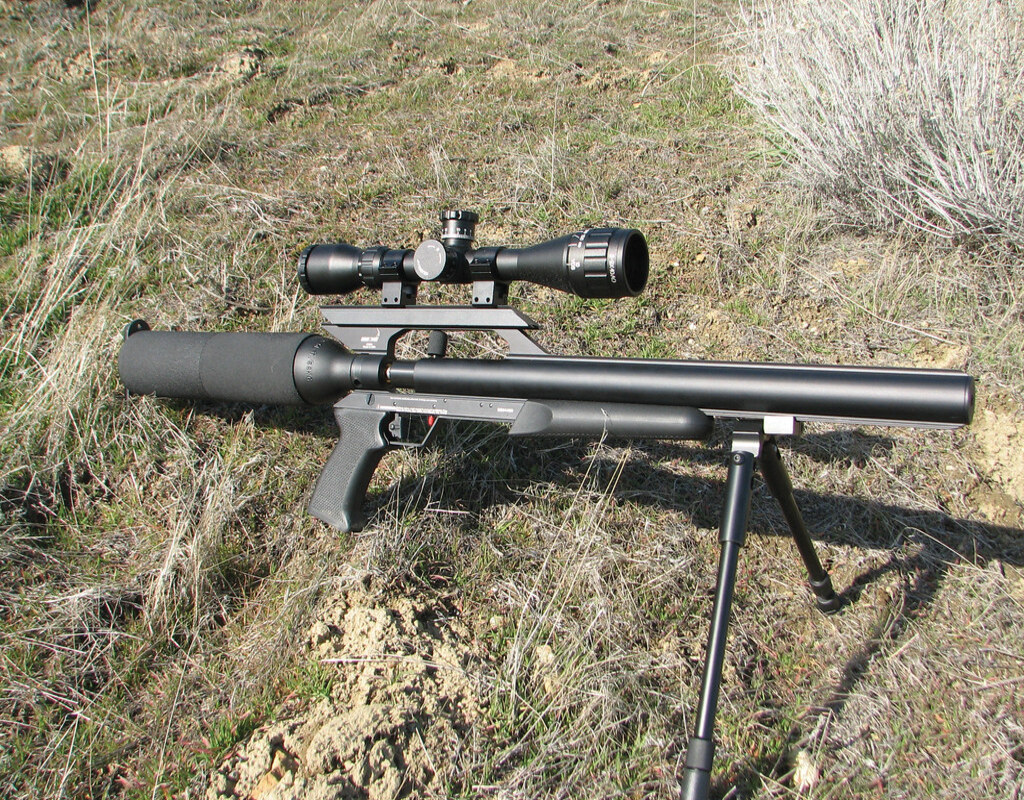
Cold temperatures reduce the chemical efficiency of batteries, affecting devices like red-dot sights, illuminated reticles, rangefinders, and electronic ear protection. A battery that lasts all season in mild weather may fail quickly when exposed to freezing temperatures. Dimming reticles or unresponsive rangefinders can cost critical seconds during a hunt or competition. Even lithium cells, though better in the cold, still lose noticeable capacity. Shooters should carry spares, store electronics inside warm pockets until needed, and test critical gear in realistic winter conditions to ensure dependability when temperatures plunge.
7. Cold Stock Materials Shift Fit and Pressure Points
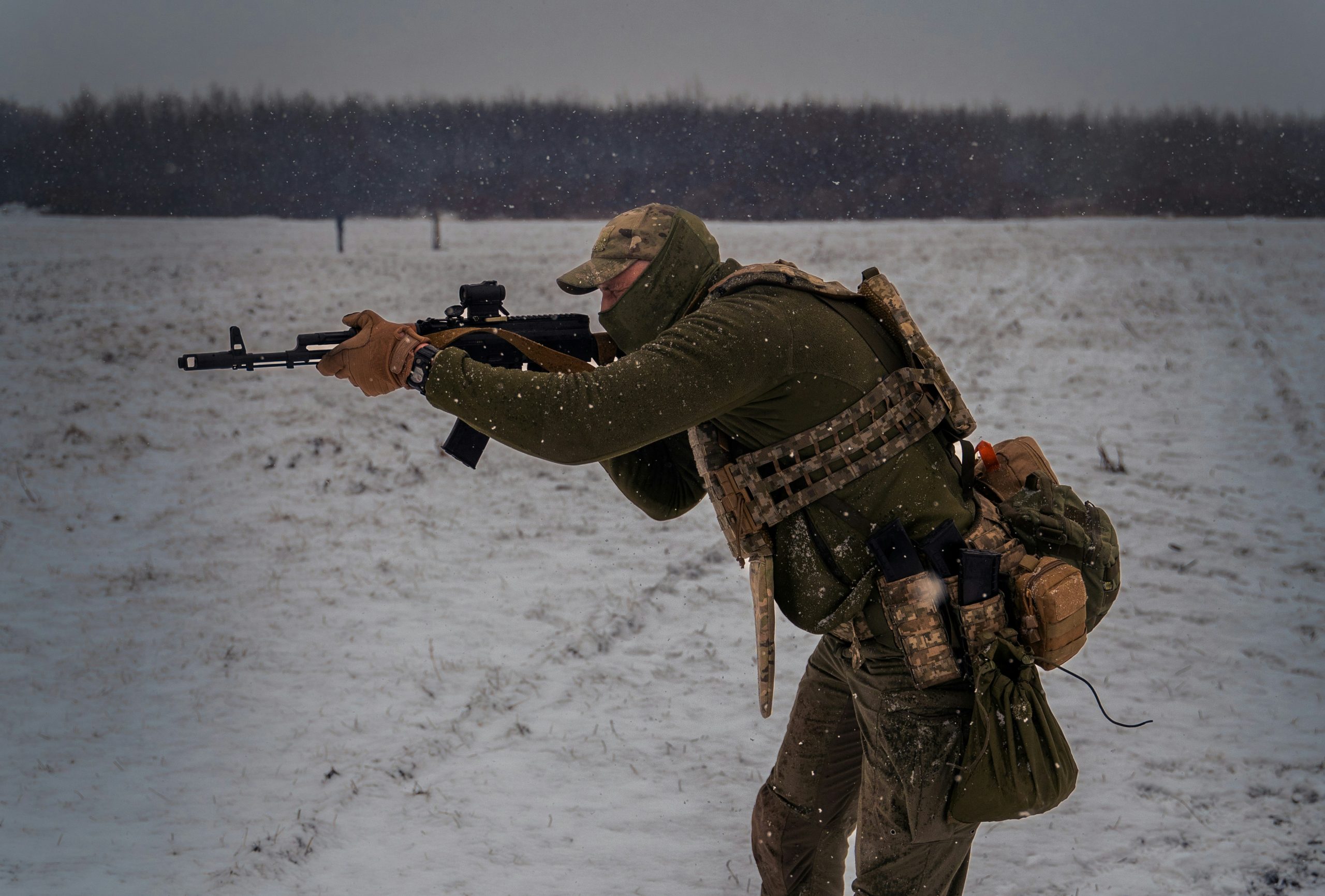
Rifle stocks, whether wood, polymer, or laminated, react differently to cold. Wood can contract or absorb moisture inconsistently, potentially creating pressure points on the barrel that weren’t present in warmer months. Some polymers stiffen and lose the slight flexibility they have in mild weather, altering how the action sits in the stock. Even small changes can redirect barrel harmonics or modify recoil behavior. Precision shooters may notice shifting impacts or a subtle change in feel during recoil. Ensuring proper bedding and checking the fit before winter shooting sessions helps maintain consistent accuracy.
8. Shooter Physiology Changes Under Cold Stress
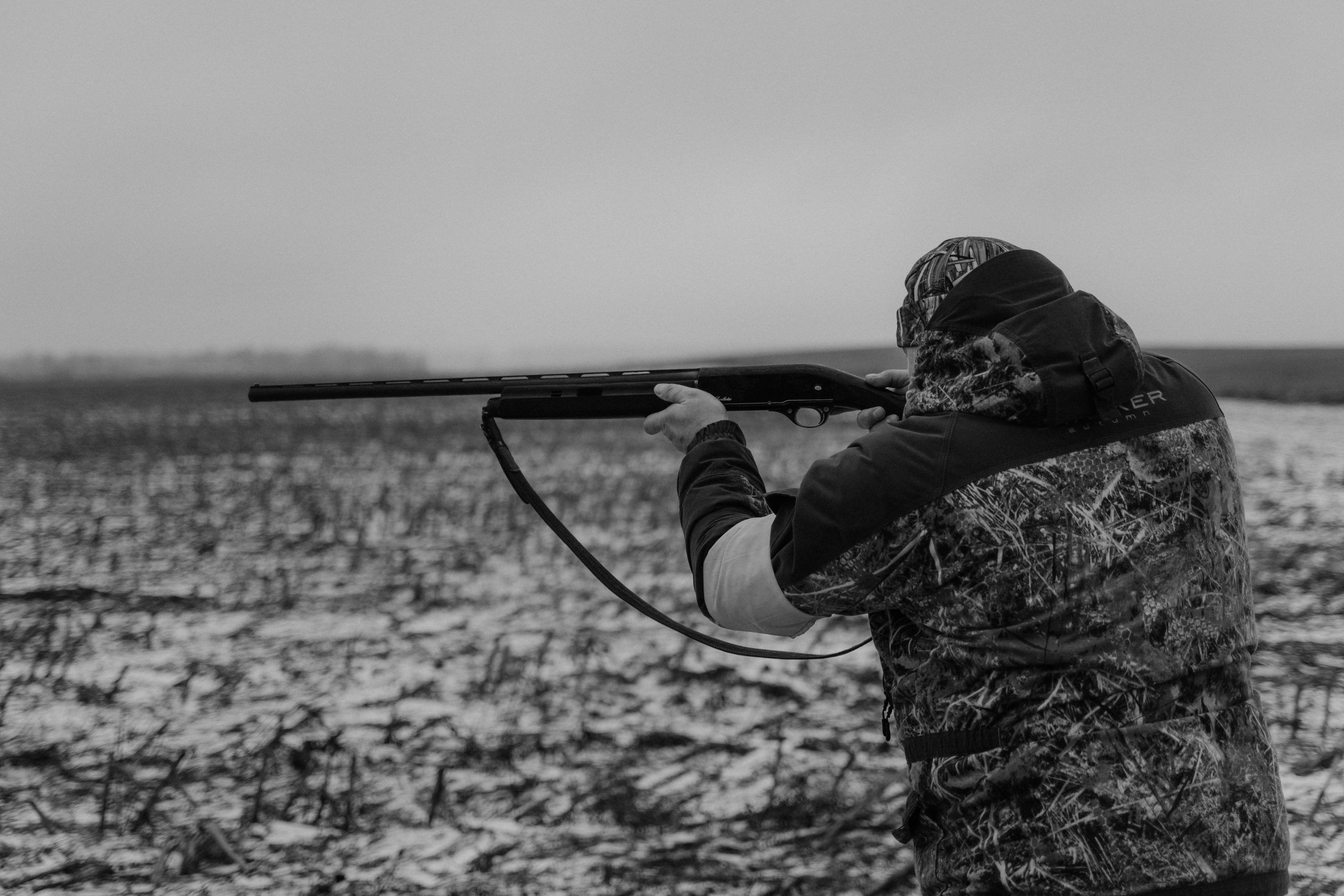
Cold weather stiffens muscles, slows reaction time, and reduces fine motor control, all of which directly affect accuracy. Numb fingers make trigger control sloppy, and the body’s natural shivering response introduces micro-movements that destabilize sight alignment. Even breath control becomes harder as cold air irritates the lungs and encourages faster, shallower breathing. These subtle physiological effects compound when wearing bulky layers that alter shooting stance and cheek weld. Practicing with winter gear, warming hands before shooting, and applying slow, deliberate movements can counter the accuracy losses caused by cold-induced tension.
9. Ammunition Brass Shrinks and Changes Chamber Fit
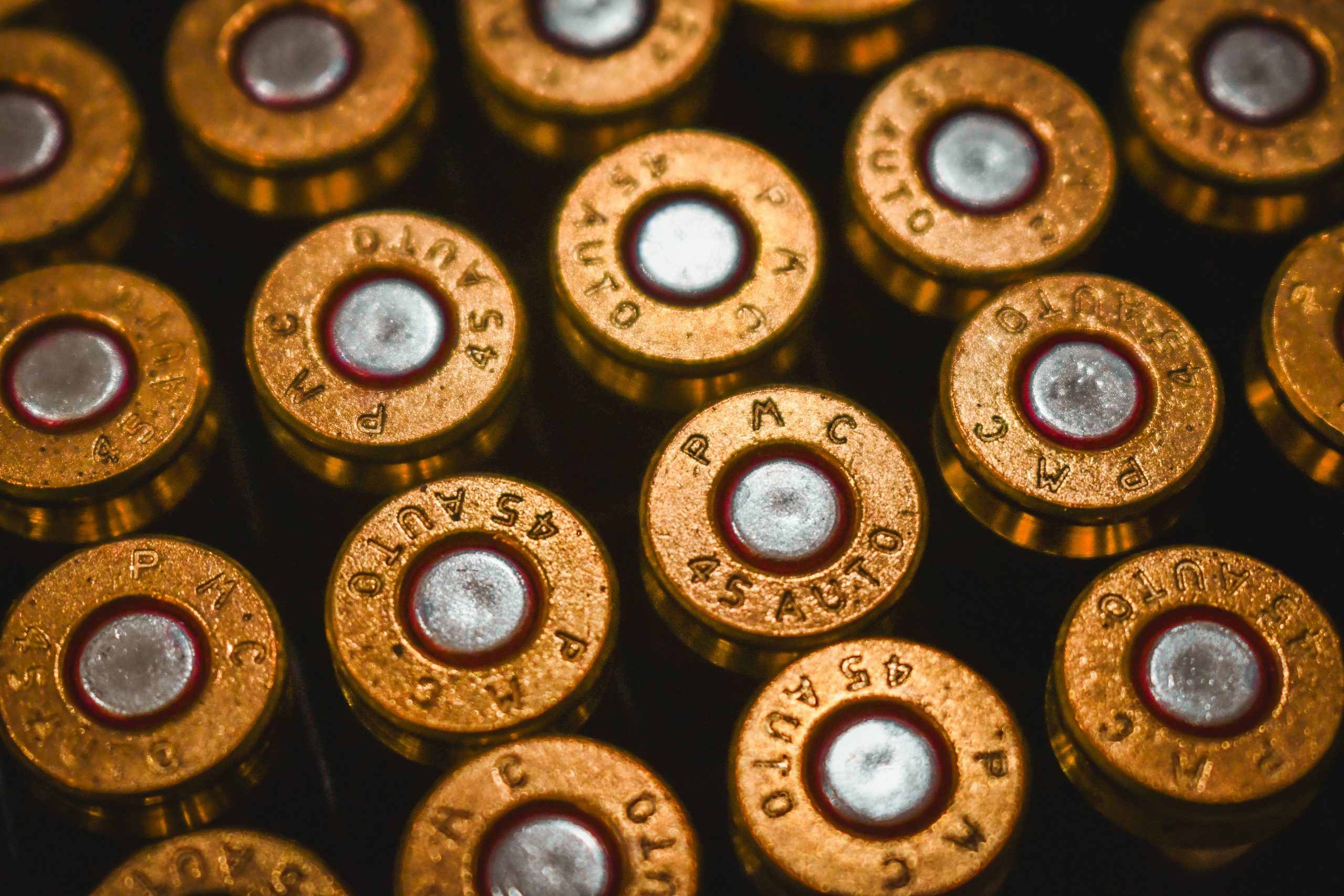
Brass cases contract in cold temperatures, creating slight differences in how they seat within the chamber. While usually safe, this contraction can influence ignition consistency, particularly with tighter-tolerance rifles. If the primer isn’t seated firmly against the firing pin’s strike surface, misfires or weak ignition can occur. Handloaders may notice altered neck tension as the brass stiffens, changing bullet release dynamics. Even factory ammunition may behave differently when the brass cools significantly. Keeping ammo insulated until use and verifying cold-weather reliability with test firing helps maintain dependable ignition.
10. Moisture Freezes, Affecting Moving Parts and Barrels
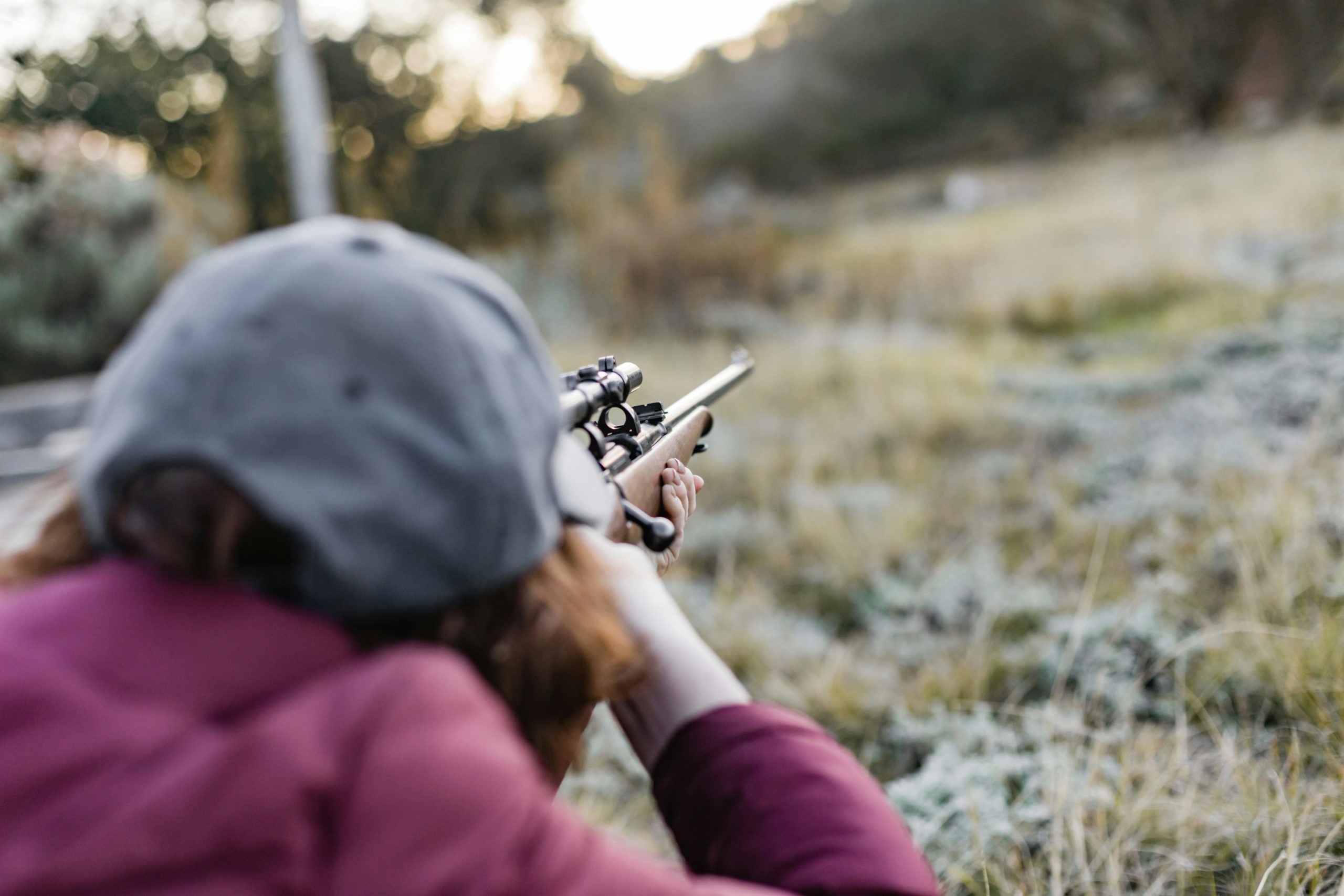
Snow, sleet, or even breath moisture can freeze on rifles exposed to cold conditions, creating ice that interferes with moving components or clogs barrel openings. A thin layer of ice inside the muzzle device or around the action can weaken cycling, disrupt gas systems, or block proper chambering. Even frost forming on metal surfaces can cause unexpected stiffness. Clearing ice isn’t always straightforward because scraping may introduce scratches or contaminants. Keeping rifles covered when not in immediate use and checking for frozen moisture before firing helps avoid dangerous malfunctions or accuracy issues.
11. Cold Suppressors Change Point of Impact and Backpressure
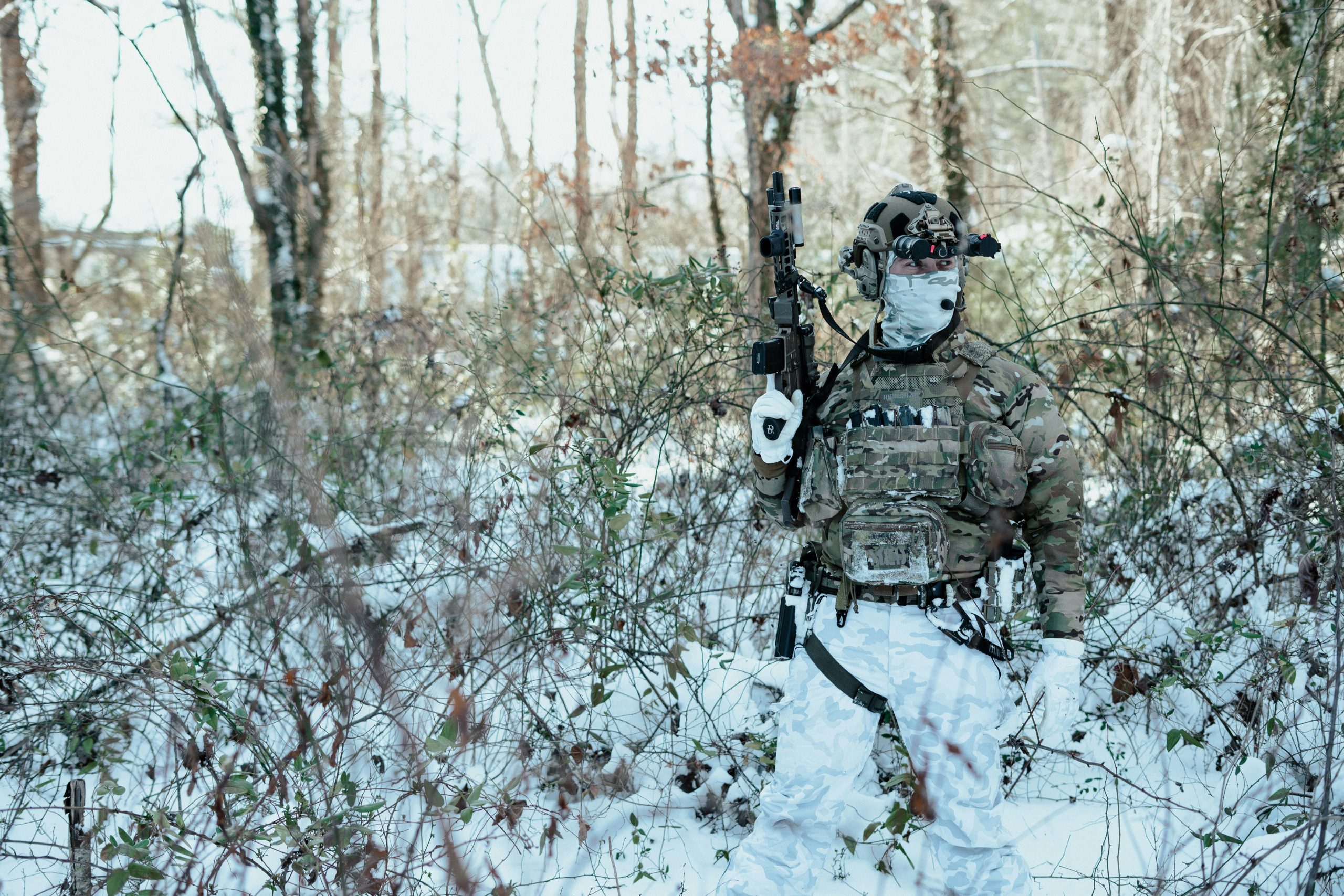
Suppressors behave differently in cold air as the metal shrinks and internal gas dynamics shift. A chilled suppressor may alter barrel harmonics, increasing or decreasing point-of-impact shift compared to warm conditions. Gas expansion within the can is also affected by temperature, potentially changing backpressure and cycling characteristics on semi-autos. As the suppressor heats during firing, the point of impact may gradually drift again, creating a moving zero. Shooters should confirm cold-weather POI with their suppressor attached and expect some shift as the system warms during extended shooting.