Nocturnal bucks challenge hunters by shifting movement almost entirely into darkness. Pressure, habitat changes, and seasonal instincts push mature deer to avoid daylight exposure. Success depends on understanding patterns rather than forcing encounters. Subtle sign, terrain use, and timing matter more than persistence. Small adjustments reveal overlooked opportunities. These eleven proven tips focus on observation, restraint, and strategy rather than aggression. Each approach reflects real behavioral patterns seen across pressured landscapes. Learning how nocturnal bucks travel, feed, and stage allows hunters to adapt intelligently, improving odds without increasing pressure, disturbance, or unnecessary movement in areas where mature deer already operate cautiously.
Focus On Entry Trails

Nocturnal bucks often use predictable entry trails leading into feeding areas. These routes hold consistent sign despite limited daylight movement. Tracks, worn vegetation, and subtle trail angles reveal preferred access points. Bucks stage near cover before dark. Scouting these entry routes provides insight without intruding on core areas. Hunters benefit by positioning farther back from fields. This reduces pressure and increases daylight encounter chances. Entry trails change less frequently than feeding locations. Understanding where deer transition from security cover to open ground allows strategic setups that intercept movement during legal light, especially in early evening periods when cautious bucks still move deliberately.
Hunt The First Available Daylight
Nocturnal bucks occasionally move during daylight after weather shifts or pressure changes. Cold fronts, rain transitions, or temperature drops encourage earlier movement. The first calm, cool day after disturbance often produces opportunity. Waiting weeks misses this window. Fresh conditions reset patterns briefly. Hunters who capitalize immediately gain advantage. Tracks appear sharper. Beds shift. Activity increases slightly. Timing outweighs location during these moments. Being prepared to hunt as soon as conditions align matters more than extended waiting. This approach reduces guesswork and targets the brief overlap when nocturnal behavior relaxes enough to allow daylight exposure near established travel routes.
Identify Bedding Exit Patterns
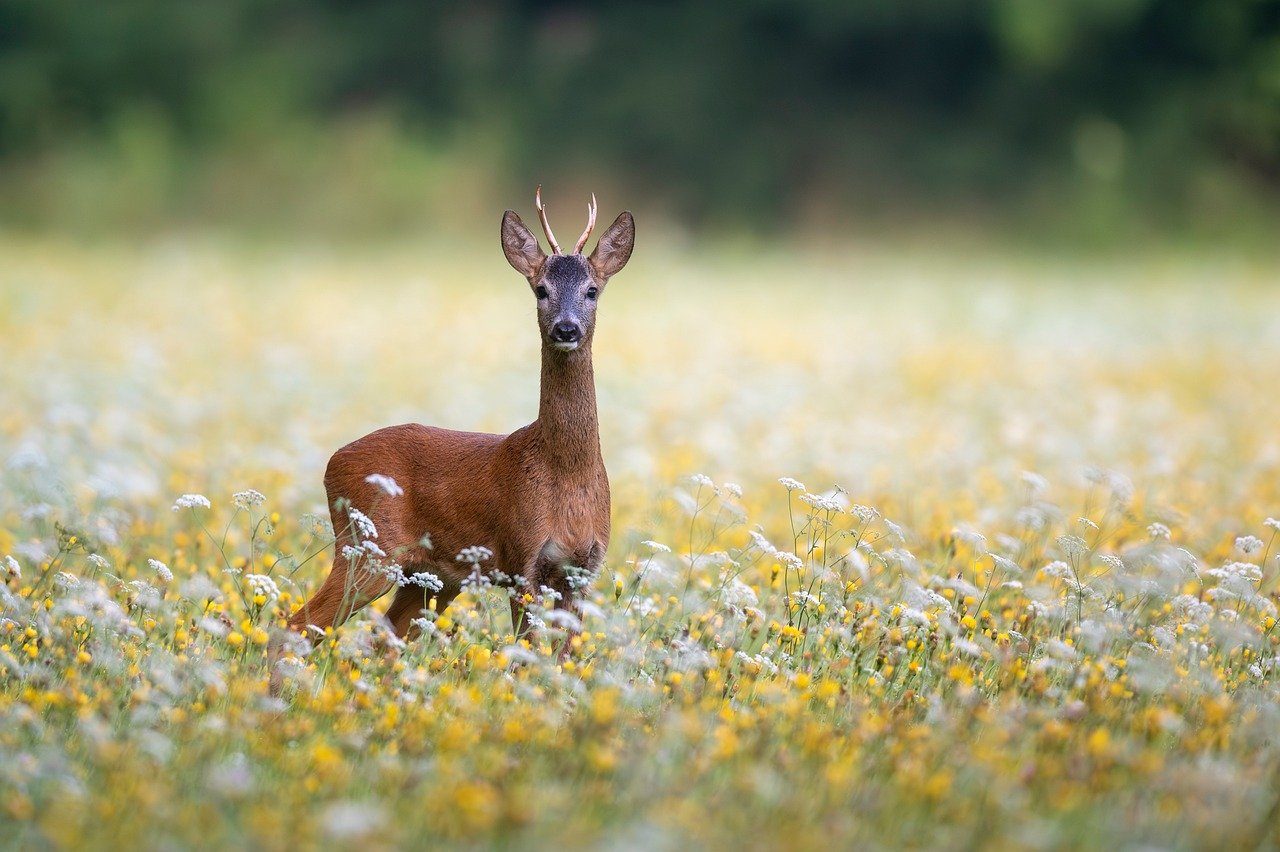
Mature bucks leave beds using consistent exit routes even when nocturnal. These paths reflect wind advantage and cover density. Tracks often angle downhill or along side slopes. Observing how trails leave bedding cover reveals preferred movement direction. Hunters avoid pushing beds directly. Instead, they monitor exits from a distance. Exit trails show repeated use. They offer interception points before darkness. Understanding bedding exits helps predict where bucks feel safe moving early. This insight allows stand placement that respects security needs while catching movement during fading light, when bucks still rely on habitual paths rather than improvising routes under pressure.
Adjust Stand Distance Back
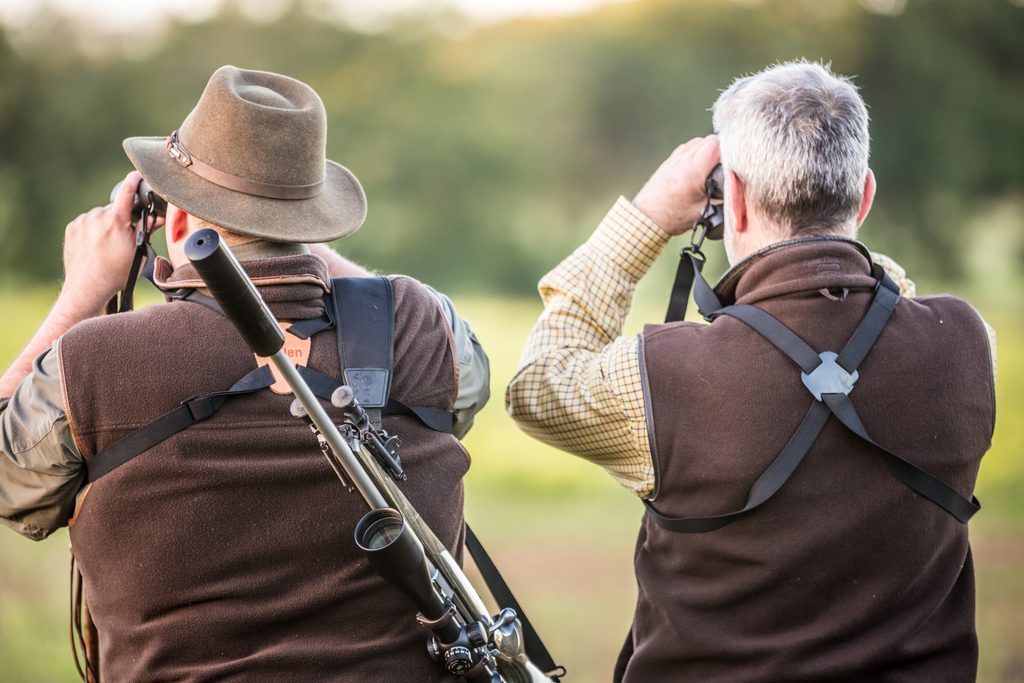
Hunting too close to feeding areas reinforces nocturnal behavior. Mature bucks wait until full darkness before entering open zones. Pulling stands farther back reduces pressure. Transition zones offer better daylight chances. These areas include timber edges, staging cover, and terrain breaks. Bucks linger briefly before committing. Distance creates opportunity. Wind management improves. Visual cover increases. Hunters see movement earlier. Adjusting back feels counterintuitive but aligns with deer behavior. This strategy prioritizes patience over proximity. By hunting where bucks pause instead of where they feed, hunters increase daylight sightings without educating deer or forcing complete nighttime movement patterns.
Use Terrain To Predict Travel
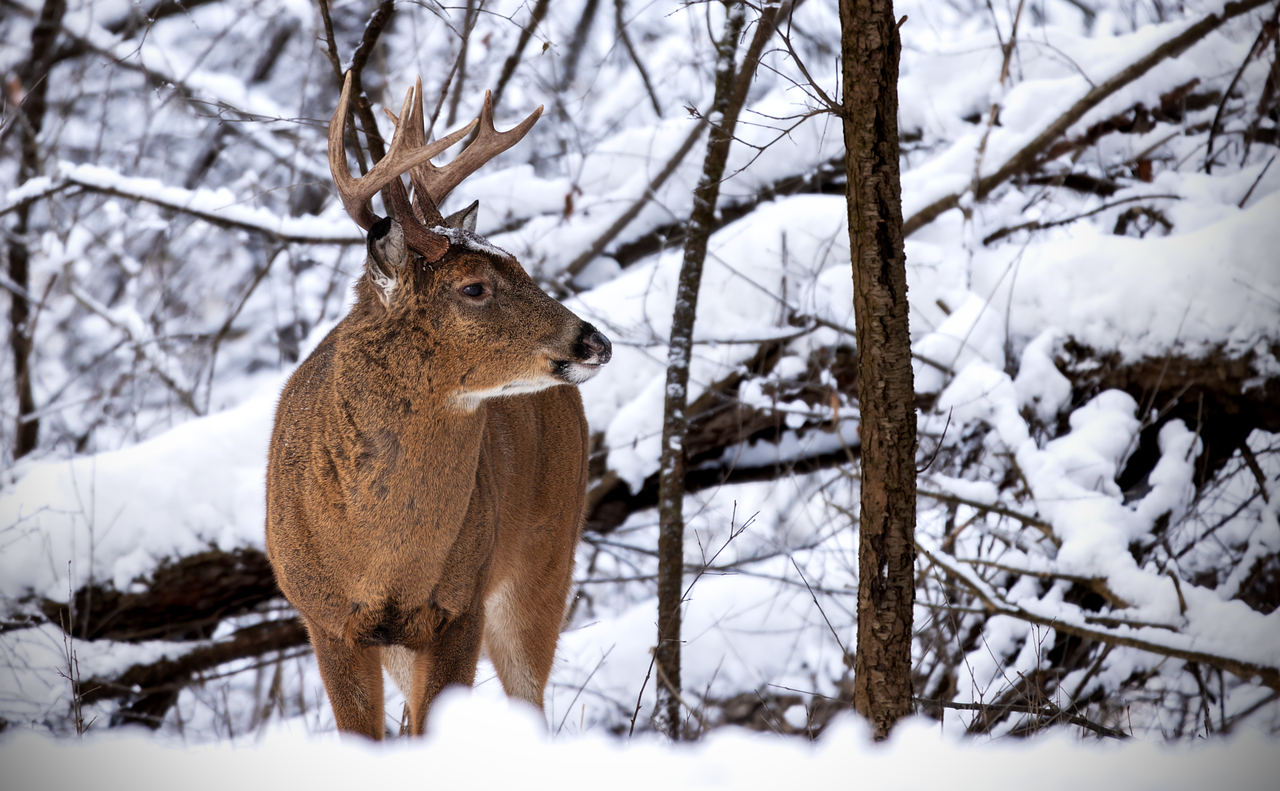
Nocturnal bucks rely heavily on terrain features for safe travel. Ridges, benches, ditches, and saddles guide movement even in darkness. These features minimize exposure and energy use. Tracks often concentrate along contours. Observing elevation changes reveals preferred routes. Terrain funnels movement consistently across seasons. Hunters who study maps gain advantage. Predictability increases. Stand placement improves. Terrain driven travel persists even under pressure. Understanding how bucks navigate landscapes allows interception without intrusion. This method works especially well in hill country, where terrain dictates movement more strongly than food sources, enabling daylight encounters along secure, habitual routes used regardless of time.
Limit Scent And Disturbance
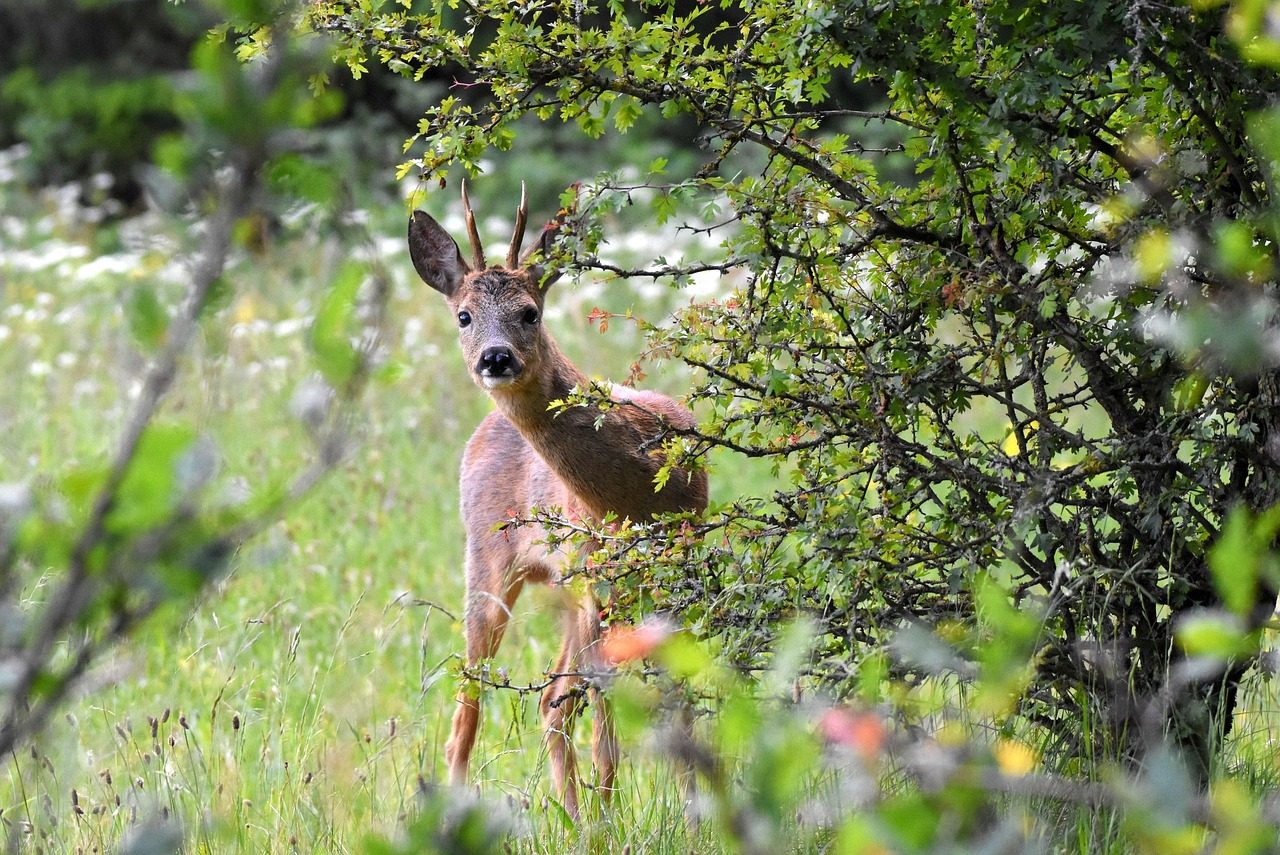
Nocturnal bucks associate human scent with danger more quickly than younger deer. Limiting disturbance becomes critical. Entry routes matter. Wind discipline matters. Avoid repeated access. One mistake can shift movement fully nocturnal. Hunters benefit from fewer, higher quality sits. Clean access preserves patterns. Bucks tolerate minimal intrusion if pressure stays unpredictable. Consistency educates deer. Silence, patience, and restraint outperform frequency. Understanding when not to hunt protects future opportunity. This approach requires discipline. However, maintaining low impact increases the chance that a buck maintains semi daylight movement, especially during pre rut phases when curiosity and routine still compete with caution.
Watch Late Morning Returns
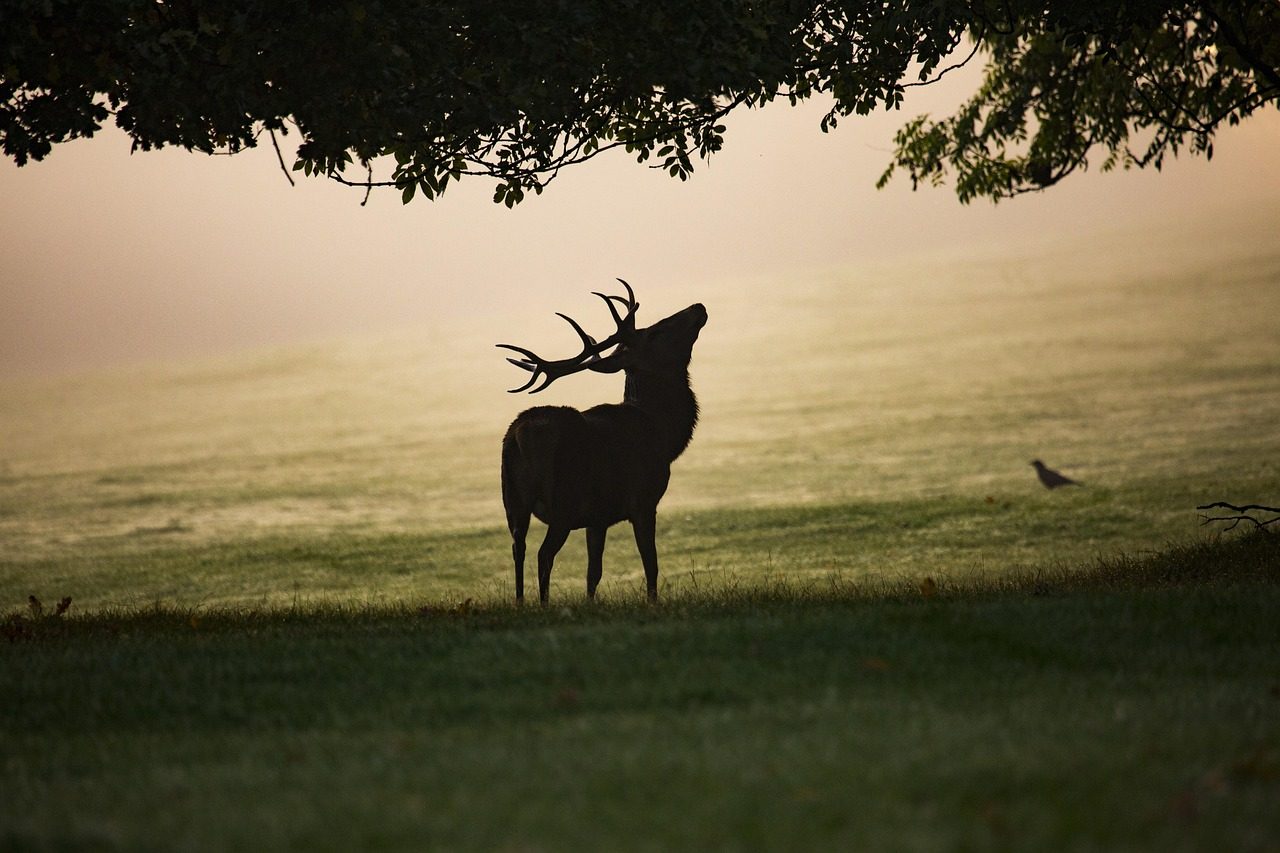
Some nocturnal bucks return to bedding areas after dawn instead of before daylight ends. These movements happen quietly and briefly. Tracks appear crossing trails back toward cover. Observation reveals timing. Hunters who focus only on evenings miss this window. Late morning setups near bedding access points capture returning movement. Weather stability increases likelihood. Calm conditions encourage delayed returns. Understanding this pattern expands opportunity beyond evenings. It also reduces competition from other hunters. Late morning hunts require patience and minimal disturbance. When timed correctly, they intercept bucks transitioning back to security after feeding under darkness, offering rare daylight encounters few hunters anticipate.
Monitor Pressure From Others
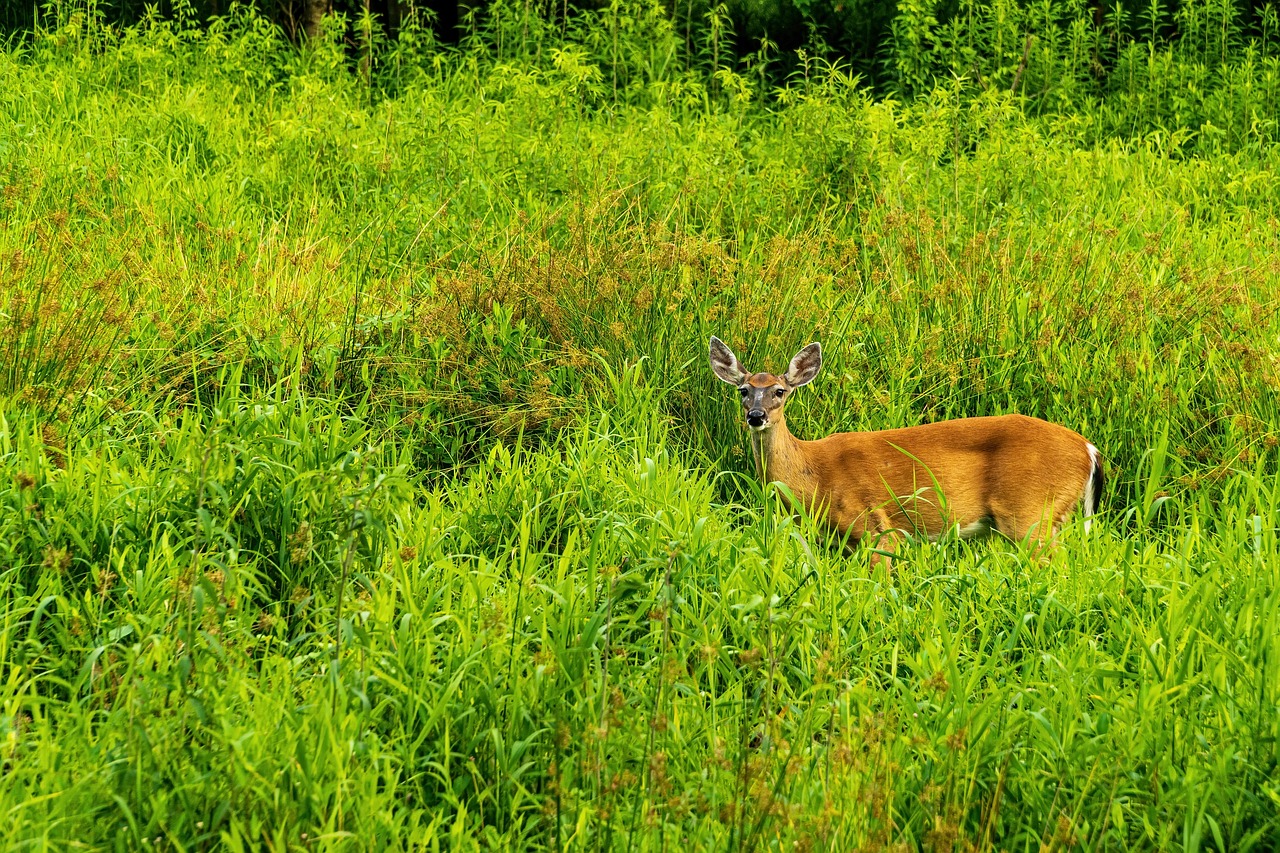
Hunting pressure shapes nocturnal behavior more than food availability. Bucks adjust movement based on human patterns. Monitoring access points, parking areas, and hunter traffic provides clues. When pressure increases in one area, bucks shift routes. Observant hunters adapt quickly. They reposition to overlooked cover. Avoiding crowds preserves daylight movement. Pressure mapping matters. Knowing where others hunt helps predict where deer feel safe. This strategy focuses on people as much as deer. By staying ahead of pressure trends, hunters locate pockets where nocturnal bucks remain semi active during daylight, exploiting gaps created when others concentrate effort predictably across popular stands and visible food sources.
Use Cameras With Restraint
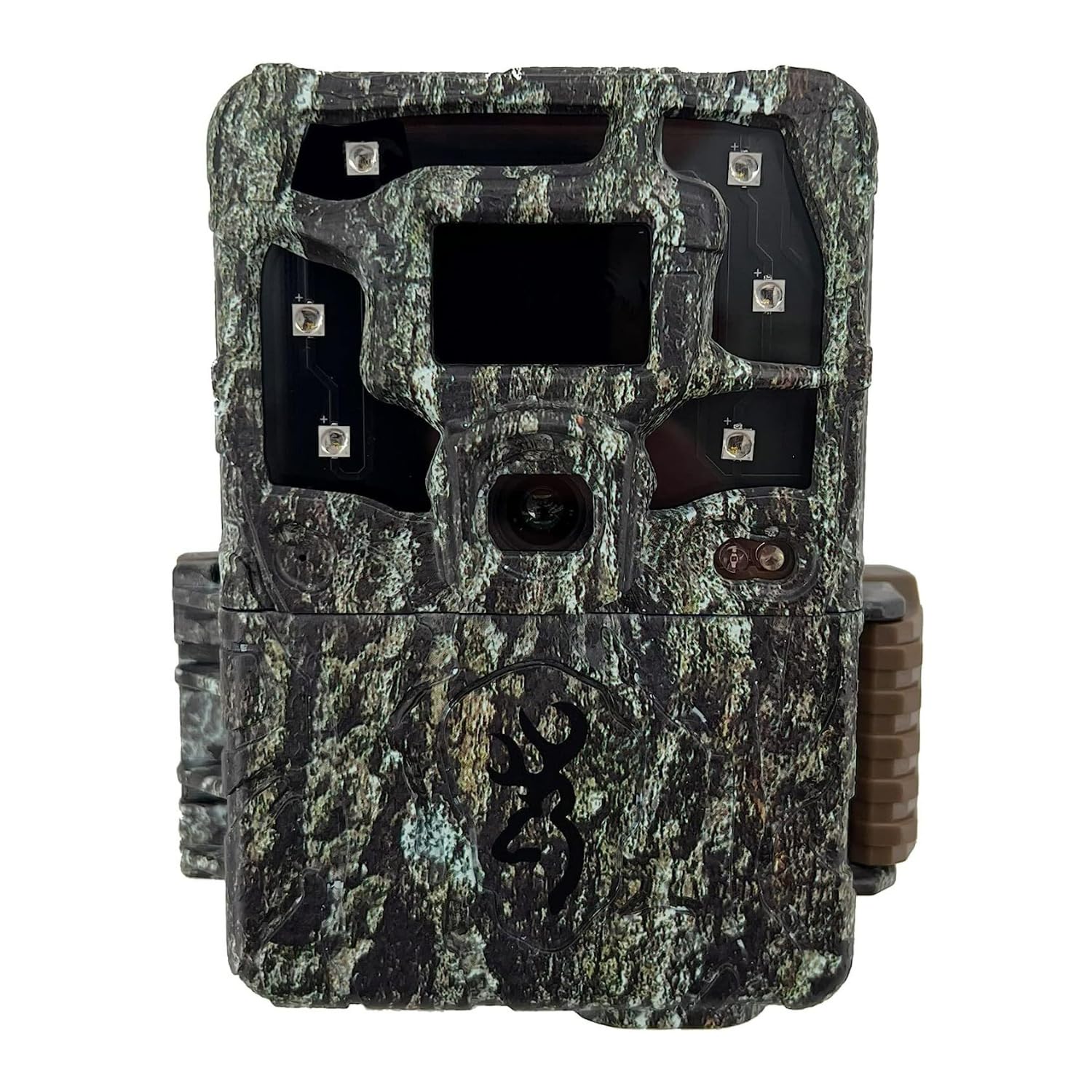
Trail cameras help pattern nocturnal bucks but can also increase disturbance. Excessive checking educates deer. Cameras placed on travel routes rather than feeding areas reduce intrusion. Checking sparingly preserves behavior. Time stamps reveal movement windows. Patterns emerge quietly. Cameras confirm hypotheses rather than replacing observation. Responsible use matters. Over reliance creates pressure. Bucks notice repeated visits. Limiting interaction keeps movement consistent. Using cameras strategically allows hunters to validate entry routes, timing shifts, and terrain use without altering behavior. The goal remains understanding, not constant monitoring. When used thoughtfully, cameras provide insight while maintaining low impact across core areas.
Focus On Seasonal Transitions
Nocturnal behavior fluctuates with seasonal change. Pre rut curiosity, rut competition, and post rut recovery alter movement. Bucks briefly abandon strict nighttime habits during transitions. Identifying these windows matters. Weather, photoperiod, and breeding pressure combine to loosen caution. Hunters who recognize transition timing gain advantage. Waiting for peak sign misses opportunity. Early transition phases offer daylight movement before pressure peaks. This approach requires calendar awareness and observation. Understanding when bucks temporarily shift priorities allows hunters to hunt proactively, positioning along travel routes during short periods when nocturnal patterns soften enough to allow daylight exposure before reverting fully to nighttime routines.
Hunt Less, Observe More
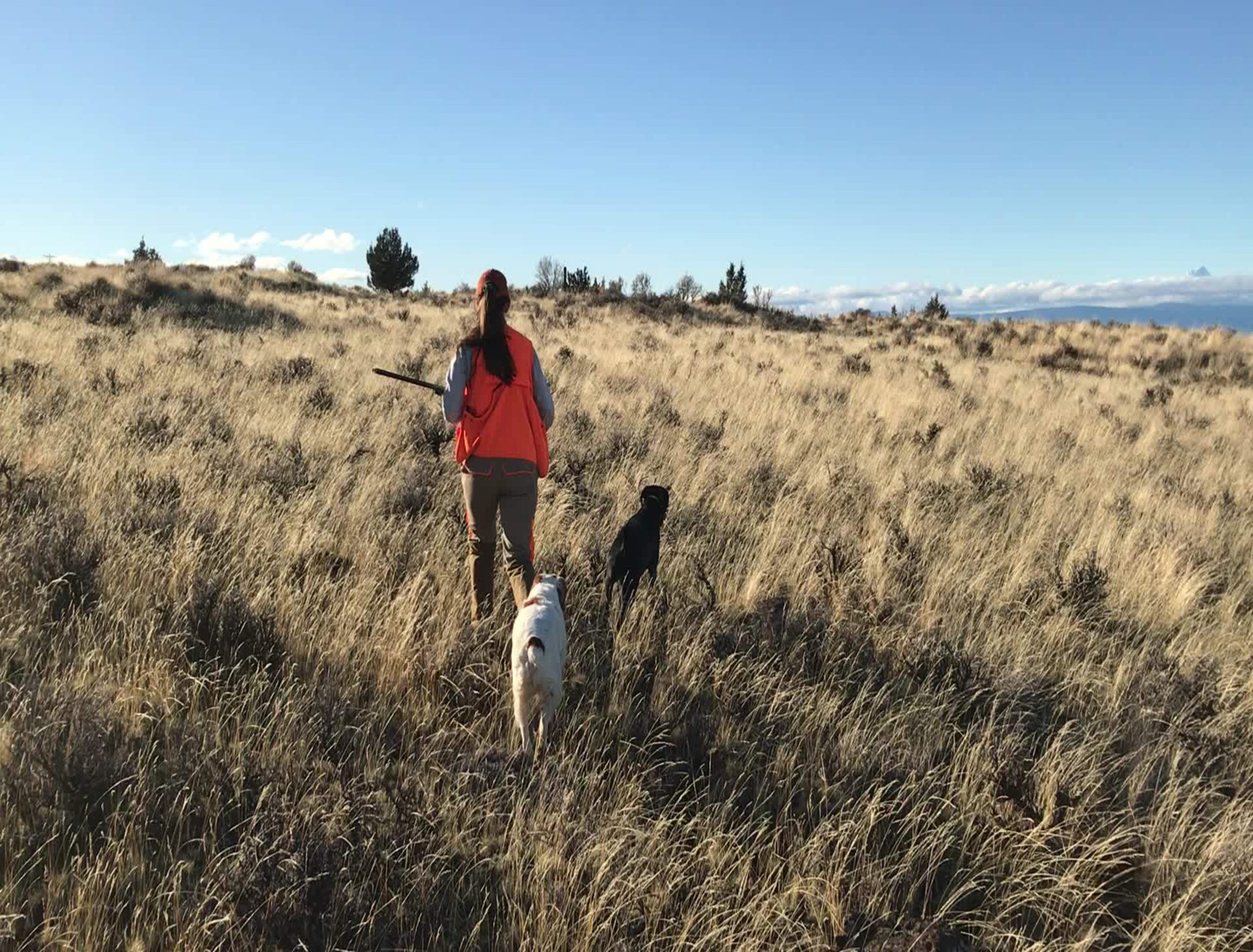
Over hunting reinforces nocturnal behavior. Observation preserves opportunity. Watching from distance, glassing edges, and reading sign informs decisions without intrusion. Patience outperforms pressure. Mature bucks tolerate minimal disturbance. Each sit should have purpose. Quality outweighs quantity. Learning when to wait becomes a skill. Hunters who slow down maintain movement patterns longer. Observation reveals subtle changes others miss. This mindset respects deer behavior. It increases odds over time. By prioritizing information gathering over immediate action, hunters align with how nocturnal bucks survive, setting up encounters during rare daylight windows created by timing, terrain, and minimal human interference.