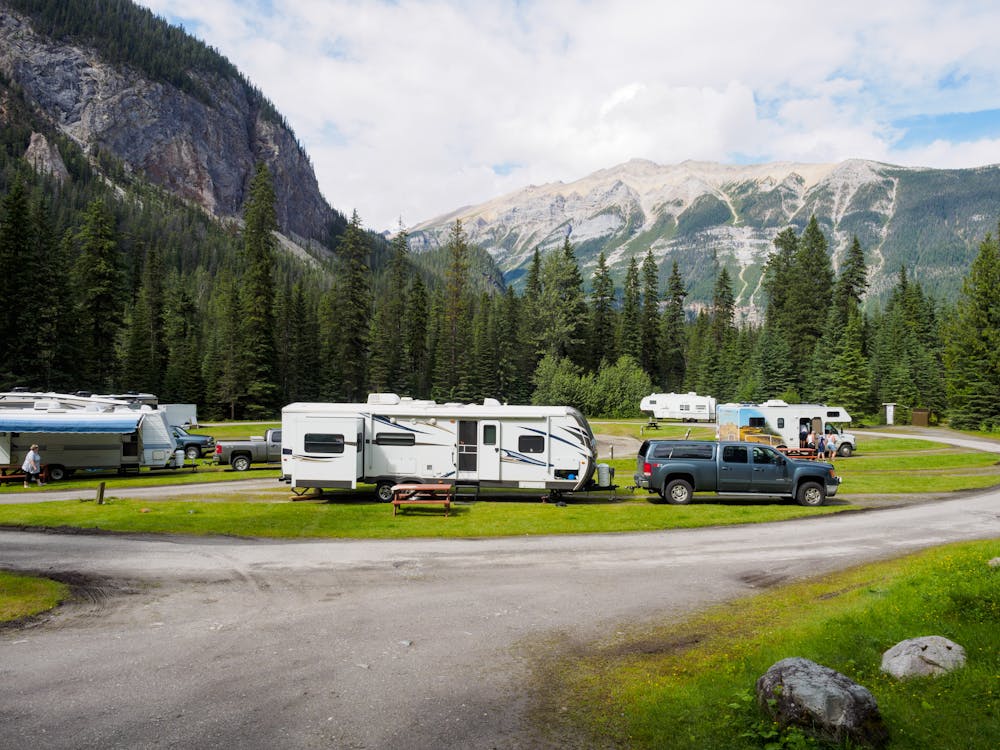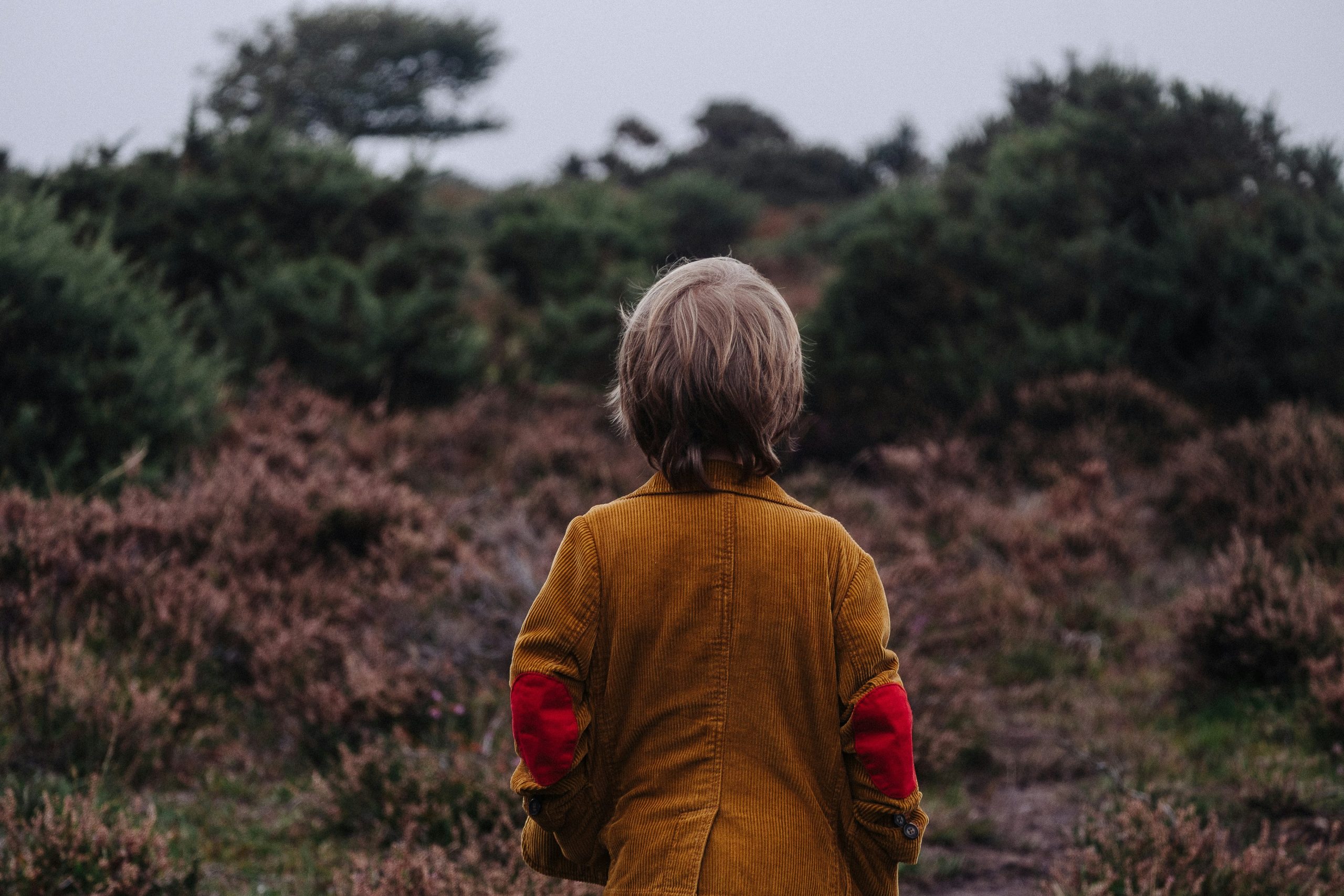
In the Appalachian Mountains, outdoor skills were not hobbies reserved for adulthood; they were part of everyday childhood. Many kids growing up in these rural communities learned practical abilities early because family life, work, and geography demanded it. Steep terrain, changing weather, limited resources, and long distances between homes meant children were often trusted with real responsibility. Skills were passed down casually through observation and repetition rather than formal lessons. These abilities built confidence, awareness, and self-reliance long before those words became popular. Appalachian kids learned to read the land, respect risk, and solve problems using what was available. While modern life has reduced the need for some of these skills, they remain impressive examples of early competence shaped by necessity. The following eleven outdoor skills highlight what many Appalachian children once learned young, not as survival training, but simply as part of growing up in the mountains.
1. Navigating Without Maps or GPS
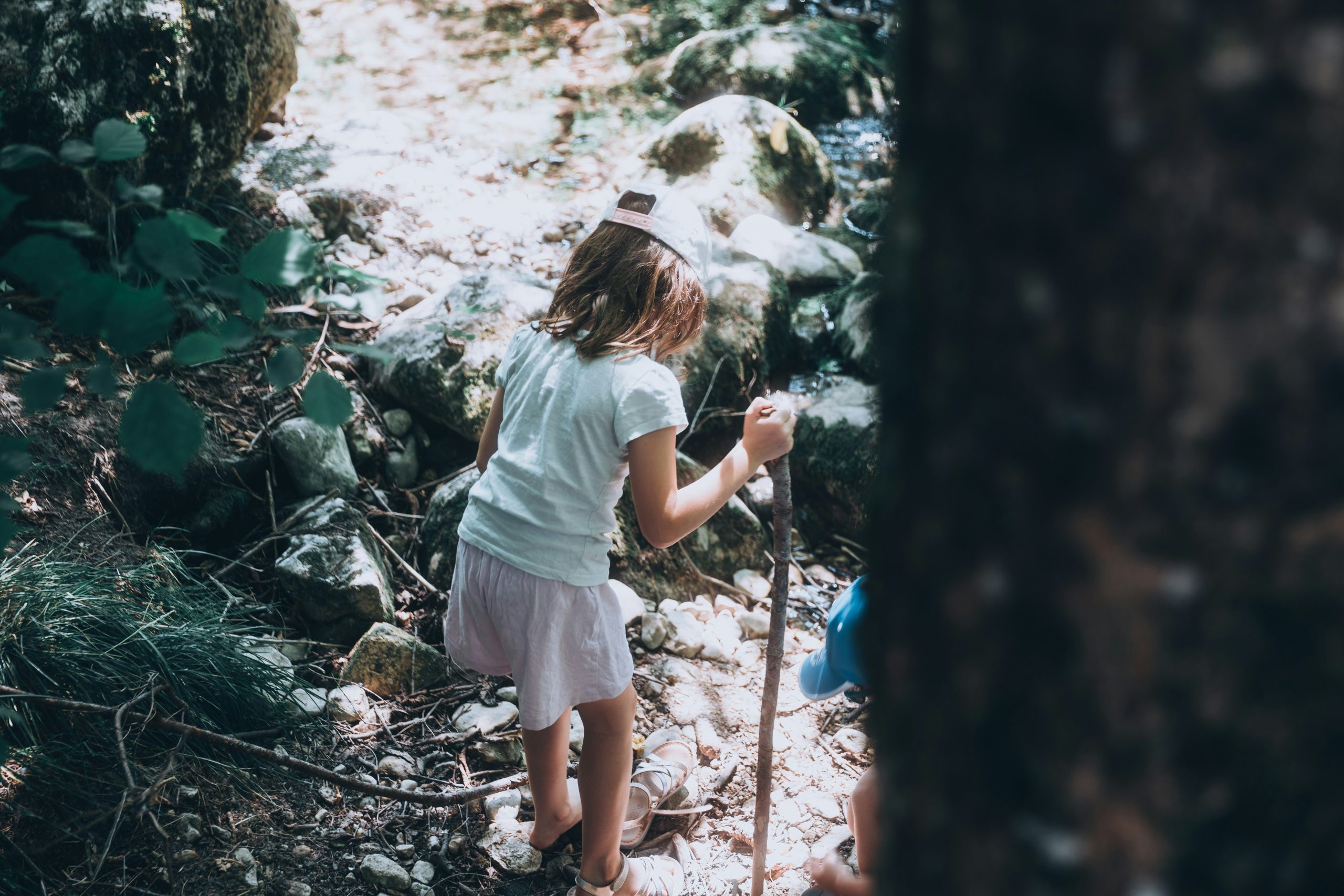
Appalachian kids often learned navigation by familiarity rather than instruments. From a young age, they absorbed the layout of ridges, hollows, creeks, and old logging roads through daily movement. Directions were given using landmarks instead of distances. Children learned which side of a ridge dropped toward water and which trails connected farms or relatives’ homes. This skill reduced fear of getting lost and built spatial awareness early. Kids understood how terrain influenced travel speed and effort. Navigation became instinctive through repetition and necessity. Without relying on tools, they learned to pay attention to the environment. This ability fostered confidence and independence, allowing children to move safely across rugged land without constant supervision.
2. Safely Handling Fire From an Early Age
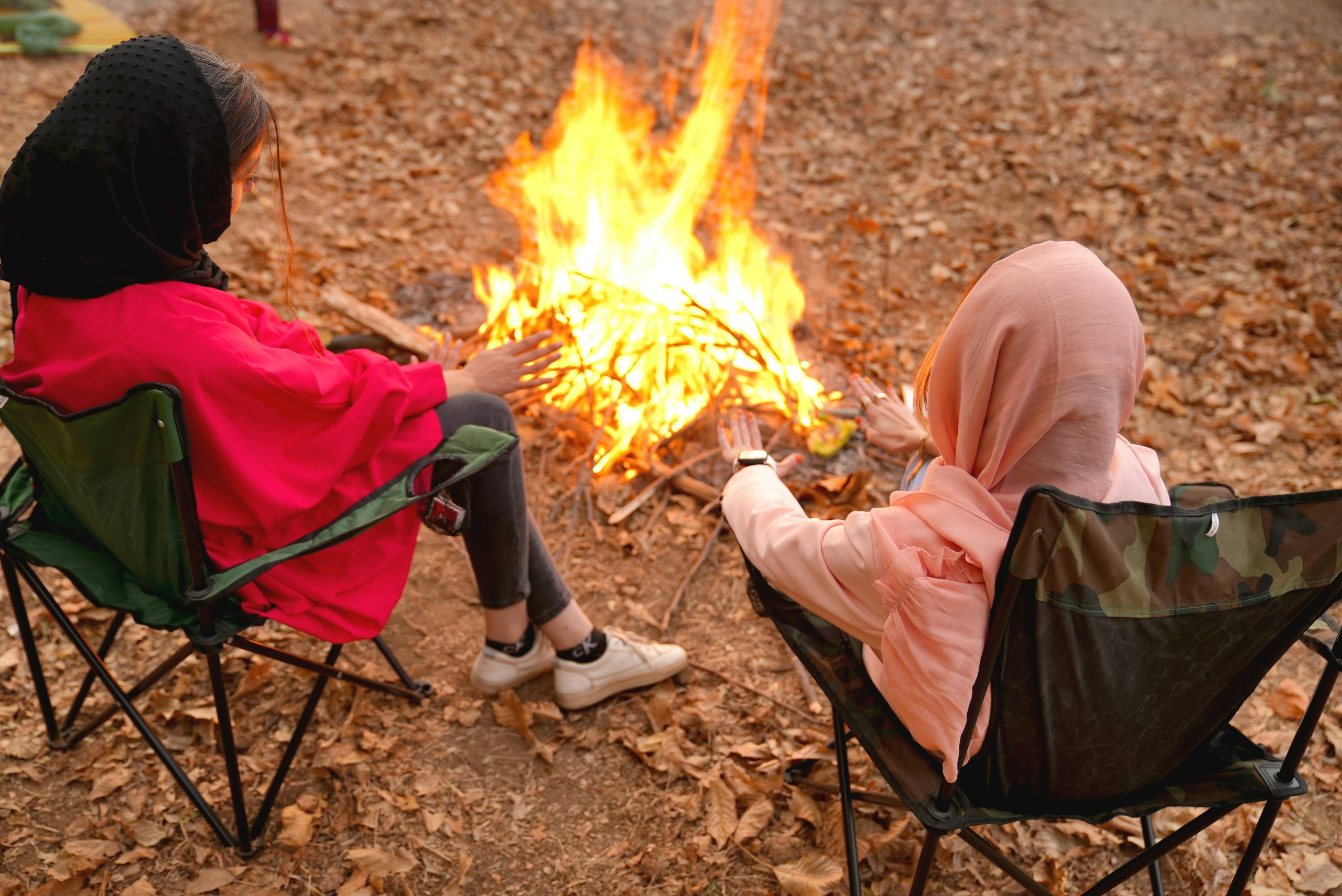
Fire was part of daily life in Appalachian homes, used for cooking, heating, and clearing land. Children learned early how to start, tend, and respect fire rather than fear it. They understood how different woods burned, how weather affected flames, and how to keep fires controlled. This knowledge came through observation and responsibility, not lectures. Kids were trusted to manage small tasks, gradually building competence. Fire safety was practical, not theoretical. Mistakes carried consequences, reinforcing respect. Learning fire skills, young people built patience and awareness. It also reduced accidents by replacing curiosity with understanding. Fire was treated as a useful tool, not a forbidden danger.
3. Identifying Edible Wild Plants

Appalachian kids often learned basic plant identification through everyday exposure. Elders pointed out berries, greens, and roots during walks or chores. Children learned which plants were safe, which were seasonal, and which to avoid. This knowledge was local and specific, tied to the region’s ecology. Kids learned not just what to eat, but where and when to find it. Mistakes were discouraged through clear rules and supervision. This skill built respect for the land and reduced reliance on stores. Understanding edible plants also taught observation and patience. It connected kids to seasonal rhythms and reinforced practical knowledge rooted in place.
4. Fishing With Simple Gear
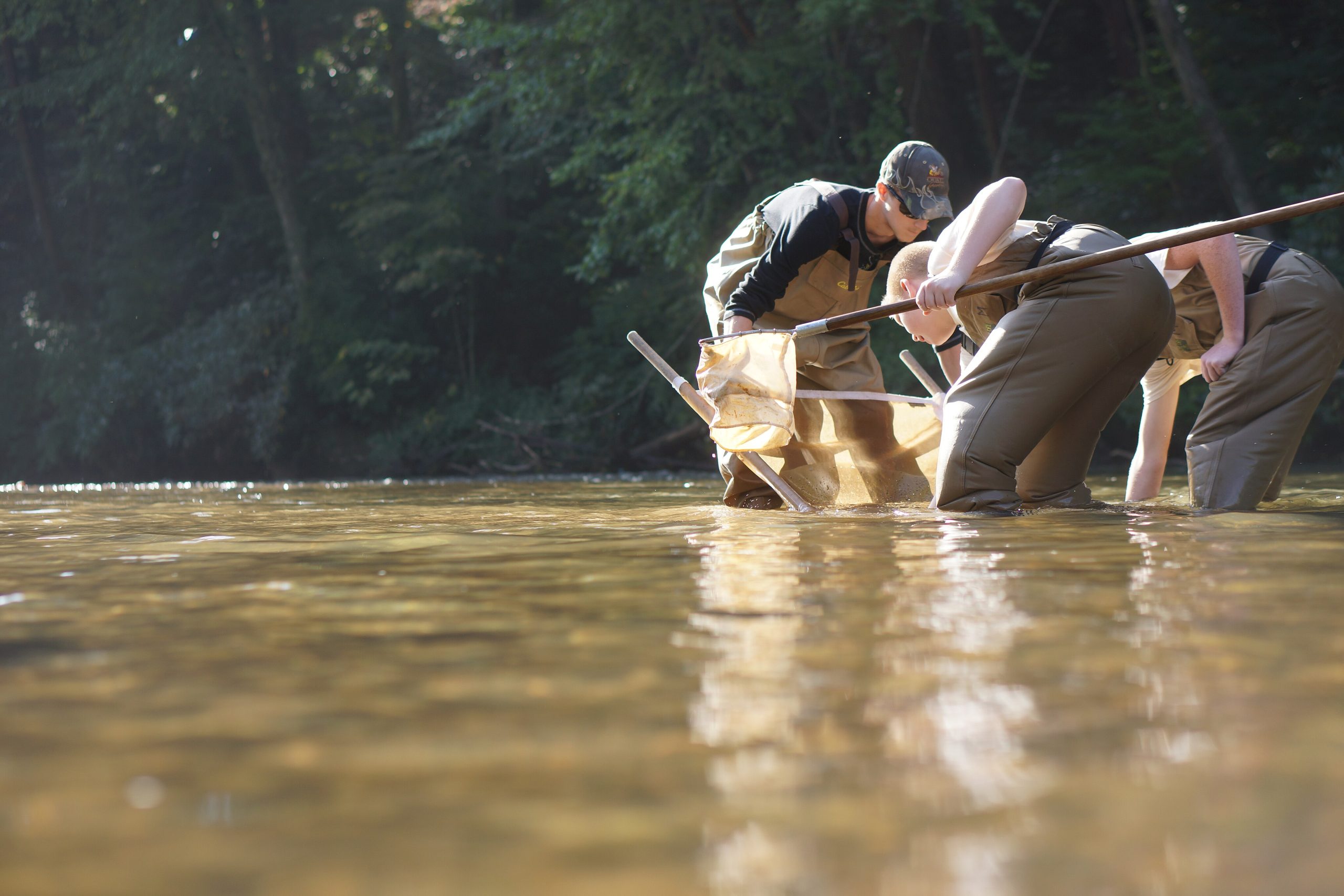
Fishing was often one of the first outdoor skills Appalachian kids learned. Creeks and rivers provided food and recreation. Children learned to read water, identify fish habitat, and choose simple bait. Gear was basic, often homemade or shared. Kids learned patience, quiet movement, and timing. Fishing taught responsibility, including handling fish humanely and following local customs. Success depended on understanding the environment rather than expensive equipment. This skill also fostered independence, as kids often fished alone or in small groups. Fishing was not a sport alone, but a practical way to contribute to family meals.
5. Using Knives Responsibly
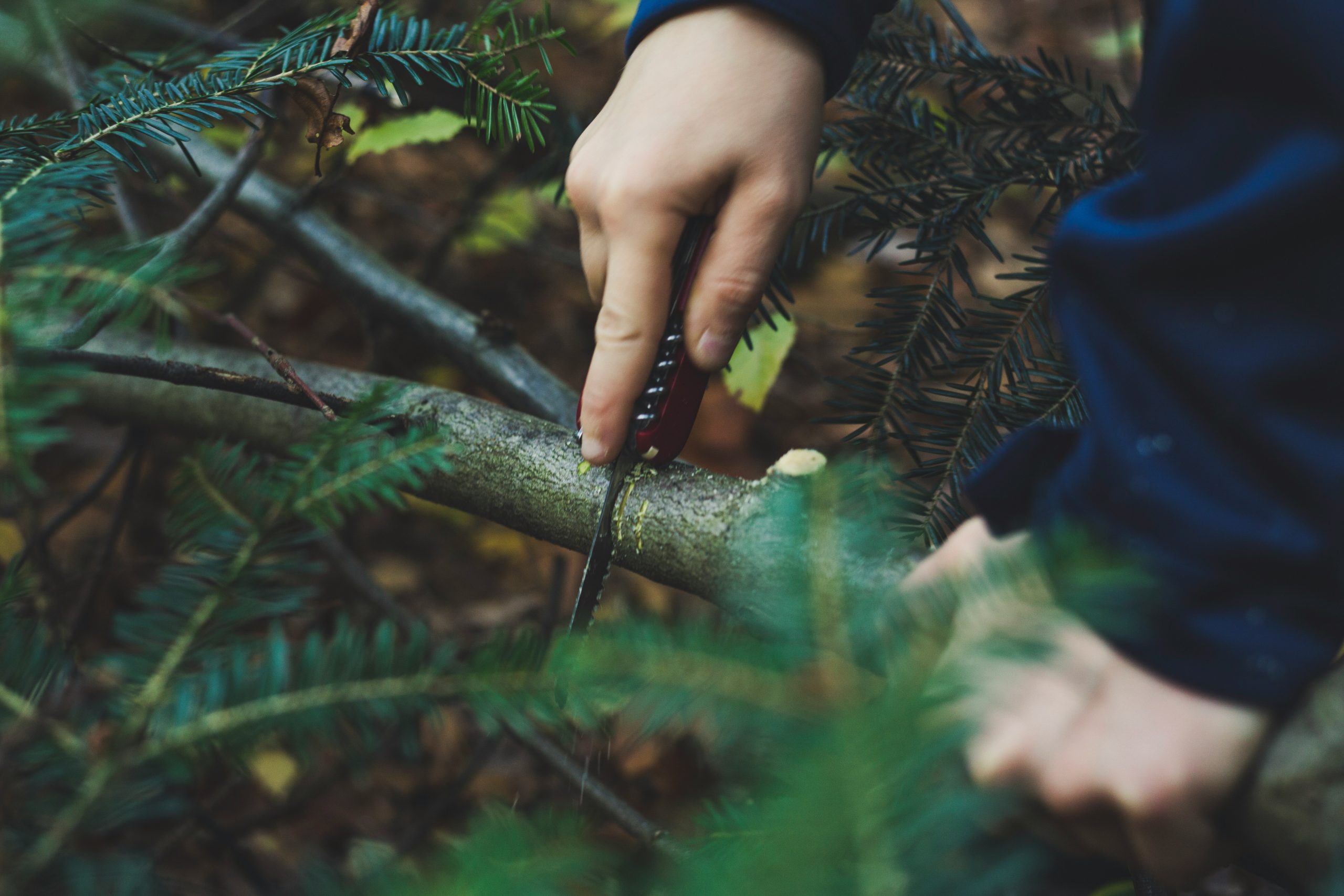
Knives were common tools in Appalachian households, not restricted items. Children learned knife safety early because knives were necessary for daily tasks. They learned how to cut away from the body, keep blades sharp, and store them properly. Mistakes were corrected immediately. This responsibility built trust and awareness. Kids learned that tools require respect, not fear. Knife skills supported other abilities like fishing, whittling, and food preparation. Early exposure reduced accidents by normalizing proper use. This skill also taught self-control and accountability, reinforcing the idea that responsibility grows with competence.
6. Reading Weather Through Observation
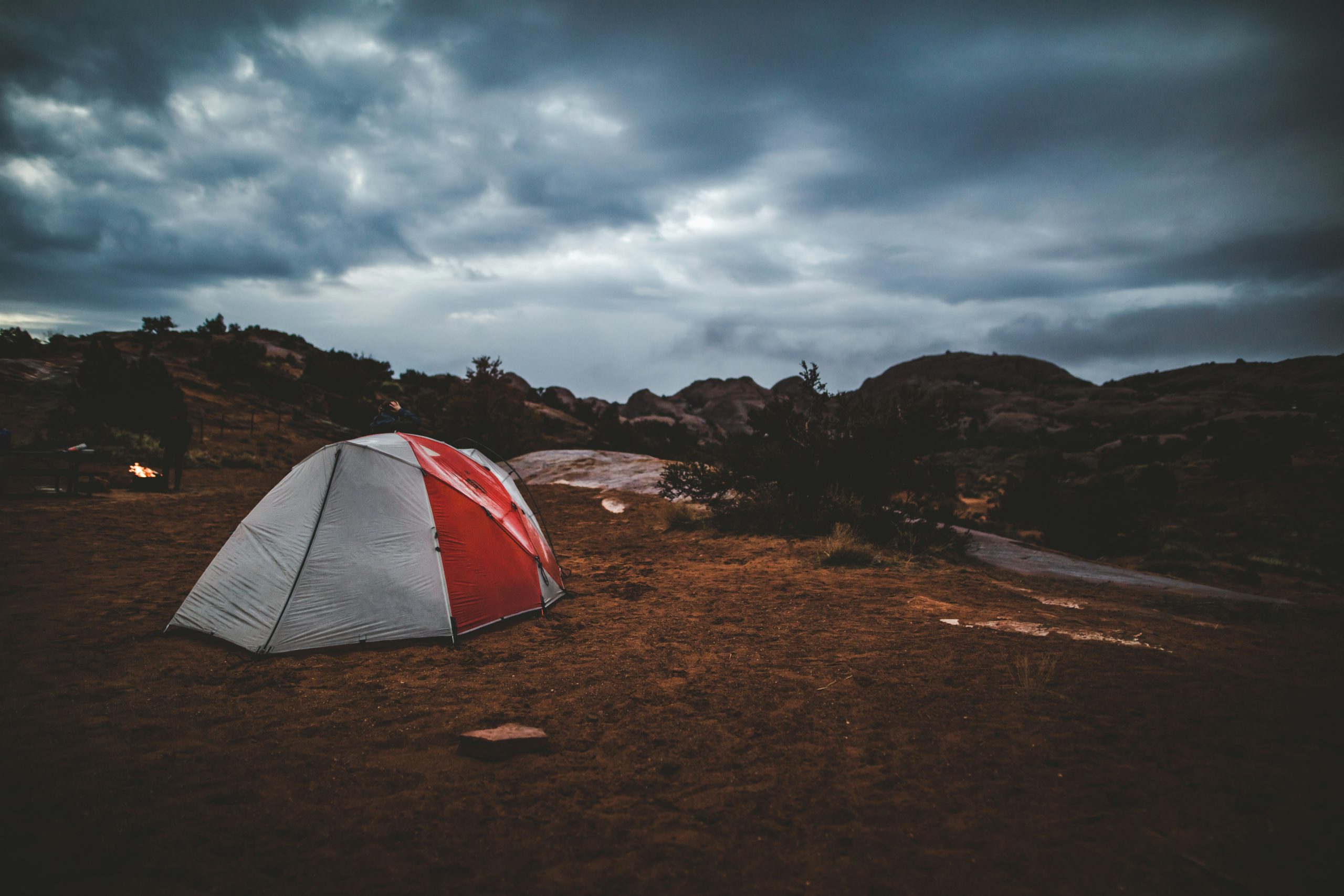
Before easy access to forecasts, Appalachian kids learned to notice weather signs naturally. They observed cloud movement, wind shifts, animal behavior, and humidity changes. These observations helped predict storms or temperature drops. Children learned when to head home or seek shelter. This skill was practical and immediate. Weather awareness influenced daily plans, chores, and travel. Kids learned to respect sudden changes common in mountainous terrain. Over time, they developed intuition grounded in repeated experience. This awareness reduced risk and built confidence in decision-making based on observation rather than external information.
7. Crossing Streams and Rough Terrain Safely
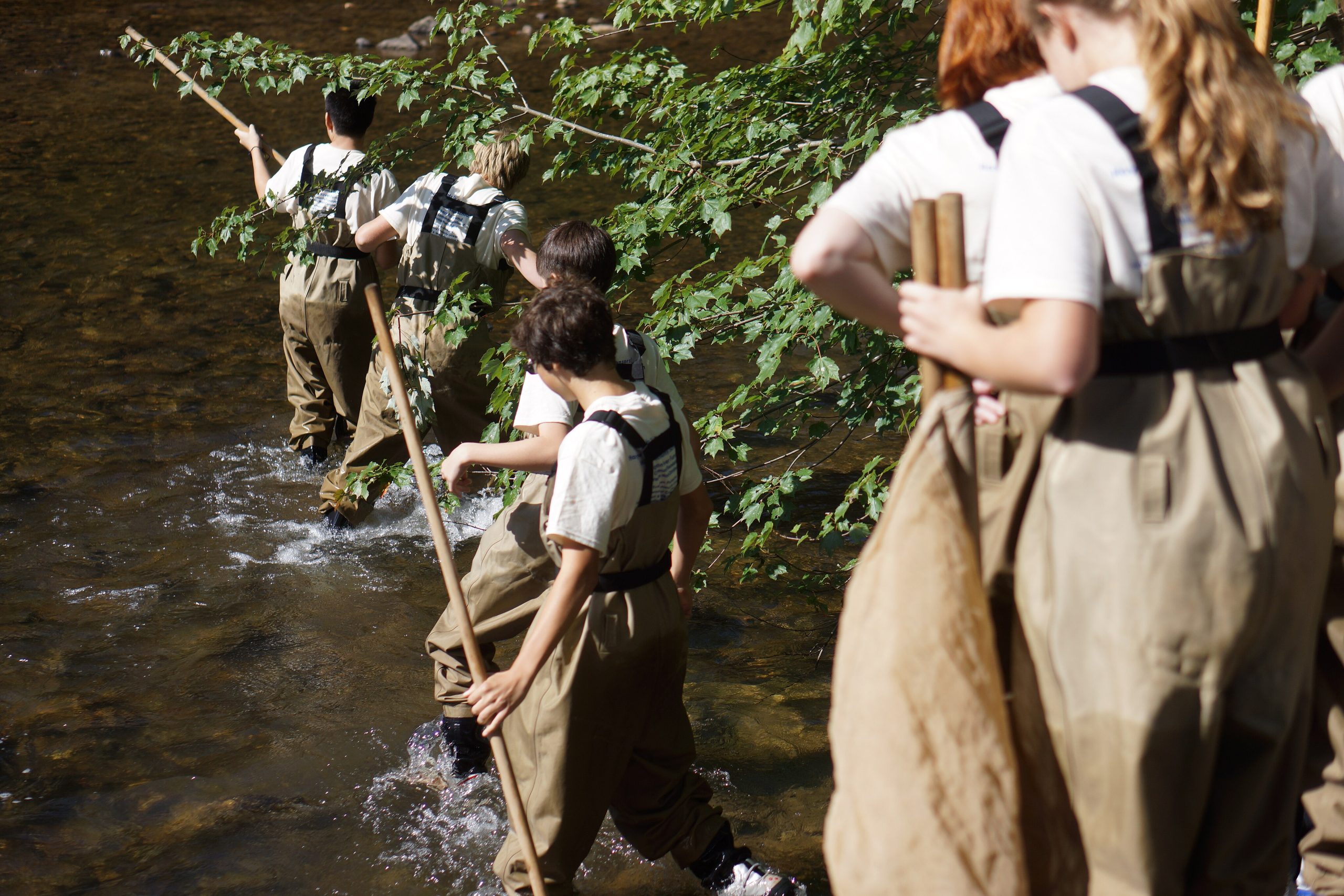
Appalachian landscapes required frequent stream crossings and travel over uneven ground. Kids learned early how to judge water depth, current strength, and footing. They learned to cross at safer points and avoid slick rocks. This skill reduced injury and built balance. Children learned to move deliberately rather than rush. Adults corrected poor technique early. Over time, kids gained confidence moving through challenging terrain. This ability supported independence and reduced reliance on assistance. Understanding how terrain affects movement also reinforced respect for natural hazards without instilling fear.
8. Caring for Basic Outdoor Injuries

Minor injuries were common, and Appalachian kids learned basic care early. Scrapes, cuts, and insect bites were treated with simple remedies. Children learned when to clean wounds, apply pressure, or seek help. This knowledge reduced panic and encouraged calm responses. Kids understood limits and when adult help was necessary. Basic first aid fostered resilience and responsibility. It also reduced the risk of infection. Learning injury care early helped kids remain functional and confident outdoors. This skill emphasized practicality over fear, reinforcing self-reliance within safe boundaries.
9. Helping With Hunting Tasks
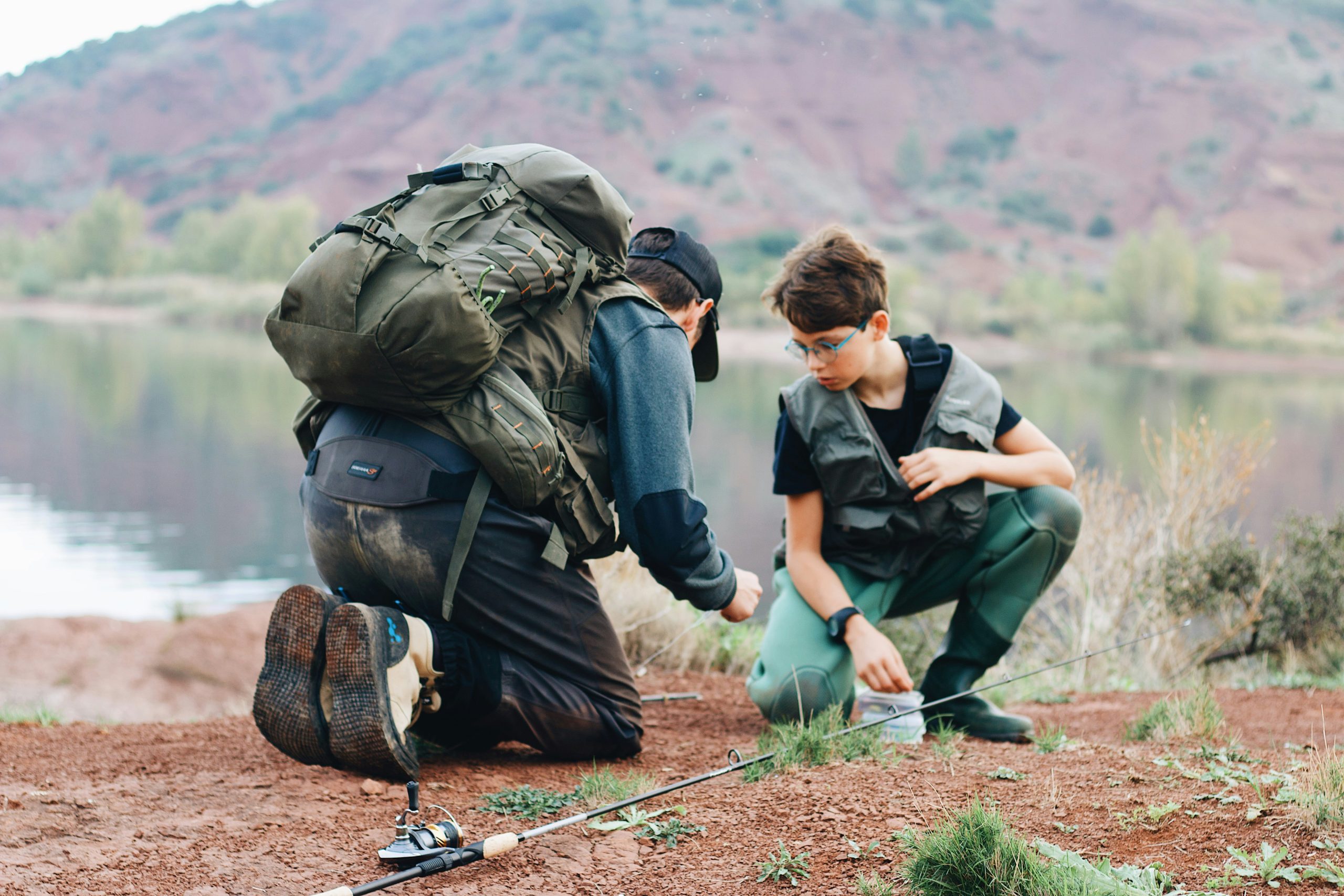
While not all kids hunted, many were exposed to hunting-related tasks. Children learned how to move quietly, observe wildlife, and respect animals. They might help carry gear, process meat, or track signs. These experiences taught patience and discipline. Hunting skills were framed around necessity and respect rather than sport alone. Kids learned ethical behavior through observation. Participation built understanding of food sources and responsibility. This exposure also reinforced safety and awareness around firearms and sharp tools, reducing reckless behavior through familiarity and supervision.
10. Building Simple Shelters and Structures
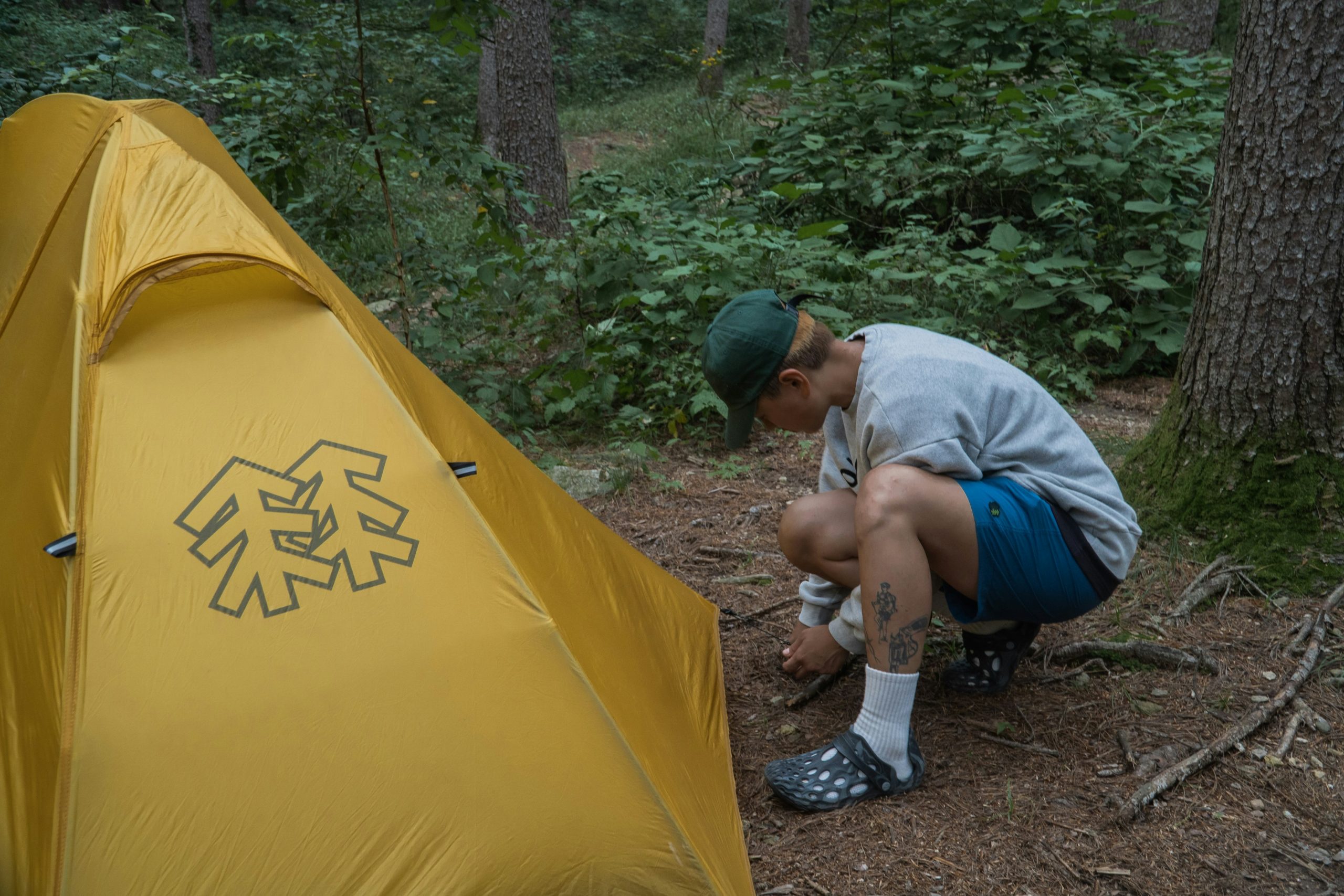
Appalachian kids often helped build simple structures like lean-tos, woodpiles, or fences. These activities taught problem-solving and material awareness. Children learned how to select branches, use tools, and create stability. Shelter building reinforced understanding of weather and terrain. Kids saw immediate results from their work, building confidence. This skill emphasized function over appearance. Learning how structures fail also taught caution. Shelter skills supported outdoor play and work, reinforcing adaptability and creativity using available materials.
11. Understanding Personal Limits Outdoors
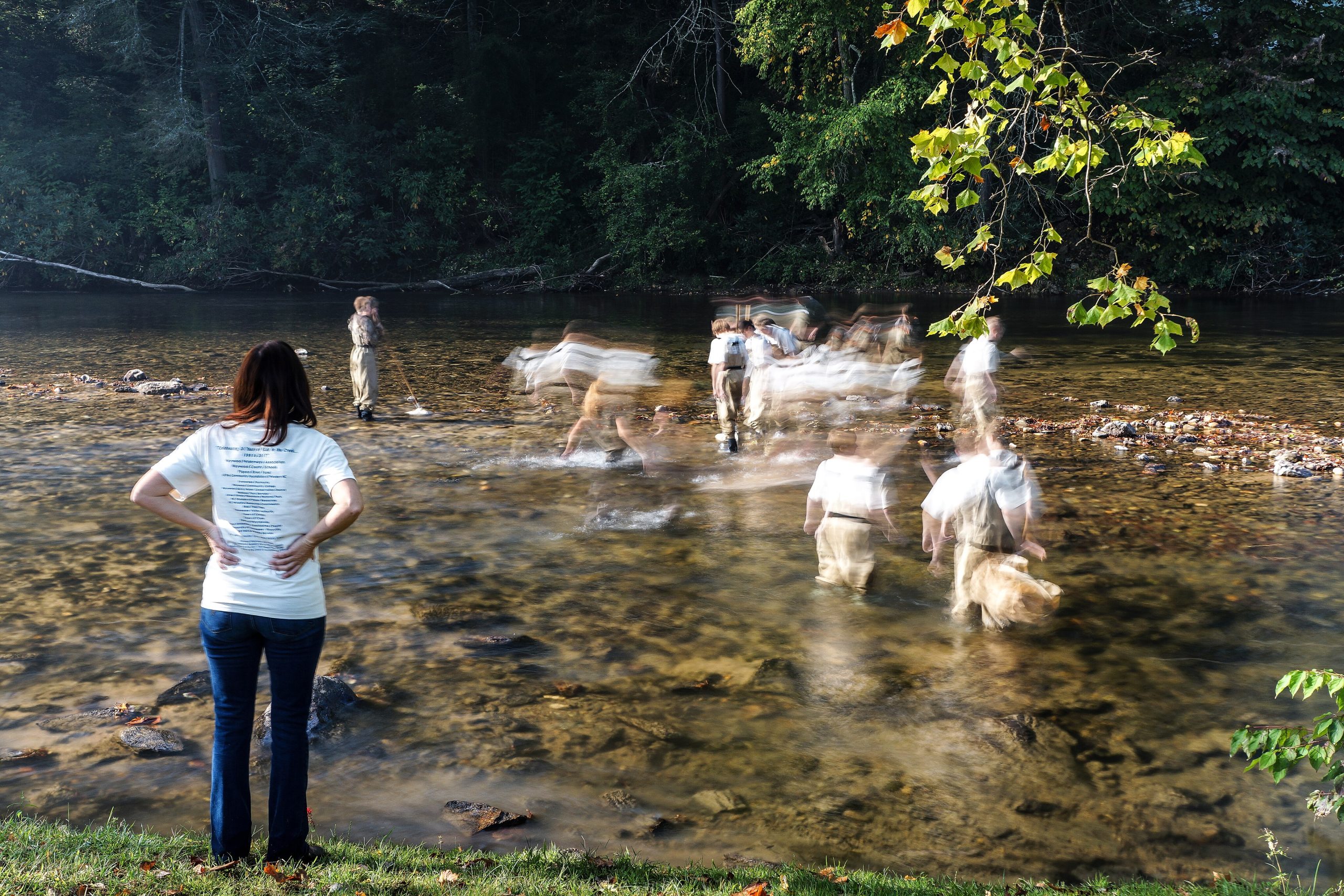
Perhaps the most important skill Appalachian kids learned was knowing their limits. Children were allowed freedom but expected to return safely. Through experience, they learned when to turn back, rest, or ask for help. This awareness reduced reckless behavior. Kids learned to listen to fatigue, weather, and instinct. Limits were learned through experience, not lectures. This skill balanced independence with responsibility. Understanding limits kept children safe while allowing growth. It remains one of the most valuable outdoor lessons learned young in Appalachian communities.