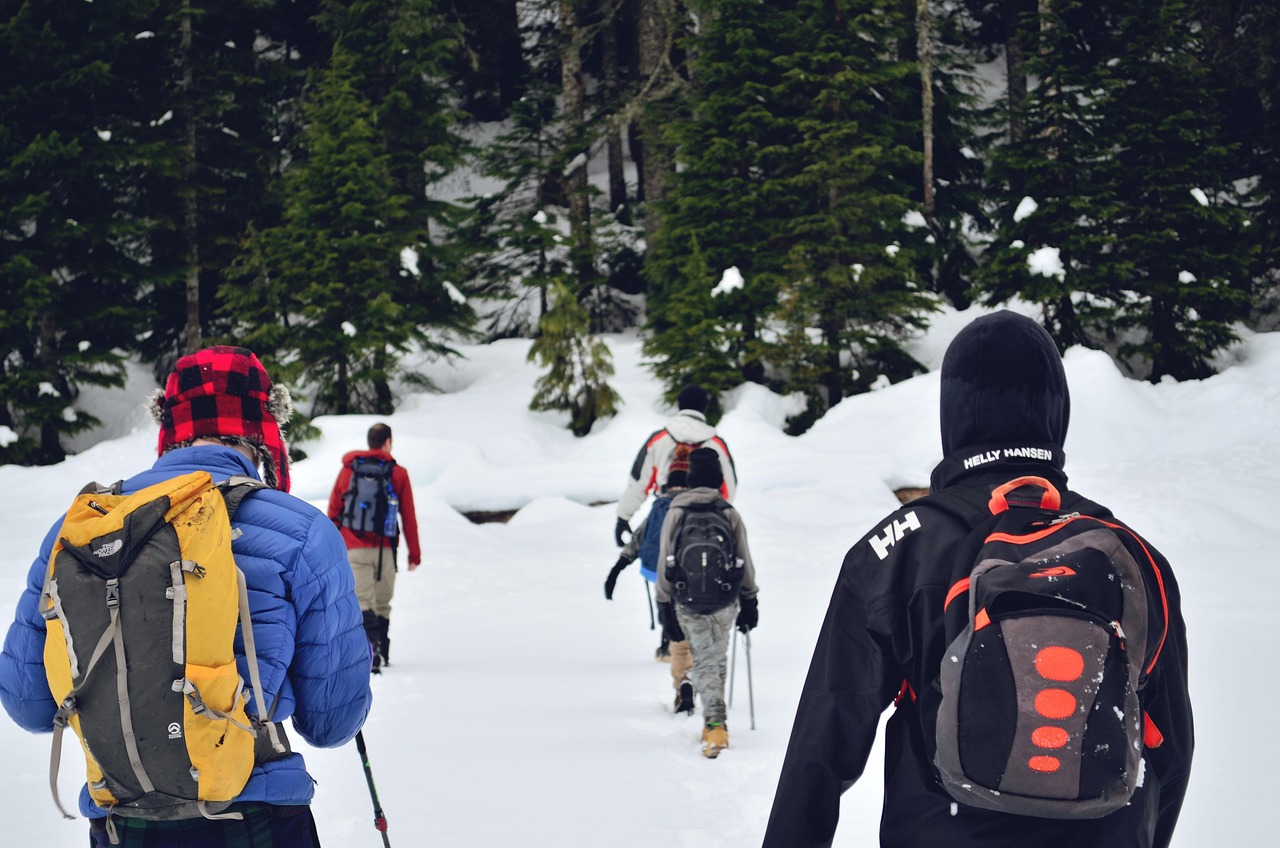
Many hikers over 50 replace certain gear more often because comfort, joint protection, and consistent reliability become higher priorities with age and long-term trail experience. Subtle changes in balance, strength, and foot sensitivity often highlight weaknesses in older equipment before visual wear appears. Replacing gear regularly helps maintain stability on uneven terrain and reduces strain across long distances. These upgrades also reflect decades of familiarity with shifting trail conditions, encouraging hikers to choose items that offer proven durability, safer mobility, and dependable performance during varied outdoor environments.
Hiking Boots
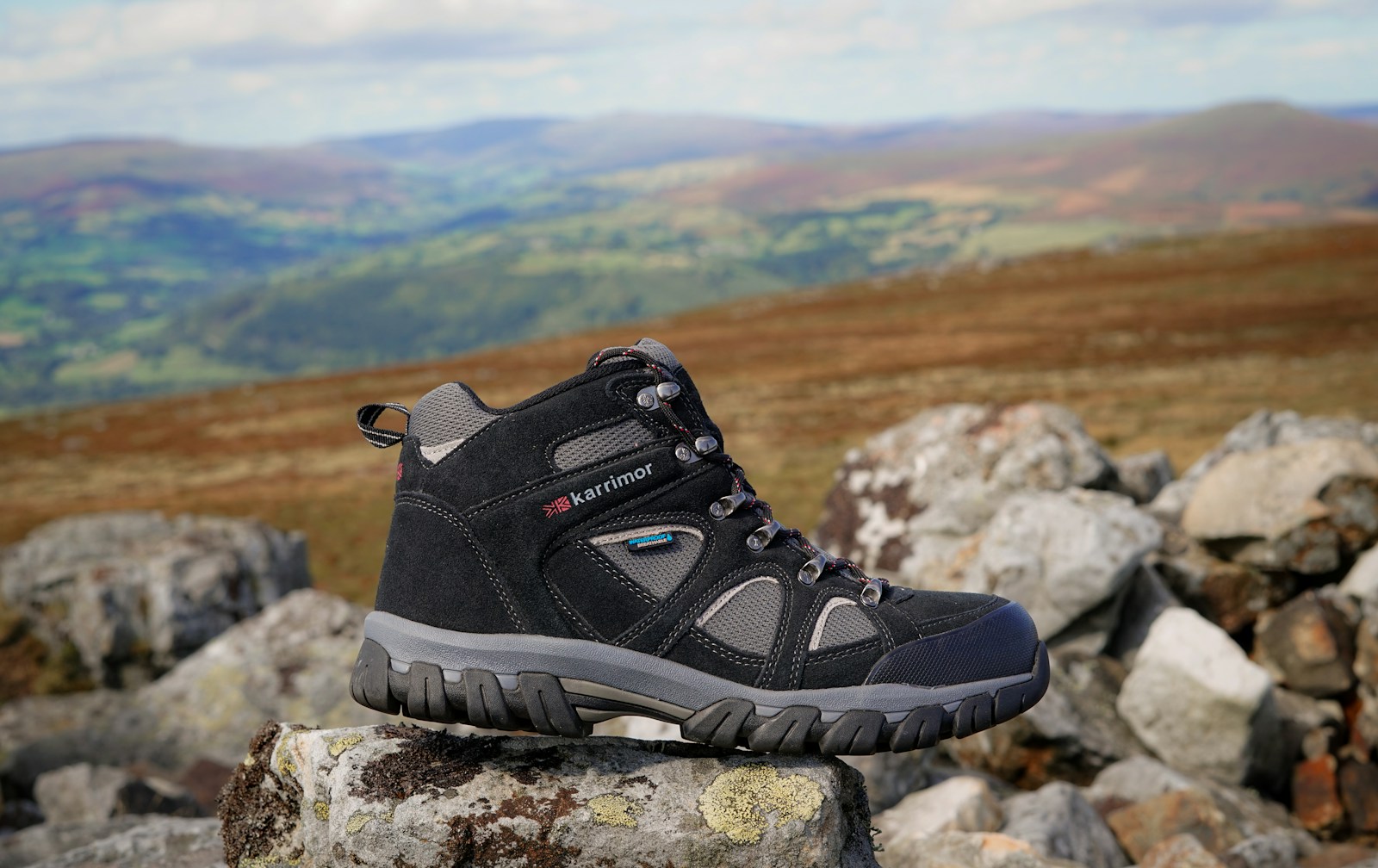
Hiking boots see more frequent replacement among older hikers as cushioning, tread integrity, and ankle support degrade faster under steady use. Increased foot sensitivity makes worn midsoles uncomfortable on rocky or steep terrain. New models often feature improved materials that reduce impact stress on knees and hips. Regularly updating footwear ensures better grip, joint alignment, and moisture control during long outings. The combination of repetitive mileage and aging joints makes boot condition especially important for maintaining comfort and stability on diverse trail surfaces.
Trekking Poles
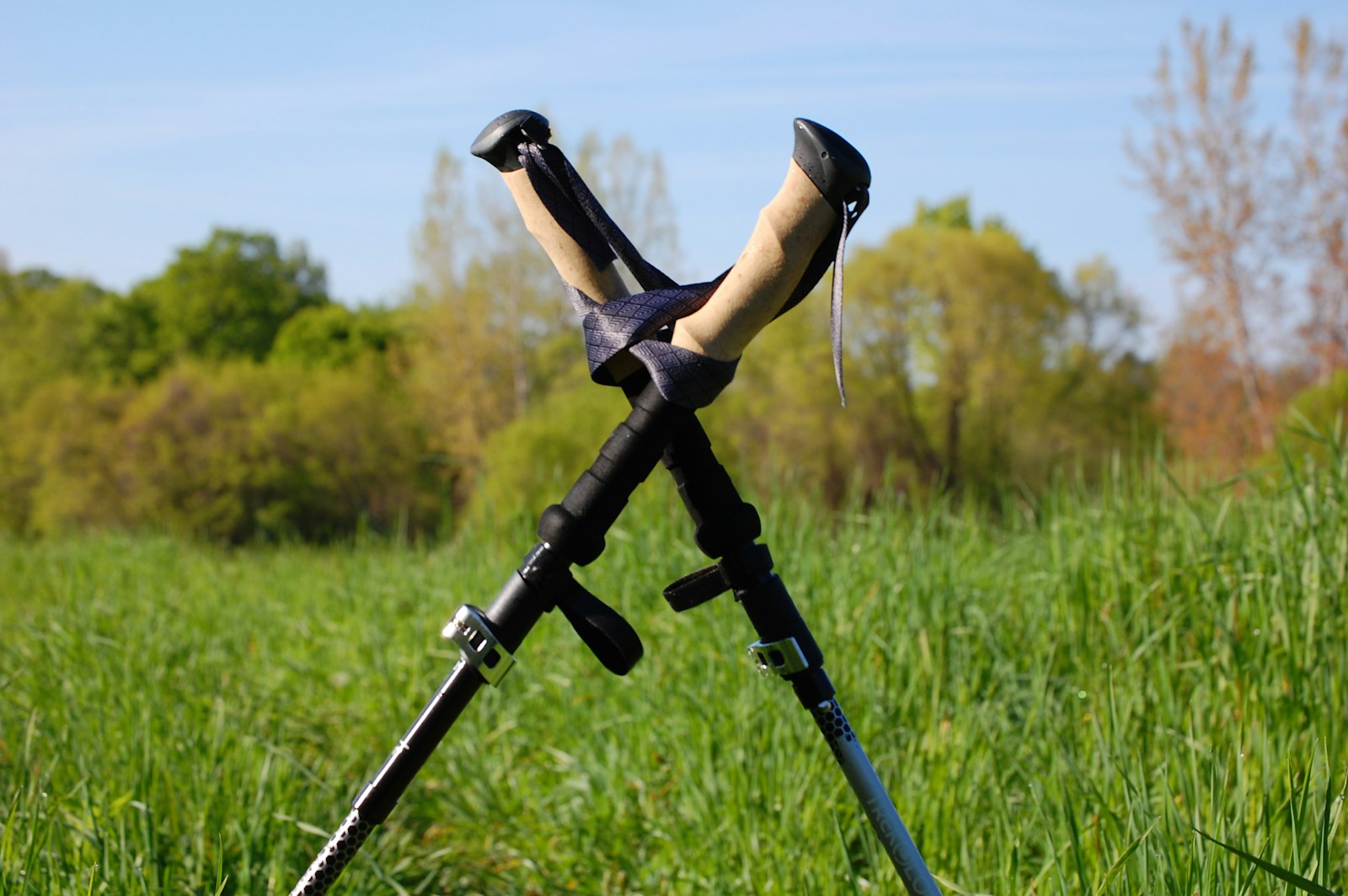
Trekking poles experience heavy strain as older hikers depend on them for balance, elevation support, and pressure relief on descents. Pole components such as locking mechanisms, wrist straps, and shock absorbers wear down more quickly with regular use. Upgrading poles provides better ergonomics, reduced vibration, and stronger materials suited for rugged conditions. Frequent replacements help prevent mechanical failures that could compromise safety during demanding routes. Newer designs also distribute weight more efficiently, easing arm fatigue and improving overall stability on uneven paths.
Backpacks
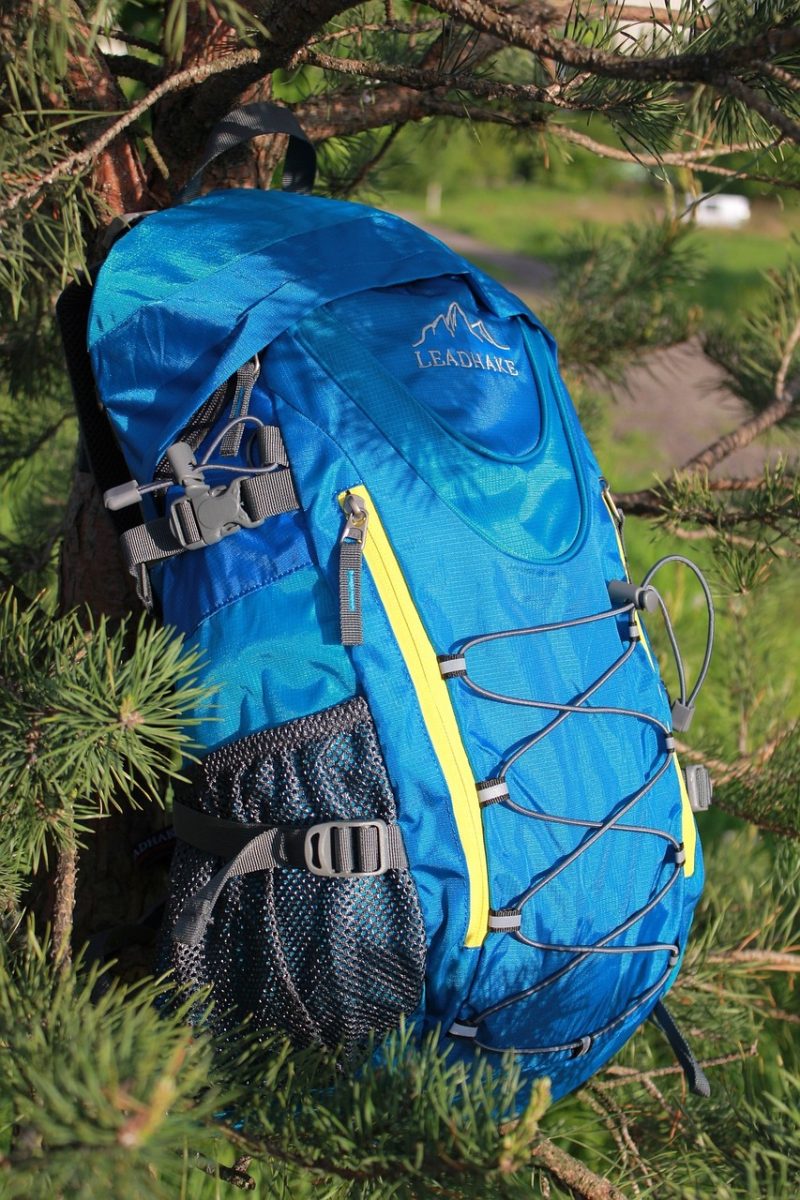
Backpacks are replaced more often by hikers over 50 due to shifting needs related to weight distribution, lumbar support, and shoulder comfort. Older packs may cause pressure points or strain as padding compresses and frame structure deteriorates. Newer models often incorporate lighter materials, contoured harnesses, and improved ventilation systems. Regular upgrades ensure better posture and reduce fatigue during extended climbs. As hiking habits evolve, choosing updated backpacks helps maintain comfort and protect back health across a variety of terrain types and trip lengths.
Insoles
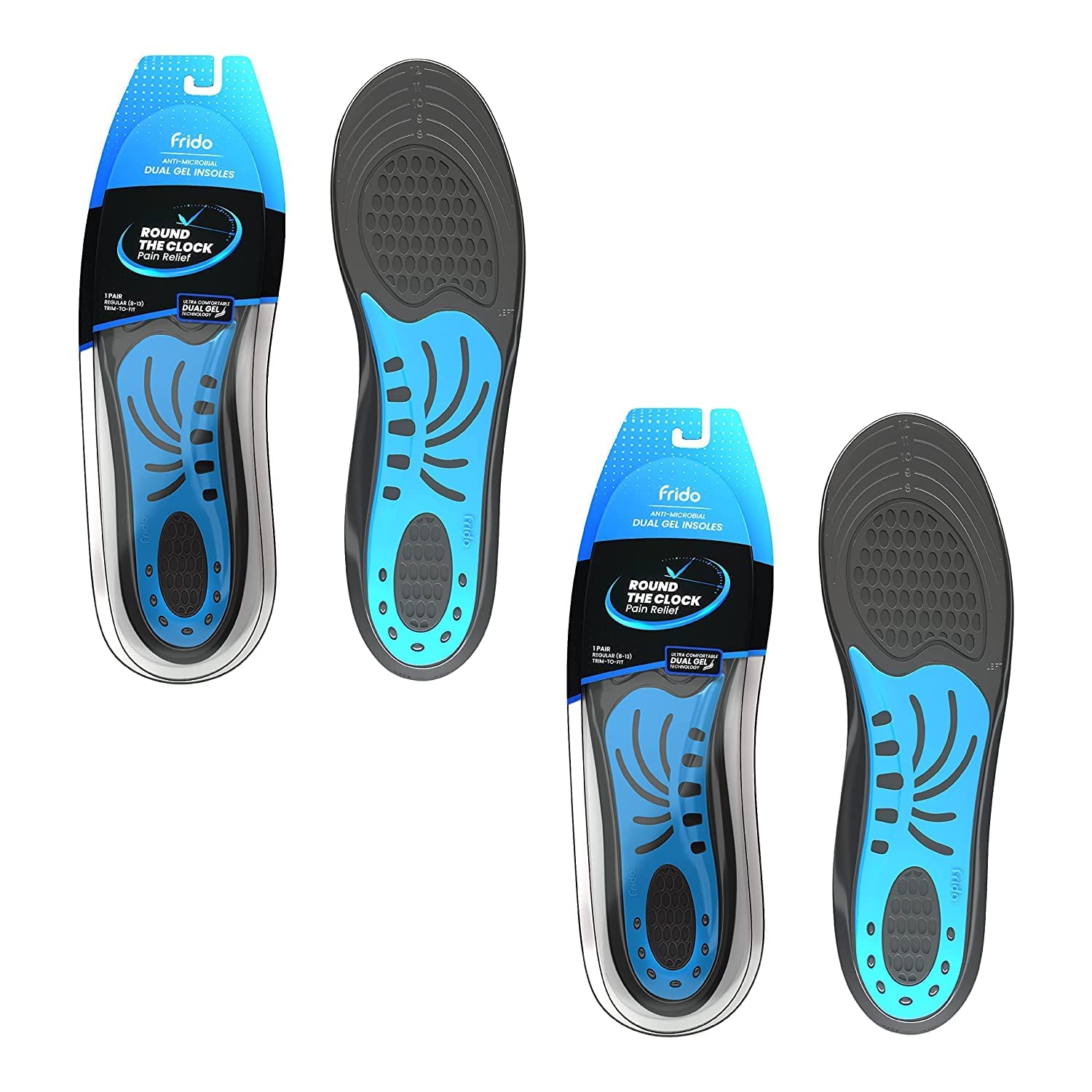
Insoles wear down quickly for older hikers who depend on enhanced arch and heel support to reduce joint pressure. Flattened cushioning or deteriorated foam contributes to discomfort on long hikes and increases the likelihood of overuse injuries. Replacing insoles frequently helps maintain proper alignment and reduces impact stress across uneven surfaces. Specialized insoles tailored to changing foot structure provide improved stability. Regular updates also prevent hotspots and blisters, supporting more comfortable mileage during multi-hour or multi-day excursions.
Rain Jackets
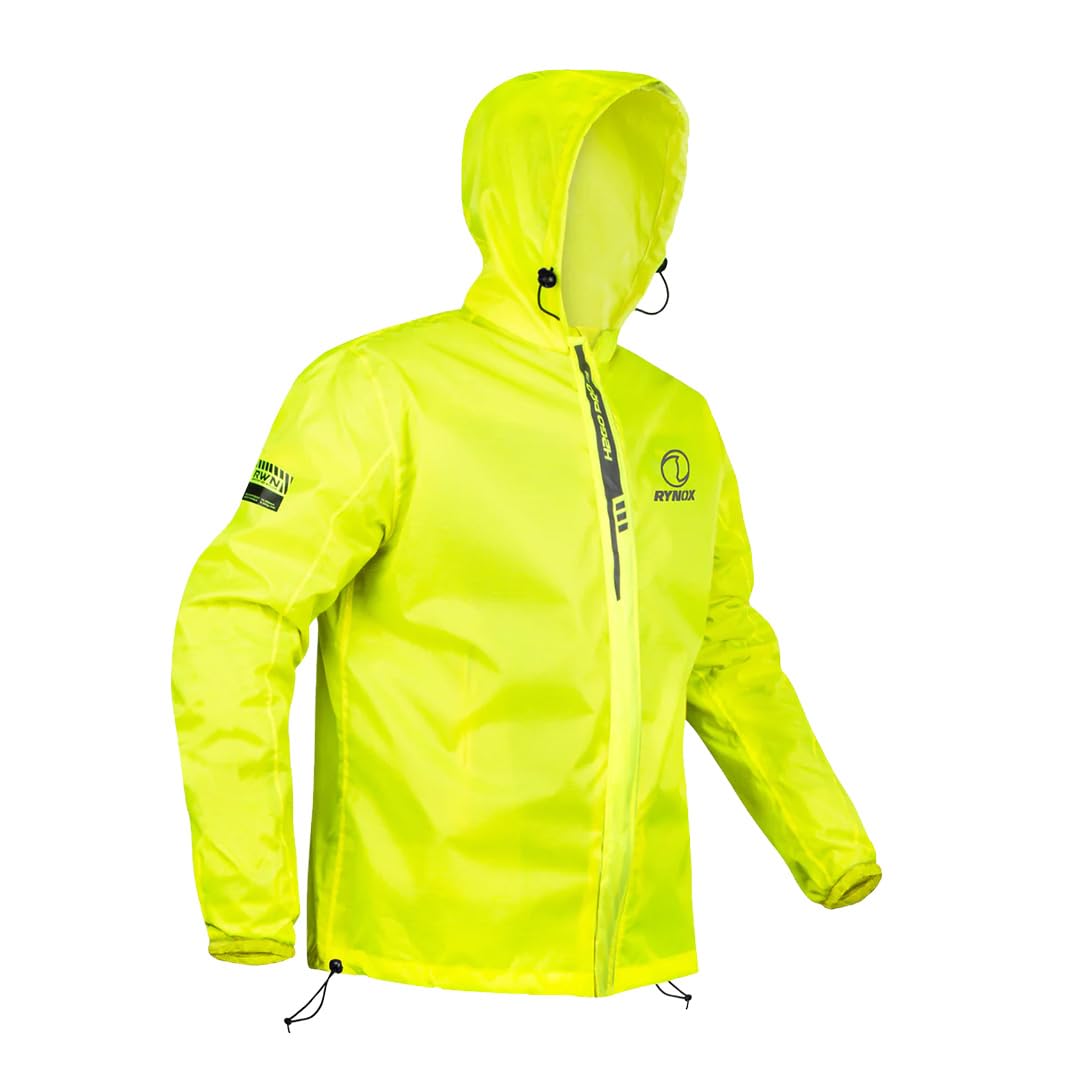
Rain jackets often require replacement when waterproof coatings lose effectiveness from repeated exposure to moisture, sunlight, and abrasion. Older hikers tend to rely heavily on rain gear for warmth and wind protection, accelerating wear. Modern jackets offer lighter fabrics and advanced membranes that balance breathability with water resistance. Upgrading regularly prevents heat buildup and dampness during steady movement. Newer designs also reduce shoulder strain and provide improved flexibility, which benefits hikers navigating narrow trails and unpredictable weather conditions.
Headlamps
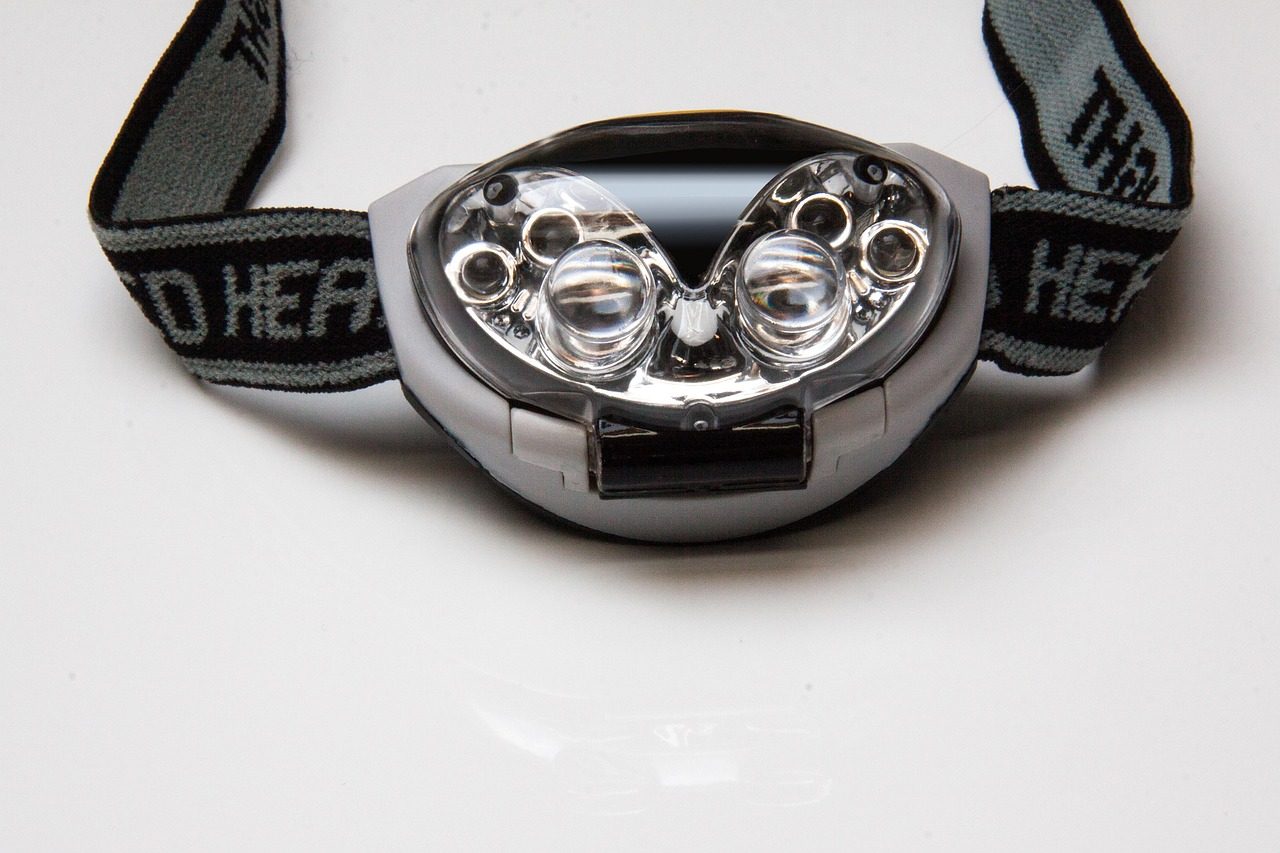
Headlamps lose brightness, battery efficiency, and switch reliability over time, prompting more frequent replacement among older hikers who place high importance on clear visibility in low-light conditions. Modern headlamps offer stronger beams, adjustable color modes, and improved runtime suited for early starts or late finishes. Regular updates prevent unexpected outages during forested or rocky sections. Lightweight designs reduce neck fatigue and enhance comfort during long nighttime stretches. Keeping headlamps current ensures safer navigation across varied environments and shifting trail conditions.
Socks
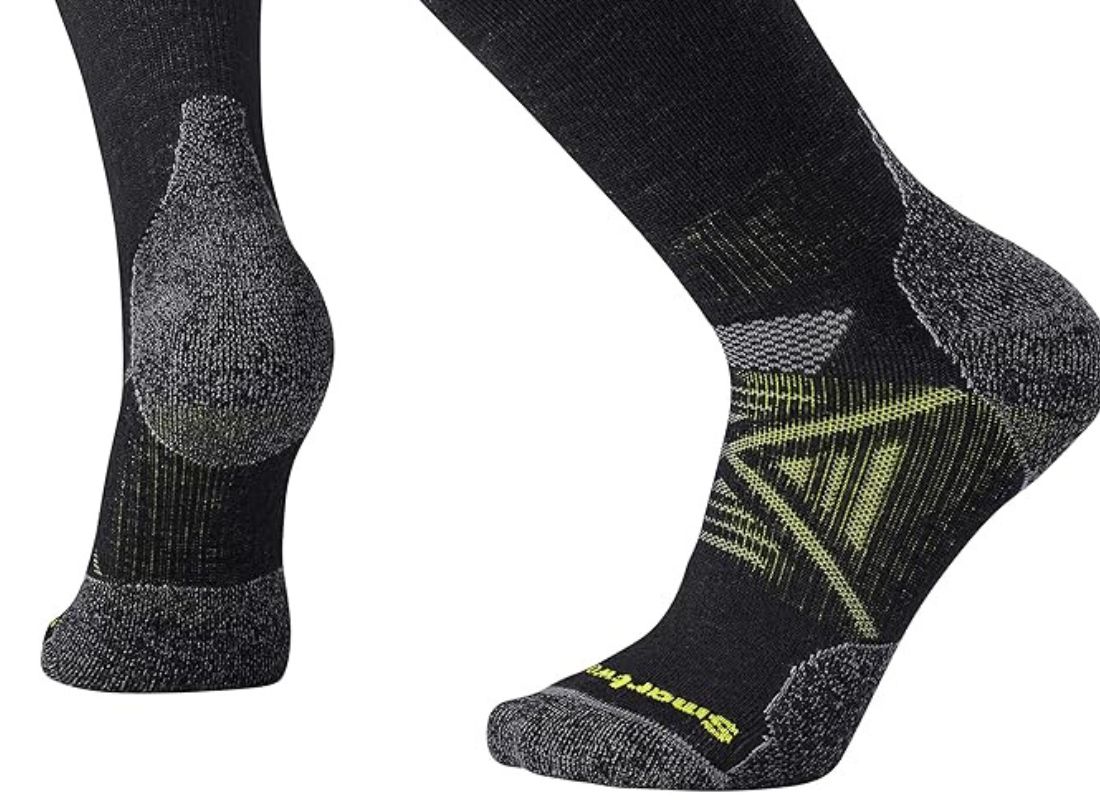
Socks deteriorate faster among older hikers who rely on extra cushioning to reduce foot fatigue and protect against pressure points. Worn fabric leads to increased friction, contributing to blisters and discomfort during long climbs. Modern hiking socks feature moisture-wicking fibers and targeted padding, but still require regular replacement to remain effective. Fresh socks maintain temperature regulation and reduce odor buildup. Consistent upgrades support better circulation and help keep feet comfortable as trail durations and weather patterns fluctuate.
Hydration Bladders
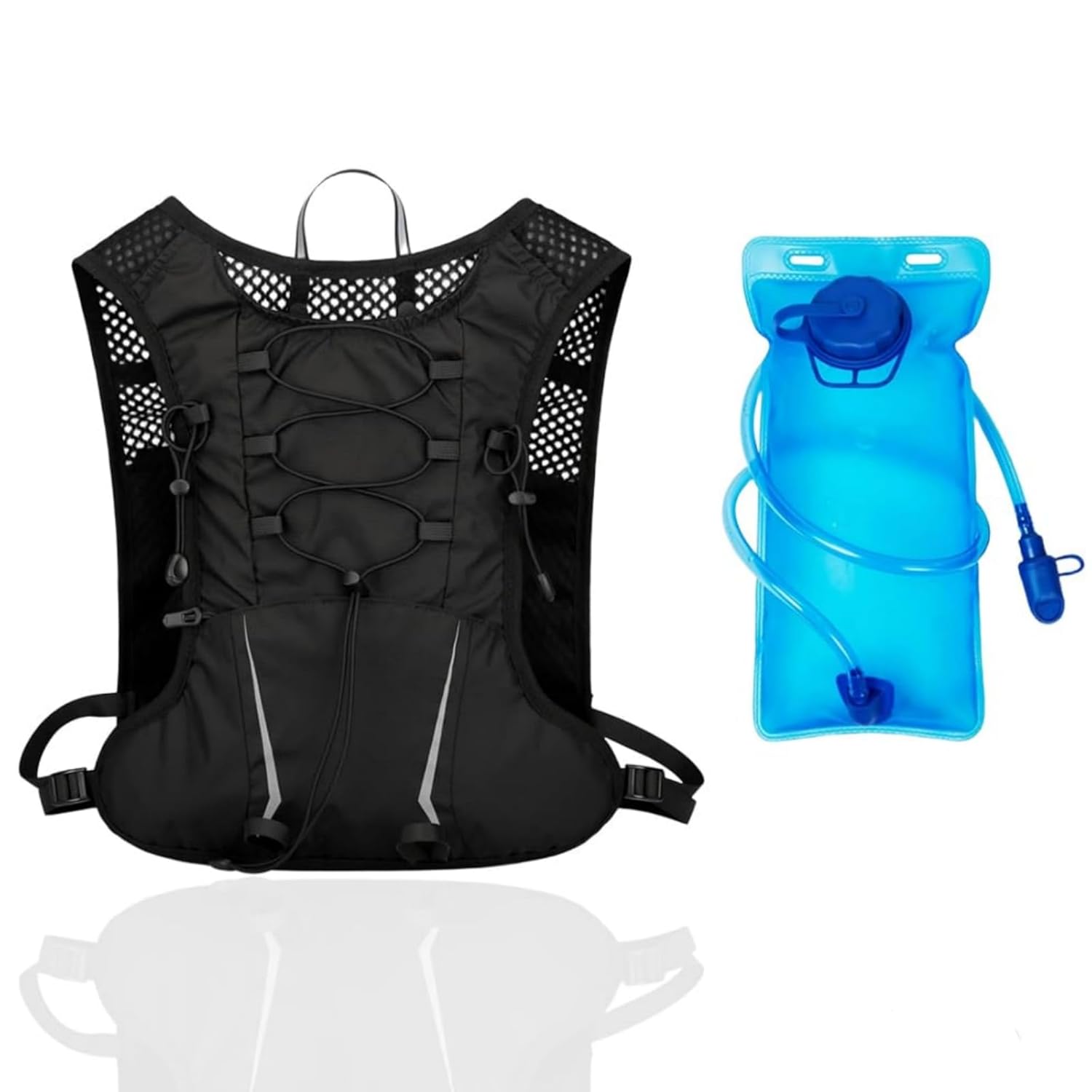
Hydration bladders require more frequent replacement because hoses, bite valves, and reservoirs degrade with use, affecting taste and flow. Older hikers often choose to replace bladders sooner to ensure clean, reliable hydration. Newer systems incorporate antimicrobial coatings and easier-to-clean designs that reduce contamination risks. Regular updates maintain smoother water access during steep ascents. Replacing worn hydration gear supports endurance and helps prevent dehydration, especially during warm seasons or high-altitude treks where fluid needs increase noticeably.
Gloves
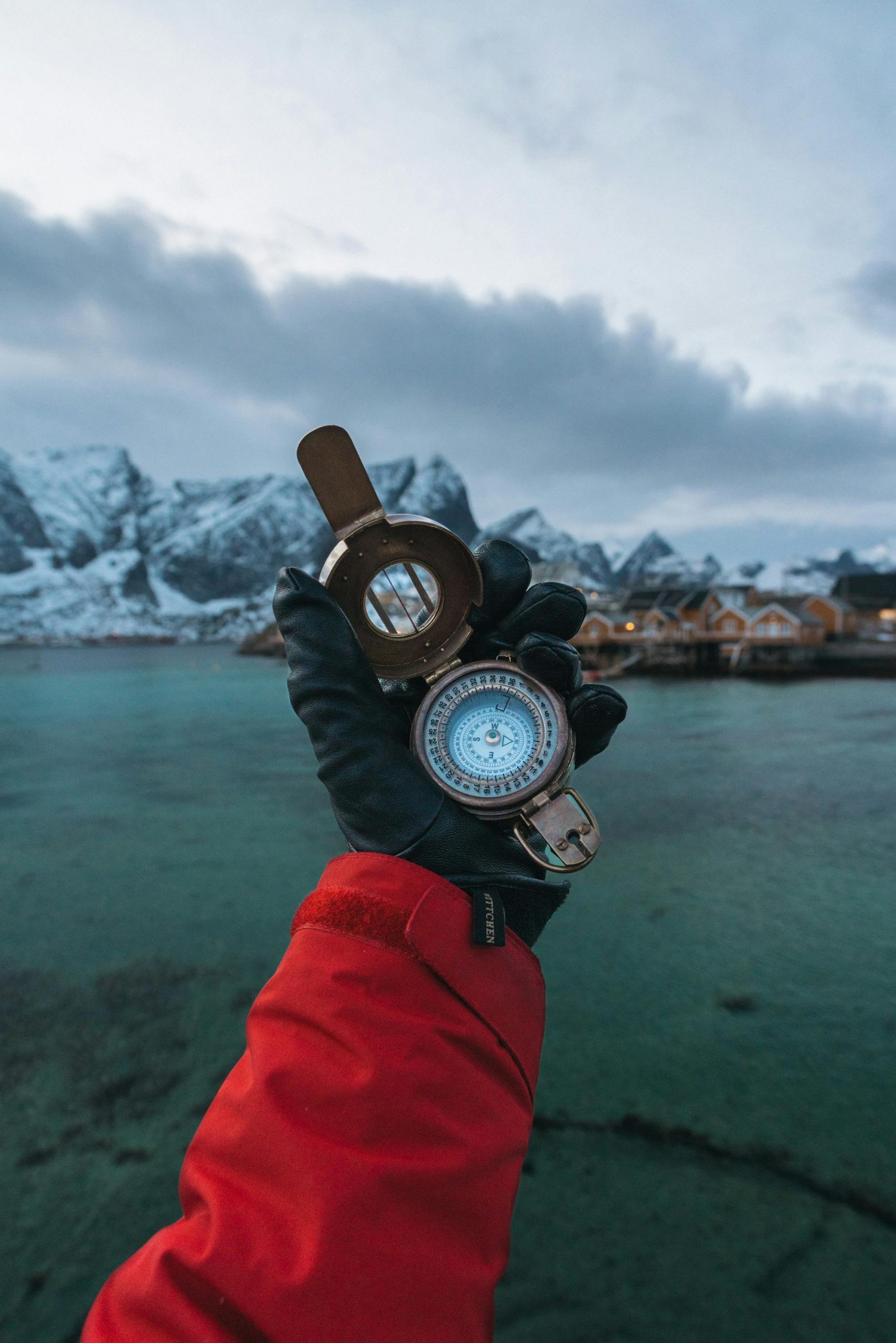
Gloves experience significant wear from gripping trekking poles, scrambling over rocks, and shielding hands from cold wind. Older hikers often replace gloves more frequently when insulation thins or palms lose traction. Updated glove designs offer better dexterity, moisture control, and reinforcements that extend durability in demanding environments. Regular replacements help maintain warmth during early morning starts and protect skin during technical sections. Reliable gloves reduce discomfort and improve grip across changing weather conditions and trail surfaces.
Sunglasses
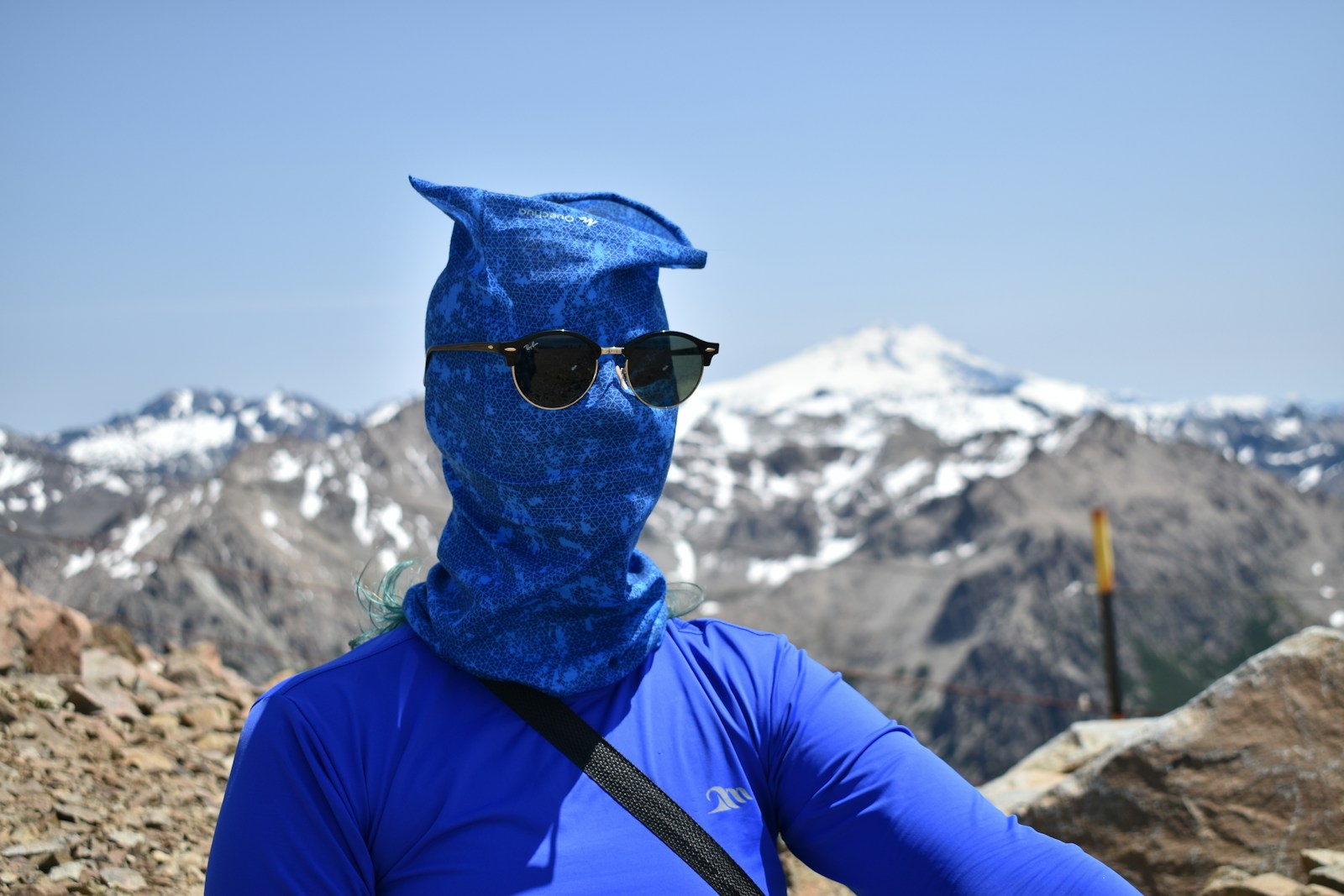
Sunglasses often get replaced more often by older hikers due to increased light sensitivity and the need for clearer contrast in bright or reflective environments. Scratched lenses hinder visibility and reduce UV protection. Modern sunglasses feature enhanced coatings, lighter frames, and improved optical clarity for long hours outdoors. Replacing sunglasses regularly ensures better eye comfort during high-altitude hikes where sunlight intensity increases. Updated lenses provide sharper detail and reduce eye strain during extended exposure to open terrain.
First Aid Kits
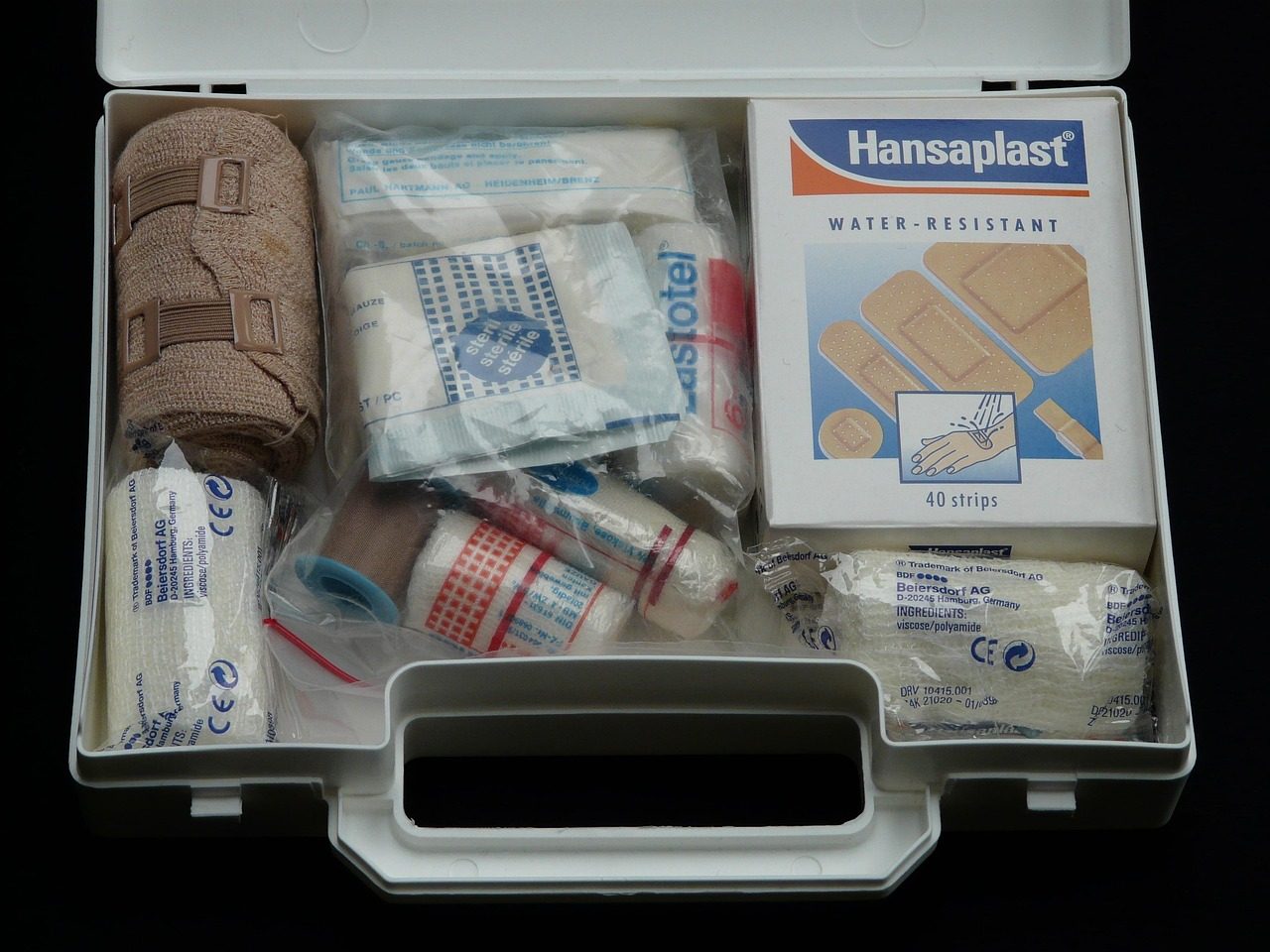
First aid kits are updated more frequently among older hikers who monitor medical needs closely and prioritize preparedness for unexpected injuries. Supplies such as bandages, antiseptics, and blister treatments expire or degrade, requiring regular replacement. Modern kits offer compact layouts and improved tools for managing minor issues on remote trails. Frequent updates ensure materials remain effective and tailored to current health requirements. Keeping first aid gear current enhances safety during challenging routes where immediate assistance may not be available.