Firearm modifications often promise better performance, control, or reliability, yet many introduce unintended complications. Changes meant to improve accuracy or handling can affect safety, legality, and function. Added parts may increase weight, reduce reliability, or complicate maintenance. Some modifications alter balance or ergonomics in ways users do not anticipate. Others create legal issues that owners overlook. Without clear purpose and testing, modifications can undermine the firearm’s original design. Responsible ownership requires understanding tradeoffs, not chasing trends. These eleven firearm modifications commonly create new problems, turning perceived upgrades into sources of malfunction, risk, or reduced effectiveness during real world use.
Ultra Light Triggers
Ultra light triggers appeal to shooters seeking precision, but they create serious risks. Reduced pull weight increases accidental discharge potential. Stress, gloves, or uneven grip amplify the danger. Many defensive and duty contexts require deliberate trigger control. Light triggers reduce margin for error. They also raise legal concerns after incidents. Reliability can suffer if springs weaken. Training requirements increase significantly. In high pressure situations, fine motor skills degrade. Ultra light triggers favor controlled environments, not unpredictable scenarios. The modification prioritizes performance over safety, often creating liability and handling issues that outweigh any accuracy gains for most firearm owners.
Extended Magazine Releases
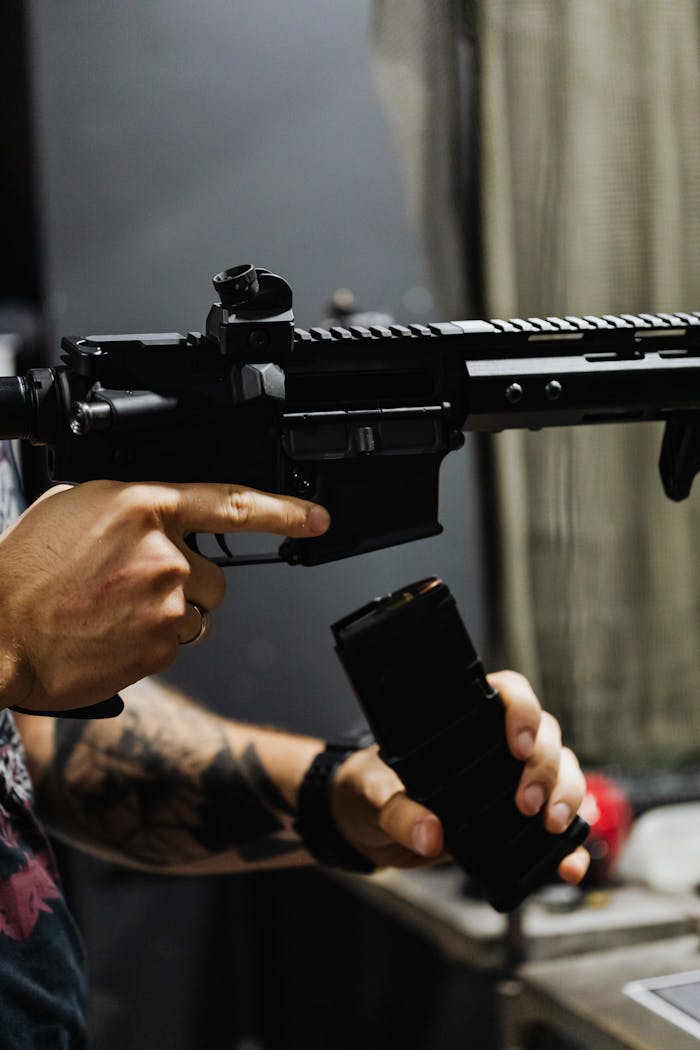
Extended magazine releases promise faster reloads but often cause unintended drops. Accidental contact during movement ejects magazines unexpectedly. Holster interference becomes common. Stress and unconventional shooting positions increase activation risk. Some shooters lose magazines without noticing. Reload speed matters only if magazines remain seated. Extended releases also snag clothing. Training must adjust significantly. For defensive use, reliability outweighs speed. This modification favors competition settings. In real world scenarios, losing a magazine creates immediate problems. Extended magazine releases can reduce confidence and consistency, introducing failures that did not exist with standard controls.
Oversized Muzzle Brakes
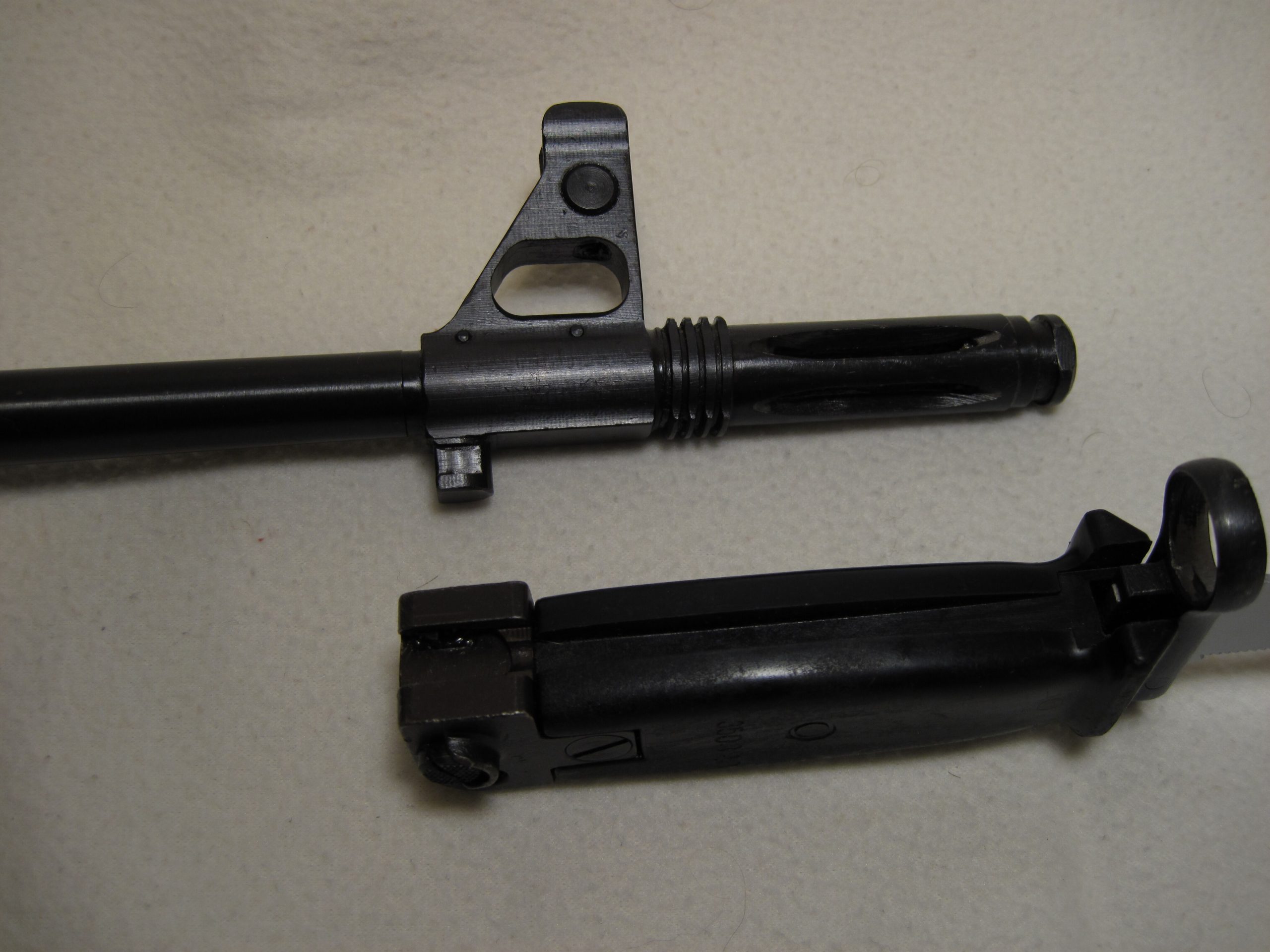
Oversized muzzle brakes reduce recoil but introduce major drawbacks. Blast concussion increases dramatically. Noise levels rise, affecting hearing and communication. Side blast endangers nearby people. Low light shooting produces intense flash. Debris kicks up from prone positions. Short barrels worsen effects. Muzzle brakes add length and weight. In confined spaces, pressure becomes disorienting. Many users underestimate these impacts. Recoil reduction alone does not equal improvement. Oversized brakes create environmental and situational problems, especially for defensive or team use, where awareness, communication, and control matter more than marginal recoil reduction.
Aftermarket Grip Tape
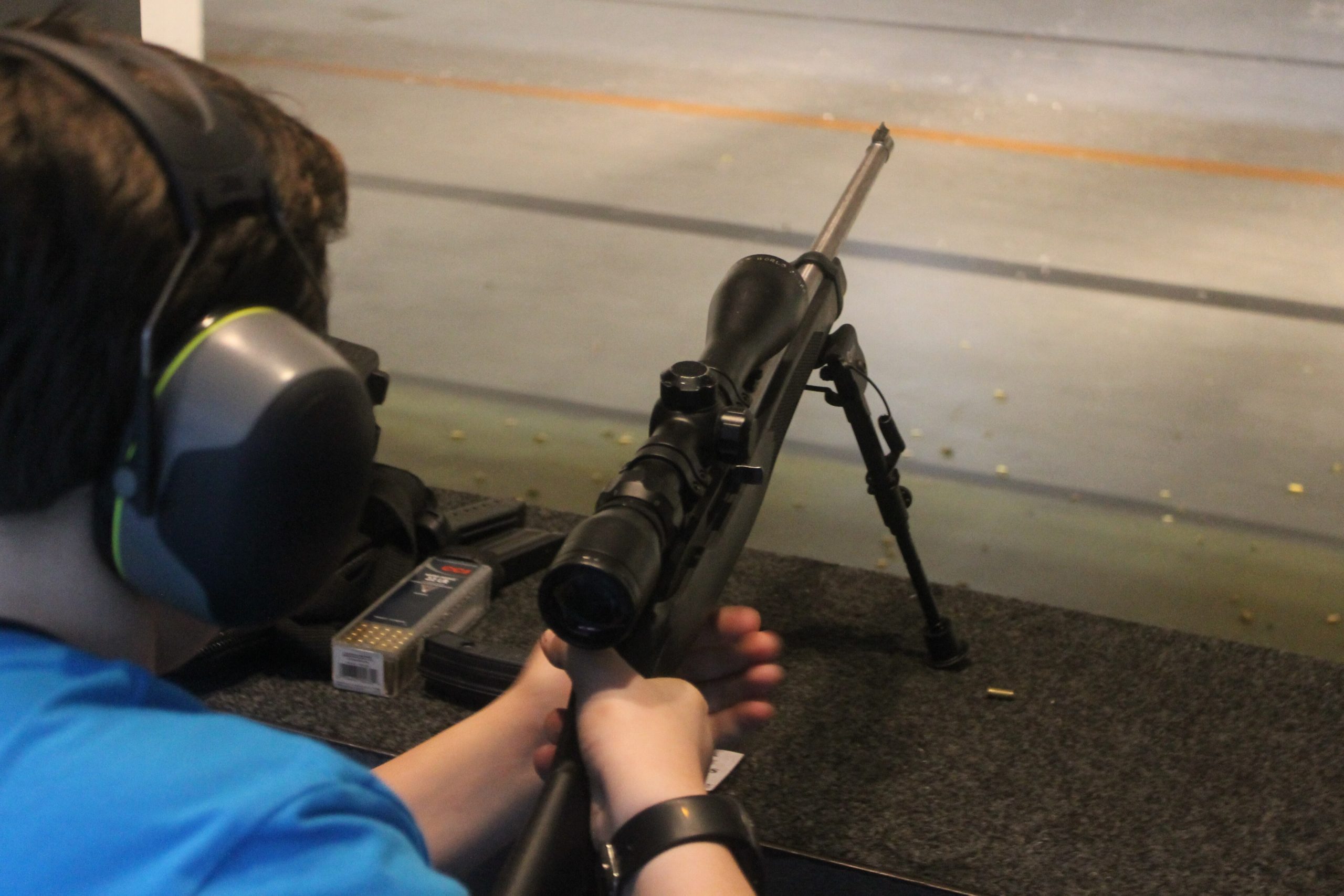
Aftermarket grip tape improves traction initially but causes long term issues. Adhesives wear unevenly. Tape collects dirt and moisture. Abrasive surfaces irritate skin during carry. Clothing wears faster. Grip texture changes unpredictably over time. Replacement becomes frequent. Tape can shift under heat. Some holsters bind. While traction matters, permanent grip texturing offers consistency. Tape solutions appear simple but add maintenance concerns. In stressful conditions, inconsistent grip feel reduces confidence. Aftermarket grip tape solves a minor issue while creating durability, comfort, and reliability problems that affect everyday handling and long term usability.
Folding Stock Conversions
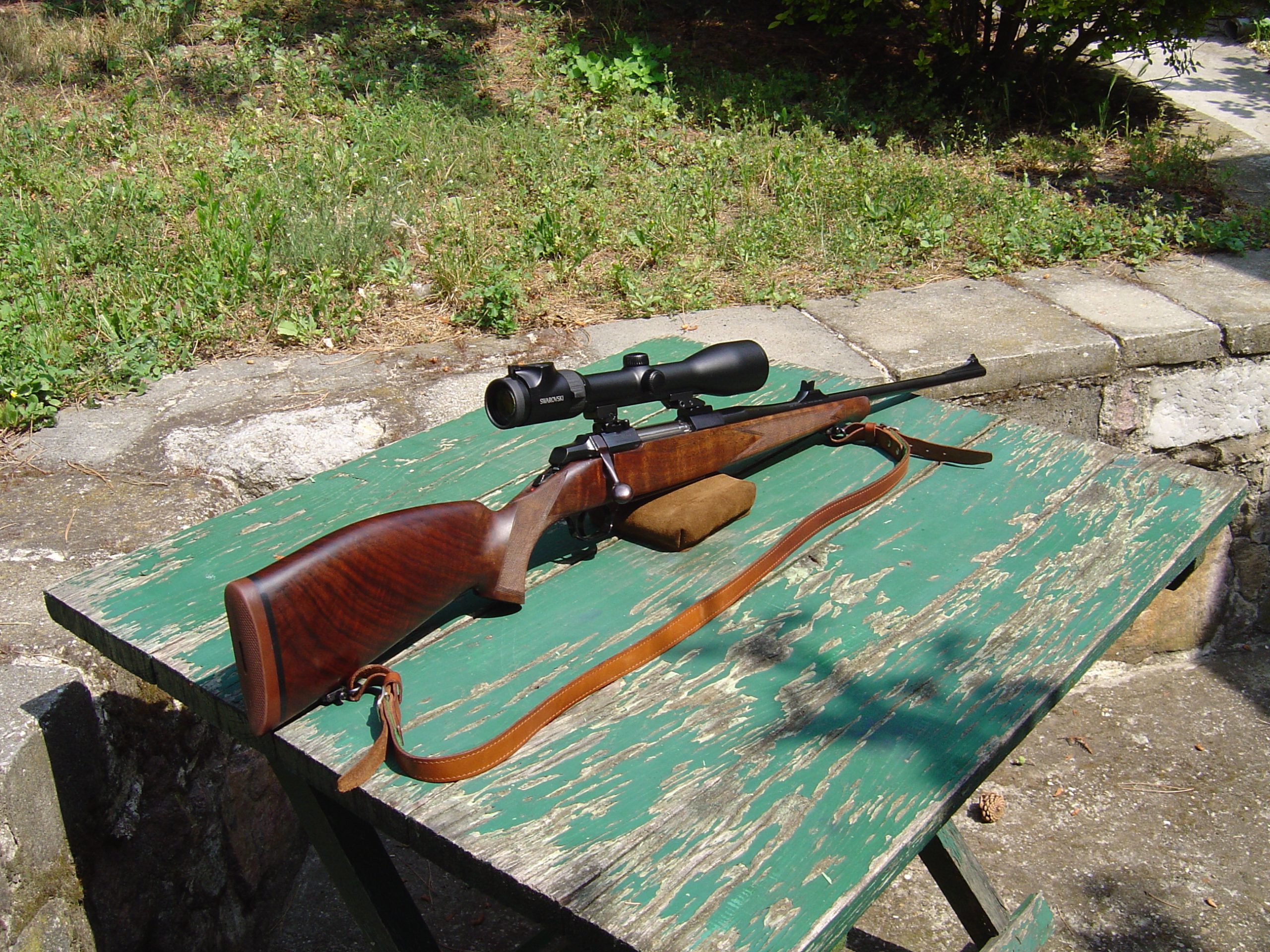
Folding stock conversions increase portability but reduce stability. Lockup mechanisms loosen over time. Cheek weld becomes inconsistent. Added joints introduce failure points. Recoil impulse feels different. Balance shifts rearward. Some conversions affect cycling reliability. Legal status varies by jurisdiction. Users often underestimate accuracy loss. For sustained firing, rigidity matters. Folding stocks suit transport needs, not shooting performance. When precision and durability matter, added complexity creates problems. Folding stock conversions trade structural integrity for convenience, introducing wobble, wear, and control issues that undermine the firearm’s original design intent.
Suppressor Height Sights
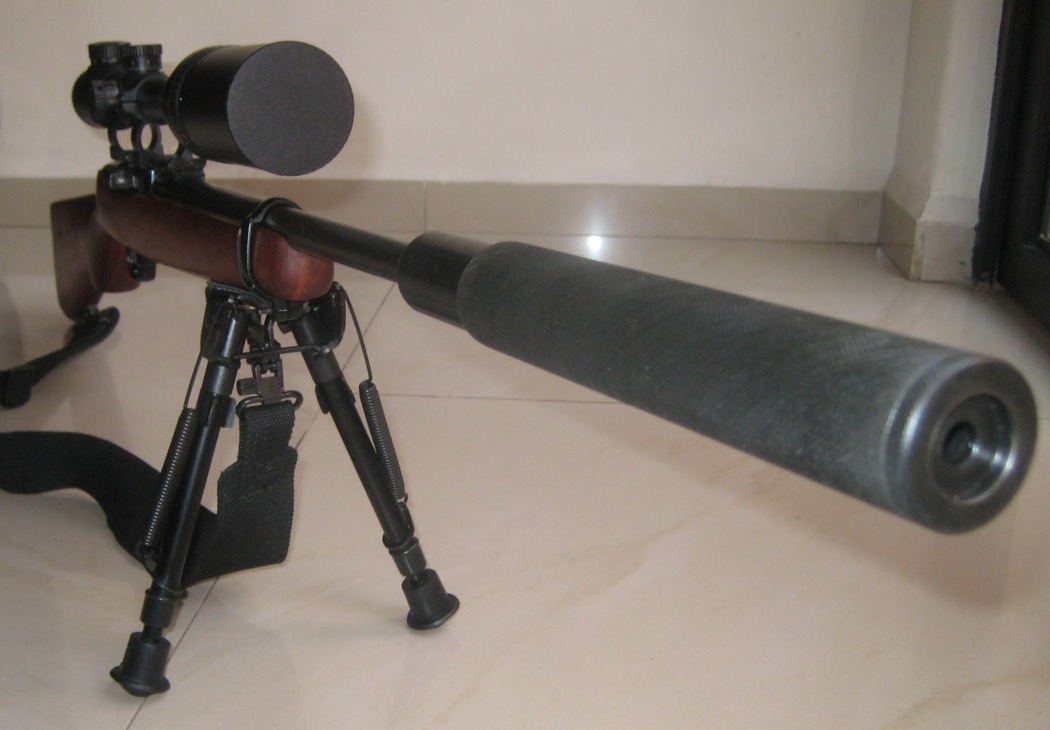
Suppressor height sights enable co witness but create drawbacks. Taller sights snag more easily. Sight picture slows target acquisition. Holster compatibility becomes limited. Balance shifts slightly upward. Users without suppressors gain no benefit. Training must adapt to altered presentation. Some shooters struggle with accuracy at close range. The modification assumes suppressor use that may be rare. Added height introduces complications during carry and handling. For unsuppressed firearms, tall sights create problems without solving real needs, reducing efficiency and comfort while adding bulk and compatibility challenges across everyday scenarios.
Adjustable Gas Blocks
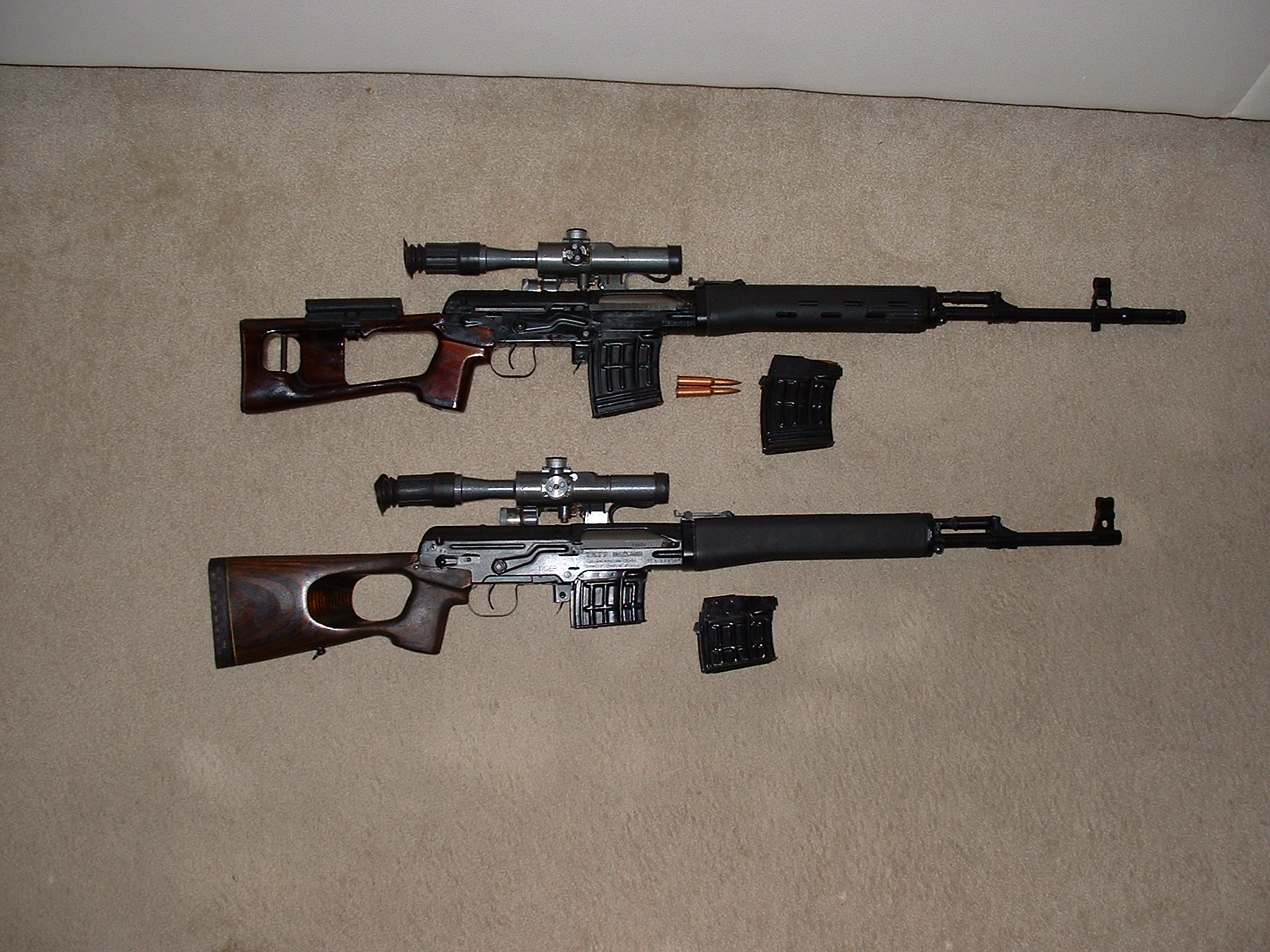
Adjustable gas blocks promise tuning benefits but introduce reliability risks. Incorrect settings cause cycling failures. Screws loosen under heat. Carbon buildup affects adjustment. Users forget settings after changes. Maintenance complexity increases. Inconsistent ammunition worsens problems. Field adjustments require tools. For defensive firearms, simplicity matters. Factory gas systems balance reliability across conditions. Adjustable blocks suit controlled environments. In real use, they create failure points. When improperly set or neglected, adjustable gas blocks cause malfunctions that did not exist before, trading robustness for fine tuning that many users never manage correctly.
Competition Mag Wells
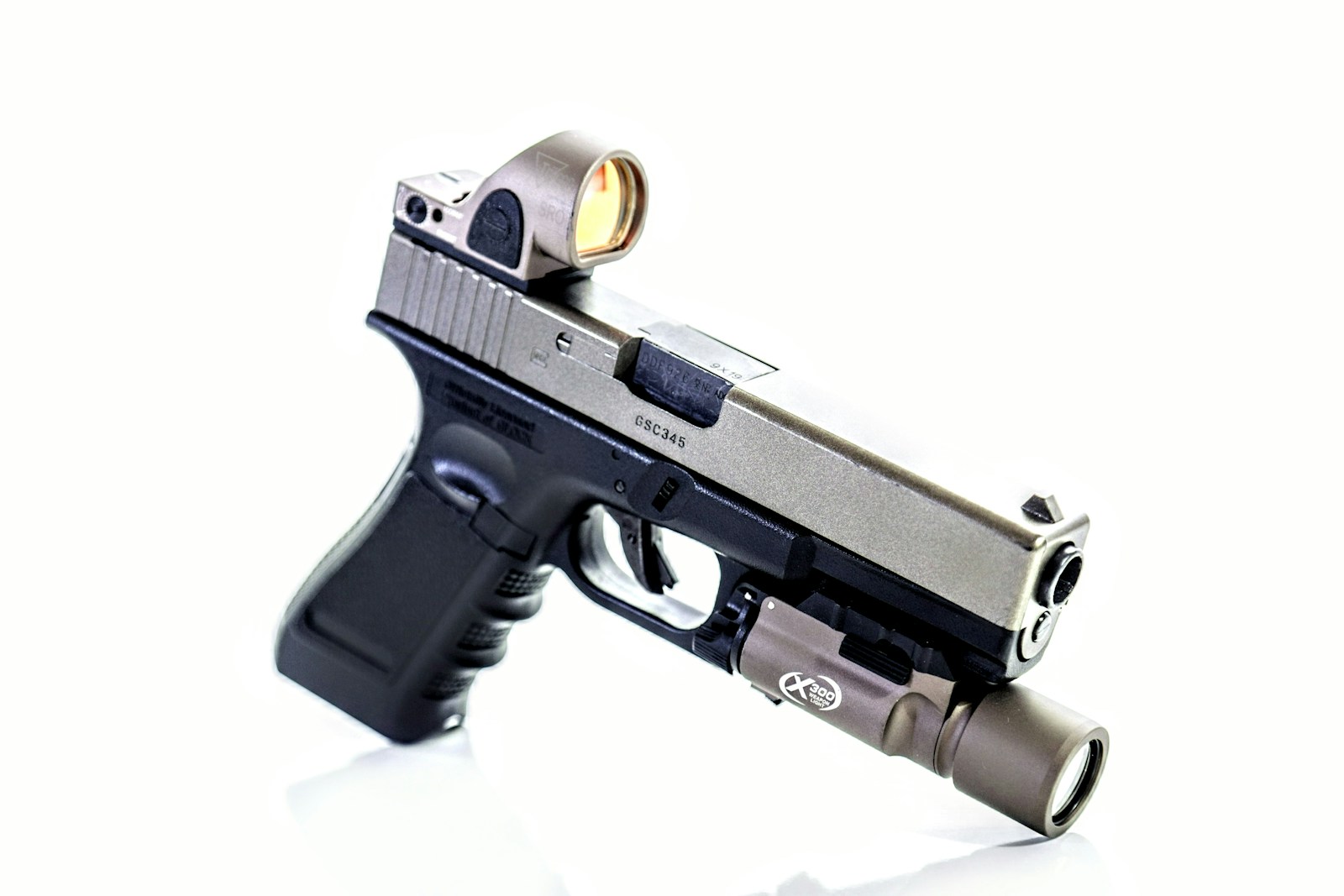
Competition mag wells speed reloads but add bulk. Concealment becomes difficult. Grip size increases. Holster compatibility suffers. Weight concentrates at the grip. Printing increases during carry. Mag wells can trap debris. Defensive reloads rarely need competition speed. The modification assumes ideal conditions. In real environments, simplicity matters. Competition mag wells prioritize milliseconds over practicality. They create ergonomic and concealment issues that outweigh benefits for most users, especially those carrying daily or operating in varied conditions where bulk, discretion, and comfort are more important than reload speed.
Skeletonized Components
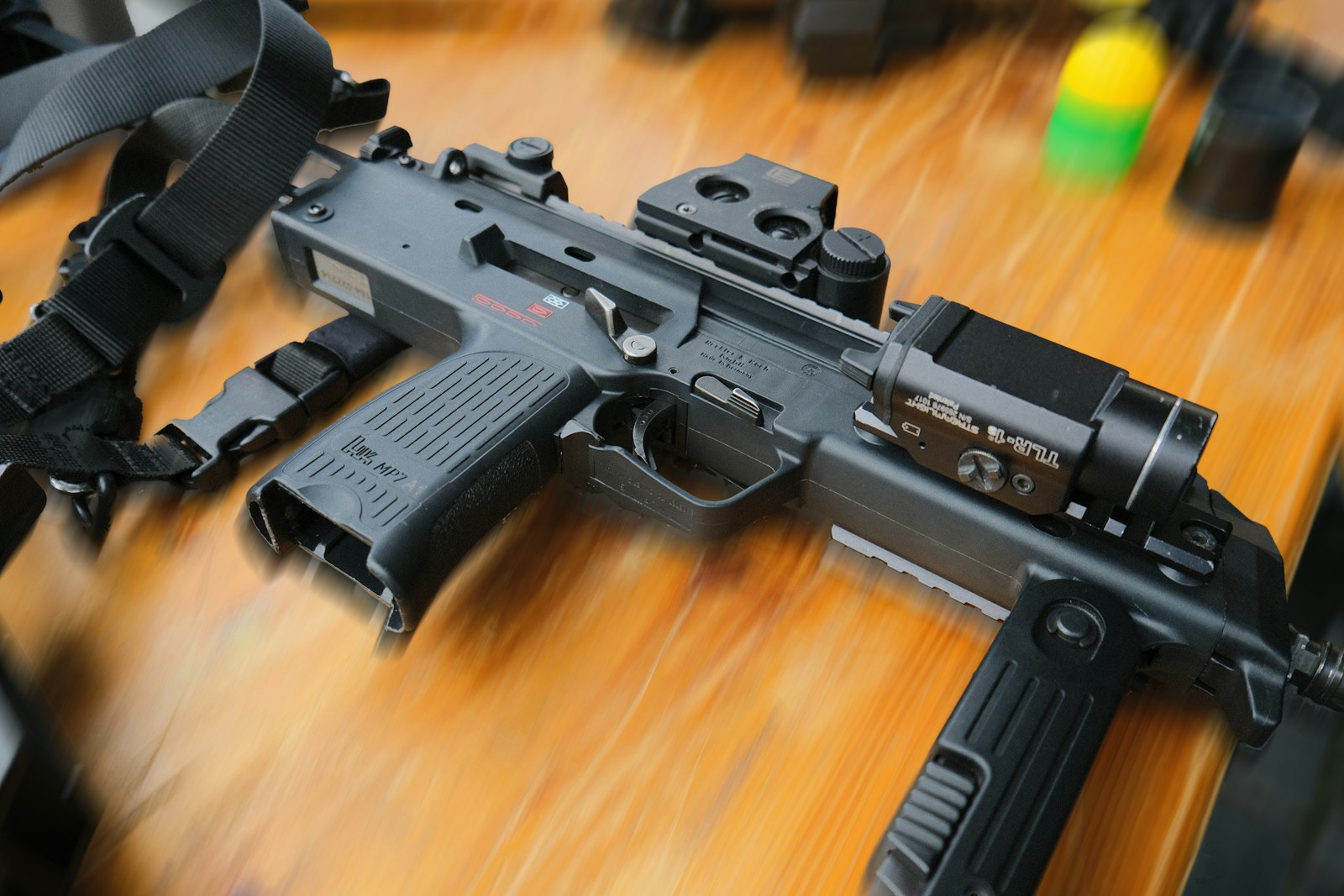
Skeletonized components reduce weight visually but weaken durability. Material removal increases stress points. Heat dissipation changes. Debris enters more easily. Cracks develop over time. Weight savings are minimal. Reliability suffers under sustained use. Cleaning becomes harder. The aesthetic suggests performance gains that rarely exist. Skeletonization favors appearance over longevity. In demanding conditions, strength matters more than ounces. These parts often fail sooner than standard components, introducing maintenance and safety concerns while providing negligible real world advantage beyond visual appeal.
Binary Triggers

Binary triggers fire on pull and release, creating control challenges. Timing errors cause unintended shots. Training requirements increase dramatically. Legal status varies widely. Stress exacerbates mistakes. Ammunition consumption rises quickly. Malfunctions become harder to diagnose. Many users lack discipline to manage release shots safely. In defensive contexts, controlled fire matters. Binary triggers prioritize novelty and speed. They introduce complexity and risk without improving practical effectiveness. This modification creates new safety and legal problems that outweigh any perceived advantage for most responsible firearm owners.
Excessive Accessory Mounting
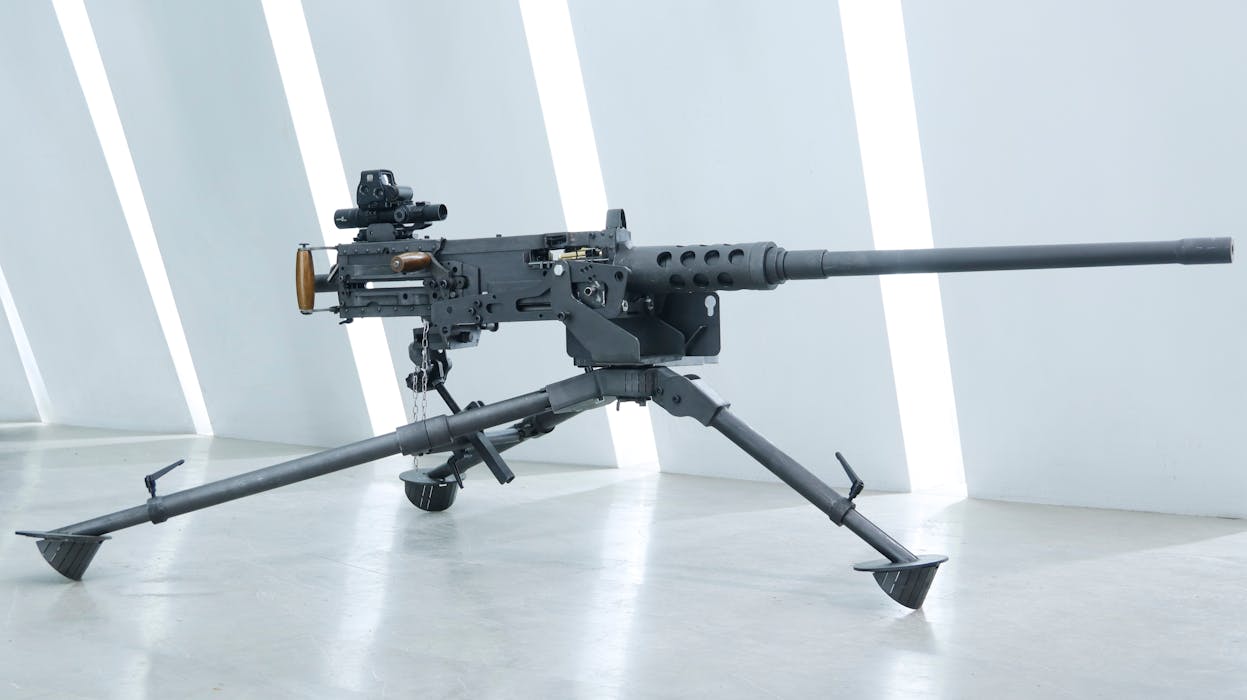
Excessive accessory mounting adds weight and clutter. Balance shifts forward. Handling slows. Battery management multiplies. Controls become crowded. Snag hazards increase. Accessories interfere with grip. Failure points multiply. Users add gear without purpose. Each item demands maintenance. Simplicity improves reliability. Over accessorizing reduces awareness and comfort. Excessive mounting creates the illusion of capability while degrading performance. The firearm becomes heavier, more complex, and harder to use effectively, especially under stress, where streamlined equipment supports better decision making and control.