Cold weather clothing systems promise warmth, protection, and reliability in harsh environments. However, many popular layering choices fail dramatically once moisture enters the equation. Rain, snow, sweat, and condensation can strip insulation, increase heat loss, and create dangerous conditions. Fabrics behave differently when wet, and some systems trap moisture instead of managing it. Campers, hikers, and workers often learn these lessons the hard way. Understanding which clothing systems collapse under wet conditions matters for safety and comfort. These eleven cold weather clothing systems look dependable in dry conditions but lose effectiveness once soaked, exposing wearers.
Cotton Base Layers
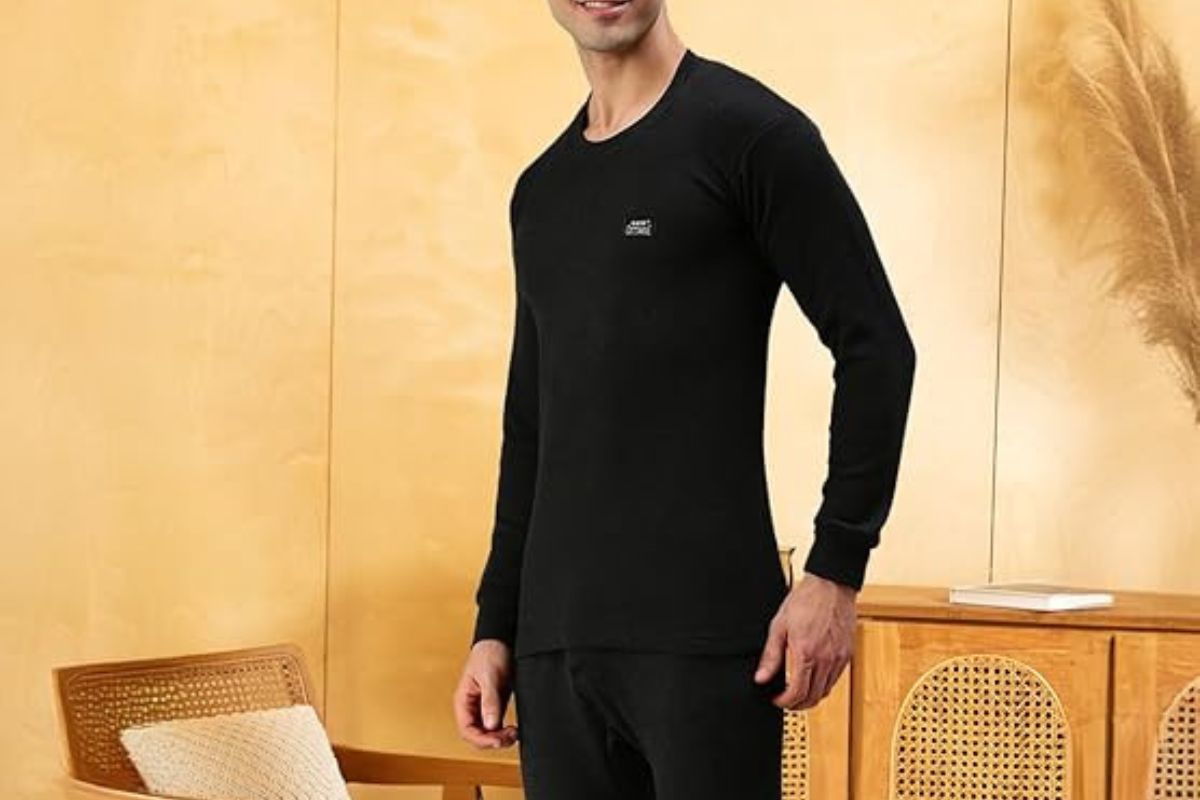
Cotton base layers feel comfortable but fail completely when wet. Cotton absorbs water quickly and holds it against skin. Once soaked, it loses insulating ability and accelerates heat loss. Drying cotton in cold environments proves difficult without heat sources. Sweat trapped in cotton increases chilling during rest periods. Many people underestimate how fast cotton becomes dangerous. In cold conditions, cotton turns from comfort to liability. As a clothing system foundation, cotton undermines thermal regulation once moisture appears, making hypothermia more likely even during moderate activity levels, especially in windy, exposed, unpredictable outdoor environments during winter.
Wool Without A Shell
Wool insulates when damp, but wool alone still fails once soaked. Prolonged exposure saturates fibers, adding weight and reducing loft. Without a shell layer, wind strips retained heat rapidly. Wet wool dries slowly in cold air. Constant moisture leads to chilling during inactivity. Many assume wool solves all moisture problems. It does not replace weather protection. As a standalone system, wool struggles in rain, sleet, or heavy snow, making insulation unreliable once precipitation overwhelms natural resistance and environmental exposure continues unchecked without additional waterproof barriers, especially during extended outings in severe mountain or coastal climates.
Down Jackets Without Protection
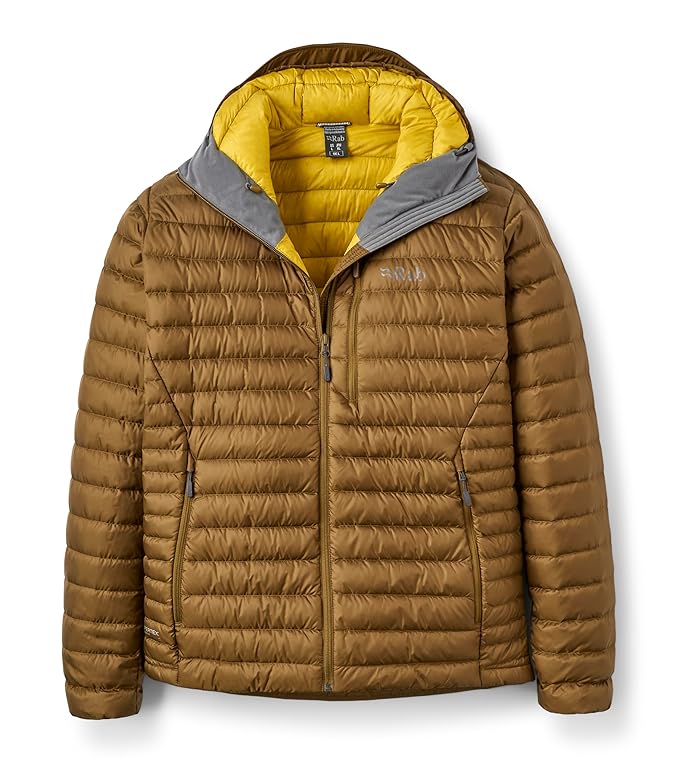
Down jackets provide excellent warmth but fail catastrophically when wet. Down clusters collapse once soaked, eliminating insulation. Moisture enters through rain, snow, or sweat. Without a waterproof shell, down absorbs water rapidly. Drying down in cold environments is extremely difficult. Weight increases and loft disappears. Many rely on down as a primary layer. In wet conditions, it becomes ineffective quickly. As a cold weather system, unprotected down leaves wearers vulnerable to rapid heat loss, reduced mobility, and escalating hypothermia risk during prolonged storms, river crossings, wet snowfall, or high exertion situations without drying opportunities available.
Softshell Only Systems
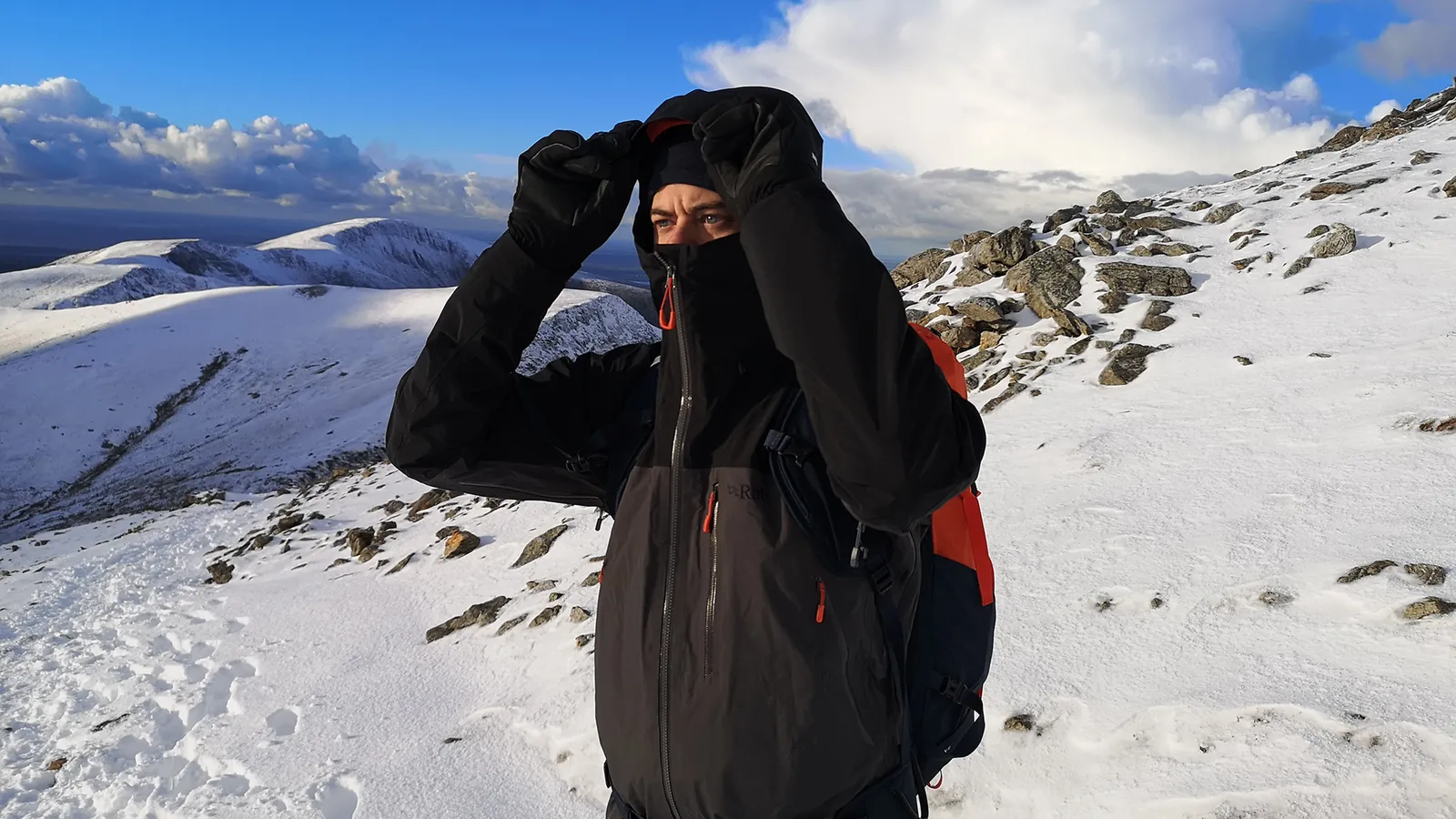
Softshell clothing offers flexibility but fails once saturated. These fabrics resist light moisture but eventually absorb water. Once wet, breathability drops and heat escapes. Wind penetrates damp material easily. Softshells dry slowly in cold conditions. Without insulation backup, warmth declines rapidly. Many trust softshells for all weather. Extended rain or snow overwhelms them. As a standalone cold weather system, softshell layers struggle to maintain warmth and comfort once moisture exceeds minimal levels, leaving users exposed during prolonged exposure especially across alpine, coastal, or windblown environments with fluctuating temperatures, limited shelter, sustained precipitation, and long durations.
Fleece Without A Shell
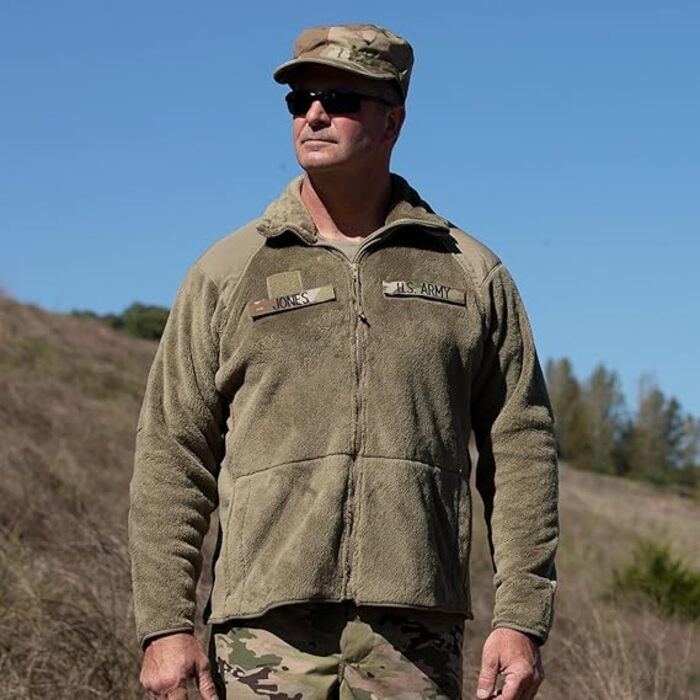
Fleece layers feel warm but perform poorly when wet. Synthetic fibers absorb less water than cotton yet still lose insulation when saturated. Wind moves easily through wet fleece. Drying takes time without airflow or heat. Fleece traps sweat during exertion, increasing moisture buildup. Many wear fleece as an outer layer. In cold rain or snow, it fails quickly. As a cold weather system, fleece without protection allows rapid cooling once moisture accumulates, reducing effectiveness during extended outdoor exposure across windy, humid, forested, mountainous, or shoulder-season environments lacking reliable shelter, sunlight, fire, or drying opportunities nearby.
Denim Pants
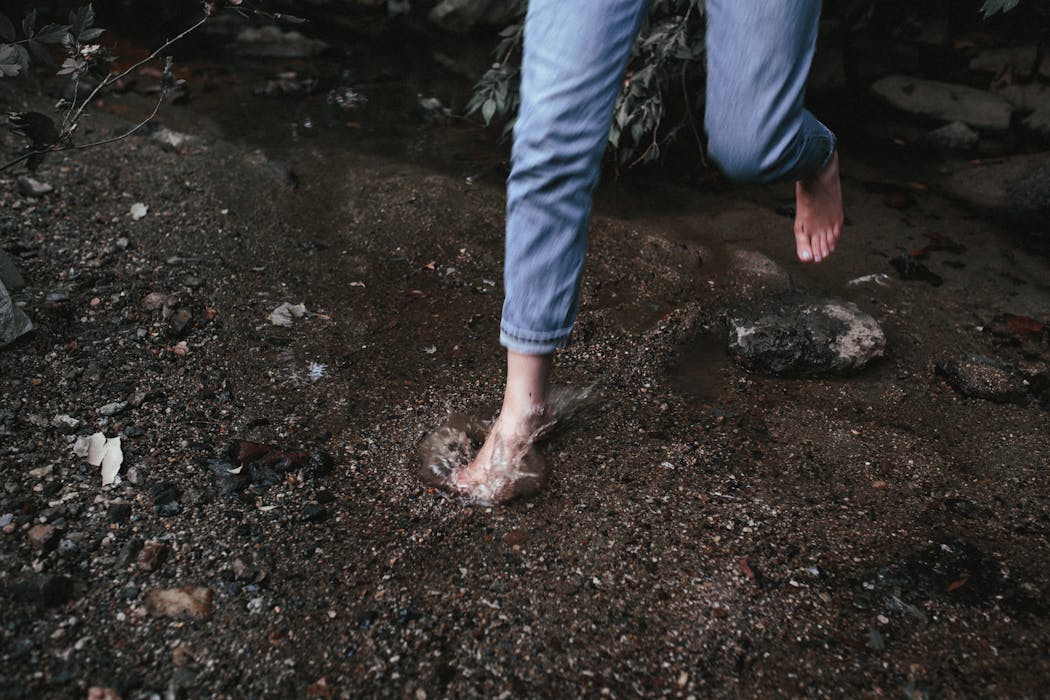
Denim pants remain popular but perform dangerously when wet. Cotton denim absorbs water heavily and dries slowly. Once soaked, fabric clings to skin and increases heat loss. Movement becomes restricted. Weight increases significantly. Wind strips warmth rapidly. Denim offers no insulation when wet. Many underestimate its risks. In cold conditions, wet jeans accelerate hypothermia. As part of a cold weather system, denim undermines lower body protection once moisture enters, making prolonged exposure unsafe and recovery difficult especially during rain, snow, river crossings, wet brush, extended hikes, or windy weather without immediate shelter, warmth, or dry alternatives.
Leather Boots Without Waterproofing
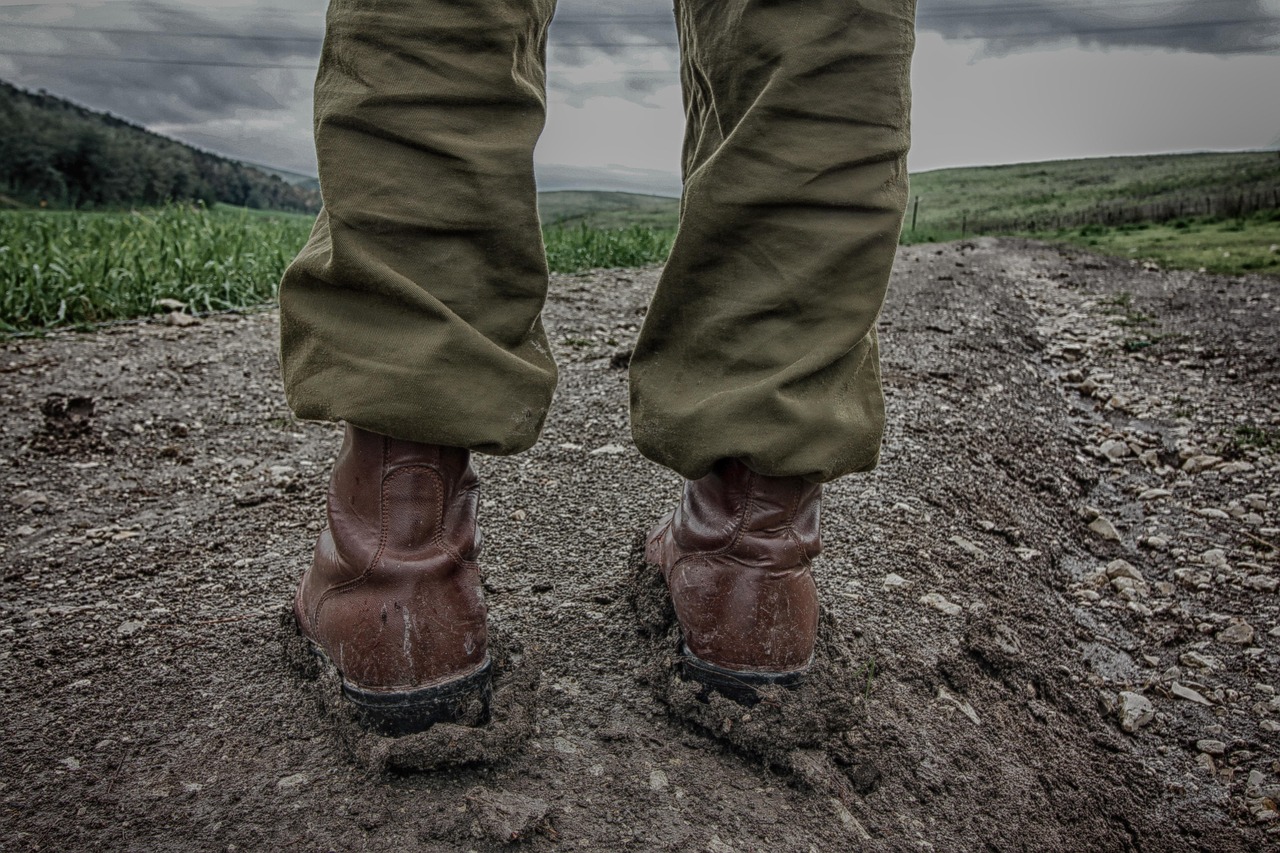
Leather boots appear durable but fail when saturated. Untreated leather absorbs water, becoming heavy and stiff. Wet leather loses insulation and support. Drying boots in cold environments proves difficult. Blisters and cold injuries increase. Many rely on leather without waterproof liners. Prolonged moisture compromises foot health. As a cold weather system, non waterproof leather boots allow heat loss through feet, increasing fatigue and injury risk once wet conditions persist beyond brief exposure during winter, mountain, forest, or tundra travel, snowpack, slush, freezing rain, or repeated stream crossings, especially without spare socks, liners, insulation, drying, or rotation.
Canvas Jackets
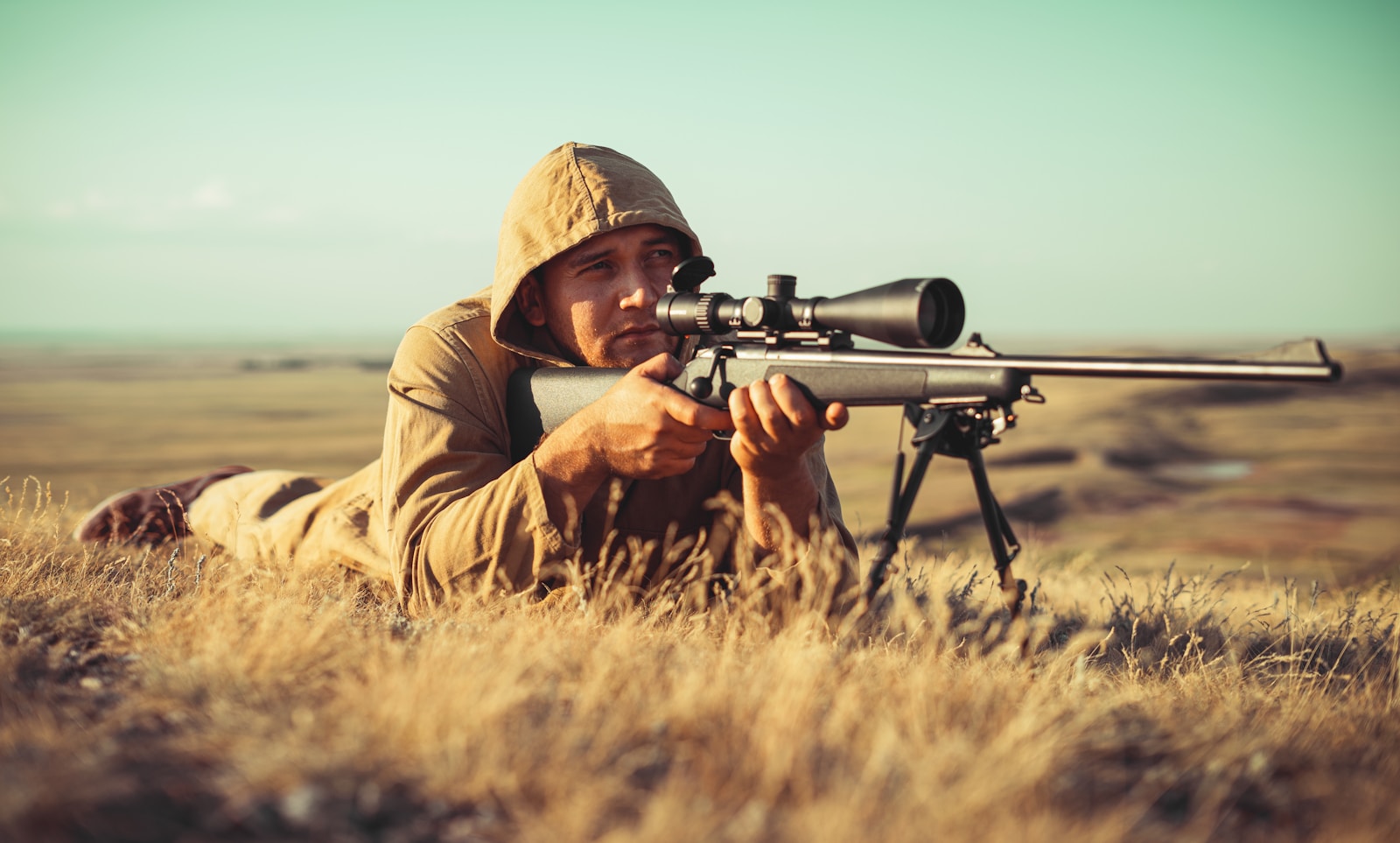
Canvas jackets look rugged but fail when wet. Heavy fabric absorbs moisture and dries slowly. Once saturated, canvas becomes cold and restrictive. Wind penetrates stiff wet material easily. Insulation beneath loses effectiveness. Weight increases quickly. Many assume toughness equals protection. Canvas offers abrasion resistance, not moisture management. As a cold weather system, canvas jackets trap water and accelerate heat loss once soaked, making them unreliable during prolonged rain, snow, or sleet exposure in backcountry, worksite, hunting, or camping situations lacking shelter, drying heat, spare layers, wind breaks, sunlight, fire, or movement opportunities nearby consistently available.
Non Breathable Rain Gear
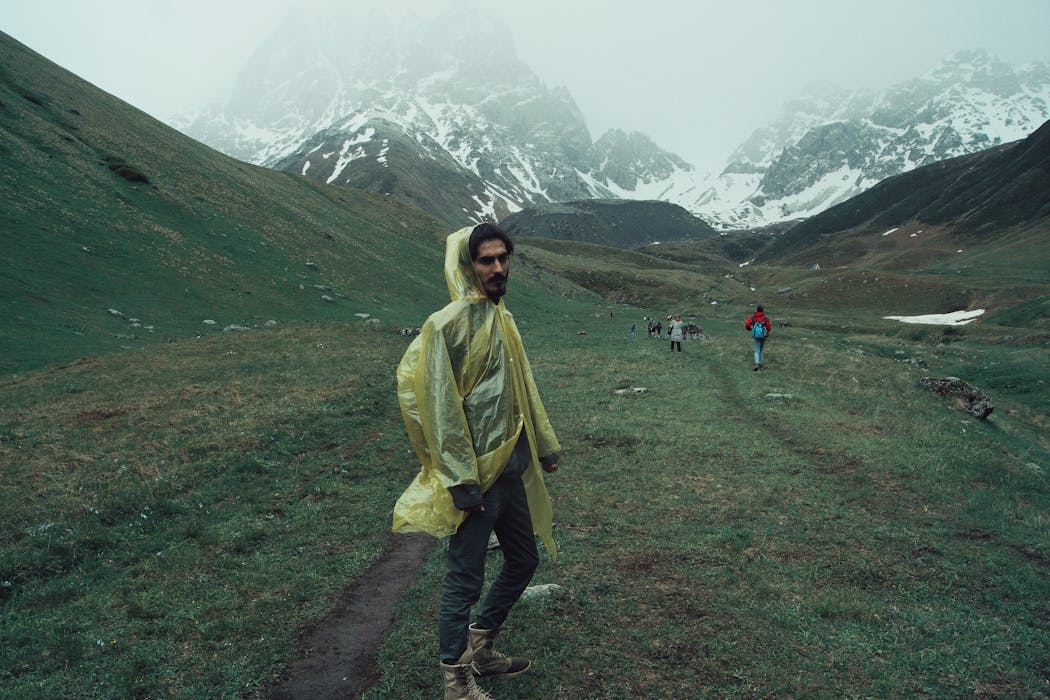
Non breathable rain gear blocks water but traps sweat. Condensation builds inside garments quickly. Moisture accumulates against insulation layers. Heat loss increases once inner layers become wet. Movement feels clammy and restrictive. Extended wear worsens saturation. Many choose cheap rain shells without ventilation. In cold conditions, trapped moisture chills the body. As a clothing system, non breathable rain gear fails by exchanging external wetness for internal moisture, undermining thermal regulation during prolonged activity such as hiking, snowshoeing, work, travel, or camp chores without airflow, pit zips, vents, insulation, drying, rest, rotation, or layering flexibility available.
Improper Layer Combinations
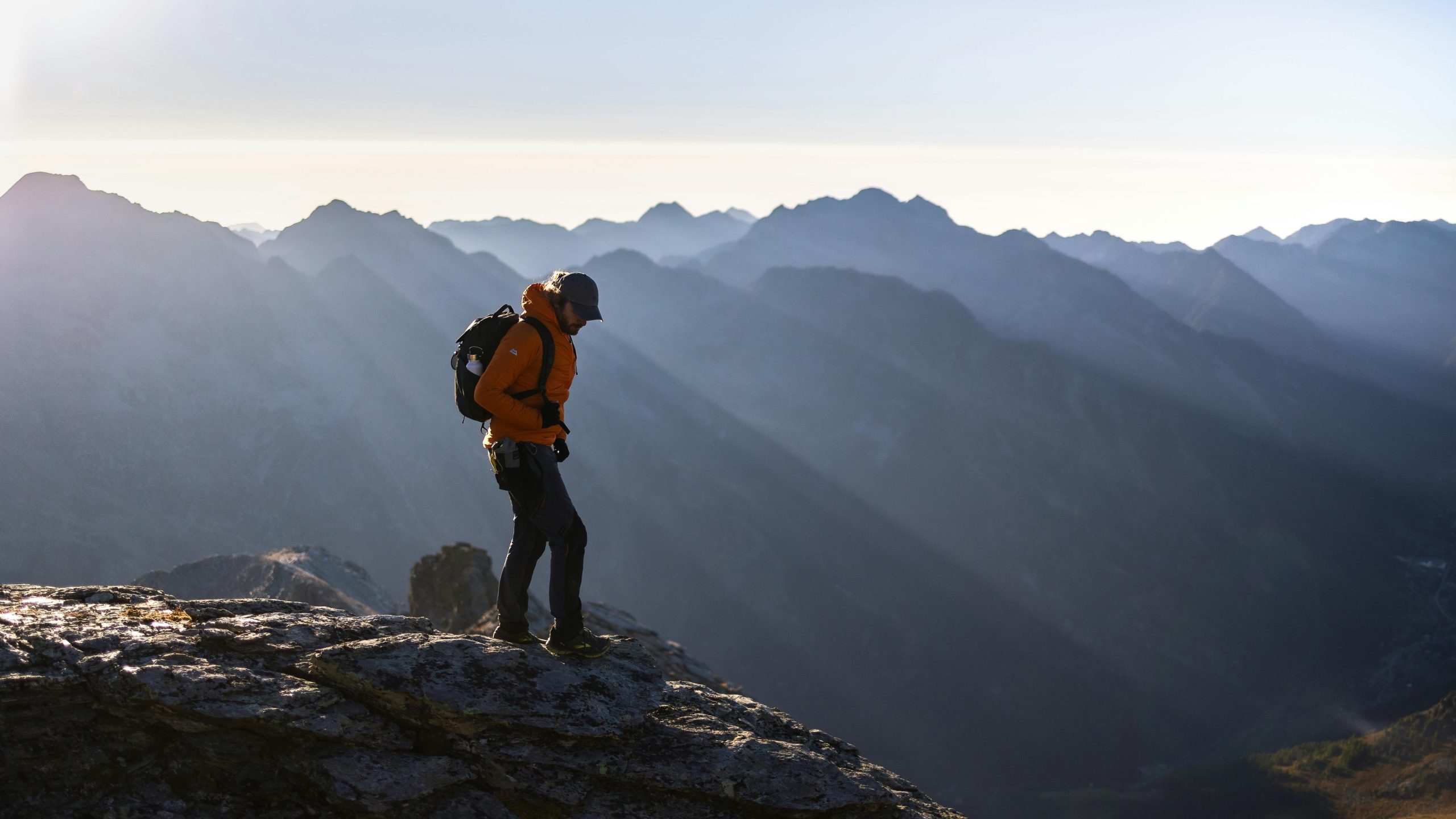
Improper layer combinations fail once moisture enters. Warm layers trap sweat beneath non breathable shells. Insulation compresses when wet. Heat regulation collapses. Removing layers becomes difficult in cold wind. Many stack incompatible fabrics. Moisture moves nowhere. Extended wear amplifies chilling. As a system, mismatched layers sabotage performance. Cold weather clothing requires coordinated breathability and insulation. When layers work against each other, wetness spreads quickly, increasing heat loss and discomfort during prolonged exposure across changing elevations, activity levels, weather, temperatures, wind, snow, rain, rest cycles, shade, darkness, and overnight conditions without adjustment, drying, ventilation, or planning.
Cheap Insulated Gloves
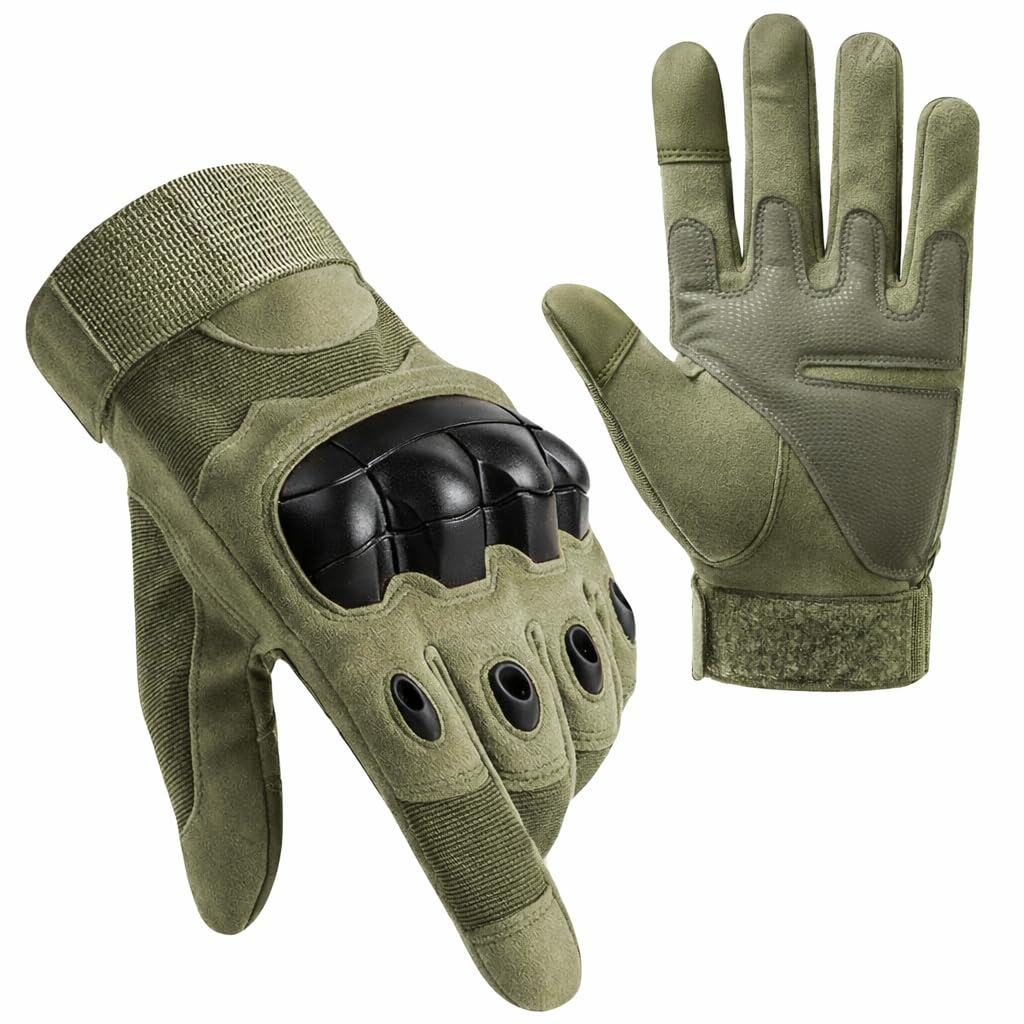
Cheap insulated gloves fail quickly when wet. Low quality insulation collapses with moisture. Outer fabrics soak through easily. Grip diminishes as fabric stiffens. Hands lose dexterity rapidly. Drying gloves in cold conditions proves difficult. Many carry only one pair. Wet gloves increase frostbite risk. As part of a cold weather system, poor gloves undermine safety by reducing hand function once moisture accumulates, complicating tasks and increasing exposure during extended cold conditions including camping, hunting, work, travel, emergencies, equipment handling, cooking, navigation, shelter building, first aid, fire, or survival tasks without spare, waterproof, insulated, layered alternatives.