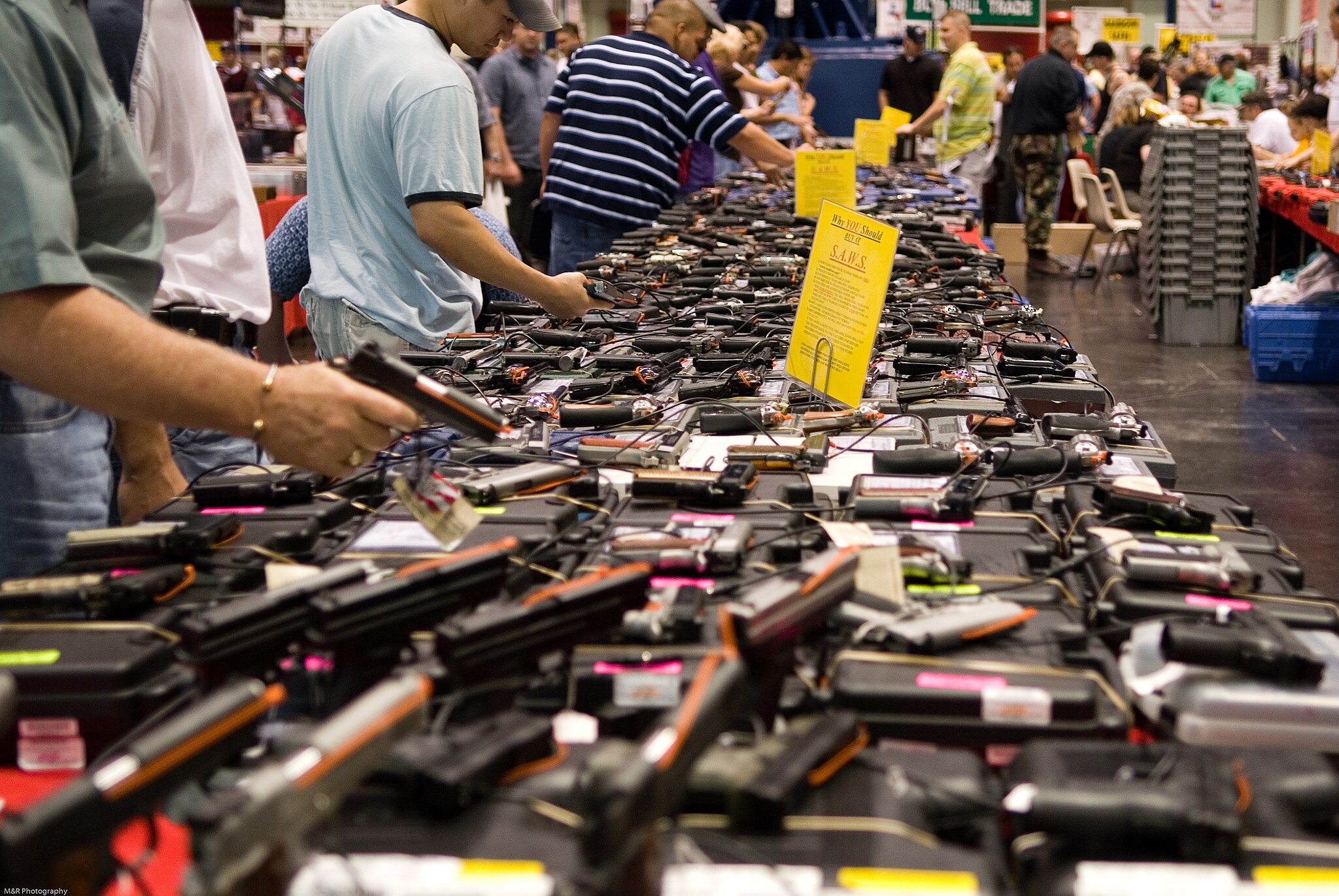
Firearms tend to carry subtle evidence of their past, especially when they have changed owners several times in a short period. While frequent trading is not always a red flag, it often leaves behind small inconsistencies that careful buyers can spot. These signs rarely appear as major defects. Instead, they show up through mismatched accessories, unusual wear patterns, incomplete documentation, or vague seller explanations. Understanding these clues helps buyers evaluate whether a firearm has been passed along quickly due to fit issues, reliability concerns, or simple buyer regret. When you know what to look for, a firearm’s recent history becomes easier to read, allowing you to make more confident and informed purchasing decisions.
1. Accessories That Do Not Match the Firearm’s Purpose
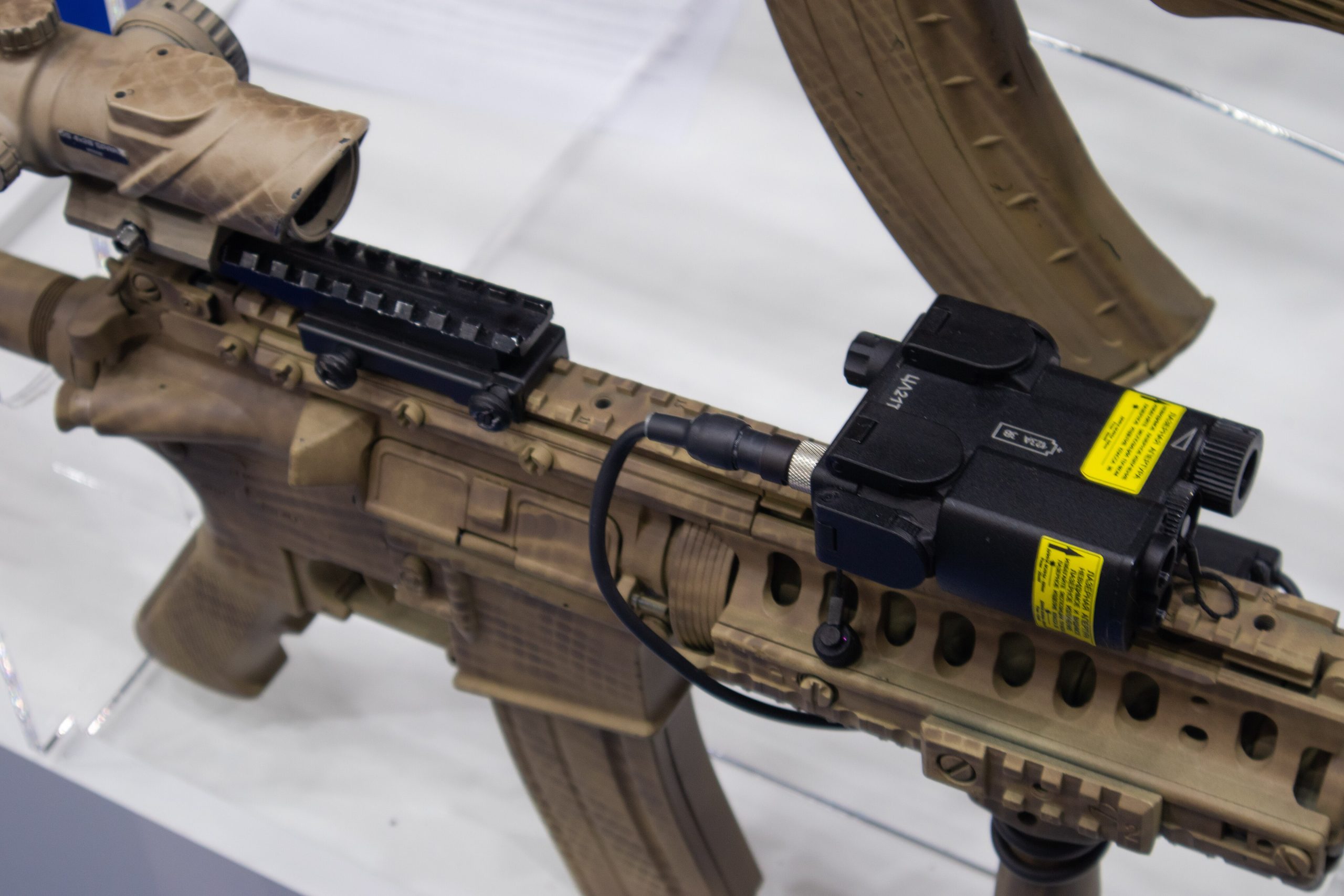
A firearm that has been traded multiple times often comes with accessories that feel random or poorly matched. You may see an optic that does not suit the caliber, a holster meant for a different model, or a sling that looks unused and ill-fitting. These mismatches suggest each owner added something briefly, then removed what they wanted before trading again. Mounting screws may show repeated tool marks, and adjustments feel rushed rather than deliberate. Long-term owners usually refine their setup over time. A scattered mix of accessories points toward quick ownership cycles where the firearm was evaluated, modified lightly, and passed along without a clear long-term plan.
2. Handling Wear Without Matching Use Evidence

One strong indicator of frequent trading is noticeable handling wear paired with minimal shooting wear. Edges may be polished smooth, controls show shine, and finish wear appears in odd spots. At the same time, the bore, chamber, and internal components look barely used. This imbalance suggests the firearm was handled, transported, and inspected repeatedly rather than regularly fired. Each trade adds cosmetic wear without functional use. A firearm owned long-term usually shows consistent patterns tied to shooting habits. Trade heavy firearms accumulate surface wear quickly from being passed across counters, packed into cases, and displayed often, revealing their short stays with each owner.
3. Recently Installed Parts With Unclear History
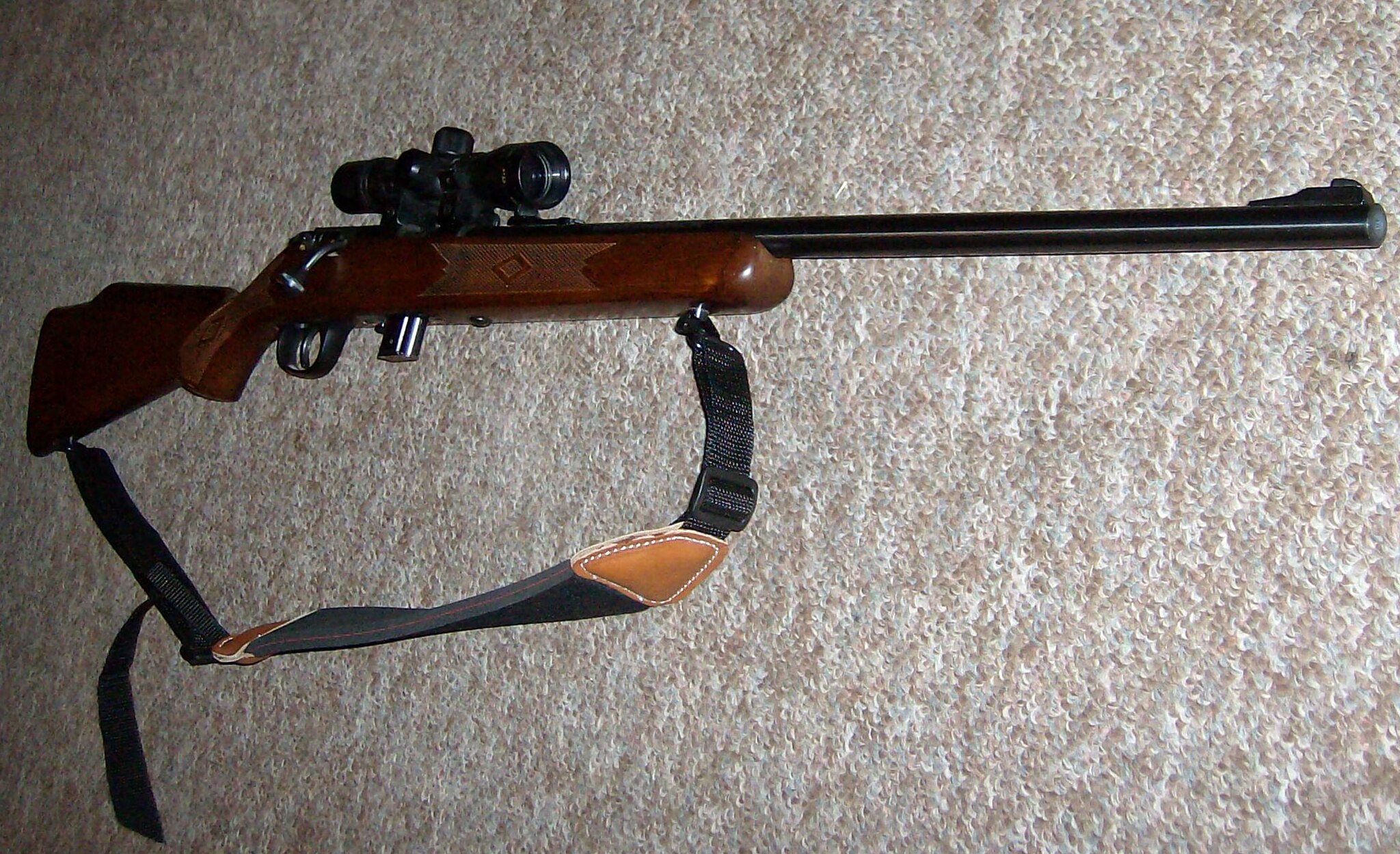
Freshly installed parts can signal recent ownership changes, especially when the seller cannot explain why they were added. New triggers, sights, or grips may look out of place on an otherwise used firearm. These upgrades are often made to increase resale appeal or to quickly fix a perceived issue. When asked about them, sellers may reference a previous owner without details. Long-term owners usually remember modifications clearly. A lack of explanation suggests the firearm moved hands before the changes were fully tested. This pattern reflects quick turnover rather than thoughtful customization based on extended use.
4. Missing Factory Items and Incomplete Packaging
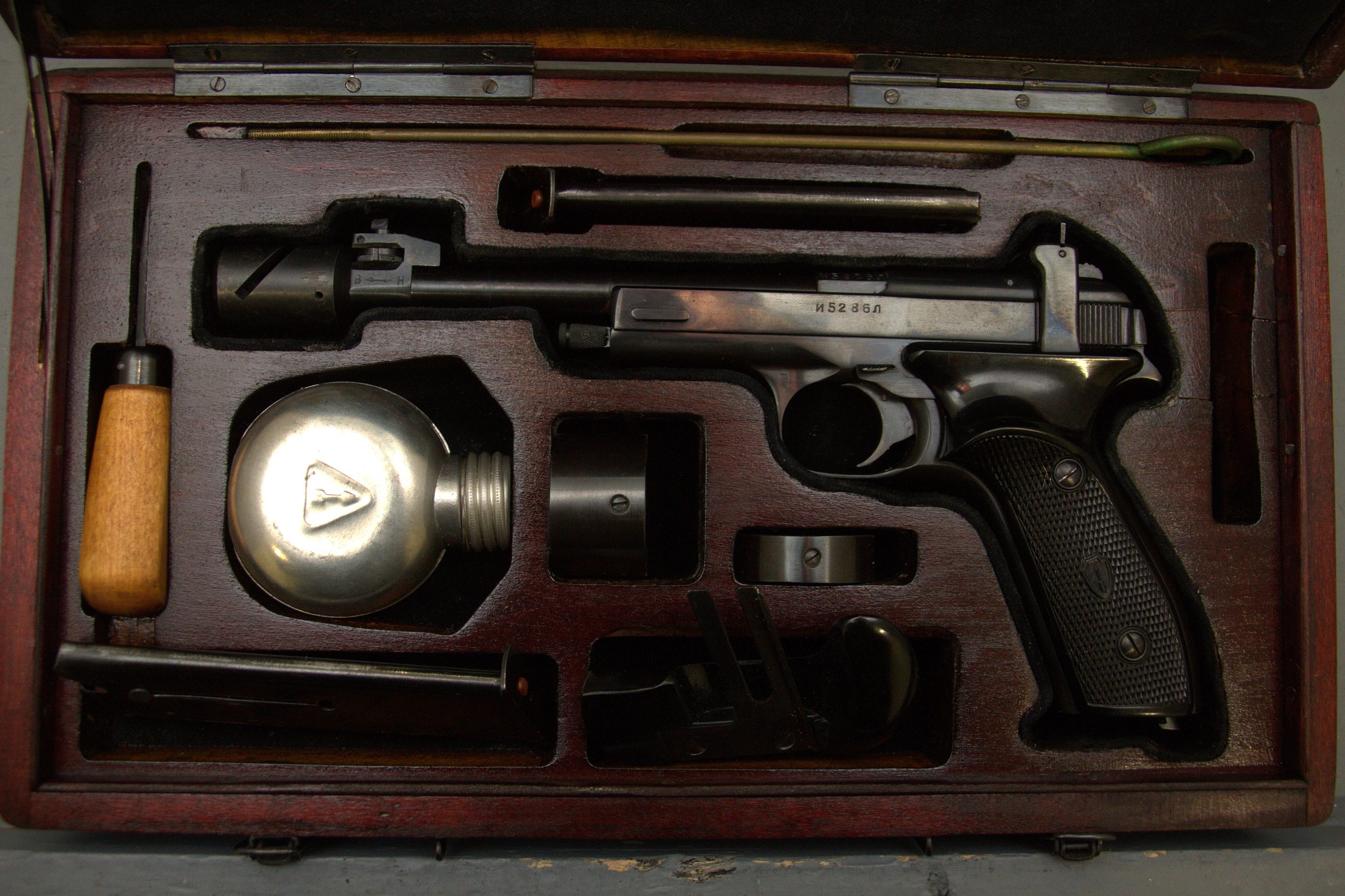
Firearms that change owners often lose their original packaging over time. Boxes may be missing, mismatched, or clearly not original. Manuals, lock devices, and factory accessories are commonly absent. Each transaction increases the chance that small items are forgotten or intentionally kept. A complete factory package usually indicates stable ownership or a careful collector. A stripped-down presentation suggests the firearm has been treated as a trade item rather than a valued tool. While missing items do not mean the gun is flawed, they do hint at multiple recent transactions where completeness was not a priority.
5. Subtle Wear Around the Serial Number Area

Frequent transfers often require repeated documentation and tagging. Over time, this leaves subtle marks around the serial number area. The number remains intact, but the nearby finish may show scuffing, residue, or uneven wear from tape, stickers, or handling. This type of wear does not come from shooting. It comes from administrative processes tied to selling and transferring. A firearm kept privately for years rarely shows this pattern. When present, it quietly suggests the gun has moved through multiple hands or sales environments in a short period.
6. Seller Story Feels Smooth but Lacks Detail
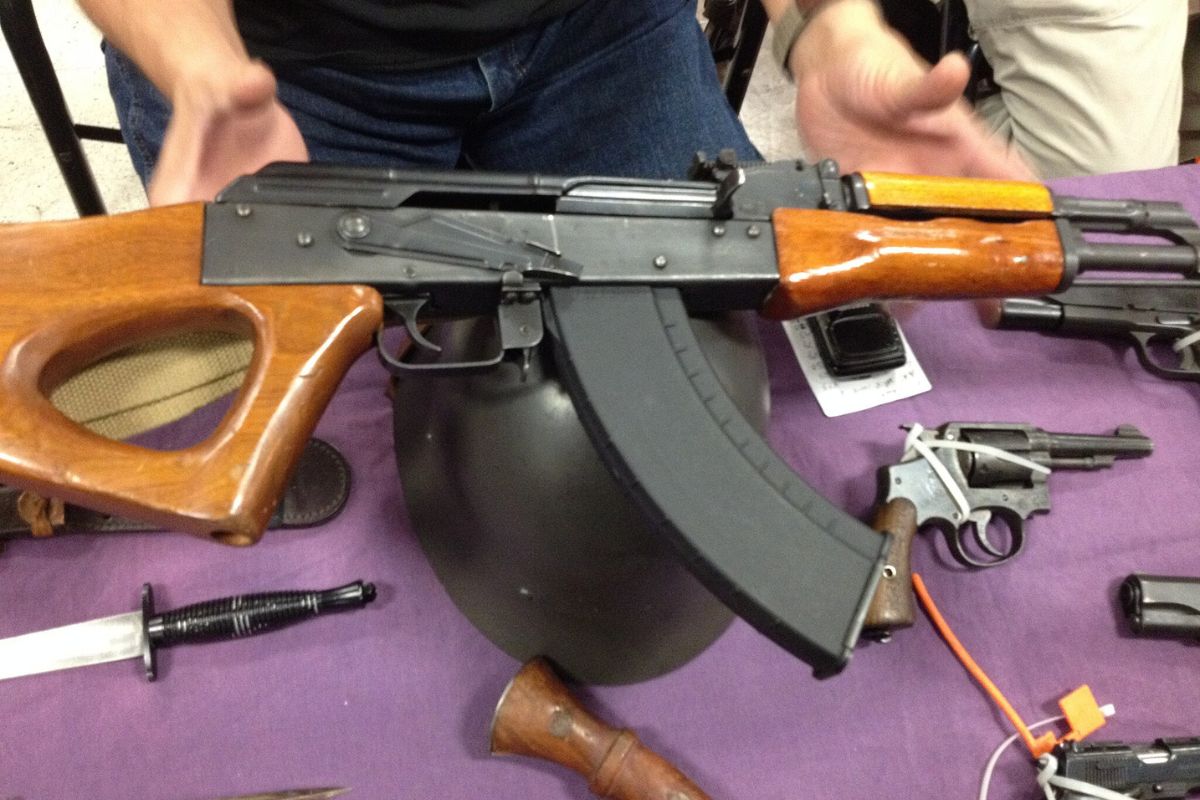
When a firearm has been traded often, the story behind it becomes diluted. Sellers may offer confident but vague explanations about where it came from and why it is being sold. Details about maintenance, shooting experience, or specific use feel thin. Questions are answered quickly but without depth. Long-term owners tend to share personal experiences and clear reasons for their choices. A practiced yet shallow narrative often reflects secondhand information passed along through multiple trades. This does not always indicate dishonesty, but it does suggest the seller lacks firsthand familiarity with the firearm.
7. Pricing That Seems Unstable or Overly Flexible
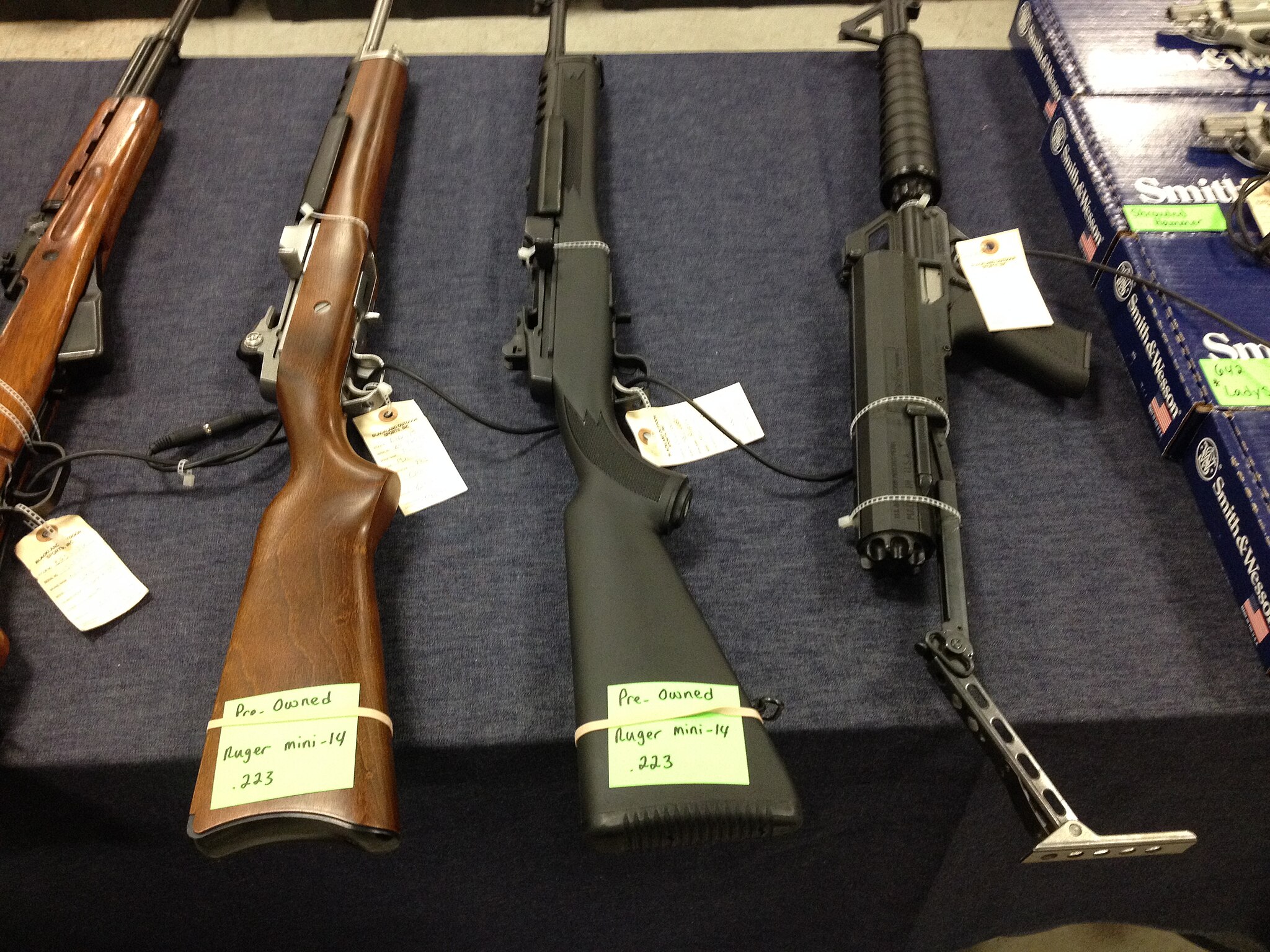
Firearms that circulate quickly often show unusual pricing behavior. Sellers may mention what they paid recently, adjust prices frequently, or show excessive willingness to negotiate. This suggests an interest in moving the firearm quickly rather than holding out for long-term value. Frequent traders often accept small losses to avoid keeping an item they do not want. Stable ownership usually comes with firm pricing based on confidence in the firearm. When a gun appears repeatedly at shows or listings with shifting prices, it often reflects a pattern of quick trades rather than commitment.
8. Cleaning That Prioritizes Appearance Over Care
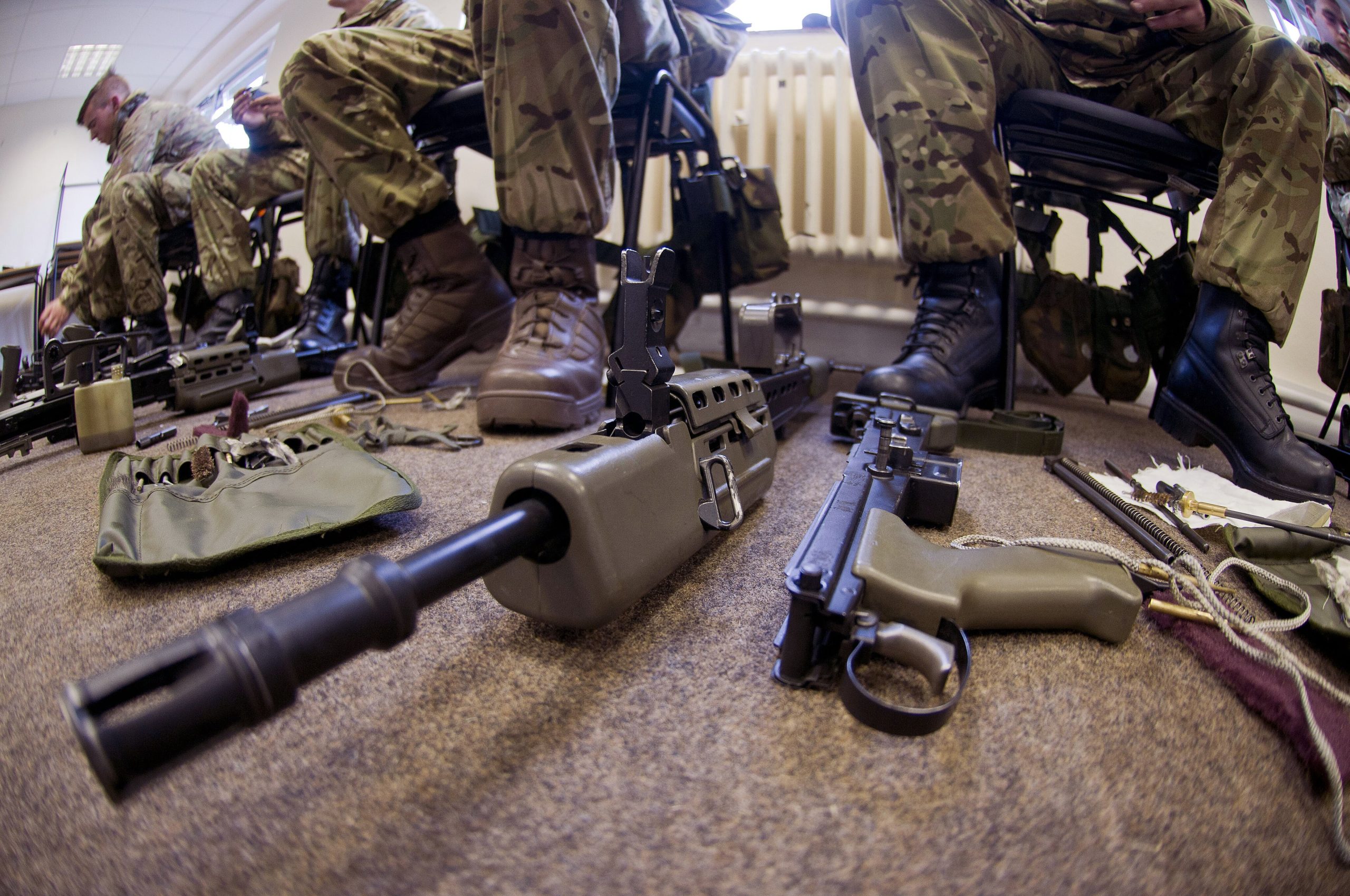
A firearm prepared for resale often receives surface-level cleaning focused on appearance. Exterior metal may shine, while internal areas show uneven attention. Residue remains in corners, and lubrication feels inconsistent. This type of cleaning suggests the goal was presentation rather than maintenance. Each short-term owner cleans just enough to make the firearm appealing before moving it along. Long-term owners develop consistent care habits that result in uniform cleanliness. Repeated rushed cleanings leave behind a recognizable pattern that points toward turnover rather than stewardship.
9. Case or Holster Wear That Does Not Match
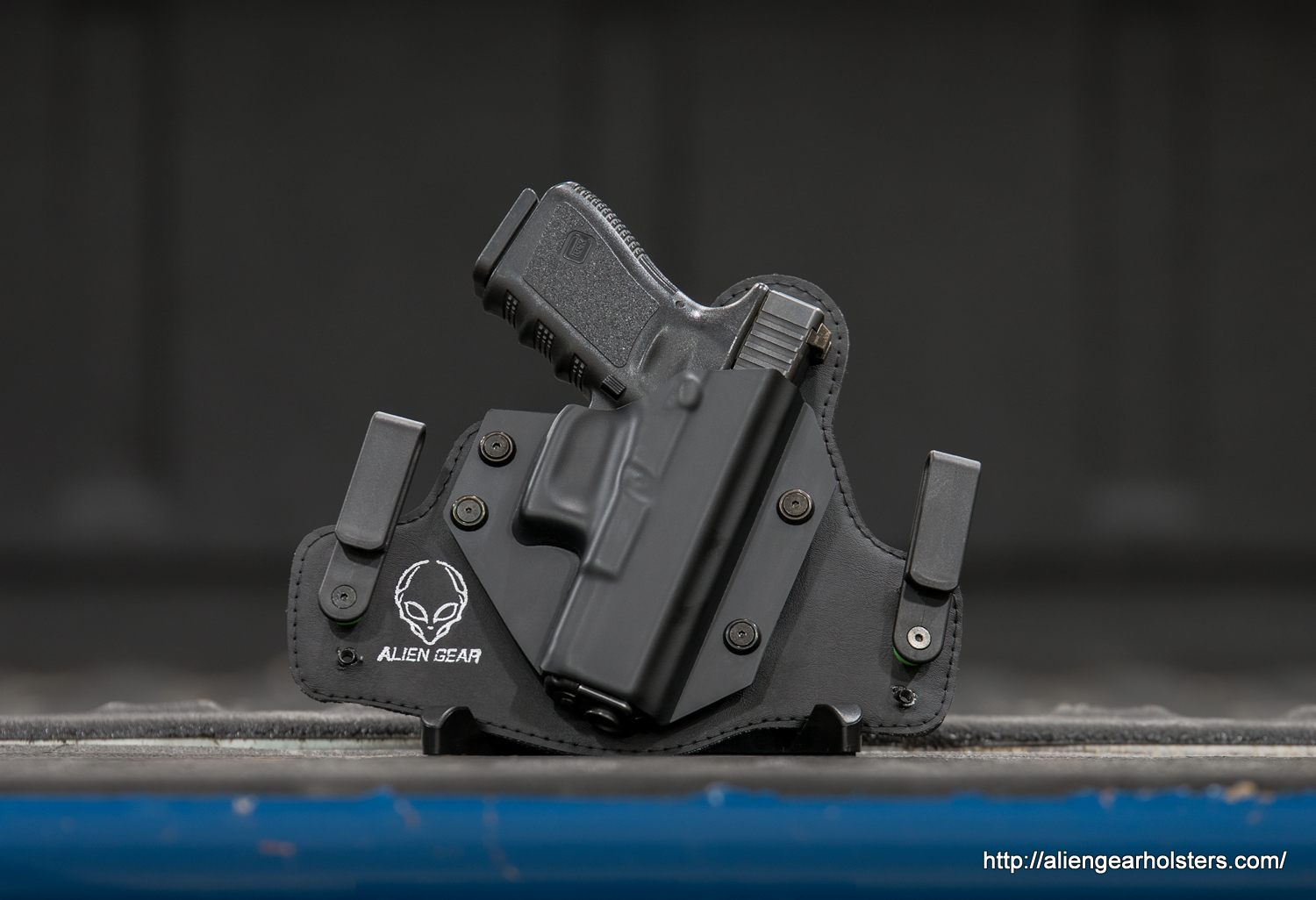
Cases and holsters can reveal how often a firearm has traveled. A worn case paired with a lightly used firearm suggests frequent transport without regular use. Each trade involves packing, carrying, and storage. Over time, cases show wear even when the firearm does not. Long-term ownership usually produces matching wear between the firearm and accessories. When these do not align, it often indicates the gun has been moved repeatedly rather than carried or shot extensively. This mismatch is subtle but telling.
10. Signs of Repeated Sight or Optic Adjustments
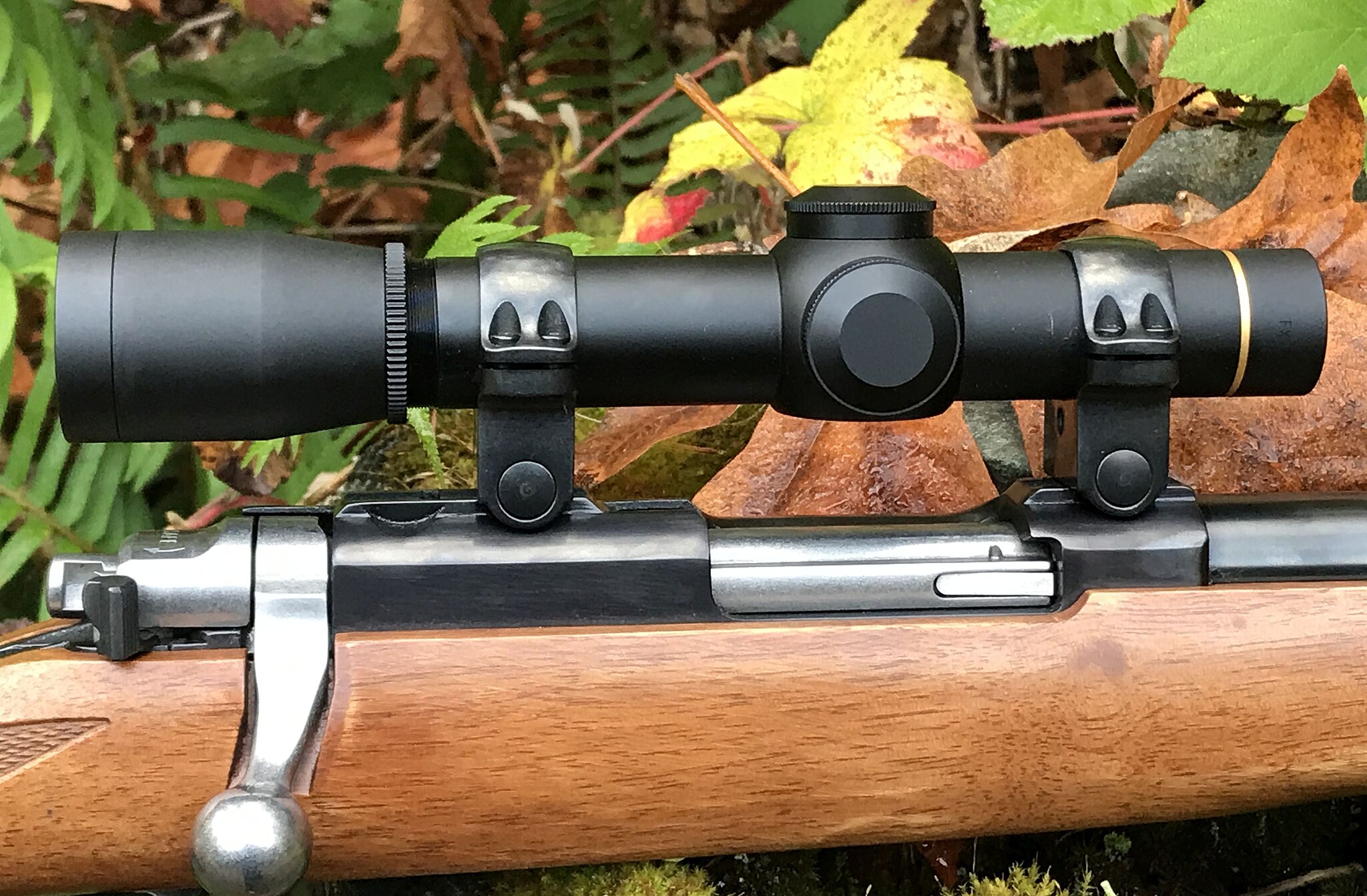
Frequent ownership changes often lead to repeated attempts at zeroing. Adjustment screws may show wear, witness marks may appear inconsistent, and mounts may show signs of repeated repositioning. Each new owner likely tried to set the firearm up before deciding it was not the right fit. Over time, these small adjustments accumulate. A firearm owned long-term usually has a settled configuration. Excessive adjustment marks suggest the firearm never stayed with one shooter long enough to become familiar or trusted.
11. Lack of Personal Identity in the Setup
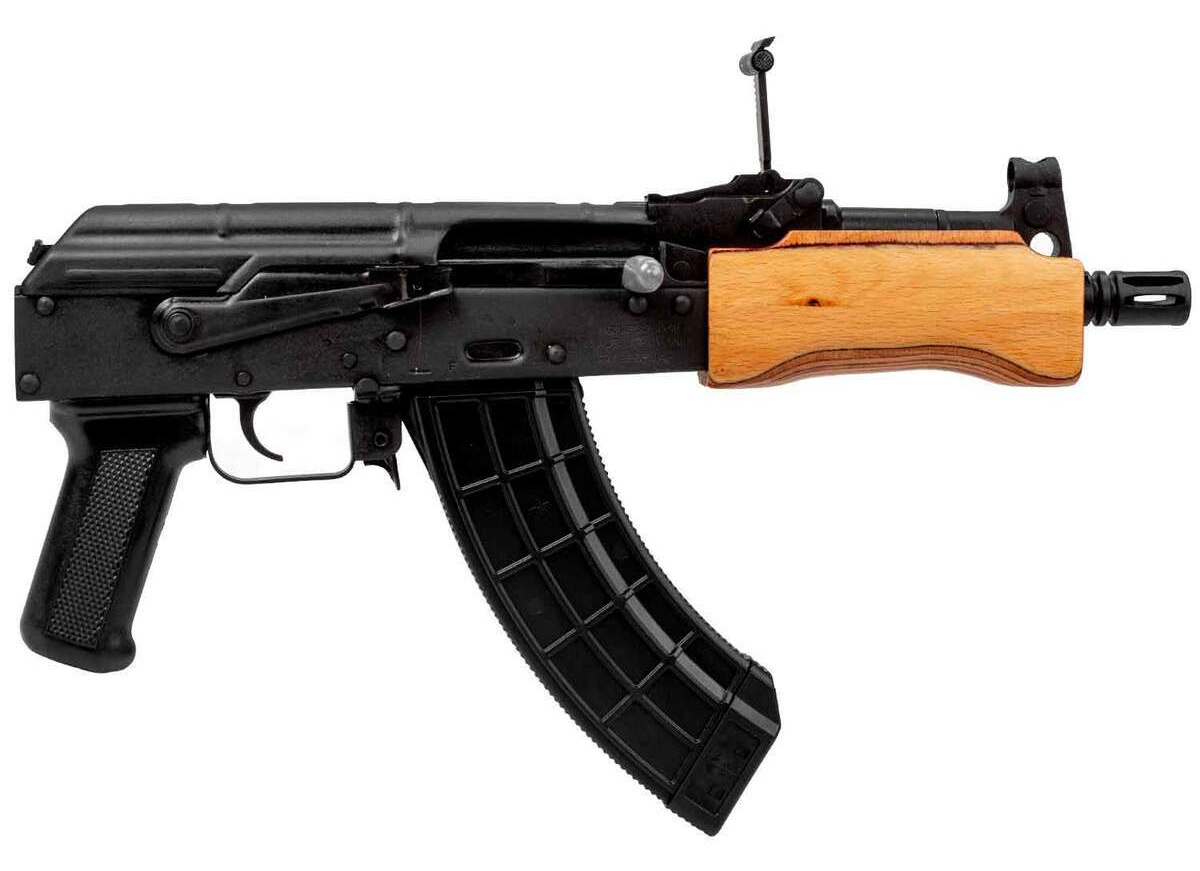
Perhaps the strongest clue is the absence of personal investment. The firearm feels generic, with no thoughtful configuration or long-term choices reflected in its setup. Nothing about it suggests a clear purpose or owner preference. Firearms kept for years often show subtle personalization tied to how they are used. Frequently traded firearms feel temporary, as if waiting for someone to finally commit. This lack of identity develops when ownership cycles are short. Recognizing this feeling helps buyers understand that the firearm’s recent history may be defined more by movement than by meaningful use.