Every fall, U.S. mountain towns draw travelers seeking brilliant foliage, crisp weather, and scenic escapes. Data from the U.S. Forest Service and state tourism boards highlight peak viewing times across different elevations and regions, with most areas experiencing peak color between late September and late October. These 11 destinations stand out not only for their natural beauty but also for their cultural, recreational, and historic significance during the autumn season.
Aspen, Colorado – Golden Aspens at 8,000 Feet

At an elevation of 8,000 feet, Aspen becomes a sea of shimmering gold each fall as its namesake trees turn. The nearby Maroon Bells, one of Colorado’s most photographed mountain ranges, attract over 300,000 visitors annually during foliage season. The combination of alpine lakes, hiking trails, and historic Victorian architecture makes Aspen’s fall one of the most dramatic high-altitude color displays in the U.S.
Telluride, Colorado – San Juan Peaks Drenched in Color
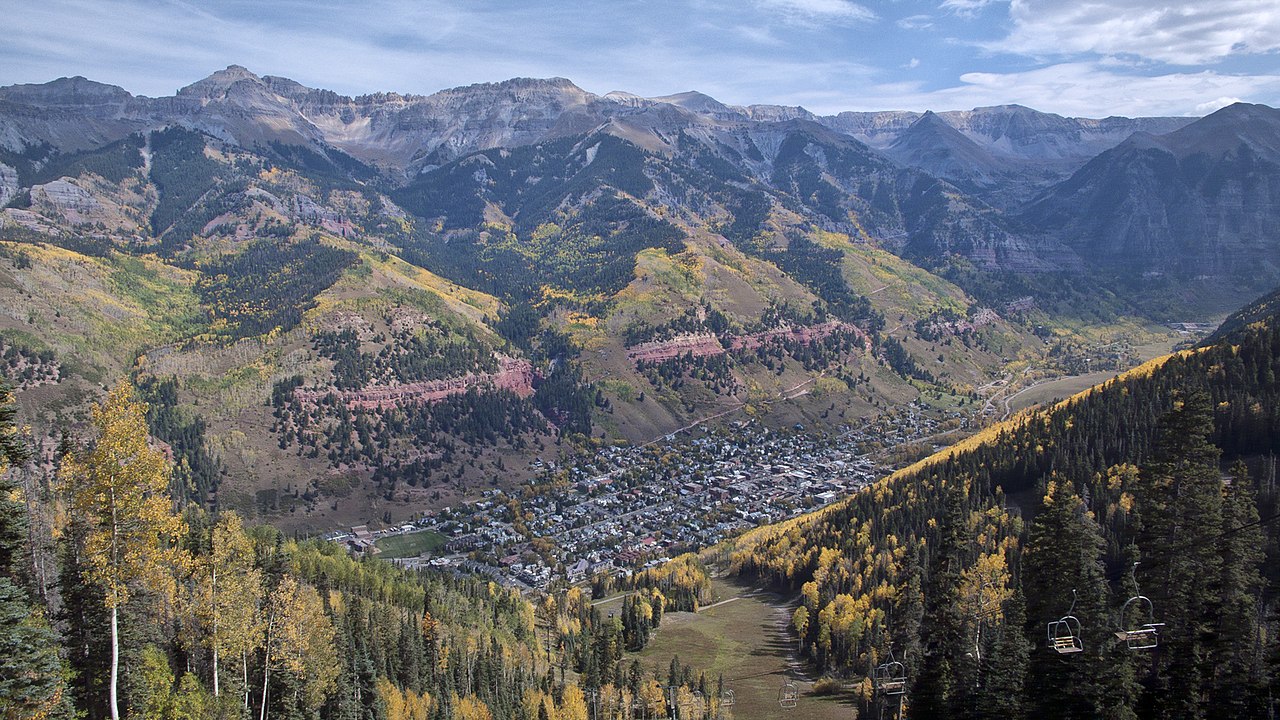
Telluride, nestled at 8,750 feet in the San Juan Mountains, offers fall foliage framed by rugged 13,000- to 14,000-foot peaks. The free Telluride Gondola, which transports over 2.8 million riders yearly, provides panoramic views of quaking aspens, particularly striking in late September. The surrounding mesas and trails, like the Jud Wiebe Trail, showcase expansive golden groves that contrast vividly with snow-dusted mountain backdrops.
Stowe, Vermont – The Northeast’s Foliage Capital
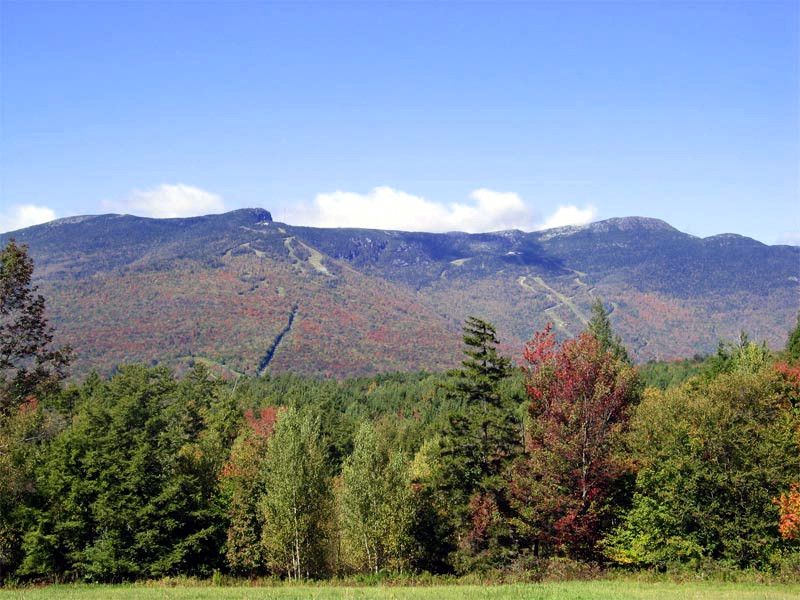
Stowe sits in Vermont’s Green Mountains, where about 75% of the state is forested—making it one of the densest areas of fall color in the U.S. Peak foliage in early October turns the slopes of Mount Mansfield, Vermont’s highest peak at 4,395 feet, into a painter’s palette of red, orange, and gold. Stowe also ranks among the top fall destinations on TripAdvisor, drawing thousands for its scenic drives along Route 100.
Gatlinburg, Tennessee – 100 Native Tree Species in the Smokies
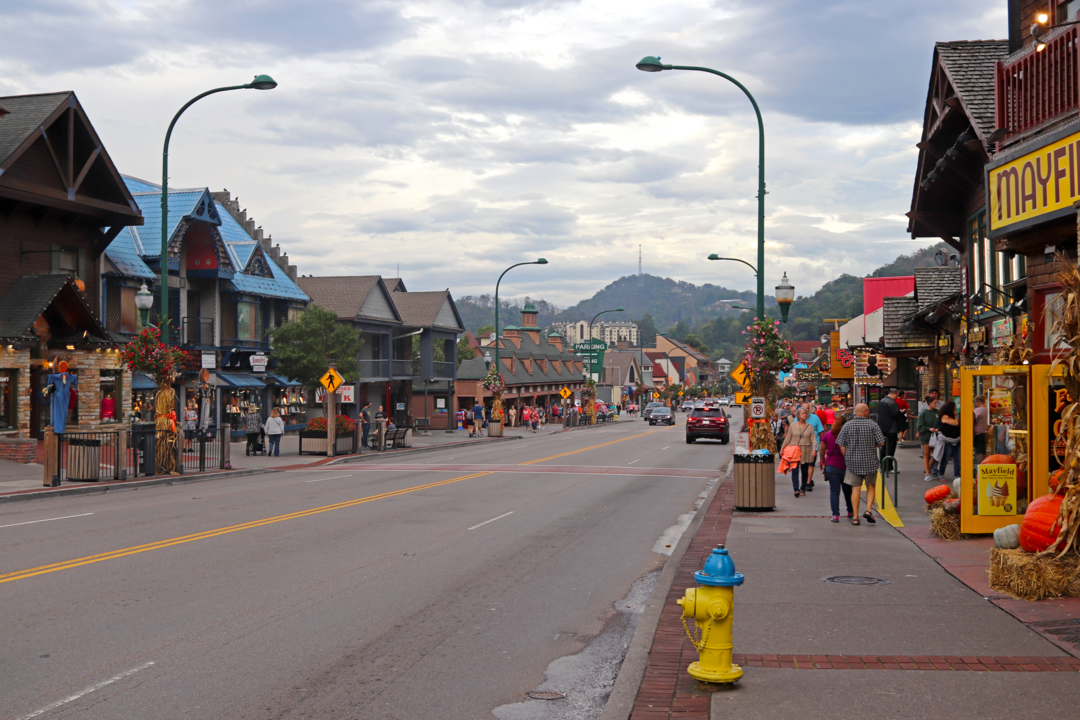
Located at the edge of Great Smoky Mountains National Park, Gatlinburg offers access to one of the most diverse forests in North America, home to more than 100 native tree species. The park welcomes over 12 million visitors annually, with peak color occurring from mid-October through early November. Sugar maples, scarlet oaks, and sweetgums paint the valleys, while higher elevations ignite with yellow birches and mountain ash.
Sedona, Arizona – Golden Cottonwoods Against Red Rock Cliffs
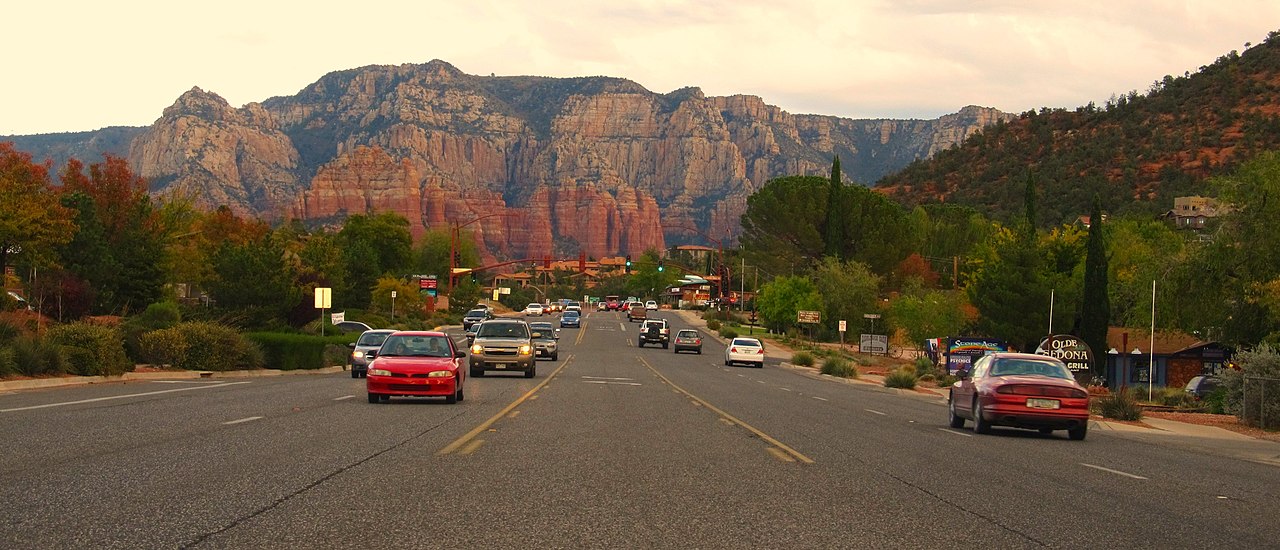
Sedona’s 4,500-foot elevation makes it a unique fall foliage destination in Arizona’s desert landscape. Oak Creek Canyon, a 14-mile gorge north of town, transforms in late October with cottonwoods and sycamores glowing gold against iconic red sandstone formations. Over 3 million annual visitors experience Sedona’s mix of high-desert foliage and striking geological scenery, making it one of the Southwest’s most unusual autumn color displays.
Jackson, Wyoming – Wildlife and Foliage in Grand Teton Country
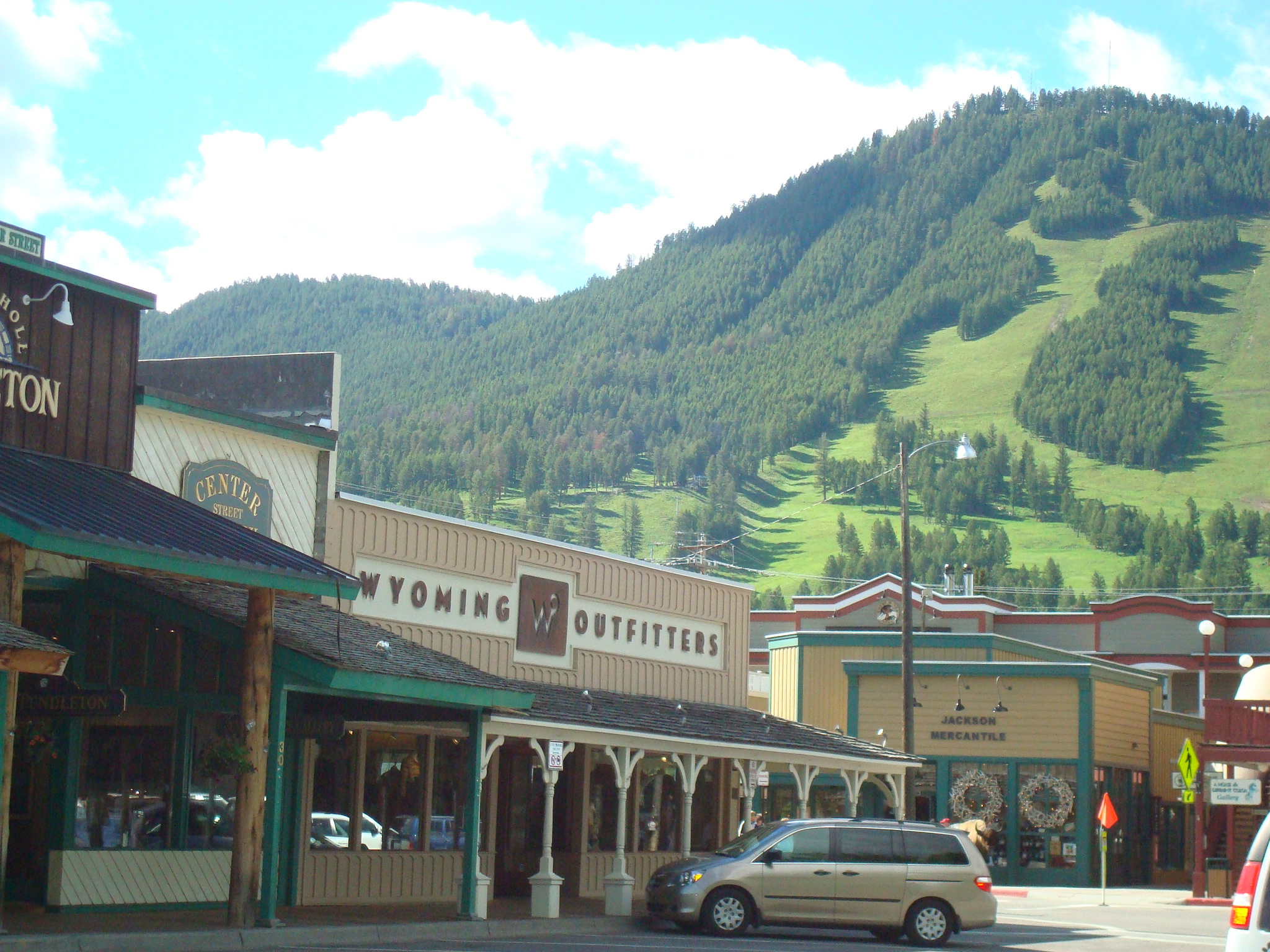
Jackson sits at 6,200 feet, just outside Grand Teton National Park, where quaking aspens and cottonwoods create vibrant contrasts against snow-dusted peaks in late September. The National Elk Refuge, spanning 25,000 acres, draws herds of elk migrating through golden meadows each fall. Jackson’s blend of wildlife viewing and foliage, set against the 13,775-foot Grand Teton, offers one of the most dramatic autumn landscapes in the Rockies.
Lake Placid, New York – Adirondack Peaks in Technicolor
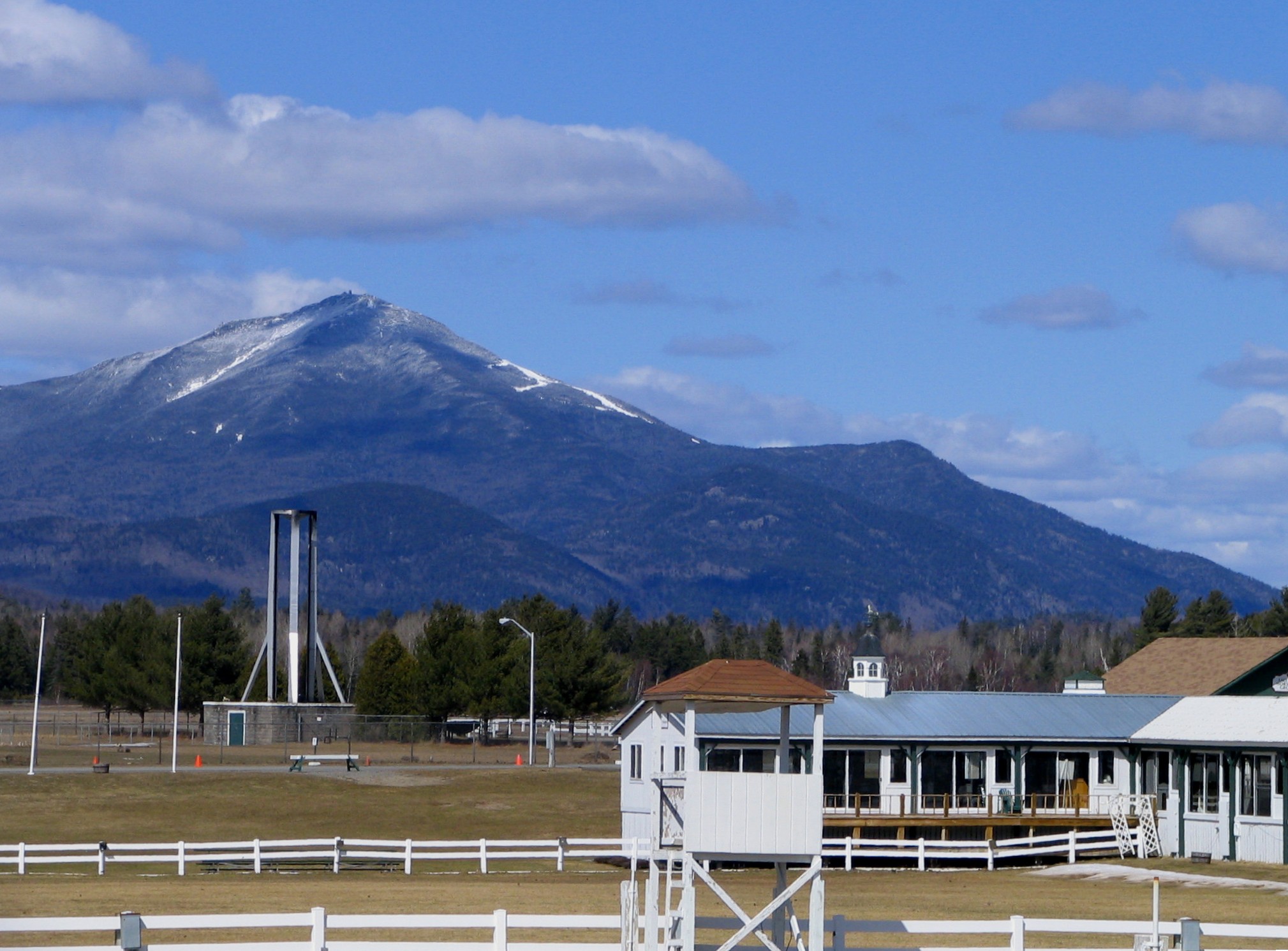
Surrounded by the Adirondack High Peaks, Lake Placid delivers one of the longest foliage seasons in the Northeast, lasting up to six weeks due to varying elevations. The area is 75% forested, with sugar maples and birches dominating the landscape. Home to the 1932 and 1980 Winter Olympics, Lake Placid combines history with natural beauty, drawing leaf peepers to scenic drives such as the 170-mile Olympic Byway loop.
Park City, Utah – Wasatch Mountains in Autumn Splendor

Park City, famous for its Sundance Film Festival, is equally stunning in fall when aspens and maples ignite the Wasatch Mountains. At 7,000 feet, the town’s trails—including the 28-mile Mid Mountain Trail—offer expansive views of red and gold foliage. Utah’s Division of Forestry notes that September is peak season here, with color variations across canyons stretching into October, attracting both hikers and mountain bikers.
North Conway, New Hampshire – Scenic Railways Through Colorful Valleys
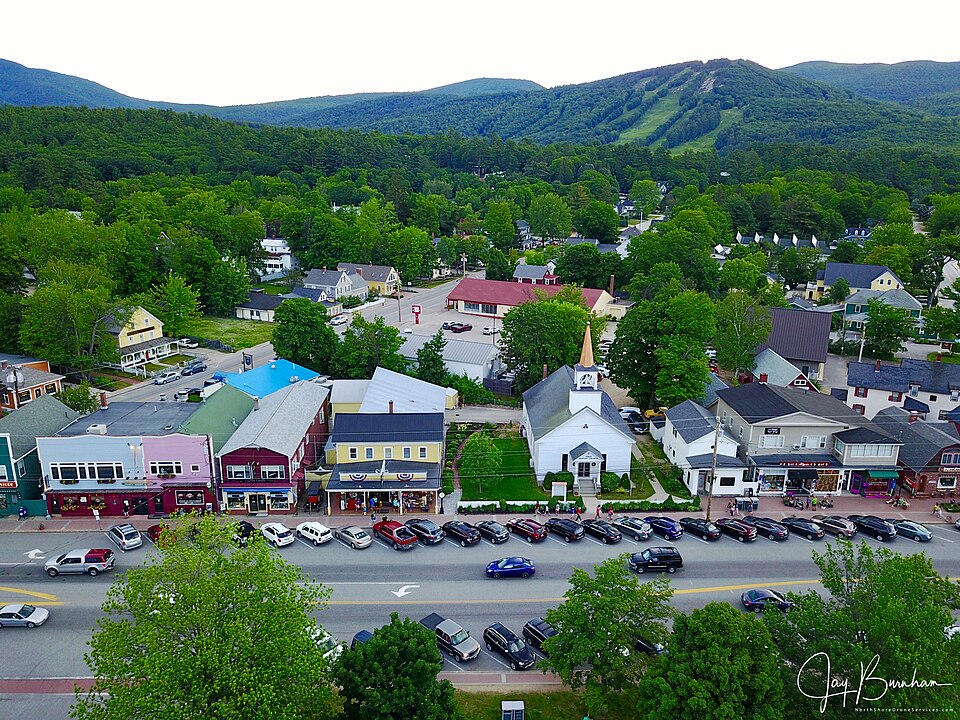
North Conway, in the White Mountains, is a hub for fall tourism in New England. The Conway Scenic Railroad, carrying more than 100,000 passengers yearly, offers vintage train rides through the Saco River Valley, surrounded by blazing maples and birches. With over 750,000 acres of forest in the White Mountain National Forest, North Conway delivers some of the East Coast’s most accessible and spectacular foliage views.
Bend, Oregon – Cascades Foliage with a Craft Beer Twist
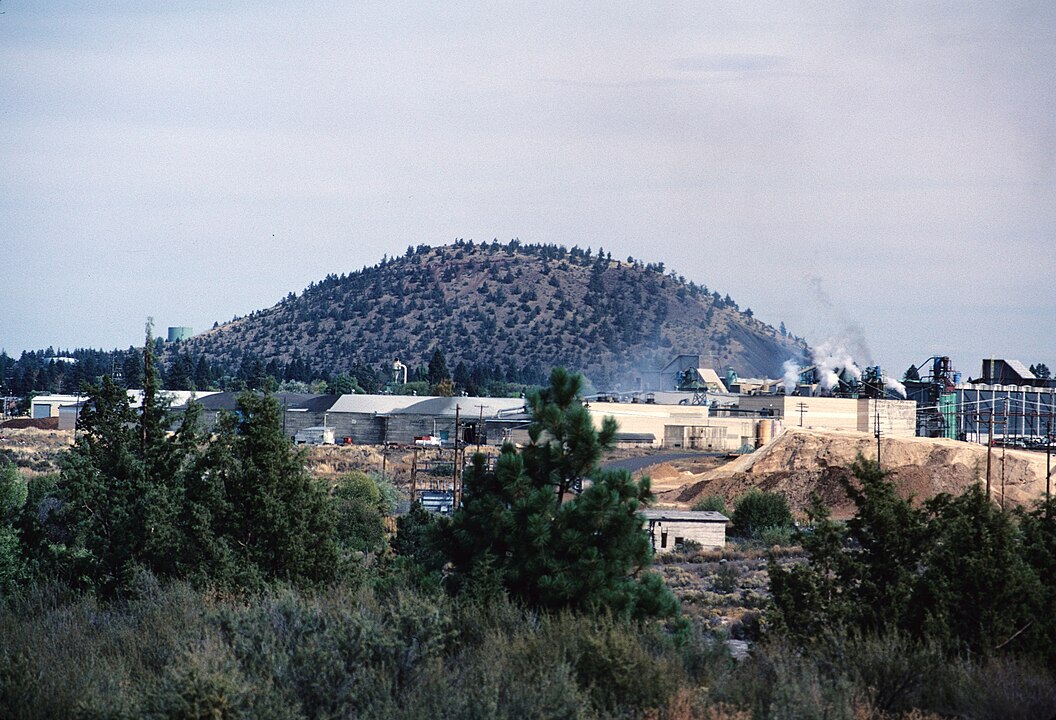
Bend, on the eastern edge of the Cascade Range, combines high-desert landscapes with mountain foliage. In late September, aspens and tamaracks (western larch) turn gold, especially along the Deschutes River. Bend is also home to more than 30 breweries, earning it the nickname “Beer Town USA.” With over 300 days of sunshine annually, visitors can hike, mountain bike, and enjoy the foliage season with a local craft beer in hand.
Asheville, North Carolina – Blue Ridge Parkway’s Fall Showcase

Asheville, surrounded by the Blue Ridge Mountains, offers one of the longest fall color seasons in the U.S.—lasting from late September at higher elevations down to early November in valleys. The 469-mile Blue Ridge Parkway, America’s most visited National Park Service site with over 15 million annual visitors, provides unrivaled views of colorful hardwood forests. Asheville’s arts scene and historic Biltmore Estate further enhance its autumn appeal.