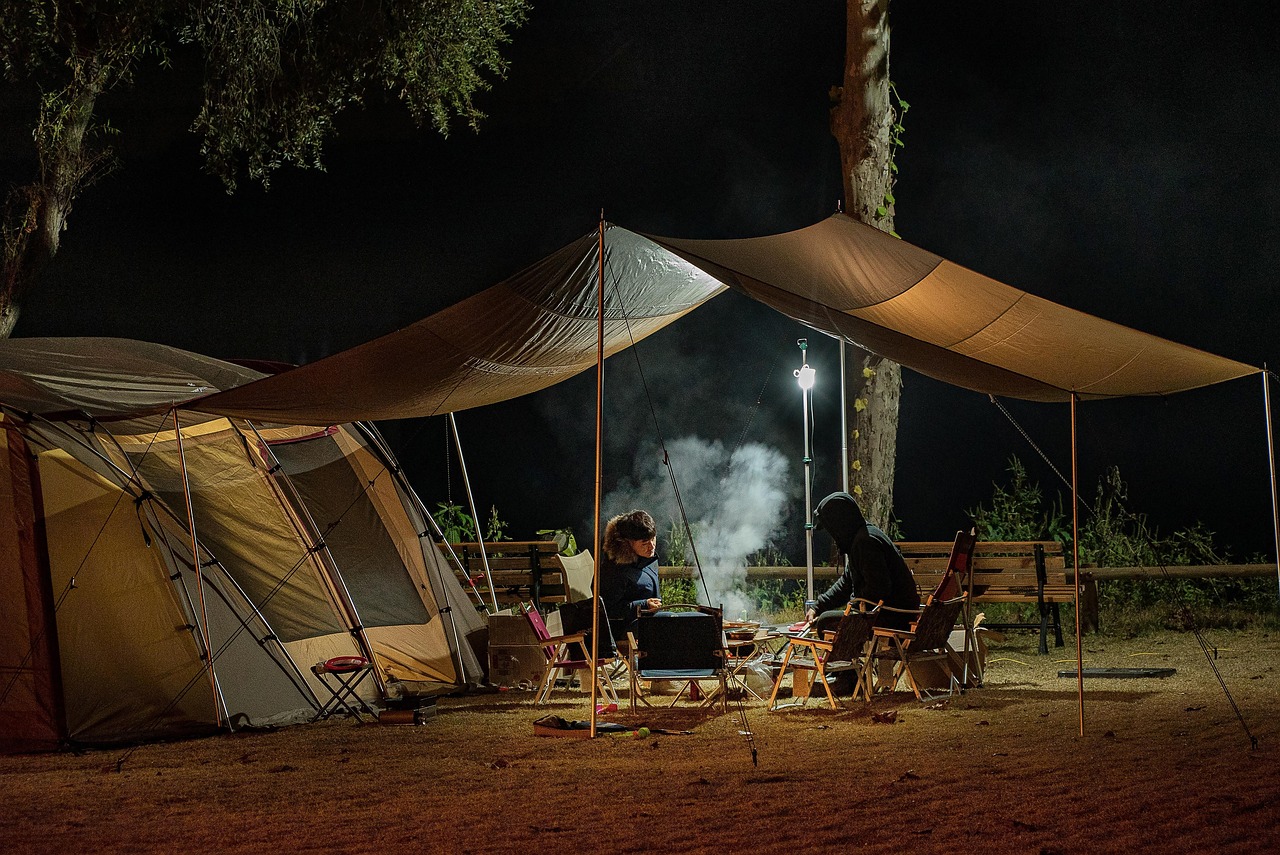
Some campsite mistakes feel harmless during the first night because energy is high and discomfort has not settled in yet. Campers often assume small issues can be handled later once the trip feels routine. As days pass, weather shifts, fatigue builds, and early shortcuts begin to compound. What felt manageable at first slowly becomes frustrating or even unsafe. Campsites reward early planning and punish delayed corrections. Understanding which mistakes grow worse over time helps campers create a setup that stays functional, comfortable, and safe throughout the entire stay instead of just surviving the first evening.
1. Pitching the Tent Without Checking Drainage
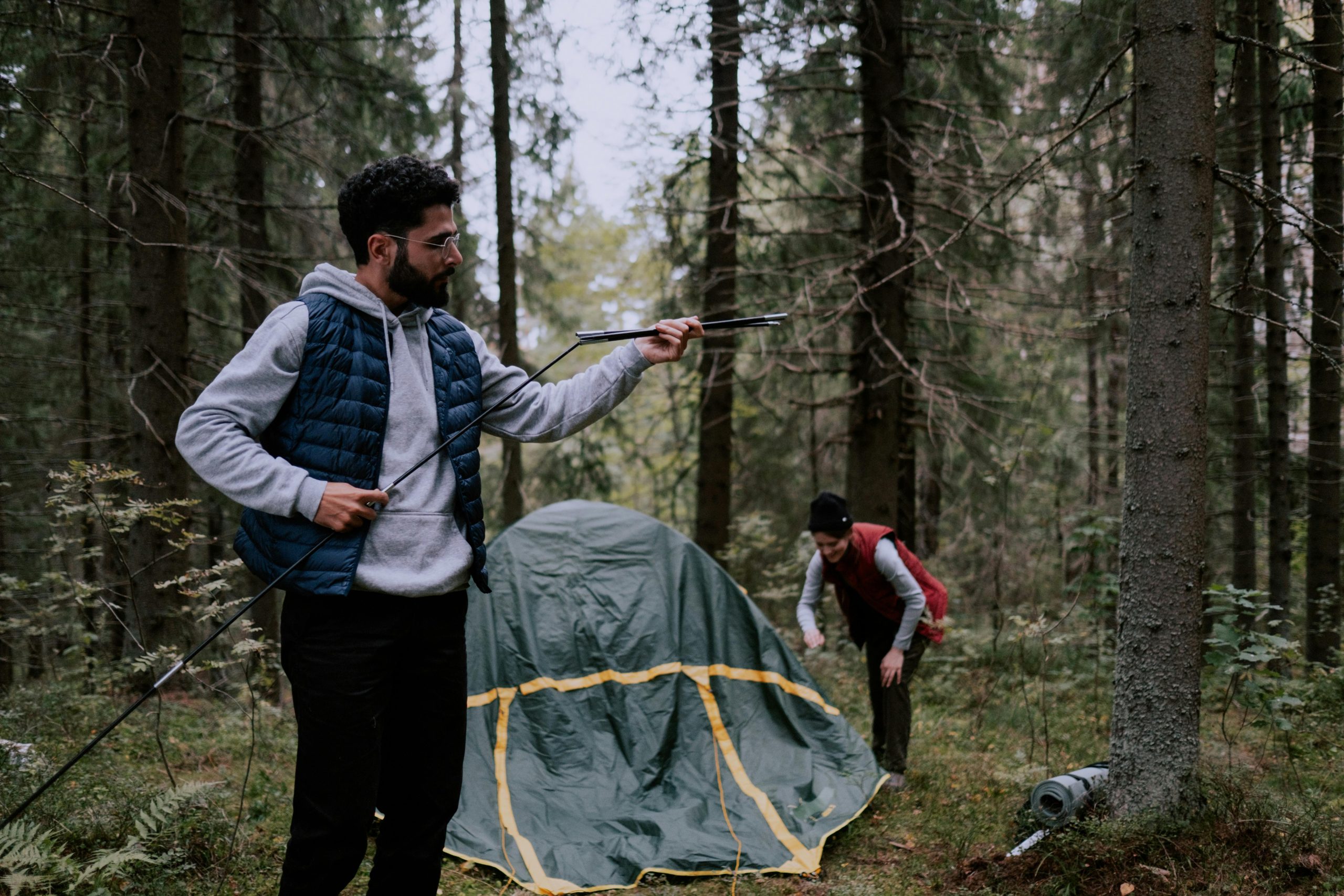
On the first night, dry ground makes almost any tent spot seem acceptable. Campers often prioritize convenience, flatness, or scenery without noticing how water naturally moves across the area. After a day or two, morning dew, light rain, or shifting soil reveal poor drainage. Moisture slowly collects beneath the tent, soaking gear and reducing insulation. Damp ground increases cold and discomfort at night. Relocating the tent later becomes difficult once the camp is fully established.
2. Letting Gear Stay Scattered Around Camp
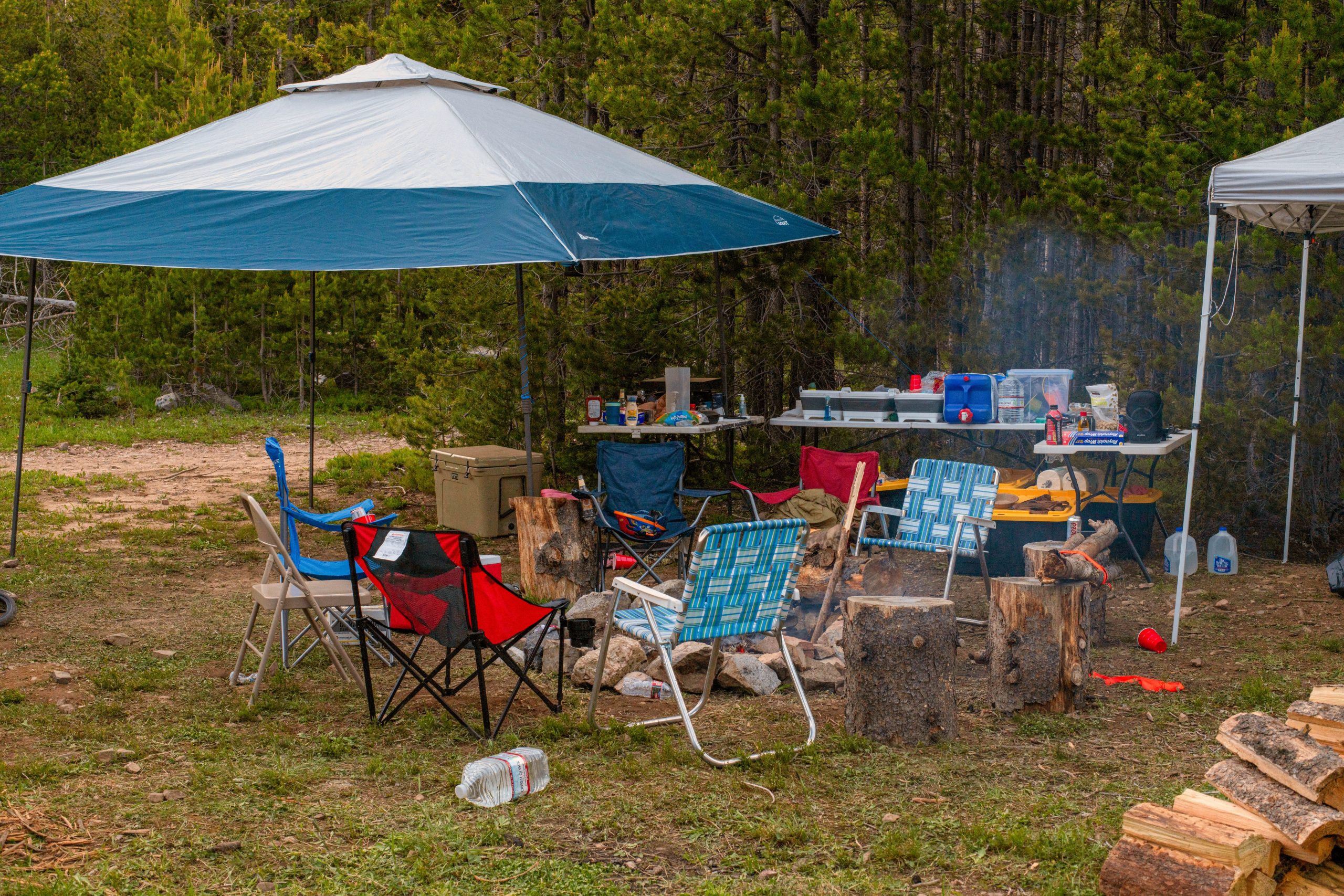
Leaving gear spread out feels manageable on the first night when everything is easy to find, and energy is high. As days pass, clutter increases without notice. Items get misplaced, stepped on, or exposed to moisture and dirt. Packing and unpackingbecomes slower and more frustrating, especially in low light or bad weather. Wildlife may investigate unattended gear, increasing the risk of damage.
3. Being Casual With Food Storage

Improper food storage rarely causes immediate problems on the first night. Smells have not built up yet, and animals may not be active. Over multiple days, repeated cooking leaves lingering odors on tables, bags, and clothing. Wildlife begins to investigate more frequently, especially at night. Food becomes harder to protect, and disturbances increase. Campers lose sleep and spend time managing animals instead of relaxing.
4. Wearing Damp Clothing Without Drying It Properly
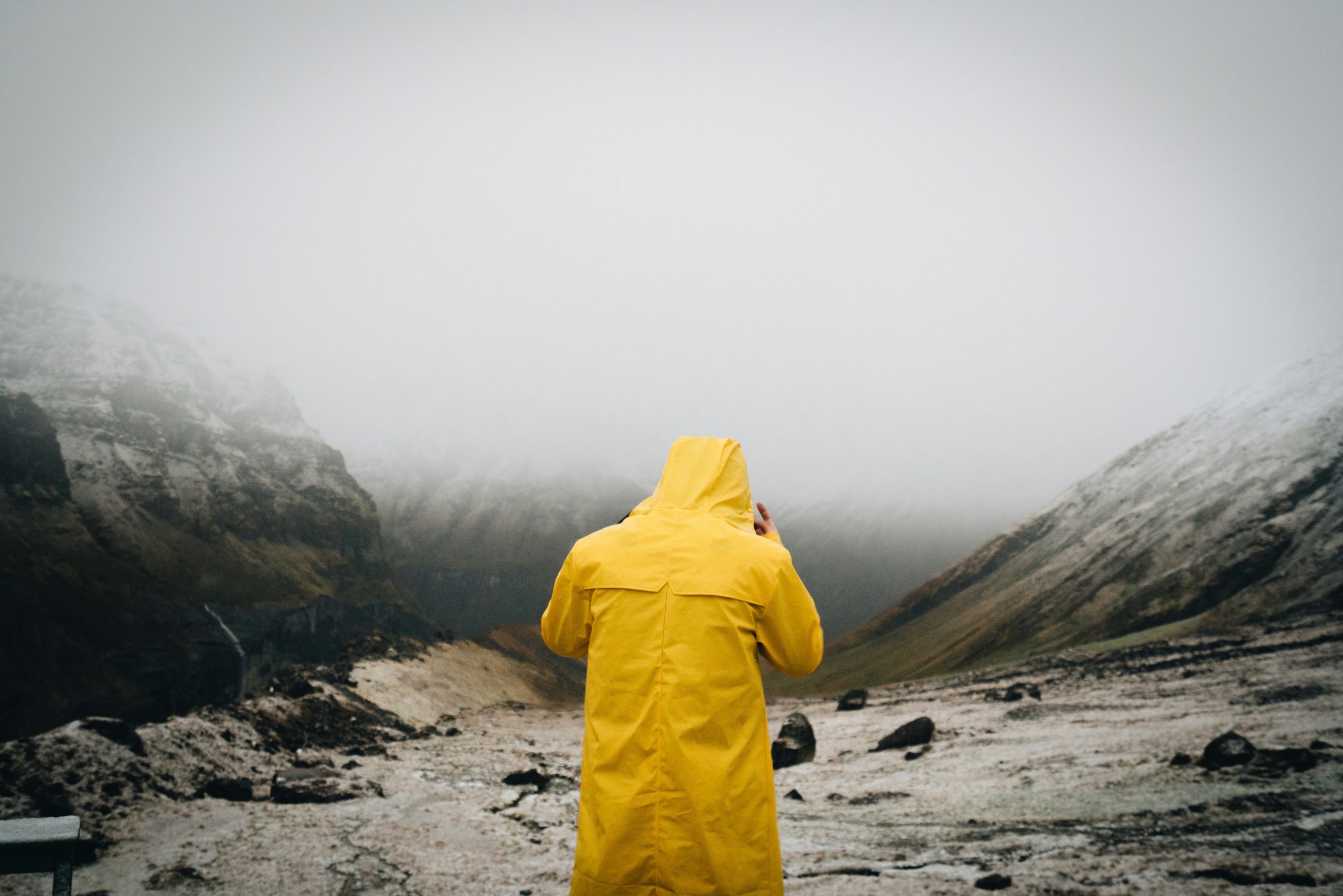
Damp clothing often feels tolerable on the first night, especially after a warm day. Campers assume items will dry naturally later. After several nights, trapped moisture causes chills, skin irritation, and fatigue. Drying becomes harder in cool, humid, or shaded conditions. Sleeping in damp layers lowers body temperature and reduces rest quality. Energy levels drop steadily. What feels like a minor inconvenience early slowly becomes a constant source of discomfort that affects mood, sleep, and overall trip enjoyment.
5. Ignoring Minor Gear Damage
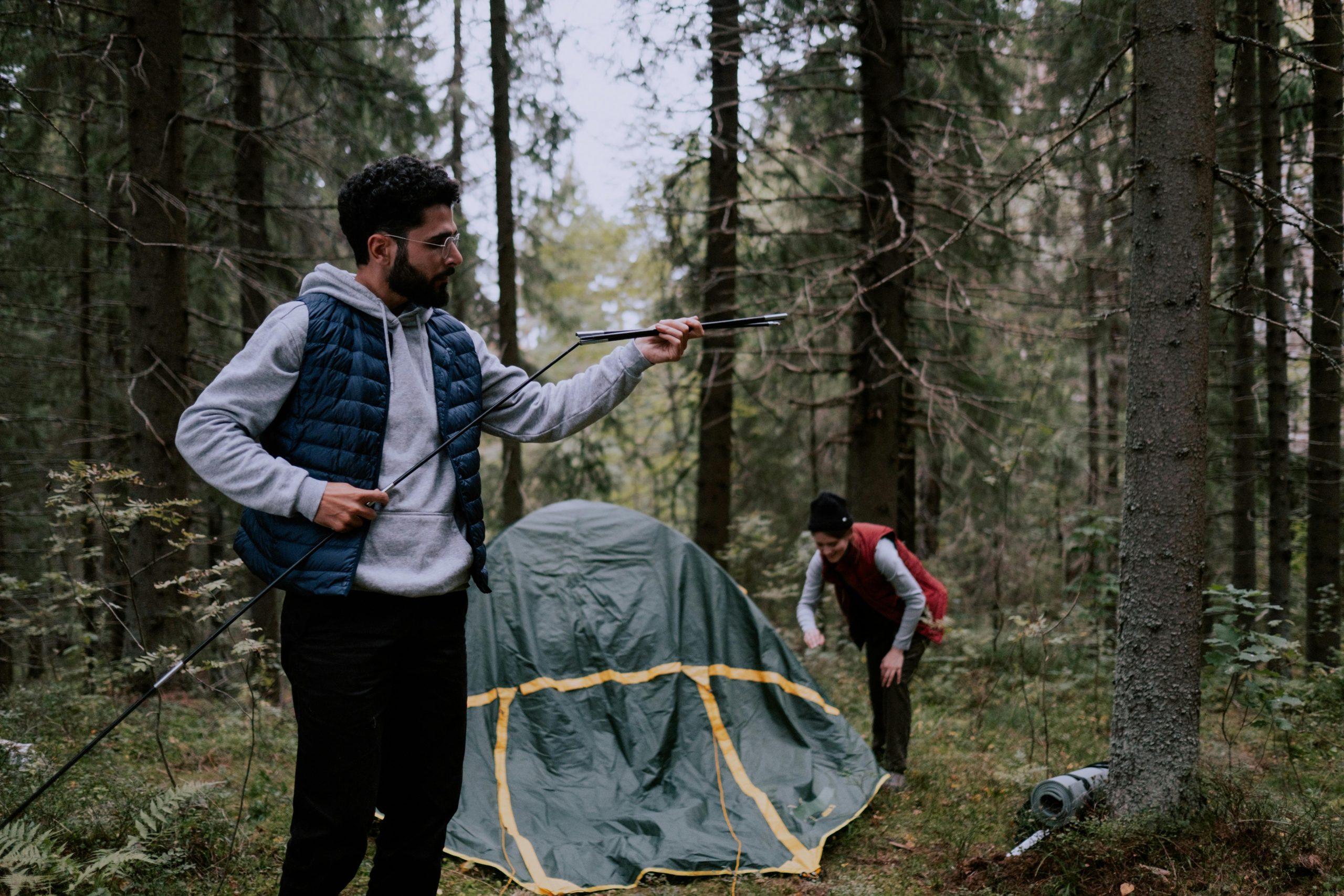
A loose strap, small tear, or cracked buckle does not seem urgent on the first night. Campers often assume gear will hold long enough. Over time, repeated use worsens small damage. Straps fray further, zippers fail, and stress points tear wider. Repairs become harder when tools are limited. Gear often fails at the worst possible moment. Addressing small damage early prevents simple issues from growing into failures that disrupt routines and reduce safety as the trip continues.
6. Skipping Daily Camp Cleanup
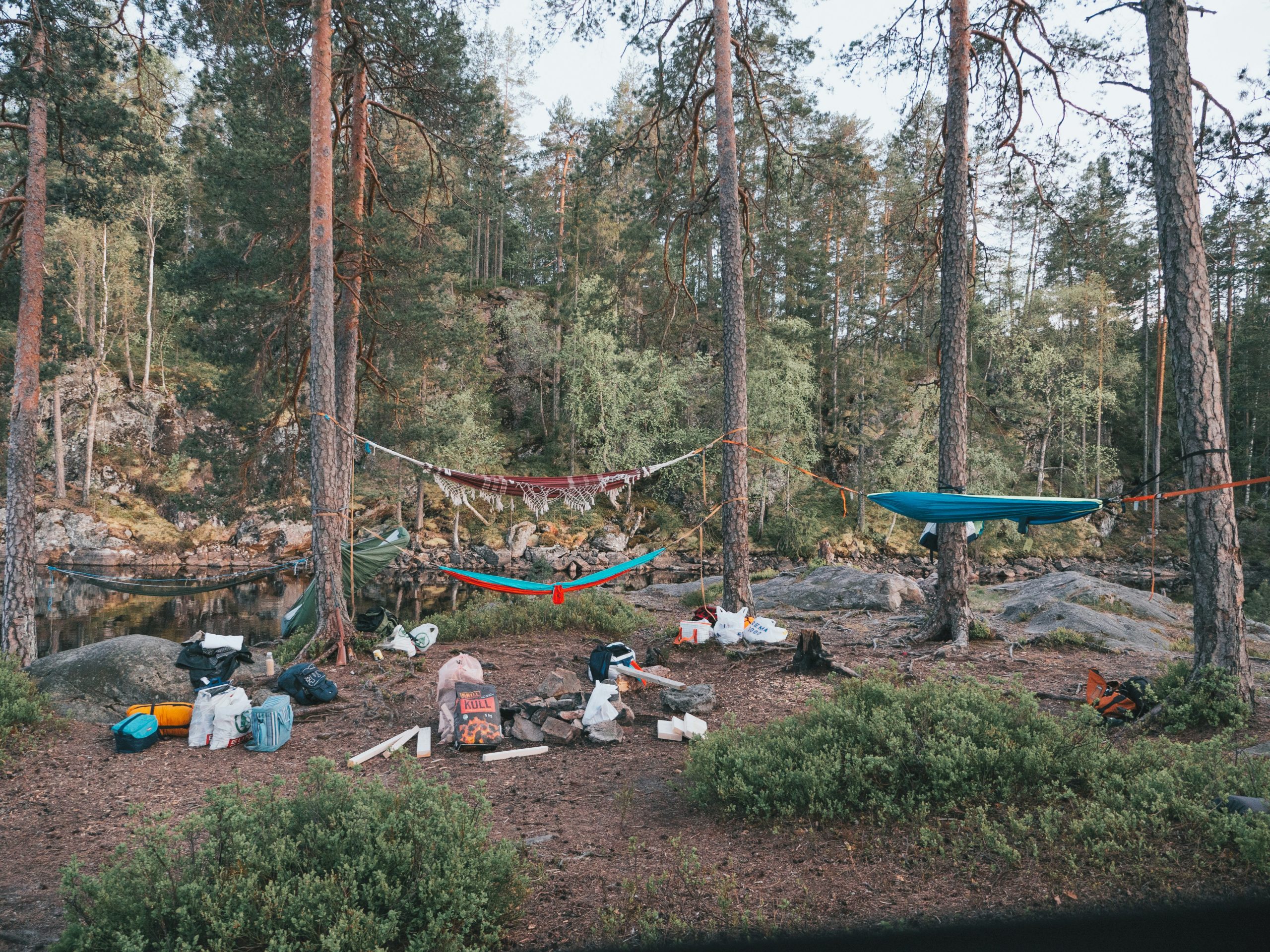
Skipping cleanup saves time on the first night and feels relaxing. Dirty cookware, food scraps, and trash seem manageable later. Over several days, odors increase, and pests arrive. Hygiene declines, making the campsite unpleasant. Trash piles grow, attracting insects and animals. Cooking becomes stressful instead of enjoyable. Daily cleanup routines established early prevent gradual buildup that drains energy and creates avoidable safety concerns later in the trip.
7. Accepting an Uncomfortable Sleep Setup
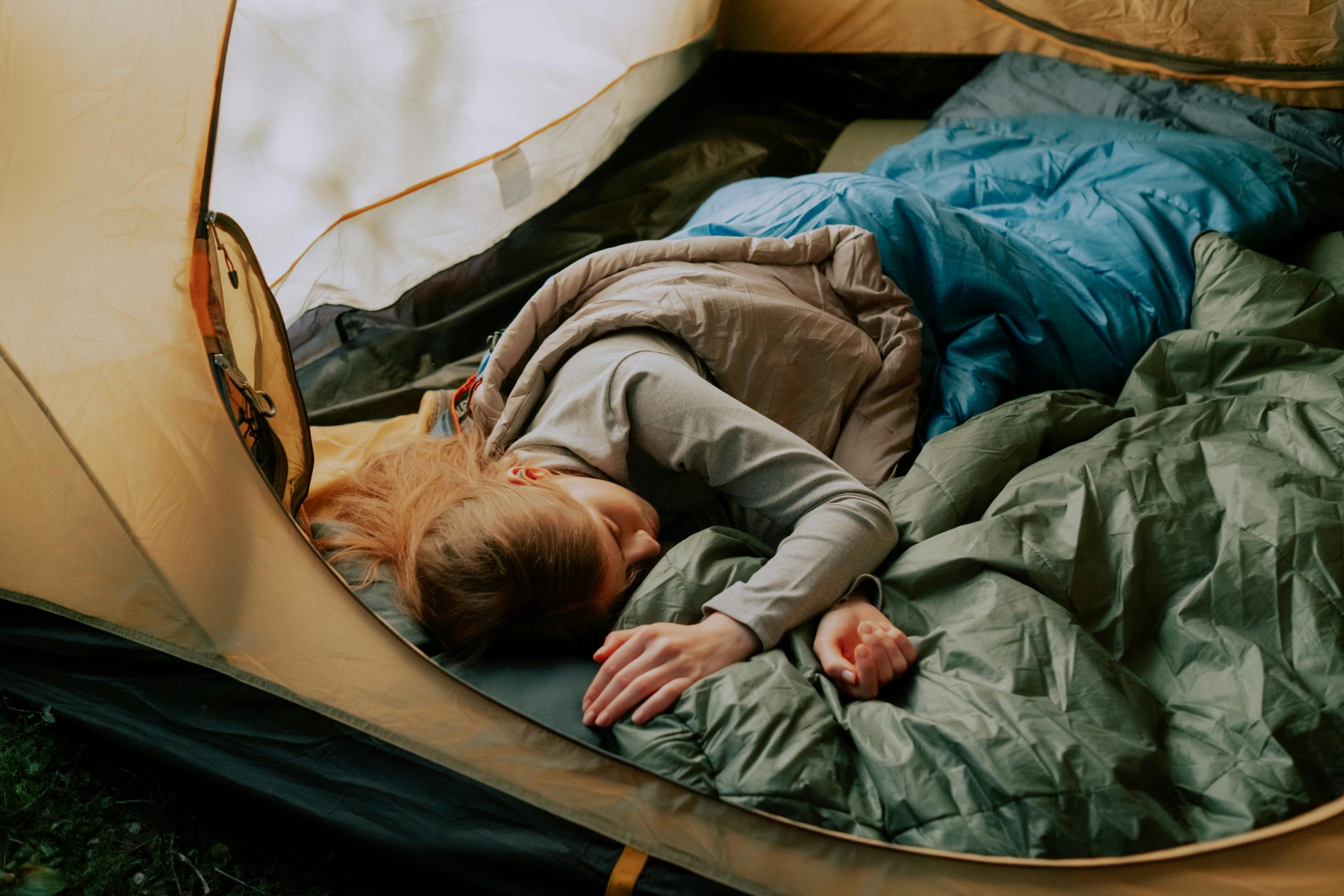
One uncomfortable night feels manageable, and campers often assume their bodies will adjust. Over several nights, poor sleep accumulates. Thin pads, uneven ground, or awkward positioning cause stiffness and fatigue. Reduced rest affects patience, balance, and decision-making. Mornings become slower and less motivated. Sleep quality becomes increasingly important as the trip continues, and early adjustments protect physical comfort and mental clarity over time.
8. Depending on a Single Light Source
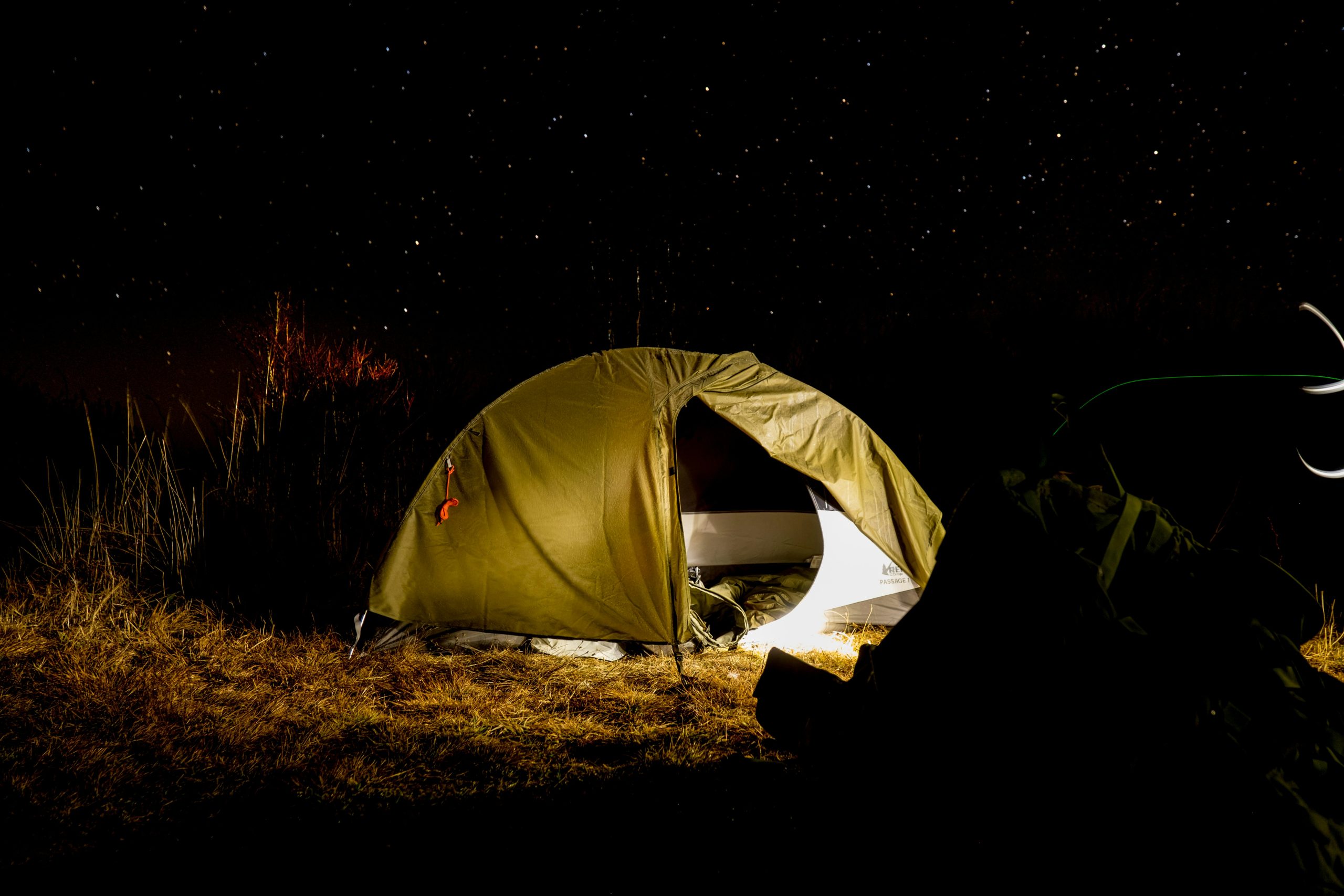
One headlamp or flashlight works fine on the first night. Batteries drain faster than expected with repeated use. When light fails later, basic tasks become difficult and unsafe. Cooking, organizing gear, and moving around camp suffer. Darkness increases the risk of falls and mistakes. Redundant lighting becomes critical on longer trips, and ignoring this early often leads to frustration and safety concerns later.
9. Avoiding a Daily Camp Routine
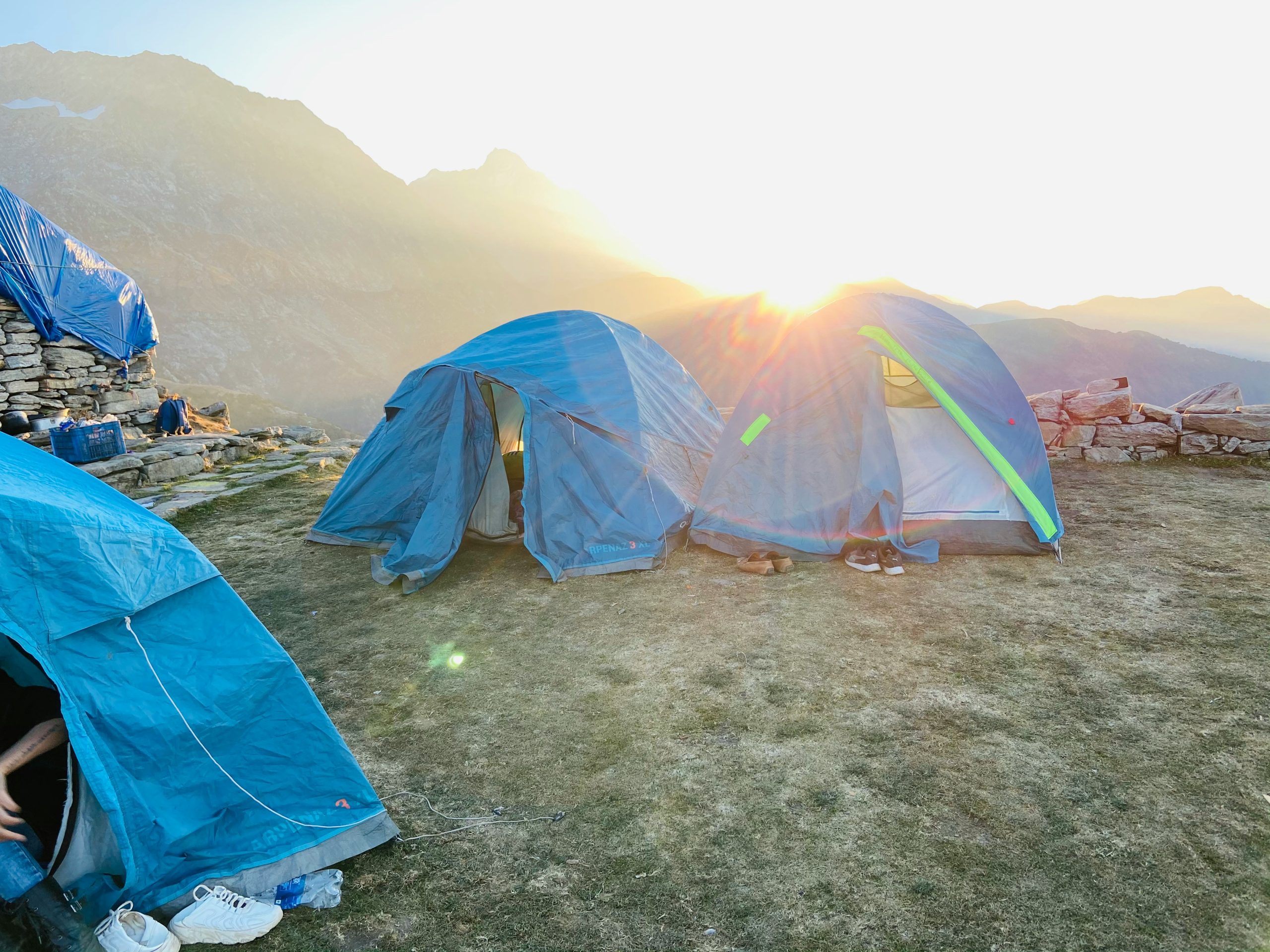
Flexible schedules feel freeing at the beginning of a trip. Without routines, tasks are repeated inefficiently. Meals take longer to prepare, packing becomes scattered, and important steps are forgotten. Over time, delays add up, and energy drains faster. Simple daily routines create structure that supports longer stays and reduces mental fatigue as the days pass.
10. Assuming the Weather Will Stay the Same
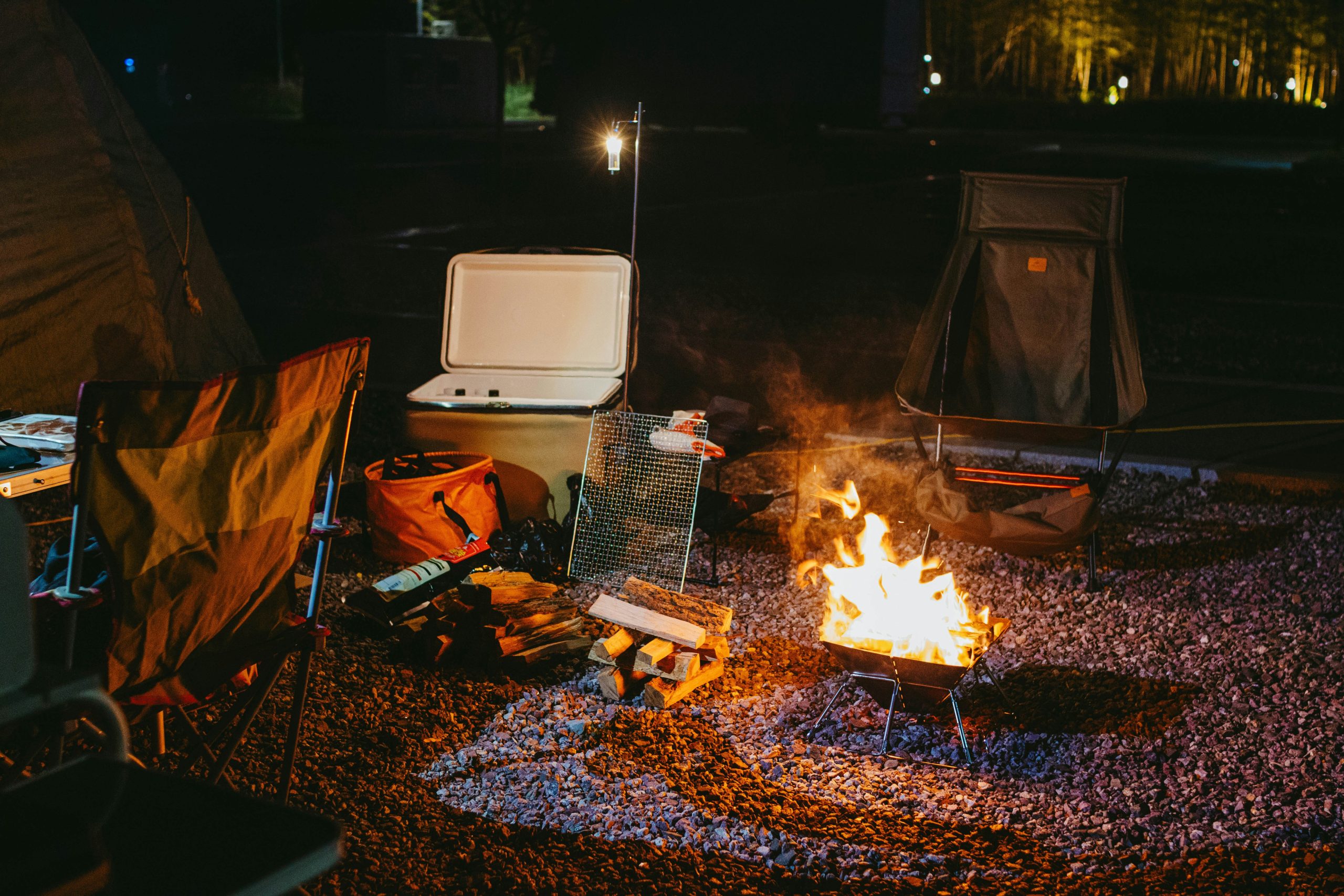
Stable weather on the first night builds confidence. Campers relax preparation and overlook backup plans. As conditions change, earlier choices are exposed. Wind stresses shelters, rain finds weak spots, and cold amplifies dampness. Gear placement and site choice suddenly matter more. Preparing early for changing conditions prevents scrambling later when energy and motivation are already low.
11. Postponing Camp Adjustments
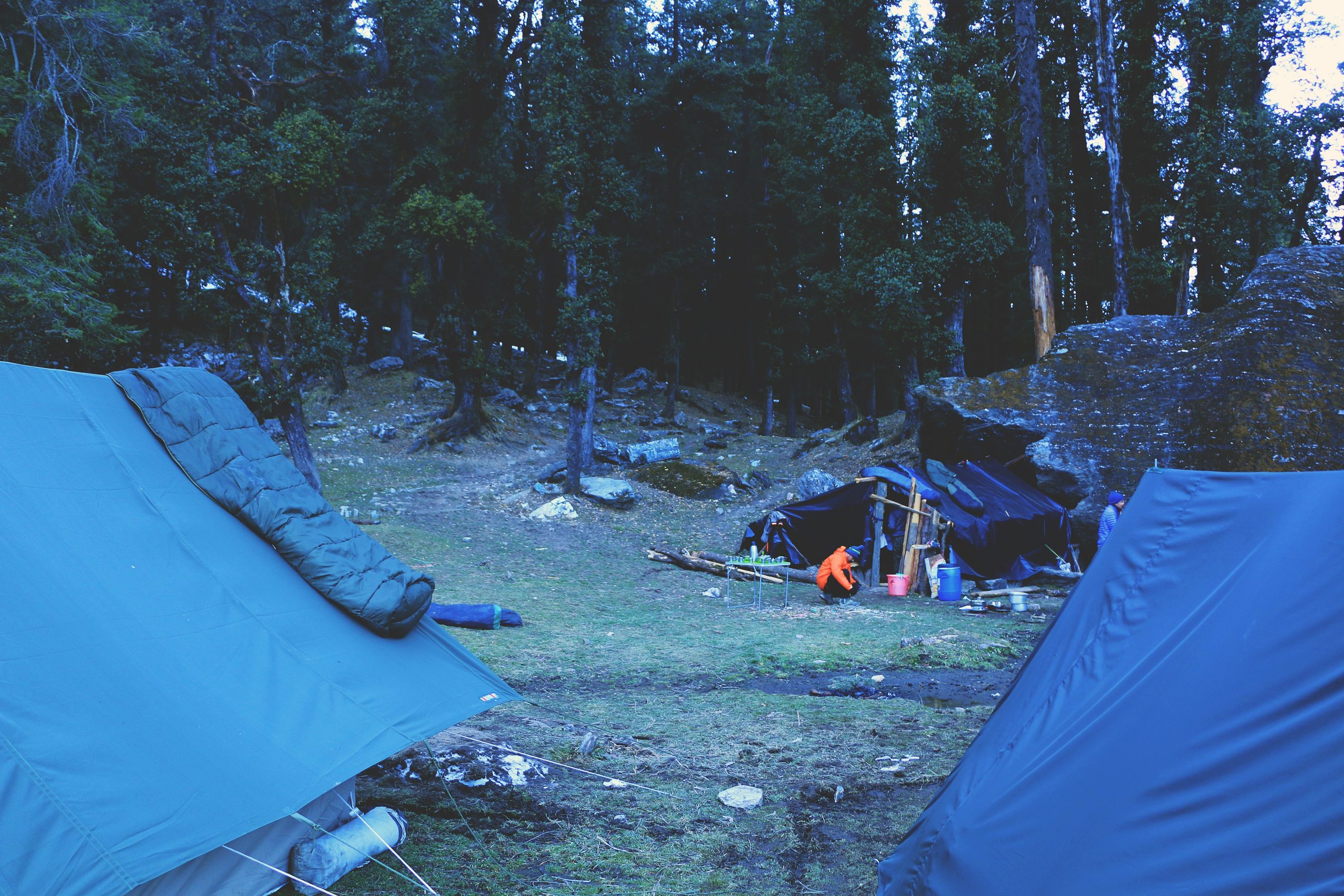
Small annoyances feel easy to ignore on the first night. Campers often plan to fix them later. As fatigue grows, motivation drops. What seemed minor begins to feel larger and more frustrating. Awkward layouts, poor storage, and inconvenient setups remain unchanged. Making adjustments early saves effort and prevents small problems from quietly stacking into daily frustrations that wear down comfort and morale over time.