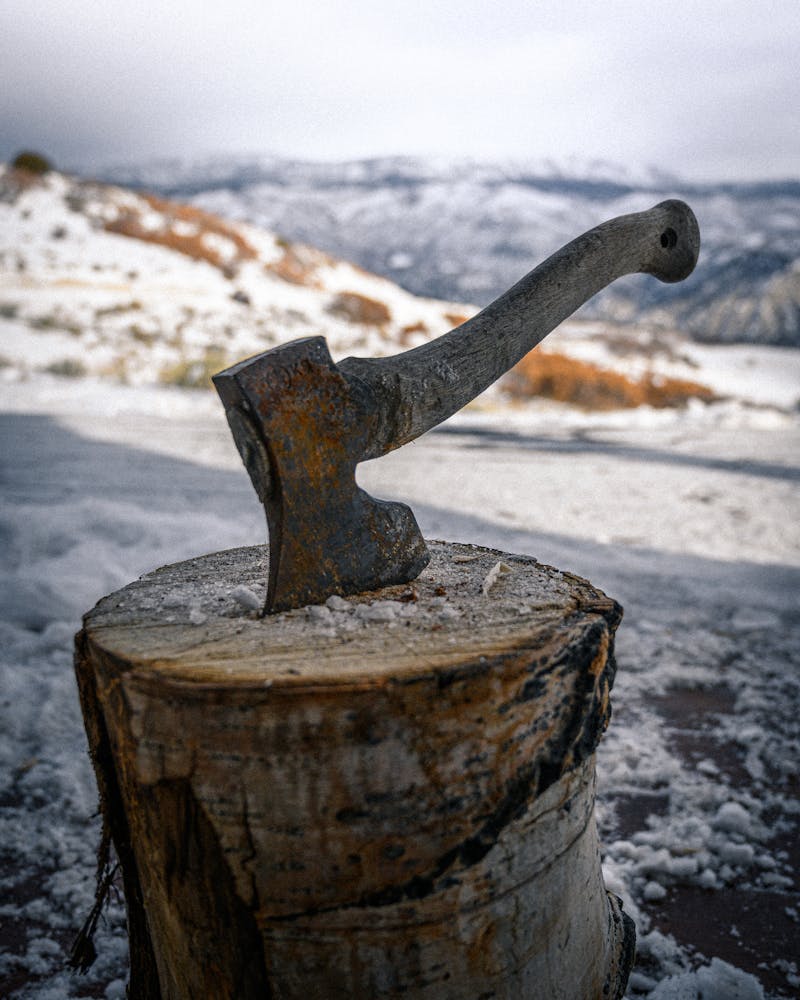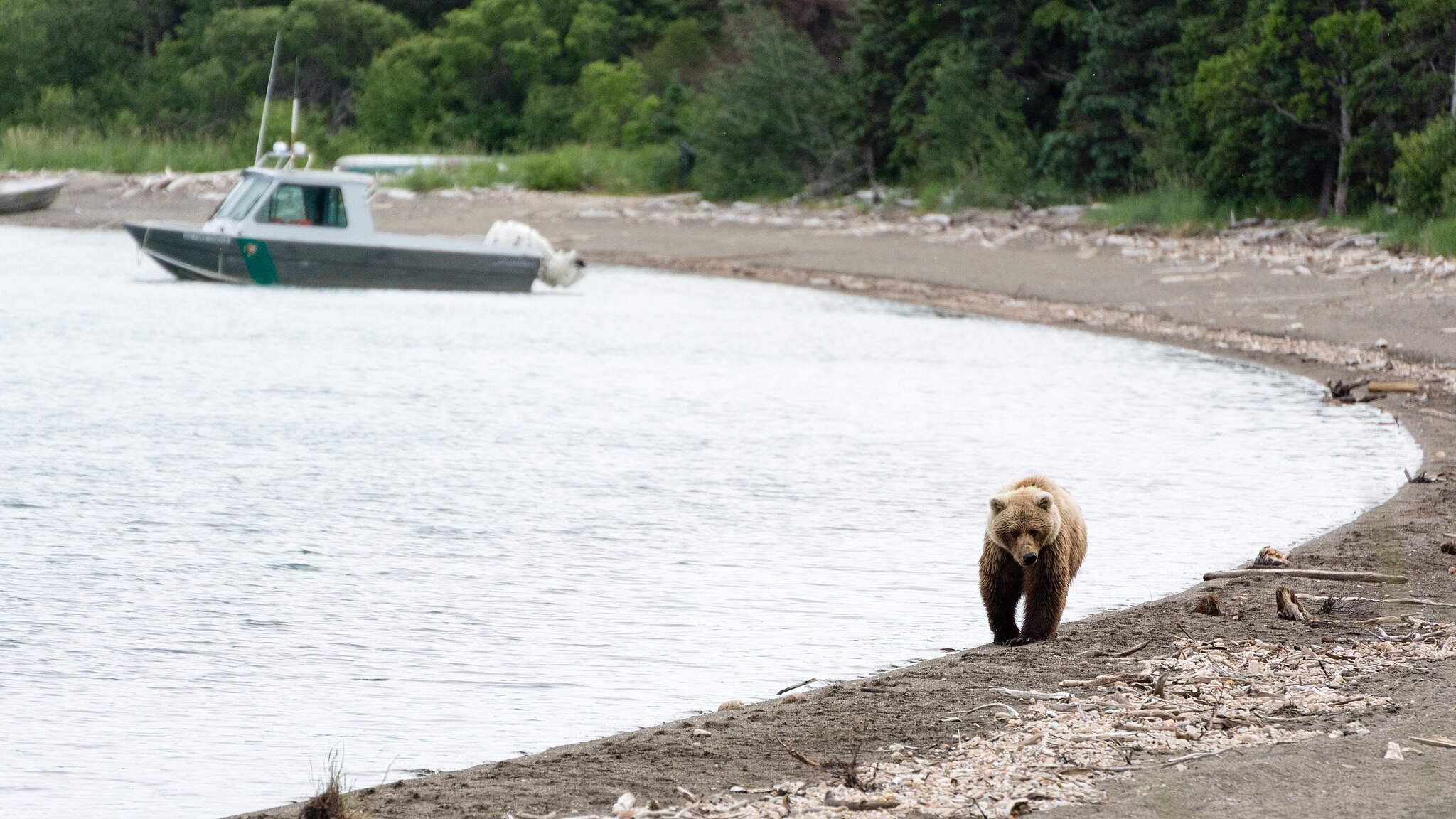
Camping in the wild can be peaceful, exciting, and deeply refreshing, but it also comes with real risks that many people underestimate. Animals like bears, snakes, raccoons, coyotes, and even insects are constantly searching for food, warmth, and safe shelter. A small mistake at your campsite can send signals that attract them straight to you. Many campers believe dangerous encounters only happen far in the wilderness, but in reality, most problems start because of simple habits like storing food the wrong way, leaving trash behind, or choosing a bad place to sleep. Experienced hikers and park rangers often say that animals usually avoid humans unless humans accidentally invite them closer. Understanding what attracts wildlife is one of the most important survival skills you can learn before spending a night outdoors. The following mistakes may seem harmless, but they are some of the most common reasons campers find themselves face-to-face with bears, snakes, and other unwanted visitors.
1. Leaving Food Out in the Open
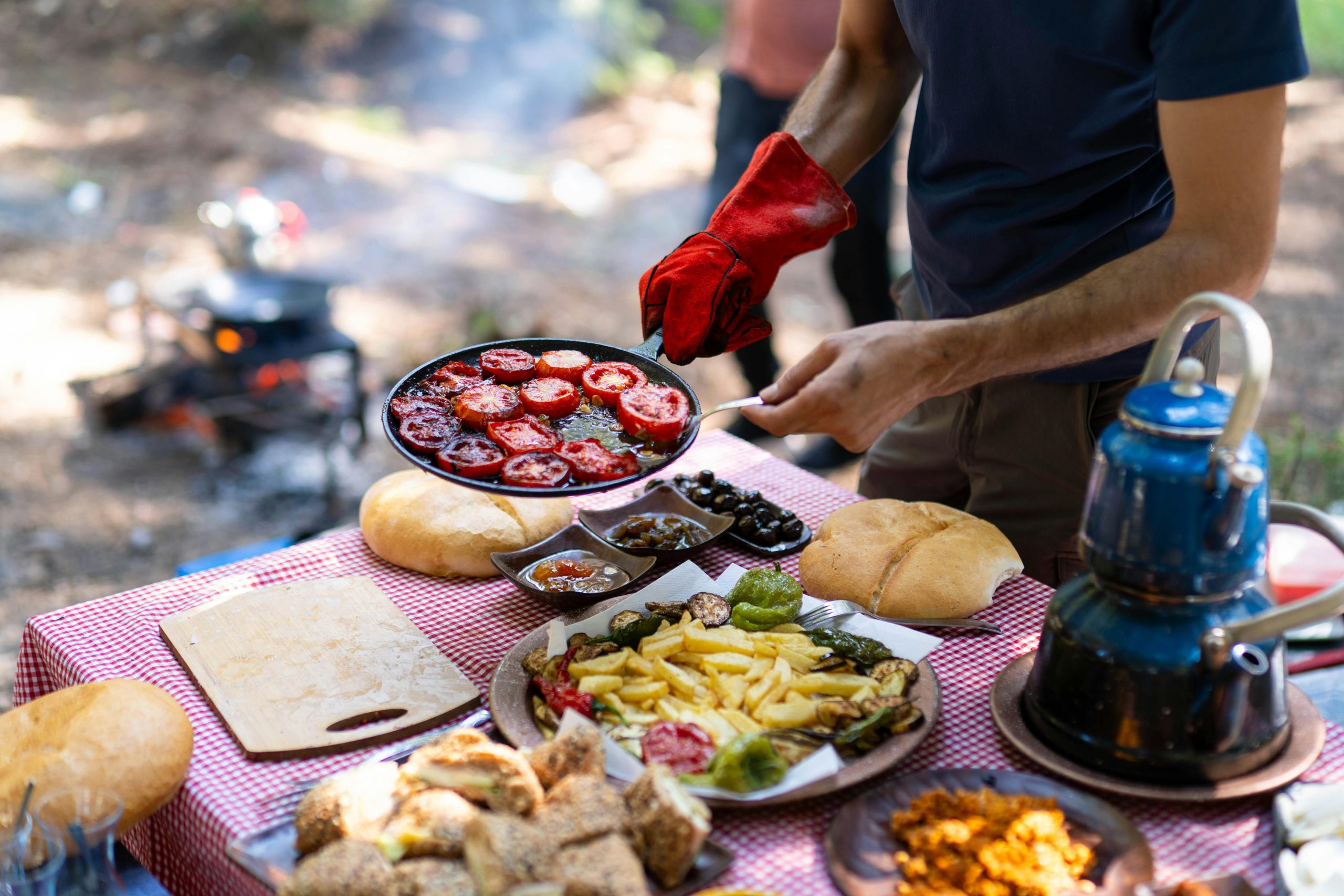
One of the biggest mistakes campers make is leaving food where animals can smell it easily. Bears, raccoons, foxes, and even small rodents have an extremely strong sense of smell, and they can detect food from very long distances. A simple snack wrapper, an open cooler, or leftovers on a table can bring animals straight into your campsite. Once an animal finds food in a camp, it may return again and again because it learns that humans mean easy meals. This can quickly turn a peaceful campsite into a dangerous situation. Even sealed packages are not always safe, because strong smells can still escape. Food should always be stored in airtight containers and kept far from the sleeping area. Many experienced campers hang their food from a tree branch or use bear-proof storage boxes when available. Keeping food secure does not just protect your supplies; it also keeps wildlife from getting too close.
2. Throwing Trash Near the Campsite
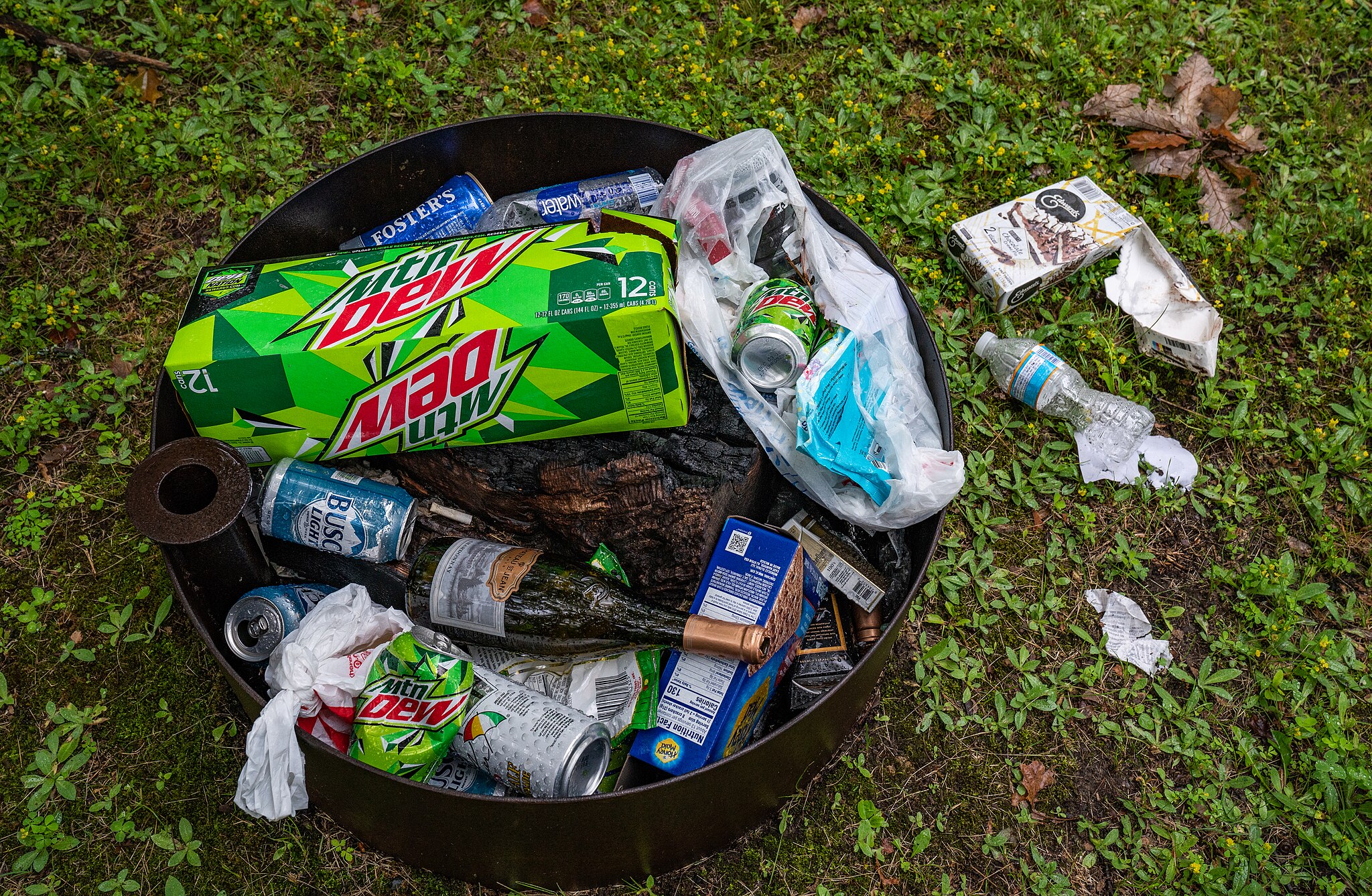
Trash is just as attractive to animals as fresh food, sometimes even more. Leftover cans, food scraps, plastic bags, and cooking waste all carry strong smells that wildlife can detect quickly. When trash is thrown near the campsite or buried poorly, animals may dig it up during the night. Raccoons, coyotes, and bears are known for searching through garbage, and once they find something edible, they will keep coming back. This creates a dangerous pattern where animals start visiting campsites regularly. Many parks have strict rules about trash for this reason. All garbage should be packed tightly in sealed bags and stored away from the tent until it can be disposed of properly. Burning food waste in a campfire is also not safe because the smell can still spread through the air. Clean campsites are not just about neatness; they are one of the best ways to avoid unwanted wildlife encounters.
3. Cooking Too Close to the Tent
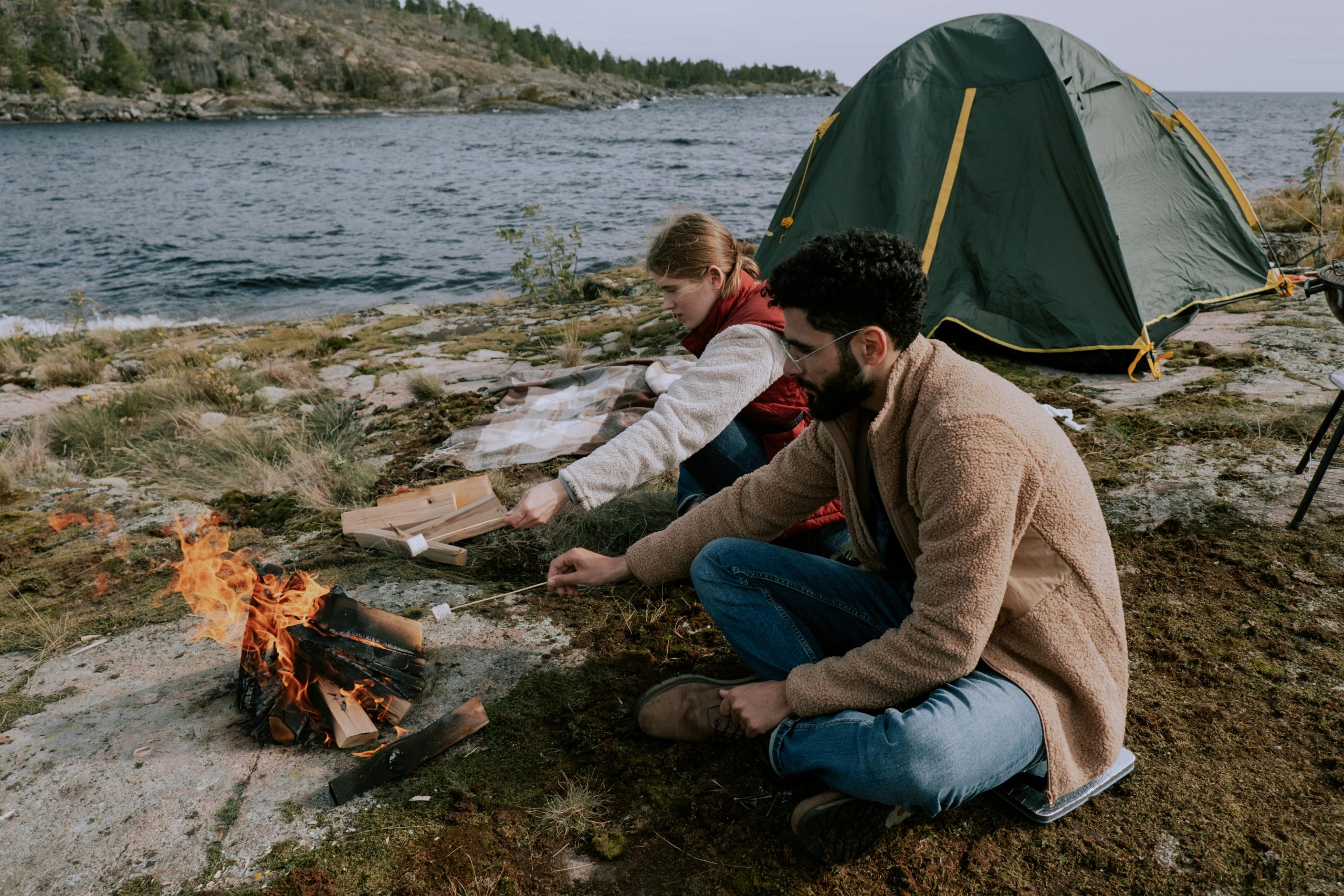
Cooking right next to your tent may feel convenient, but it is one of the worst habits in the outdoors. The smell of cooking meat, oil, spices, and smoke travels far, especially at night when the air is calm. Animals that catch the scent may come to investigate, and if your tent is nearby, you could end up with wildlife walking right through your sleeping area. Bears are especially known for following cooking smells, but smaller animals like skunks, raccoons, and snakes may also be attracted to food scraps left behind. Experienced campers usually set up a separate cooking area at least a short distance away from where they sleep. After cooking, all utensils, plates, and leftover food should be cleaned and stored properly. Keeping the sleeping area free from food smells greatly reduces the chance of animals visiting during the night, making the campsite much safer.
4. Storing Food Inside the Tent
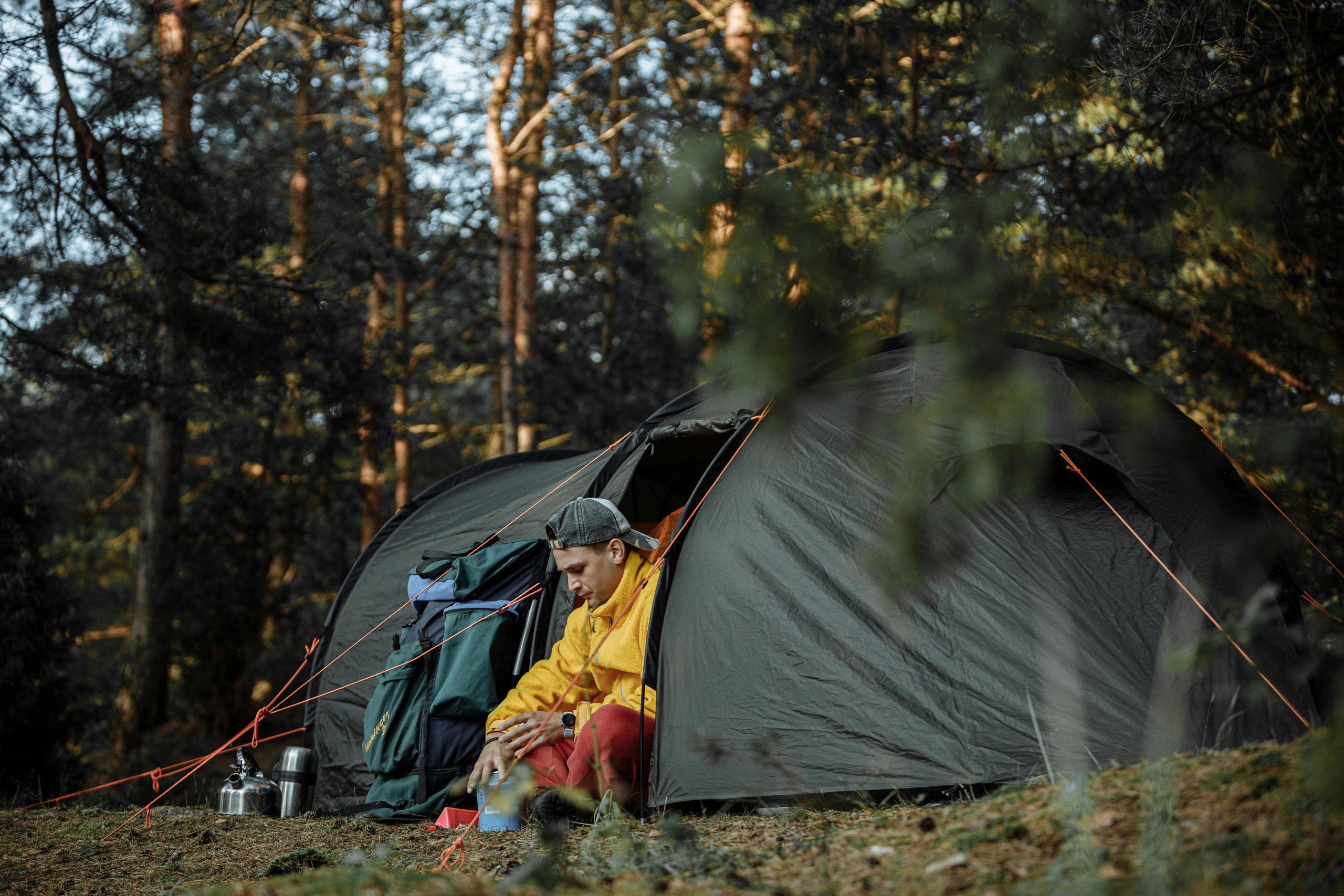
Many beginners keep snacks inside the tent because they think it is safer, but this can actually make things more dangerous. The smell of food trapped inside a tent can attract animals directly to where you are sleeping. Bears have been known to tear open tents just because they smelled candy, chips, or even toothpaste inside. Smaller animals like mice and raccoons can also chew through bags to reach food. Once an animal learns that tents may contain food, it may not be afraid to come close again. Everything with a smell should be kept outside the sleeping area, including snacks, drinks, and scented items. Using proper storage containers and keeping them far from the tent helps reduce risk. A tent should only be for sleeping and storing clean gear. Keeping food out of the tent is one of the simplest rules of safe camping, yet many people forget it.
5. Leaving Dirty Cooking Equipment Overnight
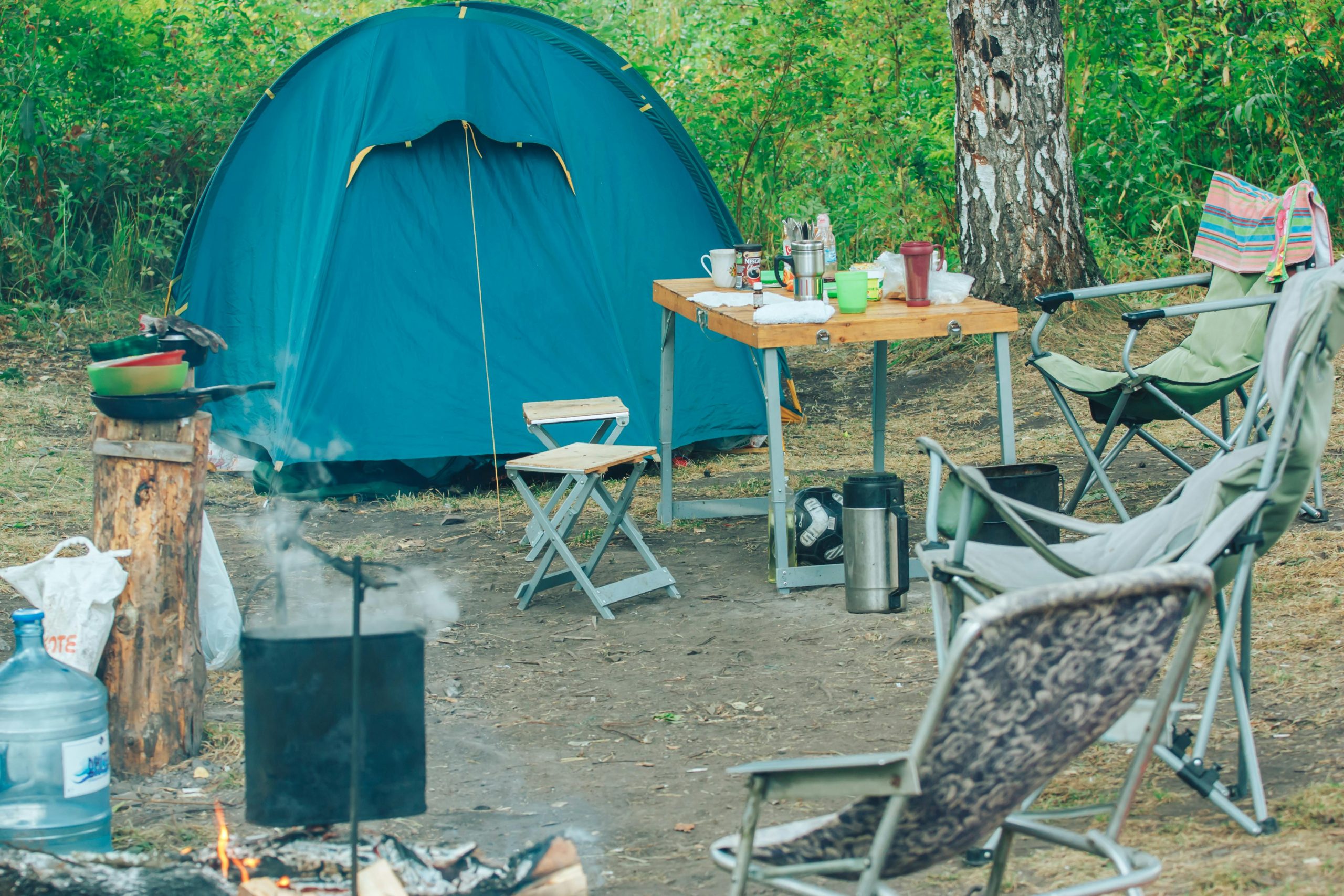
After a long day outdoors, many campers feel too tired to clean their cooking gear, but leaving dirty pots and pans overnight can attract animals quickly. The smell of grease, sauce, and leftover food sticks to cooking equipment and spreads through the air for hours. Bears, raccoons, and even insects can follow these smells directly to the campsite. During the night, animals often move quietly, so campers may not realize something has visited until the damage is already done. Cleaning all cooking tools right after eating is one of the safest habits to follow. Washing with water alone is not always enough, because grease can still smell strong. If possible, dishes should be cleaned away from the sleeping area and dried before storing. Keeping the campsite clean may take extra effort, but it greatly lowers the chance of attracting animals that could turn a simple trip into a dangerous situation.
6. Choosing a Campsite Near Animal Trails
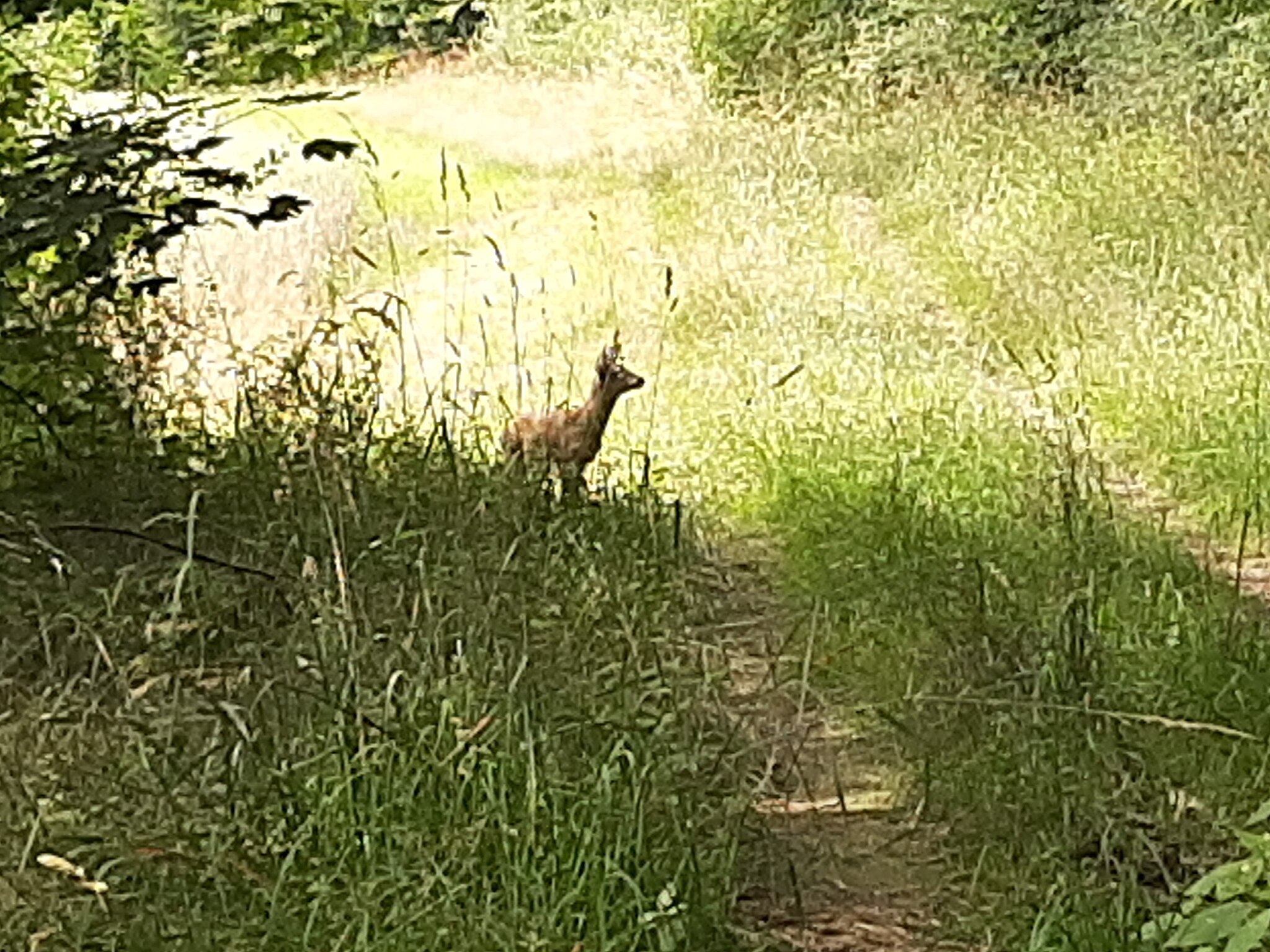
Animals use the same paths again and again when traveling between water, food, and shelter. These paths, often called animal trails, may look like normal, clear ground to campers, but setting up a tent there can be risky. If you camp on a trail, animals may walk straight through your campsite during the night because that is their usual route. Large animals like deer, wild boar, or bears may not expect to see people there, which can lead to sudden and dangerous encounters. Signs of animal trails include footprints, droppings, broken plants, and narrow paths through grass or trees. It is always better to camp in an open area that does not show signs of regular animal movement. Choosing the right location takes a little more time, but it can prevent unexpected visits and help keep both you and the wildlife safe.
7. Sleeping Near Water Sources
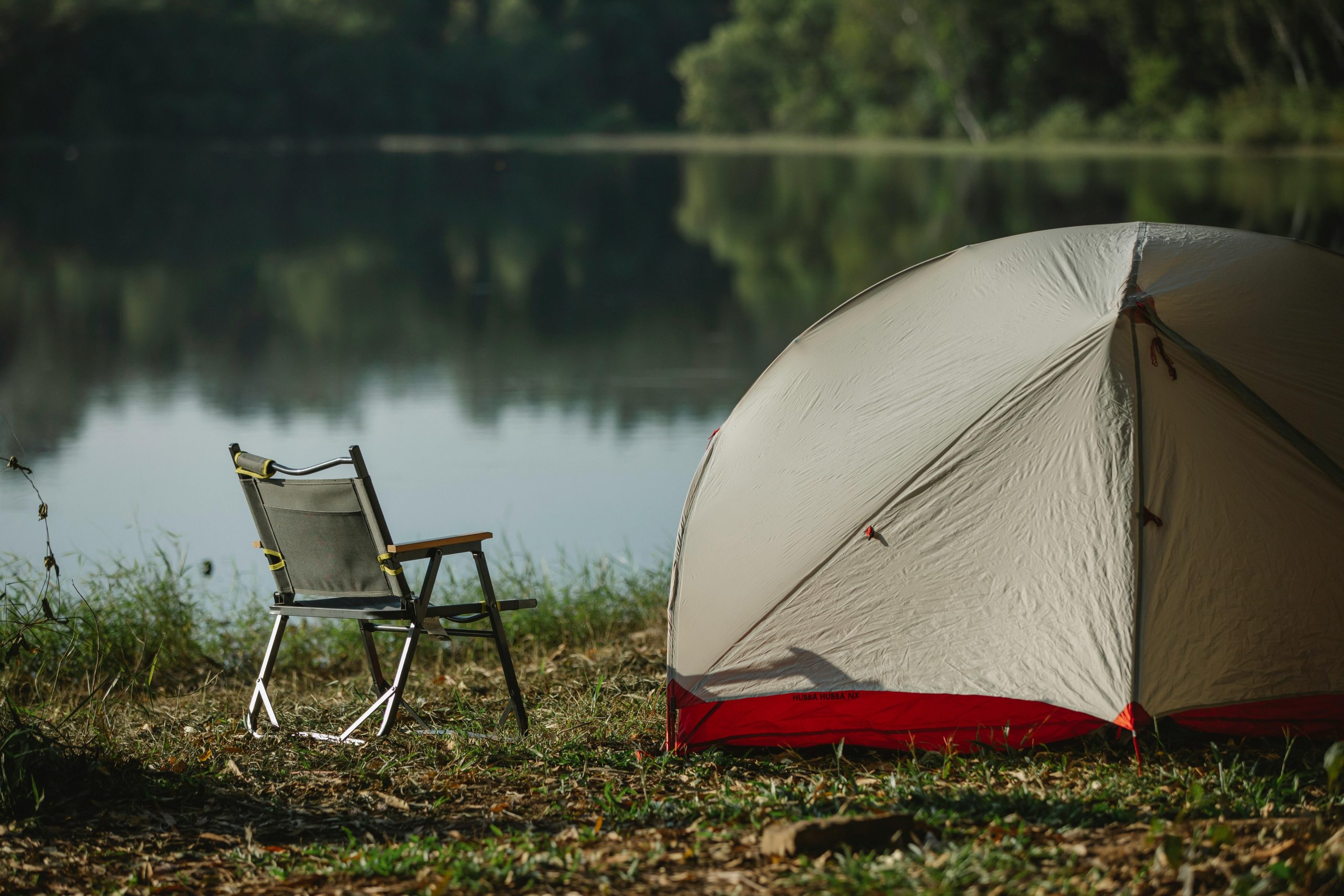
Camping close to a river or lake may seem like a good idea, but water sources attract animals of all kinds. Wildlife comes to drink, hunt, and cool down, especially at night when the area is quiet. Snakes are often found near water because frogs and small animals live there, and larger predators may also come looking for food. If your tent is placed too close to the shore, you may end up in the middle of an active animal area without realizing it. Experienced campers usually set up their tents a safe distance away from water while still keeping it within walking range. This reduces the chance of animals passing close by during the night. A good campsite should have access to water but should not be directly on the edge. Keeping distance from animal gathering spots is one of the smartest safety choices you can make.
8. Using Strong Smelling Products

Many people do not realize that animals are attracted not only to food but also to strong smells from everyday items. Toothpaste, soap, deodorant, sunscreen, and even scented wipes can catch the attention of wildlife. Bears in particular, are curious about any unusual smell, not just food. Keeping these items inside the tent or leaving them out in the open can bring animals closer than expected. All scented products should be stored the same way as food, in sealed containers and away from the sleeping area. Some campers even use unscented soap and hygiene products when traveling in areas known for wildlife activity. It may seem like a small detail, but strong smells can travel far in the outdoors. Reducing scent around the campsite makes it less interesting to animals and lowers the chance of unwanted visitors.
9. Not Checking the Ground Before Setting Up the Tent
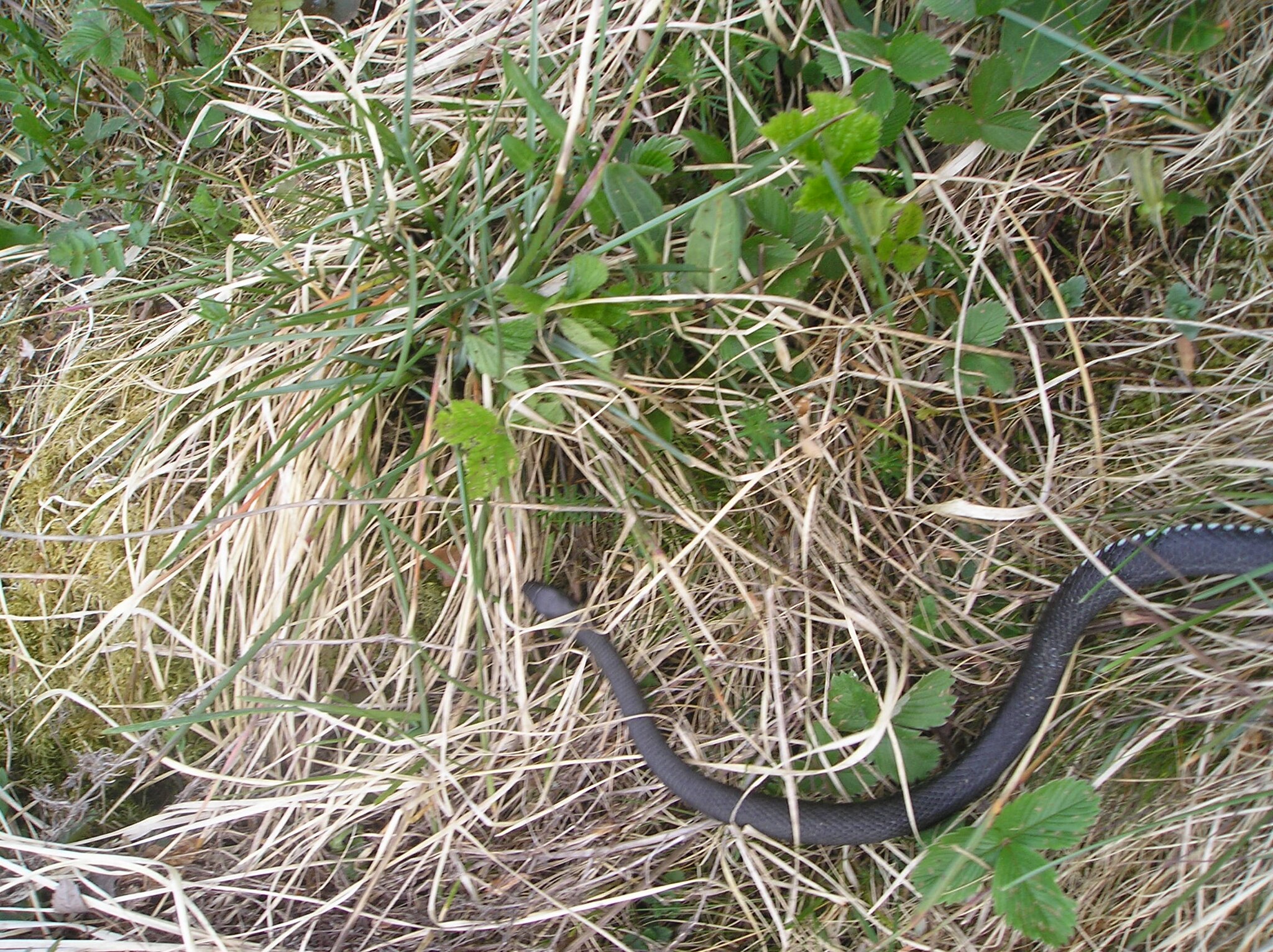
Setting up a tent without checking the ground carefully can lead to trouble, especially in areas where snakes, insects, or small animals live. Tall grass, piles of leaves, and rocks can hide creatures that do not want to be disturbed. When the tent is placed on top of their hiding place, the animal may react defensively. Snakes often stay under warm rocks or in dry grass, and scorpions and spiders may hide in small spaces. Clearing the ground and looking around before placing the tent helps avoid surprises later. It is also a good idea to keep the tent zipped at all times so nothing can crawl inside during the night. Taking a few minutes to inspect the area can prevent bites, stings, and other dangerous situations that could ruin the trip.
10. Leaving Lights On All Night
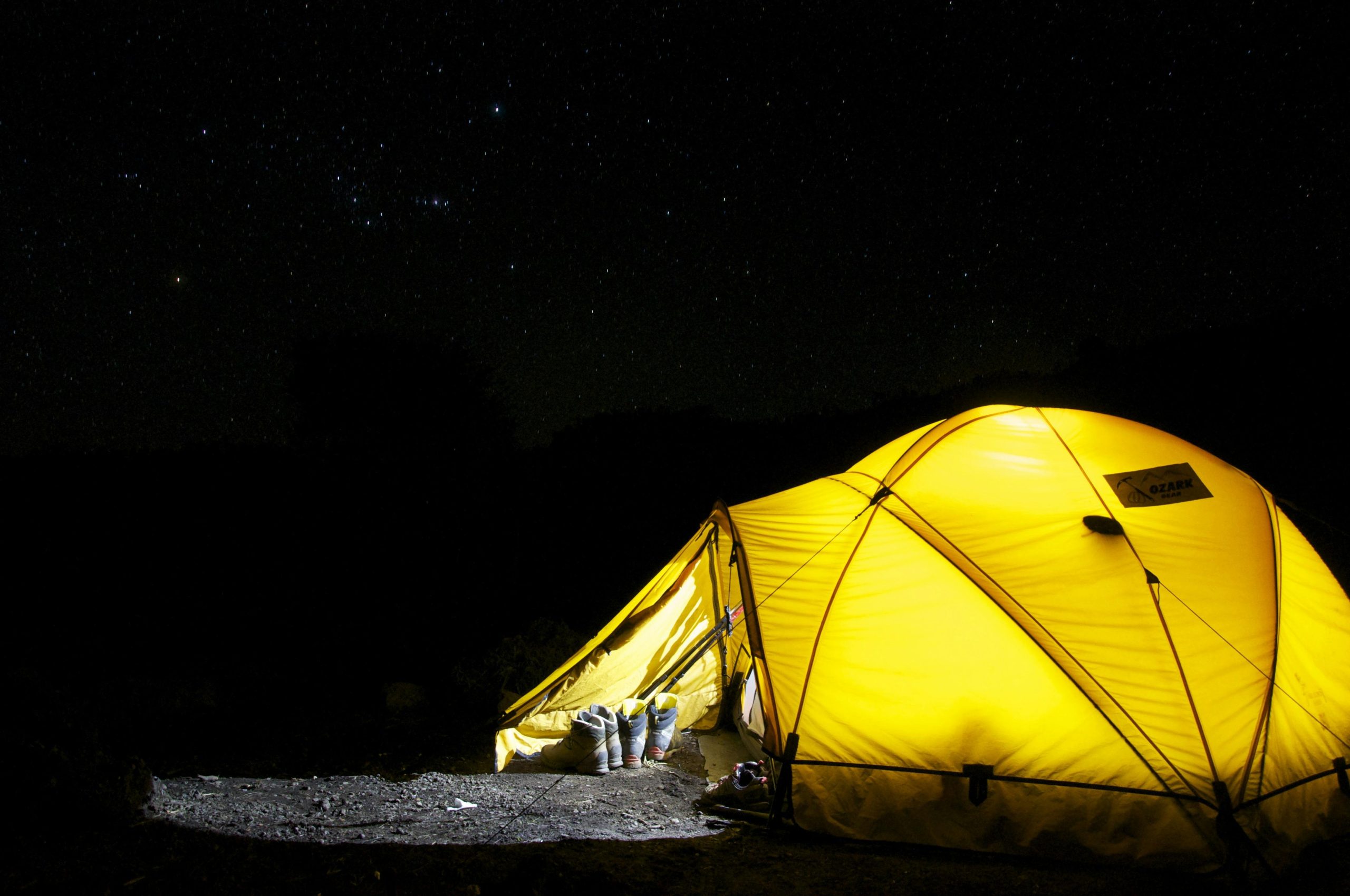
Bright lights at night can attract insects, and insects attract animals that feed on them. This simple chain can bring frogs, snakes, and small predators close to the campsite. Some campers leave lanterns or flashlights on all night for comfort, but this can make the area more noticeable in the dark. While light itself may not attract large animals directly, it can bring smaller creatures that larger animals hunt. Using lights only when needed helps keep the campsite quieter and less noticeable. Many experienced campers use low light or turn lights off before sleeping to avoid drawing attention. Keeping the area dark also helps you notice natural sounds around you, which can be useful for knowing if something is moving nearby. Controlling light may seem unimportant, but it plays a role in keeping the campsite safe.
11. Ignoring Warning Signs and Park Rules
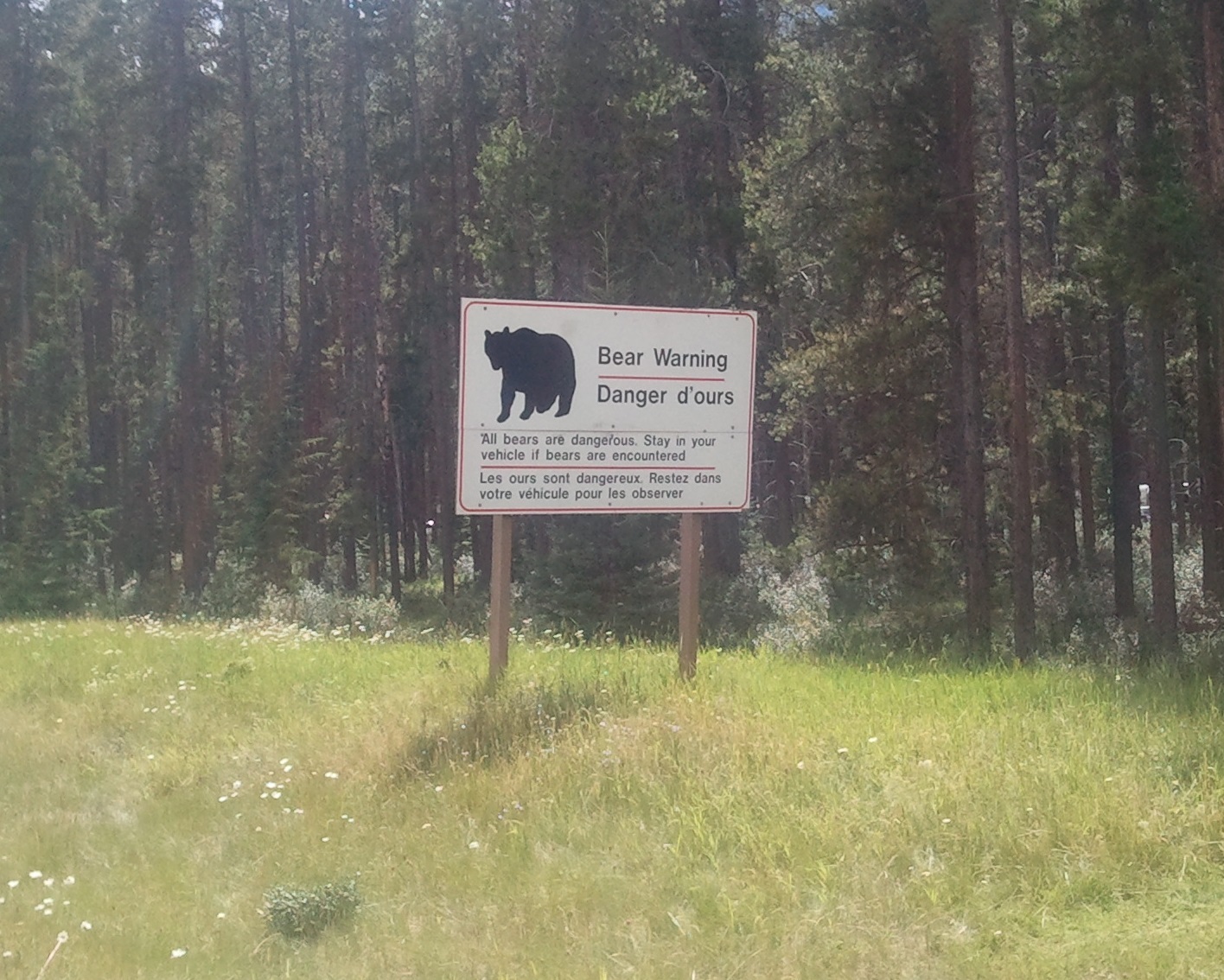
One of the most dangerous mistakes campers make is ignoring posted warnings or park guidelines. Rangers put rules in place because they know the area and understand animal behavior. Signs about bears, snakes, or food storage are there for a reason, even if the risk does not seem obvious at the time. Some people think rules are only suggestions, but breaking them can lead to serious trouble. In many cases, dangerous animal encounters happen when campers do not follow basic instructions. Using the correct storage boxes, camping only in allowed areas, and respecting wildlife warnings greatly reduces risk. Parks that have strict rules usually have them because problems have happened before. Following guidelines does not limit the adventure; it makes the trip safer for everyone. The safest campers are often the ones who listen carefully and prepare before setting up their tent.