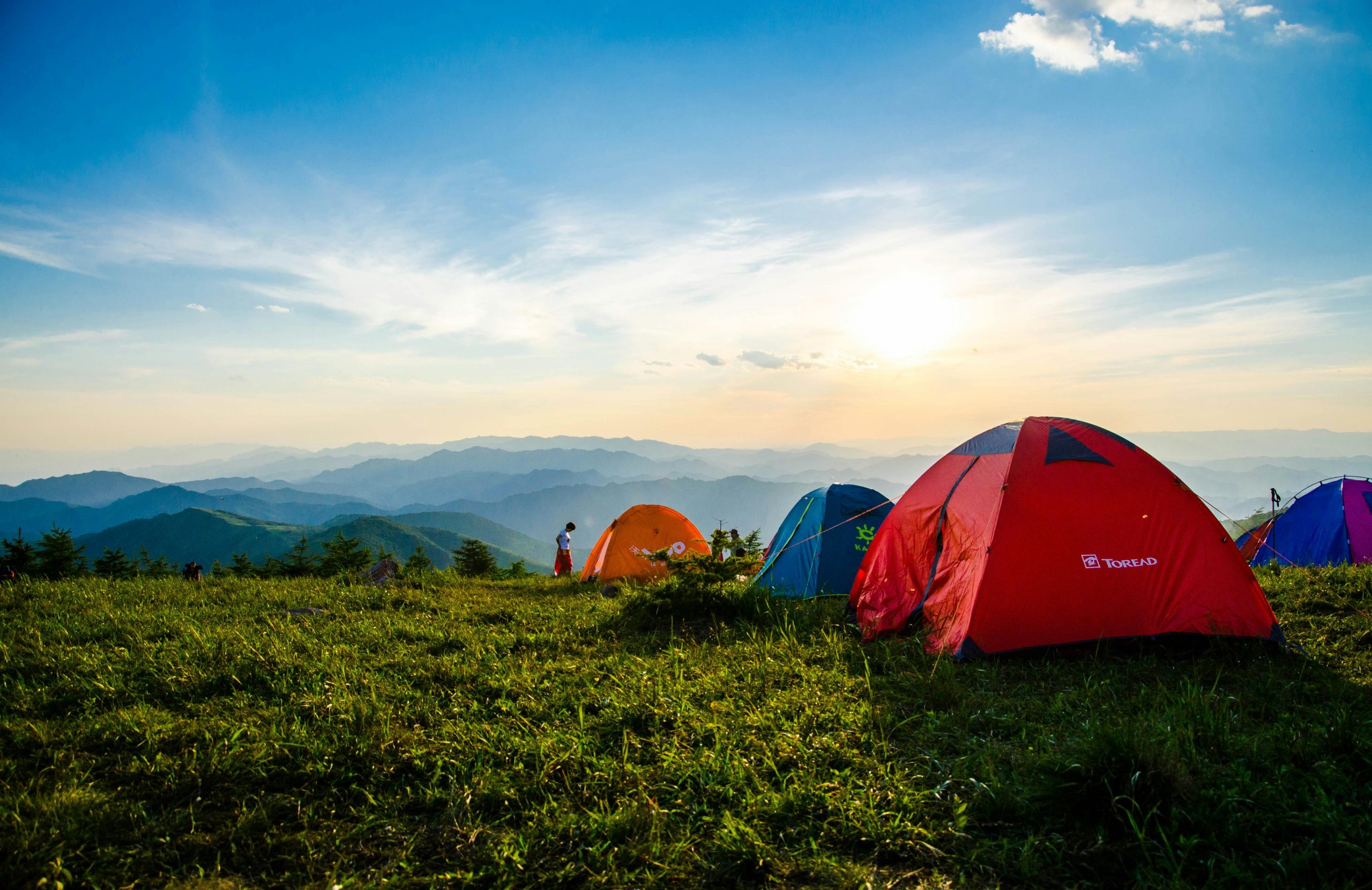
Getting an early start is often seen as smart camping behavior. The idea is to beat heat, crowds, or long miles ahead. In reality, rushing mornings at camp creates problems that build quietly throughout the day. Darkness, cold, and incomplete recovery affect both judgment and physical performance. Many campers do not realize the cost until hours later, when mistakes, fatigue, or gear issues surface. These problems are rarely dramatic but can slowly drain energy, safety, and enjoyment from an otherwise well planned trip.
1. Packing Gear While Visibility Is Limited
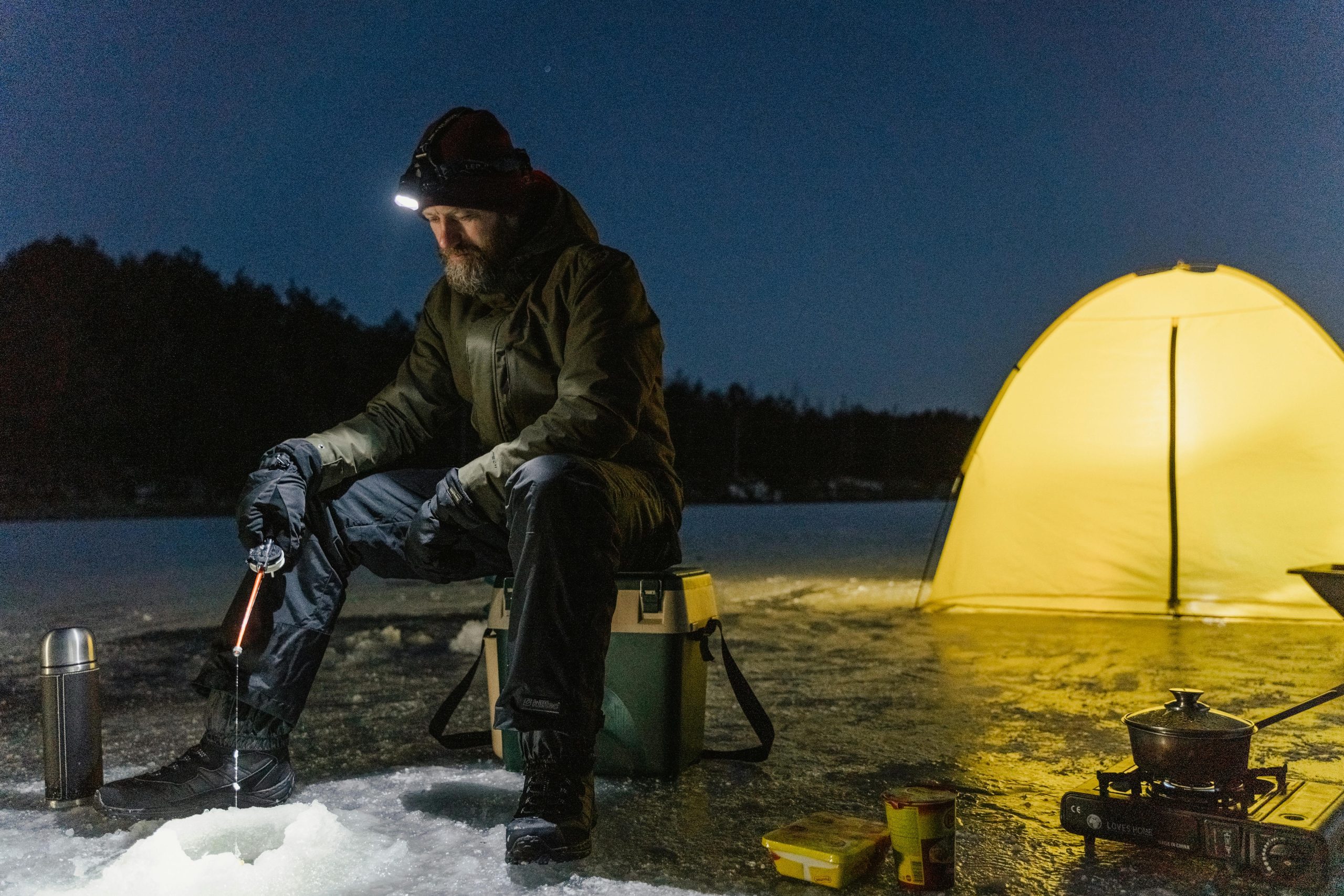
Early starts usually mean breaking camp before sunrise, when visibility depends on headlamps or lanterns. Low light hides small but important items like stakes, filters, or tent hardware. Campers often pack unevenly, stuffing gear wherever it fits instead of organizing properly. This leads to poor weight distribution and missing equipment later on the trail. Cold fingers reduce dexterity, increasing the chance of dropping or misplacing items. These mistakes rarely feel serious at the time, but they create frustration and delays hours later when daylight reveals what was forgotten.
2. Starting the Day Already Dehydrated

Cold mornings reduce the sensation of thirst, and rushed departures often skip proper hydration. Campers may drink only a few sips before hiking, assuming they will catch up later. Starting the day dehydrated affects endurance, focus, and temperature regulation. Muscles fatigue faster and cramps appear sooner. Headaches often develop by midmorning with no obvious cause. Because dehydration builds quietly, many campers blame the trail or weather instead. Early hydration is critical, and skipping it turns a strong start into a sluggish and uncomfortable day.
3. Eating an Inadequate Breakfast

Trying to move quickly often means grabbing a snack instead of eating a full breakfast. While this saves time, it leaves the body without enough fuel for sustained activity. Blood sugar drops earlier in the day, causing weakness, irritability, and poor decision making. Campers may hike faster than their energy allows, increasing exhaustion. The resulting crash can feel sudden and severe. Once fatigue sets in, it is difficult to recover fully with snacks alone. A rushed breakfast creates a chain reaction that affects pacing, mood, and overall performance.
4. Moving Before Muscles Fully Warm Up
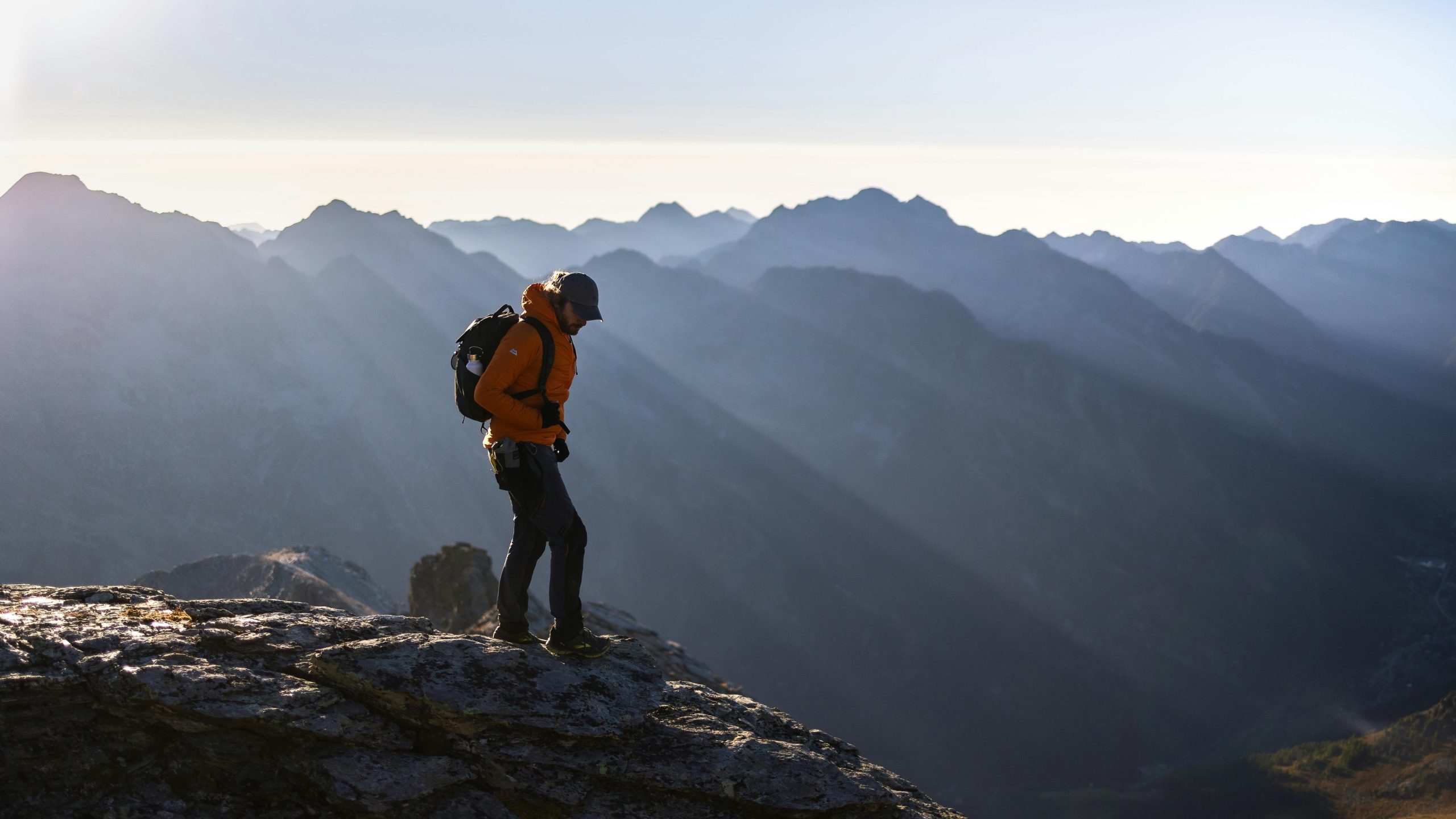
Early mornings often bring cold temperatures and stiff joints. Starting to hike immediately places stress on tight muscles and tendons. Without time to warm up naturally, small strains develop that are not felt right away. Knees, calves, and lower backs are especially vulnerable. Campers may feel fine during the first hour, only to experience soreness or limited mobility later in the day. These injuries often feel confusing because the cause was subtle. Allowing the body to warm gradually reduces the risk of pain that appears long after camp is packed.
5. Making Navigation Errors in Low Light

Trail signs, junctions, and landmarks are harder to read before sunrise. Shadows distort terrain and hide important details. Campers may miss turns or misjudge distances, especially in unfamiliar areas. Small navigation mistakes made early often lead to longer detours once daylight reveals the error. Backtracking wastes time and energy, canceling out the benefit of an early start. Because the mistake happened quietly, it may not be noticed until frustration builds. Clear visibility improves judgment, making navigation safer and more efficient once the day fully begins.
6. Packing Wet or Dirty Gear Improperly
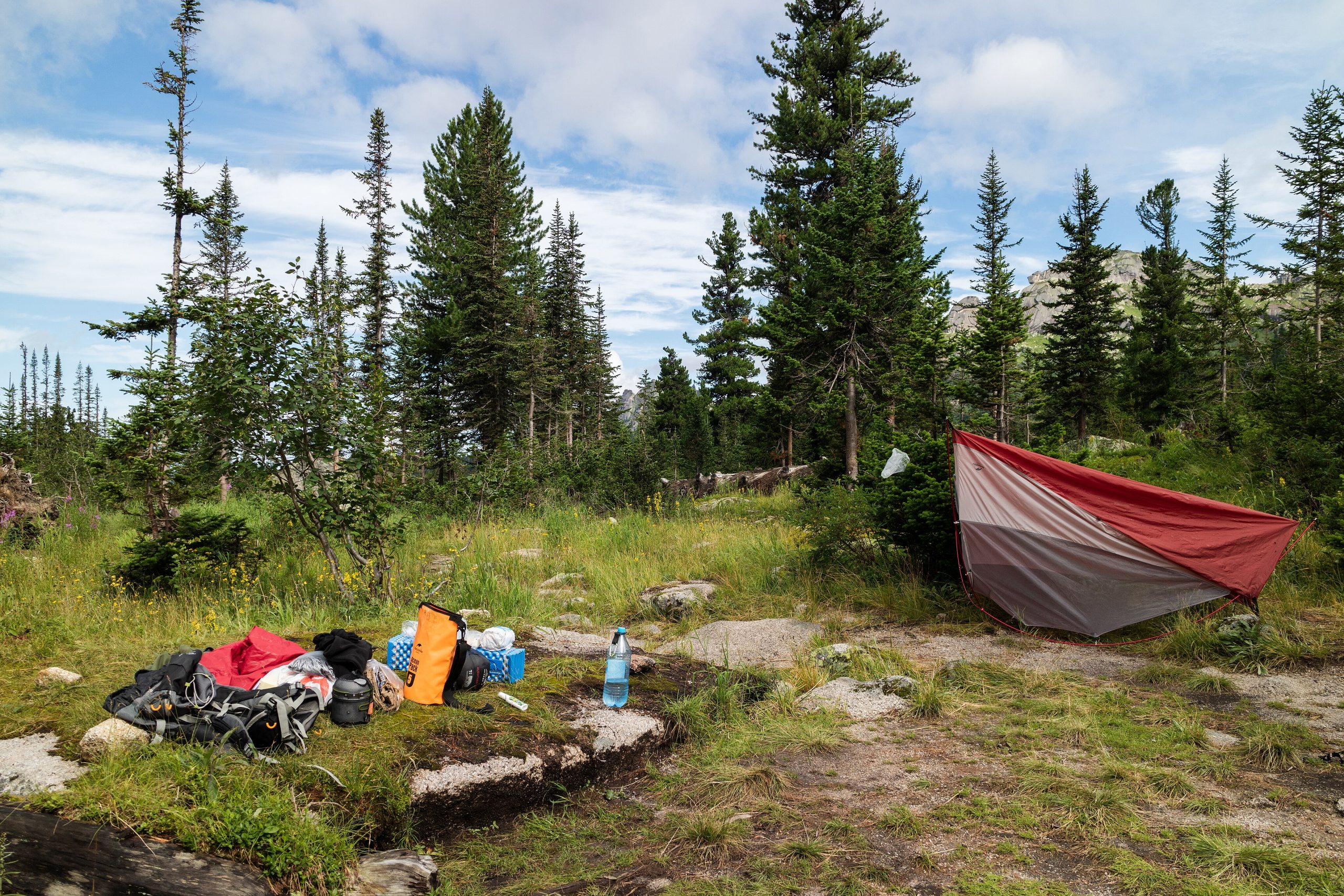
Morning condensation, dew, or frost often covers tents and ground cloths. Rushing to leave means packing gear while it is still damp or dirty. Wet fabric trapped in packs promotes odor, mildew, and long term material damage. Campers may not notice until the next setup, when gear smells or fails to dry properly. Dirt trapped in folds wears down coatings and seams over time. Taking a few extra minutes to shake out and air gear prevents damage that develops quietly after repeated rushed mornings.
7. Missing Overnight Weather Changes
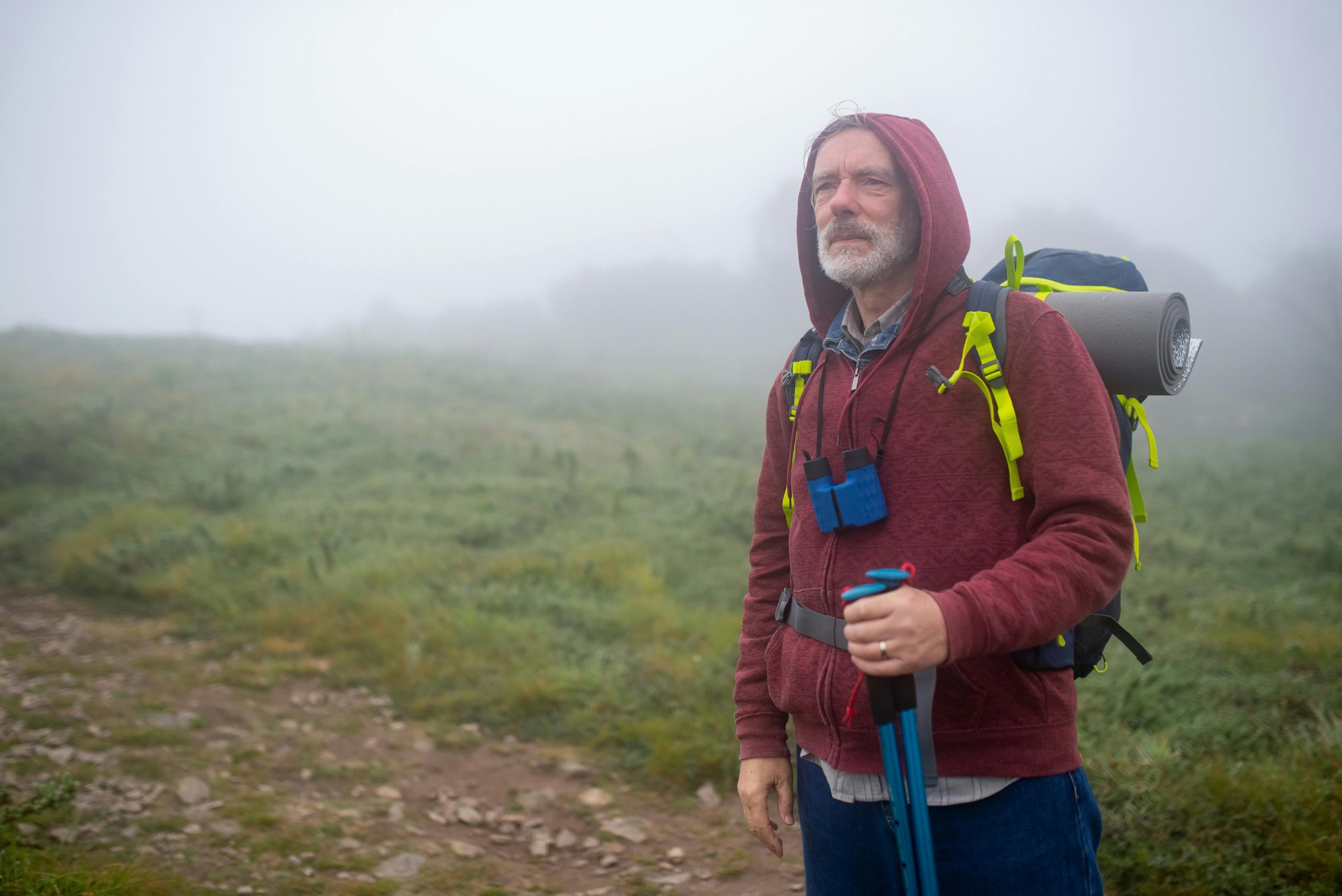
Early departures often skip a full weather check. Campers may not notice changes in wind direction, cloud cover, or temperature shifts that occurred overnight. This leads to wearing the wrong layers or packing critical gear too deep in the pack. Sudden weather later in the morning feels unexpected and harder to manage. Because the mistake happened during camp breakdown, the connection is not obvious. Observing conditions calmly before leaving allows better clothing and pacing decisions that prevent discomfort or exposure later on the trail.
8. Creating Unnecessary Noise for Others
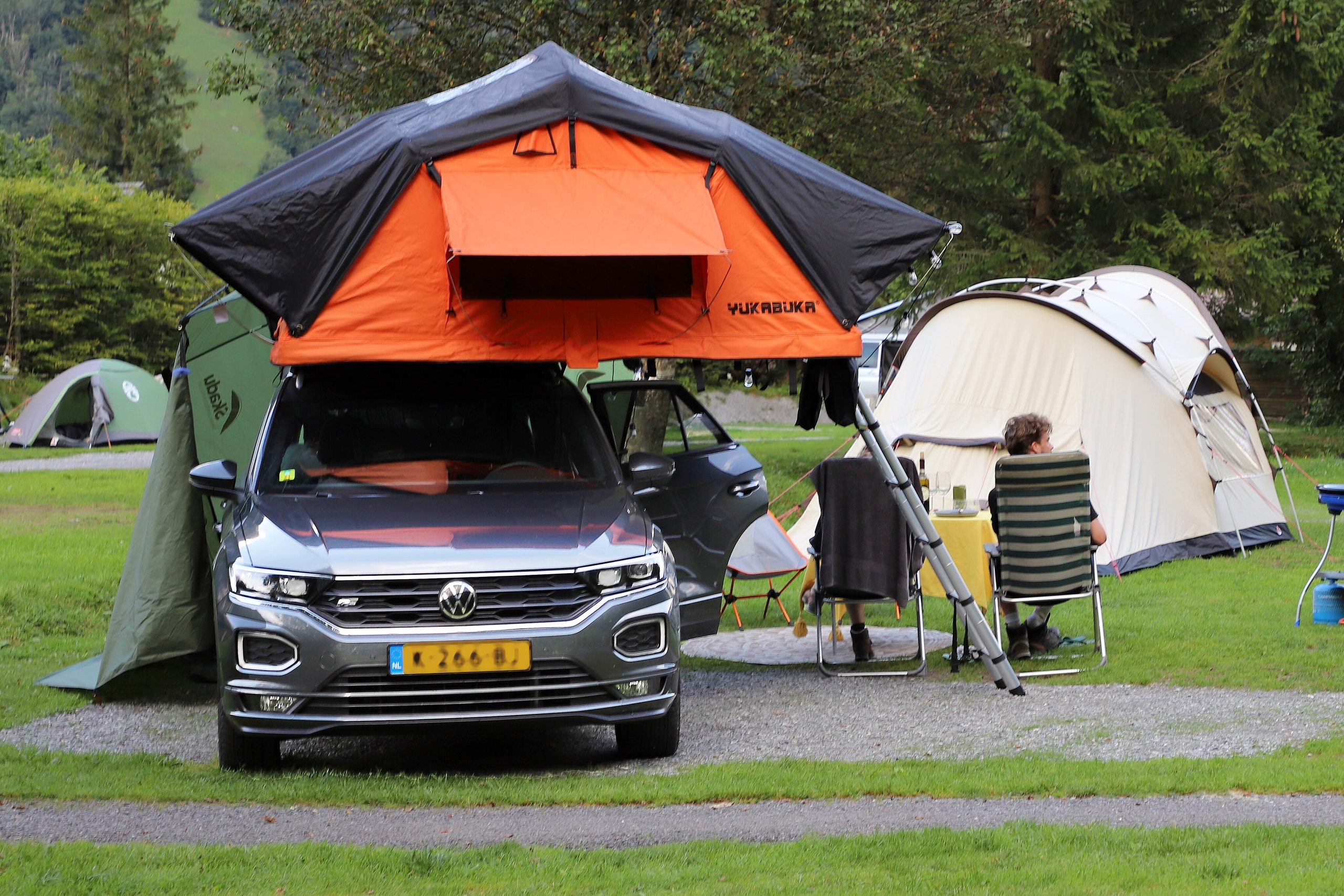
Quiet mornings amplify sound. Zippers, cookware, and footsteps carry farther than expected. Campers trying to leave early often make more noise than intended, disturbing nearby tents. This can create tension or resentment, especially in shared campgrounds. Social stress may seem minor, but it affects the overall experience and campground atmosphere. Many campers do not realize how loud they are in still morning air. Slowing down and being deliberate reduces noise and maintains good etiquette, which is an important but often overlooked part of camping responsibly.
9. Increasing the Risk of Small Injuries
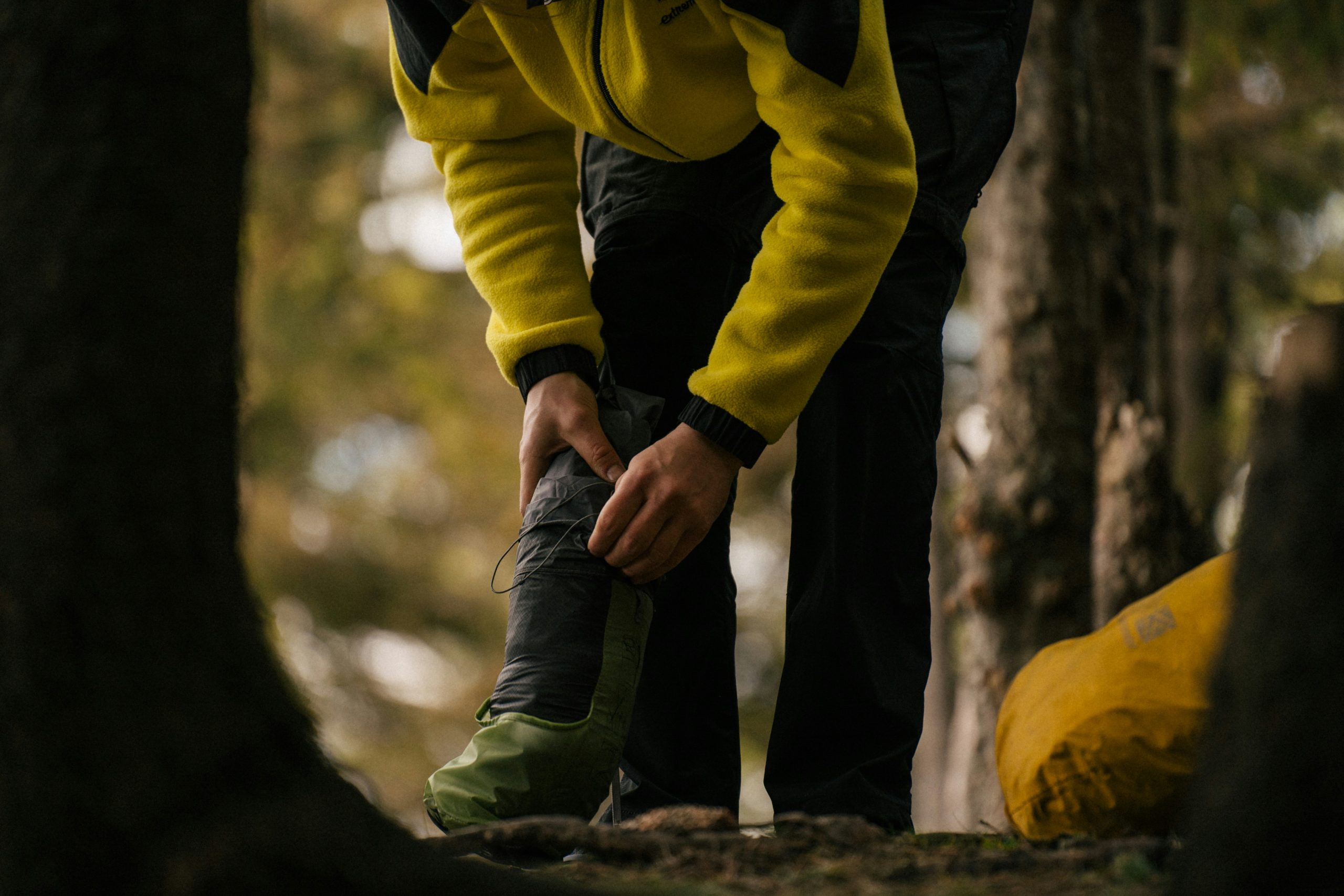
Fatigue combined with darkness increases the risk of minor injuries. Tripping over guylines, stubbing toes on rocks, or cutting fingers while packing stoves happens more easily before full alertness returns. These injuries may seem minor but can affect grip, balance, or comfort throughout the day. Because they occur quietly and early, campers often ignore them. Pain and swelling develop later, making movement harder. Allowing the body and mind to fully wake up reduces careless mistakes that cause unnecessary discomfort for the rest of the trip.
10. Mental Fatigue Appearing Earlier

Cutting sleep short to start early affects focus and emotional control. Decision making suffers before physical tiredness becomes obvious. Campers may push too hard, skip breaks, or make poor route choices. Small frustrations feel bigger, lowering morale. This mental fatigue builds steadily and affects the entire day. Because the start felt productive, campers rarely link mood changes to lack of rest. Adequate sleep supports patience and clear thinking, which are just as important as physical strength during long days outdoors.
11. Skipping Final Gear and Safety Checks
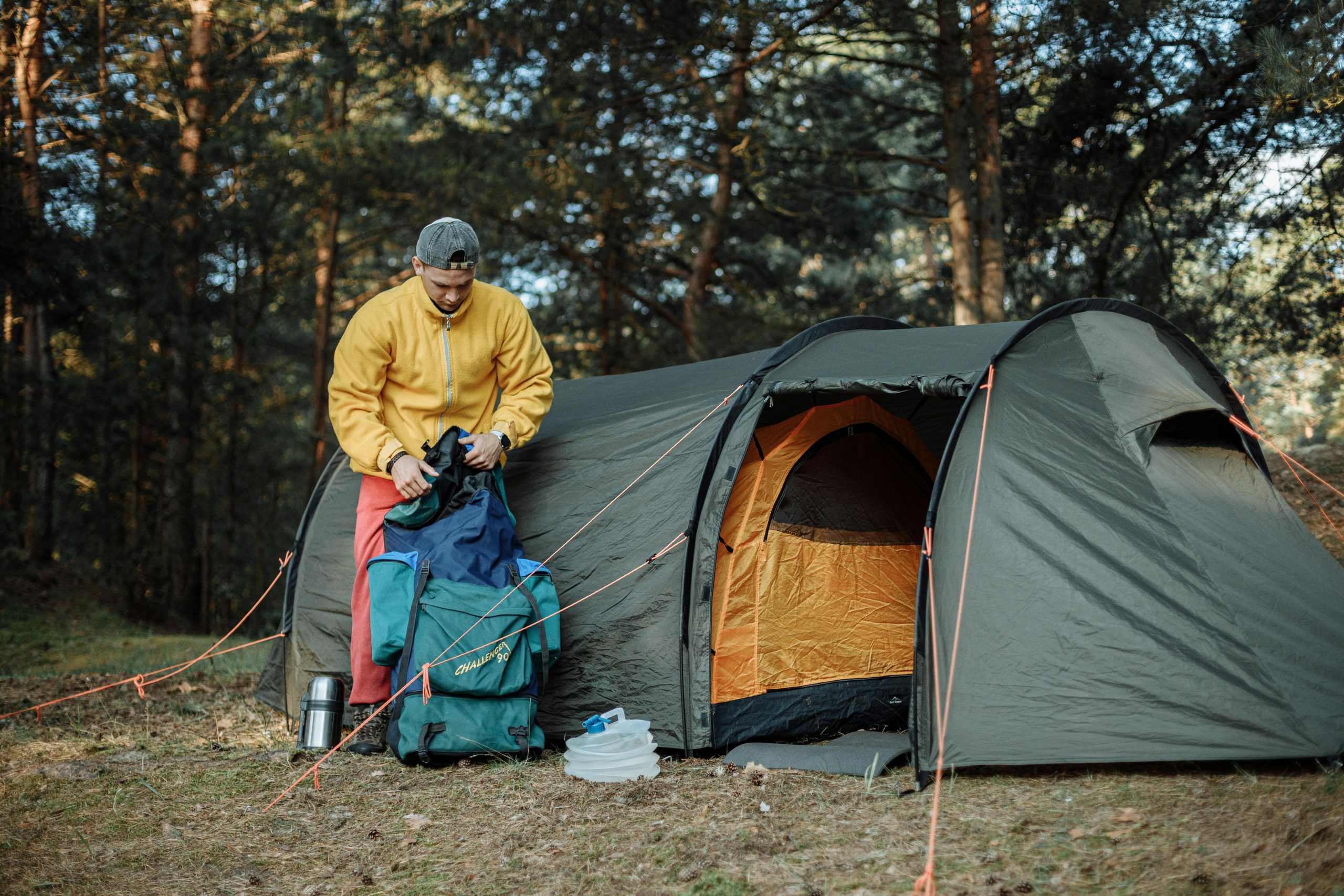
Rushed mornings often skip final checks. Loose straps, low batteries, unsecured loads, or forgotten items go unnoticed. These problems appear miles from camp when fixing them takes more time and energy. A loose strap causes chafing, a dead headlamp creates risk later, or forgotten gear limits options. Because the issue develops gradually, it feels inconvenient rather than preventable. A calm departure allows a quick but thorough check that prevents small oversights from turning into ongoing problems throughout the day.