Modern camping offers more choices than ever before, and that abundance quietly creates problems many campers don’t expect. Gear aisles stretch endlessly, apps promise smarter planning, and advice conflicts depending on who you ask. Instead of making trips safer and easier, too many options often slow decisions, complicate routines, and distract campers from the basics that actually matter outdoors. When every choice feels important, small decisions consume mental energy that should be reserved for weather, terrain, and safety. The result is often overpacking, second-guessing, and poor timing. Understanding how option overload affects camping decisions helps strip things back to what truly works, restoring confidence, efficiency, and enjoyment in camp rather than constant adjustment and unnecessary stress.
1. Overpacking Gear “Just in Case.”
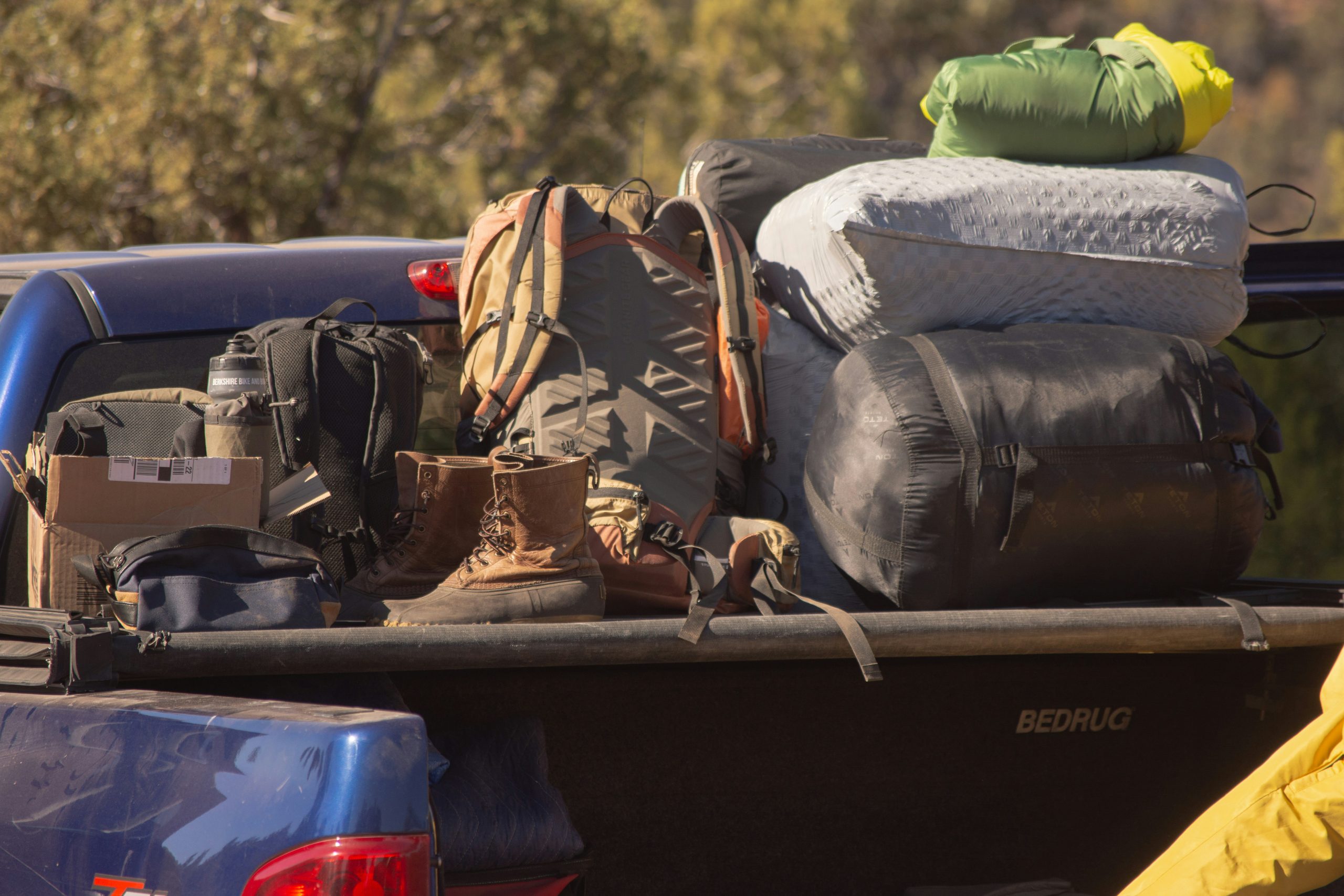
Too many gear choices encourage campers to pack for every possible scenario, even unlikely ones. When faced with dozens of stoves, tools, layers, and accessories, it becomes tempting to bring backups for backups. This leads to heavier packs, cluttered campsites, and slower setup times. Extra weight increases fatigue and injury risk, especially on uneven trails. Once in camp, sorting through unused gear wastes daylight and creates frustration. The irony is that carrying too much often reduces preparedness because essential items become harder to access quickly. Option overload shifts focus from realistic needs to imagined emergencies, making trips less efficient and far more tiring than necessary.
2. Choosing Complicated Shelter Systems
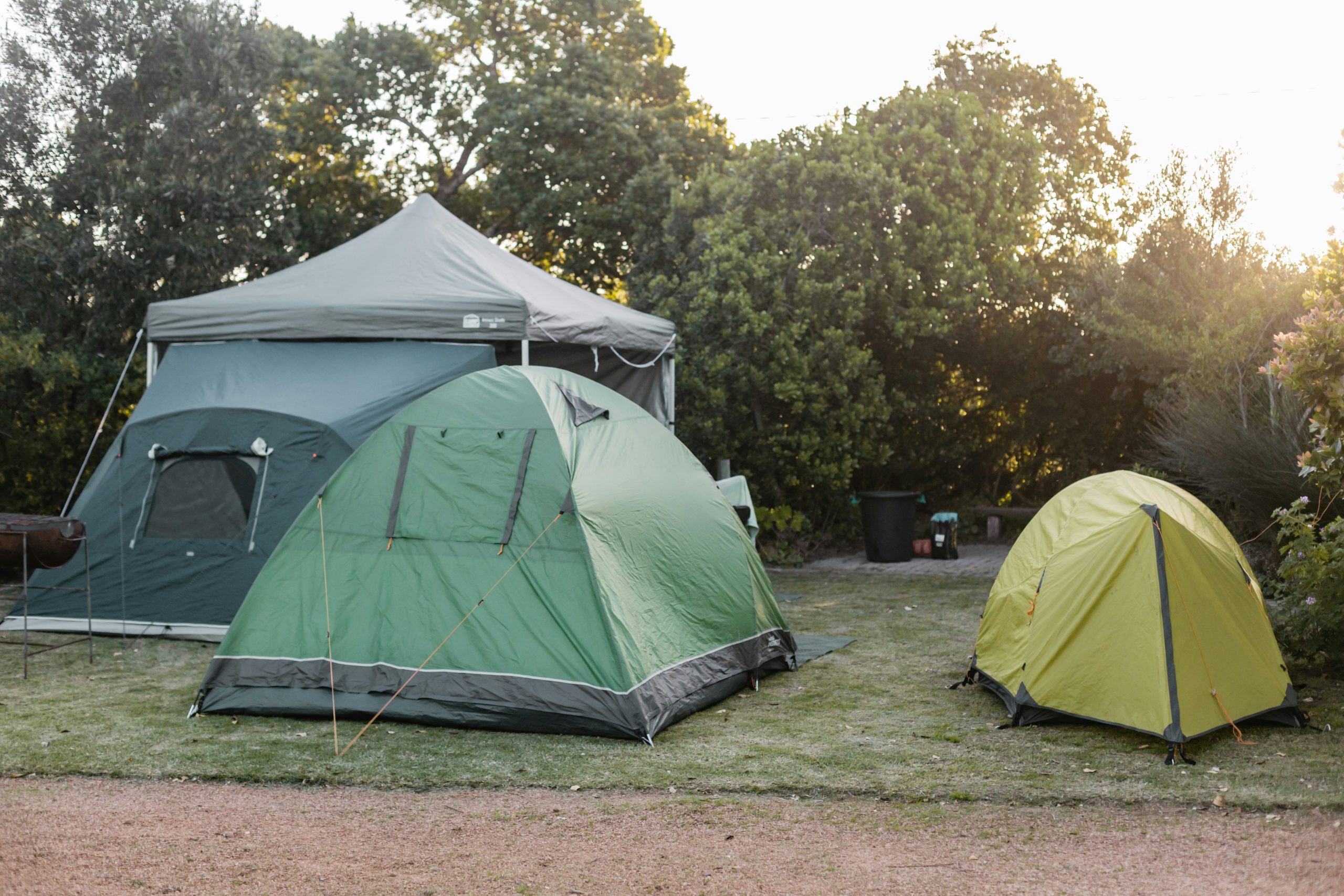
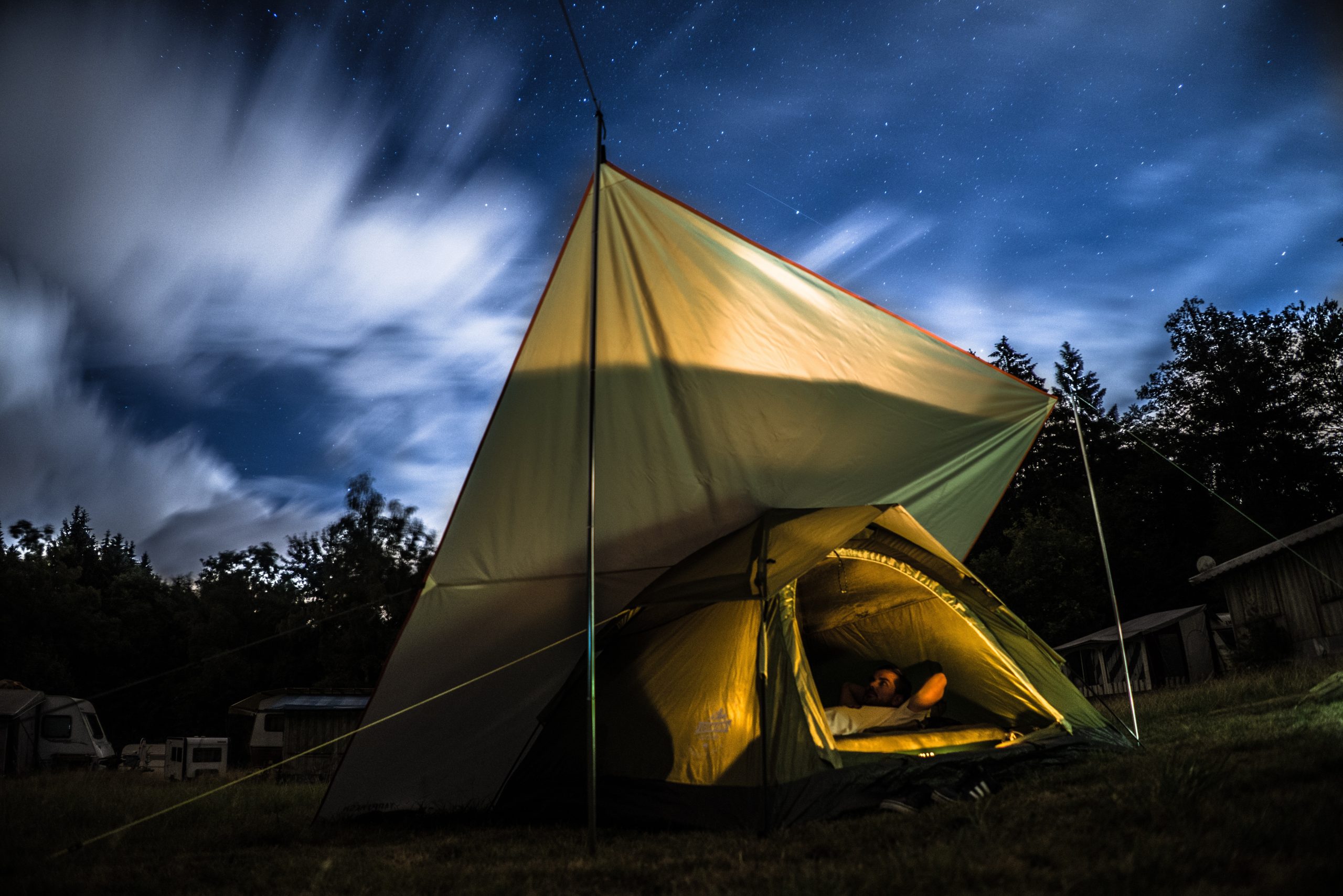
With countless tent designs, modular tarps, poles, and add-ons available, campers often select shelters that are unnecessarily complex. Adjustable vestibules, multiple pole configurations, and detachable components sound versatile, but increase setup time and failure points. In poor weather or fading light, complexity becomes stress. Missed steps lead to sagging fabric, leaks, or unstable pitching. Campers new to a shelter may spend more time reading instructions than securing it properly. Simpler shelters perform more reliably because they reduce decisions during setup, allowing campers to focus on placement, wind direction, and drainage rather than constant adjustments and reconfigurations.
3. Constantly Changing Cooking Systems

Too many cooking options cause campers to experiment mid-trip rather than rely on familiar systems. Swapping stoves, fuel types, cookware sizes, or methods creates inefficiency and mistakes. One system needs wind protection, another requires priming, and another burns fuel faster than expected. Meals take longer, fuel runs out sooner, and frustration replaces enjoyment. Camp cooking works best when routines are predictable. Option overload encourages novelty over reliability, leading to burned food, wasted ingredients, and unnecessary cleanup. Familiarity beats variety when timing, weather, and hunger all demand simple, repeatable processes.
4. Overthinking Clothing Layers

Endless fabric technologies, insulation types, and layering philosophies cause campers to overanalyze clothing choices. Instead of focusing on weather patterns and activity level, people pack redundant layers that serve similar purposes. This adds bulk and confusion when conditions change. Campers waste time swapping layers instead of regulating temperature through movement and shelter. Too many options also lead to poor decisions, like wearing breathable layers in the wind or insulating pieces during high exertion. A simple, tested layering system adapts better than an overloaded wardrobe built from too many overlapping choices.
5. Relying on Too Many Apps and Gadgets
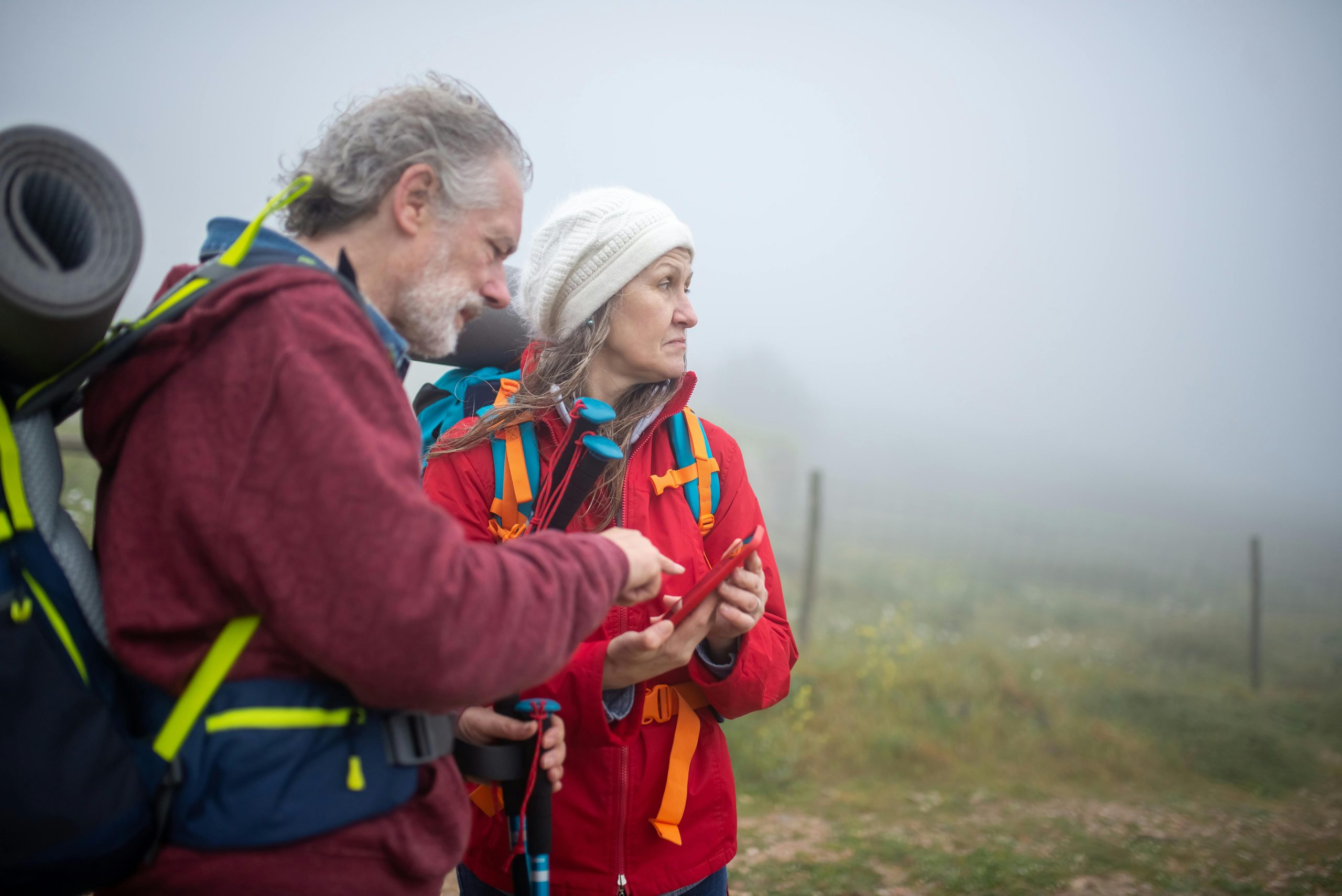
Navigation, weather, fitness, and safety apps promise precision, but juggling multiple digital tools often creates dependency and distraction. Campers check screens instead of reading terrain, clouds, or wind. Conflicting forecasts cause indecision, while battery drain becomes a constant concern. When devices fail, users may feel unprepared despite having maps or basic skills. Too many gadgets also slow camp routines with charging schedules and settings adjustments. Technology should support awareness, not replace it. Streamlined digital use keeps focus on surroundings rather than constant verification through screens.
6. Overcomplicating Campsite Selection
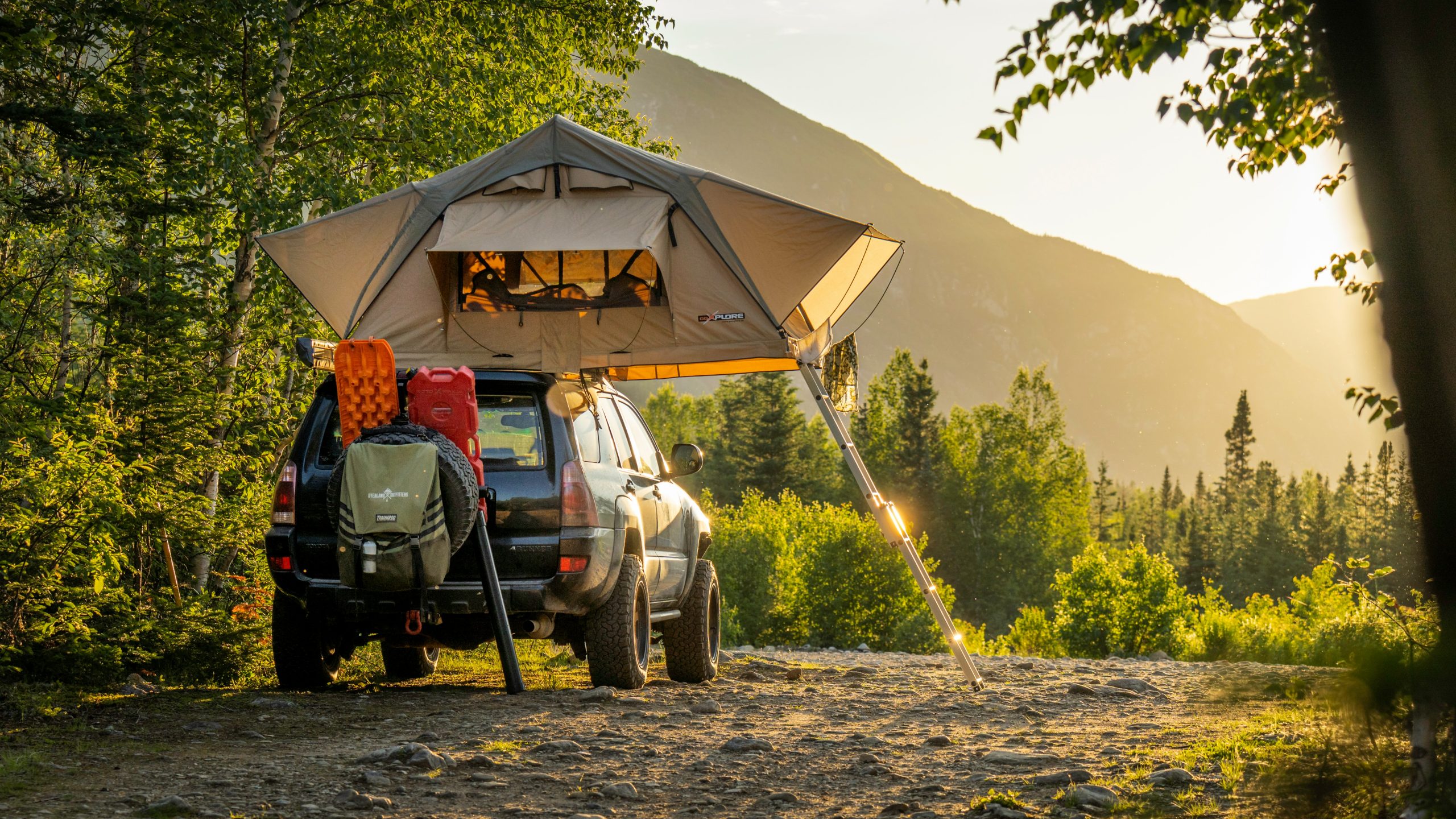
With countless campsite reviews, ratings, and filters available, choosing where to sleep becomes an exhausting process. Campers overanalyze proximity, views, ground type, and amenities, often ignoring real-time conditions. This leads to late arrivals, rushed setups, or settling for poor locations due to indecision. Ideal campsites rarely match online expectations exactly. Experience teaches that drainage, wind exposure, and safety matter more than minor conveniences. Too many criteria delay decisions that should be made quickly based on observation, daylight, and weather rather than endless comparison.
7. Carrying Multiple Navigation Methods Without Mastery
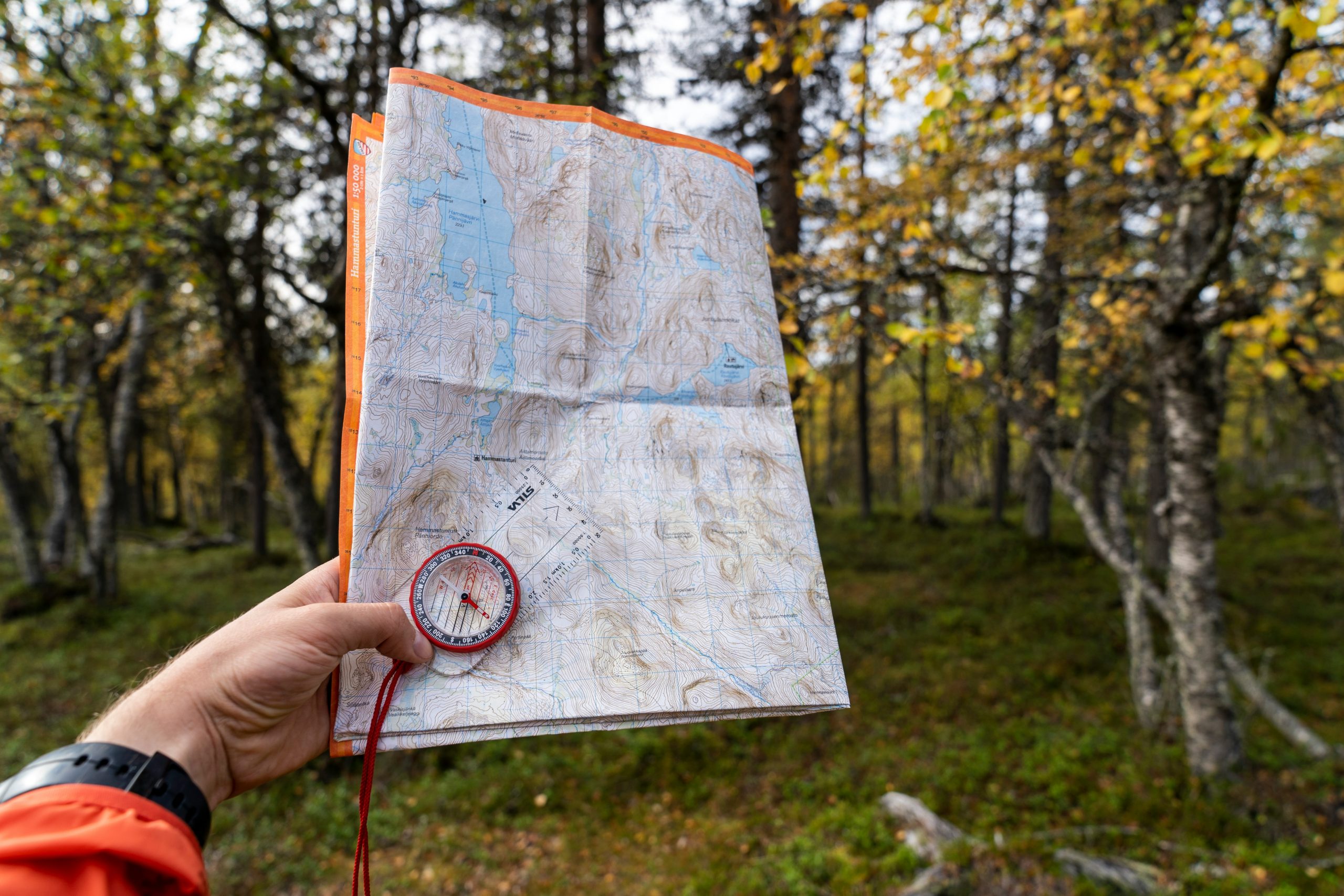
Bringing GPS units, phone apps, paper maps, and compasses sounds prepared, but without practice, it creates confusion. Campers switch between systems, cross-checking instead of committing, which slows travel and increases doubt. In stressful situations, hesitation replaces action. Redundancy only works when each tool is understood. Otherwise, too many navigation options dilute confidence and situational awareness. Mastery of one primary method, with a simple backup, proves far more effective than juggling unfamiliar tools under pressure.
8. Overloading Camp Furniture Choices
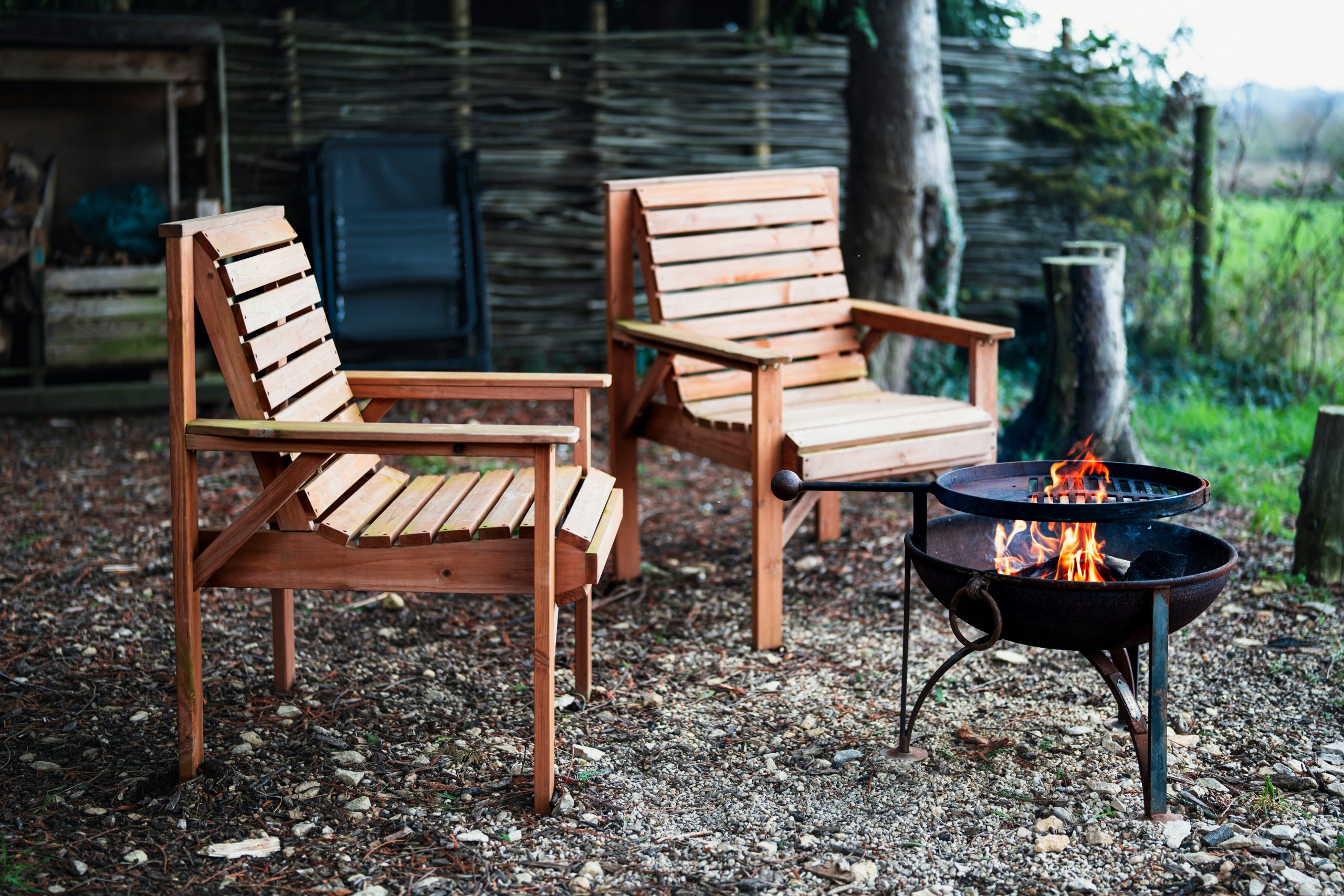
Modern camping offers chairs, tables, hammocks, loungers, and modular seating, all promising comfort. Bringing too many pieces complicates packing and clutters the camp. Setup becomes a project instead of a quick task, especially on uneven ground. Campers waste time rearranging instead of resting. Extra furniture also limits campsite flexibility and increases cleanup time. Comfort matters, but minimal, well-chosen items create better flow and less frustration than trying to recreate a living room outdoors.
9. Changing Sleep Systems Too Often
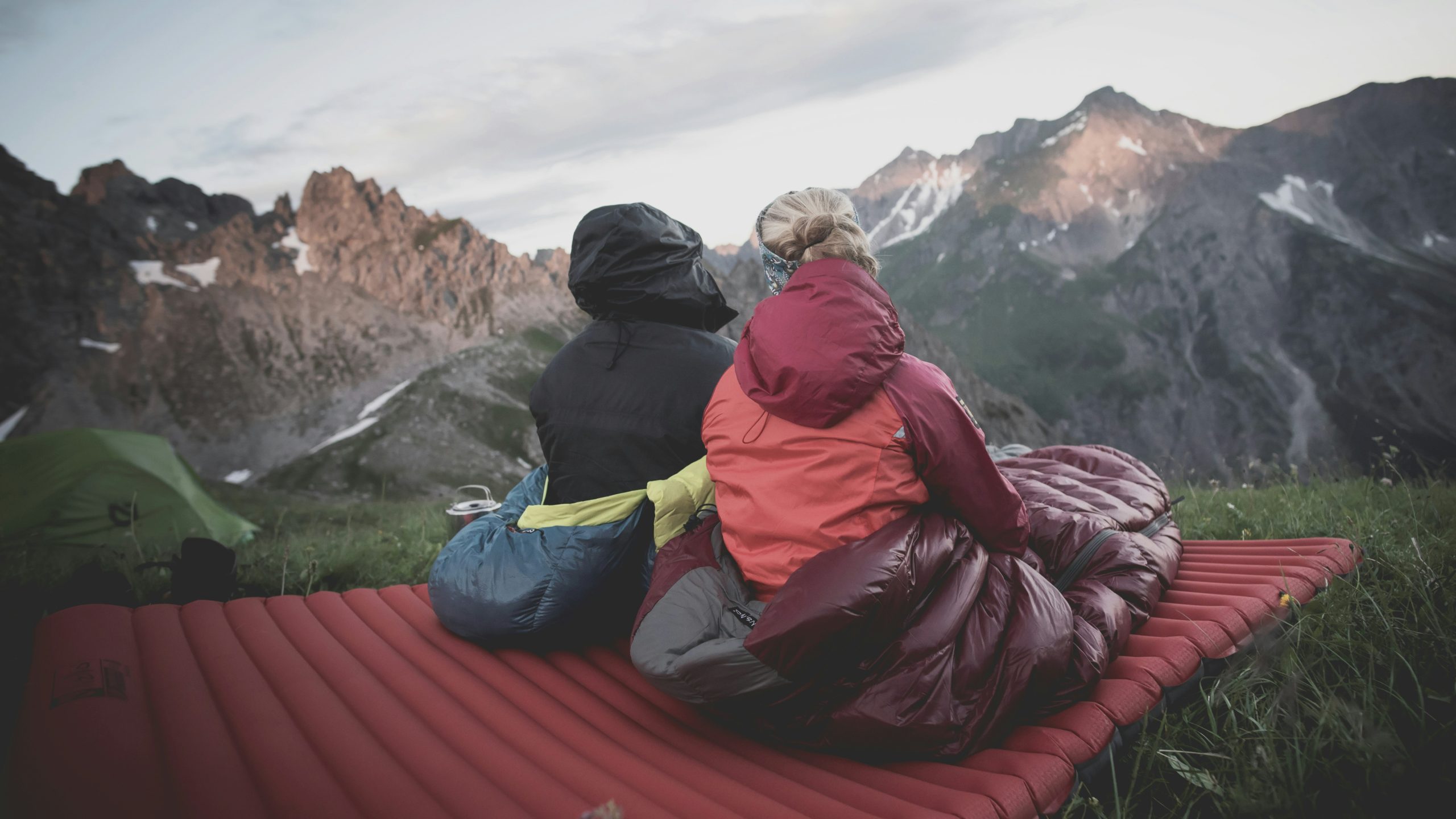
With countless sleeping pads, bags, quilts, and liners available, campers frequently change setups seeking perfection. This constant adjustment prevents learning what actually works. New gear feels different in varying temperatures, leading to restless nights. Campers blame conditions instead of unfamiliar systems. Sleep improves with consistency and familiarity, not endless experimentation. Too many options interrupt routines and prevent the body from adapting, resulting in fatigue that affects decision-making and safety the next day.
10. Overplanning Daily Activities

Too many trail options, side trips, and schedules cause campers to overplan instead of adapt. Detailed itineraries collapse when weather, energy, or terrain shifts. Campers feel pressure to “use” every option rather than listen to conditions. This leads to rushed hikes, poor timing, and increased injury risk. Flexible plans outperform rigid ones because they leave room for rest and observation. Option overload turns recreation into an obligation, draining enjoyment and increasing stress.
11. Second-Guessing Every Decision

When too many choices exist, campers often doubt their decisions after making them. This constant reassessment erodes confidence and slows action. Simple tasks take longer because alternatives linger mentally. In the outdoors, hesitation can create safety risks, especially during weather changes or navigation challenges. Experience grows through commitment, not endless comparison. Limiting options strengthens decision-making, helping campers act decisively and calmly rather than questioning every choice long after it’s made