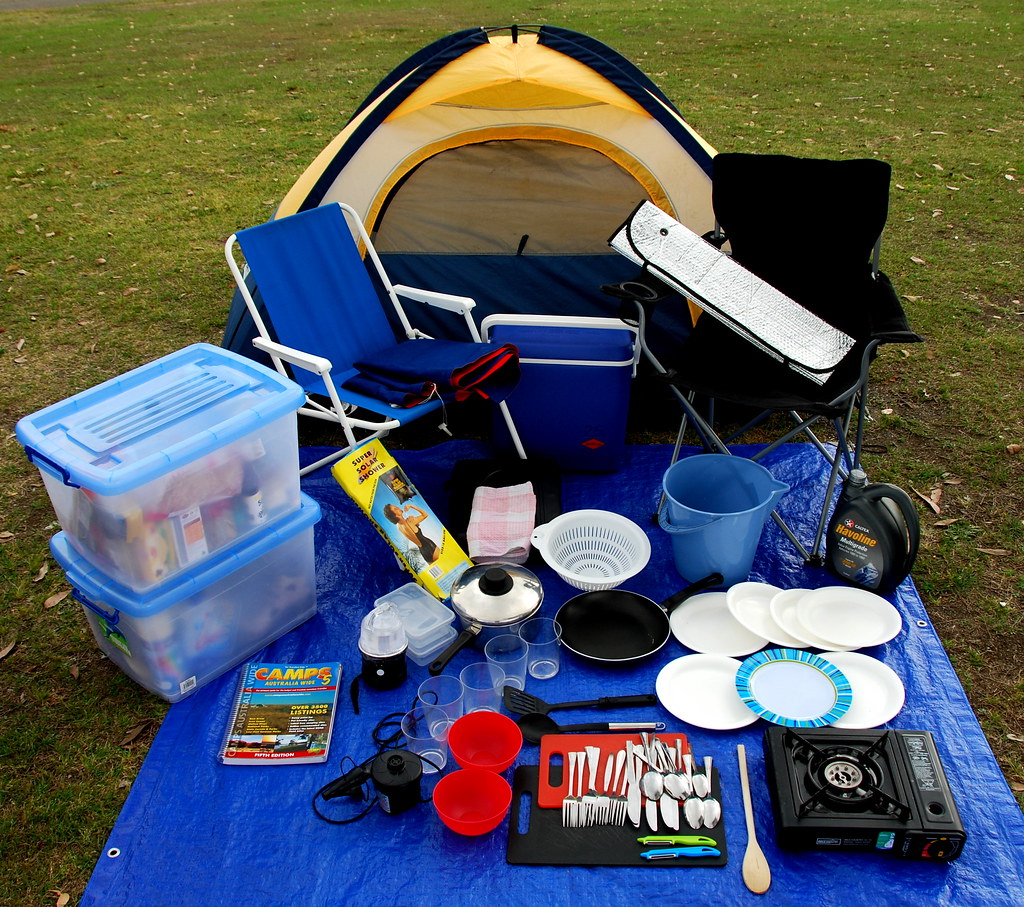
Camping in the 1970s looked rugged from the outside, yet many hikers enjoyed gear and comforts that today’s ultralight generation rarely encounters. Back then, equipment was heavier, but manufacturers weren’t shy about adding small luxuries meant to bring a bit of home into the woods. Whether it was bulky gadgets, innovative cook sets, or quirky comfort items, these tools reflected a time when convenience mattered just as much as adventure. Today’s hikers might rely on minimalist philosophies, but the 1970s offered a surprisingly cozy style of outdoor travel.
1. Metal Cooler-Chests with Built-In Bottle Openers
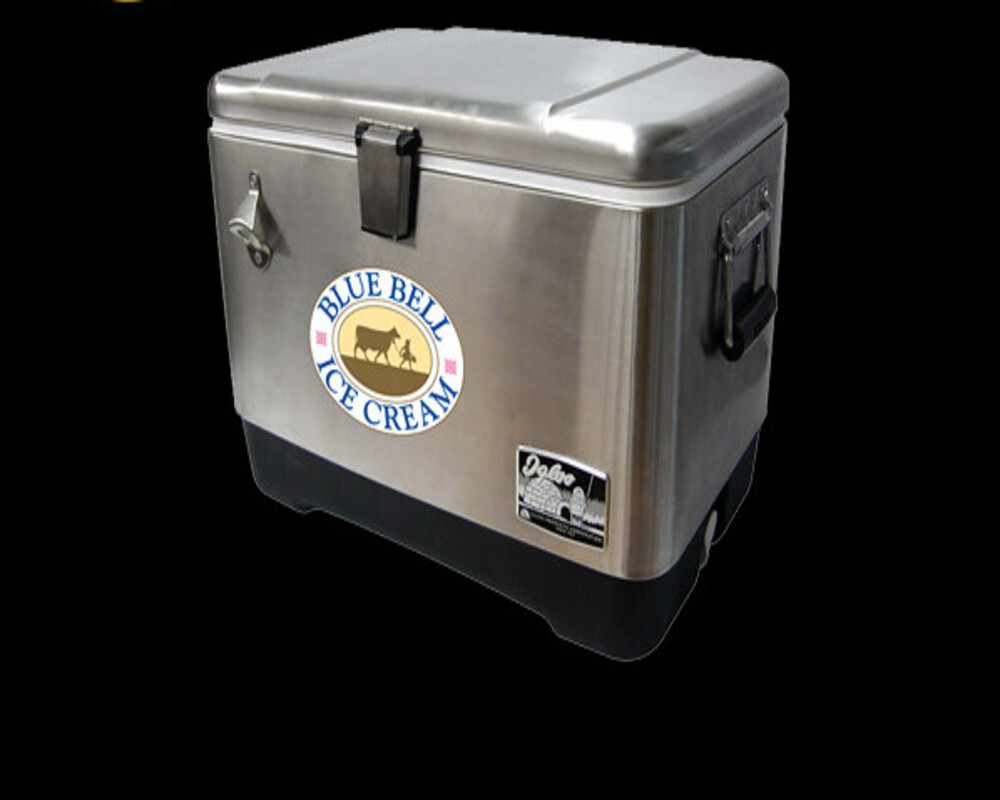
These heavy metal cooler-chests were a staple on 1970s camping trips, offering rugged insulation and attached bottle openers that made them feel almost like portable bars for the woods. They kept ice far longer than early plastic versions, and families often relied on them as makeshift tables at campsites. Though bulky and difficult to haul over long distances, they added a festive touch to group outings. Modern hikers might choose soft coolers instead, but none carry the nostalgic charm or durability of these steel-bodied classics.
2. Canvas Army-Style Pup Tents
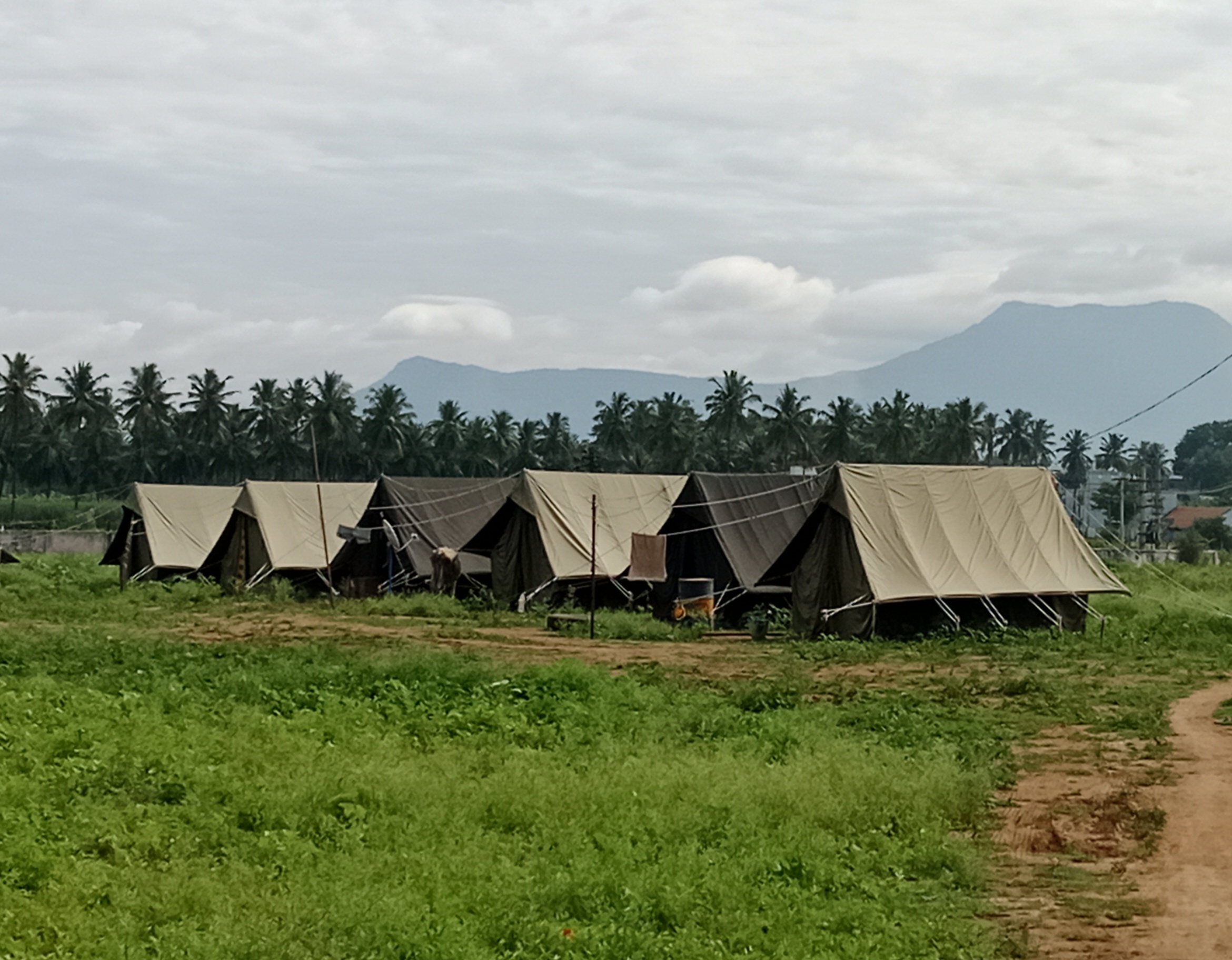
The canvas pup tent was iconic in the 1970s, known for its thick fabric, sturdy wooden poles, and distinct military-style shape. While not lightweight, it created a cozy shelter that felt dependable in storms. Many campers liked how it held warmth better than thin nylon tents, even though setup demanded patience. The earthy smell of waxed canvas left a memorable impression. Today’s hikers appreciate quick-assembly designs and ultra-light fabrics, but few experience the snug, bunker-like comfort these canvas structures once provided.
3. Vintage Propane Lanterns with Glass Globes
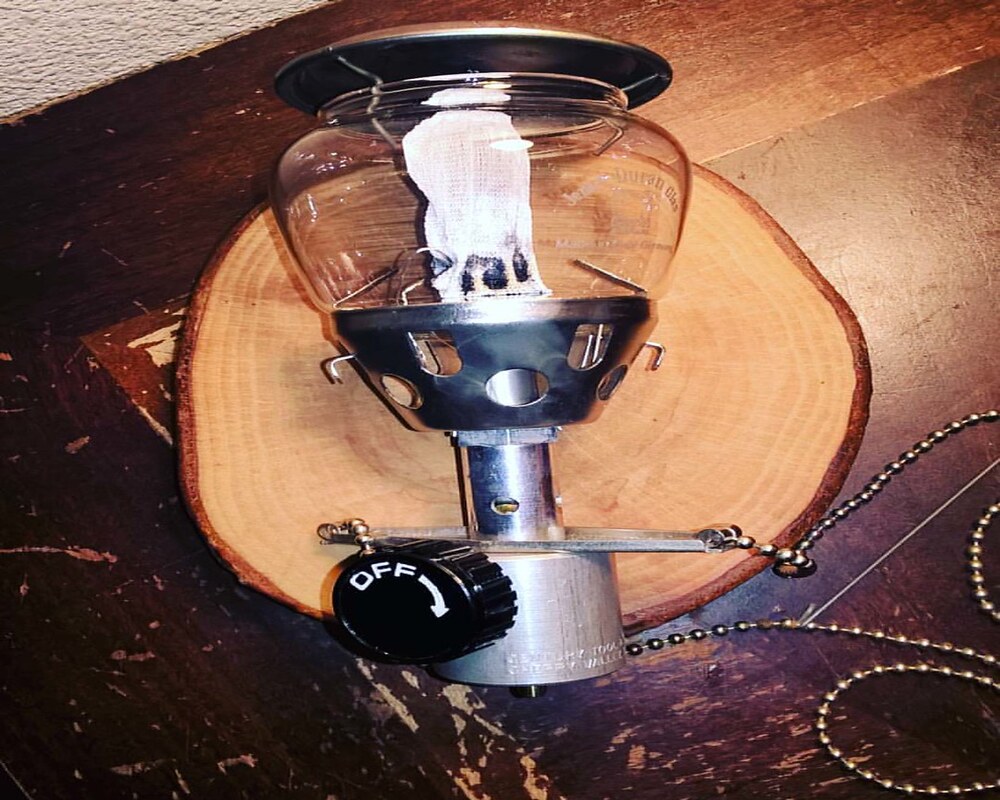
Propane lanterns of the 1970s featured glass globes, metal frames, and bright mantles that illuminated entire campsites with a warm glow. They made night activities comfortable, whether families were cooking or playing cards. Although they required careful handling and frequent mantle replacement, their brightness and charm were unmatched. Modern LED lanterns offer convenience and safety, yet lack the nostalgic feel of lighting one of these fuel-powered units at dusk. The flickering light felt like part of the camping ritual.
4. Foam-Padded Aluminum Folding Chairs
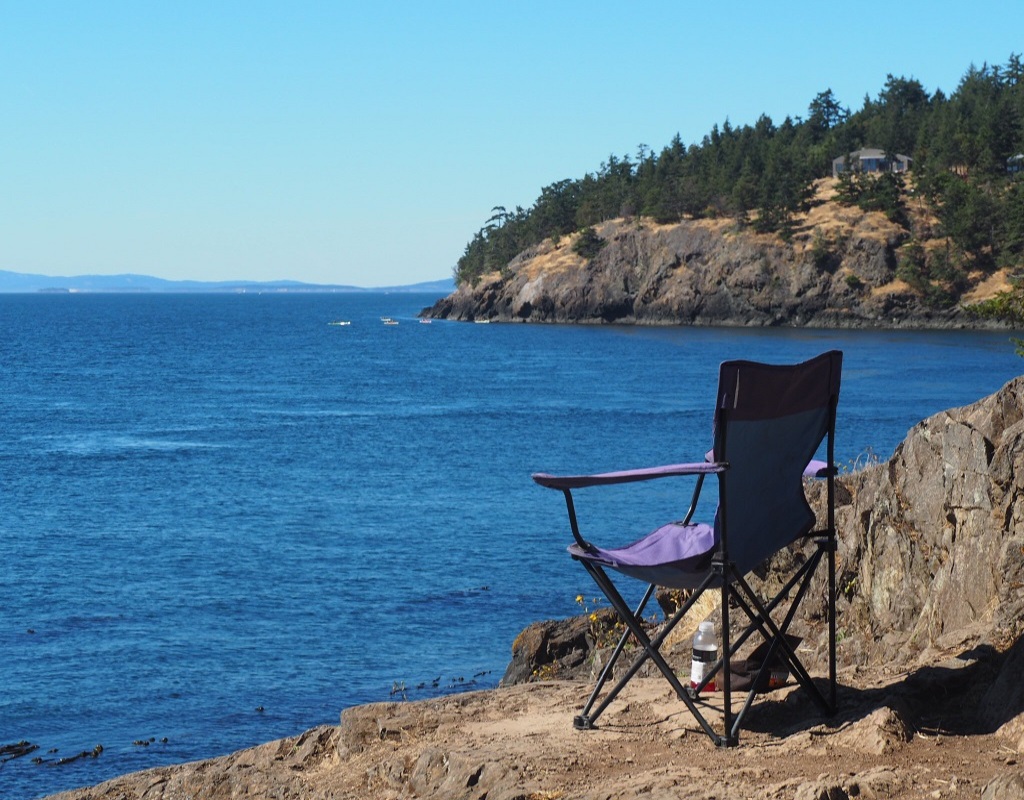
These folding chairs paired aluminum frames with thick, colorful foam padding that made long evenings around the fire surprisingly comfortable. They folded flat but still weighed more than today’s compact seating options. Campers appreciated the back support and the lively patterns that matched 1970s outdoor aesthetics. Despite being prone to wear from rain and sun, they felt luxurious compared to minimalist chairs popular today. Their blend of comfort and style made them a mainstay at family campsites across the country.
5. Heavy-Duty Cast Iron Cook Kits
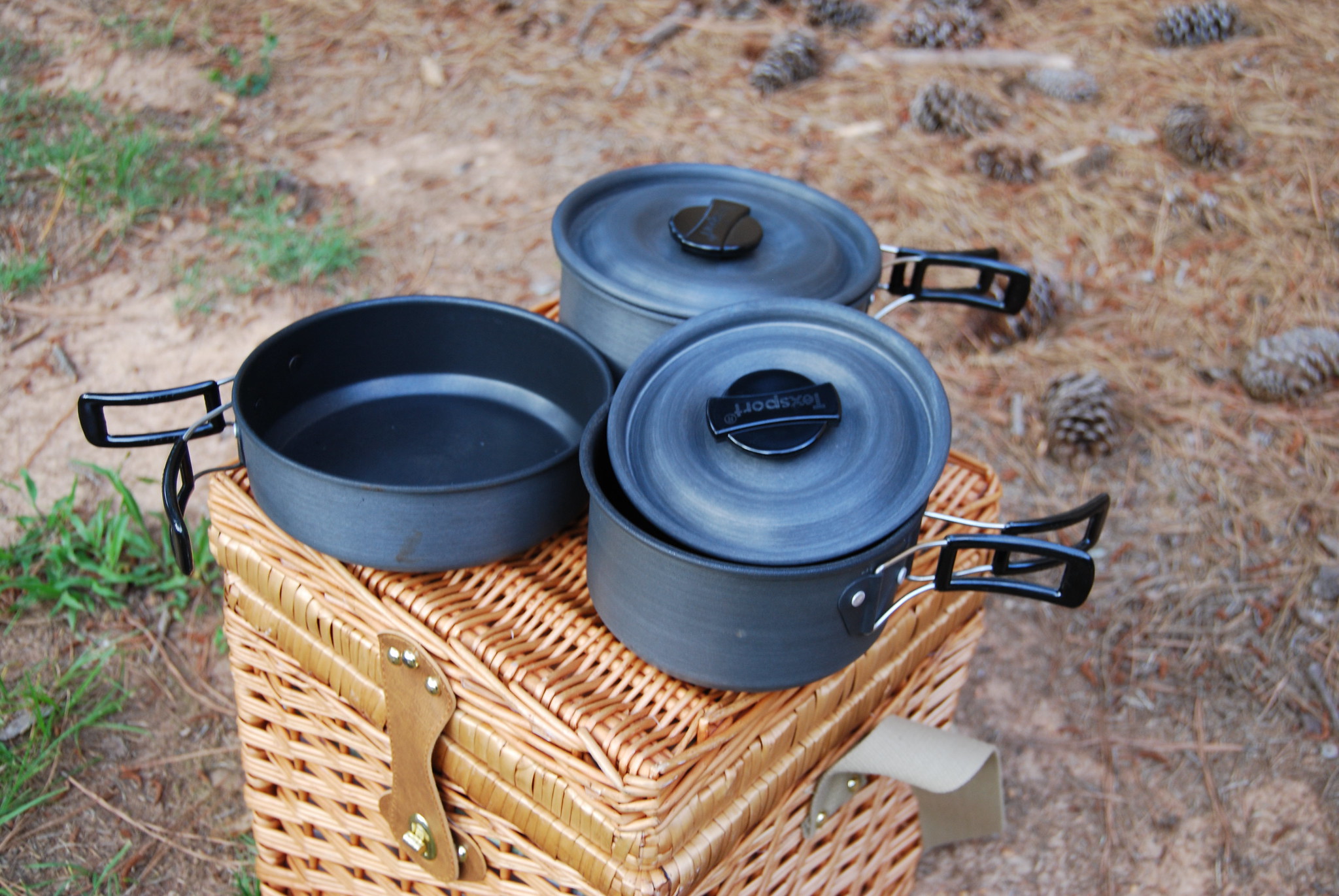
Cast iron cook kits remain beloved today, but in the 1970s, they were essential camping luxuries that offered unmatched heat retention and flavor. Families used them for everything from breakfast skillets to campfire cobblers. Although undeniably heavy, these kits were prized for their durability and ability to handle direct flame. Modern hikers favor lightweight titanium or aluminum cookware, but few alternatives create the same rich, seasoned taste. The sense of tradition attached to cast iron made meals feel like a central part of the camping experience.
6. Inflatable Vinyl Mattresses
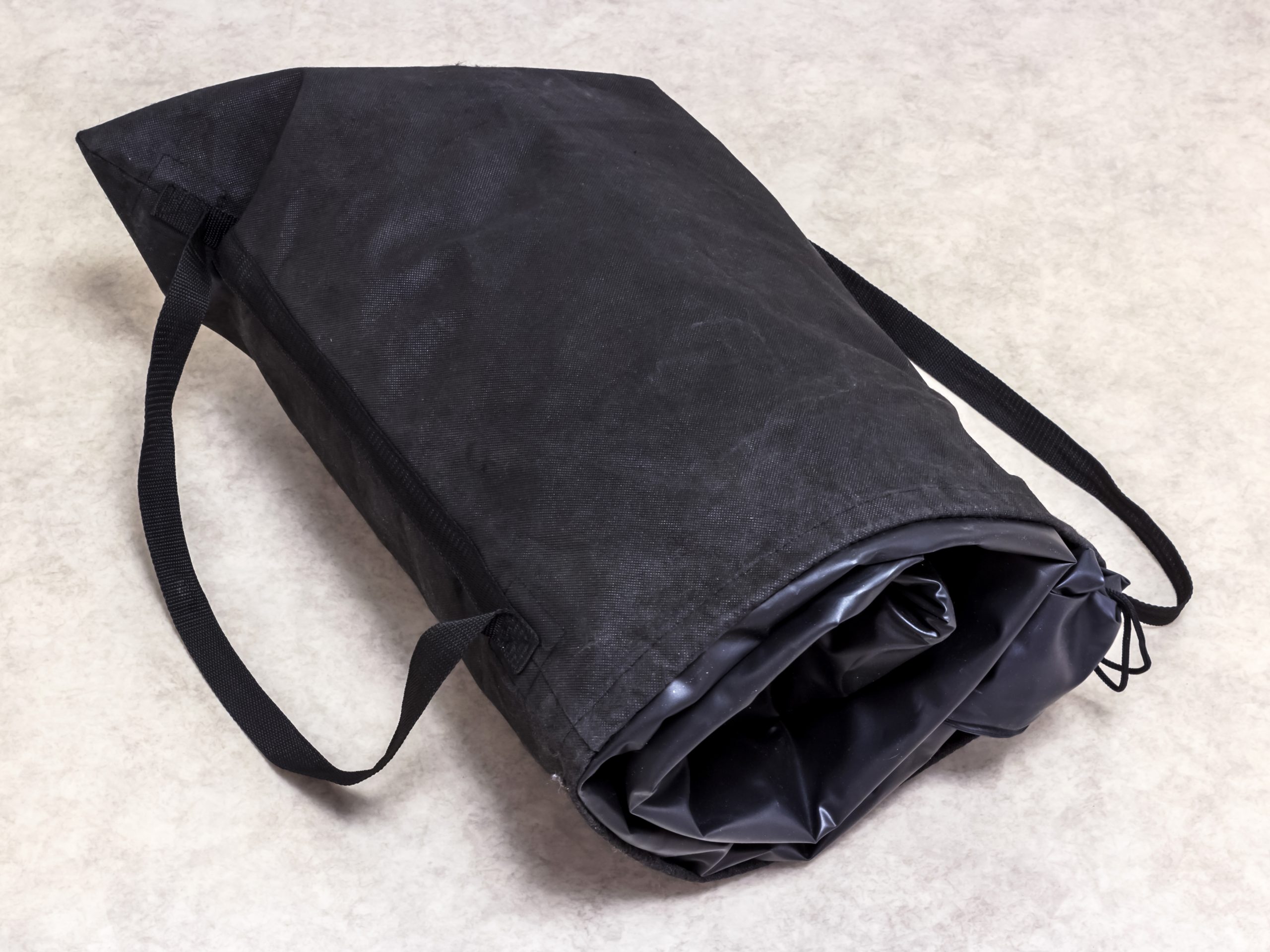
Inflatable vinyl mattresses offered a soft, bed-like feel that made 1970s camping surprisingly comfortable. They required a hand pump and often needed patch repairs, yet their size allowed campers to stretch out more fully than on modern pads. Families favored them for car camping trips, where portability was less important than comfort. Although prone to leaks, they provided a luxury that felt closer to sleeping at home. Today’s lightweight sleeping pads prioritize efficiency, but rarely match the cushioned support these large vinyl models offered.
7. Hand-Cranked Flashlights and Radios
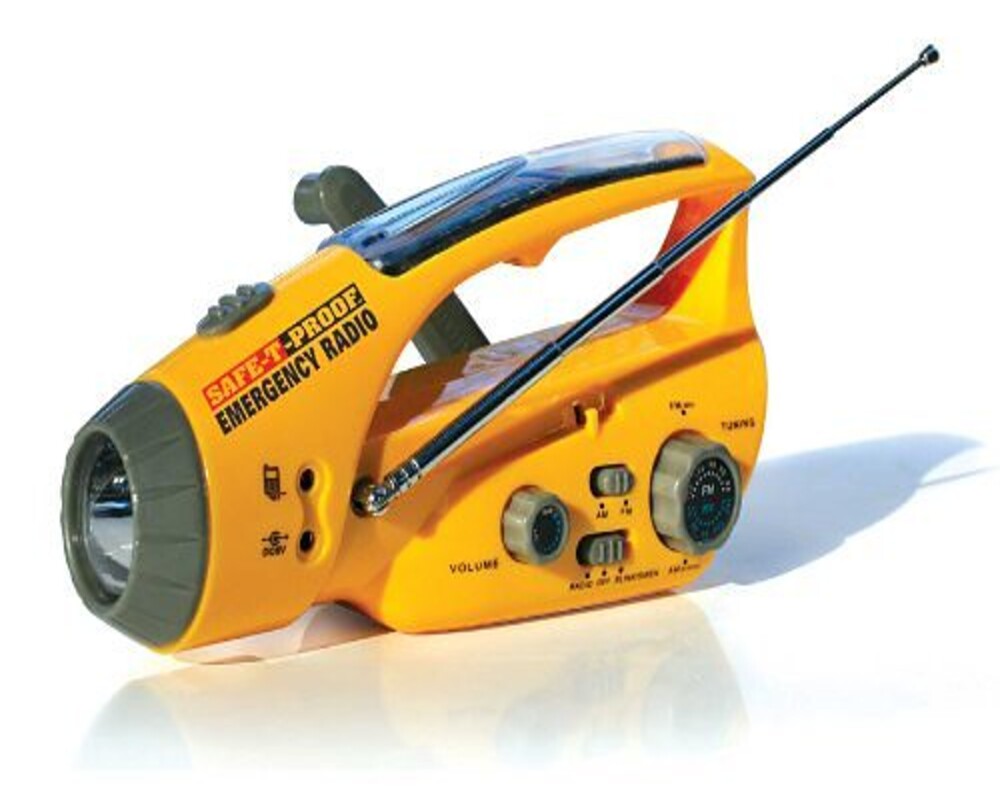
Hand-cranked flashlights and radios were fascinating gadgets in the 1970s, offering light and entertainment without relying heavily on batteries. Many models included AM channels, letting families listen to music or weather updates at night. Even though they were bulky and needed constant winding, their self-sufficient design felt advanced at the time. Modern devices offer far more power and clarity, but lack the tactile charm of cranking a handle to bring a campsite to life. These tools embodied both practicality and novelty.
8. Full-Size Picnic Boxes with Metal Compartments
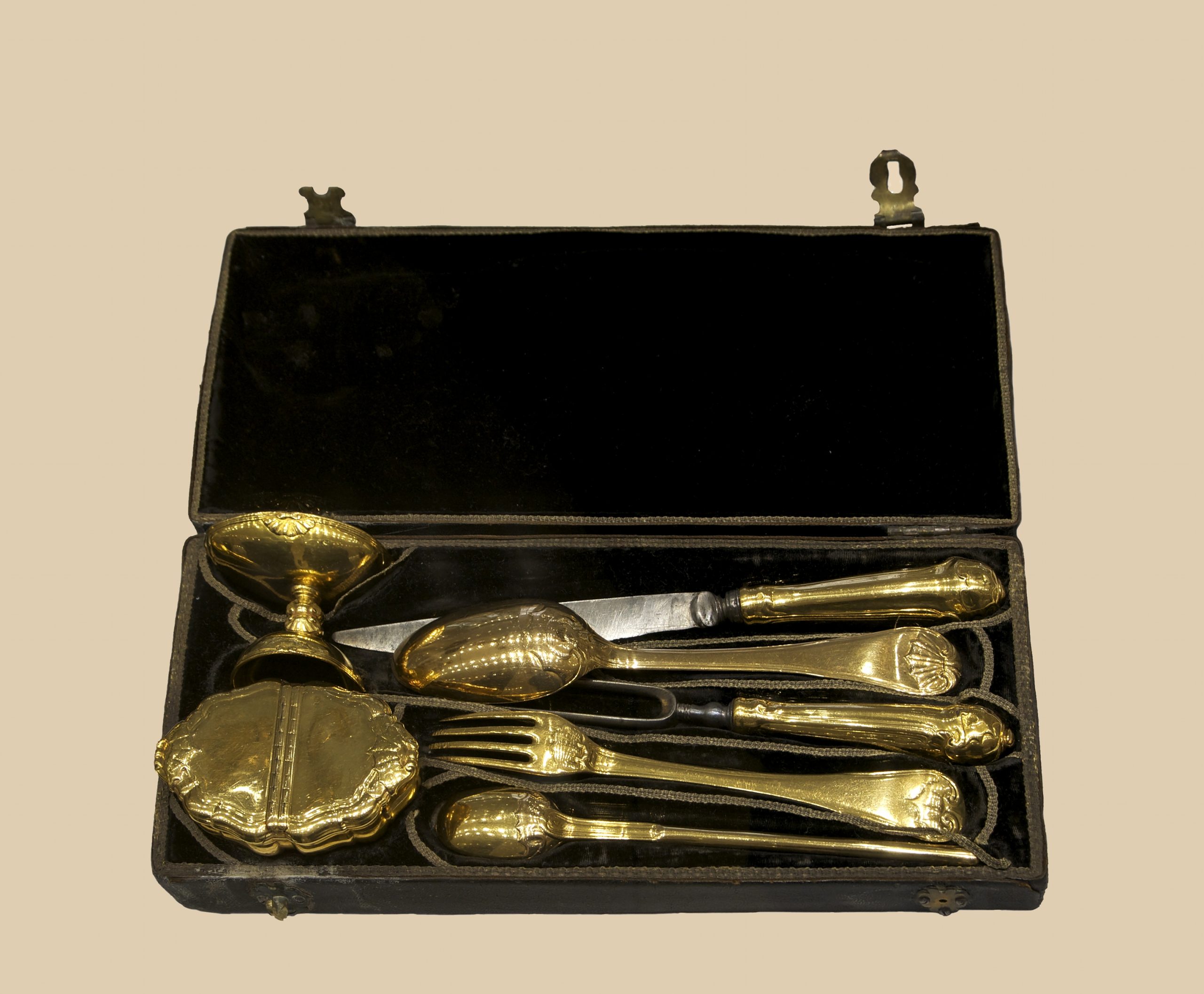
Picnic boxes in the 1970s often featured organized metal compartments, fold-out trays, and space for real cutlery, making meal prep feel almost elegant. Campers used them to store bread, canned foods, and cookware in tidy arrangements. Although large and heavy, these boxes kept items secure during travel and added a homey feel at dinnertime. Today’s backpackers rely on simple stuff sacks or ultralight bags, but none offer the structured convenience or nostalgic charm of these compartmentalized kits.
9. Wool Sleeping Bags with Flannel Linings
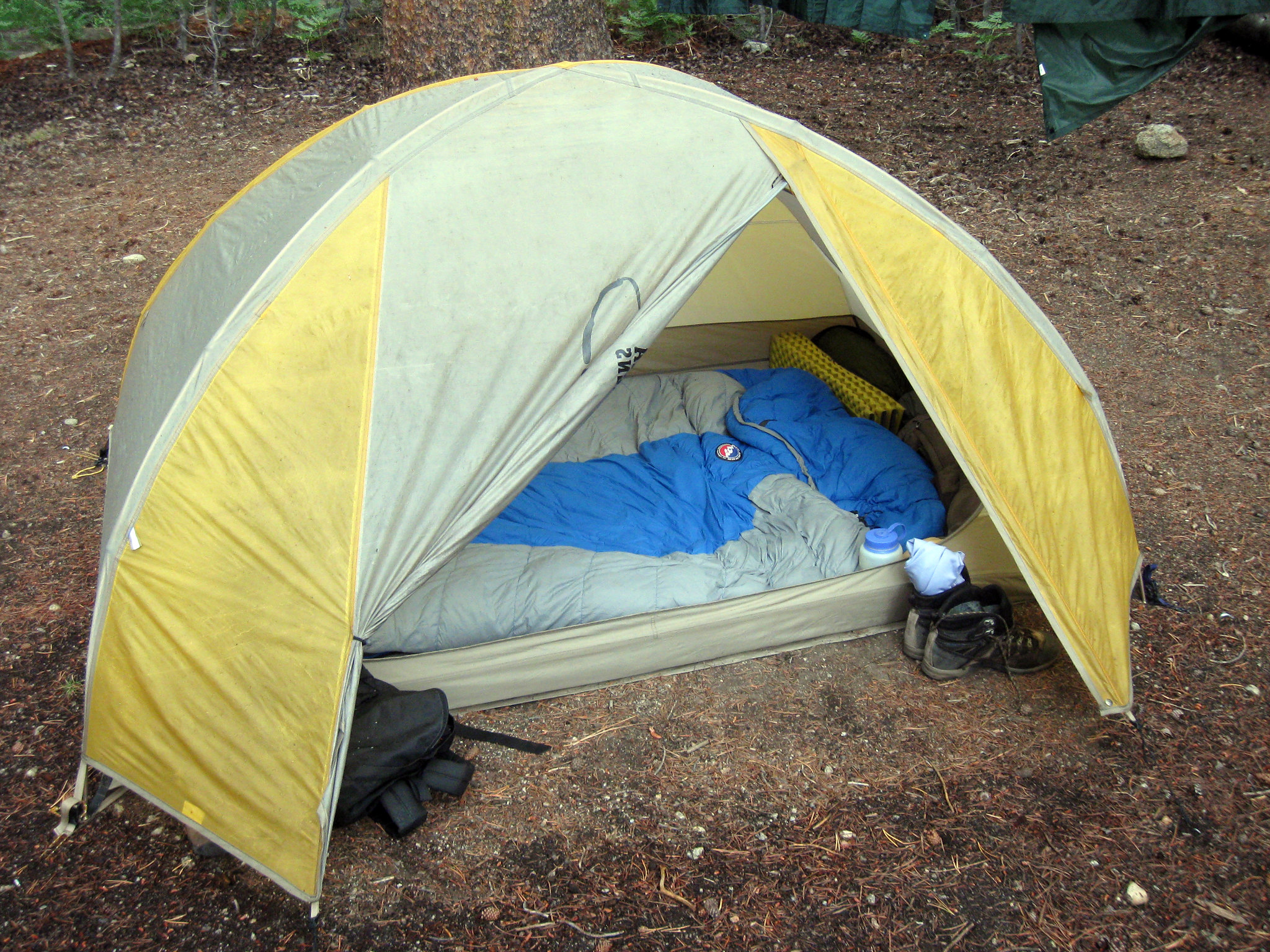
Wool sleeping bags lined with flannel were warm and exceptionally cozy, making them a favorite luxury in cooler seasons. They insulated well even when damp, though their weight made them impractical for long hikes. Campers appreciated the soft interior and the comforting smell of wool, which made chilly nights more restful. Today’s synthetic bags are lighter and more efficient, but lack the rustic, home-like warmth these older models delivered. Their durability and classic feel made them beloved pieces of gear.
10. Portable Coffee Percolators
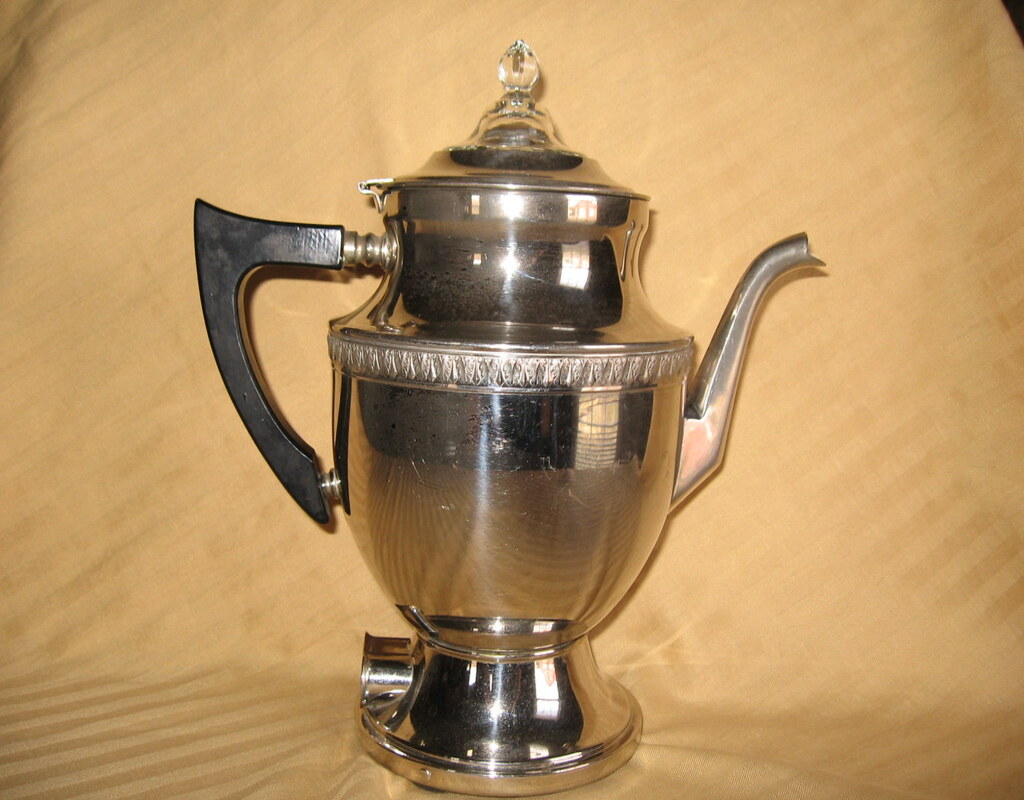
Coffee percolators of the 1970s transformed camp mornings into small rituals, creating rich, aromatic brews over propane stoves or open fires. They were made of metal and glass, producing coffee stronger than most modern drip setups. Though slower and heavier, they provided a satisfying experience that made waking up in nature feel luxurious. Modern hikers rely on instant blends or compact pour-over kits, but few methods rival the nostalgic taste of percolator coffee shared around a smoky campsite.
11. Vintage Propane Stove-and-Griddle Combos
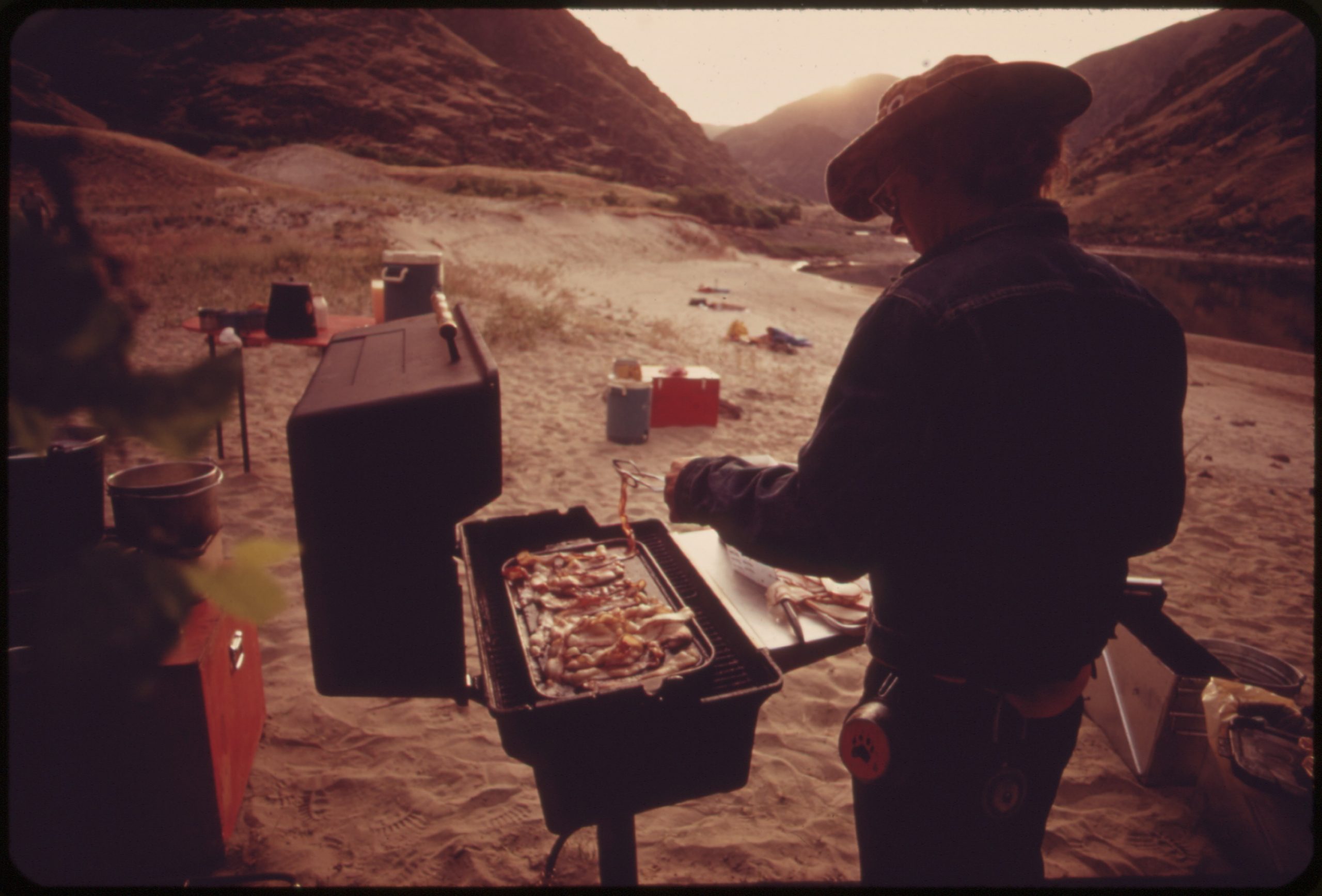
These combination cooking units brought an almost diner-like experience to the campsite, complete with dual burners and a removable steel griddle. Families used them to whip up pancakes, bacon, or grilled sandwiches with ease, a level of campsite cooking power that modern hikers rarely prioritise. Though undeniably heavy, they heated evenly and cleaned up surprisingly well. Their sturdy construction and broad cooking surface made them a prized luxury during long summer trips when food played a central role in the camping experience.