Cooking over a campfire is a cherished outdoor tradition, but even experienced campers can make mistakes that turn a great meal into frustration. From misjudging heat to skipping basic prep, small errors can affect both taste and safety. Learning how to manage fire, timing, and ingredients ensures every meal feels effortless. With the right habits, campfire cooking becomes an experience you can enjoy as much as the food itself.
Cooking Over Flames Instead of Coals
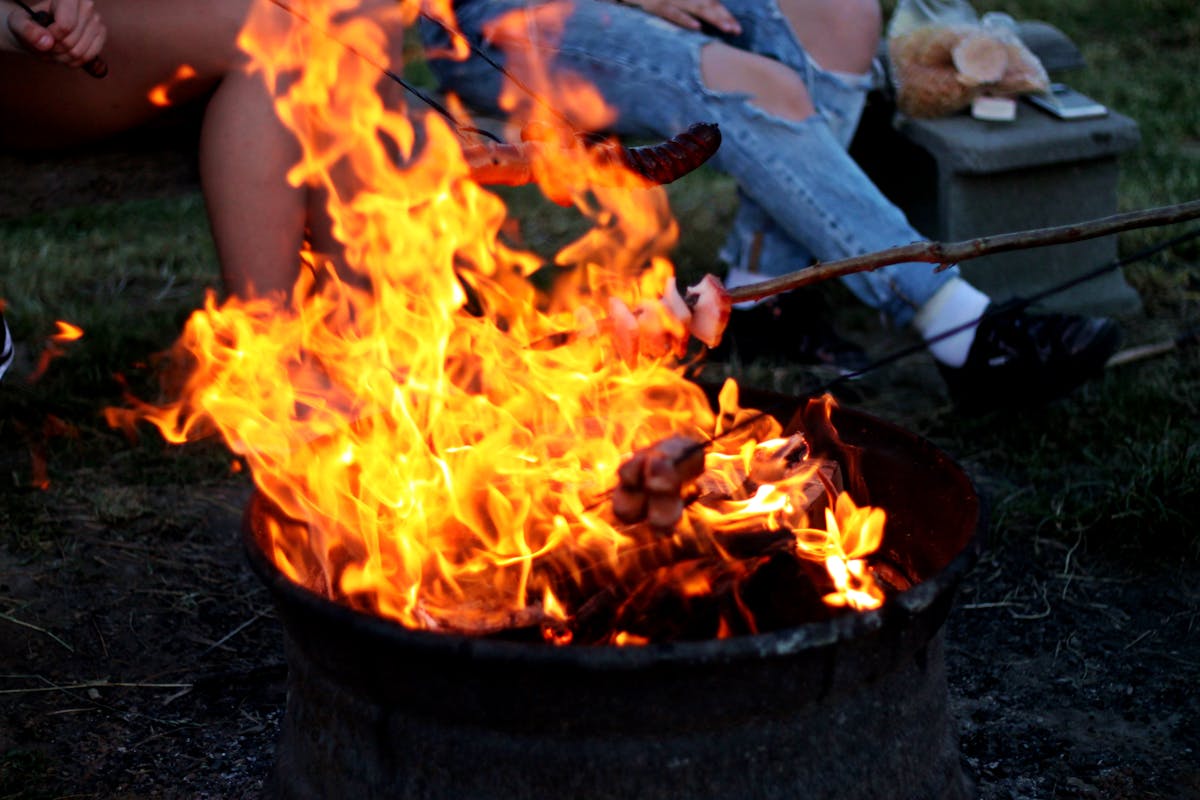
A roaring flame might look impressive, but it’s too hot and inconsistent for cooking. Flames burn food quickly on the outside while leaving the inside raw. Hot coals, on the other hand, provide steady and even heat. Waiting for the fire to settle down before placing your cookware helps control temperature and reduces the risk of charred meals or undercooked ingredients.
Skipping Fire Preparation
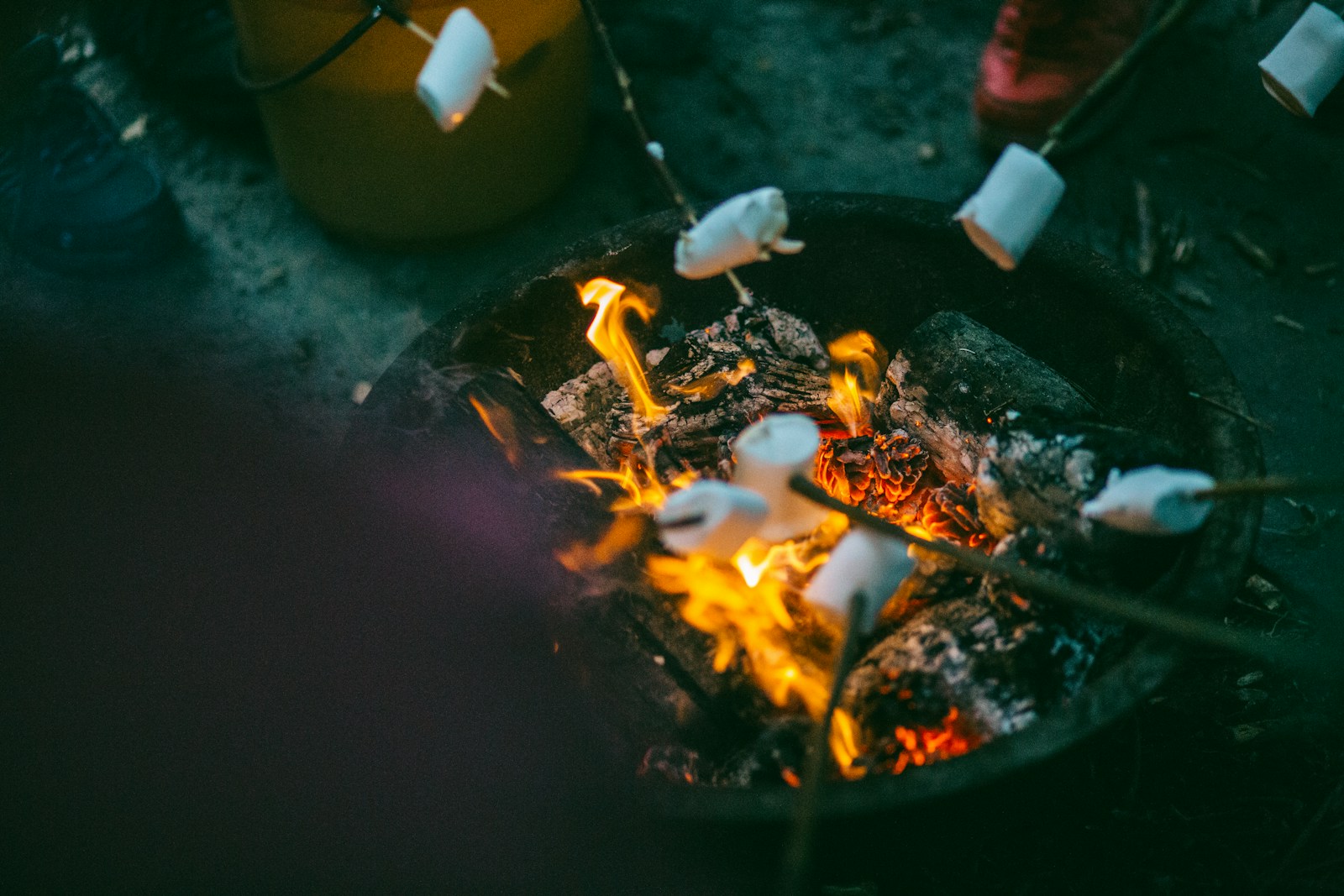
Rushing to cook before the fire is ready often leads to unevenly cooked food. It takes time for a campfire to develop a good bed of embers. Building your fire early gives it time to stabilize, ensuring consistent heat when you start cooking. Proper timing also lets you organize your setup, saving you from last-minute scrambling or half-cooked meals.
Ignoring Wind and Weather
Campers often overlook how wind affects cooking. Gusts can change flame direction or cool coals too fast, making it hard to maintain temperature. Positioning your firepit near a natural windbreak or using a portable shield keeps the heat steady. Adapting to weather conditions helps your food cook evenly and prevents unnecessary smoke from blowing into your cooking area.
Forgetting to Oil Grates and Pans
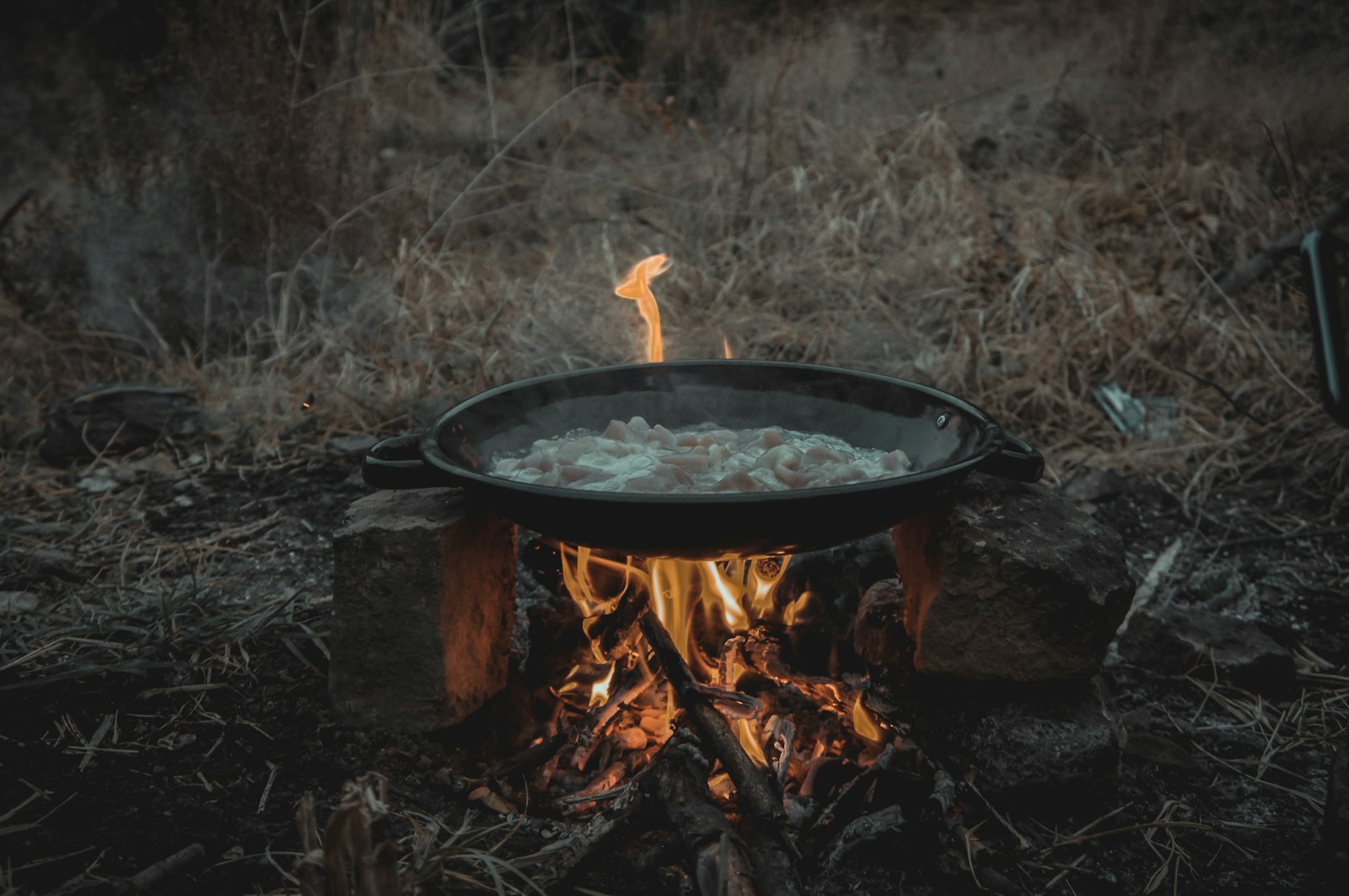
One of the simplest mistakes is skipping oil on your cookware. Without a light layer of oil, food sticks, burns, and becomes difficult to clean later. Applying oil before cooking prevents sticking and helps your ingredients cook evenly. It also protects your pans from soot buildup and extends the life of your camping gear over multiple trips.
Overcrowding the Cooking Surface
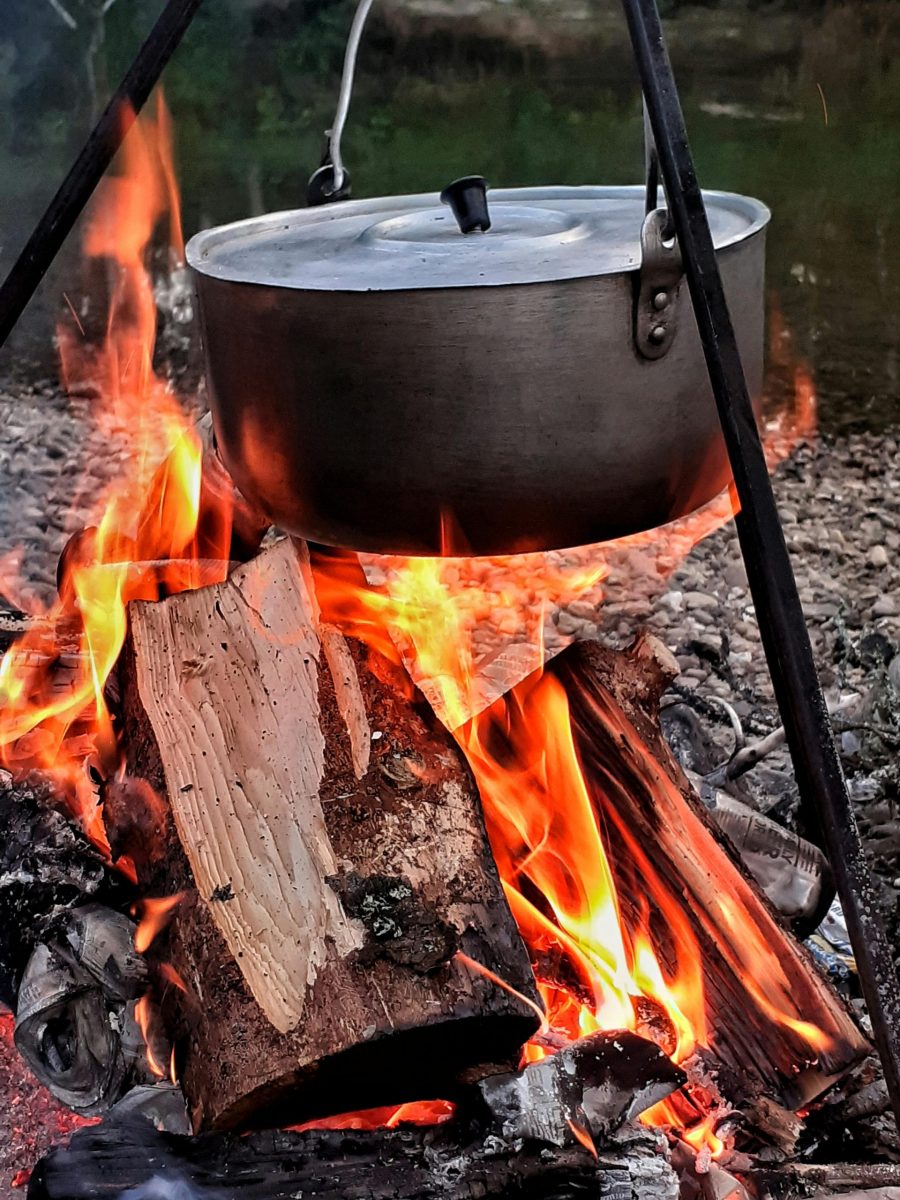
Trying to cook everything at once can quickly ruin a meal. Overcrowded pans trap steam, causing food to become soggy instead of crisp or grilled. Giving each item enough space allows proper airflow and even heat distribution. Cooking in small batches might take longer, but it delivers better results and keeps food texture just right.
Not Controlling Heat Zones
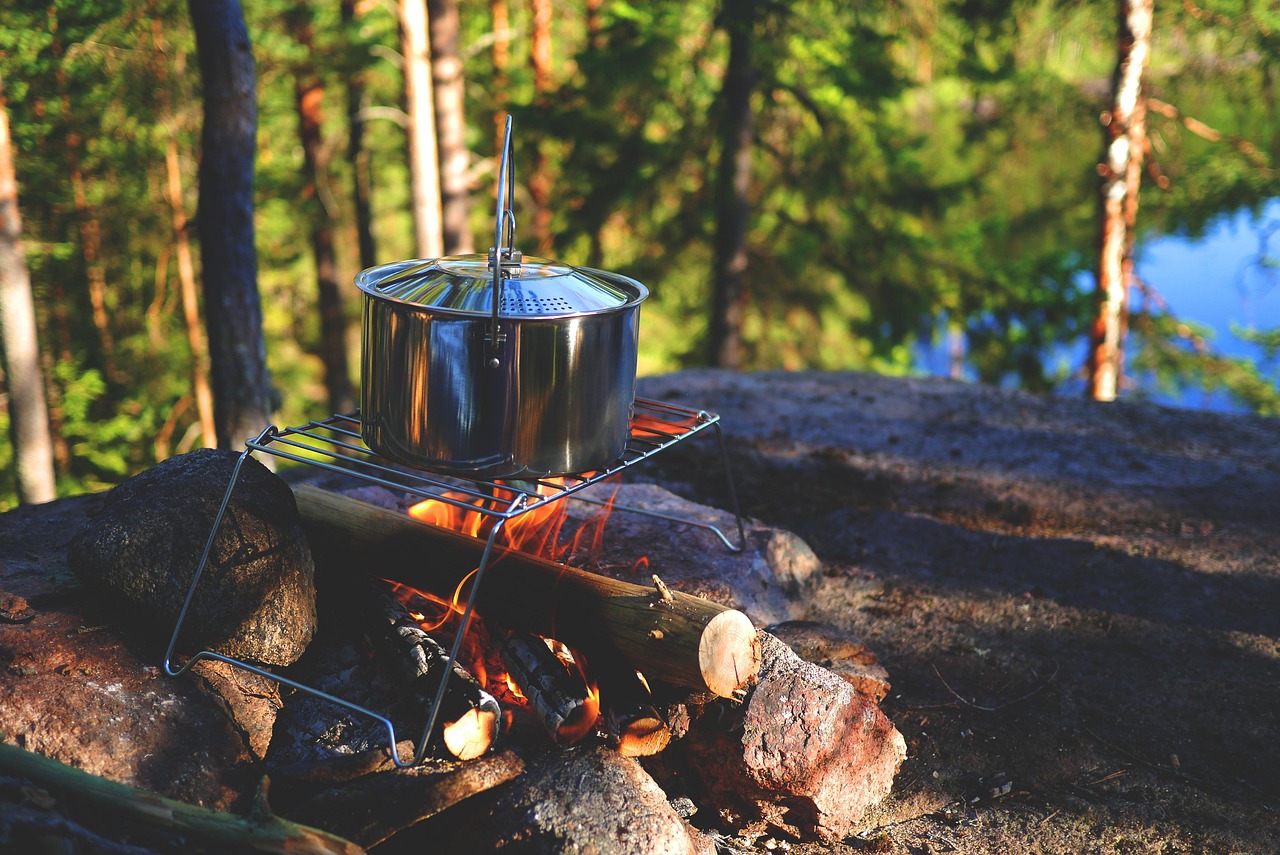
Campfires naturally have areas with varying heat levels. Many campers forget to use this to their advantage. Creating zones for high, medium, and low heat allows better control over different dishes. You can sear meat close to the coals and simmer stews farther away. Mastering this technique ensures consistent cooking without burning or undercooking your meal.
Using the Wrong Tools
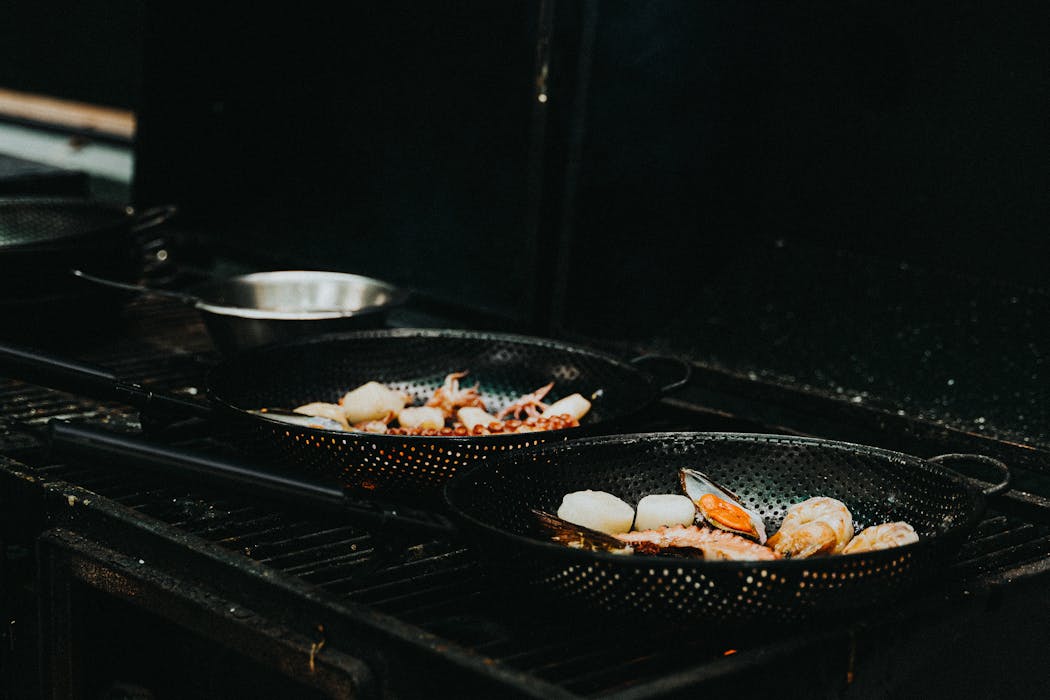
Improvising with household utensils often leads to frustration. Campfire cooking requires heat-resistant gear like long-handled tongs, cast-iron pans, and fire-safe gloves. Using proper tools keeps you safe and makes handling food easier. Investing in durable campfire equipment turns outdoor cooking into a smoother and more enjoyable experience every time.
Skipping Food Prep at Home
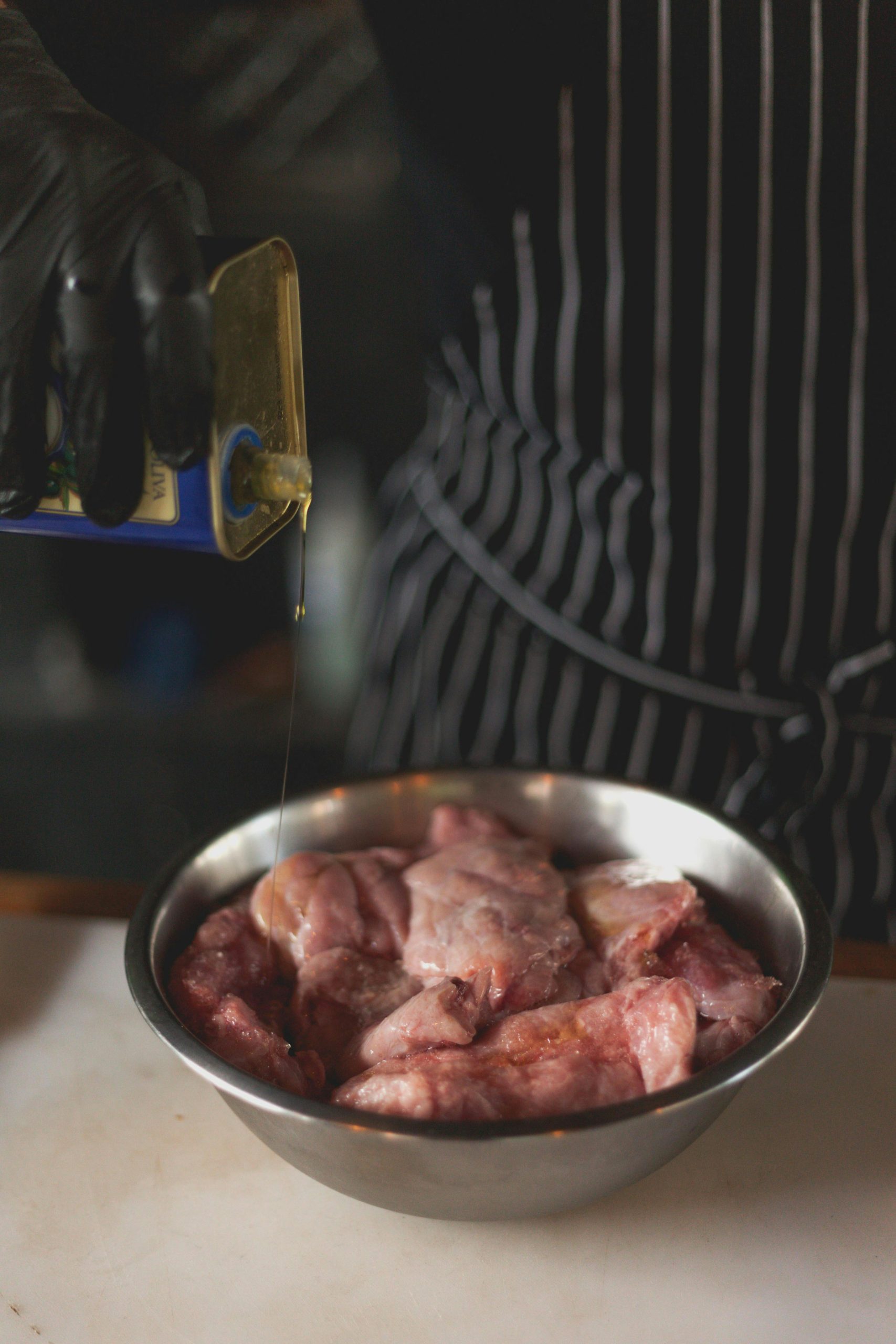
Many campers wait until they’re outdoors to chop, marinate, or season ingredients. Doing prep work at home saves time and reduces mess at the campsite. Prepping ingredients in sealed containers also keeps food fresh and organized. With less cleanup and more efficiency, you’ll spend more time enjoying the campfire rather than fussing over it.
Neglecting Food Safety
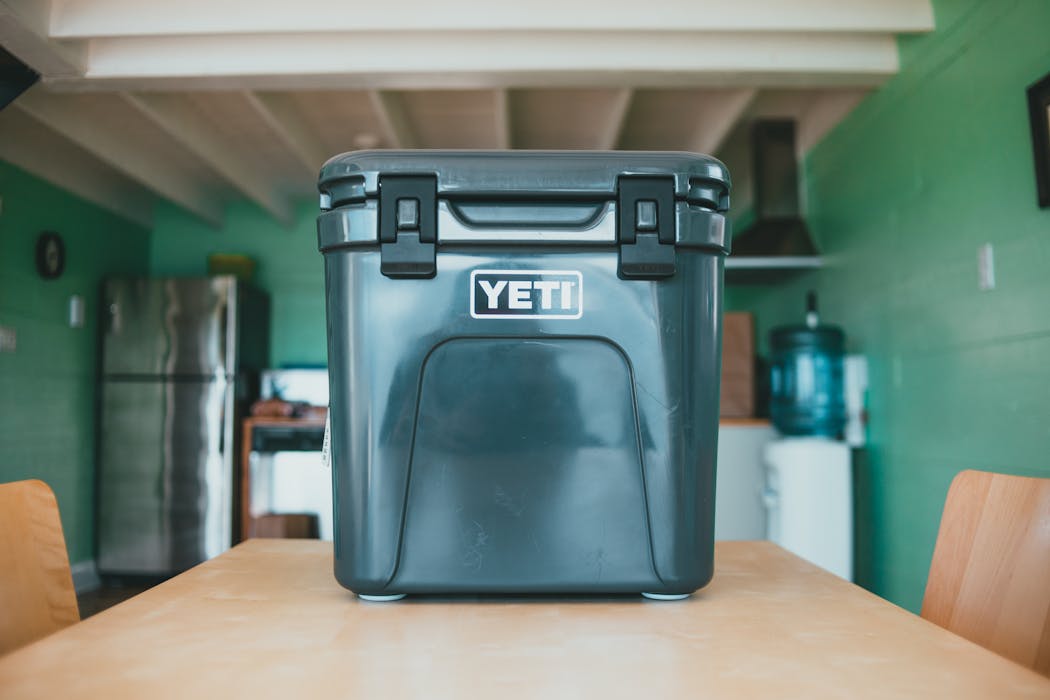
It’s easy to forget about temperature control when camping, but improper food storage can cause serious health issues. Perishable items need to stay cold until ready to cook. Using insulated coolers and keeping raw meat separate prevents cross-contamination. Prioritizing hygiene ensures every meal is both delicious and safe to eat in the wild.
Not Letting Food Rest
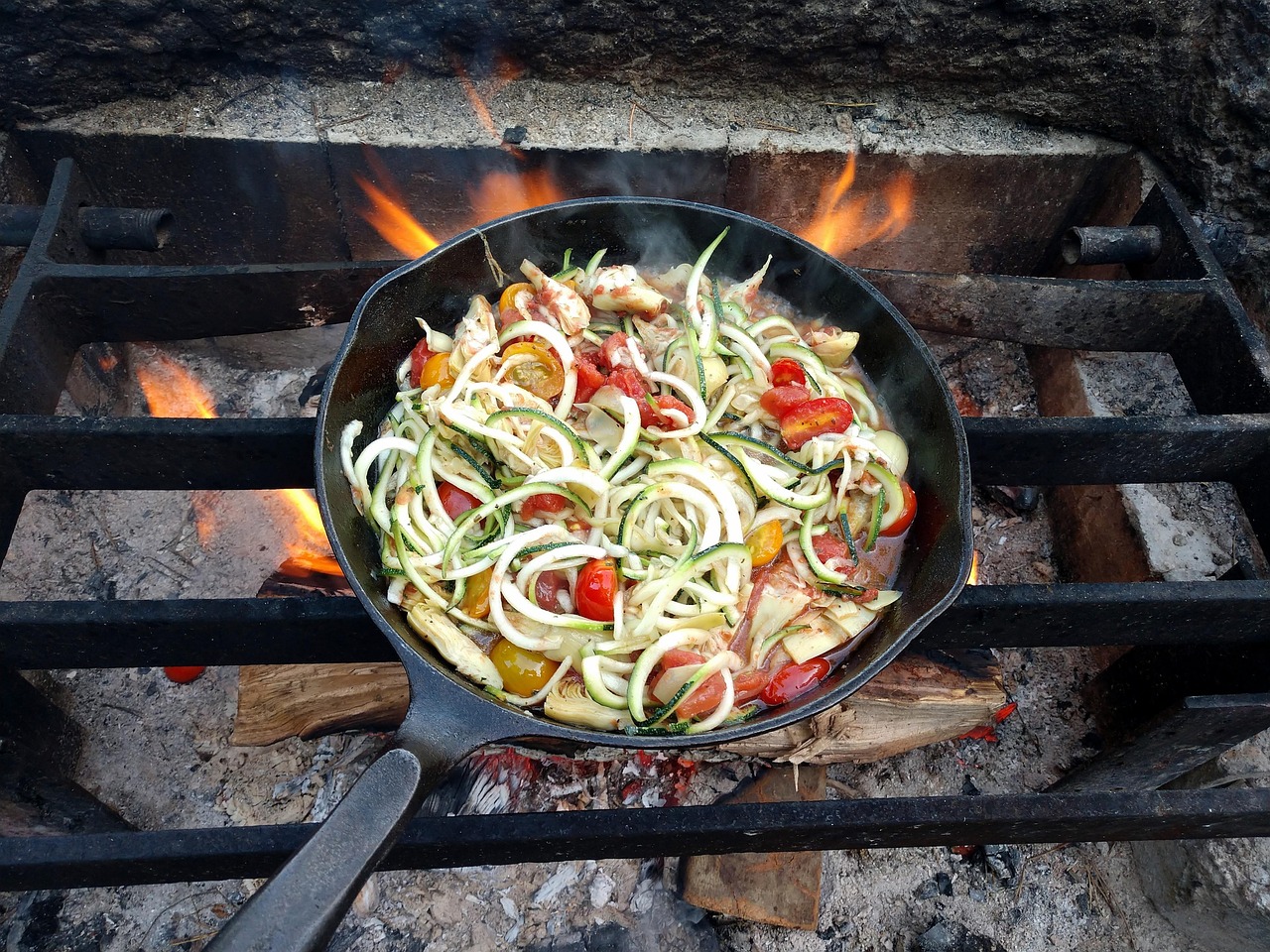
After cooking, many people dig in right away, but resting food for a few minutes makes a big difference. Letting meat or vegetables sit allows juices to redistribute, enhancing flavor and texture. It’s a simple step that improves your meal and prevents dryness. Patience at the end of cooking pays off with more satisfying campfire results.
Forgetting to Extinguish Properly
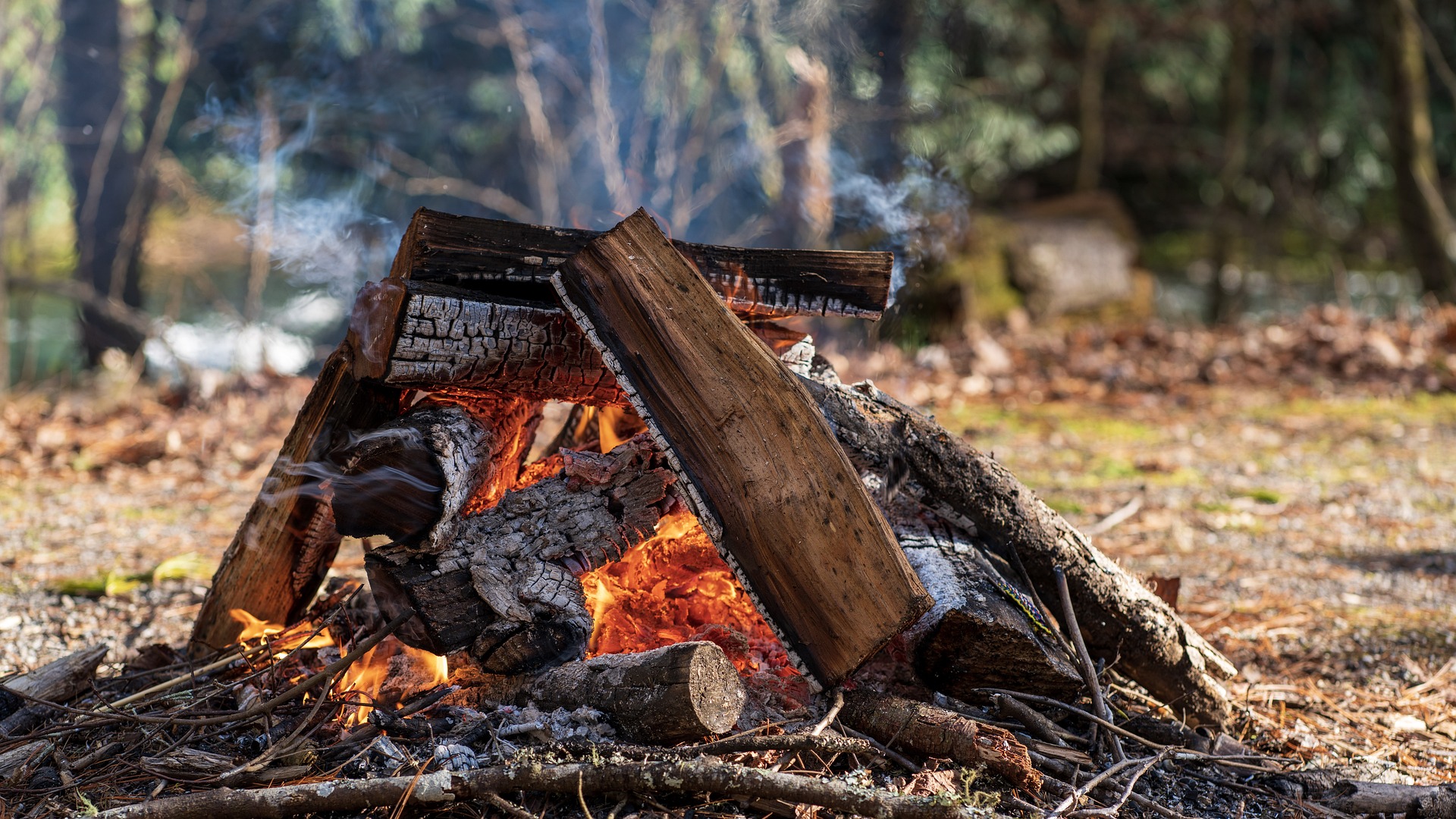
Once dinner is done, many overlook fire safety. Leaving smoldering embers unattended can spark forest fires or damage the campsite. Pouring water, stirring the ashes, and ensuring no heat remains keep the area safe. Taking time to extinguish your fire completely is a vital part of responsible camping and leaves nature ready for the next adventurer.