World War II produced some of the most famous bombers in aviation history, aircraft that became legends through success, symbolism, or sheer numbers. However, not every bomber that promised to change the war actually delivered on expectations. Some were rushed into service, others were victims of flawed design, and many were overtaken by rapidly evolving technology. Wartime propaganda often inflated their reputations, masking serious weaknesses. Looking back with historical clarity reveals a different story. The following ten bombers were heavily promoted or anticipated, yet ultimately failed to meet the hopes placed upon them by military planners and political leaders.
1. Douglas B-23 Dragon
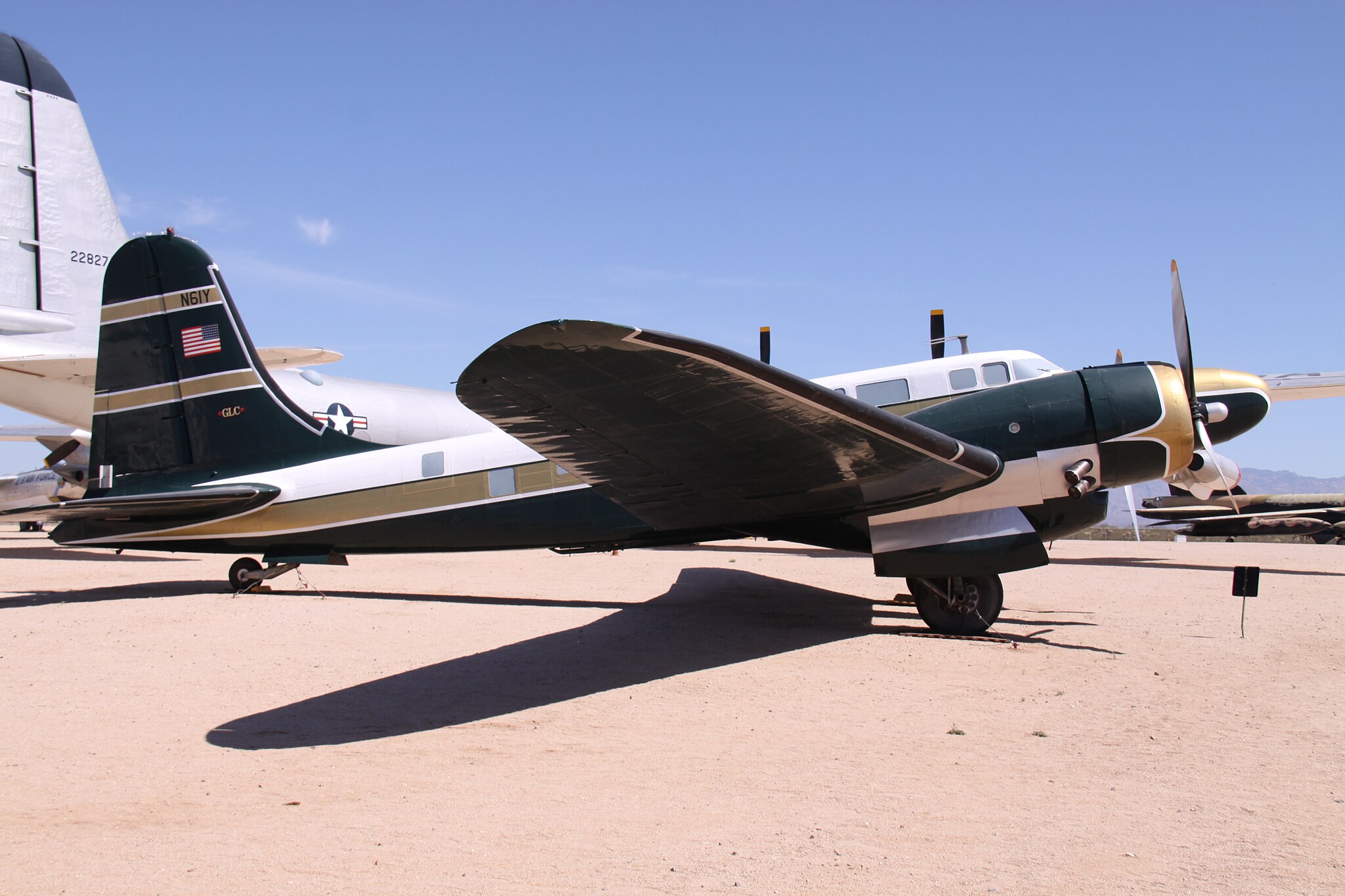
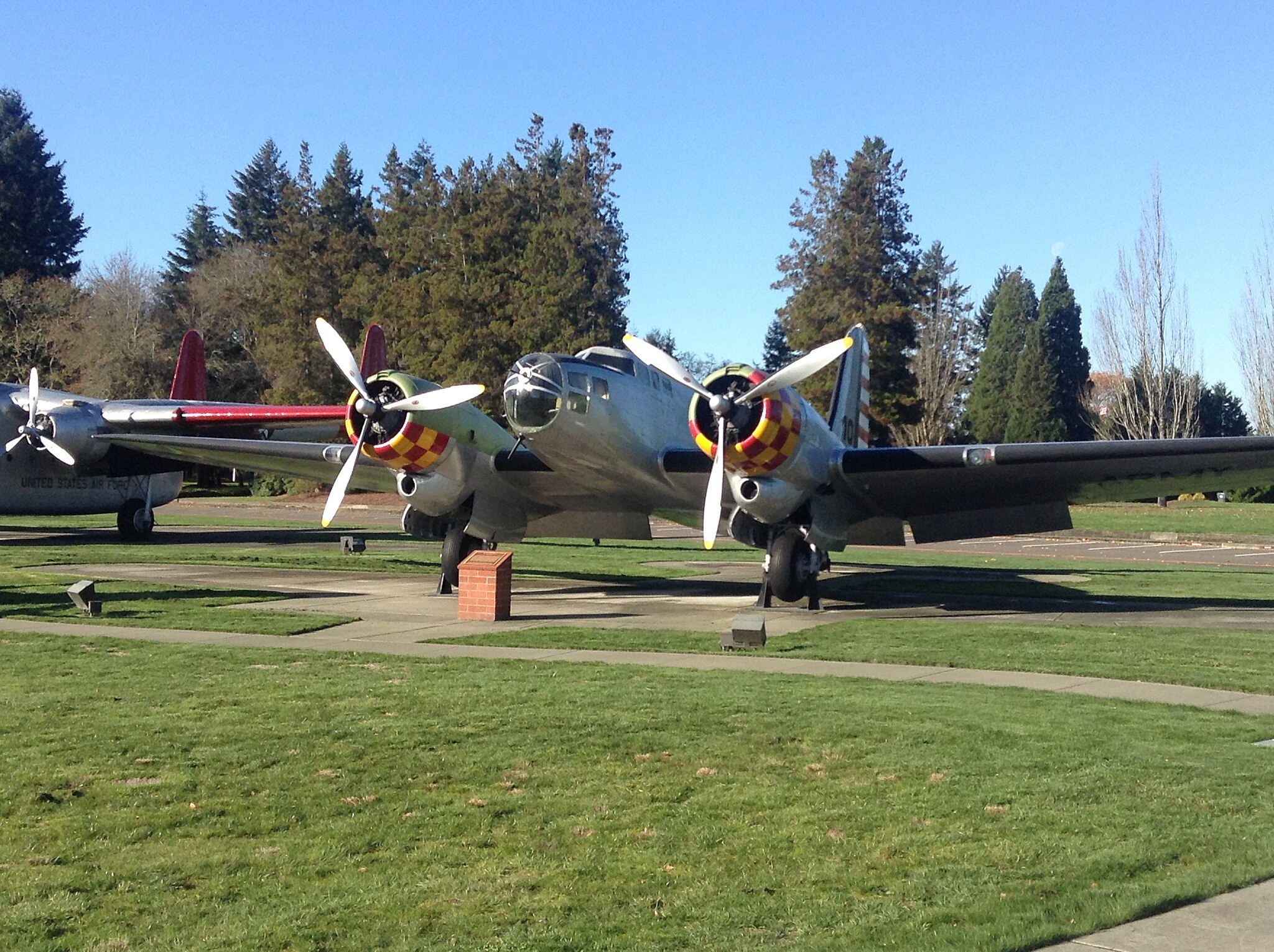
The Douglas B-23 Dragon was intended as a modern improvement over earlier American bombers, but it quickly proved disappointing. Despite higher speed and better defensive armament on paper, it suffered from limited bomb capacity and poor high altitude performance. Its ceiling was too low to escape enemy fighters effectively, making missions dangerous. The aircraft never saw combat overseas, a major indicator of its failure to meet expectations. Crews found it underpowered and outdated almost immediately. Instead of becoming a frontline bomber, it was relegated to training and transport roles. The B-23’s story reflects how rapid wartime innovation could render promising designs obsolete before they ever mattered.
2. Handley Page Hampden
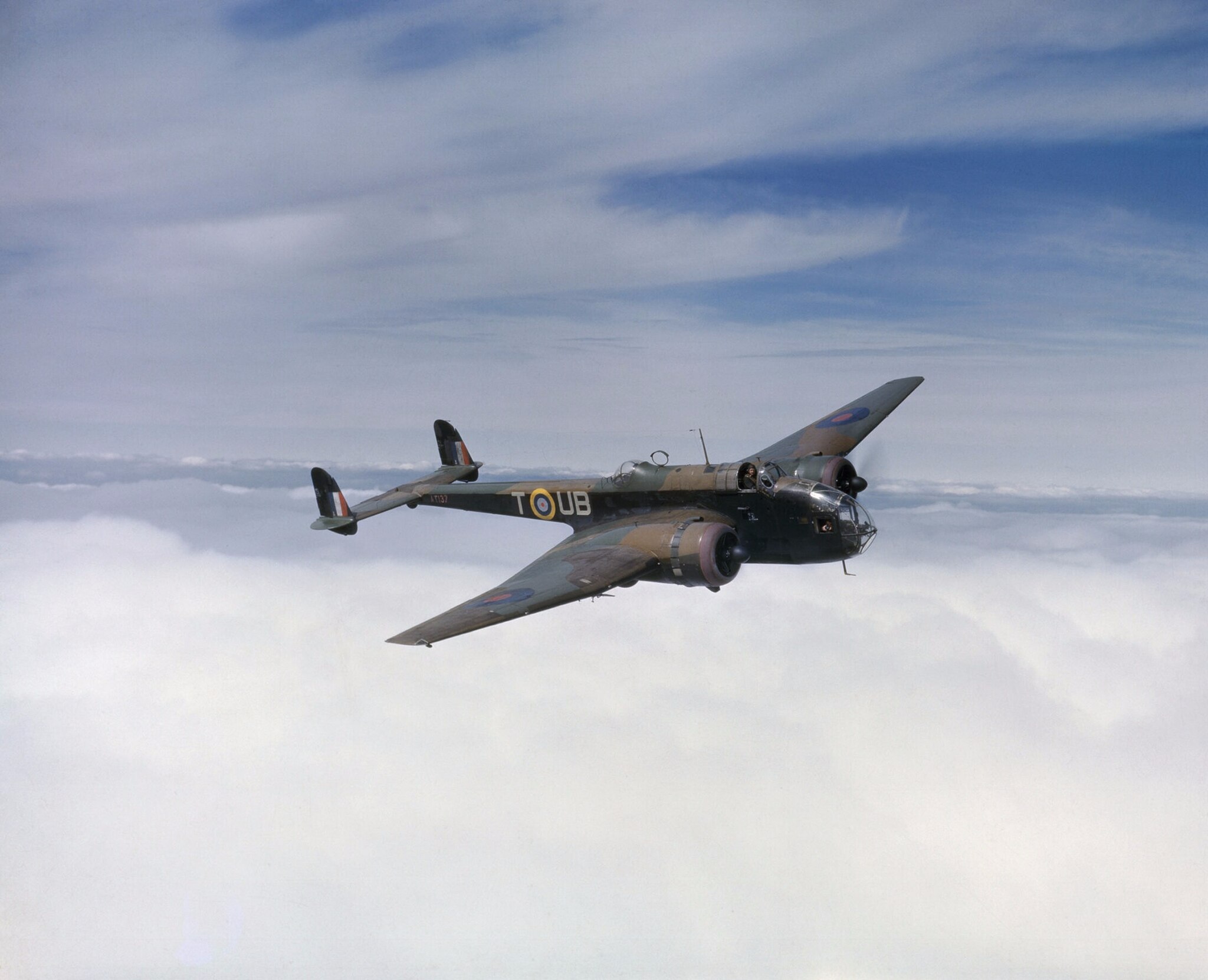
The Handley Page Hampden entered the war with bold claims of speed and agility, earning the nickname Flying Suitcase due to its narrow fuselage. In practice, the design created serious problems for crews. Defensive armament was poorly positioned, leaving blind spots that enemy fighters exploited. The cramped interior made crew movement difficult during emergencies. Its limited bomb load reduced its strategic value compared to larger bombers. Heavy losses early in the war forced its removal from daylight bombing missions. While it looked advanced at first glance, the Hampden lacked the protection and payload needed for sustained operations, failing to justify early optimism.
3. Fairey Battle
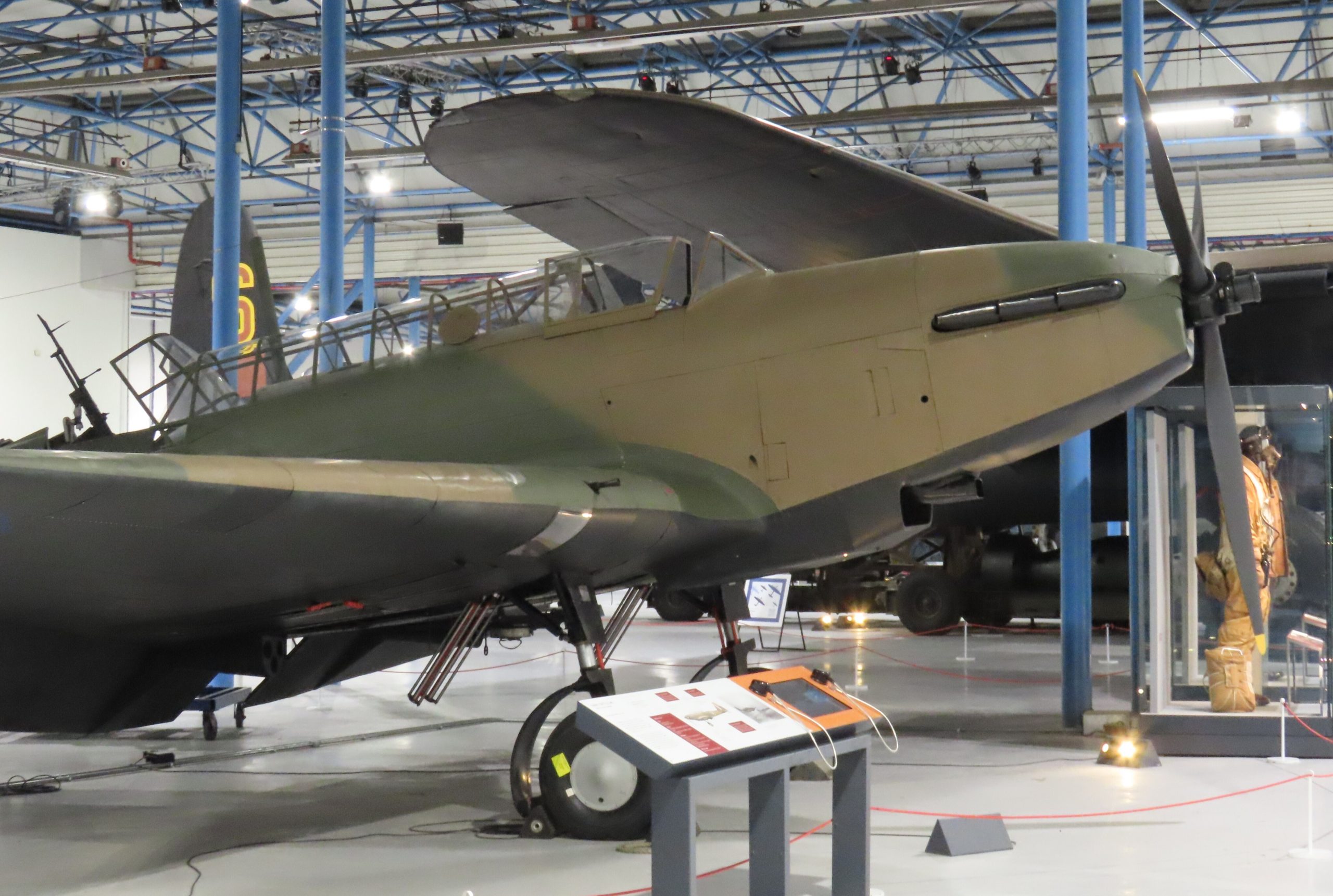
The Fairey Battle was a symbol of prewar optimism that collapsed under combat reality. Designed as a modern light bomber, it was already outdated when the war began. Slow speed and weak defensive guns made it an easy target for fighters and ground fire. Early missions during the Battle of France resulted in devastating losses, shocking Allied commanders. Crews flew bravely, but the aircraft offered little chance of survival. The Battle’s single engine and limited performance could not handle contested airspace. Despite initial praise for its clean design, it became a painful lesson in how quickly air combat standards had changed.
4. Heinkel He 177
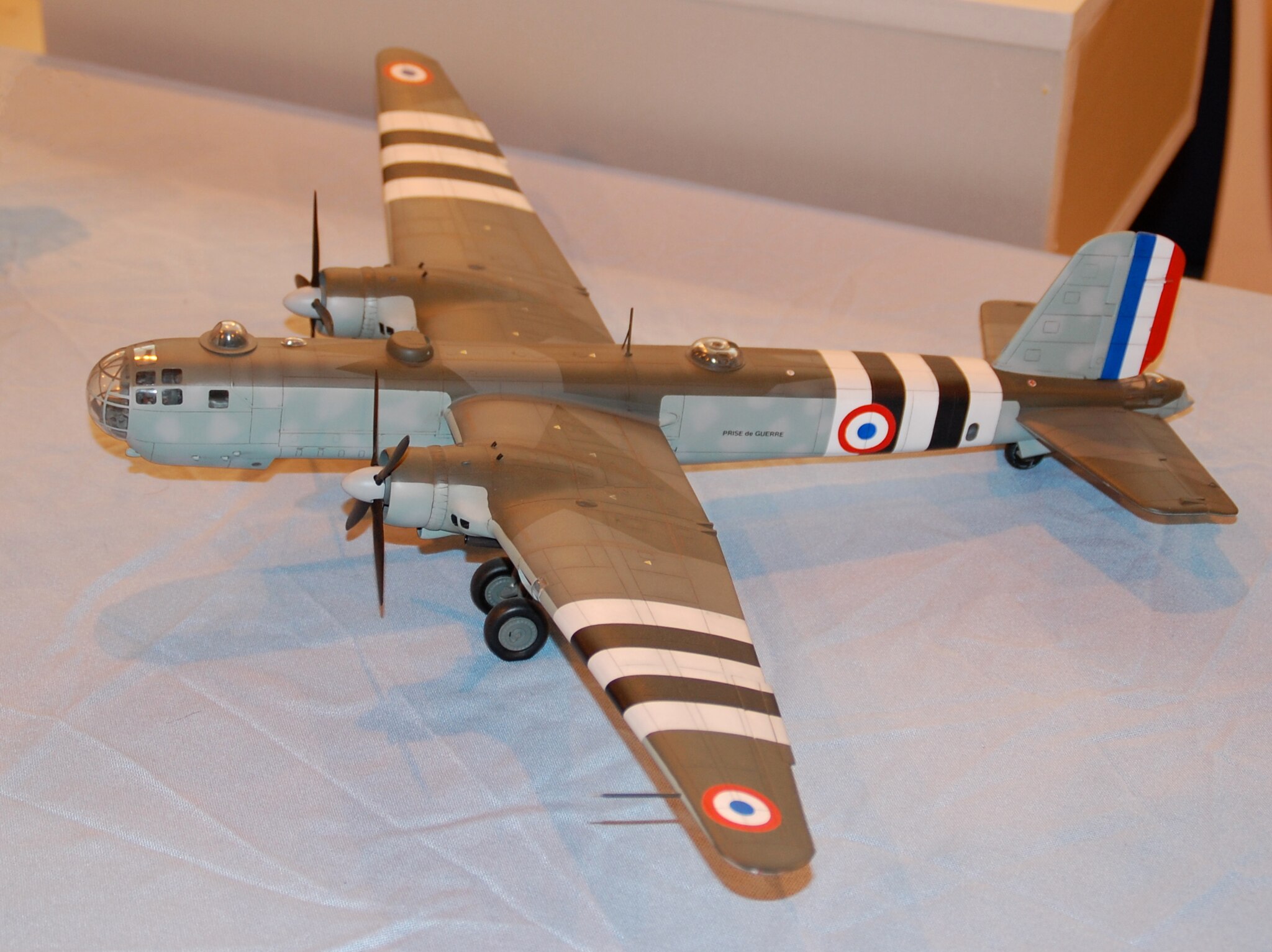
The Heinkel He 177 was Germany’s attempt at a heavy strategic bomber, but it became infamous for failure. Complex engineering choices, including coupled engines, led to chronic overheating and frequent fires. Maintenance demands were extreme, reducing operational readiness. Although it carried a heavy bomb load, reliability issues prevented consistent use. Crews feared the aircraft as much as enemy defenses. Political pressure kept the program alive longer than logic suggested. By the time improvements were made, the war situation had shifted. The He 177 promised strategic reach but delivered technical frustration, never fulfilling its intended role.
5. Petlyakov Pe-8
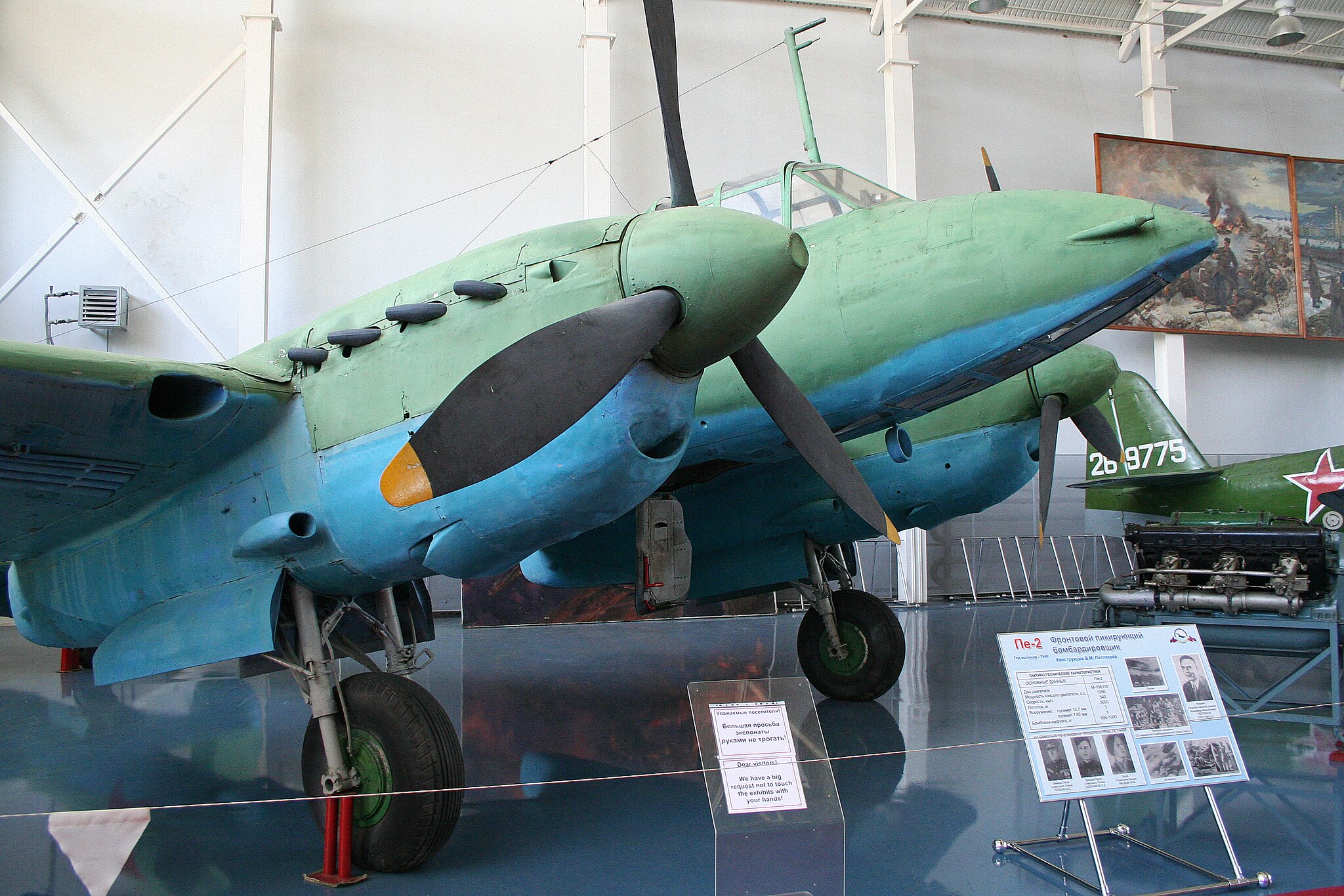
The Soviet Pe-8 was meant to symbolize long-range bombing capability, yet its impact remained limited. Produced in small numbers, it suffered from inconsistent engine availability and logistical challenges. While capable of impressive range, it lacked the support infrastructure needed for sustained strategic bombing. Missions were rare and often symbolic rather than decisive. Defensive armament was respectable, but crew training varied widely. The aircraft’s potential was never fully realized due to industrial constraints. Despite moments of success, the Pe-8 failed to become the strategic weapon it was meant to be, overshadowed by more practical Soviet aircraft.
6. Caproni Ca.135
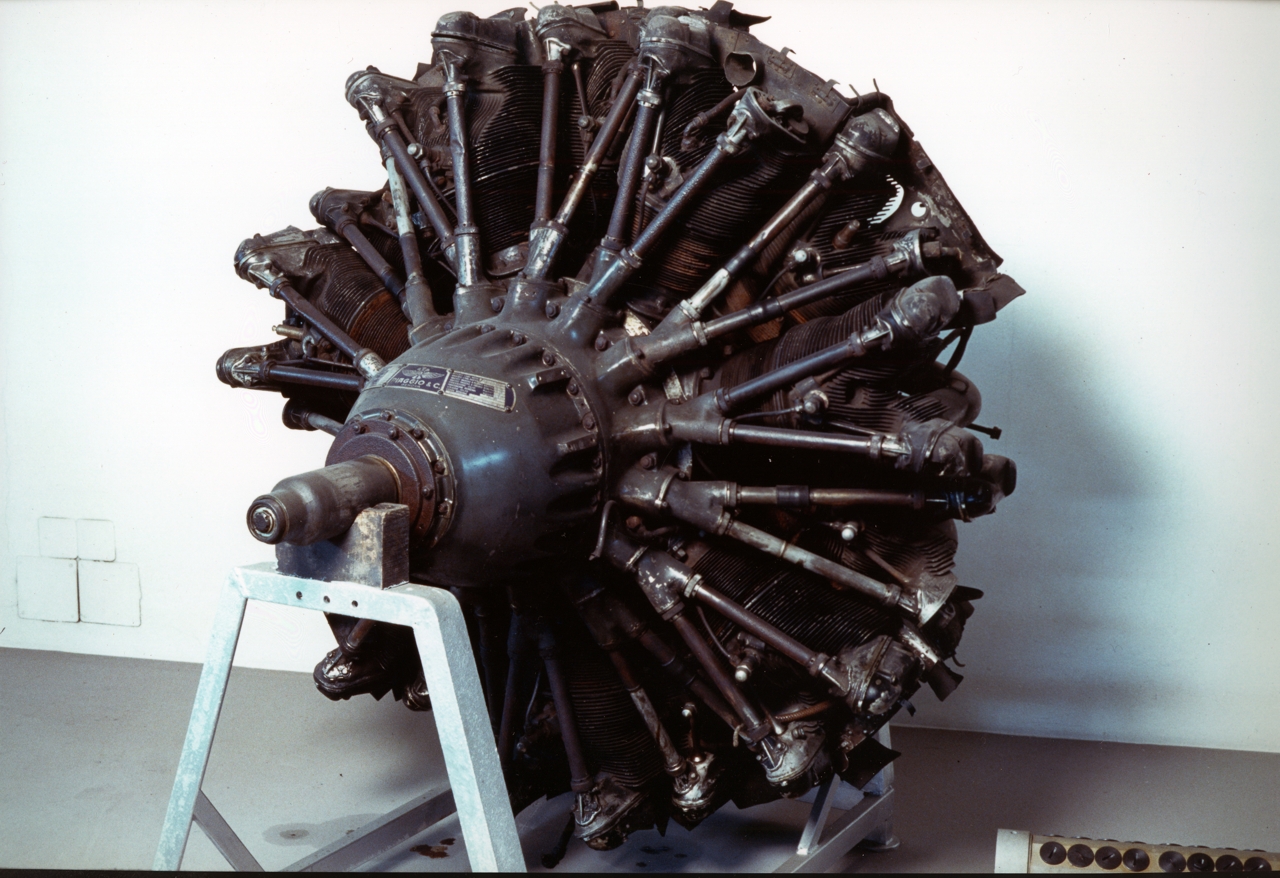
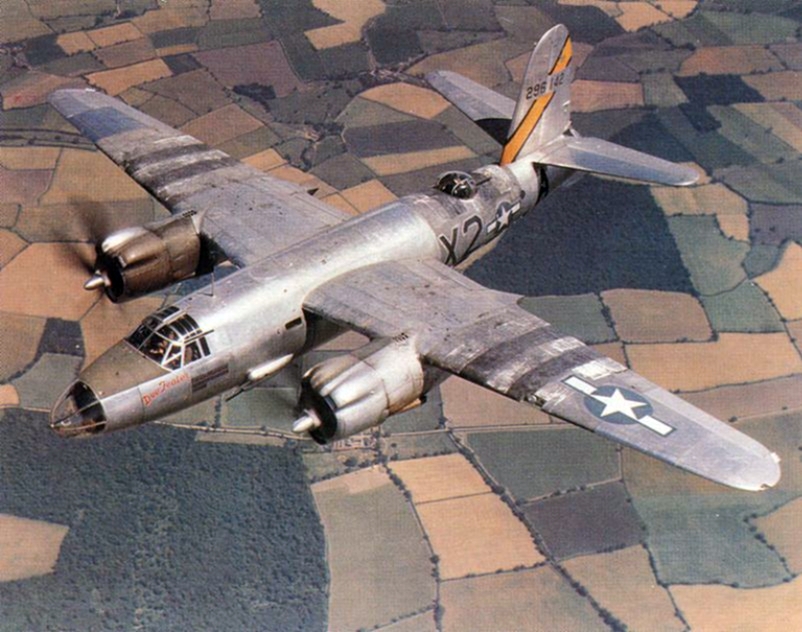
Italy’s Caproni Ca.135 was introduced with high expectations for speed and versatility, but operational use exposed serious flaws. Engine reliability was poor, especially in harsh climates. Handling issues made takeoffs and landings dangerous. Bombing accuracy suffered due to stability problems, limiting mission effectiveness. Defensive armament was weak, leaving crews vulnerable. The aircraft struggled to adapt to different theaters of war. As losses mounted, confidence disappeared. The Ca.135’s sleek appearance hid deep performance issues. Rather than strengthening Italian air power, it became another example of ambition undermined by execution and limited industrial support.
7. Short Stirling
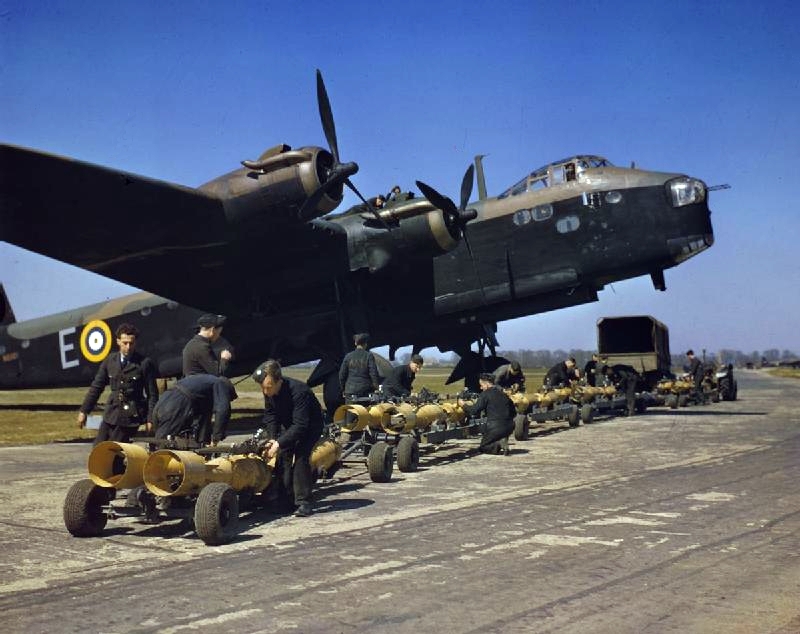
The Short Stirling holds the distinction of being Britain’s first four-engine heavy bomber, but it never reached its full potential. Design compromises resulted in a low operational ceiling, making it vulnerable to enemy defenses. While rugged and capable of carrying large loads, it could not fly as high as later bombers. Losses were heavy during early missions. Crews respected its strength but recognized its limitations. As newer aircraft arrived, the Stirling was reassigned to secondary roles such as transport and glider towing. Despite early hype, it quickly fell behind evolving strategic bombing requirements.
8. Mitsubishi Ki-67 Hiryu
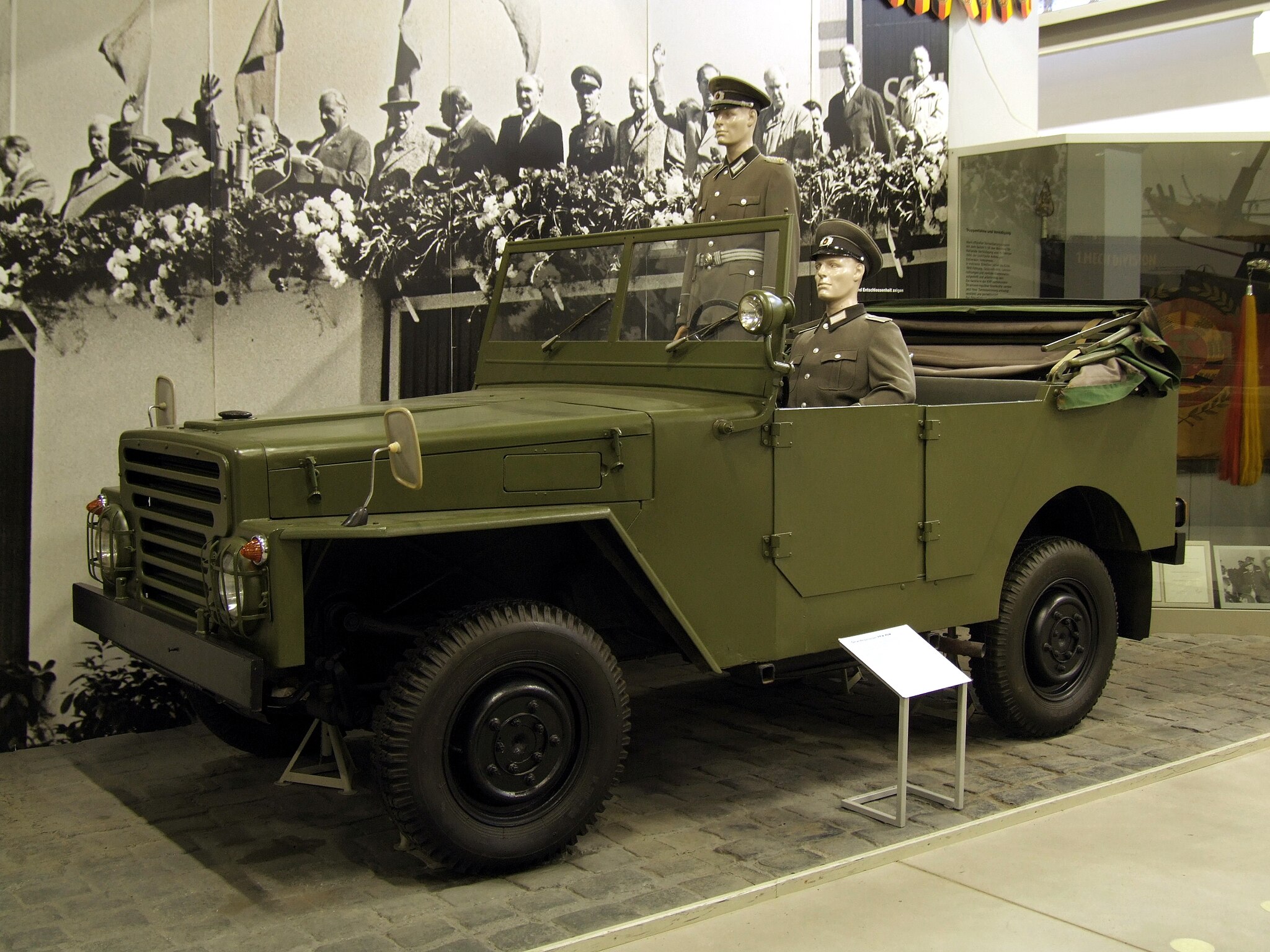
The Japanese Ki-67 Hiryu was designed as a fast, heavily armed bomber meant to survive in contested airspace. While advanced by Japanese standards, it arrived too late and in insufficient numbers. Allied air superiority limited its impact. Fuel shortages and trained crew shortages further reduced effectiveness. Although durable and well armed, it could not change the strategic situation. Missions often turned into desperate attacks rather than planned operations. The Ki-67 showed promise, but timing and resources worked against it. It stands as a capable design that failed to meet expectations due to circumstances beyond engineering alone.
9. Bloch MB.210
The French Bloch MB.210 was obsolete almost from the moment it entered service. Slow speed, weak engines, and outdated defensive guns made it ineffective in combat. Crews lacked confidence in their survivability. Early war losses forced a rapid withdrawal from frontline service. Despite modernization attempts, the design could not keep pace with enemy fighters. Bomb load and range were unimpressive, limiting strategic value. The aircraft became symbolic of France’s struggle to modernize before the war. The MB.210’s failure highlights how poor preparation and delayed upgrades can undermine even large production efforts.
10. Junkers Ju 86
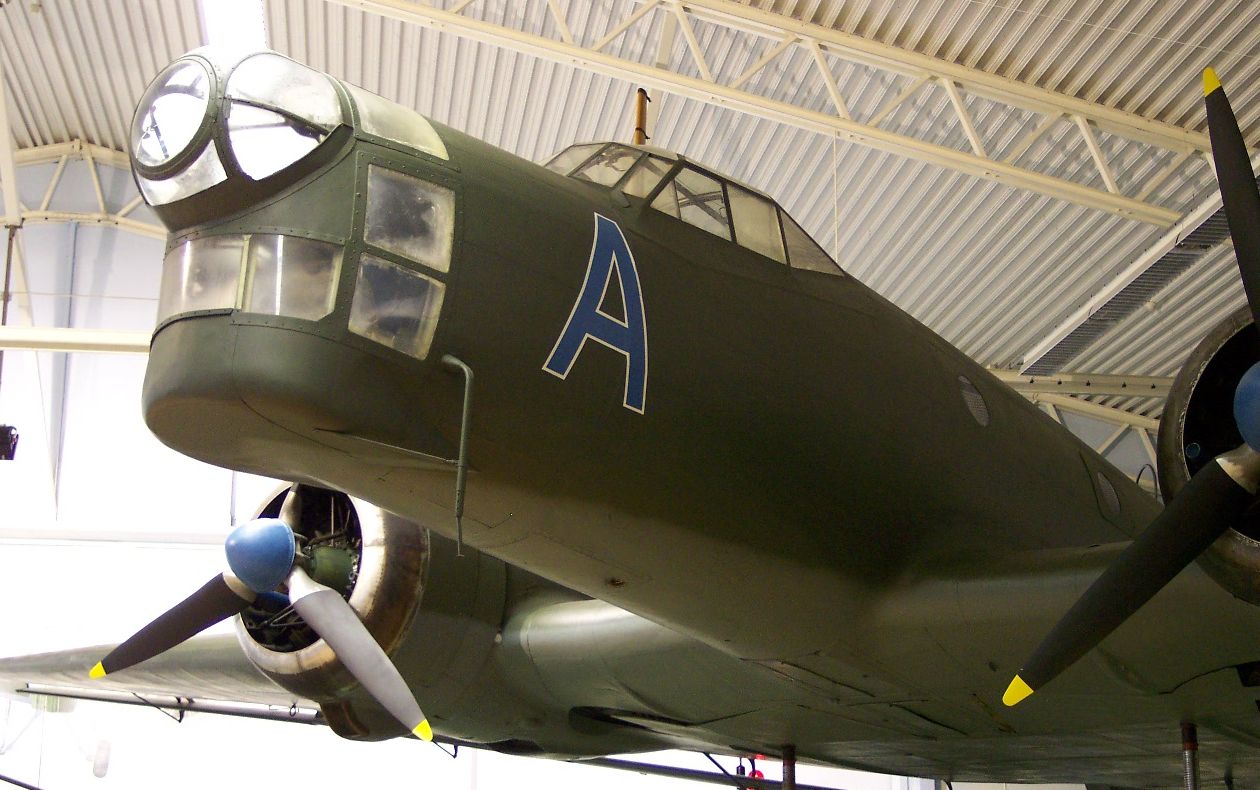
The Junkers Ju 86 was initially praised for innovation, including early diesel engines, but operational reality exposed limitations. Engine problems and low performance plagued early variants. Later high altitude versions showed promise, but came too late to influence the war significantly. Bomb load and defensive capability were modest compared to contemporaries. The aircraft served in multiple roles without excelling in any. As enemy fighters improved, survivability dropped sharply. The Ju 86 never matched the reputation suggested by its early development. It became a transitional design, remembered more for what it attempted than what it achieved.