The twenty-first century has witnessed the tragic disappearance of numerous unique animal species due to human activity and environmental changes. Scientists and conservationists work tirelessly to protect endangered wildlife, but some battles are unfortunately lost. Habitat destruction, climate change, and poaching continue to drive vulnerable populations over the edge of extinction. These recent losses serve as a grim reminder of the fragility of our global ecosystem. We must remember these creatures to prevent similar tragedies from happening to others in the future. This list highlights ten remarkable species that have officially vanished from the earth since the year two thousand.
Western Black Rhinoceros
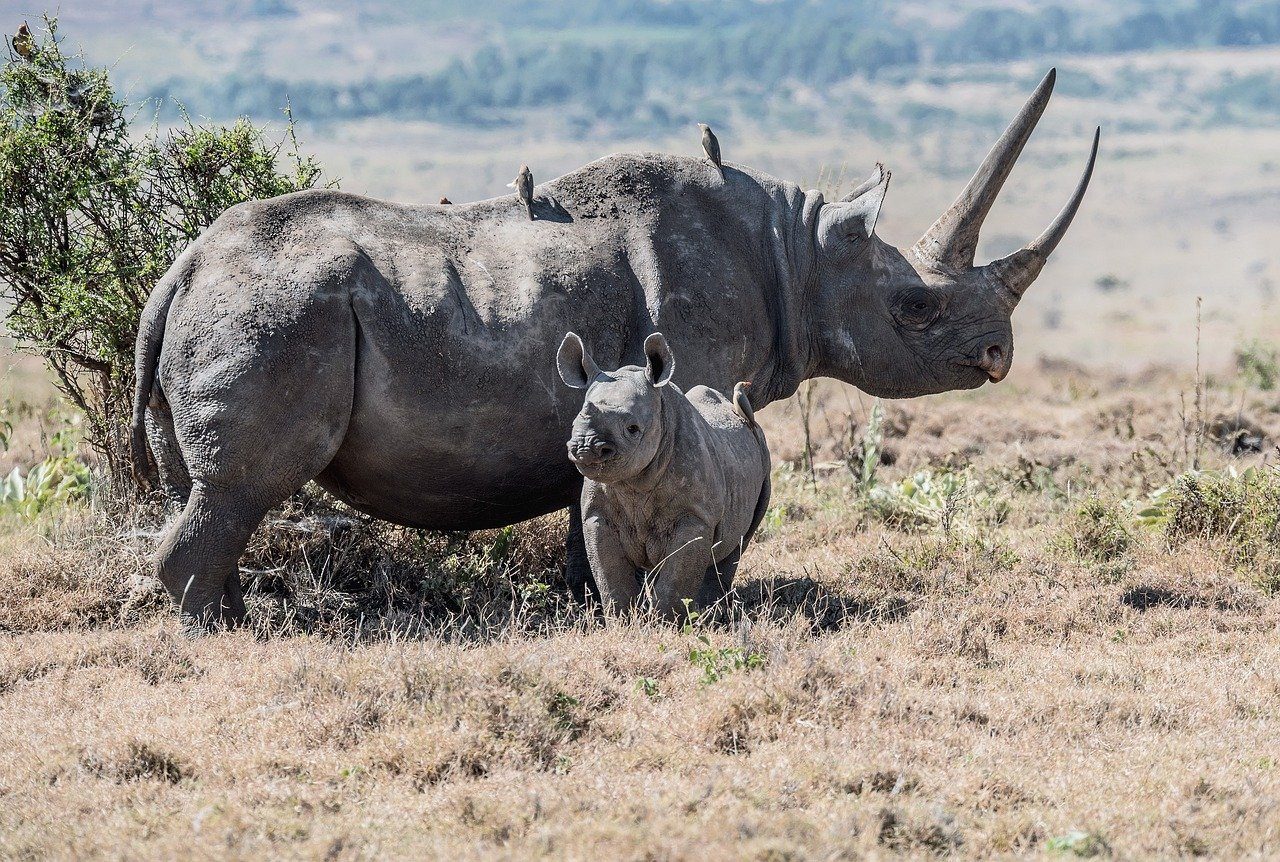
The Western Black Rhinoceros was once widespread across the savannas of central-west Africa but fell victim to relentless poaching. Hunters targeted this magnificent subspecies for its horns, which fetched high prices on the black market. Conservation efforts failed to stop the slaughter despite heavy protection measures in national parks. The International Union for Conservation of Nature officially declared the animal extinct in two thousand and eleven. This loss marked the end of a genetic lineage that had roamed the plains for millions of years. It stands as a painful symbol of the devastation caused by the illegal wildlife trade.
Pinta Island Tortoise
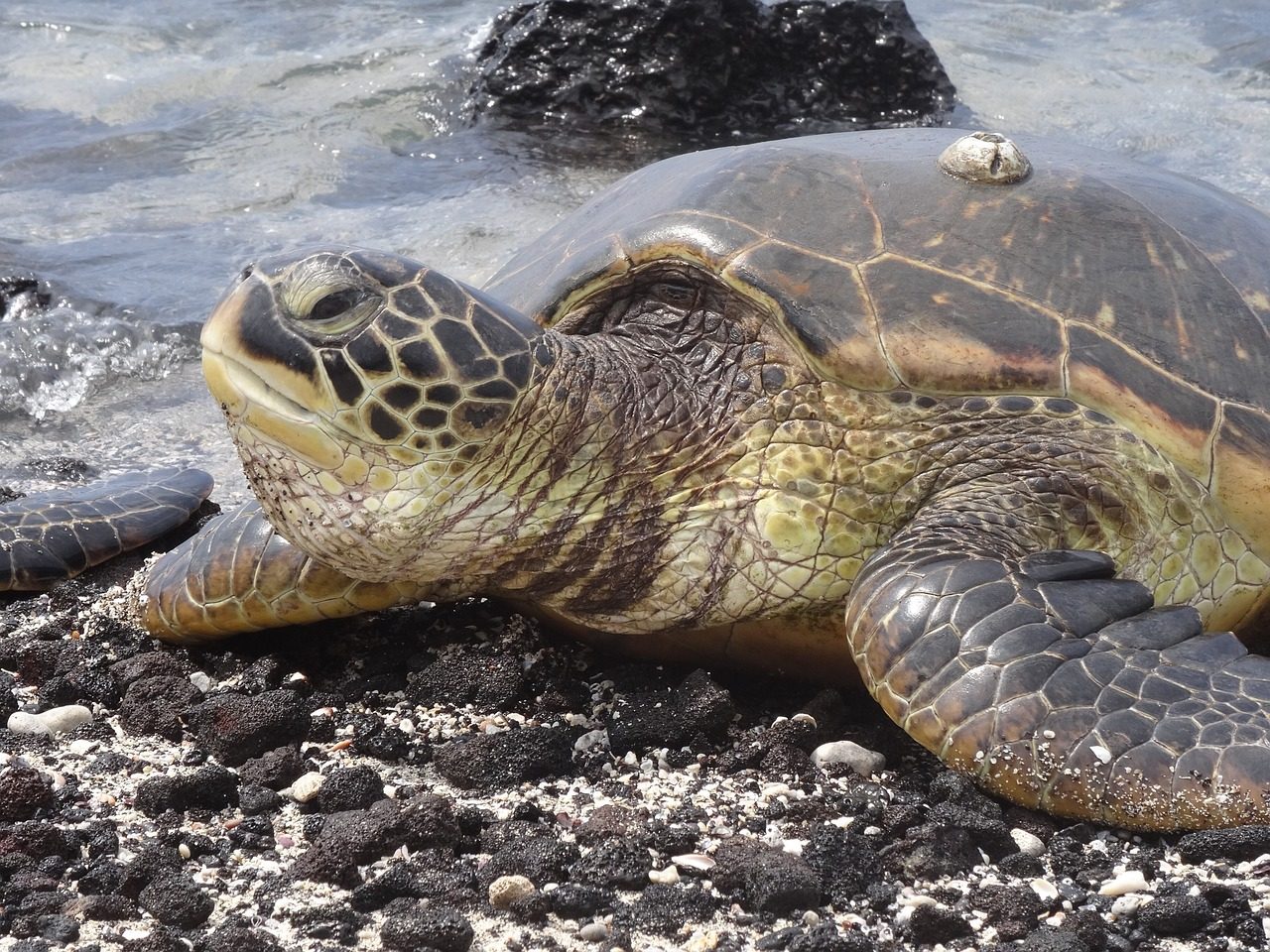
Lonesome George was the last known individual of the Pinta Island Tortoise subspecies and became a global conservation icon. He lived at the Charles Darwin Research Station in the Galapagos Islands for decades while scientists searched for a mate. Attempts to breed him with females from related subspecies, unfortunately, failed to produce viable offspring. George passed away in two thousand and twelve and took his entire subspecies with him into oblivion. His death highlighted the severe impact of invasive species like goats that destroyed the native vegetation on Pinta Island. The world mourned the final loss of this gentle giant.
Chinese Paddlefish

The Chinese Paddlefish was one of the largest freshwater fish in the world and lived in the Yangtze River. This ancient species survived for millions of years and outlasted the dinosaurs before succumbing to modern industrialization. Overfishing and the construction of massive dams blocked their migration routes and destroyed their breeding grounds. Scientists declared the species extinct in two thousand and twenty after years of failing to find a single specimen. The loss of this river monster represents a major blow to aquatic biodiversity in Asia. It serves as a warning about the ecological cost of rapid infrastructure development.
Bramble Cay Melomys
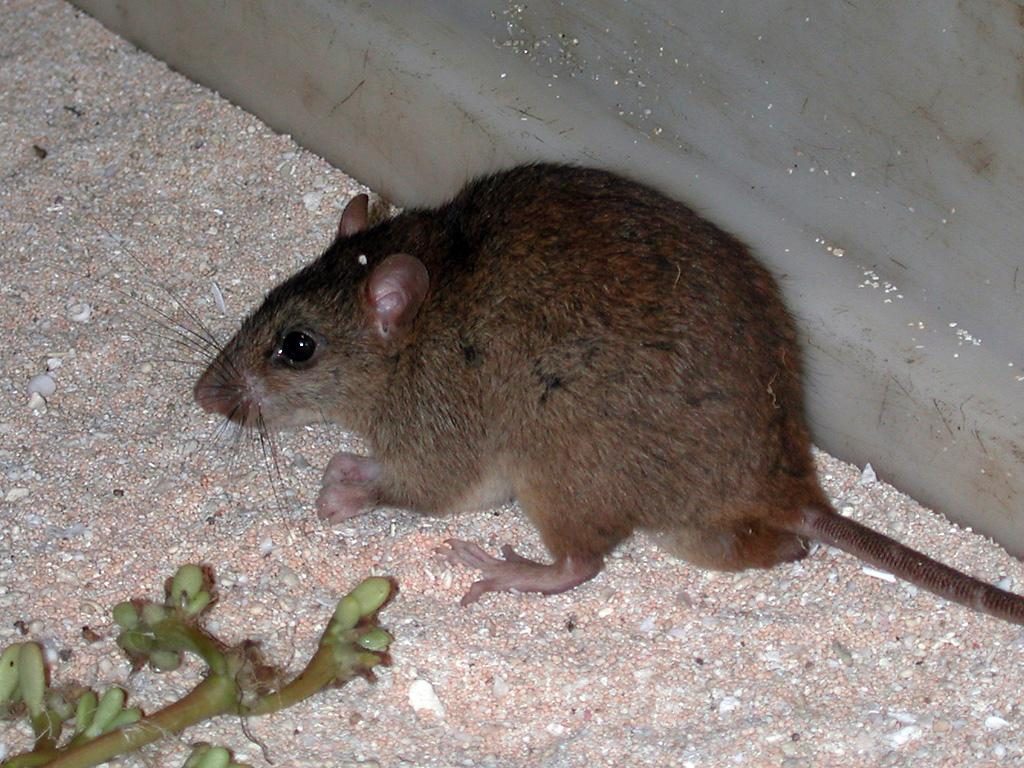
The Bramble Cay Melomys holds the unfortunate distinction of being the first mammal declared extinct due to climate change. This small rodent lived solely on a tiny coral cay located in the Great Barrier Reef. Rising sea levels and frequent storm surges repeatedly flooded the island and destroyed the vegetation it relied on. Researchers found no trace of the animal during extensive surveys conducted between two thousand and nine and two thousand and fourteen. The Australian government officially recognized its extinction in two thousand and nineteen. Its disappearance signals a frightening new era for species living in low-lying coastal areas.
Christmas Island Pipistrelle
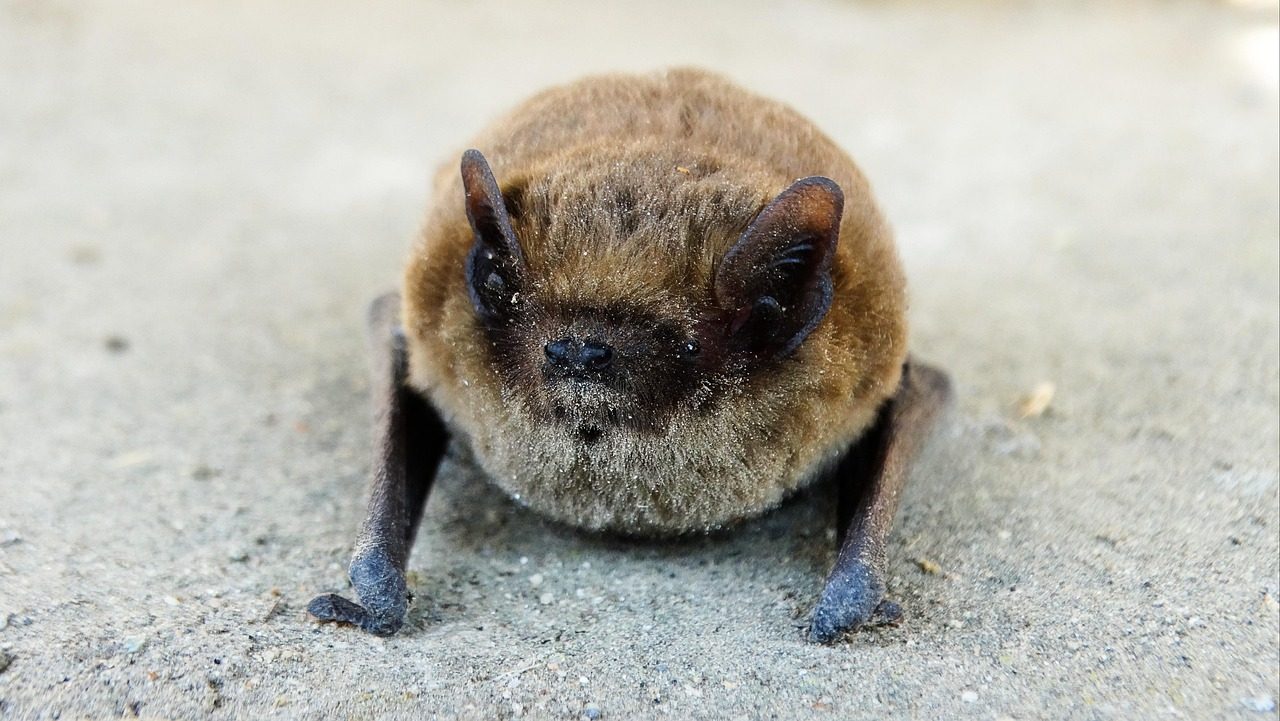
The Christmas Island Pipistrelle was a tiny bat species that navigated the forests of an Australian territory in the Indian Ocean. Its population crashed rapidly during the nineteen nineties and two thousand and zeroes for reasons that remain partially unclear. Scientists suspect that introduced predators like wolf snakes and yellow crazy ants played a significant role. The last known individual was heard calling in August of two thousand and nine before falling silent forever. Conservationists expressed frustration that recovery plans were implemented too late to save the species. This extinction highlights the vulnerability of island fauna to invasive threats.
Alaotra Grebe
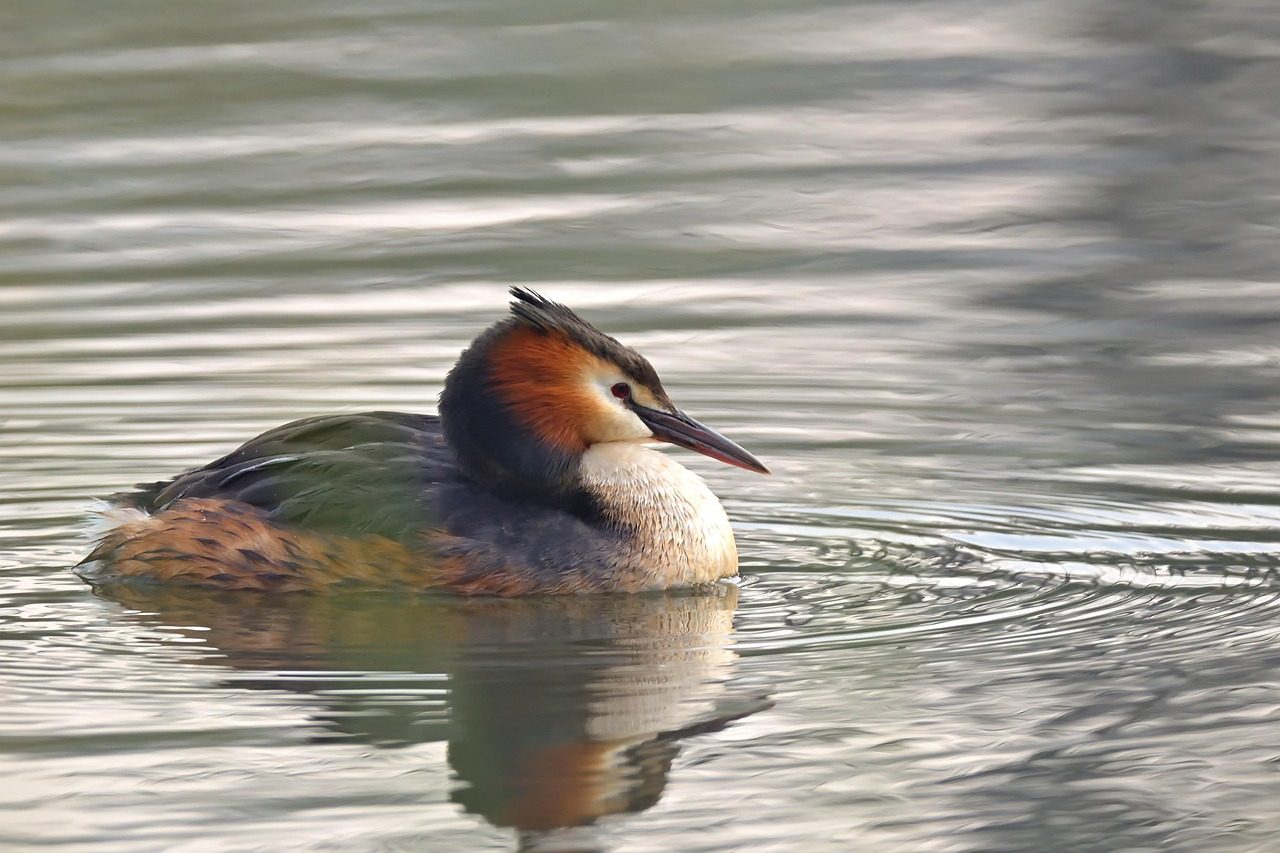
The Alaotra Grebe was a small diving bird found exclusively in the wetlands of Lake Alaotra in Madagascar. This species had limited flight capabilities, which made it extremely vulnerable to changes in its local environment. The introduction of carnivorous fish and the extensive use of nylon gillnets proved fatal for the population. Poaching and habitat conversion for rice farming further reduced their numbers until none remained. BirdLife International officially declared the species extinct in two thousand and ten following thorough searches. The fate of this bird underscores the devastating impact of introducing non-native species into isolated and fragile ecosystems.
Formosan Clouded Leopard
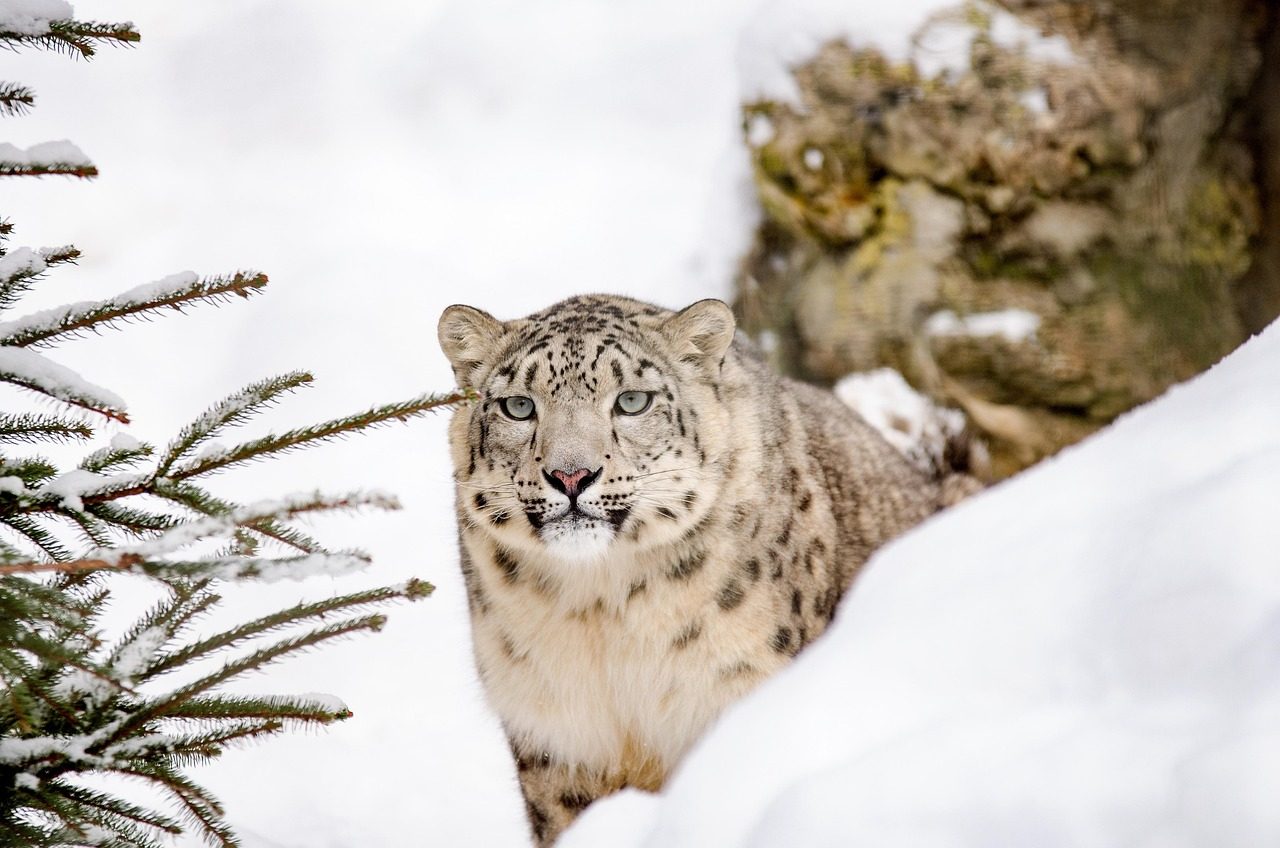
The Formosan Clouded Leopard was a beautiful subspecies native to the dense forests of Taiwan. Indigenous Rukai people considered the cat sacred, but habitat loss and hunting for its pelt drove it to extinction. A team of zoologists spent over a decade searching for the elusive predator using infrared cameras and scent traps. They found absolutely no evidence of the animal and declared it extinct in 2013. While unconfirmed sightings occasionally surface in rural areas, the scientific consensus confirms its disappearance. The loss of this top predator left a void in the island ecosystem that cannot be filled.
Splendid Poison Frog
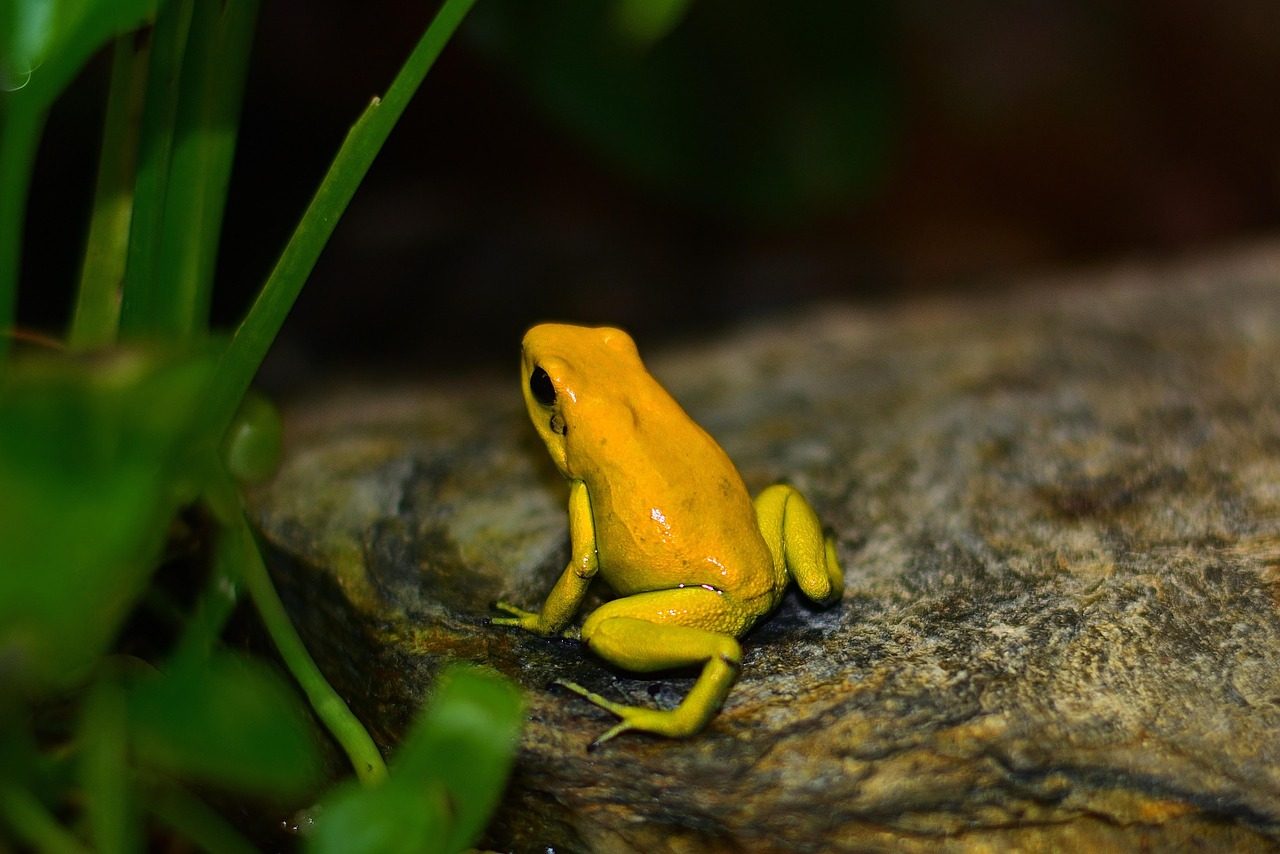
The Splendid Poison Frog was a vibrant red amphibian that lived in the humid rainforests of western Panama. It was highly prized by collectors for its stunning coloration but faced threats from deforestation and capture. The arrival of a deadly fungal disease called chytridiomycosis decimated the population with terrifying speed. Scientists officially declared the species extinct in two thousand and twenty after failing to locate any individuals for years. This tragedy is part of a larger global crisis affecting amphibian populations worldwide due to the fungus. Its extinction serves as a somber example of how disease can wipe out species.
Poo-uli
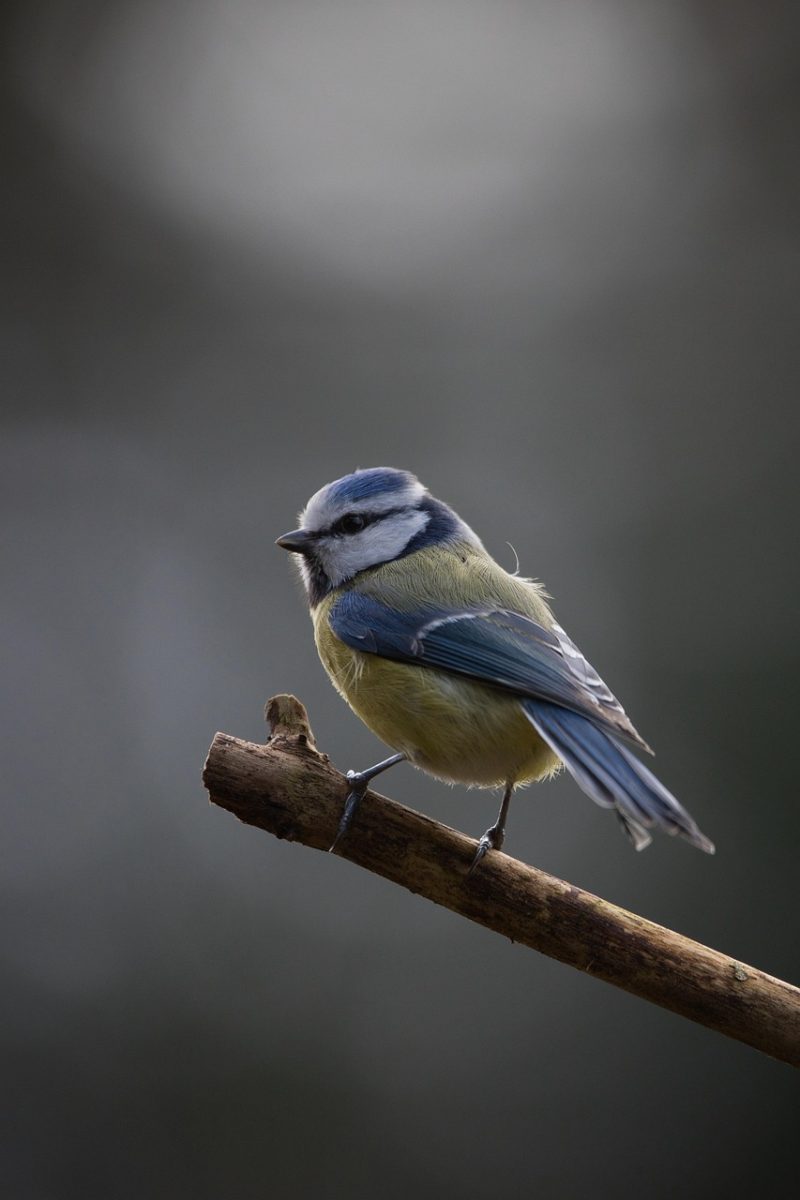
The Poo-uli, a unique bird known as the Black-faced Honeycreeper, inhabited the misty forests of Maui. It was only discovered in nineteen seventy-three, and its population was already dangerously low at that time. Habitat destruction by feral pigs and the spread of avian malaria by mosquitoes caused a rapid decline. The last known individual died in captivity in two thousand and four while scientists were attempting to find a mate. This extinction marked another sad chapter in the history of Hawaiian birds. It demonstrates the immense difficulty of saving species once their numbers drop below a critical threshold.
Saudi Gazelle
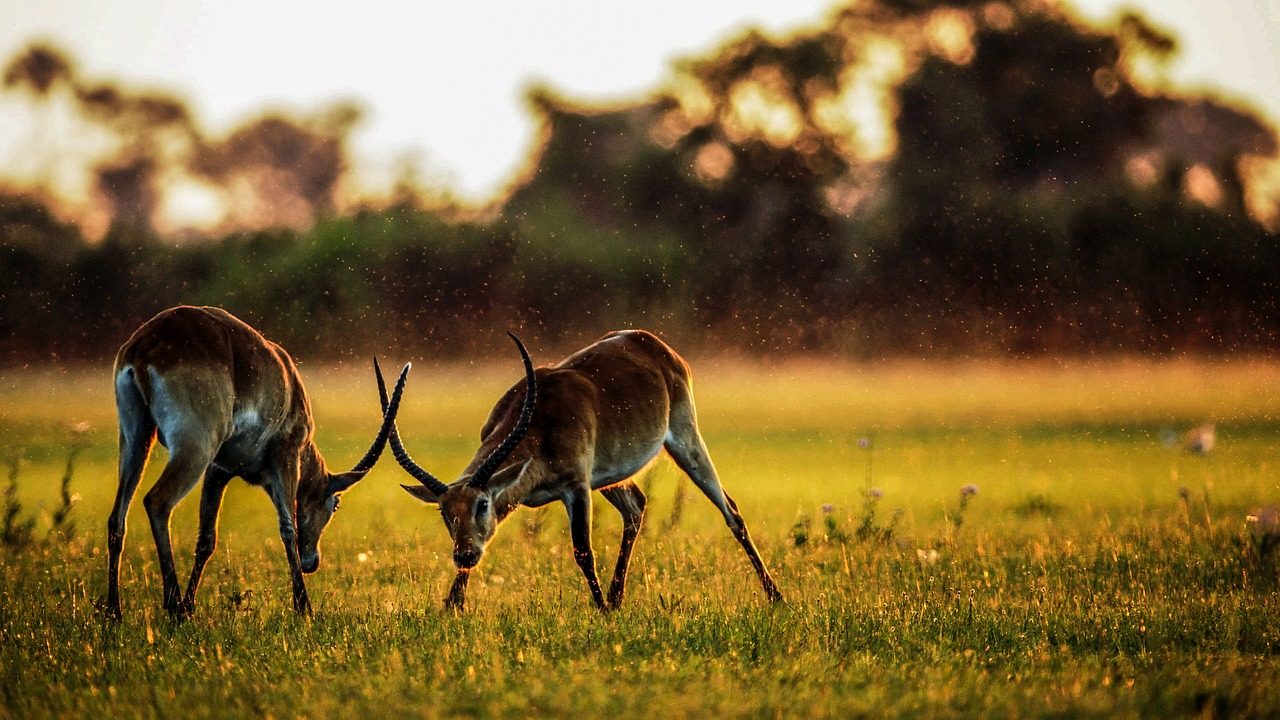
The Saudi Gazelle once roamed the gravel plains and sandy deserts of the Arabian Peninsula in scattered herds. Hunters pursued the animal relentlessly for meat and sport while livestock overgrazing destroyed its natural habitat. The species was rarely photographed or studied in the wild before it began to vanish completely. The International Union for Conservation of Nature declared it extinct in two thousand and eight after confirmed sightings ceased. Its disappearance serves as a stark reminder of the pressure human expansion places on desert wildlife. Future generations will only know this graceful creature through museum specimens and historical accounts.