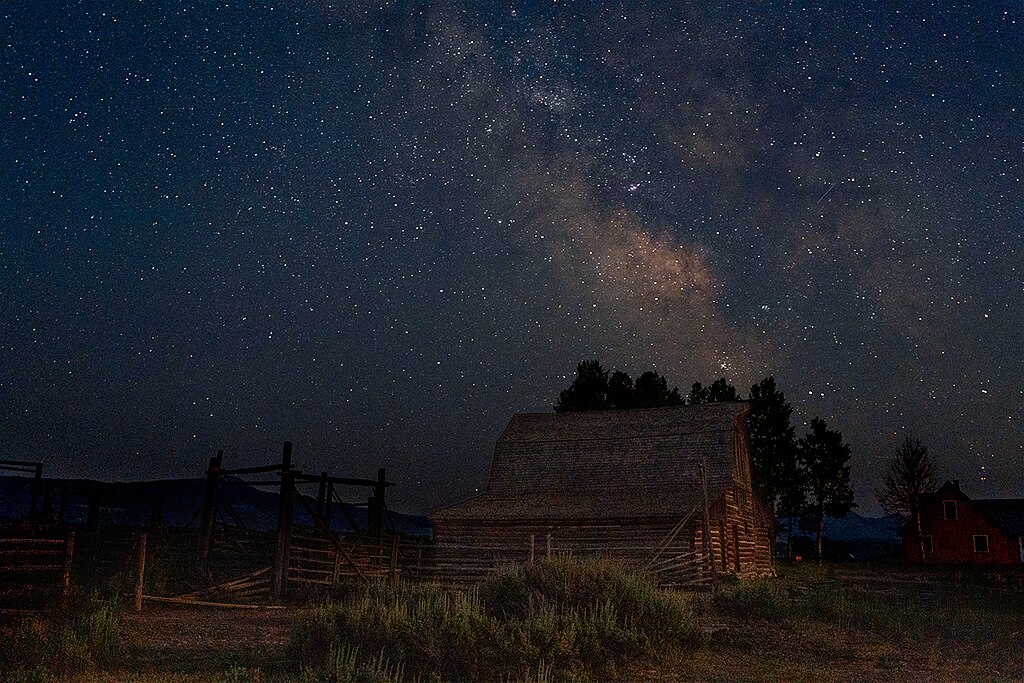
Wyoming’s wide-open spaces and rugged mountain ranges offer some of the most remote camping experiences in the United States. In these quiet landscapes, the sound of wolves calling across valleys adds a rare, unforgettable atmosphere. Whether you’re deep in national forests or along the edges of vast wilderness areas, these locations provide a peaceful but powerful connection to nature. These ten wild campsites highlight the places where still nights and distant howls come together in a way that only Wyoming can deliver.
1. Thorofare Region, Yellowstone National Park
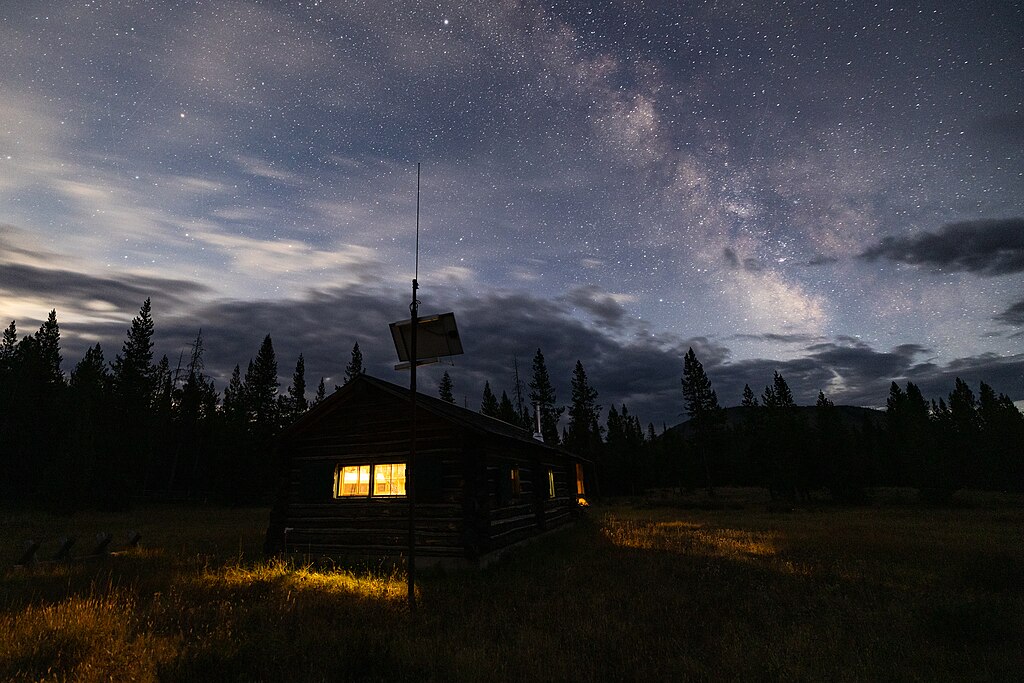
The Thorofare is one of the most remote places in the lower 48, making it an ideal location to hear wolves echo across open valleys. Campers reach the area by trail, passing through deep forests and wide meadows. Nights feel exceptionally still, with only distant wildlife breaking the silence. The isolation teaches patience and awareness, rewarding those who seek a true wilderness experience where nature’s rhythms take center stage.
2. Lamar Valley Backcountry, Yellowstone
Lamar Valley is known as “America’s Serengeti” for its wildlife activity, and its backcountry campsites offer unmatched opportunities to hear wolves at night. The open terrain lets sound travel far, giving campers a front-row seat to nighttime calls. During the day, the valley is alive with bison, pronghorn, and sweeping views. At night, the calm air settles, making the wolf chorus one of the most striking memories of any Wyoming trip.
3. Absaroka Wilderness Near Eagle Creek
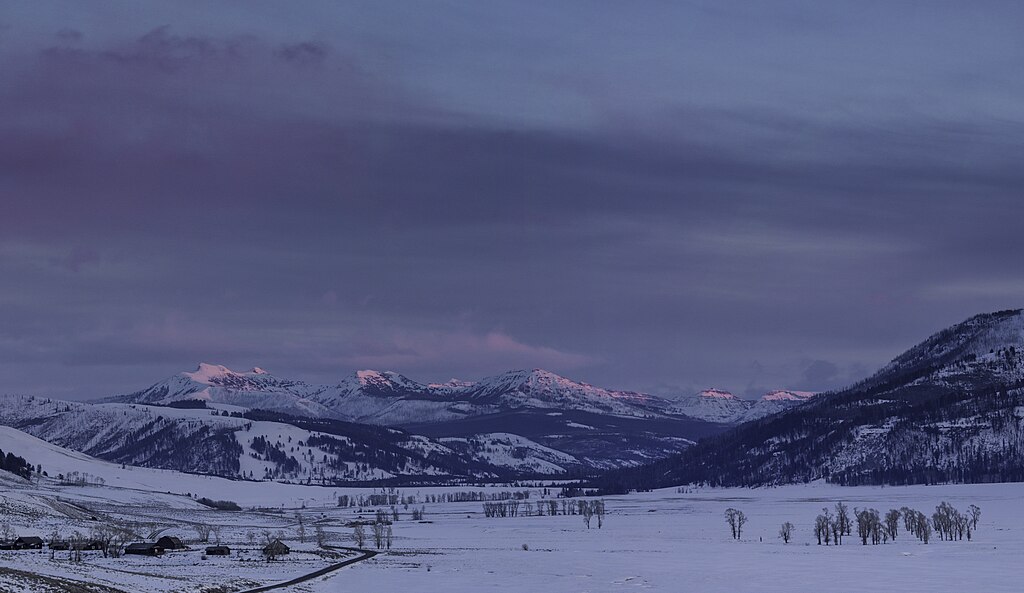
The Absaroka Wilderness provides a rugged backdrop for primitive camping, with steep peaks, deep forests, and long drainages where wolf packs frequently roam. Campsites near Eagle Creek sit far from busier trails, ensuring quiet nights. The thick timber and open meadows create natural echo chambers that carry howls across the landscape. Visitors here gain a deeper appreciation for wilderness life and the stillness that defines the Absaroka range.
4. Bridger-Teton Wilderness, Upper Gros Ventre Area
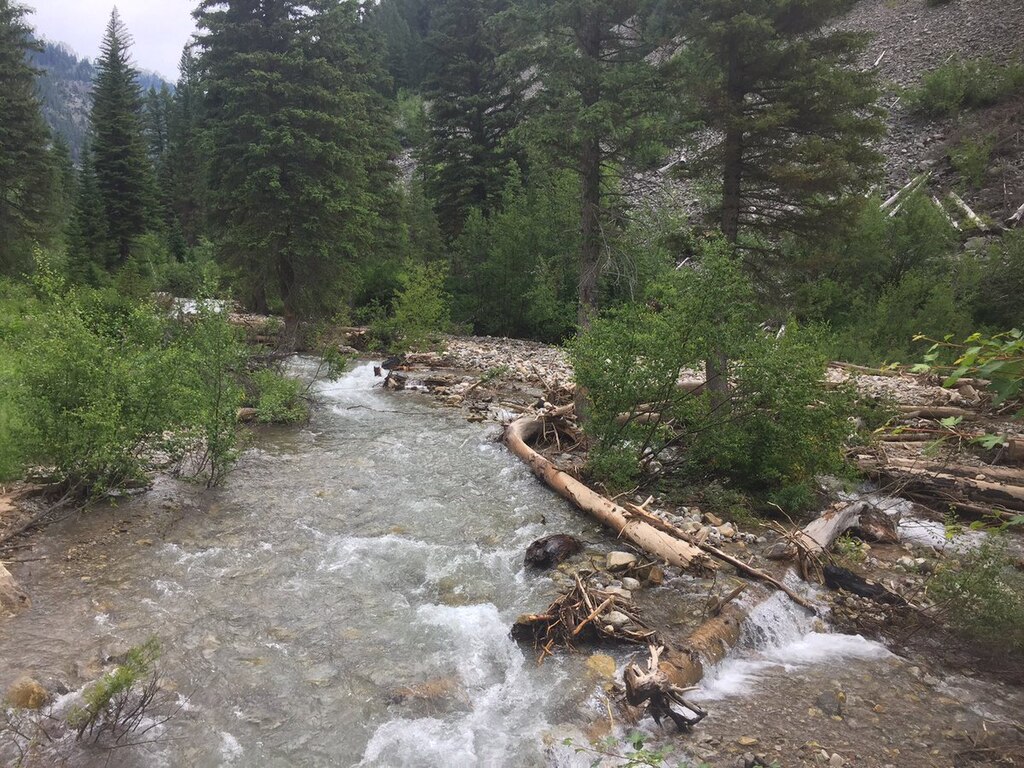
The Upper Gros Ventre region combines river valleys, sage flats, and rugged hills where wolves often travel. Campsites offer sweeping views of the surrounding peaks, and the quiet evenings make it easy to hear distant calls. The area has a sense of openness that encourages slow, deliberate pacing during the day. At night, the wide sky and calm air amplify the wild sounds that drift across the valley, creating a peaceful but powerful atmosphere.
5. Shoshone National Forest, Wapiti District
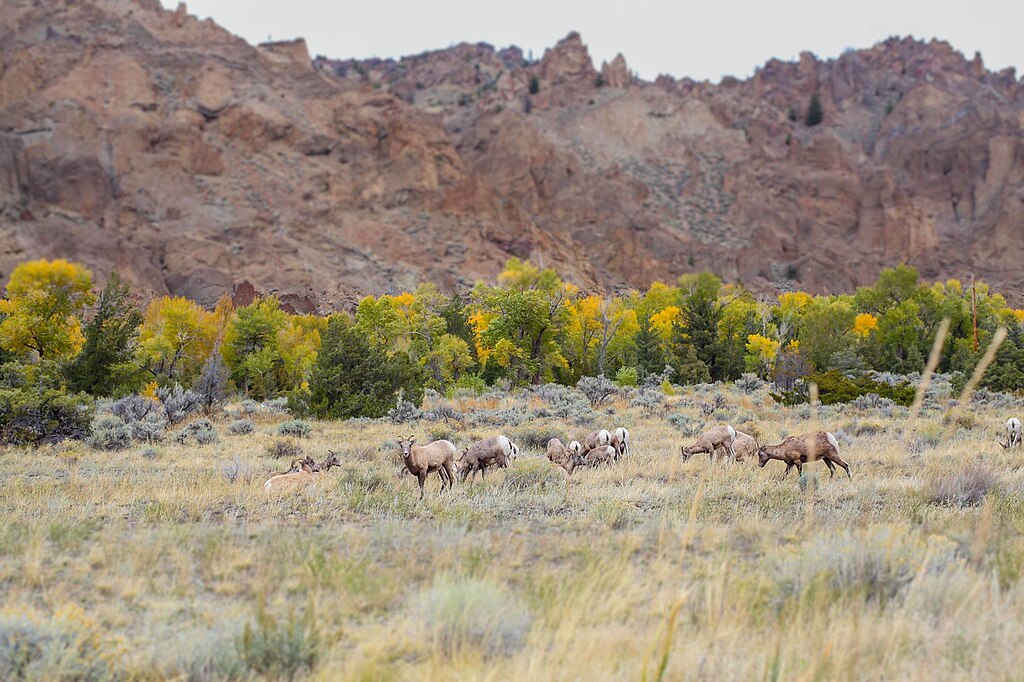
The Wapiti District lies along prime wolf habitat, with remote campsites tucked between dense timber stands and high ridges. The landscape feels raw and expansive, giving campers a strong sense of isolation. Nights often bring a mix of coyote yips and deeper wolf howls traveling through the valleys. The surrounding forest and open slopes offer plenty of daylight exploration, while evenings reward you with Wyoming’s signature wilderness soundtrack.
6. Teton Wilderness Near Hawk’s Rest
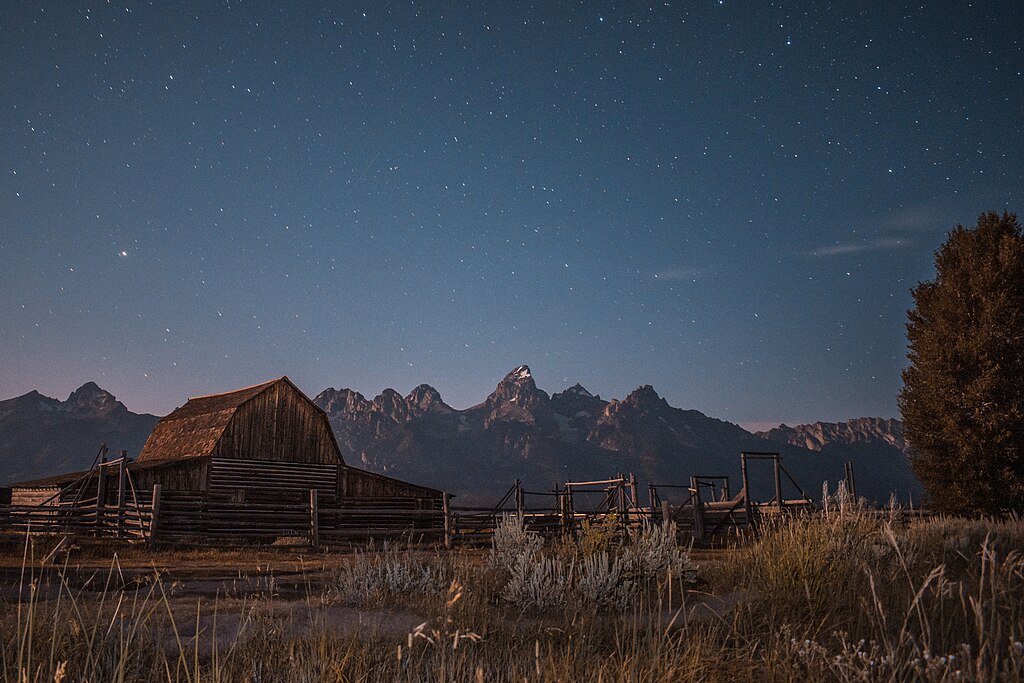
Hawk’s Rest, often described as the most remote ranger station in the lower 48, sits in a region where wolf activity is common. The surrounding campsites are quiet and far removed from major trails, allowing nighttime sounds to carry clearly. The mix of forested ridges and winding rivers shapes a landscape that feels untouched. This area offers a sense of timeless wilderness, where hearing wolves becomes part of the natural rhythm of the night.
7. Wind River Range, Green River Lakes Backcountry
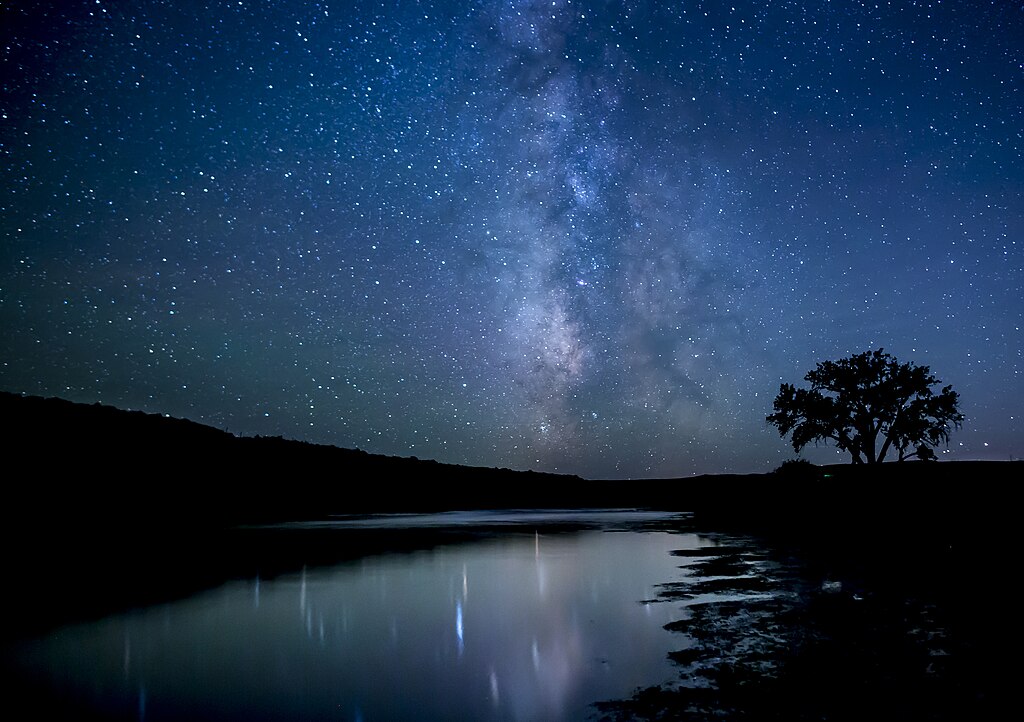
Green River Lakes offers sweeping views of the Winds, along with access to deep backcountry where wolves roam. Campsites near forest edges and river corridors provide prime listening spots once the sun sets. During the day, the dramatic peaks create a stunning backdrop for hiking. After dark, the calm water and open air let wolf calls travel along the valley, adding a haunting beauty to the remote mountain setting.
8. Togwotee Pass Forest Roads
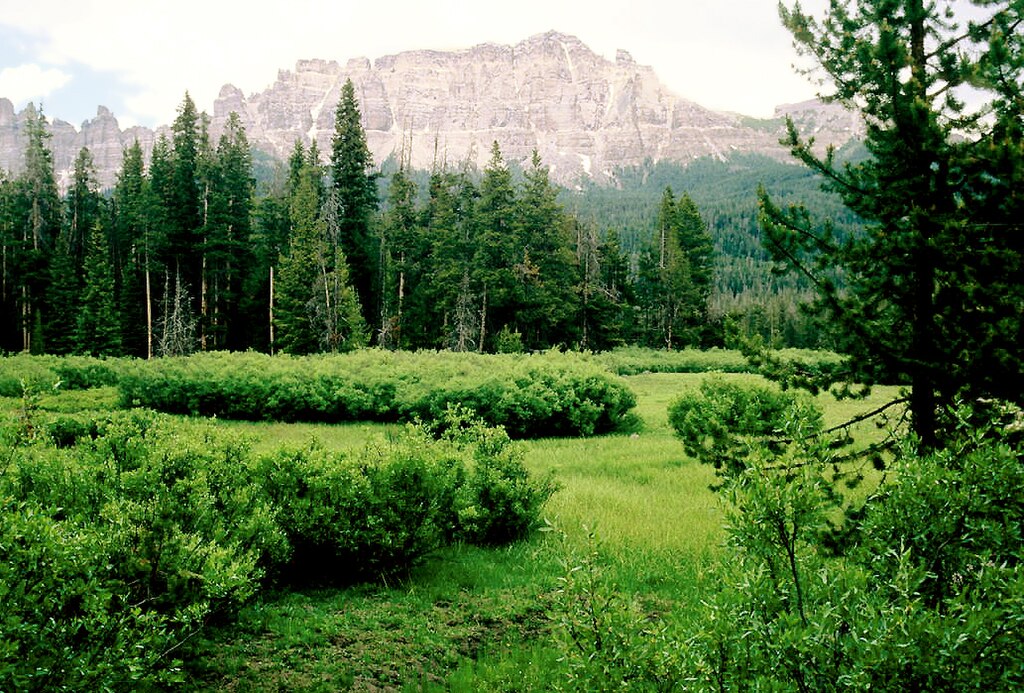
The forest roads around Togwotee Pass lead to dispersed campsites that sit near active wildlife corridors. These small clearings in the trees offer quiet retreats where you can listen to wolves move through the surrounding forest. The higher elevation keeps the air crisp, especially at night, helping sound carry farther. It’s a great place for travelers who enjoy flexible camping spots with a strong sense of solitude and natural presence.
9. Bighorn National Forest, Cloud Peak Foothills
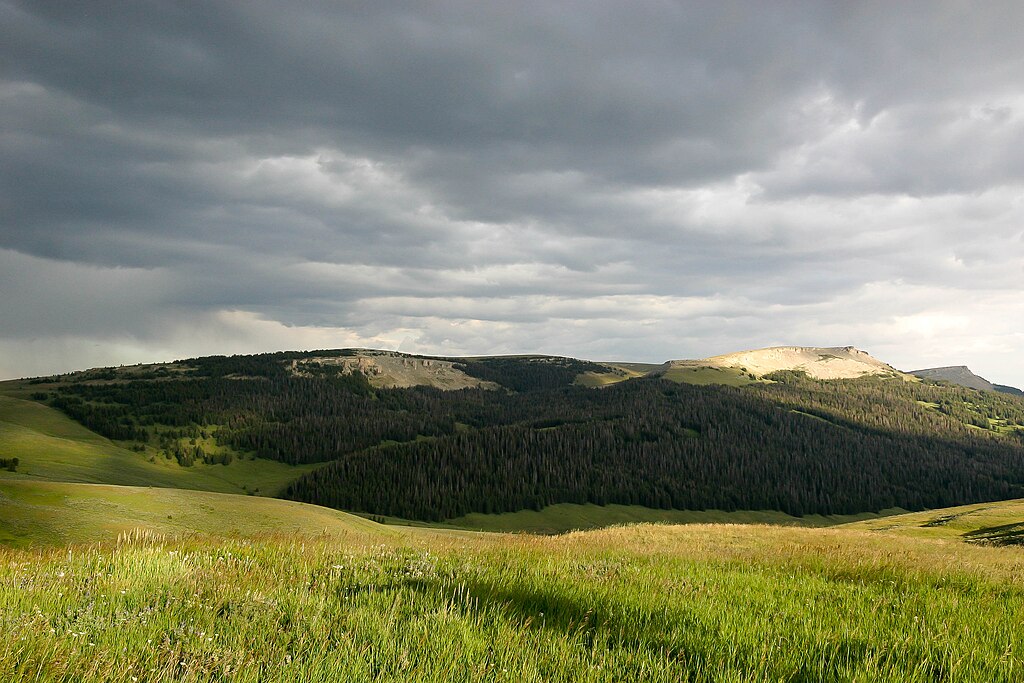
The foothills near Cloud Peak offer a gentler landscape that still feels wild and remote. Campsites here sit near open ridges where nighttime breezes carry sounds across long distances. The area features mixed forests and open grasslands where wolf packs sometimes roam. The peaceful setting is perfect for campers wanting a quieter, less technical environment while still experiencing the thrill of hearing wolves under the starlit Wyoming sky.
10. Snake River Headwaters Backcountry
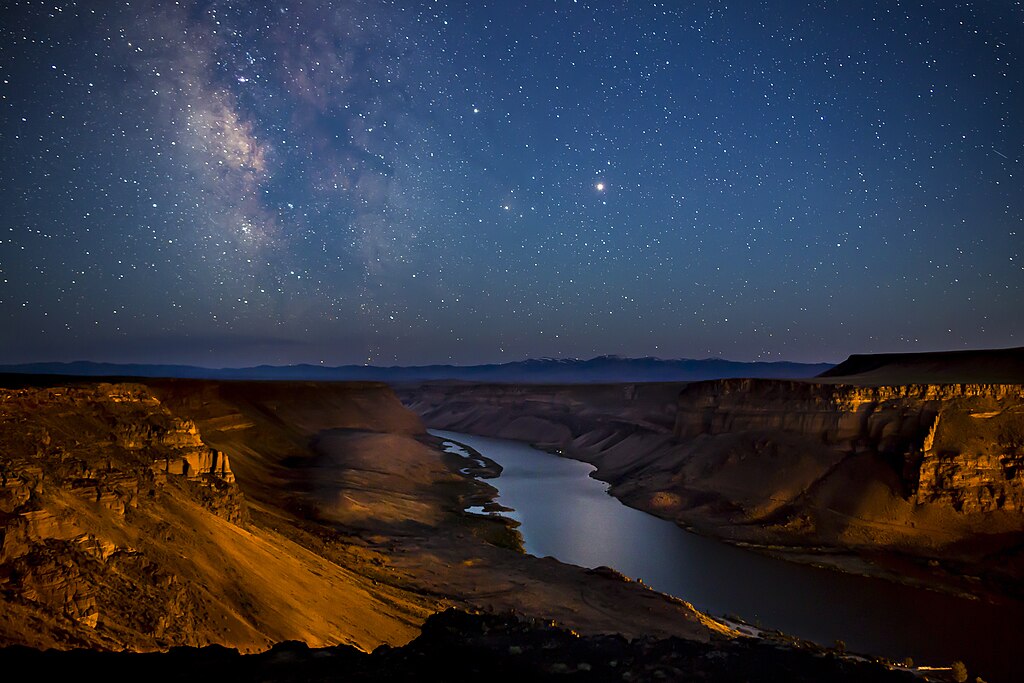
The headwaters of the Snake River flow through quiet forests and rolling terrain where wildlife movement is frequent. Remote campsites sit along river bends and wooded stretches that create great acoustics for nighttime howls. Riverside evenings feel calm and grounding, with the gentle water balancing the distant calls of wolves. This area blends serene scenery with an unmistakable sense of wilderness, making each night feel both peaceful and deeply alive.