When you find yourself deep in the wilderness, tree bark becomes one of the most versatile resources you can use. It is available almost everywhere, and with a little knowledge, it can help you build, stay warm, and even find food. For centuries, people have relied on bark for both survival and everyday living. Knowing how to put this natural material to work gives you an advantage when facing outdoor challenges and helps you connect with old skills that once defined survival.
Starting a Fire
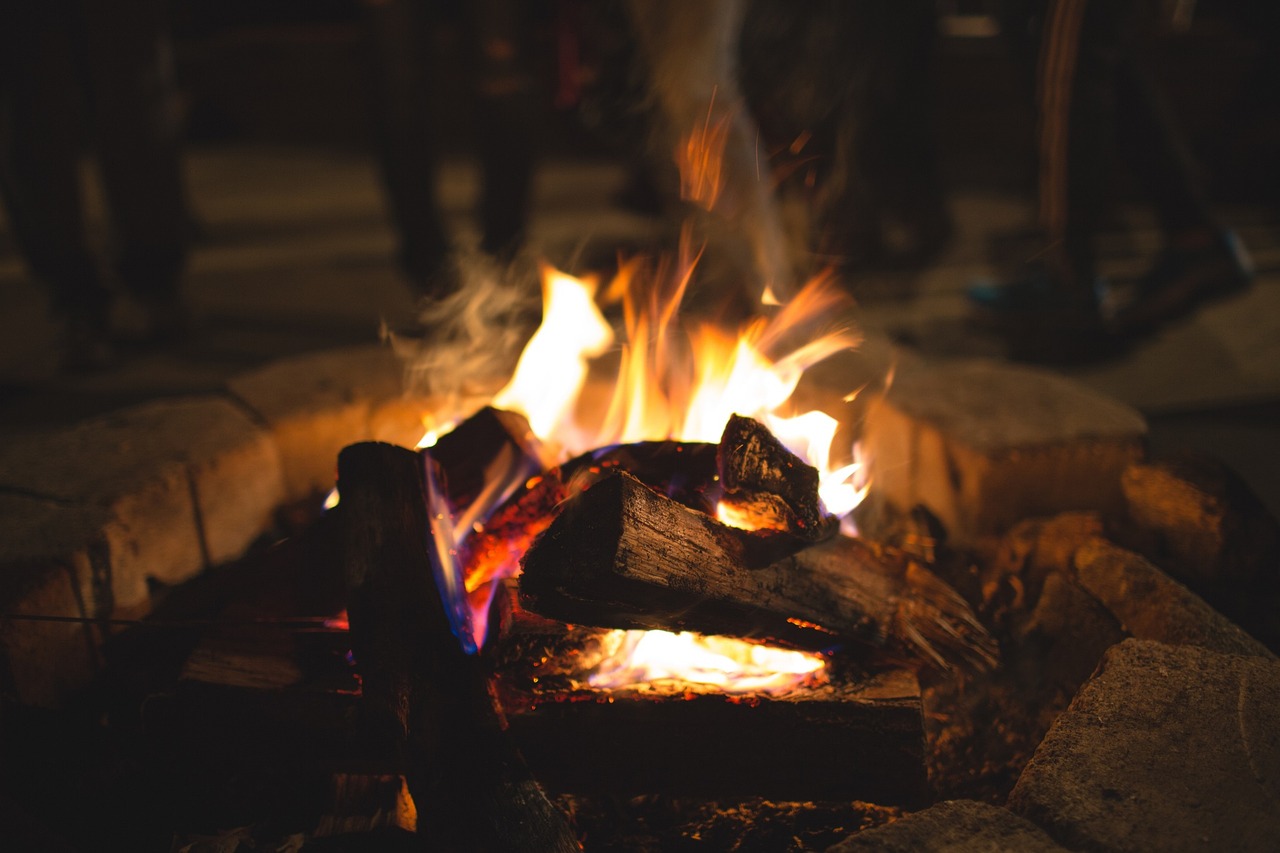
Dry inner bark can be shredded into fibers that catch a spark easily, making it an excellent tinder source. Birch, cedar, and juniper bark are especially good for this purpose. Once fluffed up, the fibers burn hot and fast, giving you the flame needed to ignite larger kindling. This method is a reliable way to get fire going in damp conditions.
Making Rope and Cordage

The inner bark of many trees can be stripped, twisted, and braided into strong cordage. This natural rope is useful for building shelters, setting traps, or lashing gear together. Willow and basswood are well known for their pliable fibers. With patience, you can create a cord strong enough for many essential bushcraft tasks.
Crafting Shelter
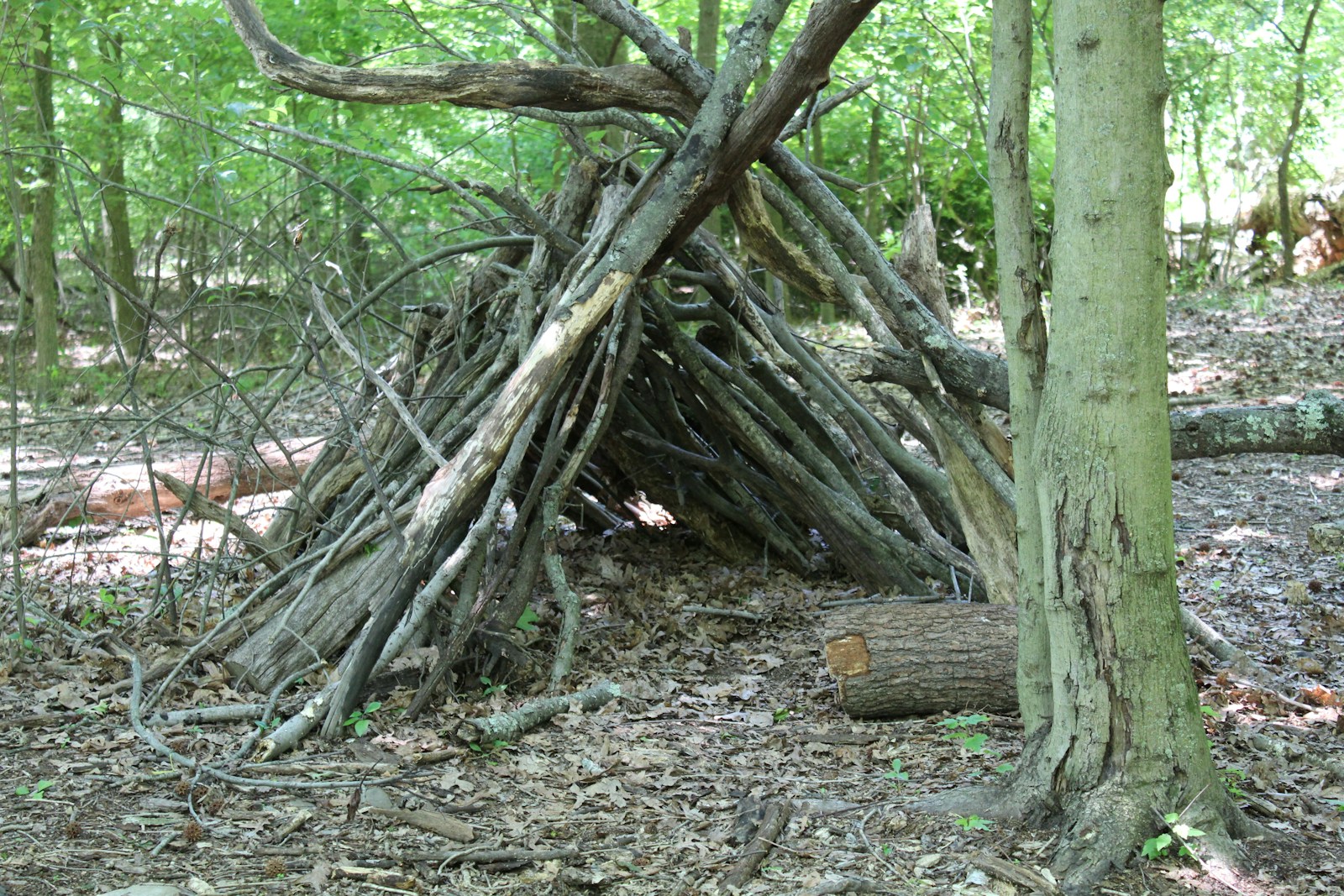
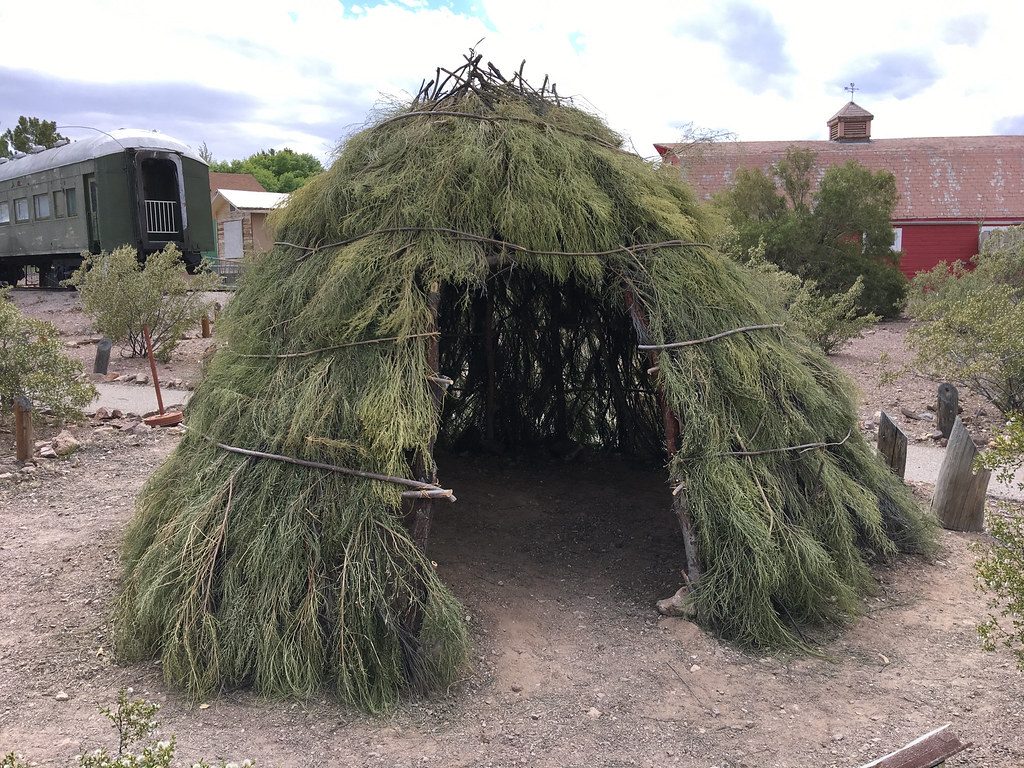
Large pieces of bark can serve as natural shingles to cover shelters and keep out rain. In areas with birch or pine, you can peel sections to use as siding or roofing. Layering the bark provides extra insulation and water resistance. This quick and effective method offers protection without the need for modern materials.
Creating Containers
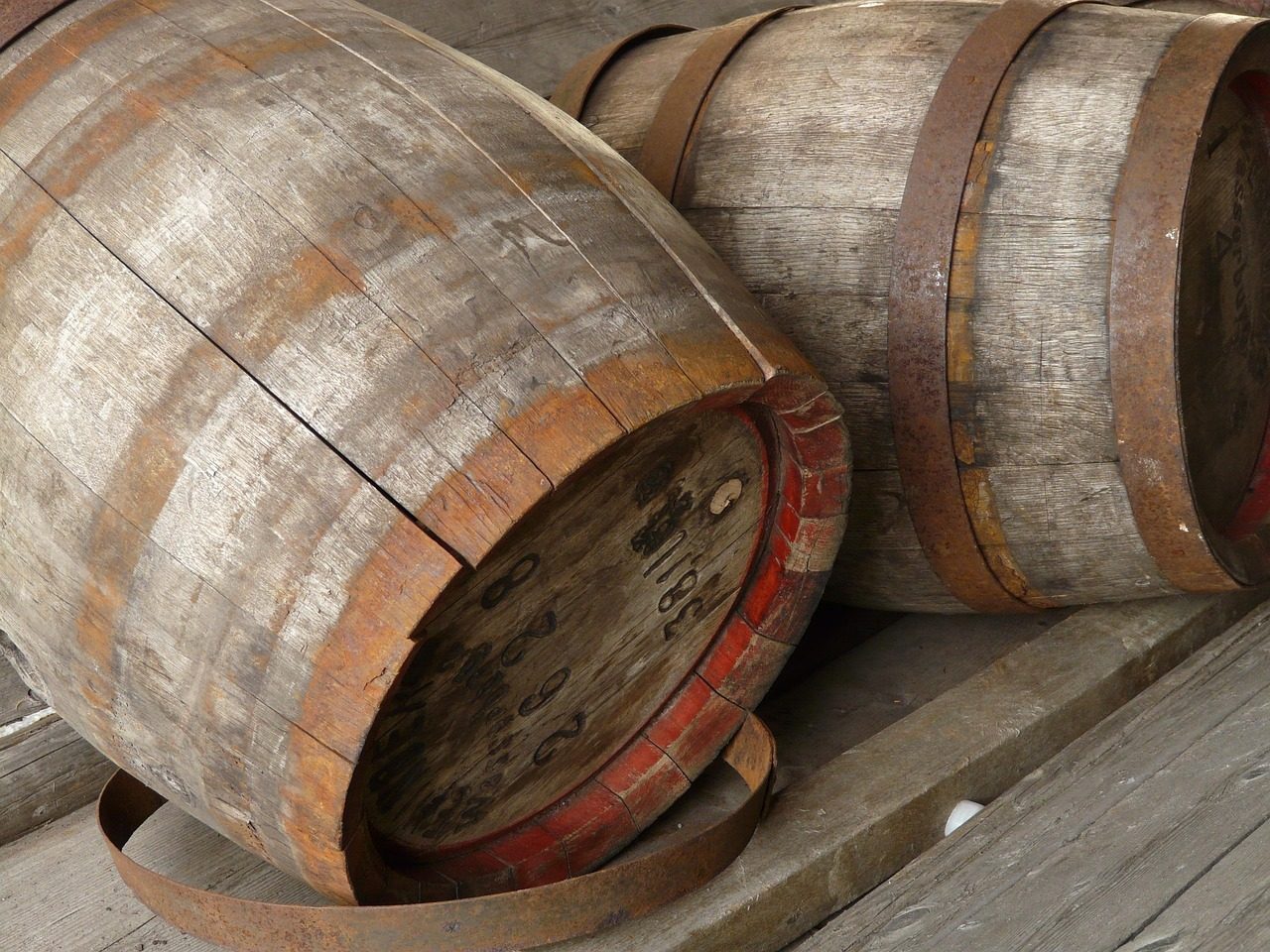
By folding and shaping bark, you can craft makeshift containers for water, food, or storage. Birch bark, in particular, is flexible and waterproof when worked carefully. These containers may not last forever, but they provide a practical solution in emergencies. They can also be sealed with resin for added durability.
Gathering and Storing Food
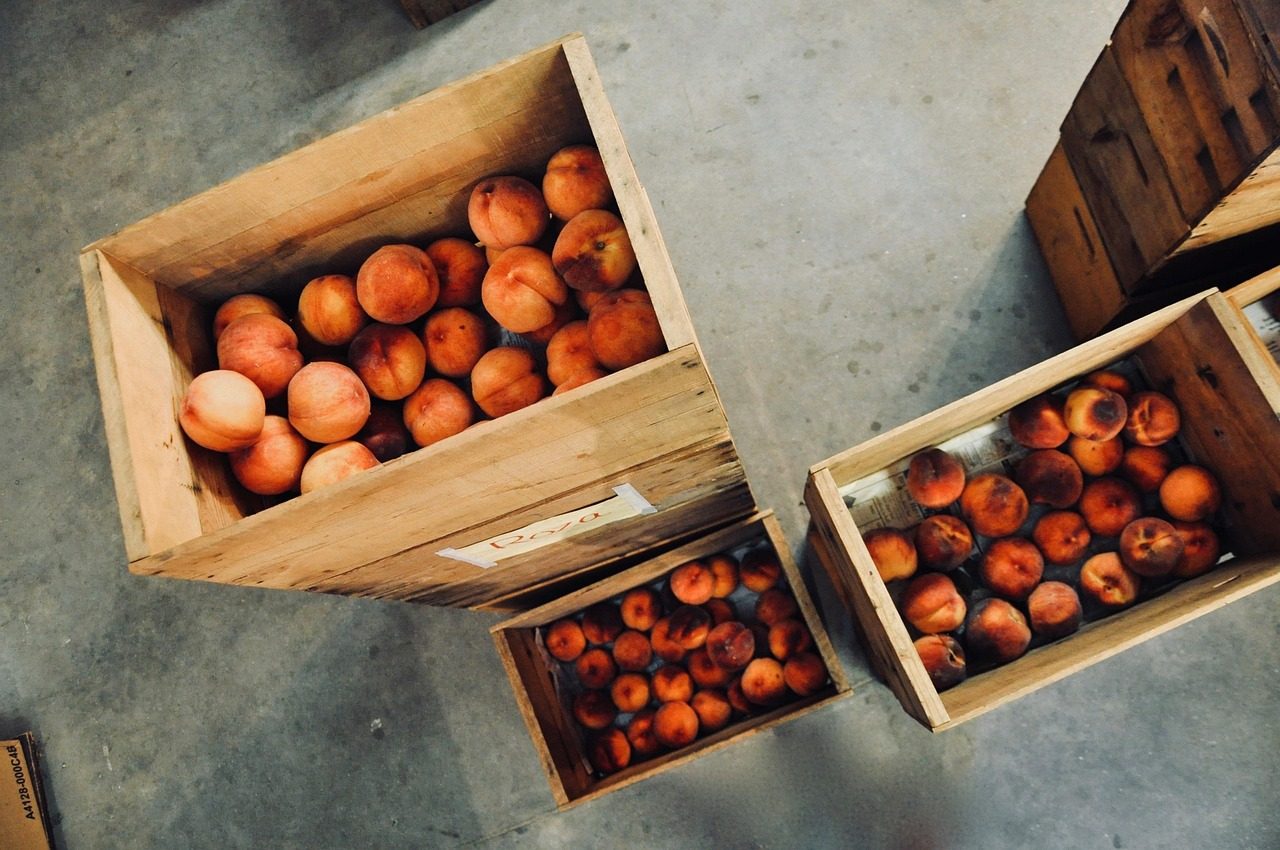
Tree bark can help you collect and store food more efficiently. Stripped bark sheets can be fashioned into trays for drying berries or meat. Bark containers also work for transporting nuts or seeds. This makes gathering resources much easier when you are away from modern tools.
Fishing and Trapping

You can use bark strips to weave simple fish traps or snares for small game. Flexible bark works as ties to hold traps in place or as bait holders. In the right conditions, this technique adds an important food source to your survival plan. It demonstrates just how resourceful bark can be.
Insulating Clothing and Bedding
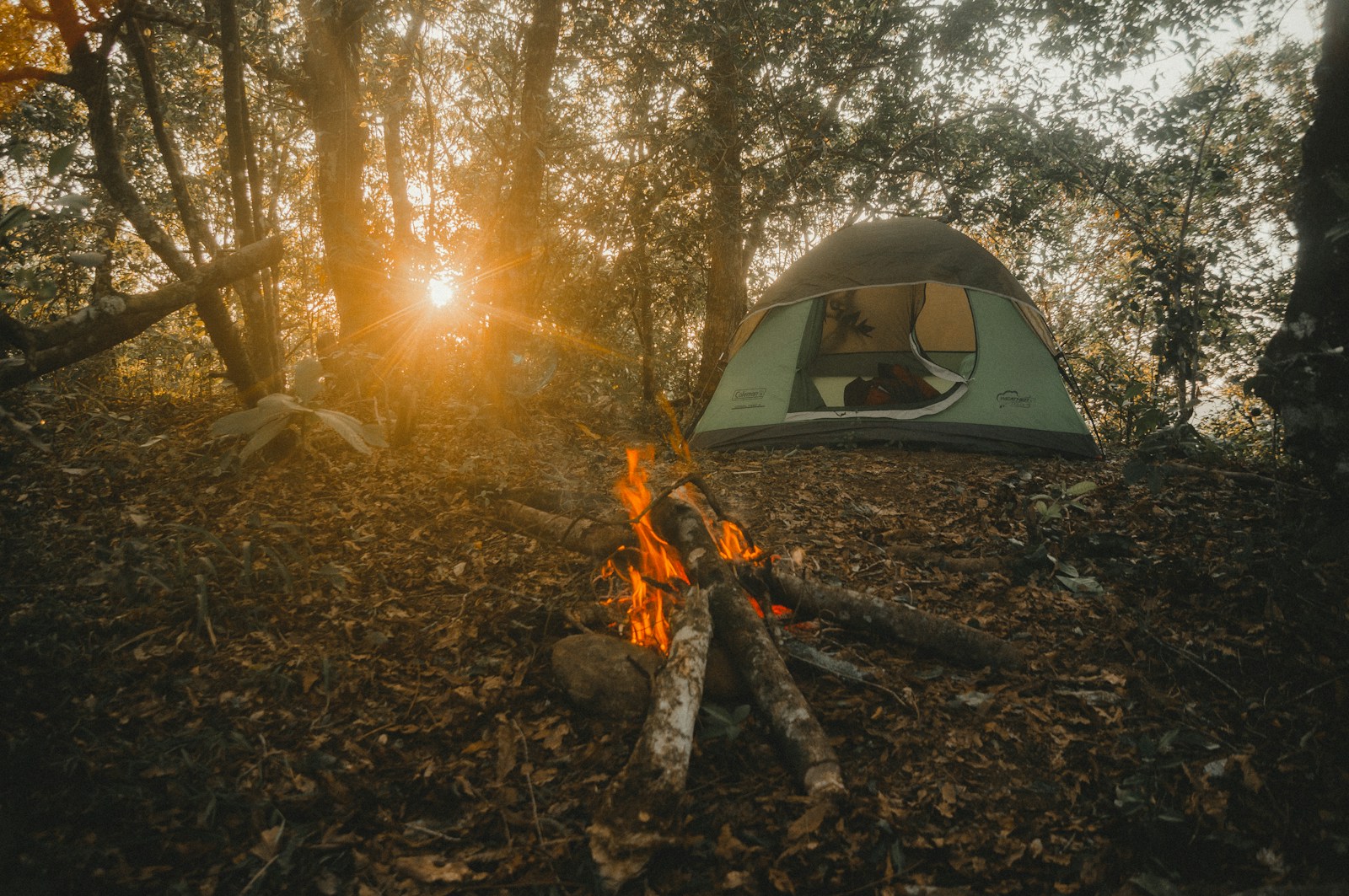
In cold weather, bark fibers can be stuffed into clothing or used as bedding to add insulation. Soft inner bark provides padding and helps retain body heat. This method may not be as comfortable as modern gear, but it can mean the difference between staying warm and freezing through the night.
Using Bark as Food
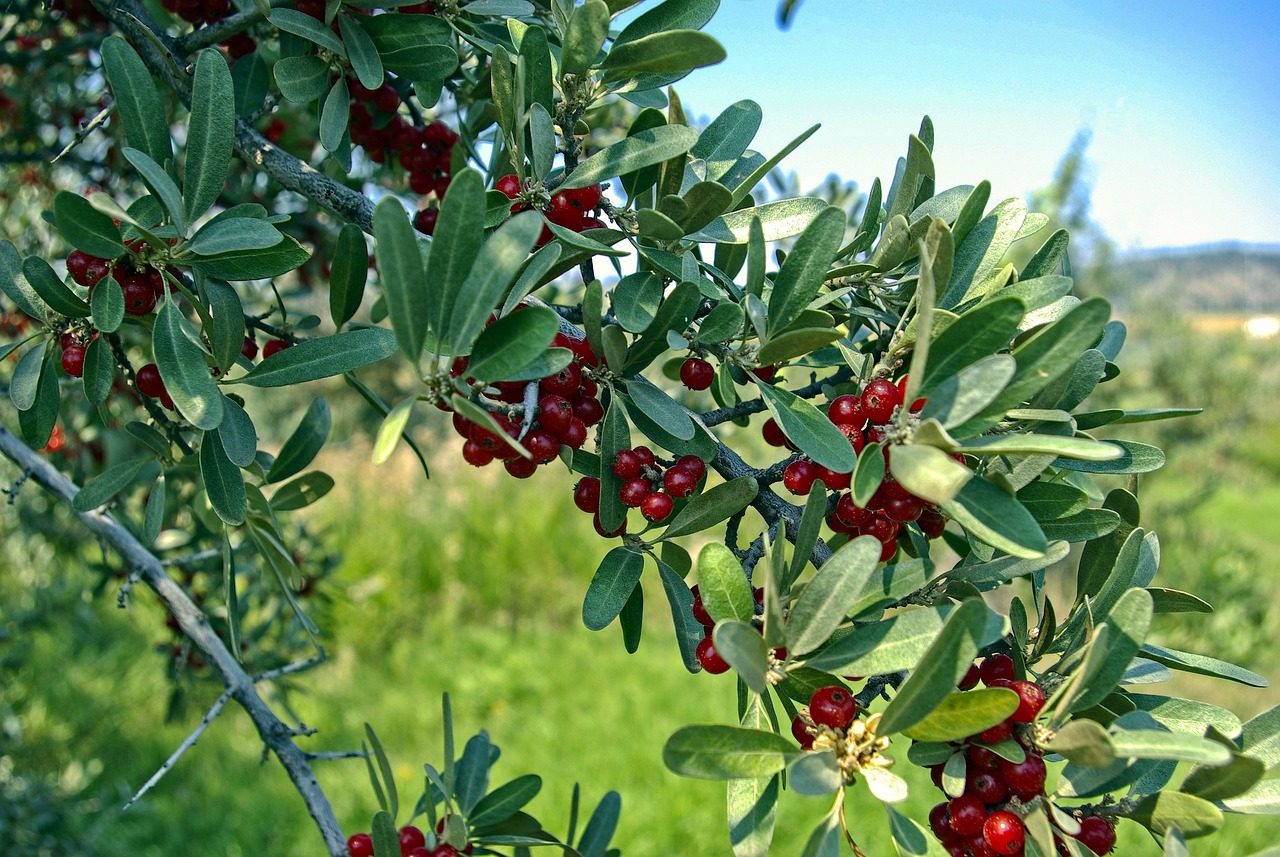
While not every bark is edible, some species provide nutrients. The inner bark of pine, birch, and willow can be dried, ground, and used as flour or eaten in small amounts. Though it is not a long-term food source, it can help you survive when resources are scarce. Knowledge of which trees are safe is critical.
Making Tools and Utensils
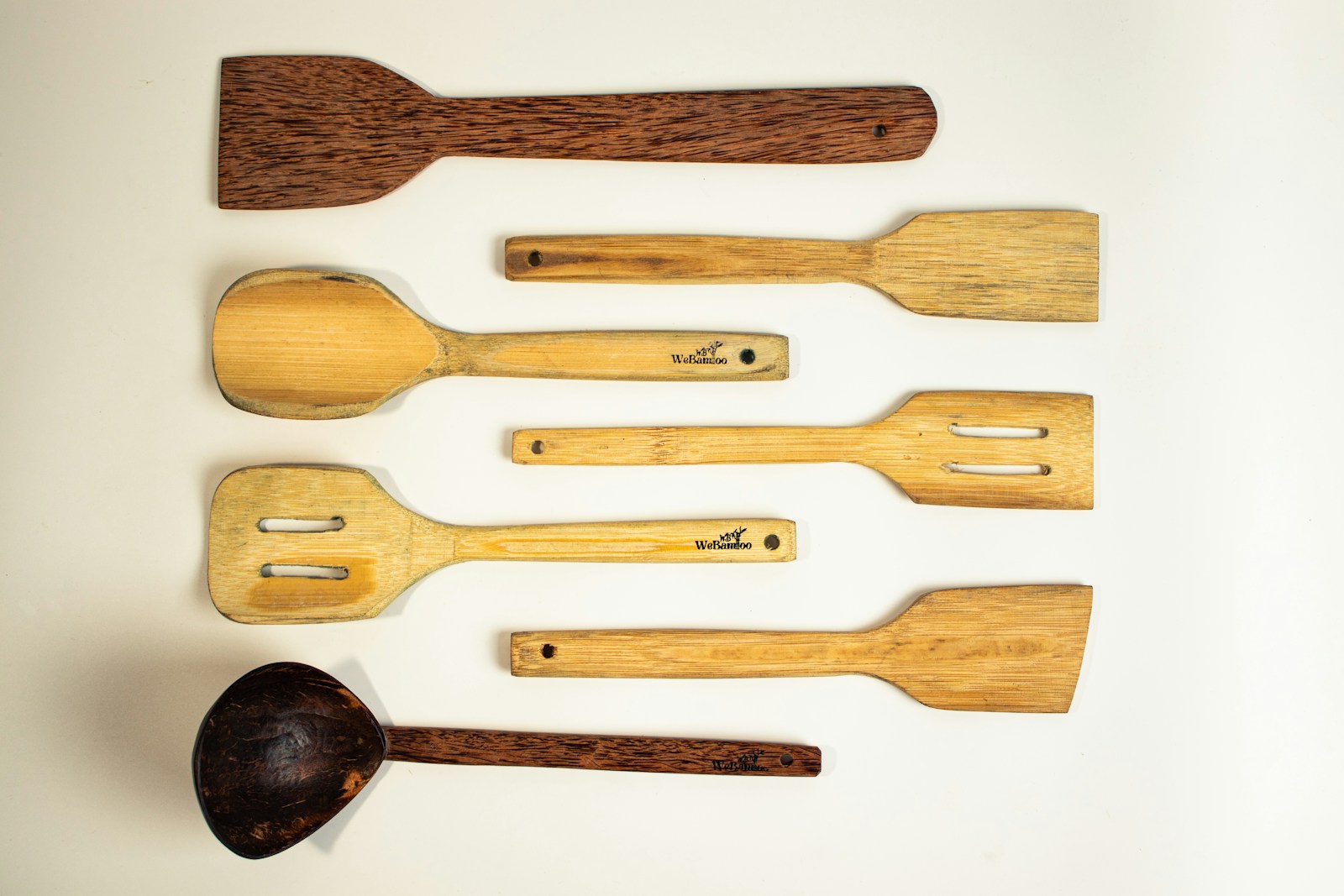
Bark can be shaped into simple tools such as scoops, bowls, or even carrying slings. It may not last as long as wood or stone, but it works in a pinch. These makeshift tools allow you to cook, transport, or organize food more effectively while out in the wild.
Signaling for Help
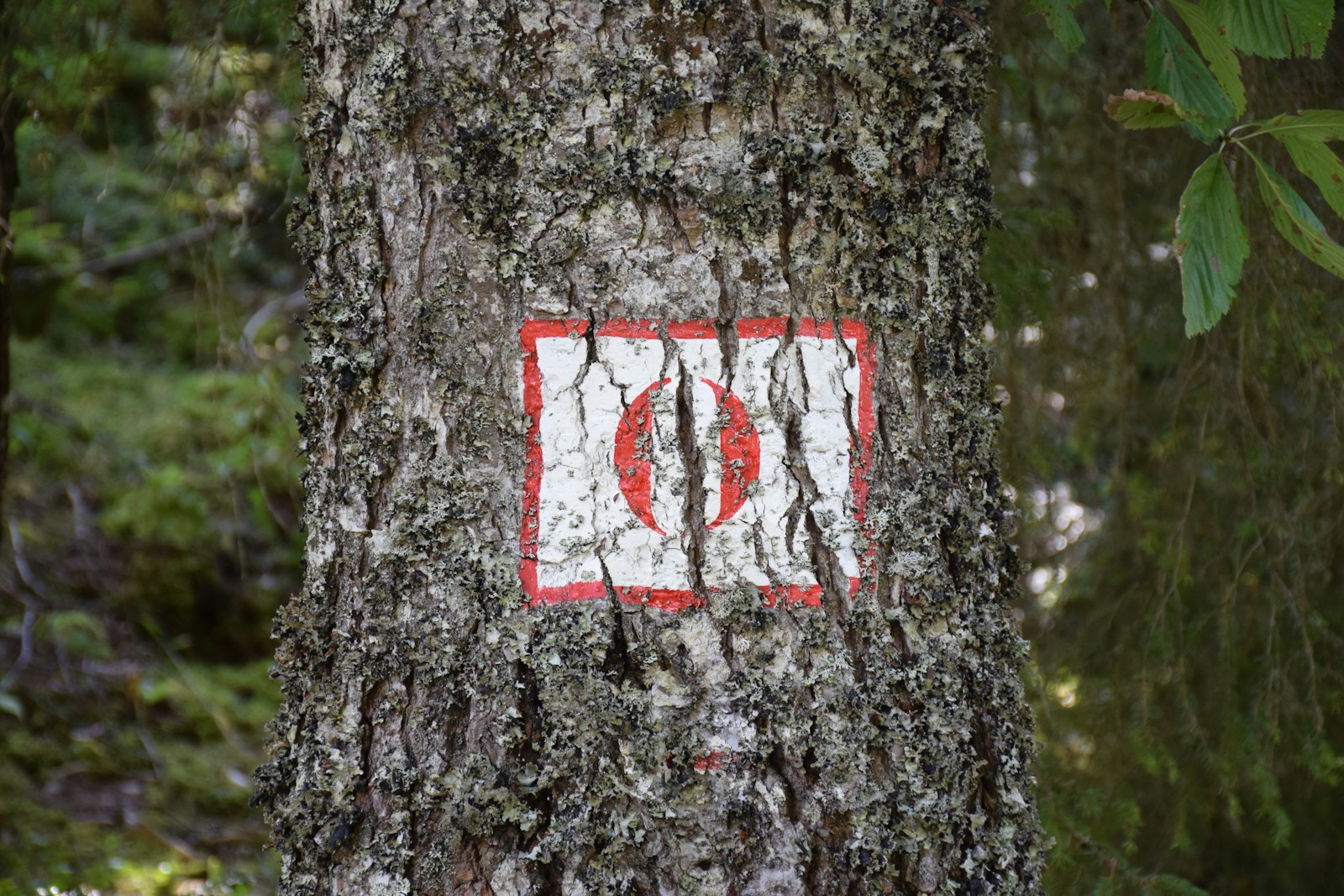
Some types of bark, especially birch, burn brightly and produce thick smoke, making them excellent for signaling. Large sheets can also be carved or arranged as ground signals visible from the air. Using bark in this way increases your chances of being found in an emergency. It is one of the simplest yet most important survival uses.