A dull knife can make even simple kitchen tasks frustrating, but a sharpening stone isn’t the only way to restore that perfect edge. Everyday items around the house can help bring blades back to life safely and effectively. With a little creativity and care, it’s easy to maintain sharpness, prevent damage, and keep knives performing like new without investing in specialized tools or professional equipment.
Use the Bottom of a Ceramic Mug
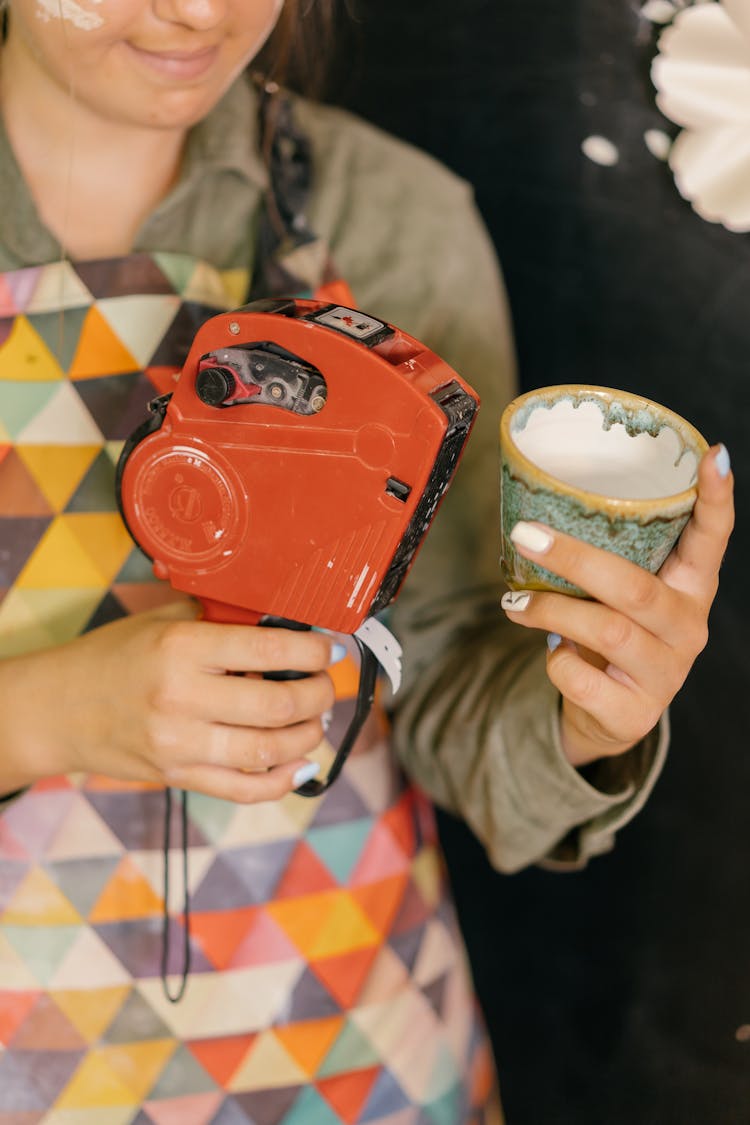
The unglazed ring on the bottom of a ceramic mug has a rough texture similar to a whetstone. By holding the knife at a slight angle and gently dragging the blade across the surface, it’s possible to realign the edge. A few steady strokes on each side quickly restore sharpness, making this one of the simplest and most accessible methods for quick maintenance.
Try a Honing Rod
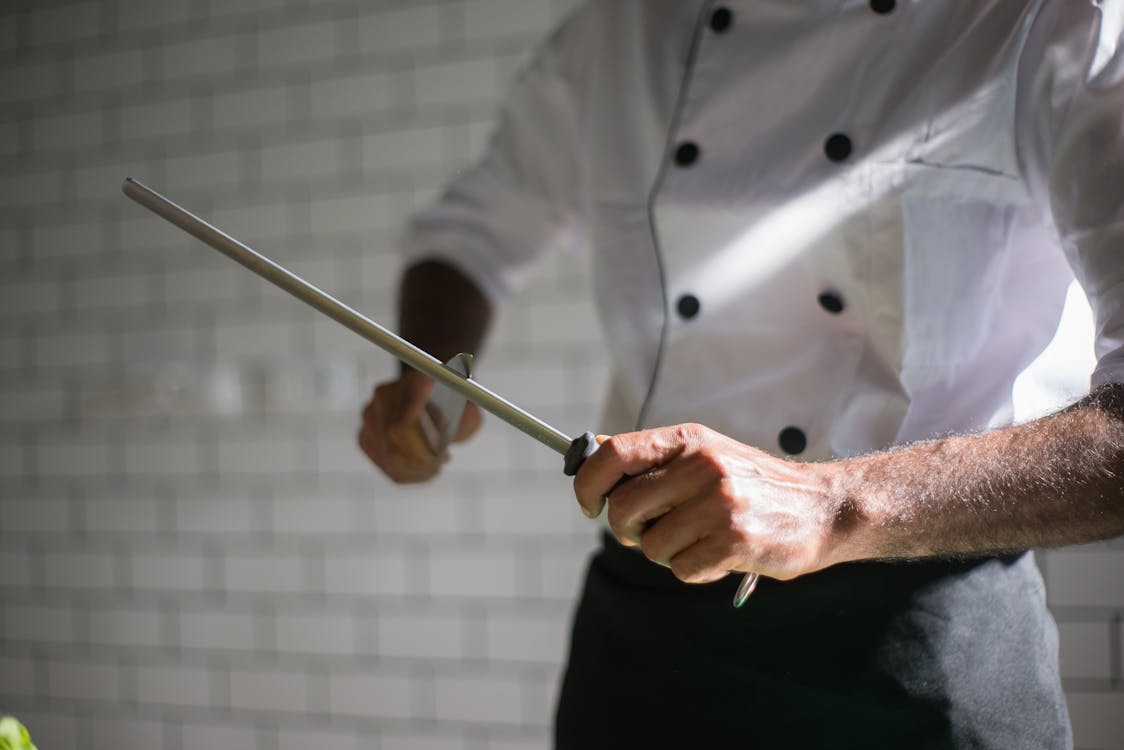
A honing rod doesn’t remove metal but helps realign the blade’s edge, keeping it sharp longer. Regular use after cutting sessions prevents dullness from setting in. Light, controlled strokes from heel to tip on both sides of the knife maintain balance and precision. Using a honing rod often means less need for heavy sharpening later on.
Use the Back of Another Knife
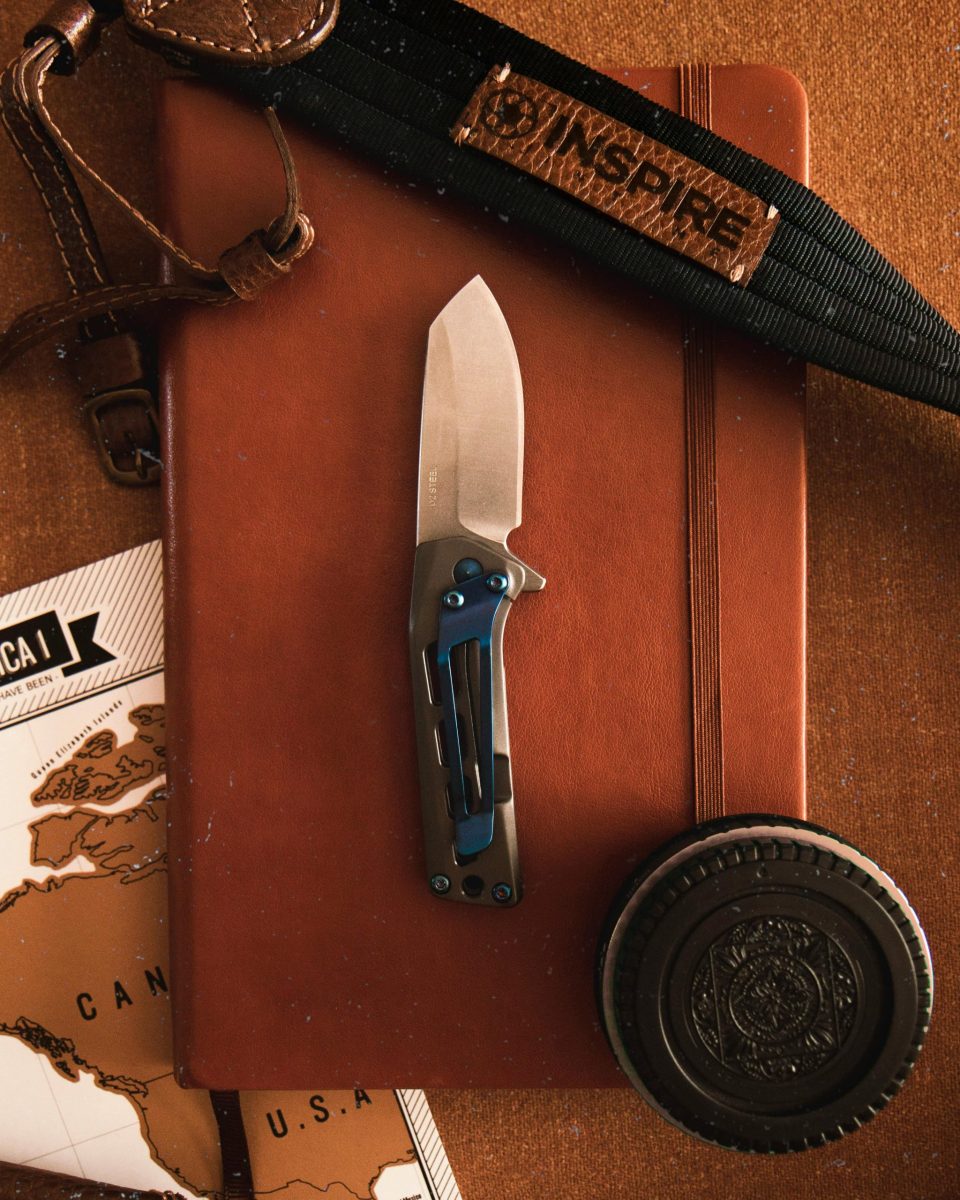
The spine of another sturdy knife can act as a makeshift honing surface. By running the dull blade gently along the back of the second knife at a consistent angle, friction helps straighten and refine the edge. This method works best for touch-ups and should be done with steady hands to avoid damaging either blade.
Use a Leather Belt
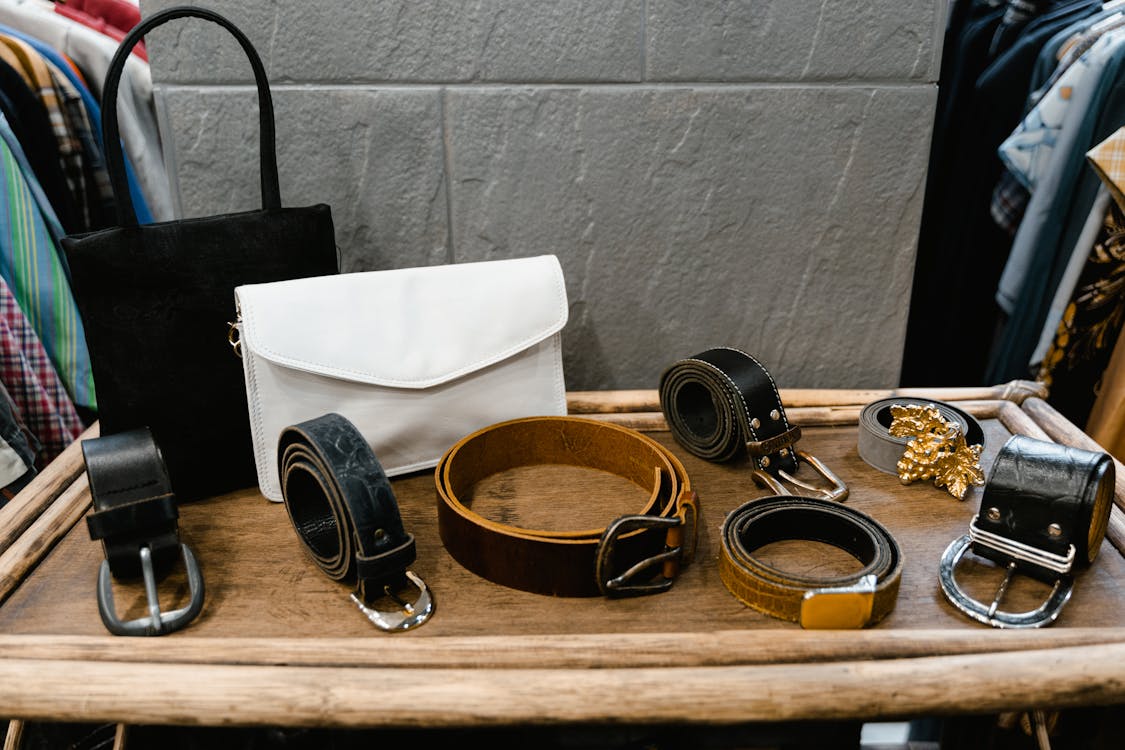
A leather belt, especially one with a coarse underside, can double as a strop for finishing a blade. Stropping polishes the edge and removes tiny burrs left after honing. Drawing the knife backward along the belt keeps the edge smooth and razor-sharp. This technique also helps extend the life of knives between full sharpenings.
Use Sandpaper
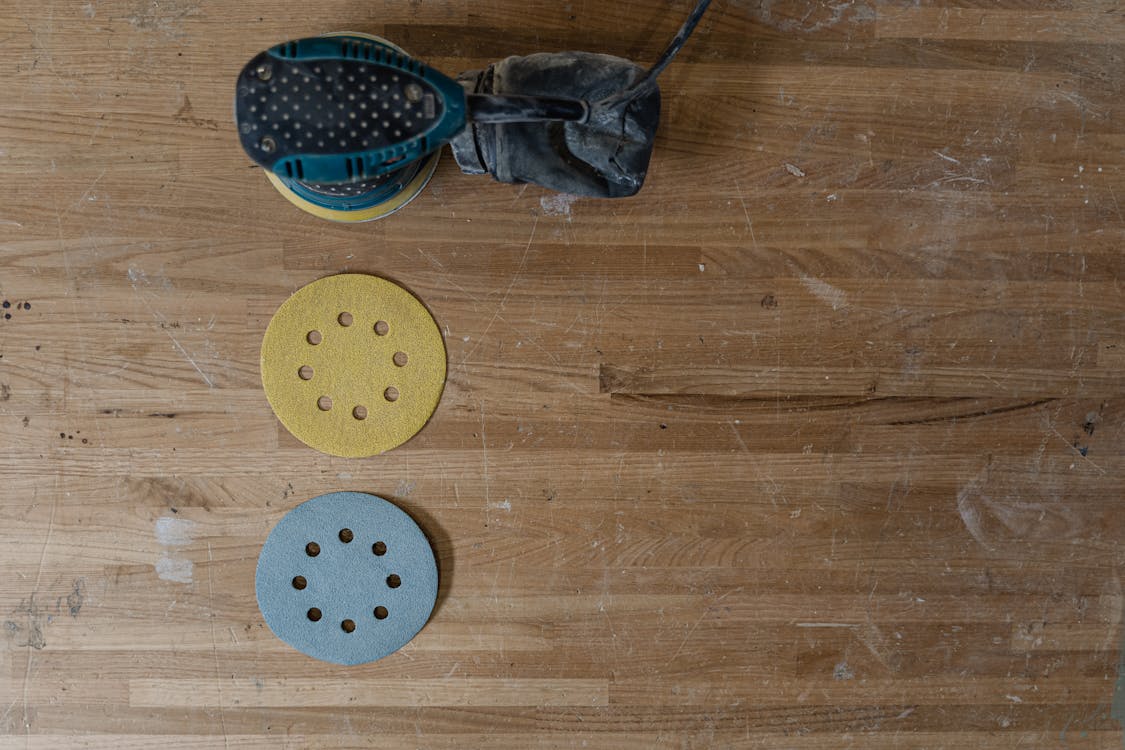
Fine-grit sandpaper provides excellent control when sharpening a dull knife. Placing it on a flat surface and sliding the blade across at a consistent angle produces quick, visible results. The key is using gentle, even strokes to avoid removing too much metal. It’s an inexpensive and effective substitute for traditional sharpening stones.
Use a Car Window Edge

The uncoated edge of a car window has a texture similar to ceramic. Rolling it down slightly exposes the abrasive glass surface. By sliding the blade along it at a 20-degree angle, small nicks and dull spots smooth out. This method is especially handy for quick touch-ups when camping or outdoors.
Use Aluminum Foil

Folding aluminum foil into several layers creates a fine abrasive surface that lightly polishes the blade. Carefully slicing through the folded foil several times helps restore a smoother edge. While this method doesn’t fully sharpen a knife, it’s useful for maintaining sharpness between deeper sharpenings or when tools aren’t available.
Use a Nail File
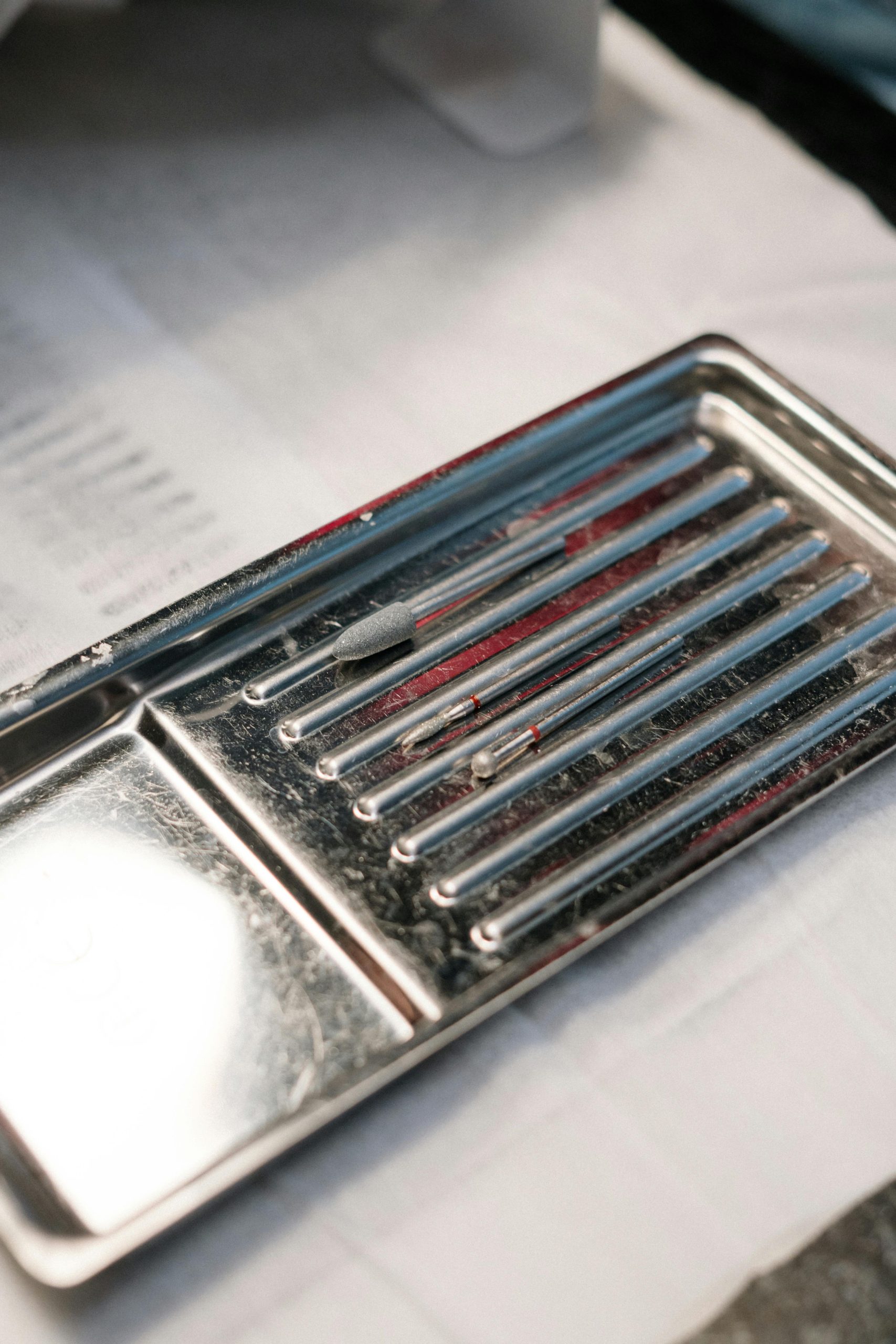
A nail file or small emery board works surprisingly well for smaller knives. Its rough surface mimics that of a sharpening stone, removing small imperfections with each stroke. Running the blade across the file in controlled movements quickly improves performance. This method is convenient for pocket knives or kitchen paring knives.
Use a Brick or Smooth Stone

A clean brick or smooth outdoor stone can work as a basic sharpening tool. By holding the knife at an angle and dragging it evenly across the rough surface, it’s possible to bring back a usable edge. While not as precise as professional tools, this method is practical in emergencies or outdoor situations.
Use the Edge of a Plate
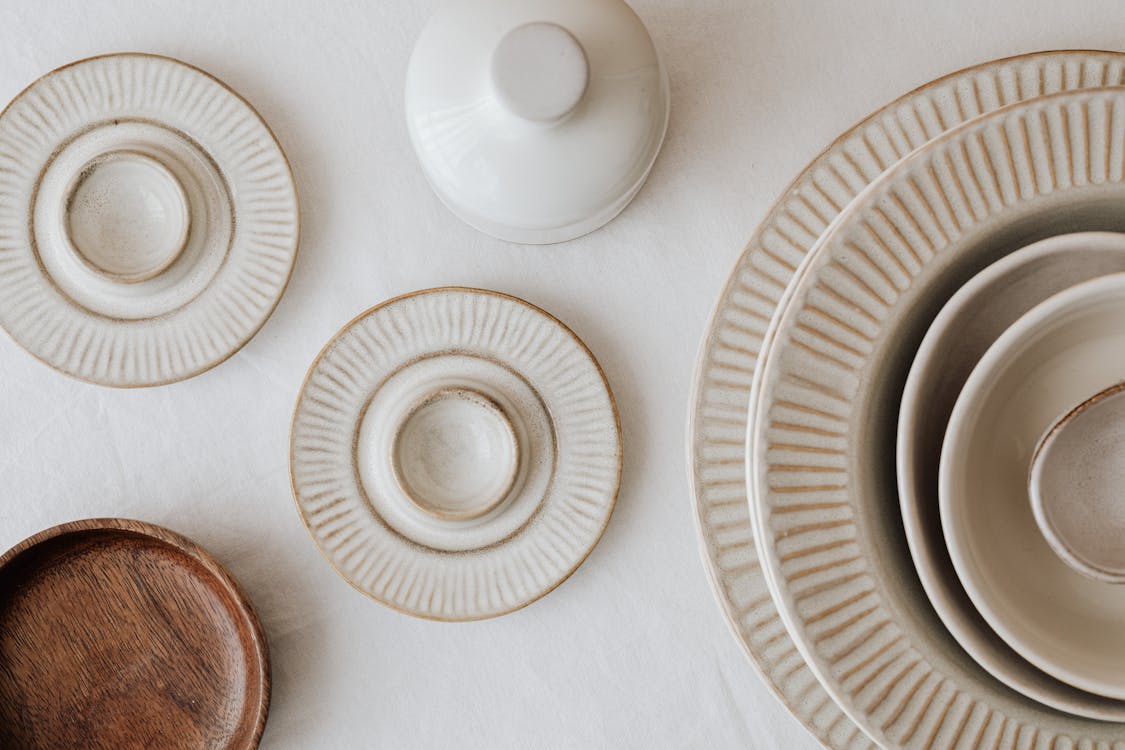
Most ceramic plates have an unglazed ring on the bottom, similar to a mug. Drawing the blade across it a few times at a steady angle helps smooth dull edges. This technique is gentle, easy to control, and ideal for light maintenance. Afterward, wiping the blade clean ensures no ceramic residue remains.