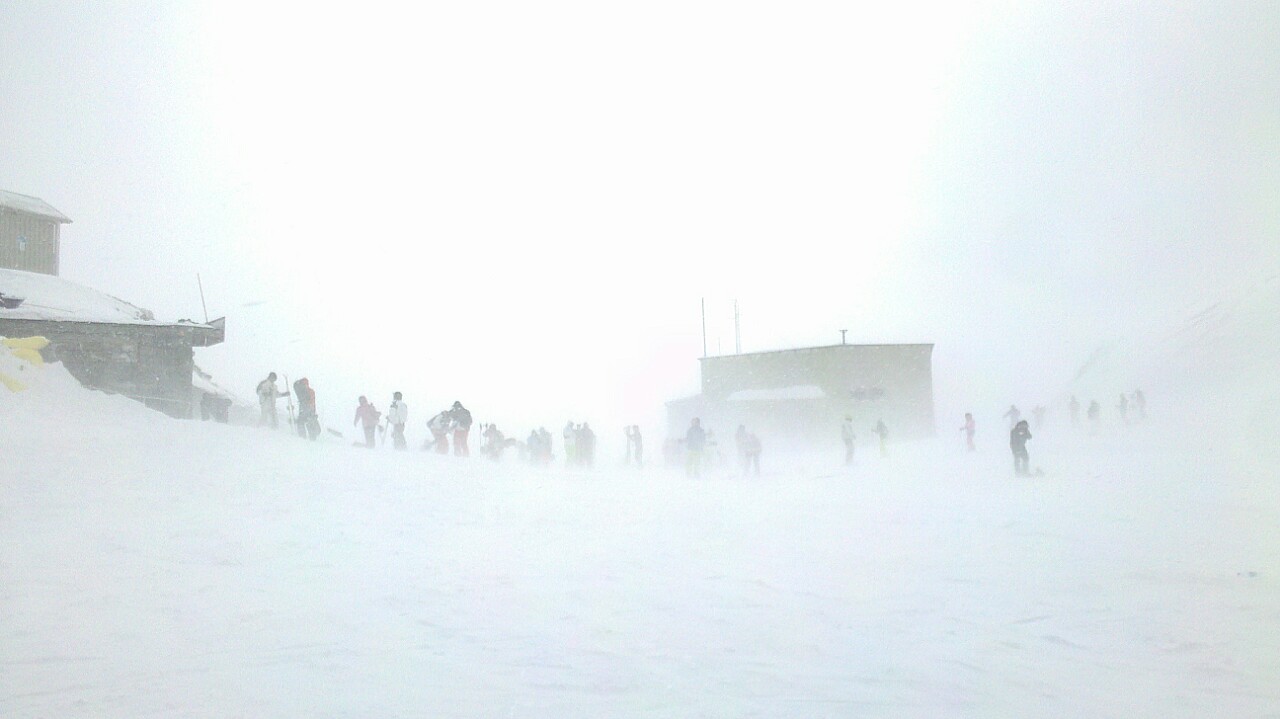
Winter in the Rockies brings dramatic beauty along with unpredictable weather, making preparation essential for anyone traveling through these high elevations. Snowstorms can form quickly as cold fronts sweep across peaks and valleys, reducing visibility and dropping temperatures within minutes. Understanding how to plan for these shifts helps create a safer, more comfortable experience. With thoughtful preparation and steady awareness, even the most sudden storms become more manageable, allowing the journey to continue with confidence.
Check Weather Forecasts Regularly
Monitoring weather forecasts becomes a vital part of planning when traveling in the Rockies, where conditions shift faster than in lower terrain. Frequent checks reveal storm movements, rapid temperature swings, and wind patterns that influence trail choices or travel timing. Updates provided by Mountain Weather Services help paint a clearer picture of the day ahead. This steady flow of information allows adjustments that keep the experience both safer and more enjoyable in changing conditions.
Pack Multi-Layer Clothing
Multi-layer clothing helps maintain comfort as the weather transitions from mild sunshine to heavy snowfall with little warning. A moisture-wicking base layer manages perspiration, while an insulating mid-layer holds warmth close to the body. A sturdy waterproof shell acts as the final barrier against winds and snow, preventing heat from escaping. This system adapts easily to changing temperatures and activity levels, offering consistent protection throughout a winter storm.
Bring a Reliable Shelter Option
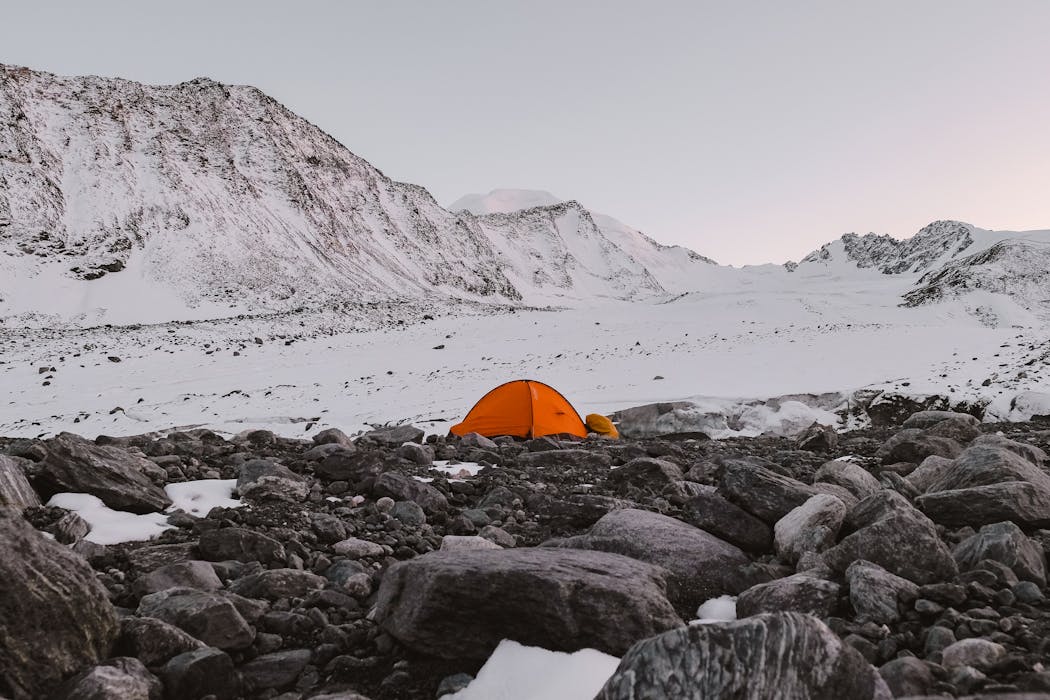
Reliable shelter plays an important role during unexpected storms, offering immediate protection when exposed terrain becomes unsafe. A strong tent or emergency bivy provides insulation from cold winds and falling snow while creating a controlled environment to regroup. Reinforced stakes and guy lines help stabilize the shelter when gusts pick up. Being able to set up quickly becomes invaluable when conditions deteriorate faster than anticipated.
Carry Emergency Food Supplies

Emergency food supplies provide essential fuel during extended delays or unexpected overnight stays caused by heavy snowfall or blocked routes. High-calorie items maintain body heat by supporting steady metabolism in cold weather. Shelf-stable snacks pack easily and remain dependable even in freezing temperatures. These small reserves help maintain energy, focus, and resilience when travel slows or stops due to winter conditions.
Use Navigation Tools
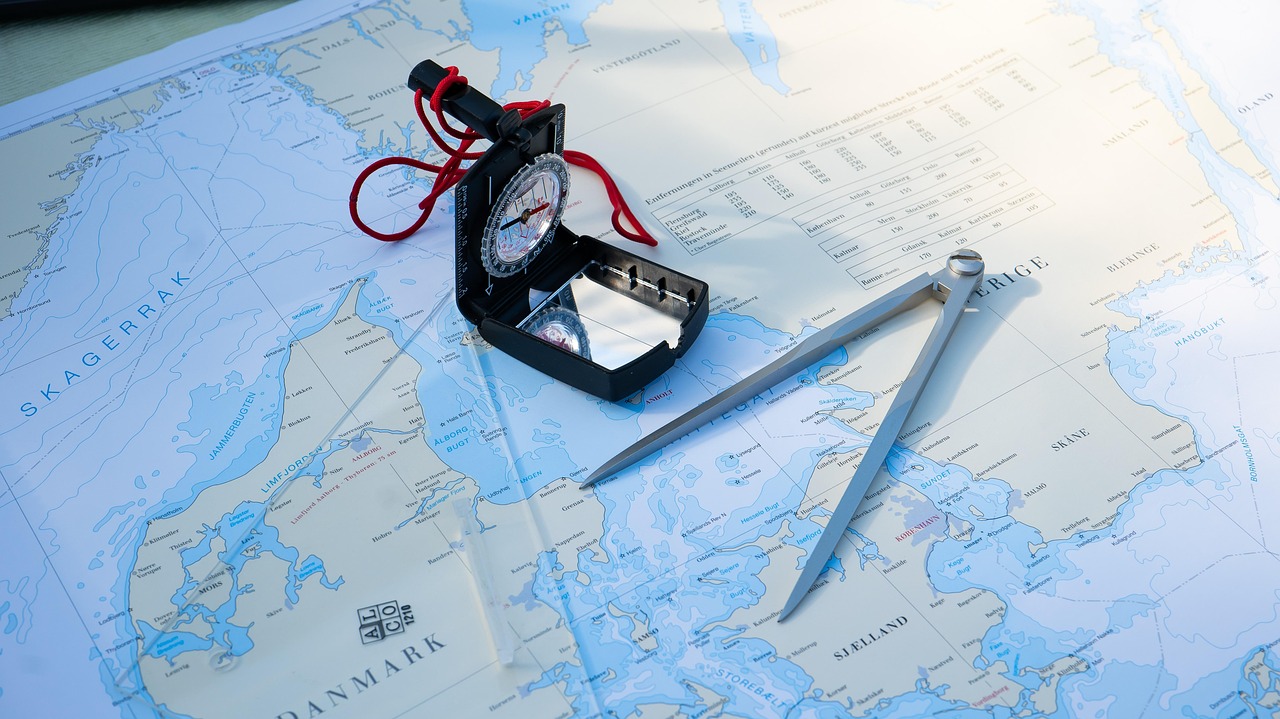
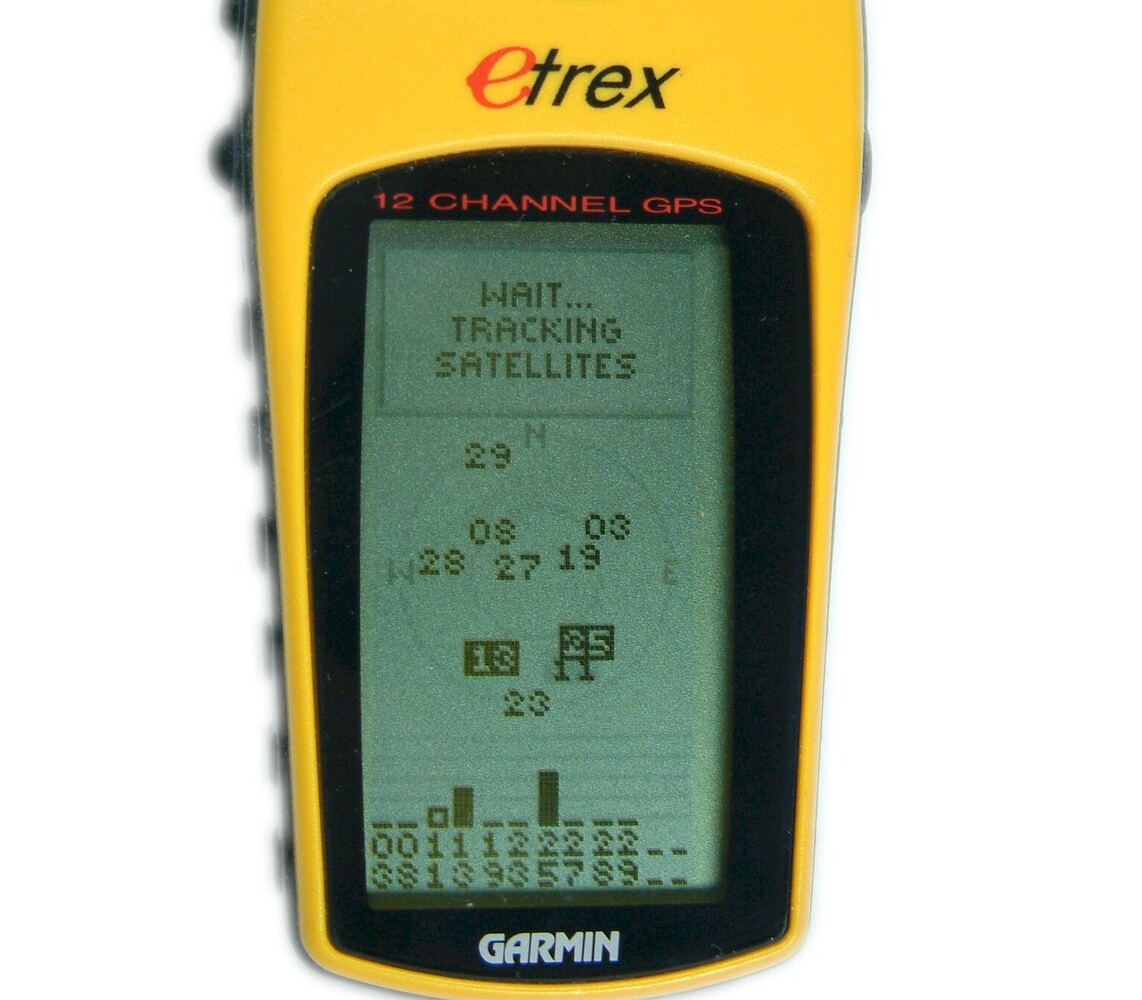
Navigation tools support safe travel when snowfall reduces visibility and covers familiar landmarks. Maps and compasses serve as dependable options when electronic devices lose signal or battery power in the cold. GPS units provide additional accuracy but function best when paired with traditional tools as backup. These resources help maintain a clear sense of direction even during whiteout conditions, reducing risks associated with disorientation.
Prepare a Vehicle Winter Kit
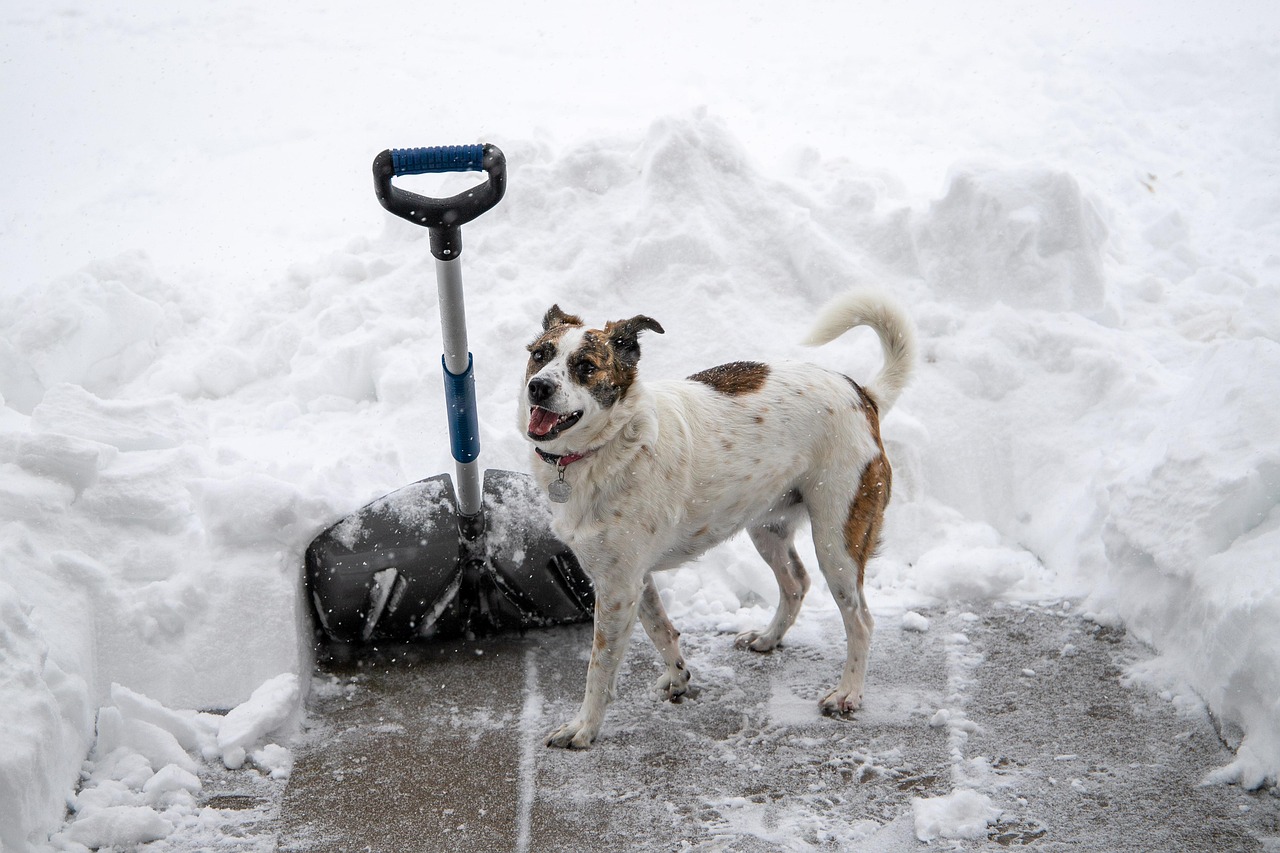
A vehicle winter kit becomes essential when driving through mountain passes known for sudden closures and icy conditions. Items such as warm blankets, traction aids, and portable shovels provide critical support during emergencies. Extra fluids and jumper cables help address cold-related mechanical issues that become more common in freezing temperatures. Having these tools readily available improves safety and comfort during unexpected roadside delays.
Keep Communication Devices Charged
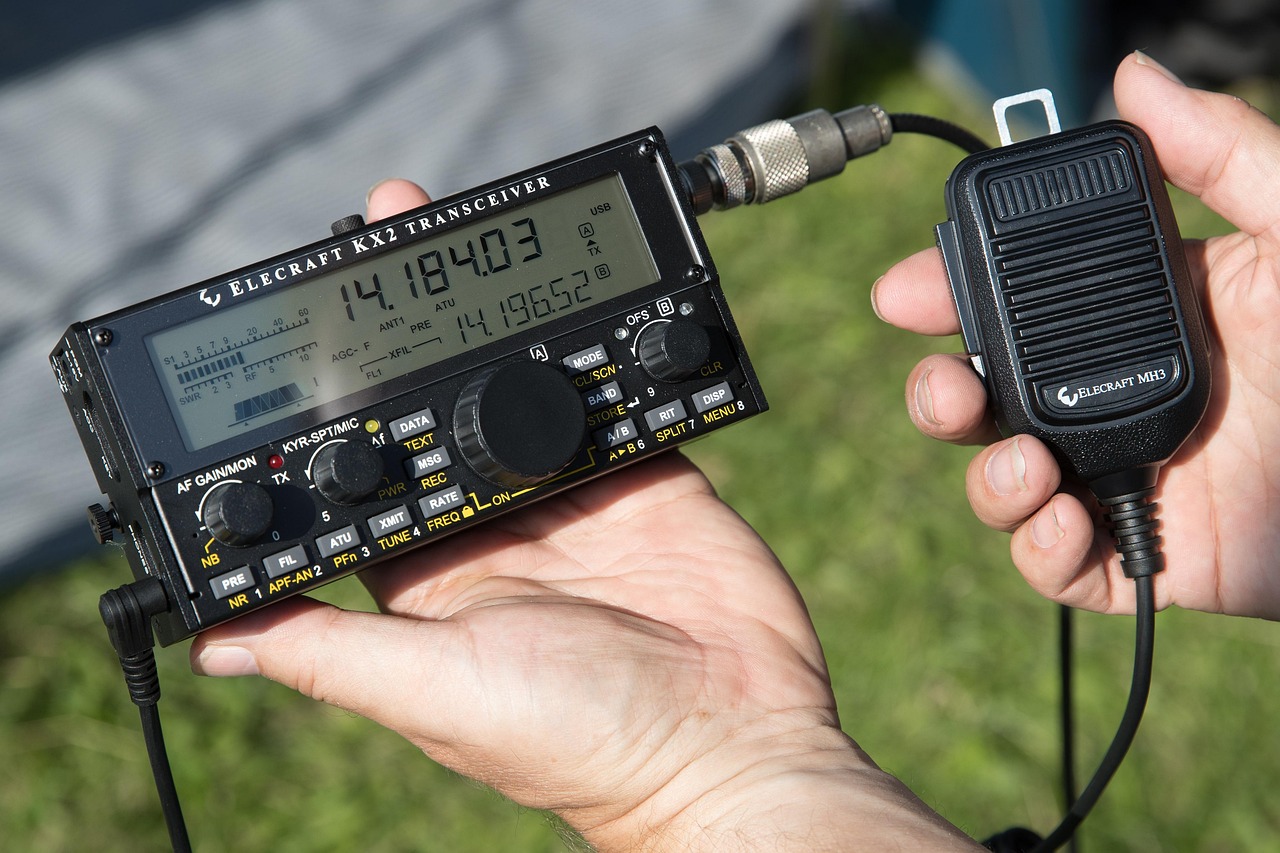
Communication devices play an important role in changing mountain weather by delivering alerts and enabling contact with assistance if needed. Fully charged batteries help preserve access during long days or cold nights when power drains quickly. Portable chargers extend battery life and offer peace of mind. This preparation ensures that help remains reachable even when storms interfere with travel plans.
Learn Storm Safety Skills
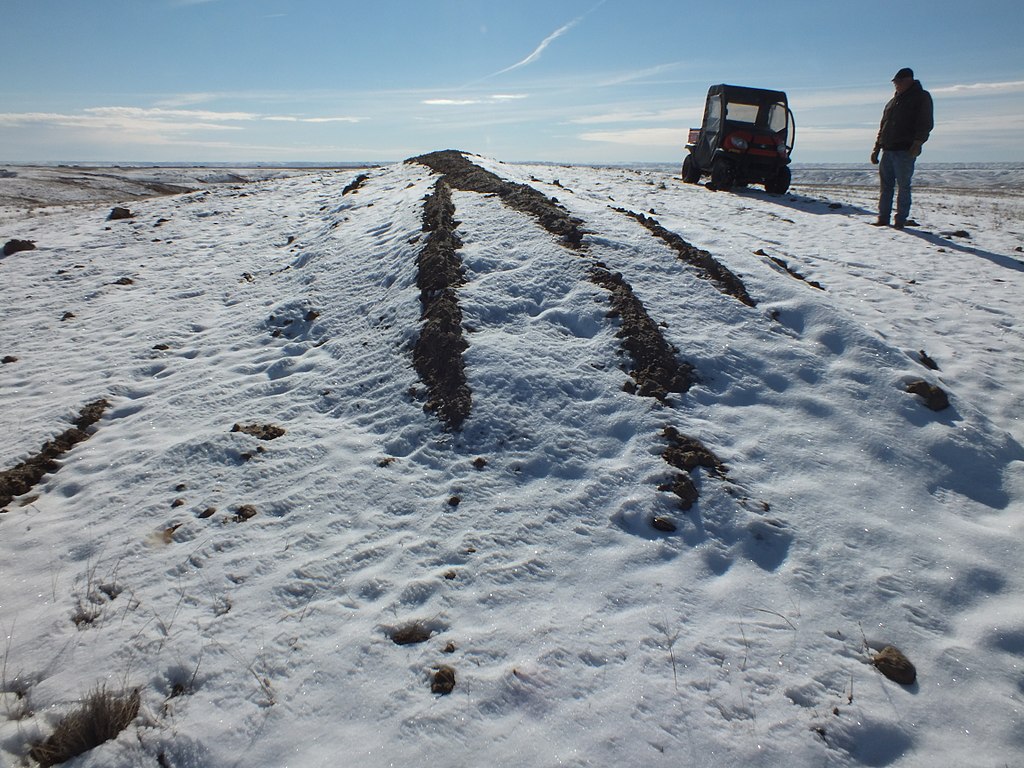
Storm safety skills provide practical knowledge that becomes important during severe weather in the mountains. Recognizing early warning signs, understanding frostbite risks, and knowing how to build a simple windbreak all help mitigate danger. Familiarity with avalanche indicators adds another layer of safety in steep terrain. Practicing these skills ahead of time builds calm decision-making when storms intensify without warning.
Carry Proper Traction Gear
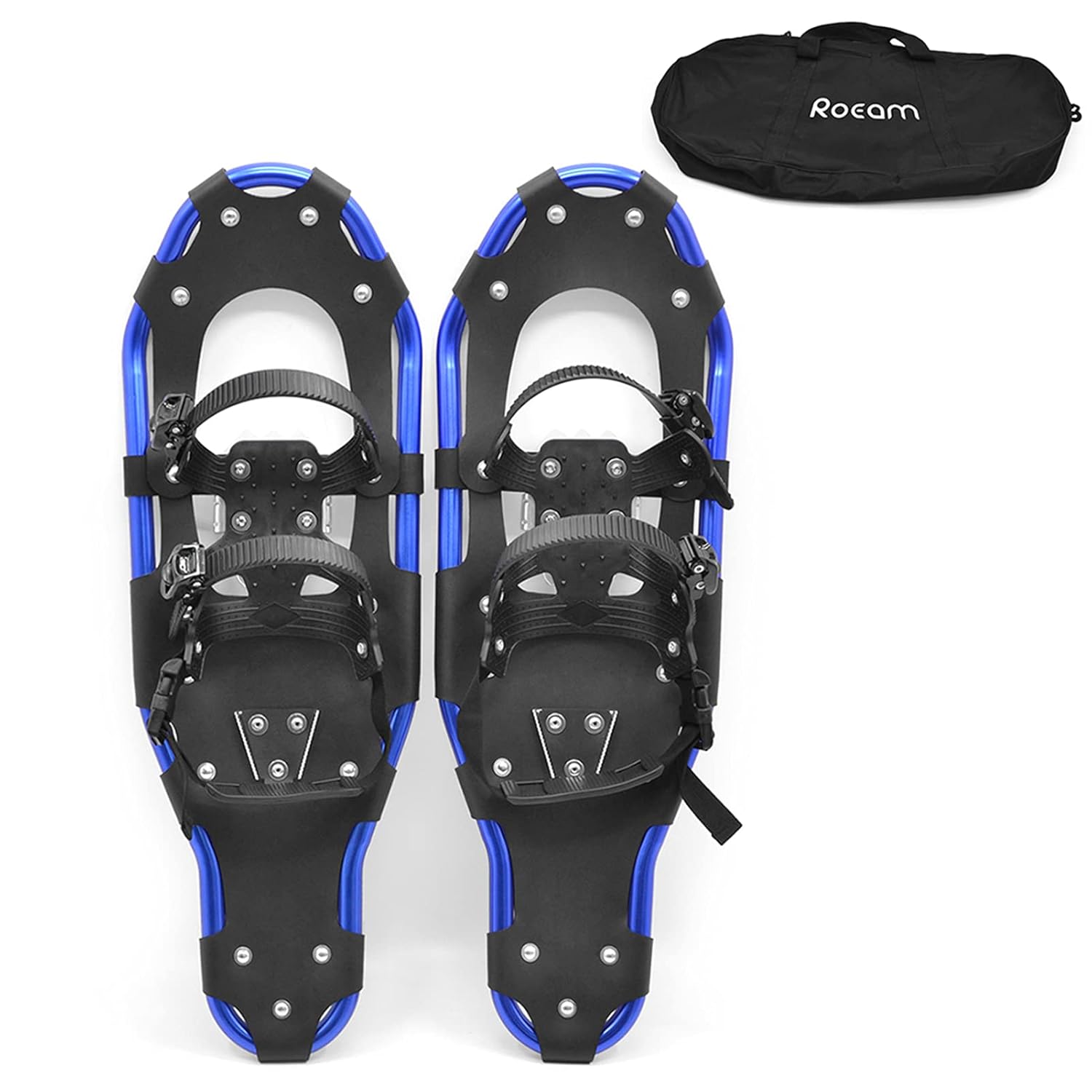
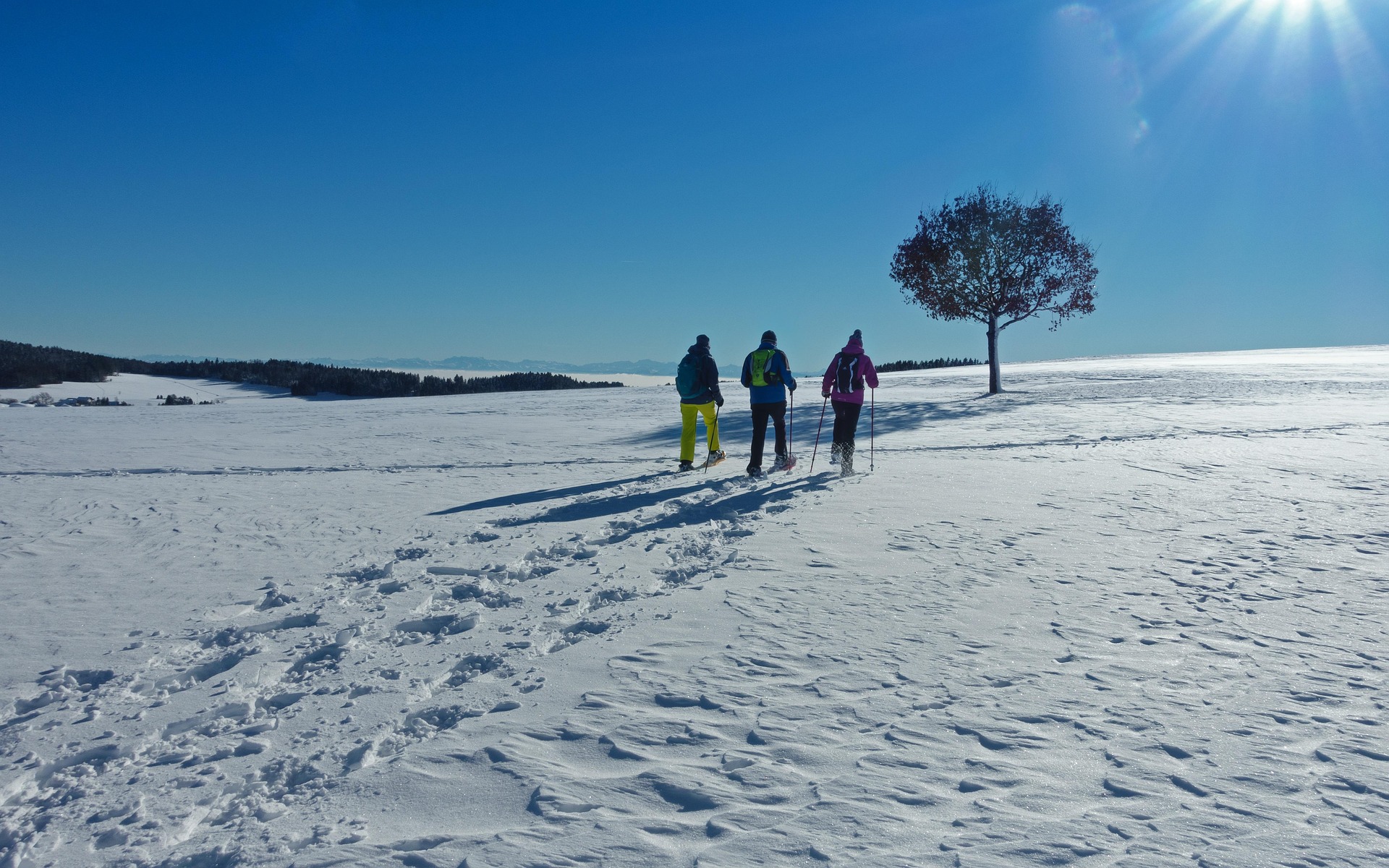
Proper traction gear improves stability when snow or ice coats trails and steep slopes. Microspikes, crampons, or snowshoes help maintain grip, making movement safer and more efficient in slippery conditions. Reliable traction reduces fatigue by preventing unnecessary slips and missteps. This advantage becomes especially important during storms that quickly transform the landscape from firm ground to unpredictable terrain.
Have a Backup Plan
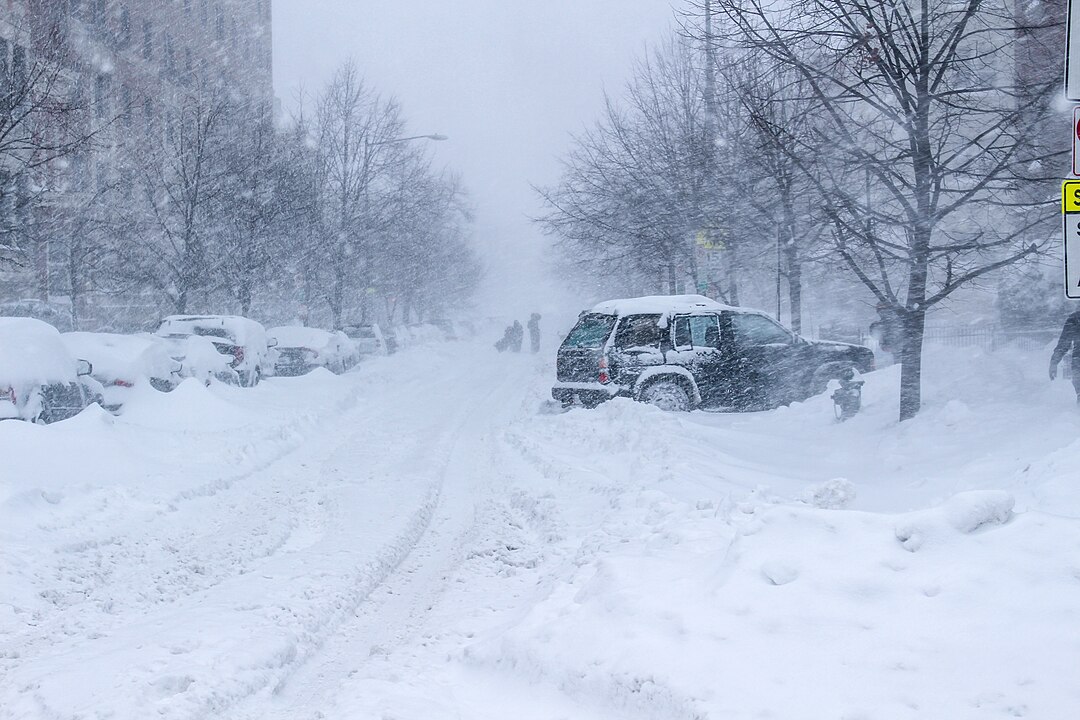
A backup plan ensures smoother adjustments when snowstorms change routes, block roads, or delay return times. Identifying alternate trails, safe pull-off points, or nearby shelters helps manage uncertainty with less stress. Sharing plans in advance adds another layer of security for extended outings. This preparation supports steady decision-making and protects travelers from becoming stranded during sudden weather events.