If you spend time exploring local trails, you know that nature’s beauty sometimes comes with surprise encounters. From curious deer to protective bears, wildlife can appear when you least expect it. Knowing how to prepare and respond helps keep both you and the animals safe. With awareness, respect, and a few smart habits, you can enjoy your outdoor adventures without turning a peaceful hike into an unexpected standoff.
Stay Alert and Observant
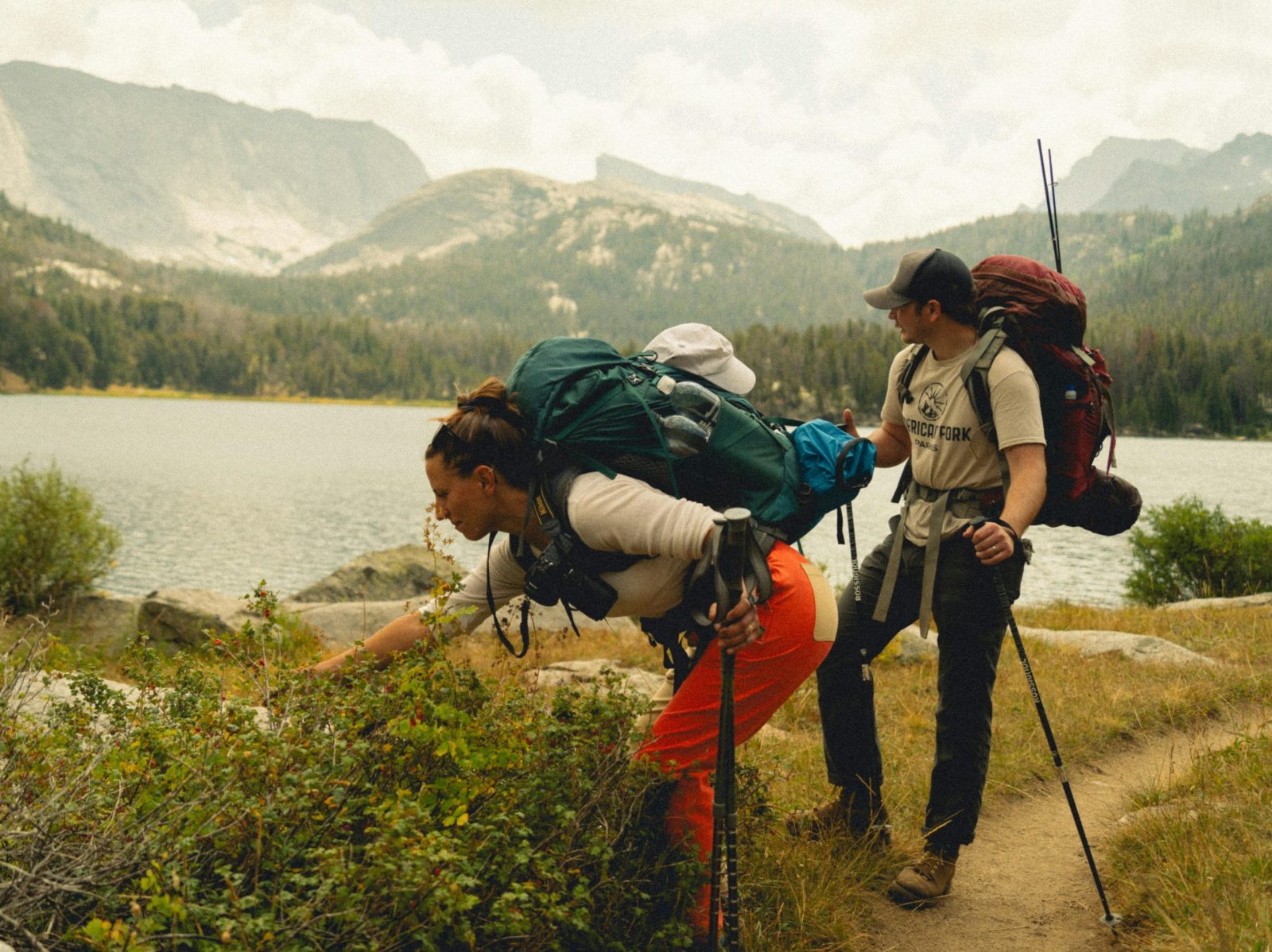
Paying attention to your surroundings is your first line of defense on any trail. Watching for movement, tracks, or sounds can help you spot animals before you’re too close. Staying aware keeps surprises to a minimum and lets you react calmly if something appears. The more present you are, the safer and more enjoyable your hike becomes.
Make Noise While Hiking
Wildlife usually avoids humans, so making gentle noise helps prevent surprise encounters. Talking, clapping, or even singing occasionally lets animals know you’re nearby. This approach is especially useful in dense forests or near water sources where visibility is low. A little sound travels far and keeps you from startling anything along the path.
Hike in Groups

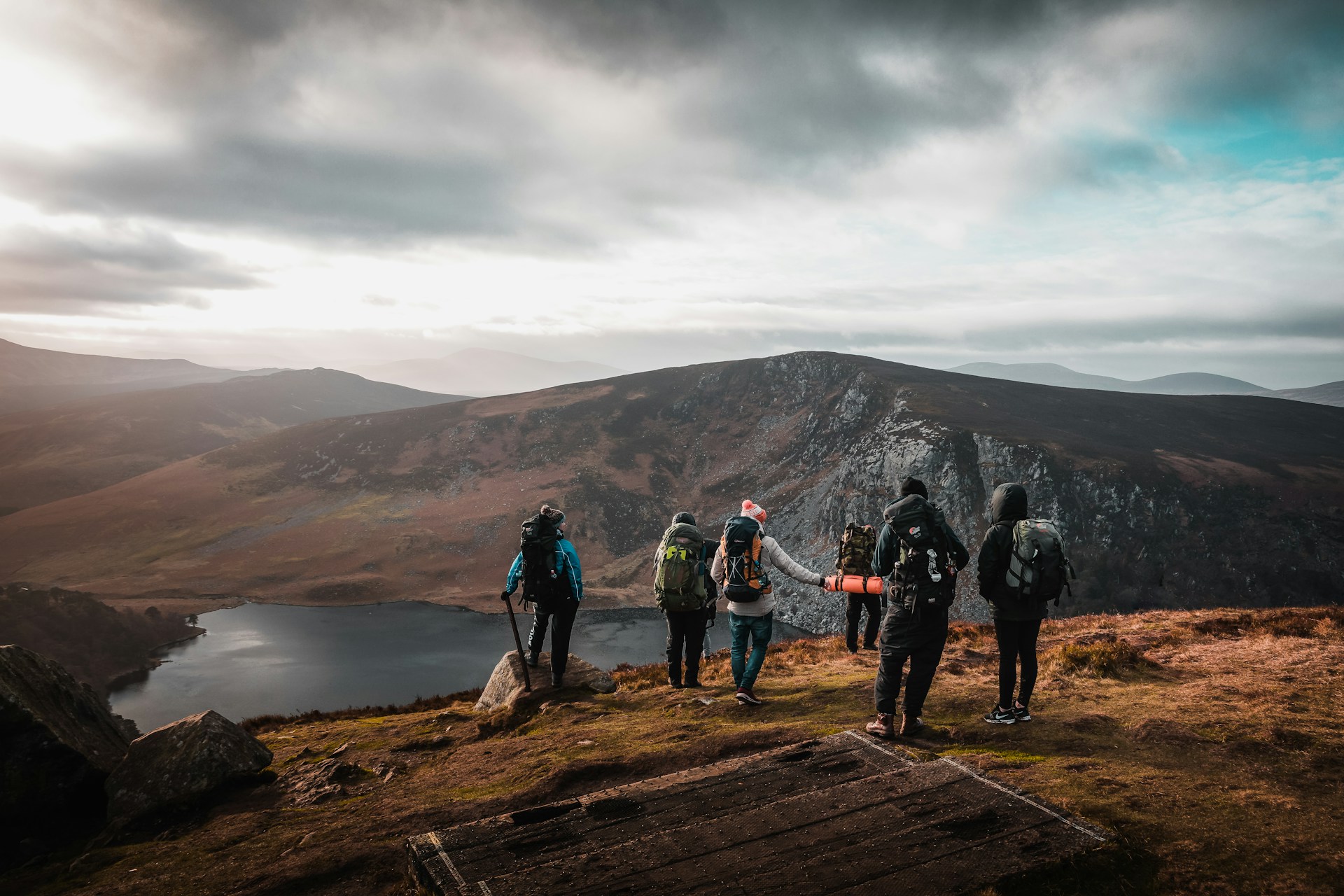
Animals are less likely to approach a group than a lone hiker. Staying with others not only increases safety but also gives you more sets of eyes and ears on the trail. Group hikes reduce the chances of surprising animals, and if one does appear, there’s calm strength in numbers. It’s a simple way to feel more confident outdoors.
Keep Food and Scent Contained

The smell of snacks or leftovers can attract wildlife from a distance. Packing food in sealed containers and avoiding strong scents like perfume helps reduce unwanted attention. Dispose of trash properly and never leave crumbs behind. Keeping your gear clean ensures you enjoy nature without inviting any curious visitors.
Respect Animal Distance
Getting too close for a photo or a better view can stress wildlife and lead to unpredictable reactions. Always admire animals from afar using binoculars if needed. Back away slowly if one notices you or changes behavior. Respecting space allows both you and the creature to move on safely without confrontation.
Stick to Established Trails
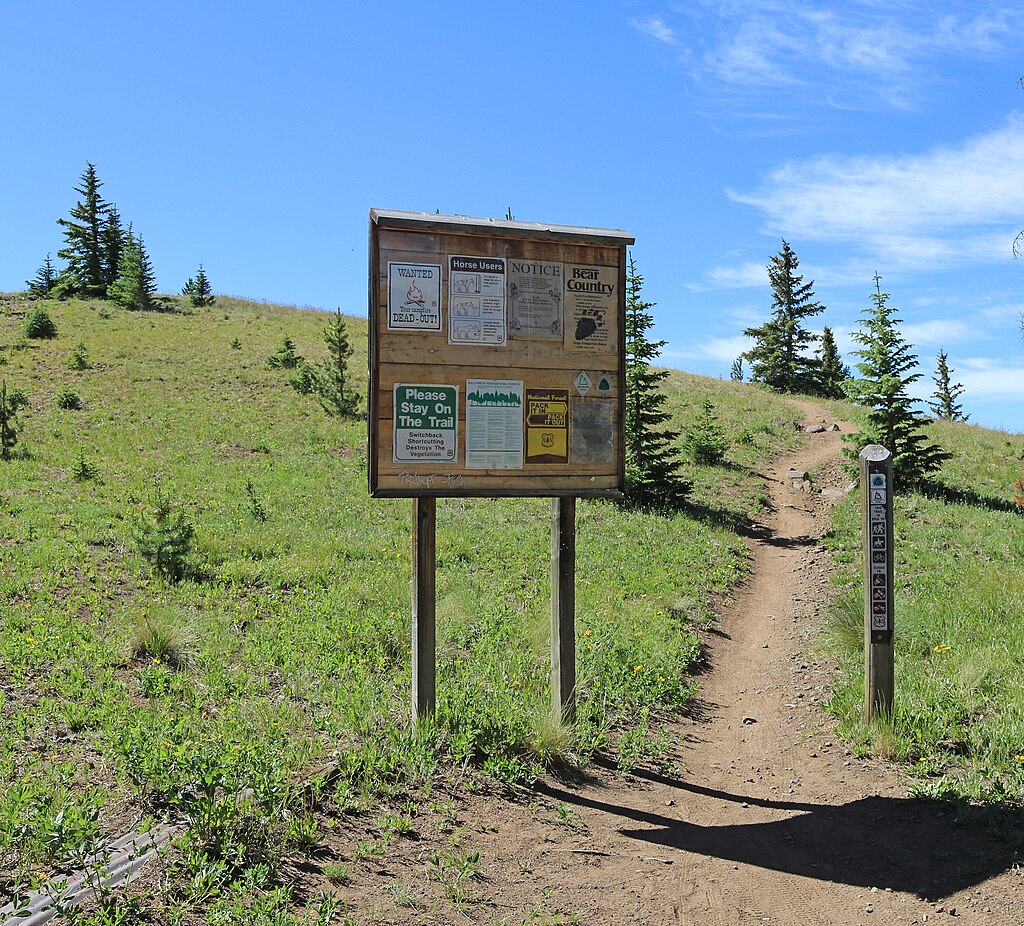
Wandering off marked paths increases your chances of walking into an animal’s territory or nesting area. Staying on designated routes helps you see potential hazards earlier and reduces impact on natural habitats. Trails are designed for visibility and safety, guiding you through the wild without disturbing its balance.
Watch for Warning Signs
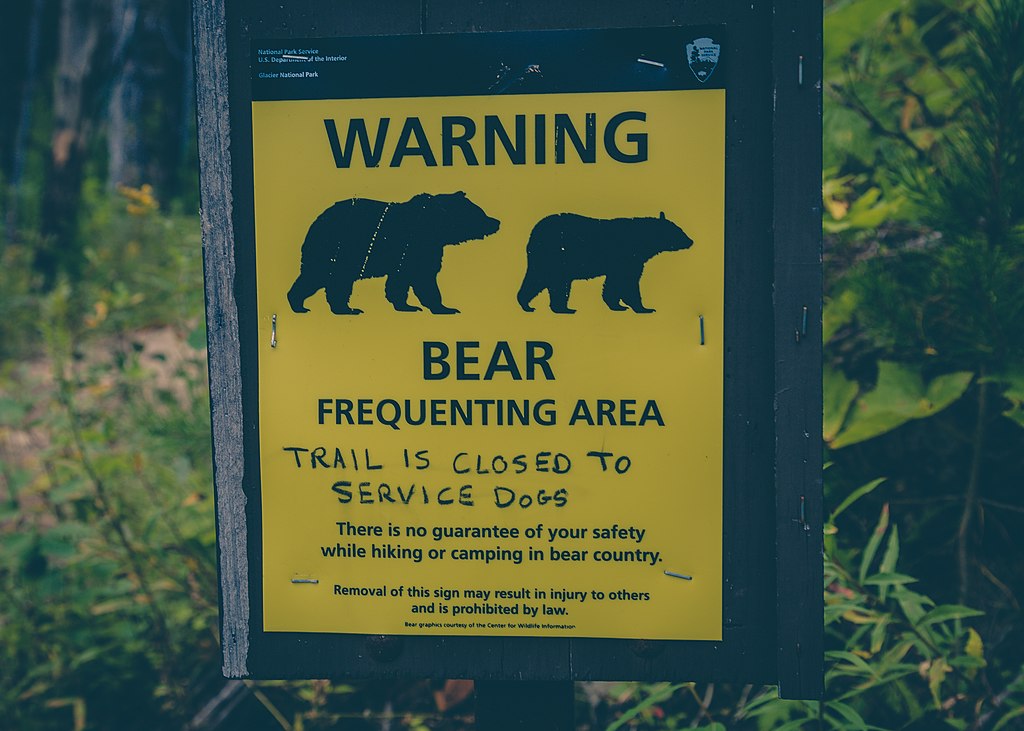
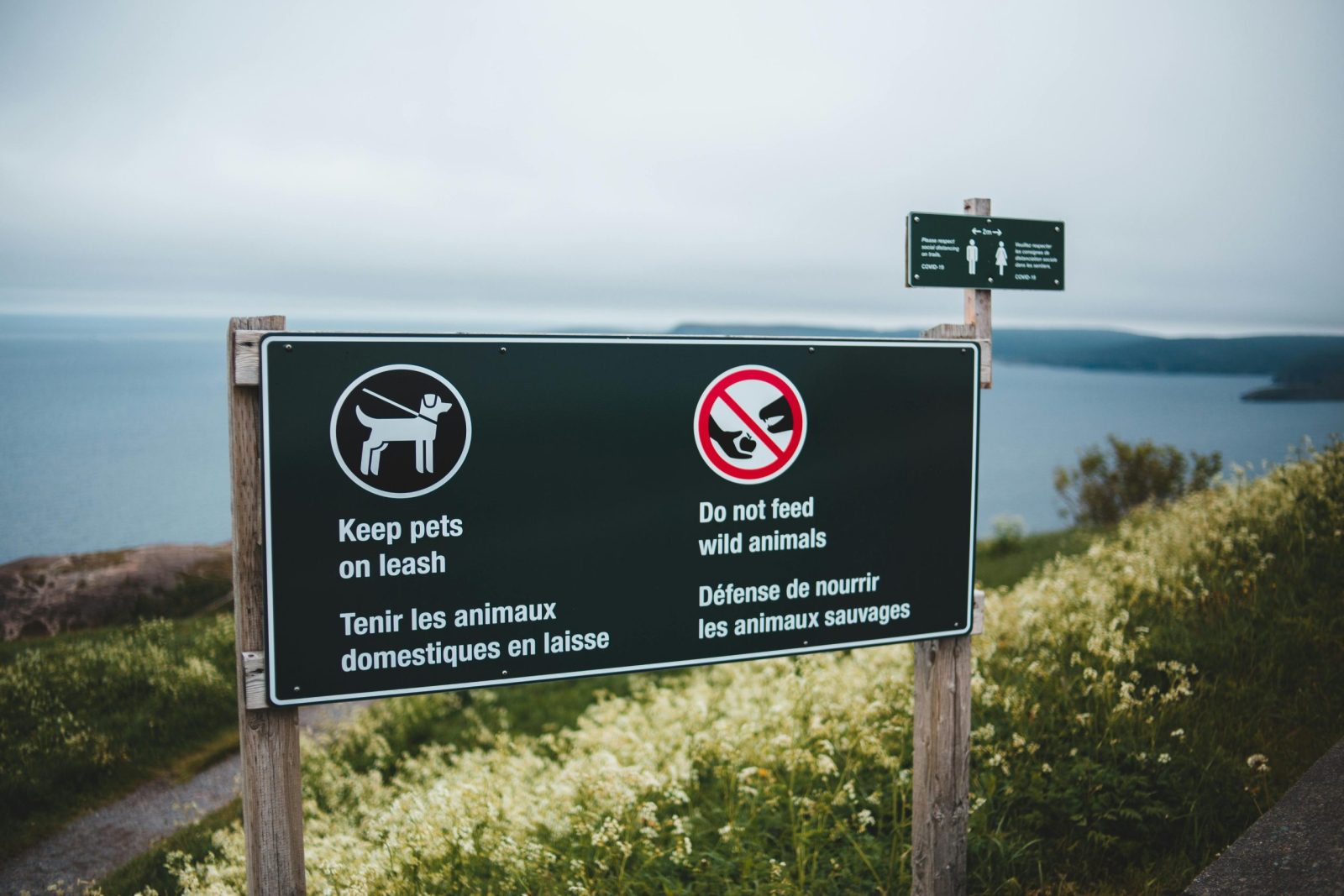
Many trails have posted alerts about recent wildlife sightings. Checking these signs before heading out helps you prepare and adjust your route if needed. Staying informed allows you to make smart choices about timing and terrain. Awareness turns possible encounters into manageable moments of caution instead of surprise.
Secure Pets Properly
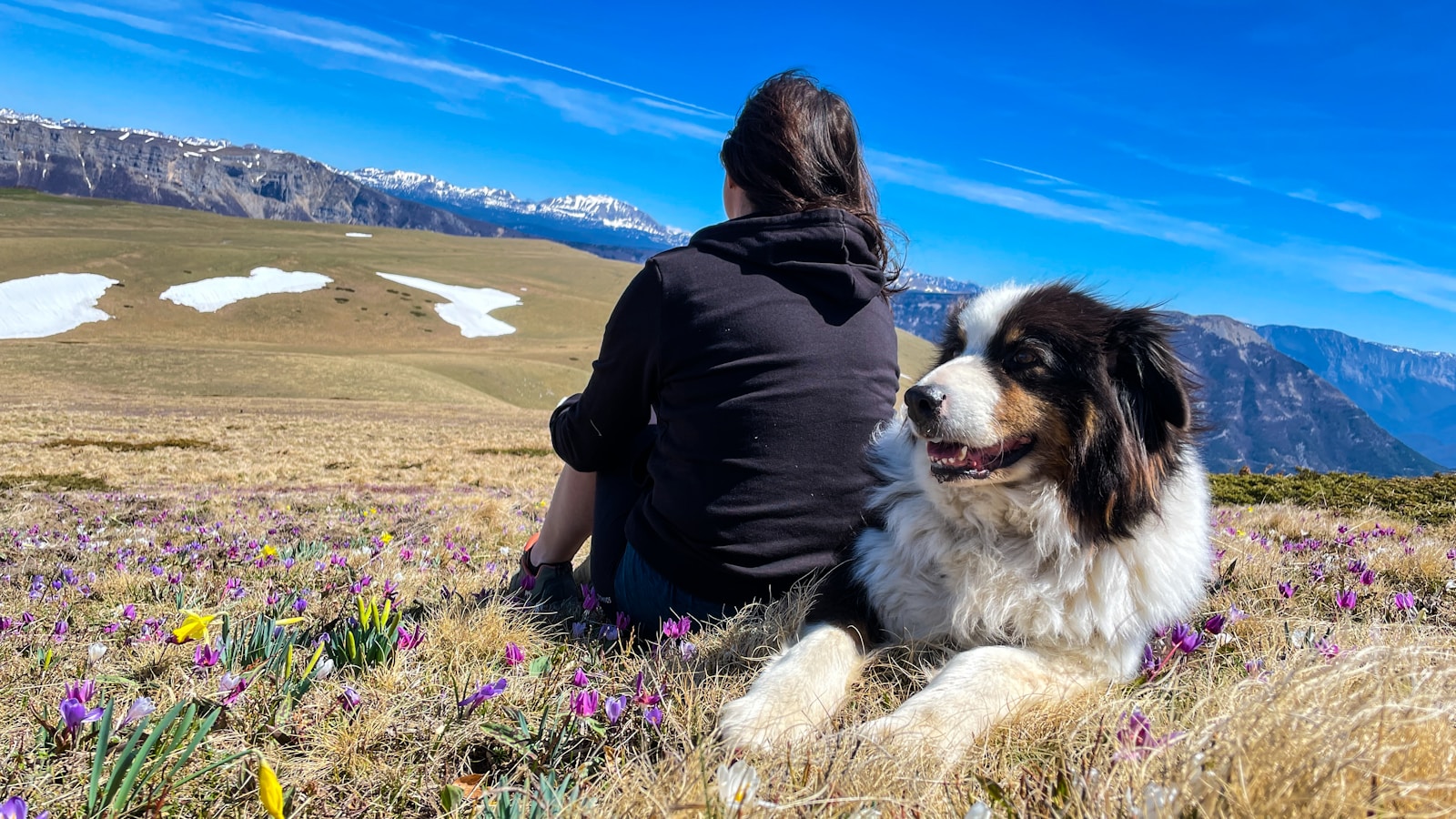
Unleashed dogs often chase or provoke wild animals, creating danger for everyone involved. Keeping pets on a leash ensures control and minimizes disturbance to the area’s natural inhabitants. Always clean up after them and avoid letting them wander. A well-managed pet helps keep your hike peaceful and wildlife undisturbed.
Avoid Hiking at Dusk or Dawn

Many animals are most active during early morning and evening hours. Choosing midday hikes reduces your chances of running into wildlife on the move. While cooler temperatures may seem appealing, lower visibility during these hours makes encounters harder to predict. Timing your hikes wisely keeps both you and the local fauna safe.
Carry Deterrents Responsibly

Carrying deterrents like bear spray or noise makers can offer peace of mind when hiking in wildlife-heavy areas. These tools are meant for emergencies and should always be handled carefully. Knowing how and when to use them keeps interactions controlled if an animal gets too close. Preparation helps you stay calm and confident outdoors.