Hunting has always evolved with technology, but the rise of social media brought changes that reached far beyond new gear or communication tools. Platforms built for instant sharing reshaped how hunting is viewed, practiced, and discussed, often in ways that quietly undermine its core values. What was once a personal, skill-based pursuit rooted in patience, restraint, and local knowledge is now frequently filtered through algorithms, viral trends, and public opinion shaped by short clips. Social media rewards speed, spectacle, and certainty, while hunting traditionally depends on humility, context, and long-term learning. These opposing forces have created pressure points that affect wildlife, public perception, ethics, and even hunter behavior in the field. The following sections explore ten specific ways social media has changed hunting for the worse, focusing on practical consequences rather than nostalgia or resistance to change. Each issue reflects patterns observed across the United States, where online exposure increasingly influences decisions that once stayed private, local, and grounded in experience.
1. Encouraging Trophy-First Thinking
Social media subtly pushes hunters toward valuing appearance over substance by rewarding the biggest antlers, longest beards, or most dramatic kill shots. Algorithms amplify extreme visuals, teaching new hunters that success is measured by size and shock value rather than clean execution or ethical decision-making. This focus erodes respect for average, legal animals that still provide food and meaningful experiences. Over time, hunters may pass ethical shots or pressure wildlife in unhealthy ways to chase a post-worthy outcome. The tradition of taking what the land offers gets replaced by comparison culture, where worth is measured against strangers online. This shift also feeds unrealistic expectations, especially among beginners, who may feel inadequate despite following regulations and hunting responsibly. The result is frustration, risky decisions, and a growing gap between ethical harvest and digital validation that was never part of hunting’s foundation.
2. Promoting Risky Behavior for Content
Social media rewards dramatic footage, which can encourage unsafe or unethical behavior in the field. Hunters may take longer shots, hunt in poor conditions, or ignore best practices to capture content that stands out. These choices increase the chance of wounded animals, accidents, or violations that harm both wildlife and public trust. Because negative outcomes are rarely posted, viewers see only success, not consequences. This creates a false sense that risky decisions are normal or acceptable. Younger hunters, in particular, may imitate what they see without the experience to judge risk accurately. Over time, safety culture weakens as performance replaces preparation. What once happened quietly between hunter, mentor, and environment is now shaped by an unseen audience that rewards boldness, not responsibility, shifting priorities away from caution and respect.
3. Turning Hunting Into a Public Spectacle
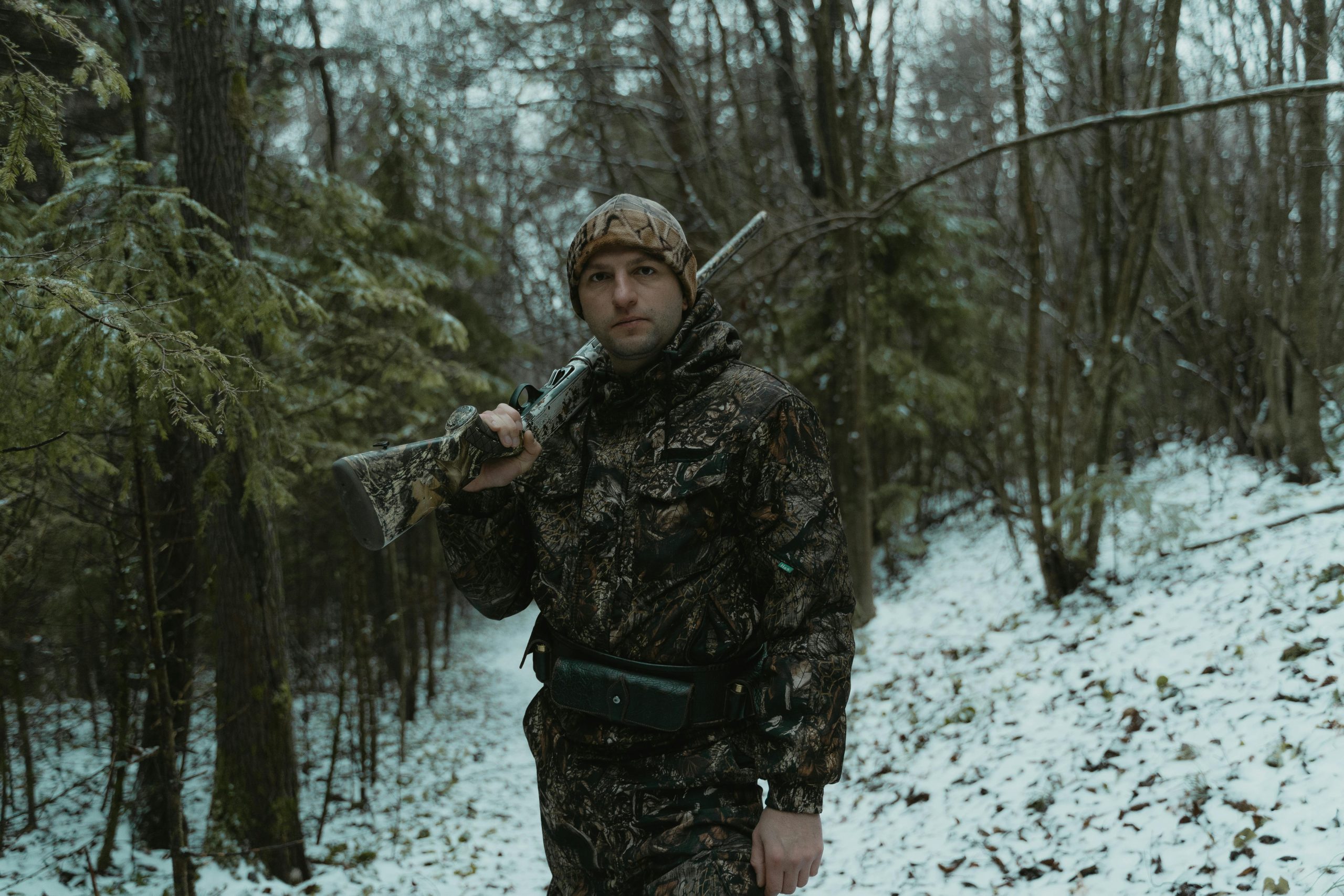
Hunting was traditionally private, shared with family or close community, but social media turns it into public entertainment. Graphic images, dramatic captions, and celebratory poses are consumed by audiences who may not understand hunting’s context. This fuels backlash, misunderstanding, and emotional reactions that affect regulations and access. Even ethical hunts can appear insensitive when stripped of explanation and shared widely. Hunters lose control over how their actions are interpreted once content spreads beyond intended circles. This exposure also pressures hunters to perform, changing behavior in the field. Instead of focusing on the experience, some think about angles, reactions, and timing for posts. The quiet, reflective nature of hunting is replaced by the anticipation of public response, which alters motivations and increases tension between hunters and the non-hunting public.
4. Spreading Oversimplified or Incorrect Advice
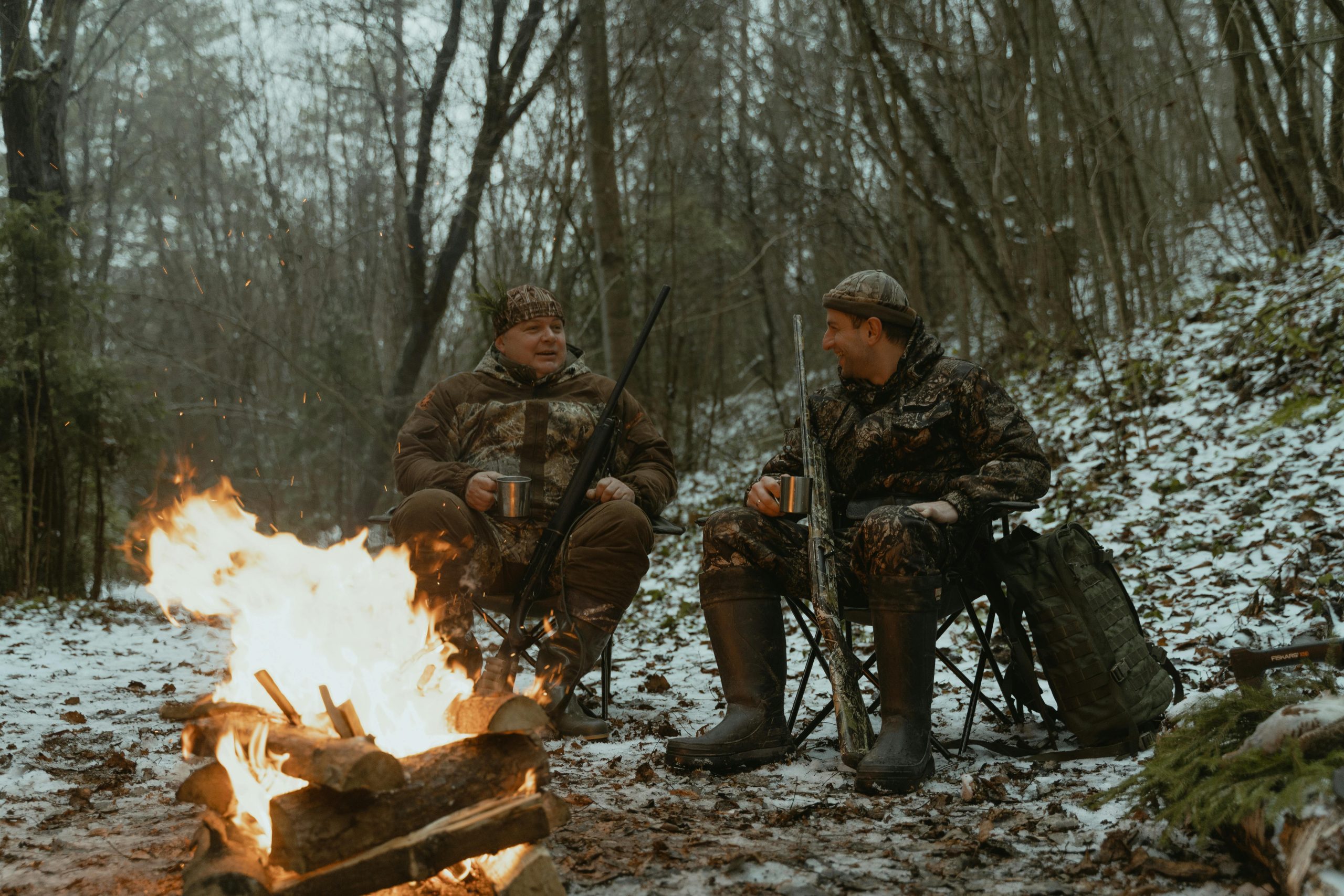
Social media platforms favor short, confident statements over nuanced instruction, making them poor environments for teaching hunting skills. Complex topics like shot placement, animal behavior, and land ethics are reduced to quick tips that lack context. Misinformation spreads easily because popular creators are not always qualified educators. New hunters may trust viral advice over local regulations or experienced mentors, leading to mistakes that harm animals or break laws. Corrections rarely travel as far as the original claim. This creates confusion and overconfidence, especially among those without strong offline guidance. Hunting knowledge traditionally passed through slow learning and correction now circulates unchecked, weakening skill development and increasing the likelihood of poor decisions rooted in incomplete understanding rather than deliberate practice.
5. Increasing Pressure on Public Land
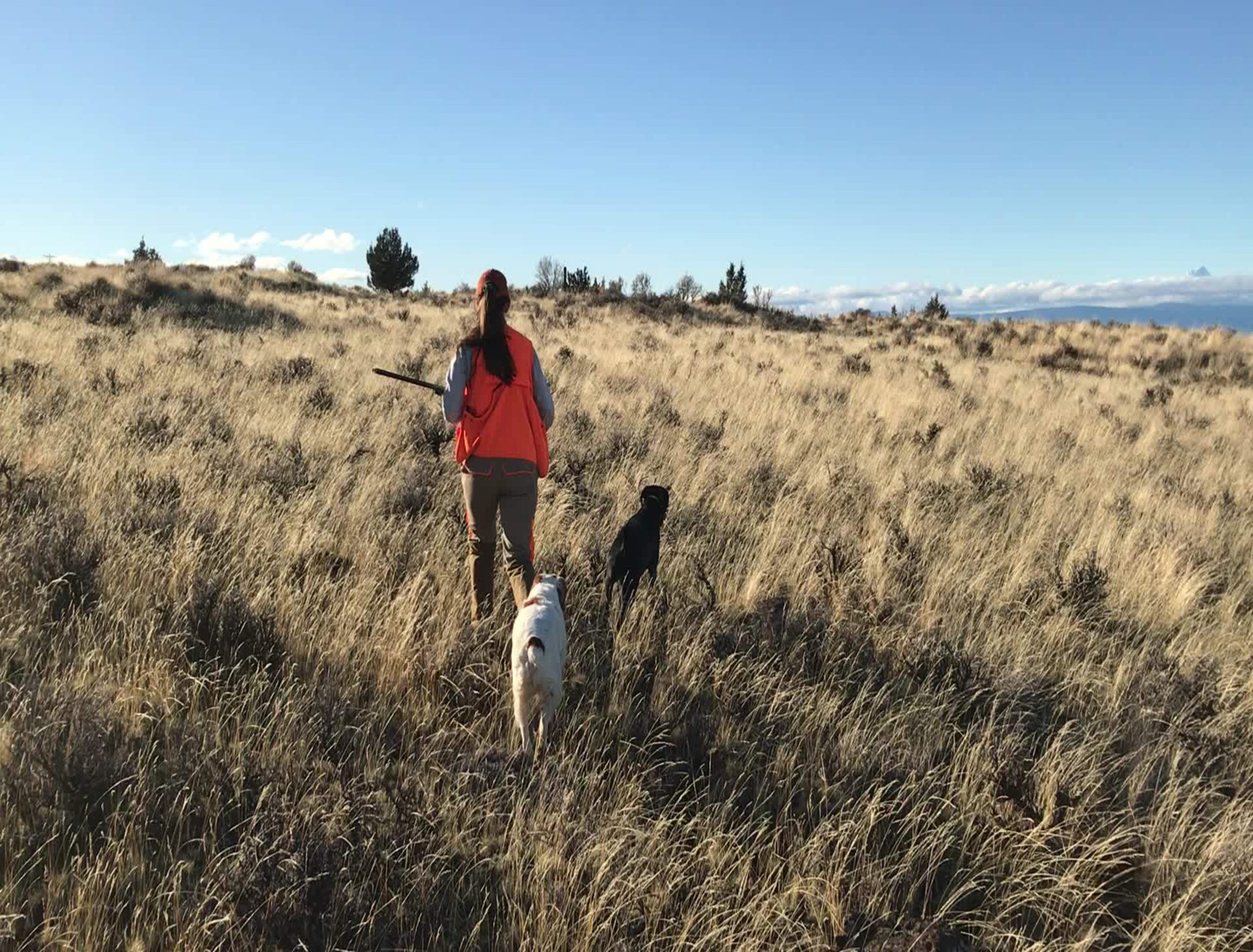
Location tagging, recognizable landmarks, and detailed trip breakdowns can unintentionally expose productive hunting areas. Once shared, these places may see sudden increases in pressure, changing animal behavior, and reducing opportunity for everyone. Public land becomes crowded not through population growth, but through concentrated attention driven by viral content. This discourages ethical sharing and creates resentment among hunters. Wildlife suffers from repeated disturbance, while newcomers face frustration when expectations shaped online meet reality. The sense of discovery and personal effort fades as areas are treated like content backdrops rather than living ecosystems. What was once earned through scouting and patience becomes temporarily popular, then degraded, showing how digital visibility can damage physical spaces without malicious intent.
6. Replacing Mentorship With Metrics
Traditional hunting relied on mentorship, where skills, ethics, and judgment developed through shared time and correction. Social media replaces this with likes, views, and follower counts as measures of credibility. A large audience can appear more trustworthy than decades of experience. This shift weakens learning because metrics reward engagement, not accuracy or responsibility. New hunters may follow personalities instead of people who know their local conditions, seasons, and laws. Without real feedback, mistakes go uncorrected. The loss of mentorship also affects culture, reducing patience and humility. Hunting becomes something to consume rather than participate in deeply. When digital approval replaces earned respect, learning becomes shallow, and the values that once sustained ethical hunting slowly erode.
7. Encouraging Commercialization Over Conservation
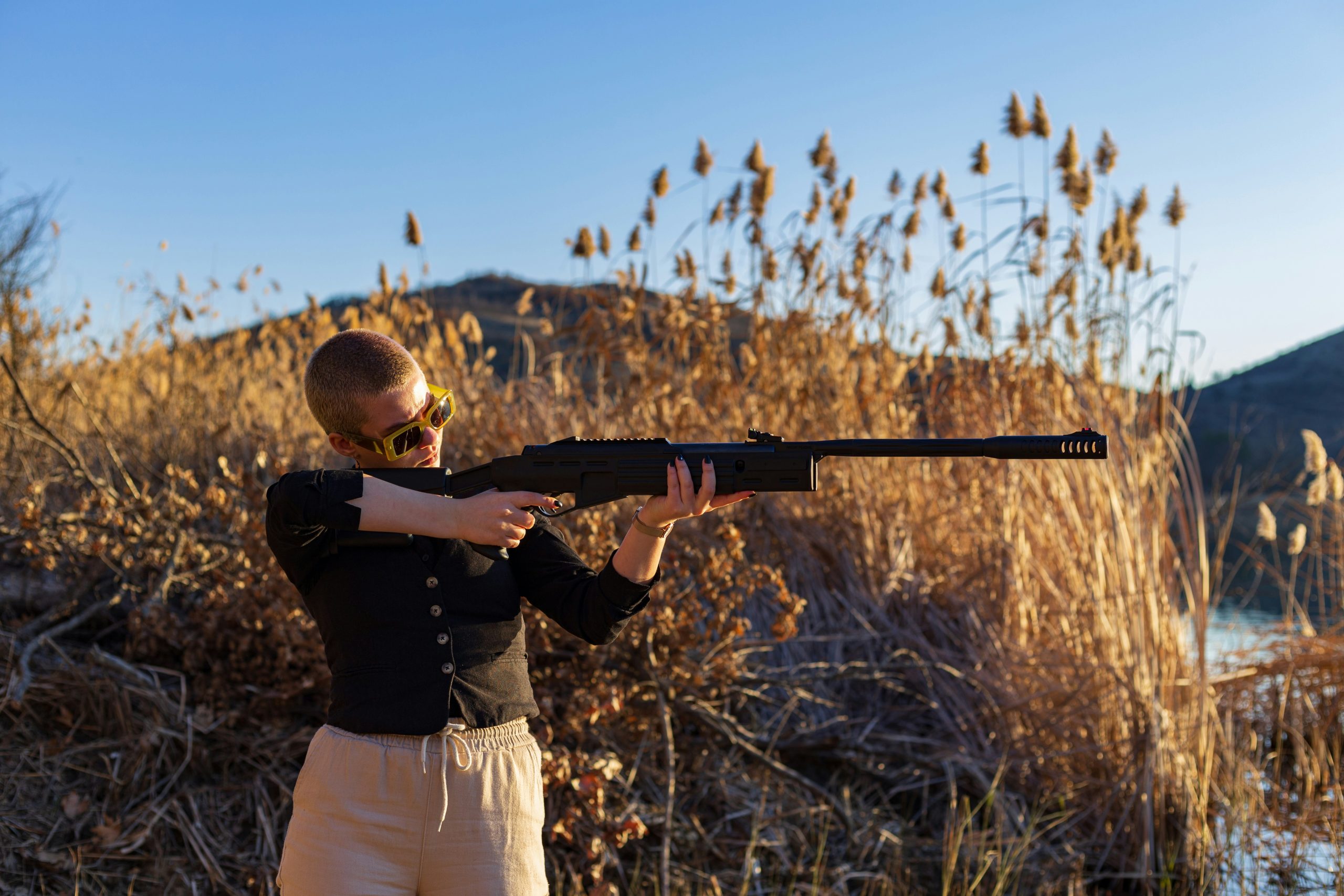
Social media blurs the line between hunting and marketing. Sponsored posts and affiliate links can prioritize product promotion over honest discussion of effectiveness or necessity. This creates pressure to buy more gear rather than develop skill. Conservation messages may be overshadowed by sales-driven content that frames hunting as consumption rather than stewardship. Viewers may associate success with equipment instead of preparation and restraint. This mindset undermines the conservation model that relies on hunters valuing wildlife beyond personal gain. When content centers on brand visibility, the deeper reasons for hunting fade. Over time, the pursuit risks being seen as another lifestyle market, weakening its moral foundation and public support.
8. Creating Unrealistic Expectations for Success
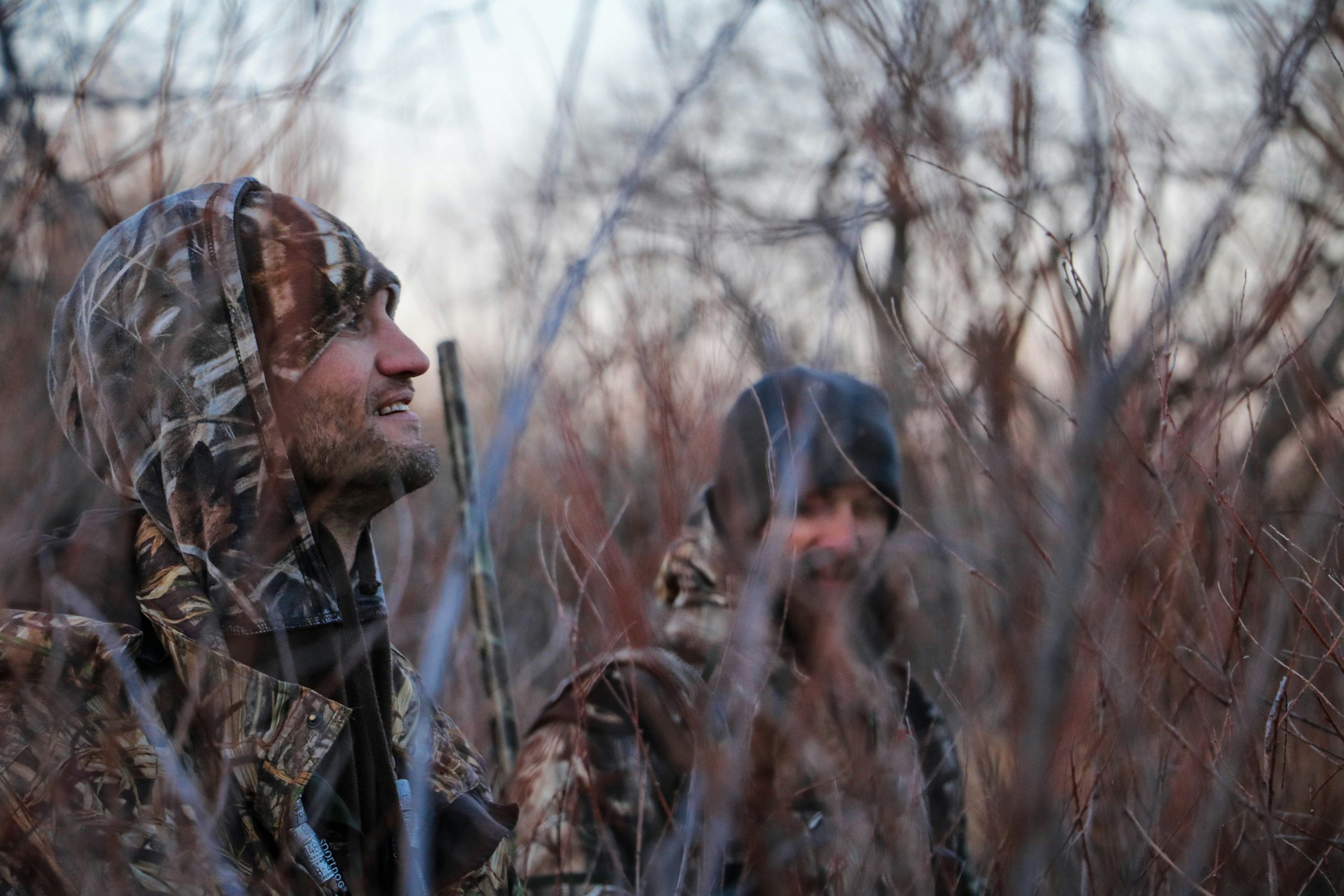
Social media shows highlights, not seasons of failure. Viewers see quick kills, perfect weather, and constant success, rarely the long waits or empty tags. This skews expectations, making real hunting feel disappointing or unfair. New hunters may quit early, believing they lack talent, when the reality is normal learning curves. Others may push harder, taking marginal opportunities to avoid another empty season. This impatience affects animal welfare and personal satisfaction. Hunting’s value lies in the effort and time spent outdoors, but social media compresses that story into moments. When reality fails to match the feed, frustration grows, and appreciation for the process declines.
9. Amplifying Conflict Within the Hunting Community
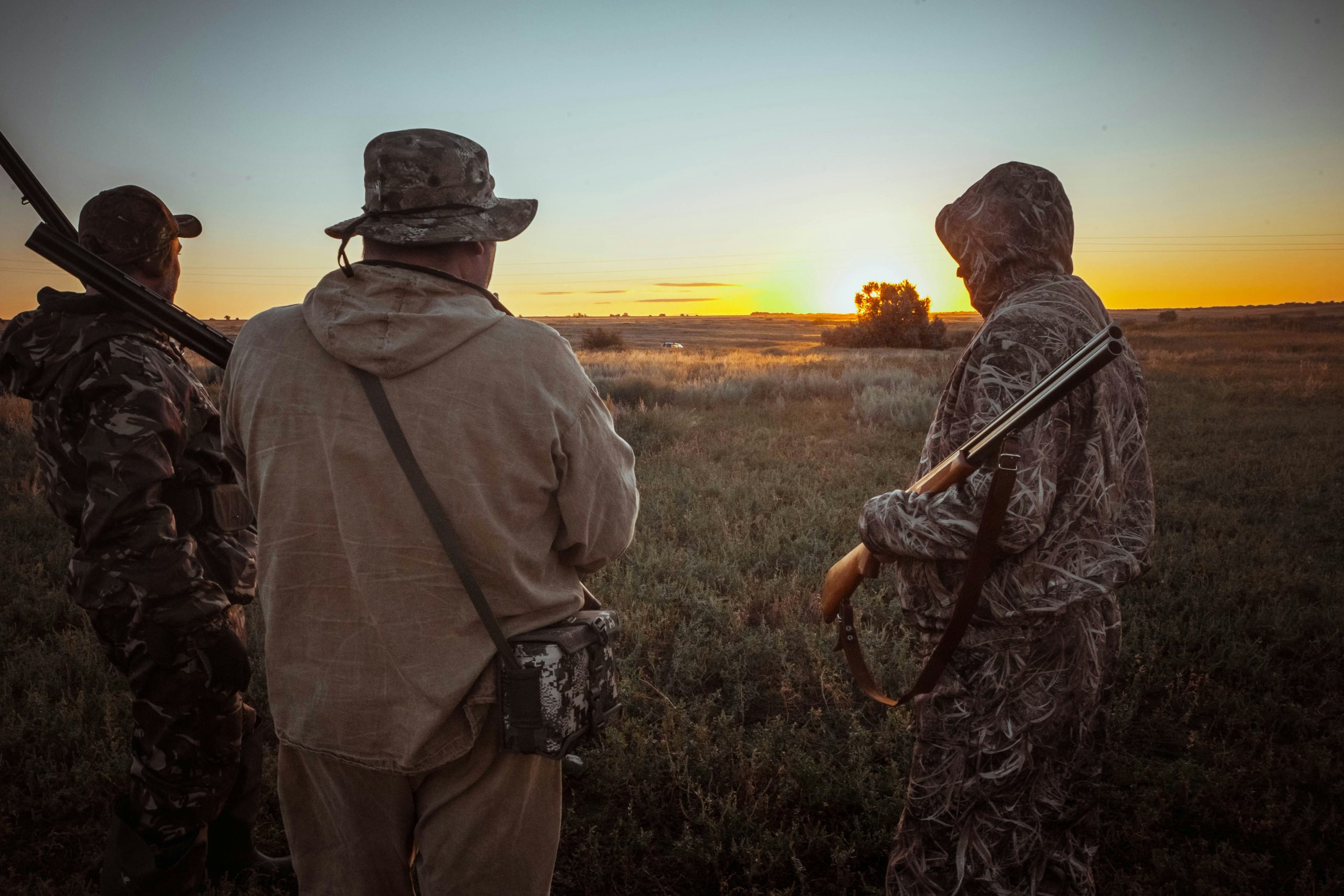
Social media intensifies disagreements by rewarding strong opinions and public confrontation. Debates about methods, weapons, or ethics become personal and performative. Nuance is lost as creators defend positions for their audience rather than understanding others. This division weakens unity at a time when hunting faces external pressure. Instead of private discussion and mutual respect, disagreements become content. Hunters may feel judged by peers rather than supported. This environment discourages honest questions and learning, pushing people into defensive camps. The community becomes fragmented, making it harder to advocate for shared interests like access, conservation funding, and public understanding.
10. Shifting Focus Away From the Experience
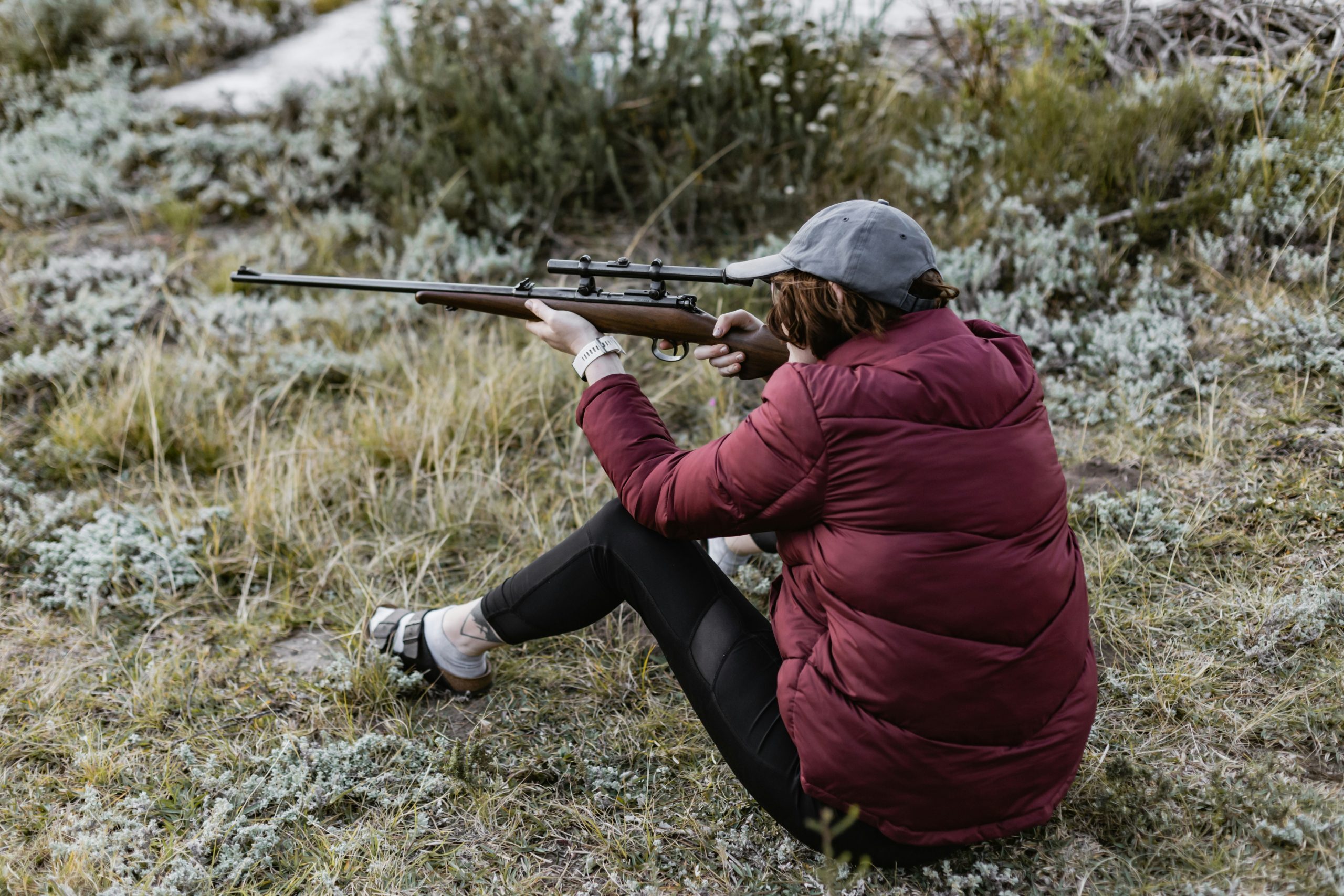
Perhaps the most damaging change is how social media shifts attention away from the hunt itself. When moments are framed as content opportunities, presence is lost. Hunters may think about posting instead of observing, listening, and adapting. The quiet satisfaction of time outdoors is replaced by the need to document proof. This alters memory, making experiences feel incomplete without external validation. Over time, hunting risks becoming performative rather than personal. The deeper benefits, patience, connection to nature, and self-reliance, are harder to cultivate when attention is divided. What remains is a thinner version of hunting, shaped by screens rather than seasons.