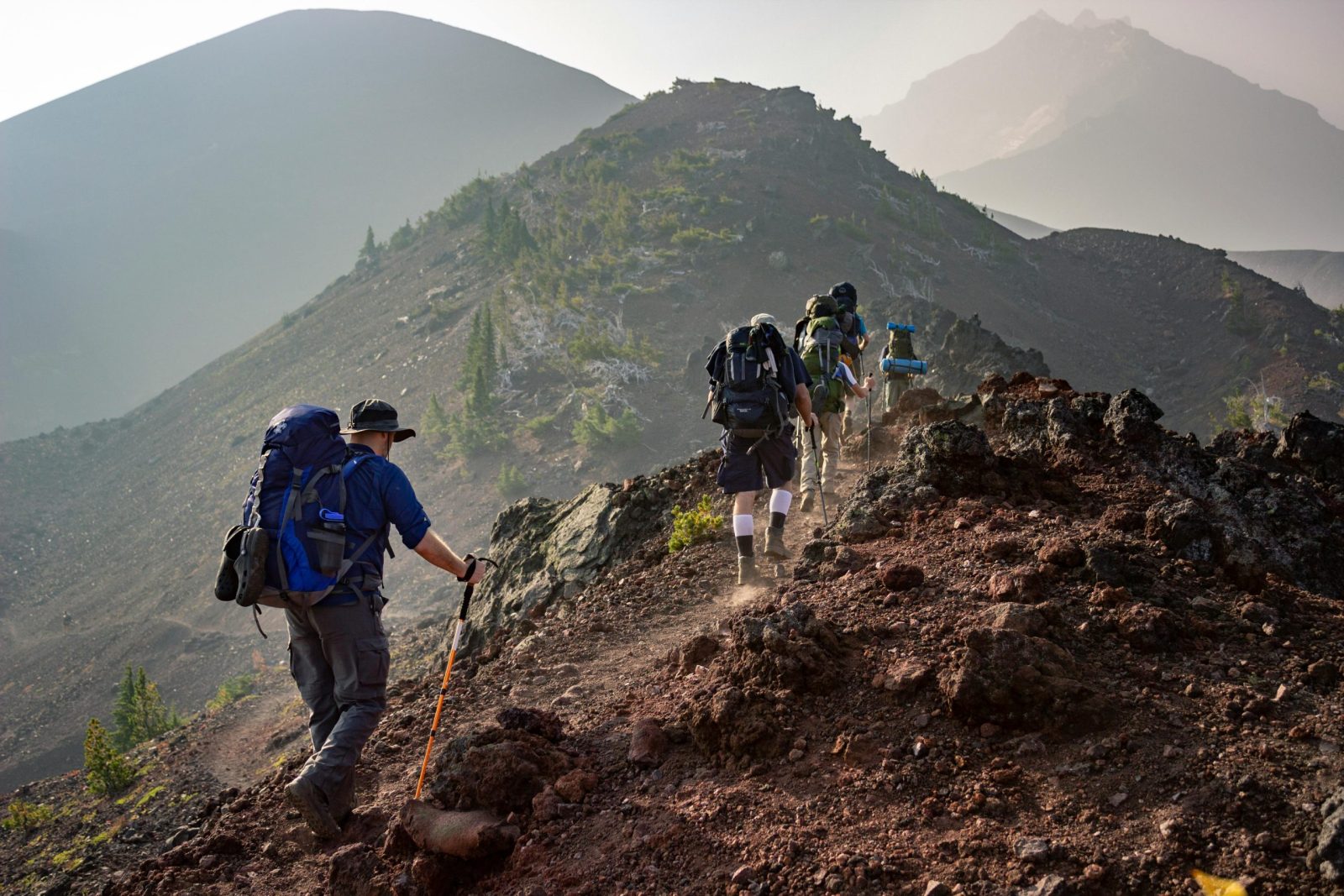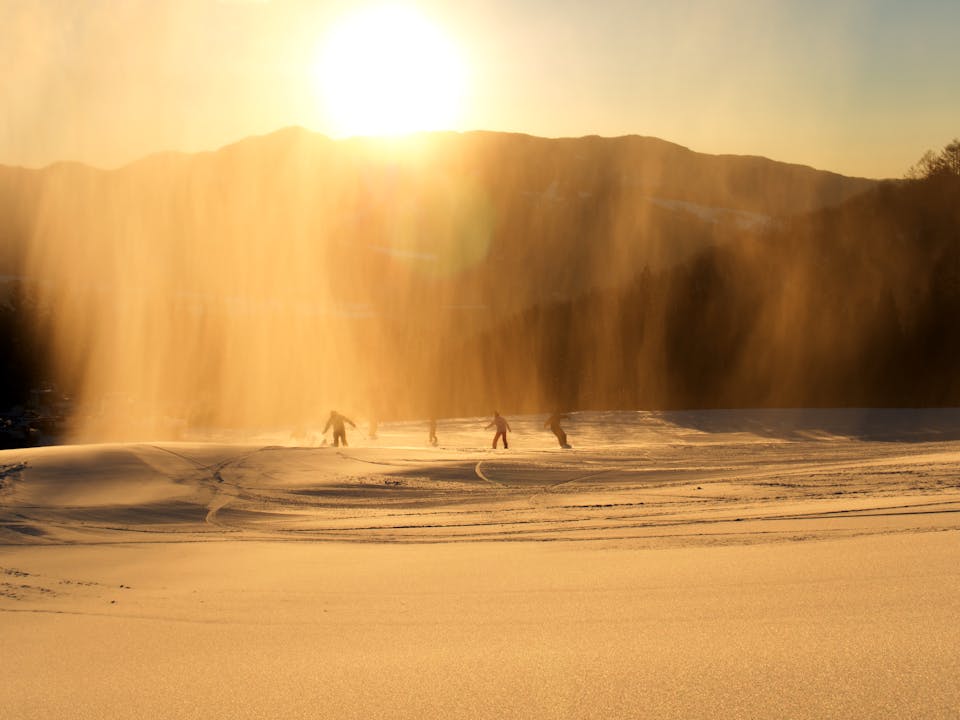
Fog often settles over the Blue Ridge in soft layers that shift across the landscape and create a quieter, more reflective atmosphere. Trails that normally feel open and predictable become places where distances blur and familiar shapes fade into pale light. This gentle transformation invites a slower pace and encourages awareness of how easily perception changes when mist moves through the mountains and reshapes even well-known surroundings.
Blurred Landmarks
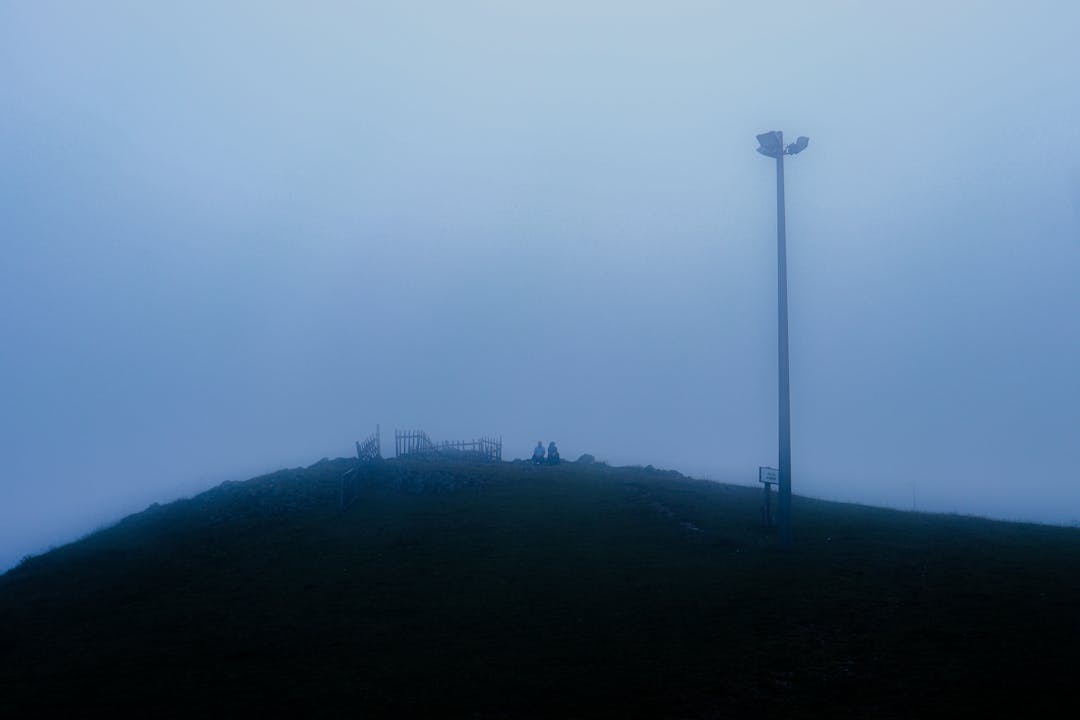
Fog softens ridgelines and tree outlines, turning familiar reference points into faint silhouettes that disappear without warning. Clear markers along the trail can fade into a uniform gray backdrop, making the route feel slightly unfamiliar even to those who know it well. This loss of definition encourages slower steps and a careful assessment of nearby terrain, as the mind works to interpret shapes that shift in and out of view.
Distorted Distances

Fog frequently alters depth perception, causing distant shapes to appear closer while nearby objects seem to drift farther away. This distortion emerges as light scatters through the mist and reduces contrast, creating a softer, more ambiguous environment. The result is a sense of moving through space that changes from moment to moment, giving the trail an almost dreamlike quality as distance becomes harder to judge accurately.
Muted Colors

The Blue Ridge typically displays rich greens, browns, and blues that help define the surrounding landscape, but fog often washes those tones into muted grays. This reduction in color makes it more challenging to follow subtle terrain changes or spot trail details that usually stand out clearly. With color cues fading, attention shifts toward sound, texture, and movement, creating a different way of interpreting the environment.
Shifting Sound
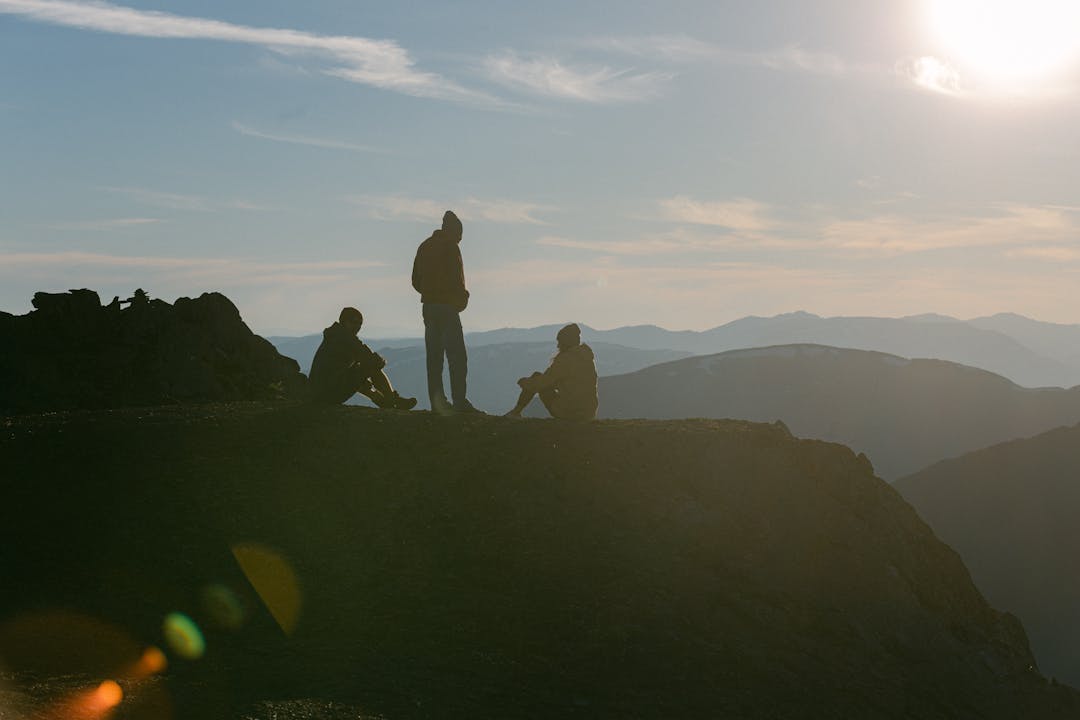
Fog affects how sound travels, causing even familiar noises to carry in unusual ways. Bird calls, rushing water, or breaking twigs may seem sharper or more distant, making their origins harder to pinpoint. This altered soundscape becomes more noticeable as visibility drops, drawing focus toward the acoustic patterns of the forest. The effect contributes to a sense of mystery as the trail unfolds through softened light.
Narrowed Focus
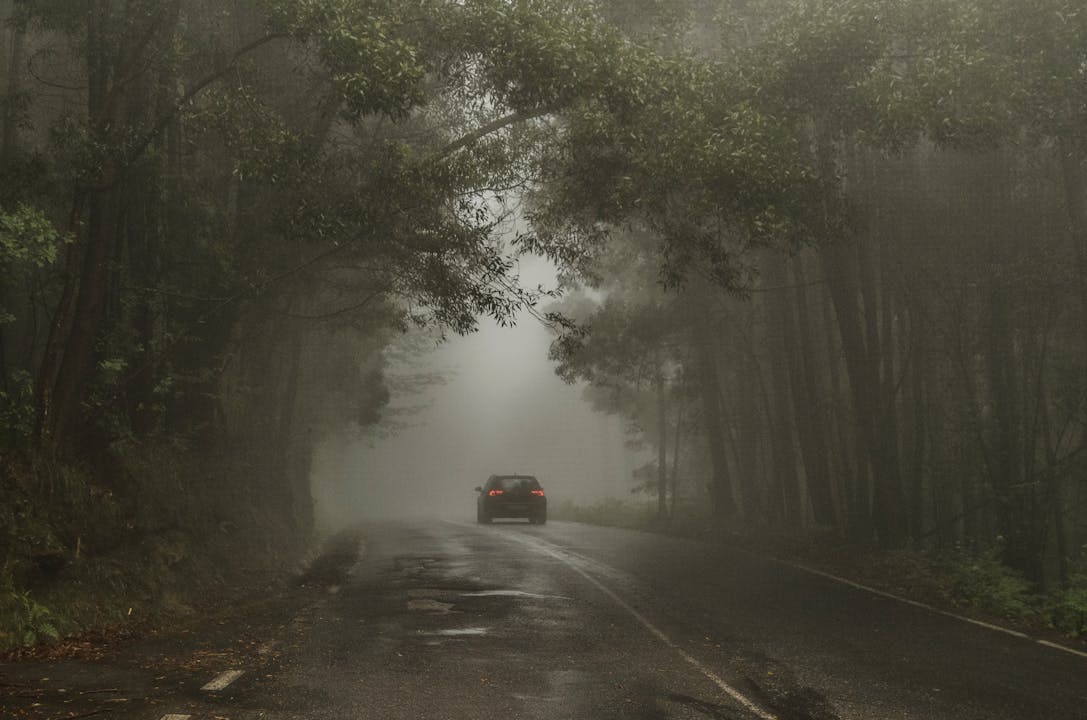
Thick fog limits visibility and narrows attention to the immediate space ahead. Instead of scanning the horizon or distant ridges, focus shifts to small details along the path, such as stones, branches, and subtle trail textures. This close-range view encourages steady, deliberate movement and brings a different level of awareness to each step. The surrounding landscape becomes intimate and enclosed, reshaping the hiking experience.
Altered Trail Memory
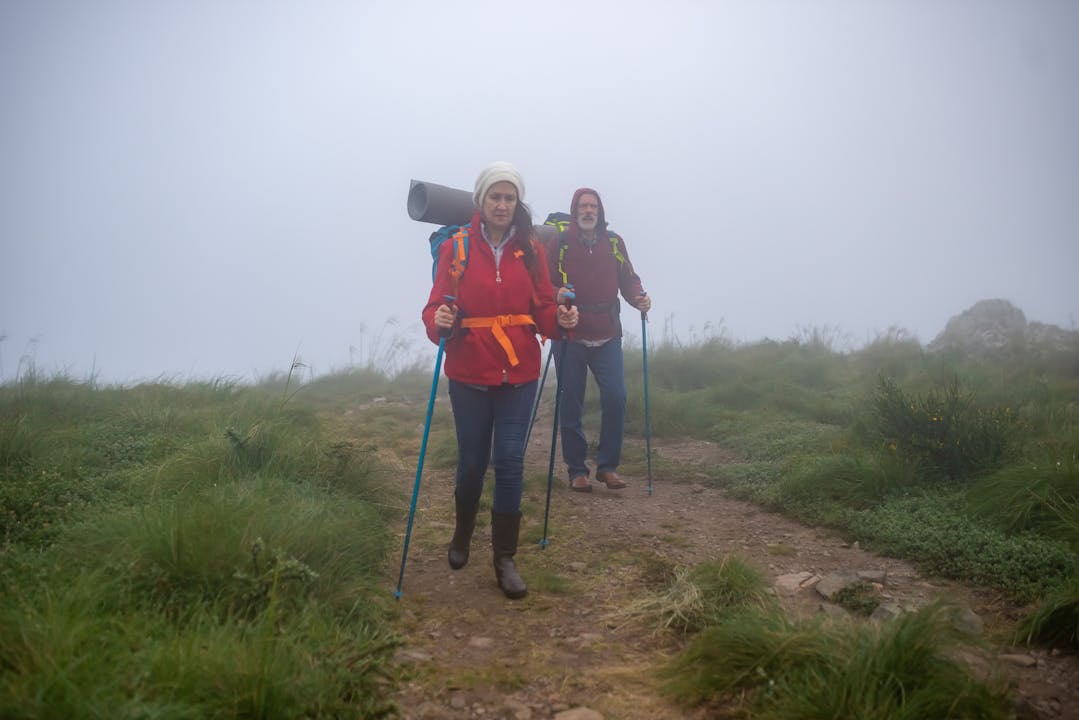
Sections of trail that normally feel predictable may appear unfamiliar in dense fog, causing even confident hikers to question distances or turns. Without the support of long sightlines, memory relies on smaller cues that can be easily obscured by shifting mist. This effect creates a blend of comfort and uncertainty, reminding travelers how quickly the mountains can change under different weather conditions.
Reduced Depth Perception

Depth perception often weakens in fog as foreground and background blend together under diffused light. Elevation changes can appear flatter than they are, while dips or inclines go unnoticed until they are reached. This blending creates a smoother but less defined landscape that encourages thoughtful pacing. The experience brings a gentle sense of floating through softened contours.
Hidden Trail Markers

Dense fog hides many visual markers, from painted blazes to carved signs that normally stand out against tree trunks or stone. These important cues can blend completely into the pale surroundings, requiring more careful observation to stay on track. This challenge reinforces the importance of slow, intentional movement and highlights how much navigation relies on clear visibility in forested terrain.
Changing Light

Fog changes how sunlight interacts with the landscape, scattering brightness into a soft, even glow that removes shadows and depth. With fewer contrasts to follow, the trail takes on a more uniform appearance that calls for additional attention. The shifting light can make features appear and disappear quickly, adding to the sense of moving through a place that constantly reshapes itself with time and weather.
Slower Reactions
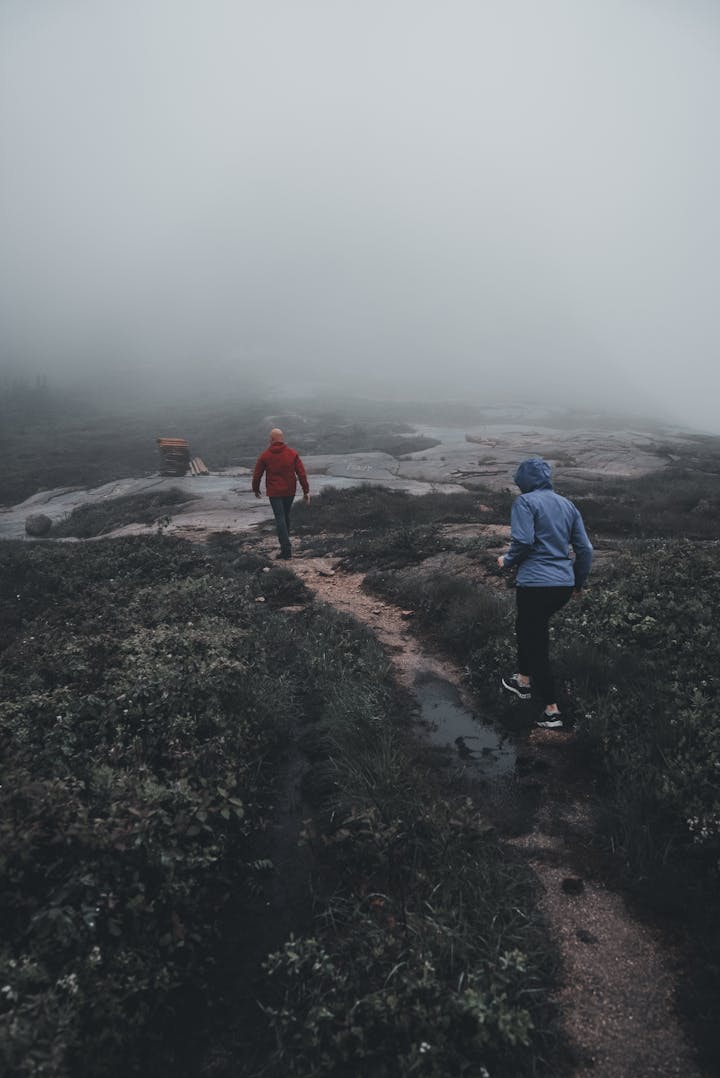
When visibility drops, reaction time naturally slows as the brain processes shapes and sounds more carefully. Each step becomes slightly more measured while adjusting to the uncertainty of what lies ahead. This patient rhythm encourages a deeper connection to the moment and reveals how fog influences instinct and pacing throughout the journey, offering a reminder of nature’s subtle power.