Waterproofing gear often feels like a simple protective step, yet many outdoor enthusiasts unknowingly damage their equipment through well-intentioned but flawed practices. Modern jackets, boots, packs, and tents rely on carefully engineered materials that require specific care to function properly. When waterproofing goes wrong, the result is not just reduced performance but permanent degradation that shortens gear lifespan. Mistakes often happen during cleaning, storage, or product application, especially when marketing claims oversimplify the process. Over time, clogged membranes, weakened seams, and compromised coatings lead to leaks that cannot be reversed. Understanding how waterproof materials actually work helps explain why certain habits cause harm instead of protection. By recognizing the most common waterproofing errors, outdoor users can preserve breathability, structural integrity, and weather resistance, ensuring gear remains reliable across seasons rather than failing when it matters most.
Using Regular Detergent on Waterproof Fabrics
Using regular household detergent on waterproof clothing is one of the fastest ways to destroy its performance. Standard detergents contain surfactants, fragrances, and softeners that leave residues behind in fabric fibers. These residues clog breathable membranes, preventing moisture vapor from escaping while allowing water to seep inward. Over time, the fabric begins to feel clammy and loses its ability to regulate temperature. Detergent buildup also interferes with durable water repellent coatings, causing water to soak into the outer layer instead of beading off. Even repeated rinsing often fails to remove all residues. Waterproof garments require specialized cleaners designed to preserve the membrane structure. Ignoring this distinction gradually degrades performance, leaving gear heavier, less breathable, and far more prone to leaks during sustained exposure.
Overheating Gear in Dryers
Exposing waterproof gear to excessive dryer heat can permanently damage its protective layers. High temperatures weaken seam tape adhesives, warp synthetic fibers, and compromise waterproof membranes. While some items benefit from low, controlled heat to reactivate water-repellent coatings, overheating causes irreversible harm. Gear may initially seem unaffected, but microscopic damage reduces long-term durability. Melted fibers reduce fabric strength, making tears more likely. Zippers and elastic components also degrade faster under heat stress. Manufacturer guidelines specify safe temperature ranges for a reason. Ignoring these limits often results in delamination, where layers separate and allow water intrusion. Once this occurs, repairs are rarely effective, leaving otherwise functional gear unusable in wet conditions.
Applying Waterproof Sprays Too Frequently
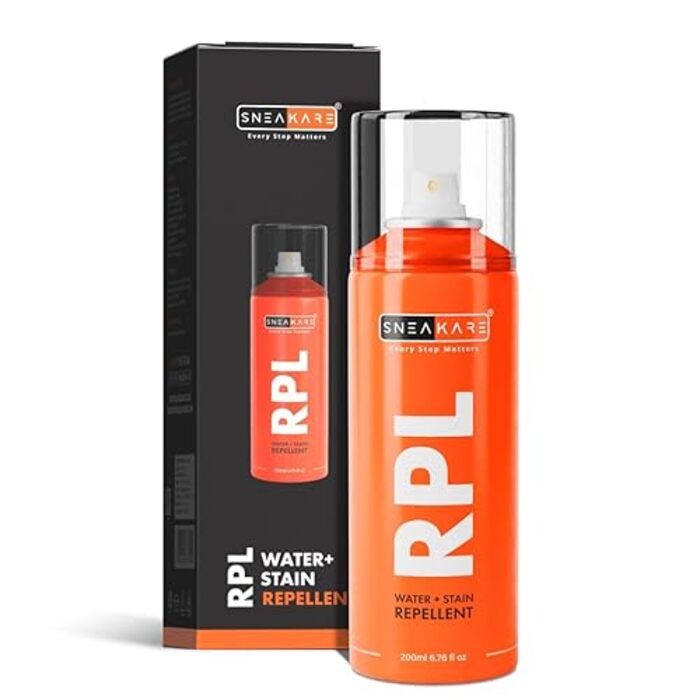
Applying waterproof sprays too often creates buildup that reduces gear effectiveness instead of improving it. Excess coating clogs fabric pores, restricting breathability and trapping internal moisture. This leads to condensation buildup inside garments, often mistaken for leaks. Overapplication also stiffens fabrics, reducing comfort and increasing abrasion damage. Many sprays contain solvents that weaken fibers when used excessively. Waterproof treatments should only be reapplied when existing coatings clearly fail, not as routine maintenance. Testing water beading before application prevents unnecessary product use. Over time, frequent spraying shortens gear lifespan by altering fabric flexibility and accelerating wear. Proper timing preserves both waterproofing performance and material integrity.
Ignoring Seam Tape Damage
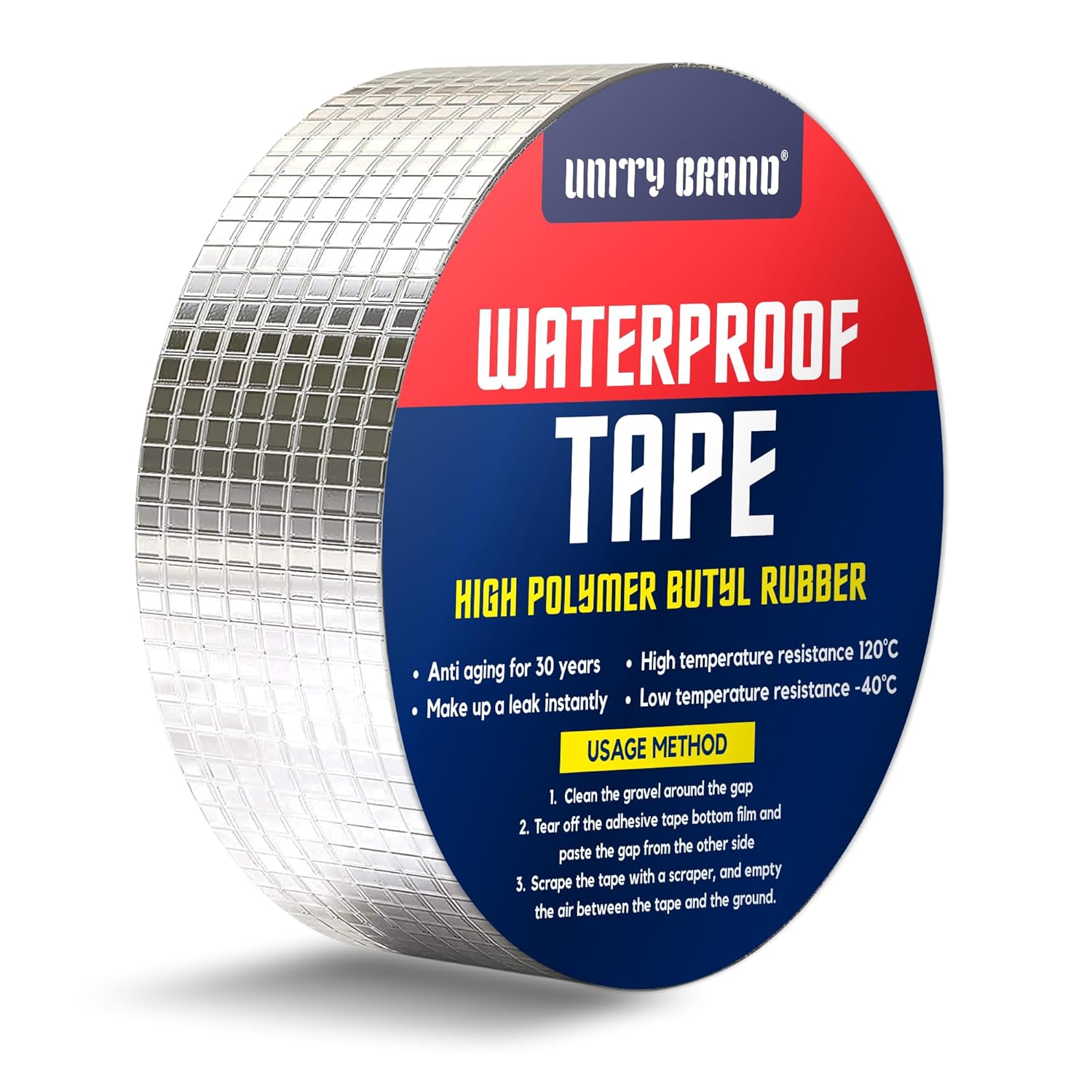
Ignoring damaged seam tape allows small failures to escalate into widespread leaks. Seam tape seals needle holes created during manufacturing, preventing water penetration. Over time, tape can peel, crack, or bubble due to age, heat exposure, or improper washing. When this occurs, water enters at stress points such as shoulders, knees, and pack contact areas. Many users focus only on fabric treatments while overlooking seams entirely. Once water reaches the interior layers, membranes degrade faster. Early repair using appropriate seam sealants prevents extensive damage. Leaving seam tape untreated leads to progressive failure that compromises the entire garment or shelter, even if the outer fabric still appears waterproof.
Storing Gear While Damp
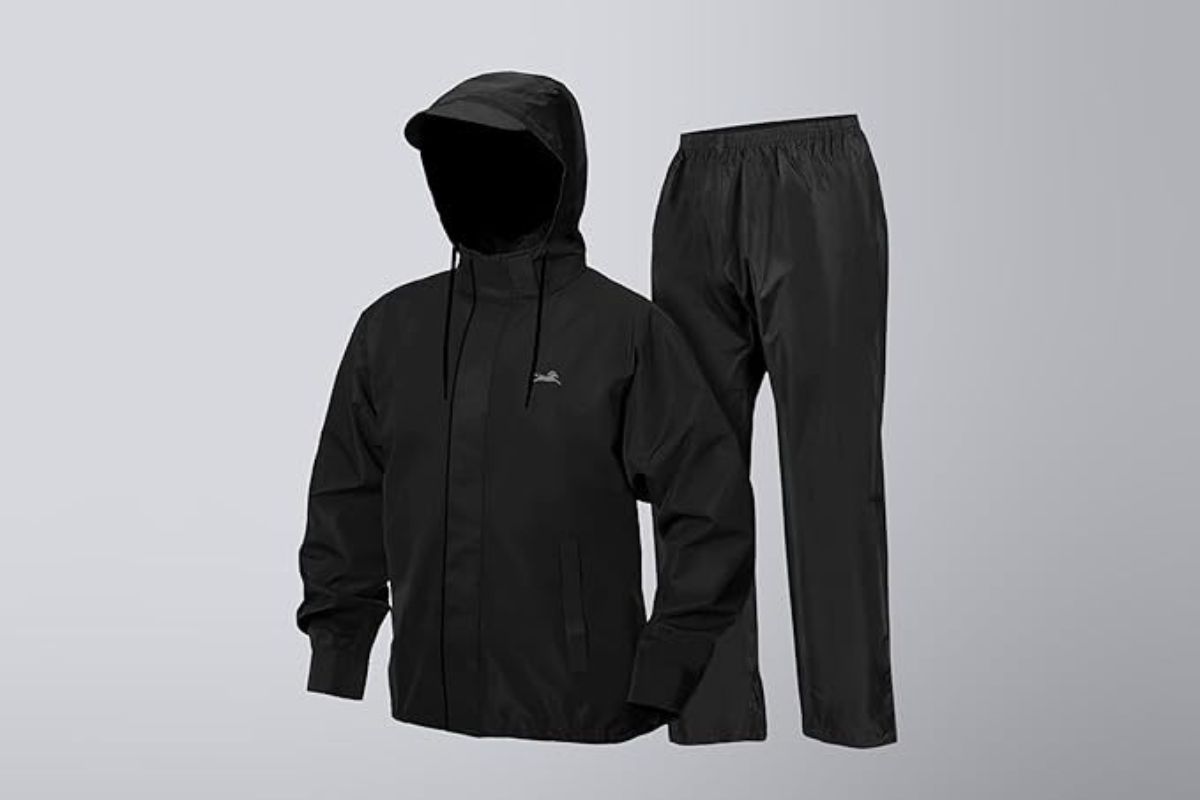
Storing waterproof gear while damp causes long-term damage that often goes unnoticed until failure occurs. Moist environments promote mold and mildew growth, which weaken fibers and degrade coatings. Prolonged moisture exposure breaks down seam adhesives and encourages odor buildup that becomes difficult to remove. Even breathable membranes suffer when stored wet, as trapped moisture accelerates material breakdown. Damp storage also attracts insects and rodents that damage fabric. Gear should always be fully dried before storage, including hidden layers and padding. Proper airflow during drying prevents internal moisture retention. Consistently storing gear dry preserves structural integrity and prevents premature waterproofing failure.
Scrubbing Fabrics Too Aggressively
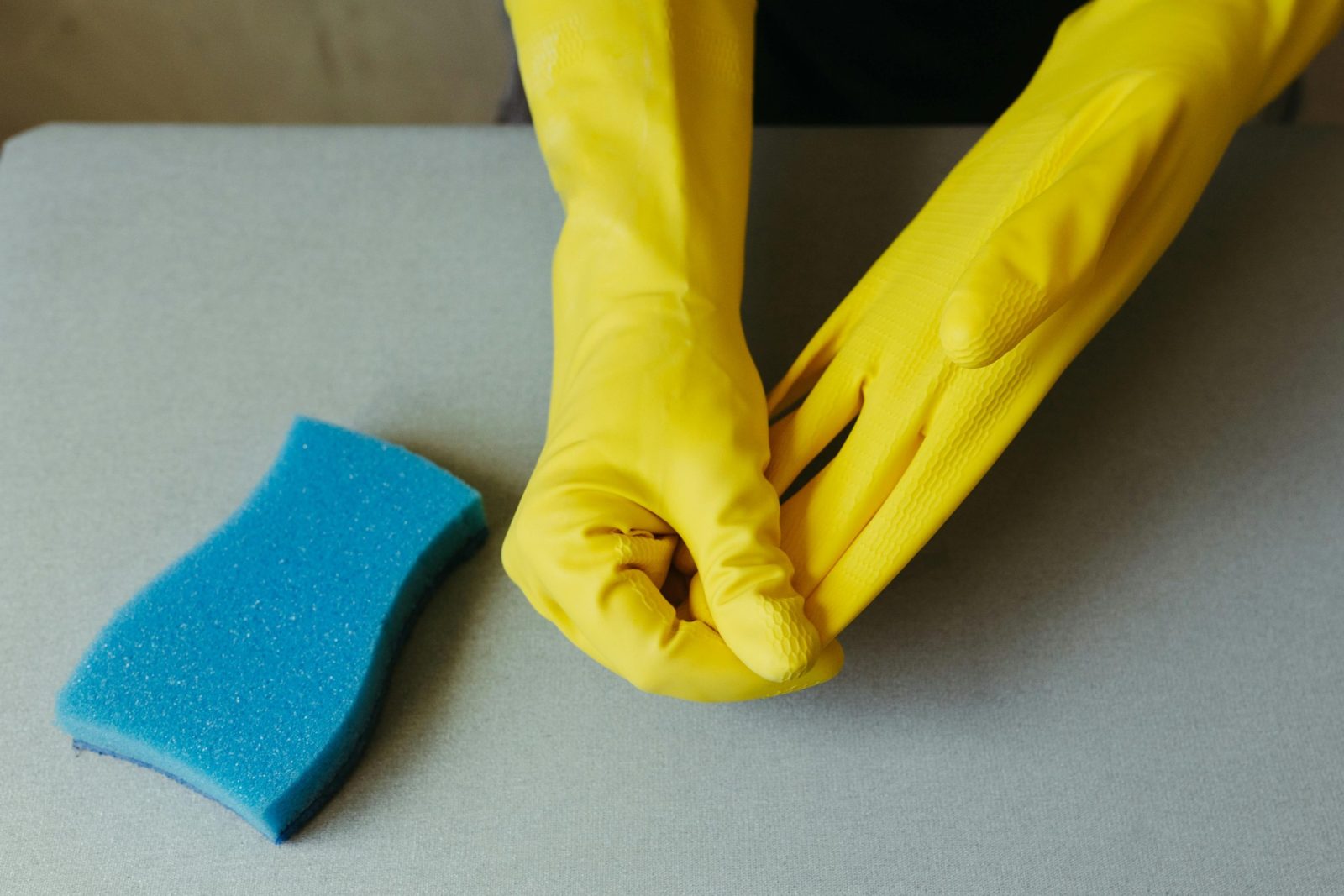
Aggressive scrubbing during cleaning damages waterproof fabrics by abrading protective coatings and fibers. Hard brushes and excessive friction wear away durable water repellent layers, leaving fabric vulnerable to saturation. Membranes beneath the surface also suffer micro-tears that reduce effectiveness. Many stains do not require forceful removal and respond better to soaking or gentle agitation. Scrubbing seams and high-wear areas accelerates delamination. Over time, repeated abrasion weakens the fabric’s ability to repel water even after re-treatment. Gentle cleaning methods preserve both appearance and performance. Treating waterproof gear delicately during washing significantly extends its functional lifespan.
Using Incorrect Waterproofing Products
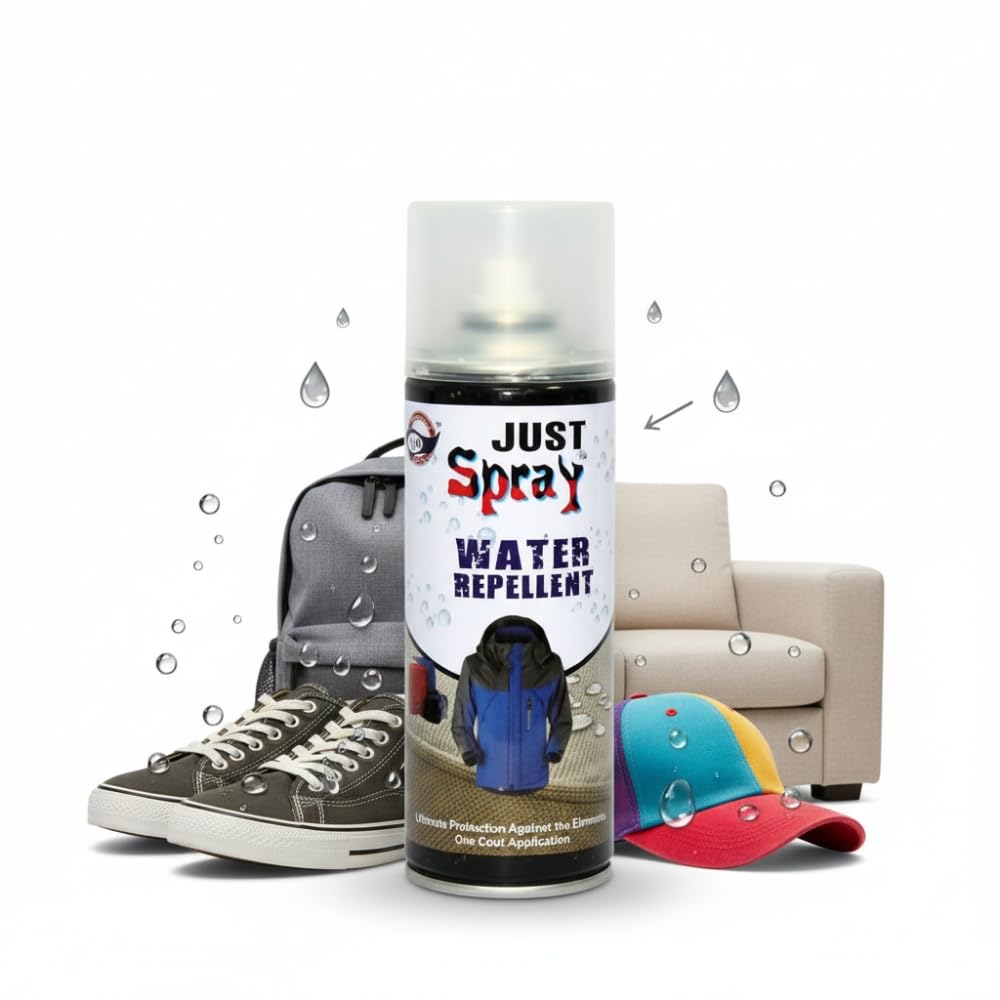
Using the wrong waterproofing product often causes compatibility issues that undermine gear performance. Products designed for leather, canvas, or rubber may clog breathable fabrics or prevent moisture vapor transfer. Some treatments create surface films that trap heat and sweat, making gear uncomfortable. Others contain oils or waxes that permanently alter fabric structure. Waterproofing solutions must match the specific material and membrane type. Ignoring these distinctions leads to reduced breathability, discoloration, and uneven coverage. Once incompatible products penetrate fibers, removal is difficult or impossible. Selecting manufacturer-approved treatments ensures coatings enhance protection rather than compromise it.
Skipping Rinsing Cycles
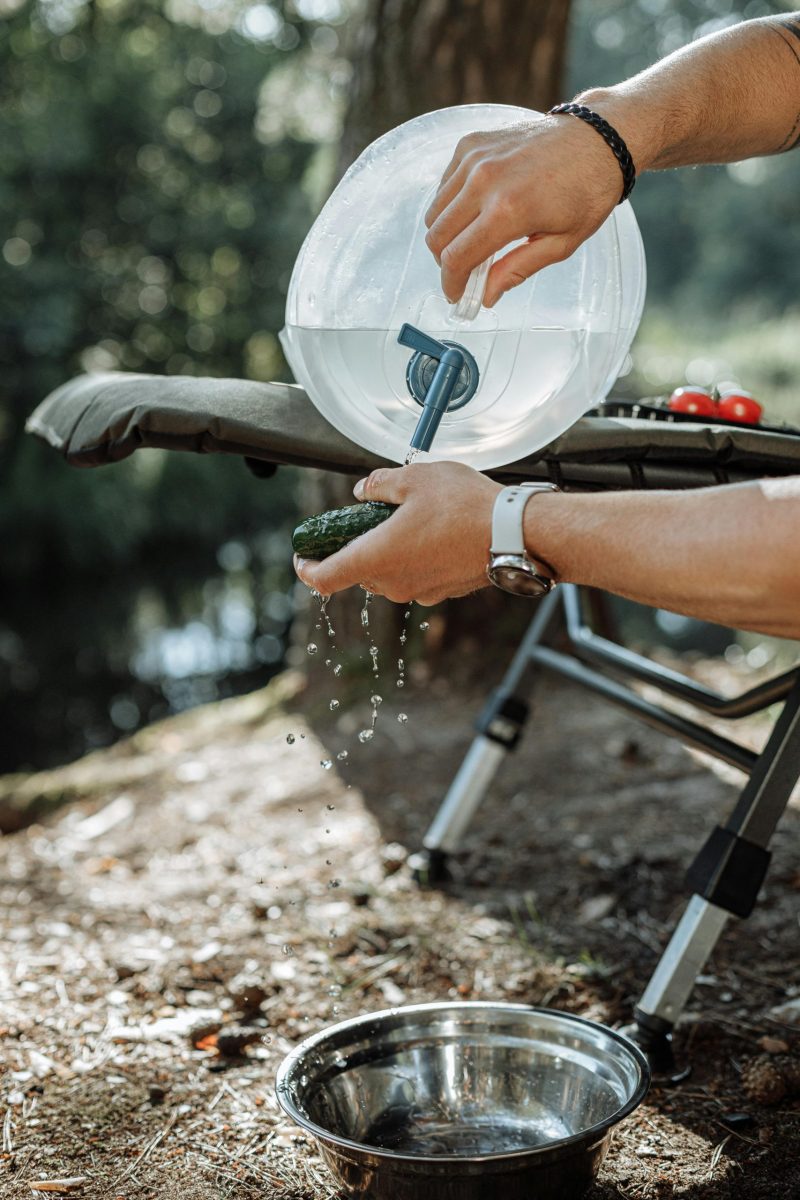
Skipping thorough rinsing after cleaning leaves residues that degrade waterproof performance over time. Soap, cleaner, and mineral deposits clog membrane pores, preventing proper moisture transfer. Residual chemicals attract dirt, increasing abrasion and fabric wear. Even specialized cleaners require complete rinsing to function correctly. Inadequate rinsing also interferes with reapplication of water-repellent treatments, causing uneven bonding. Over time, residue buildup leads to internal dampness and reduced insulation effectiveness. Multiple rinse cycles ensure fabrics remain clean and breathable. This simple step plays a crucial role in maintaining long-term waterproof integrity.
Waterproofing Dirty Gear
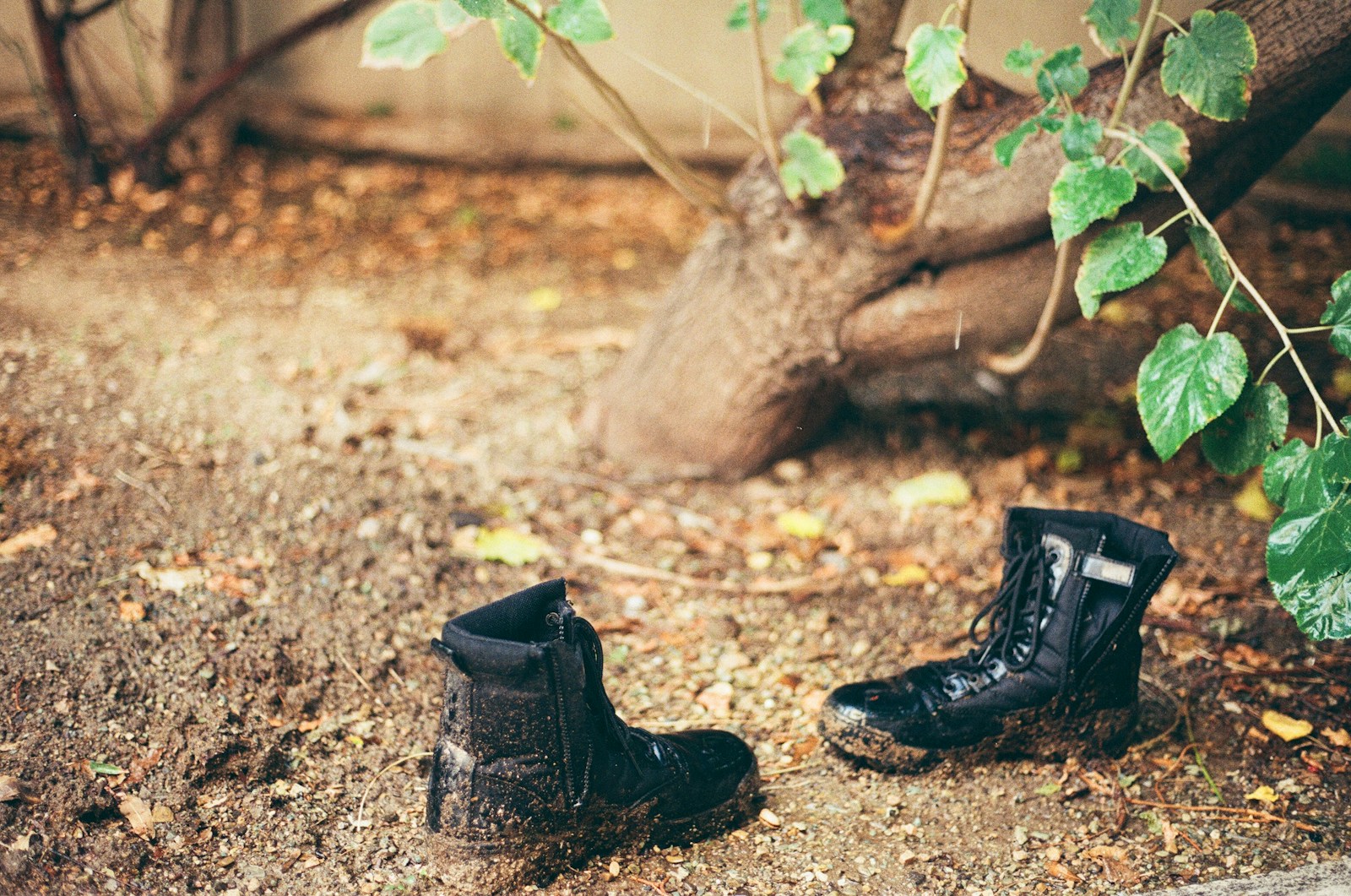
Applying waterproof treatments to dirty gear seals contaminants into the fabric, accelerating wear and reducing effectiveness. Dirt particles grind against fibers during movement, increasing abrasion beneath coatings. Oils from skin and food interfere with treatment bonding, causing uneven coverage. Waterproofing works best on clean surfaces where coatings can adhere uniformly. Treating dirty gear wastes product and creates false confidence. Over time, sealed-in grime causes premature fabric breakdown. Proper cleaning before treatment ensures waterproofing performs as intended. Skipping this step undermines protection and shortens gear lifespan significantly.
Expecting Waterproofing to Fix Structural Damage
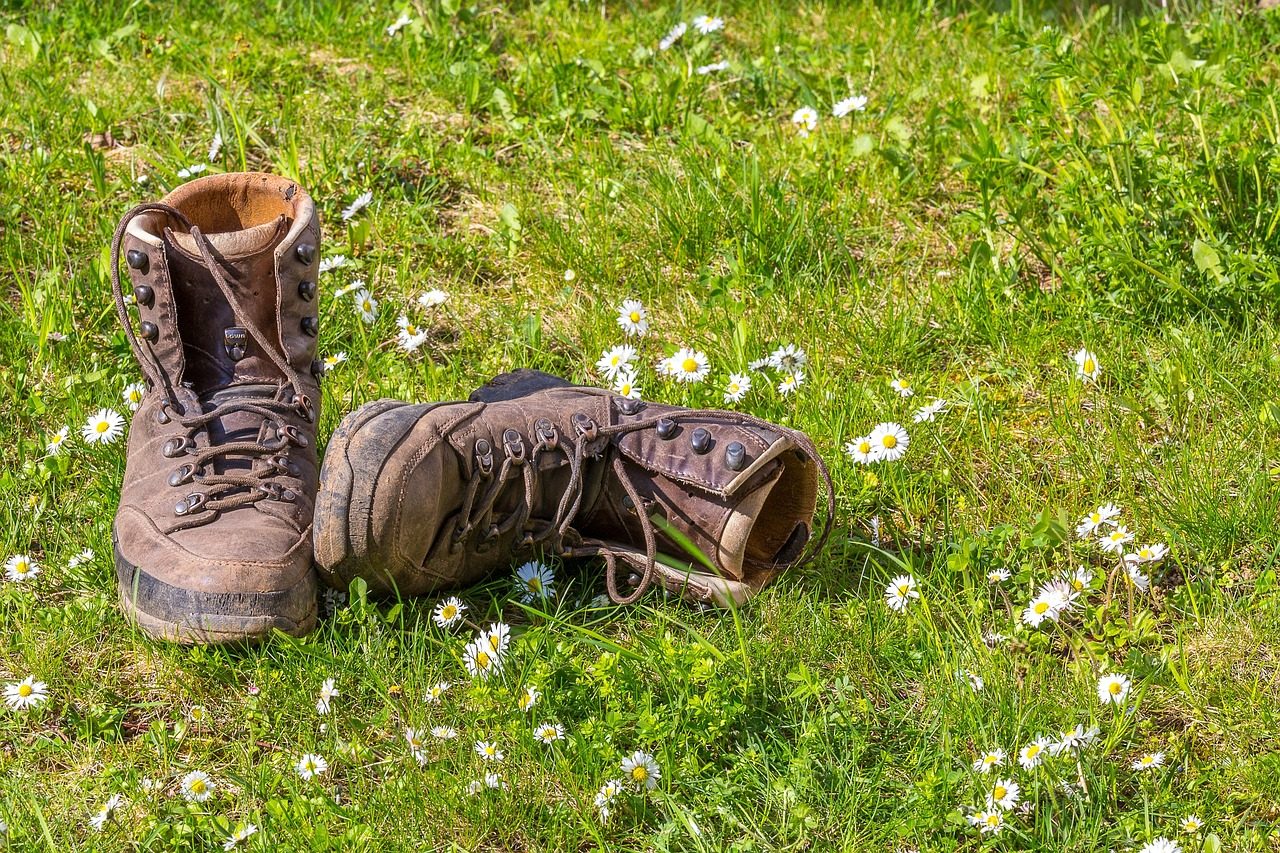
Expecting waterproof treatments to repair torn fabric or worn membranes leads to disappointment and further damage. Waterproofing products enhance water resistance but cannot restore a compromised structure. Holes, thinning fabric, and delaminated layers require repair or replacement. Applying treatments over damaged areas may temporarily reduce leakage but accelerate deterioration beneath the surface. Structural integrity determines waterproof performance more than surface coatings alone. Recognizing when gear needs repair rather than treatment prevents wasted effort. Proper assessment protects safety and ensures realistic expectations. Waterproofing maintains function, but it cannot compensate for material failure already in progress.