Walking into a gun store should feel like walking into a place that takes both firearms and its customers seriously. The best shops carry that energy naturally. Staff know their inventory, prices reflect reality, safety is practiced without being performative, and the overall atmosphere tells you immediately that the people behind the counter respect what they sell and who they sell it to. But not every gun store earns that trust, and the difference between a good purchase and a costly regret often comes down to noticing the right things before money changes hands. Smart buyers do not just evaluate the firearm sitting on the counter. They evaluate the entire environment around it. From how staff handles loaded displays to how aggressively they push accessories nobody asked about, every detail communicates something. The ten warning signs below are what experienced buyers watch for, with specific details and numbers that explain exactly why each one should make you slow down, reconsider, and, in some cases, simply walk out the door.
1. Staff Pointing Firearms at Customers During Handling
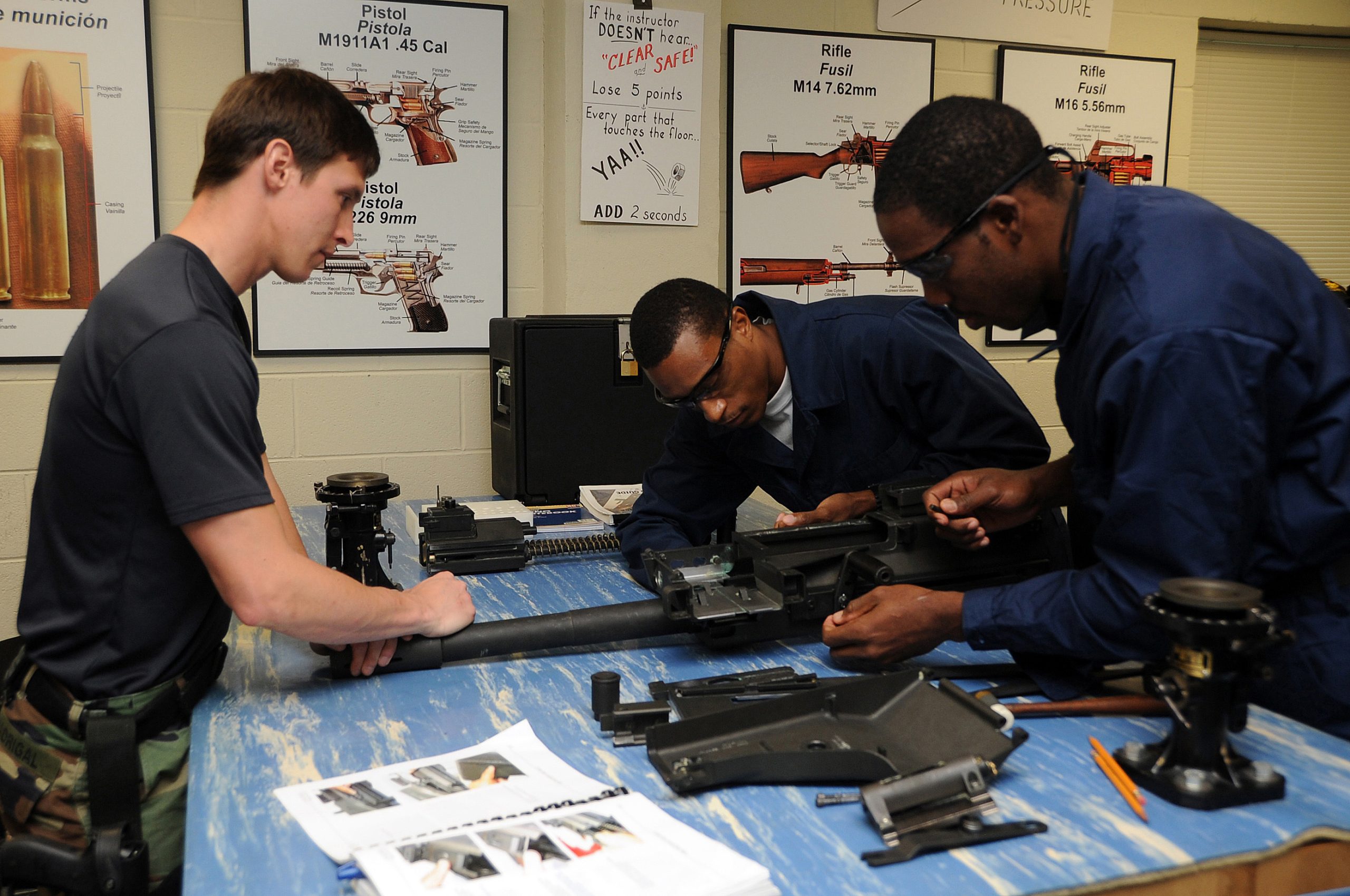
This is the single most disqualifying behavior a gun store employee can display, and it happens more often than it should. Every foundational firearms safety framework, including the four universal rules taught across every credible training organization, treats muzzle direction as non-negotiable. When a staff member removes a pistol from the case and casually sweeps it across a customer or a nearby person without a second thought, that store has a training culture problem that extends well beyond a single careless moment. Studies from the National Shooting Sports Foundation have consistently identified improper muzzle discipline as a contributing factor in a significant percentage of preventable firearm incidents. A store where this happens openly, without correction from other staff, is a store where unsafe habits are normalized at every level. No discount, no rare inventory, and no convenient location justify spending money at a place that treats the most fundamental safety rule as optional.
2. Prices Significantly Below Market Without Explanation
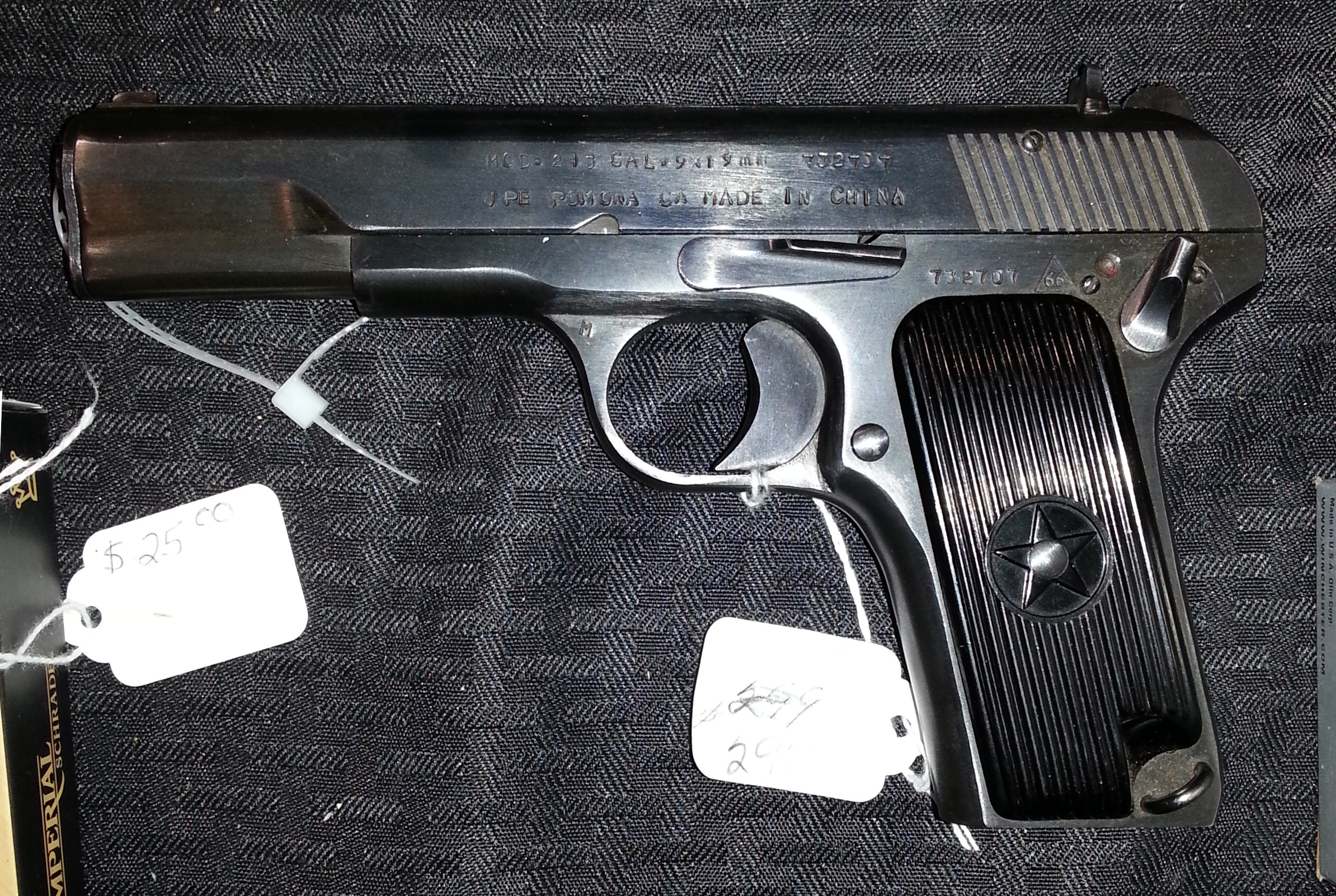
A firearm priced 20 to 35 percent below its established market value without any accompanying explanation deserves immediate scrutiny rather than immediate excitement. Legitimate below-market pricing usually has a transparent reason: manufacturer closeout, cosmetic blemish programs, or verified floor model status. When none of those explanations are offered, and the price simply seems wrong, the possibilities narrow uncomfortably. The firearm may have undisclosed mechanical issues, an altered or removed serial number, or a murky ownership history that the store is motivated not to discuss. The ATF processed over 45,000 requests related to potentially stolen or illegally transferred firearms in a recent reporting year. Buying a firearm with a compromised background, even unknowingly, creates serious legal exposure for the buyer. A legitimate store prices inventory honestly and explains exceptions without being asked. Unusual pricing without transparency is a clear signal that something in that transaction does not add up.
3. Refusal to Allow Basic Inspection Before Purchase
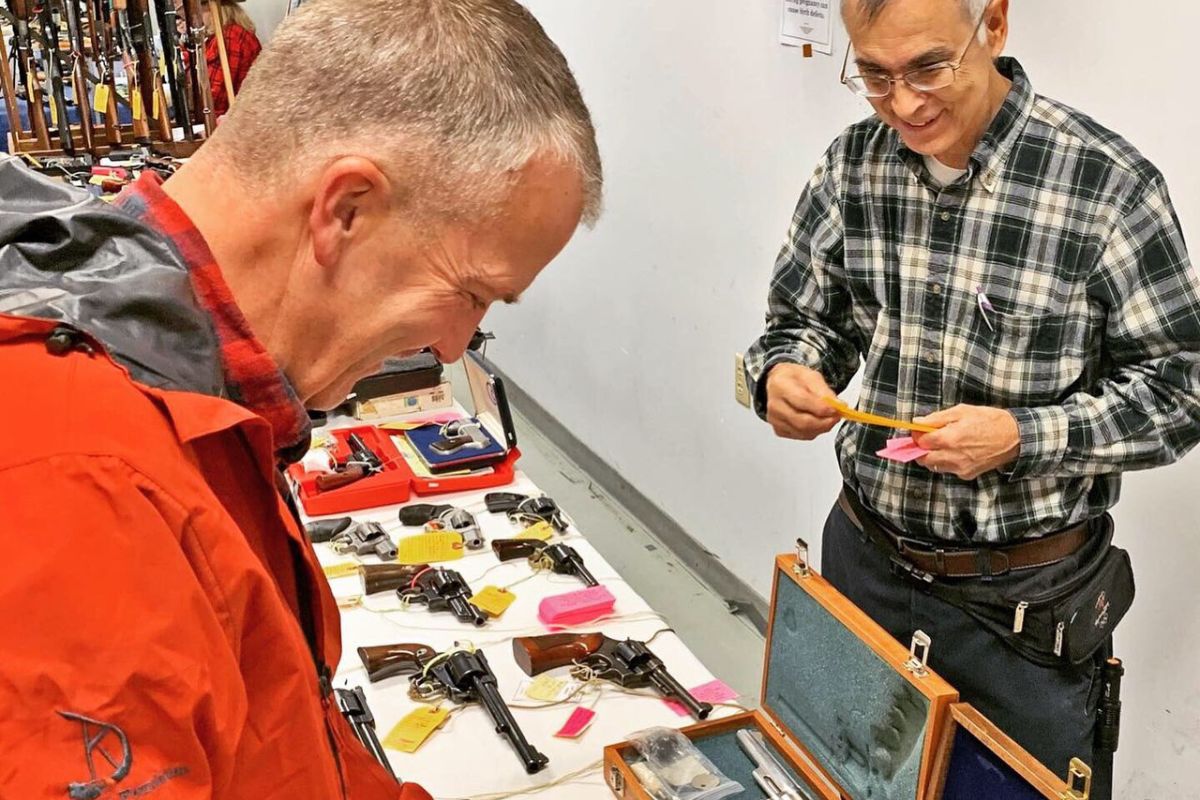
Any reputable gun store will allow a prospective buyer to field strip a used firearm, check the bore condition, examine the action, and verify basic mechanical function before committing to a purchase. A store that resists this, offers vague excuses about policy, or seems uncomfortable with basic pre-purchase inspection is communicating something important. Used firearms can carry hidden issues,s including worn feed ramps, pitted bores, cracked frames, or timing problems in revolvers that are completely invisible without handling. Bore erosion in a heavily used pistol can reduce accuracy by 40 to 60 percent compared to a well-maintained example in the same model. A seller confident in their inventory welcomes scrutiny because scrutiny confirms value. A seller who deflects it is protecting something from discovery. This applies equally to consignment pieces and store-owned used stock. If a basic hands-on look at the mechanics triggers resistance, that resistance itself is the answer to whether you should buy there.
4. Staff Who Cannot Answer Basic Technical Questions
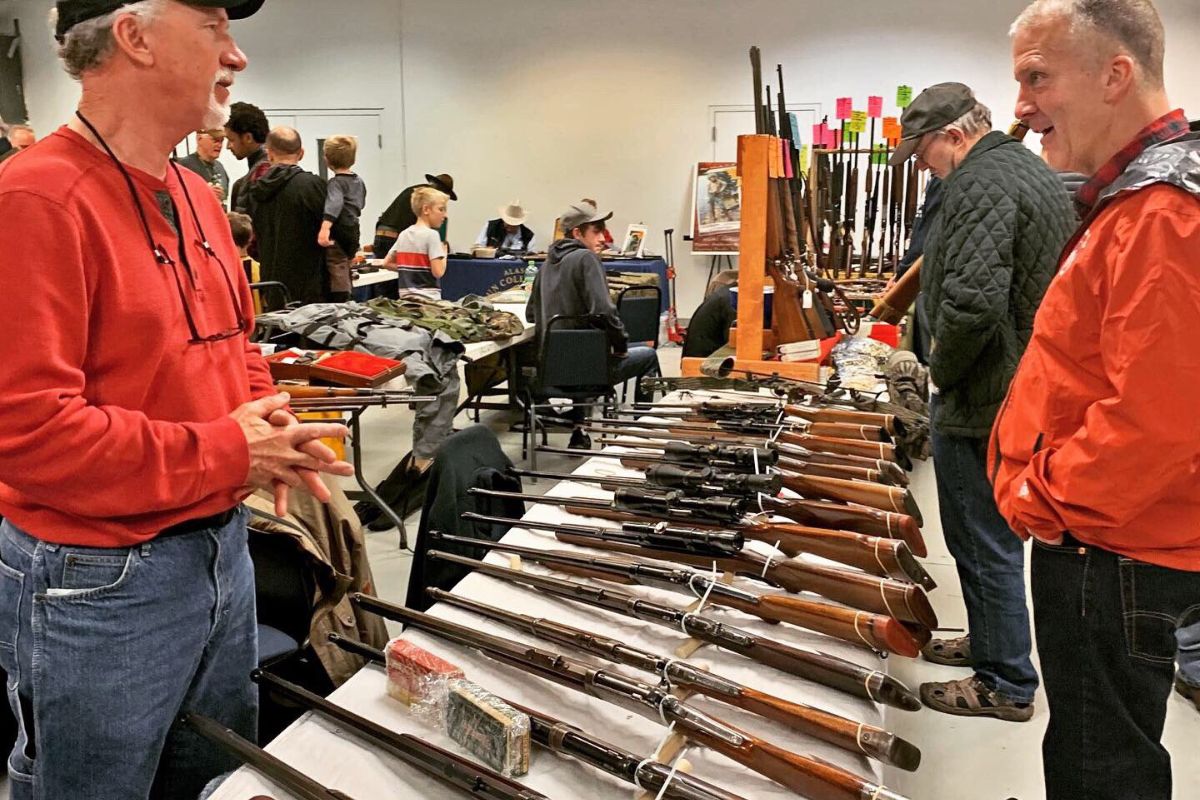
Gun store staff do not need to be competitive shooters or armory-certified gunsmiths, but they do need to know the products they are selling at a functional level. When a customer asks a reasonable question, such as the trigger pull weight of a particular model, the barrel length difference between two variants, or whether a specific magazine is cross-compatible with a related platform, the answer should come confidently and accurately. If staff routinely guess, deflect, or provide information that contradicts the manufacturer’s published specifications by more than minor margins, that store’s product knowledge is inadequate for the responsibility of selling firearms. Independent surveys of firearms retail experiences consistently rank staff knowledge as the top factor in purchase satisfaction. Misinformation about caliber compatibility, legal suppressor regulations, or safe storage requirements can have real-world consequences beyond mere inconvenience. A store that does not invest in staff education does not fully respect the product it sells or the buyer standing across the counter.
5. Pressure Selling Tactics on First-Time Buyers
Experienced gun buyers recognize high-pressure sales tactics immediately and know how to deflect them. First-time buyers often do not, which is precisely why this warning sign matters so much in this specific retail environment. When staff create false urgency around inventory availability, suggest that a buyer needs significantly more firearms than they described wanting, or layer on accessory recommendations before the primary purchase decision is even made, that is a sales culture problem rather than genuine customer service. The average first-time handgun buyer in the United States spends between $450 and $700 on their initial purchase. Aggressive upselling in that transaction can push costs 30 to 50 percent higher through unnecessary accessories, extended warranties of questionable value, and caliber upgrades the buyer was not prepared for. A good gun store asks clarifying questions, listens to the answers, and makes honest recommendations. A store that talks over customers and manufactures urgency is optimizing for the transaction, not the buyer’s actual needs or safety.
6. Visibly Poor Storage and Maintenance of Display Inventory
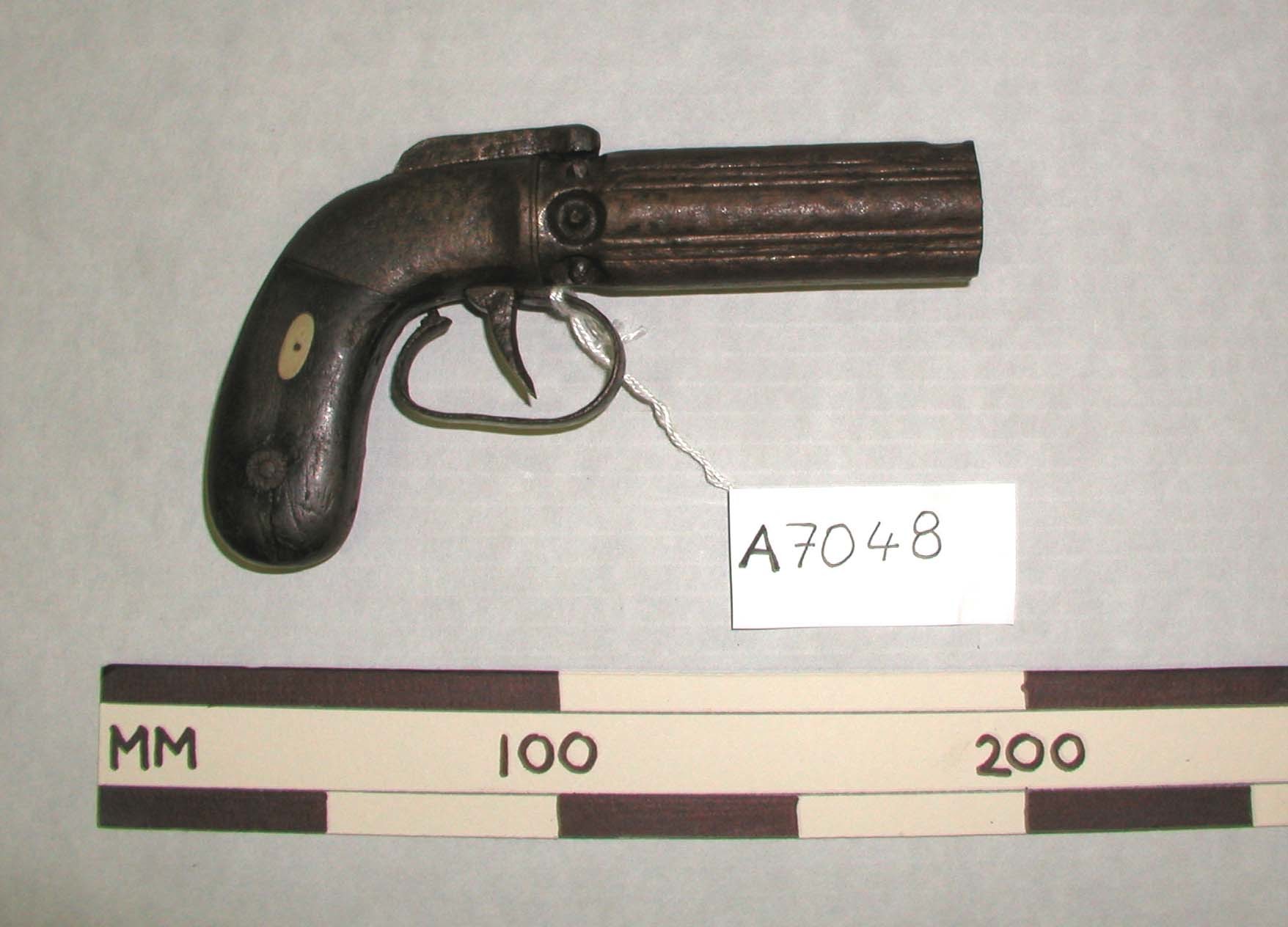
The condition of the display cases and the firearms inside them tells you a great deal about how a store operates at every level. Rust spotting on display guns, dust accumulation in actions, cracked grips that went unaddressed, or holsters that have clearly been rubbing against blued finishes for months without rotation are all signs of a shop that does not take product care seriously. From a buyer’s perspective, a firearm improperly stored or negligently maintained during its display period may have developed issues that affect its function and value. Blue steel begins showing oxidation damage after as little as 48 hours of exposure to humidity above 60 percent without proper protection. Stocks and grips can develop stress cracks from temperature cycling in poorly climate-controlled environments. A store that cannot properly maintain its display inventory is unlikely to maintain rigorous standards in any other area of operations, either. How a shop treats the merchandise it is actively trying to sell reflects exactly how much care it applies to everything else customers cannot see.
7. Vague or Dismissive Answers About a Firearm’s History

Used and consignment firearms should come with honest, specific answers about their history when asked directly. Questions such as how many rounds have been fired through the gun, whether it has been modified, why the previous owner sold it, and whether any parts have been replaced deserve straightforward answers. A store that consistently answers these questions with shrugs, imprecise guesses, or subtle redirection toward the price rather than the facts is managing your information rather than sharing it honestly. The difference in value between a lightly used firearm with under 500 rounds through it and a heavily used example with over 5,000 rounds can represent 20 to 30 percent of the asking price on popular models like the Glock 19 or SIG P320. That is a financially significant gap that honest disclosure would make obvious. Consignment stores, in particular, have a responsibility to gather and relay accurate histories from sellers. When that information is unavailable, saying so directly is acceptable. Deflecting the question entirely is not acceptable, and it should immediately change your level of trust in that transaction.
8. No Clear Return or Inspection Policy on Used Firearms
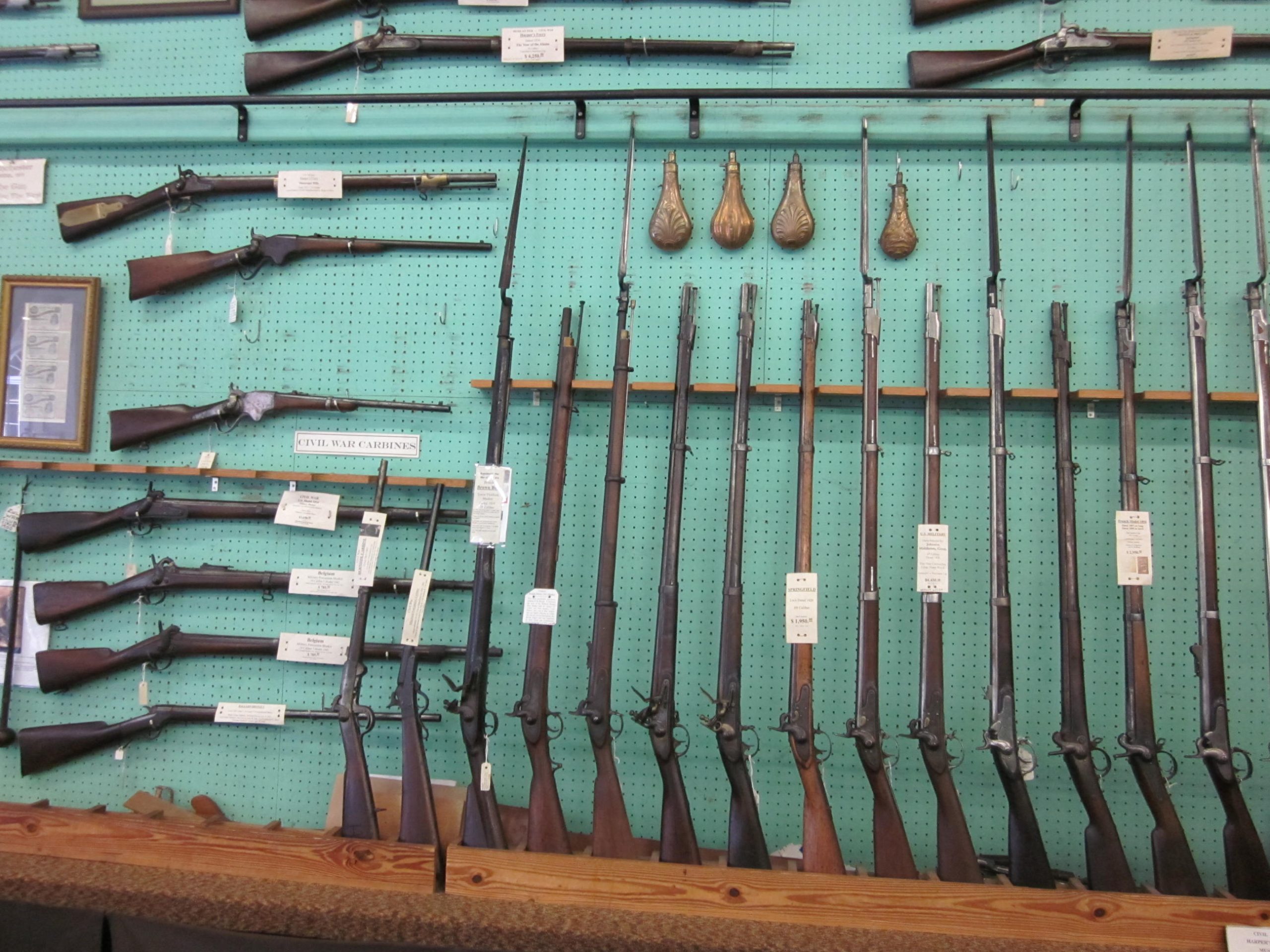
A reputable gun store stands behind the used inventory it sells with a clearly stated inspection period or return policy, even if that window is short. Industry standard among well-regarded shops typically runs 3 to 7 days for mechanical inspection returns, sometimes paired with a gunsmith verification option. A store that has no written policy, offers conflicting verbal answers depending on which staff member you ask, or becomes evasive when the question is raised directly, signals that post-sale accountability is not part of its business model. This matters practically because used firearms can pass a basic visual inspection and still exhibit function issues that only appear after a range session. Feed ramp problems, extractor tension failures, and trigger reset inconsistencies may not present until the gun is actually fired. Buying a used firearm from a store without any stated recourse is effectively buying it as-is with no protection whatsoever. The absence of a clear policy is not a neutral fact. It is a deliberate operational choice that tells you where that store’s priorities actually sit.
9. Unlicensed or Questionable Transfer Practices
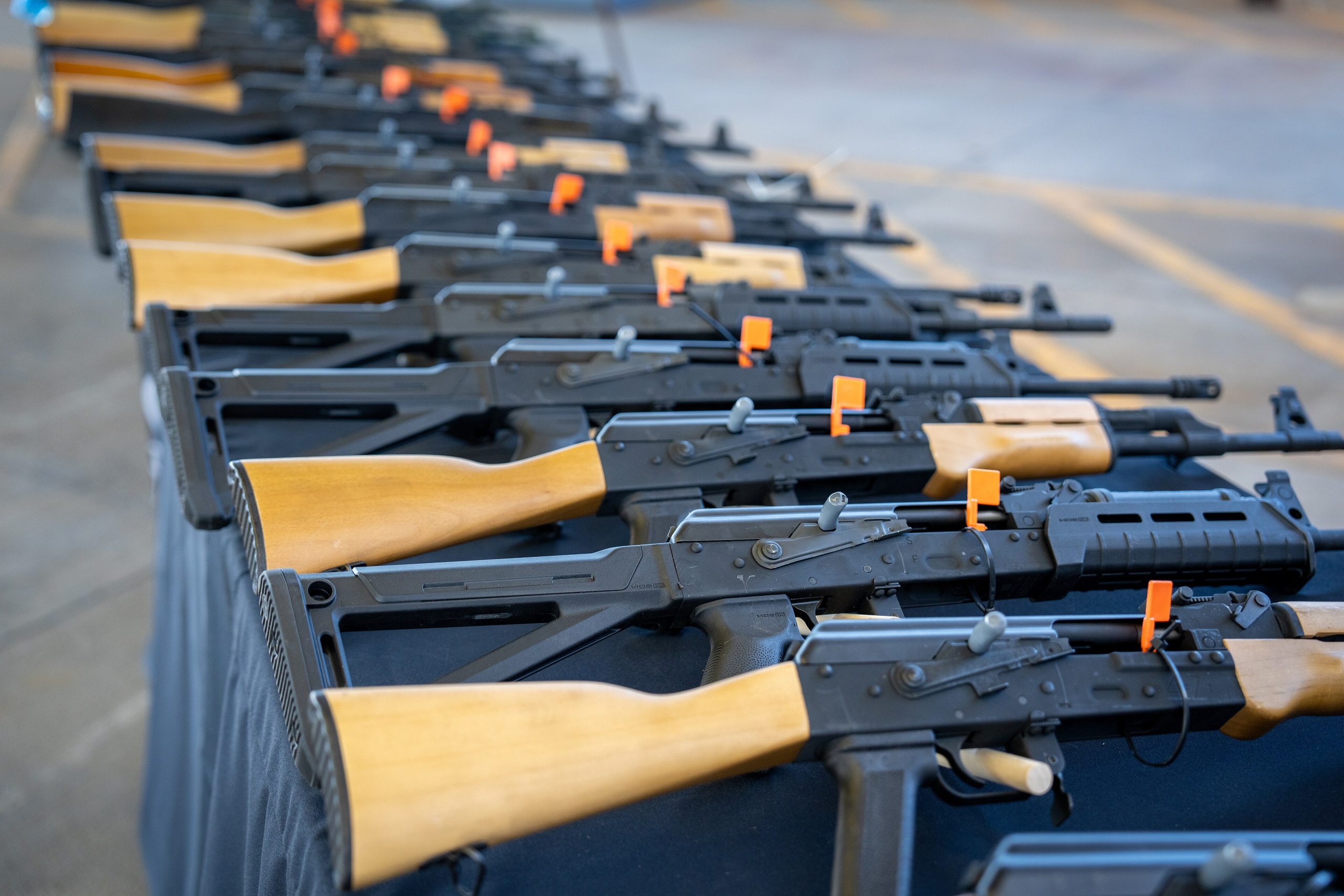
Every federally licensed firearms dealer must conduct an NICS background check through the FBI for each regulated transfer, maintain bound-book records of acquisitions and dispositions, and comply with all applicable state-level requirements without exception. A store that hints at shortcuts, suggests ways to structure a transaction to avoid standard paperwork, or seems unusually casual about regulatory compliance during a transfer is not doing you a favor. They are creating legal exposure that lands entirely on the buyer once the transaction is complete. The ATF conducted over 12,000 compliance inspections of licensed dealers in a recent fiscal year, resulting in a meaningful percentage of license revocations and civil penalties. Being associated with a non-compliant transfer, even if you believed everything was legitimate, can trigger federal scrutiny that takes significant time and legal costs to resolve. A store that treats federal compliance as negotiable is not a store worth doing business with under any circumstances, regardless of pricing, inventory, or convenience.
10. A General Culture of Dismissiveness Toward Newer Shooters
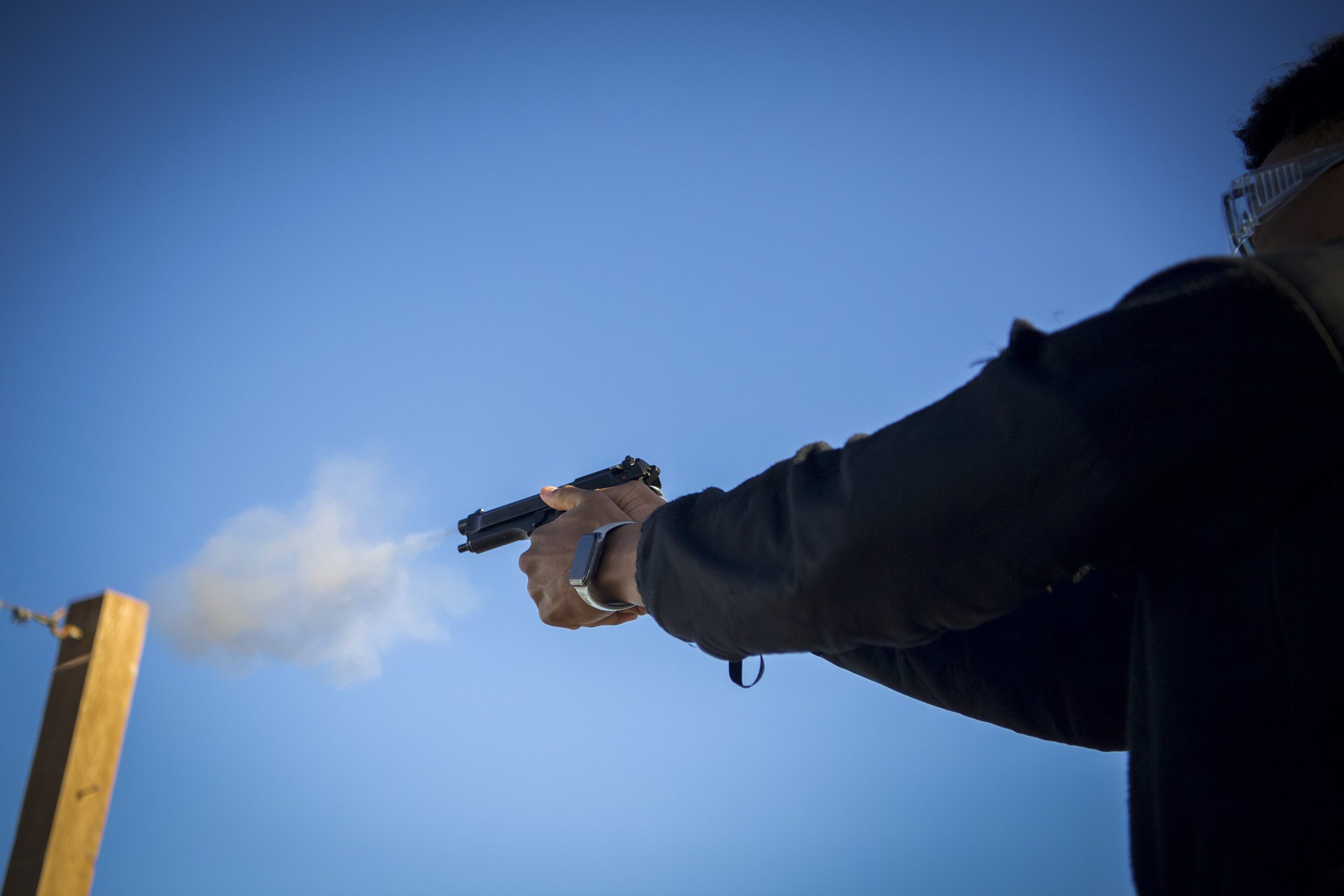
This final warning sign is less about a single observable event and more about the cumulative atmosphere a store projects toward customers who are clearly earlier in their firearms journey. When staff exchange knowing looks at boring questions, offer condescending corrections to terminology, or visibly lose patience with a buyer who needs time to understand options, it communicates that certain customers are unwelcome unless they already know everything. Beyond the obvious customer service failure, this culture creates a genuine safety problem. New shooters who feel embarrassed asking questions at the point of purchase leave without the information they needed and make decisions in isolation afterward. A 2022 survey by the National Shooting Sports Foundation found that over 40 percent of new gun buyers cited staff attitude as a significant factor in where they ultimately purchased. First-time buyers deserve patient, accurate, judgment-free guidance. A store that cannot provide that is not equipped to serve the fastest-growing segment of the American firearms market responsibly.