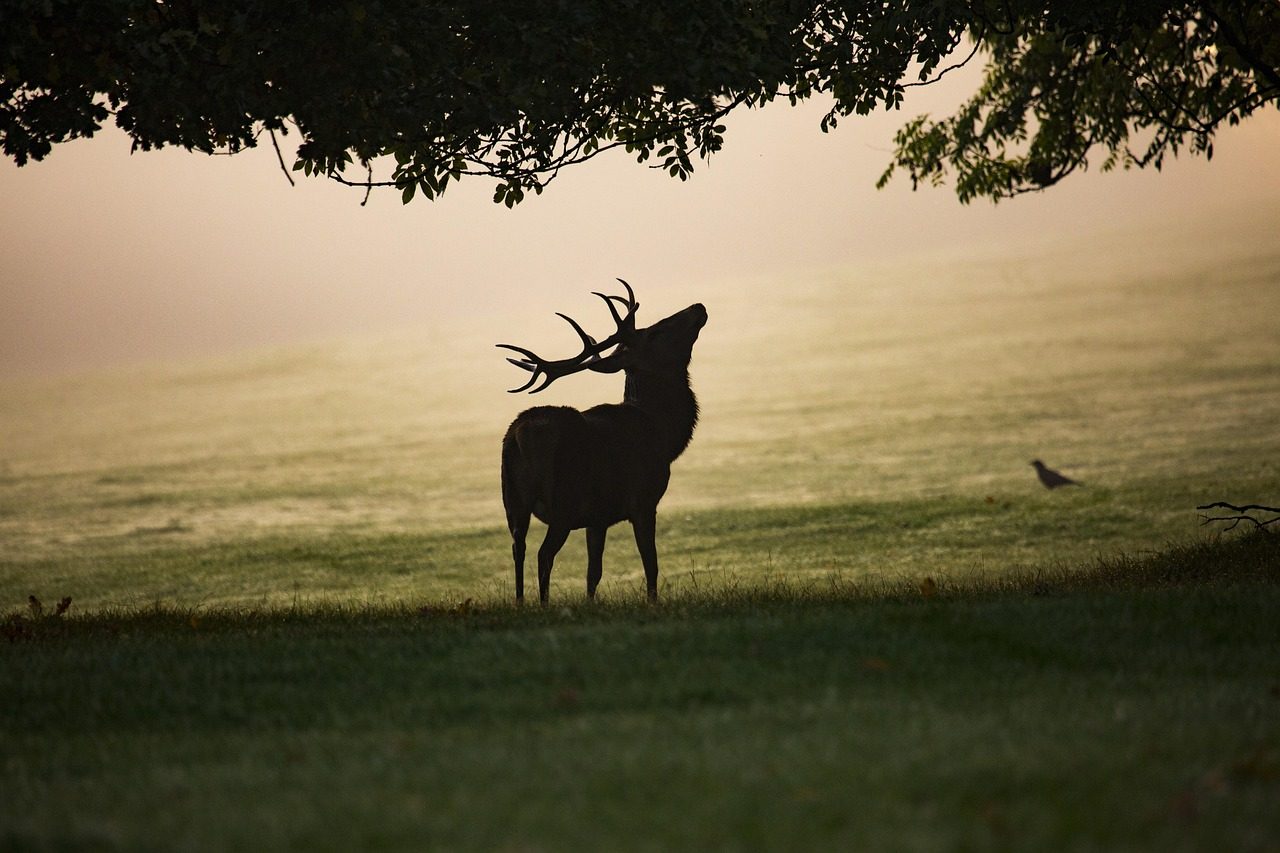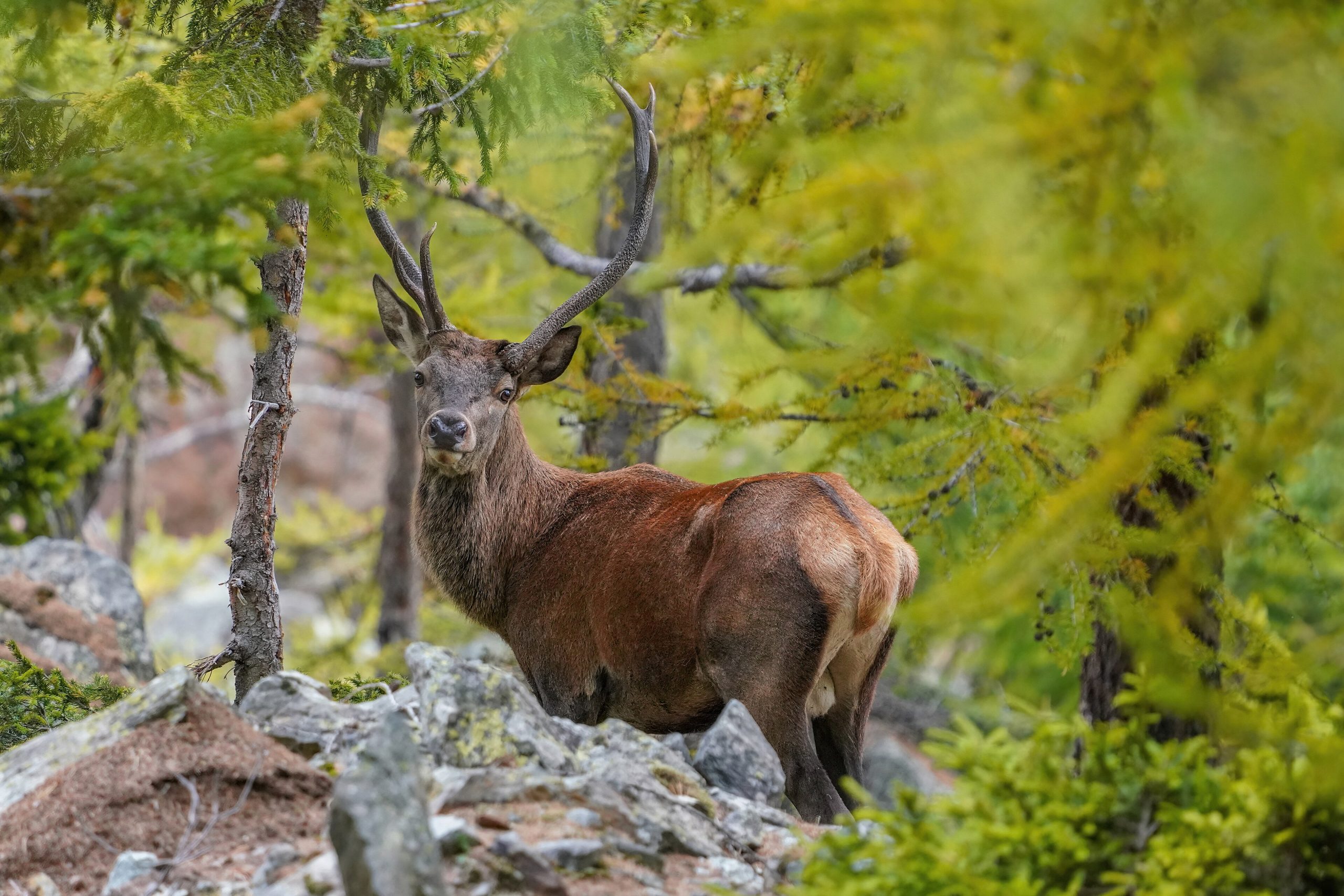
Deer hunting looks straightforward on paper. Buy a license, find a stand, wait for a buck to walk by. But spend a season in the wrong state, and that assumption falls apart fast. Terrain, regulations, deer density, competition from other hunters, and unpredictable weather all stack up against you in ways nobody warns you about beforehand. Some states have reputations built on decades-old success stories that no longer reflect current conditions on the ground. Others carry regulatory frameworks so complex that first-timers spend more time reading rulebooks than scouting timber. This list covers ten states where deer hunting genuinely tests your patience, preparation, and skill in ways that casual hunters rarely anticipate. If you are planning a hunt in any of these states, going in informed makes a measurable difference between a filled tag and a long, frustrating drive home empty-handed.
1. California
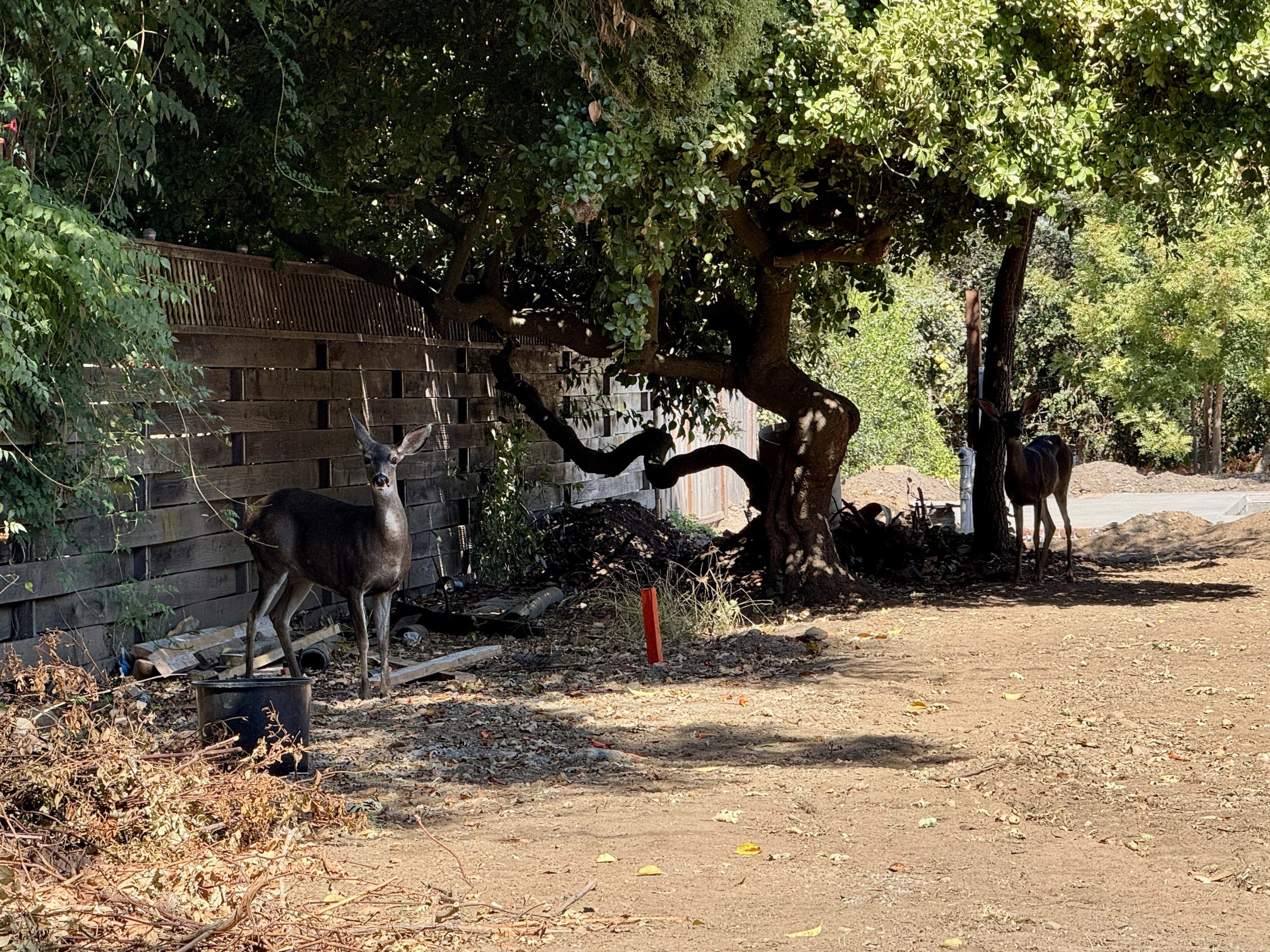
California offers deer hunting, but the experience bears almost no resemblance to what hunters enjoy in traditional whitetail states. The state is divided into 23 distinct deer zones, each carrying its own season dates, legal buck requirements, and tag quotas. Hunters must apply through a preference point draw system, and in some zones, drawing a tag can take 5 to 10 years of accumulated points. Even after drawing, success rates in many zones average below 10 percent. Terrain runs from dense coastal chaparral to steep Sierra Nevada slopes above 8,000 feet in elevation, both of which demand serious physical conditioning. Legal bucks typically require a minimum of one forked antler, which eliminates spike bucks. Hunting pressure in accessible zones is considerable. The state also enforces strict lead ammunition restrictions statewide, requiring hunters to use approved non-lead projectiles, adding cost and limiting ammunition selection significantly.
2. Hawaii
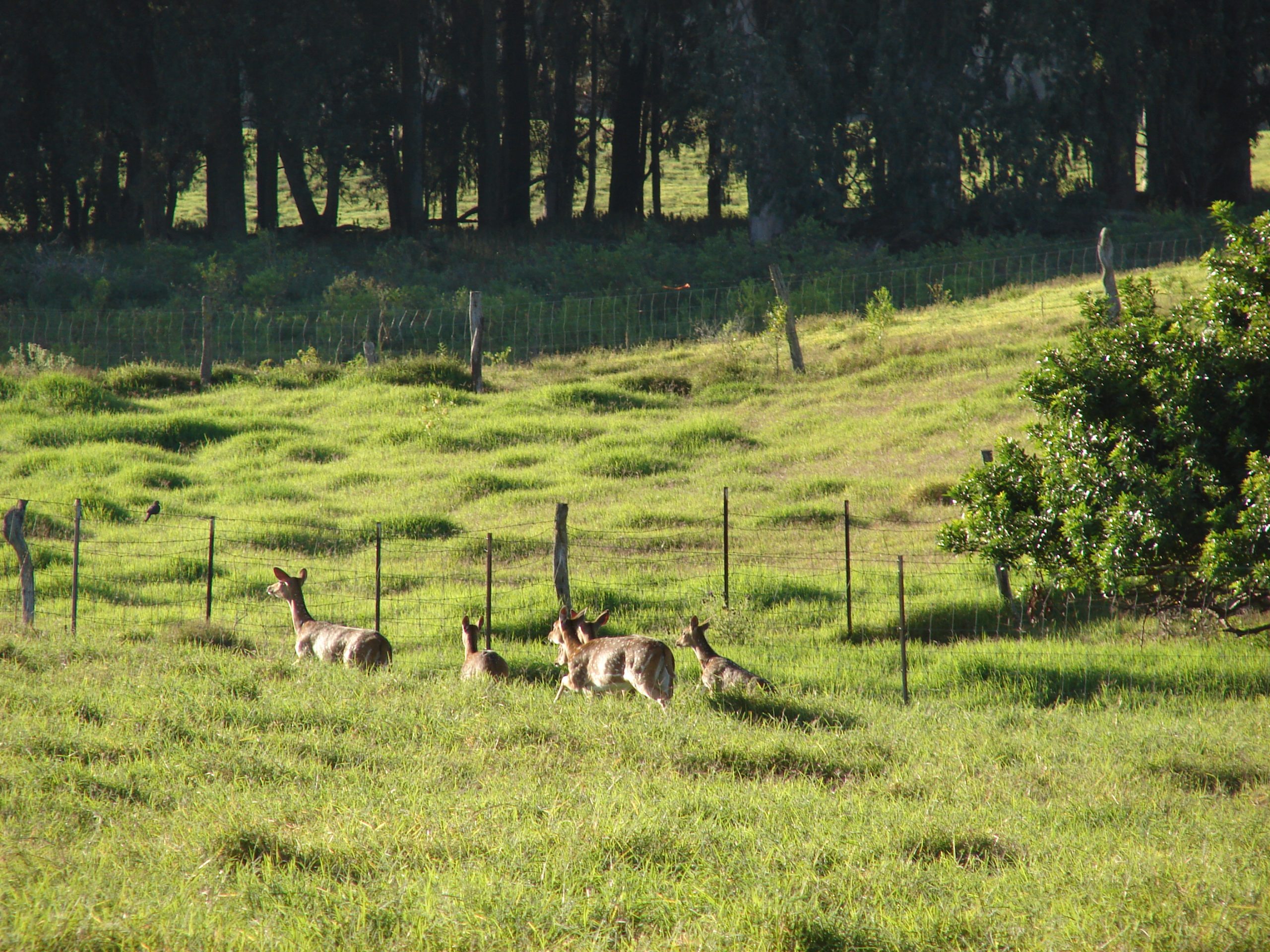
Hawaii is frequently overlooked in hunting conversations, but the state does hold huntable deer populations on specific islands. Axis deer are present on Maui and Lanai, while blacktail deer occupy Kauai. The challenge begins before you ever set foot in a forest. Tag availability on Maui is tightly controlled through a public lottery, and non-resident hunters face additional access restrictions. Kauai’s blacktail population occupies rugged, rain-soaked terrain with annual rainfall exceeding 400 inches in the interior highlands, making consistent access genuinely hazardous during wet months. Temperatures remain mild year-round, which means deer lack the cold-triggered behavioral patterns hunters in continental states rely on. Shipping firearms and ammunition to Hawaii involves federal compliance steps that add planning complexity. Guided hunts on private land represent the most reliable access option but routinely cost between $1,500 and $3,500 per person, placing Hawaii firmly in the difficult and expensive category.
3. Oregon
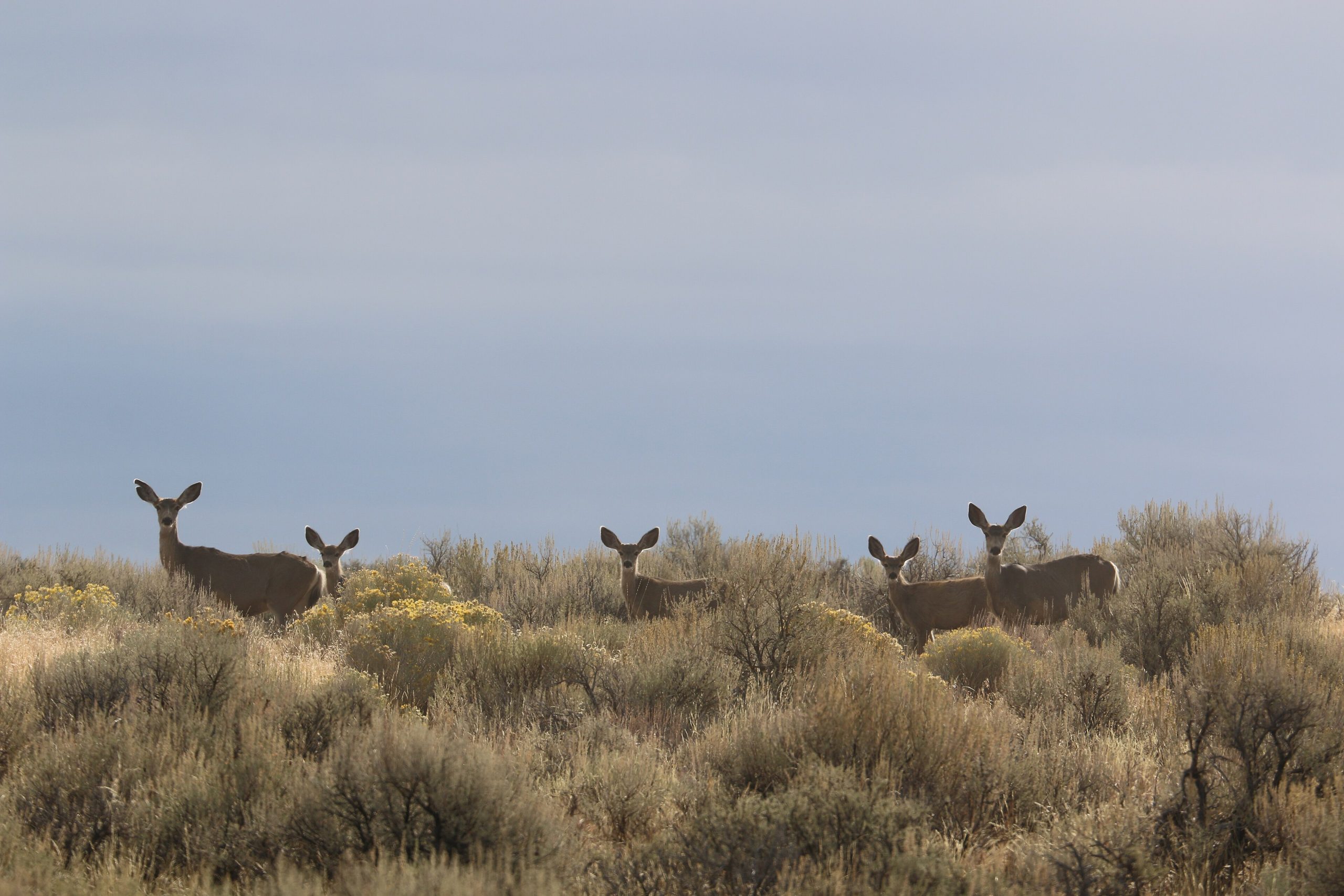
Oregon carries a healthy deer population across its diverse geography, but translating that into a filled tag requires significantly more effort than the population numbers suggest. The state manages both blacktail and mule deer, split across dozens of distinct units each governed by separate regulations. Blacktail deer in the dense, wet coastal and Cascade Range timber are notoriously difficult to pattern. Visibility frequently drops to under 30 yards in thick Douglas fir and sword fern undergrowth. Mule deer units in eastern Oregon often require multi-year preference point accumulation before a quality tag becomes available. Statewide archery success rates hover around 11 percent, and general rifle seasons average roughly 17 percent success depending on the unit. Elk hunting draws many hunters away from deer pursuits, but competition for public land access remains intense during overlapping seasons. Elevation changes are dramatic, with hunting units spanning from sea level to over 9,000 feet.
4. Pennsylvania
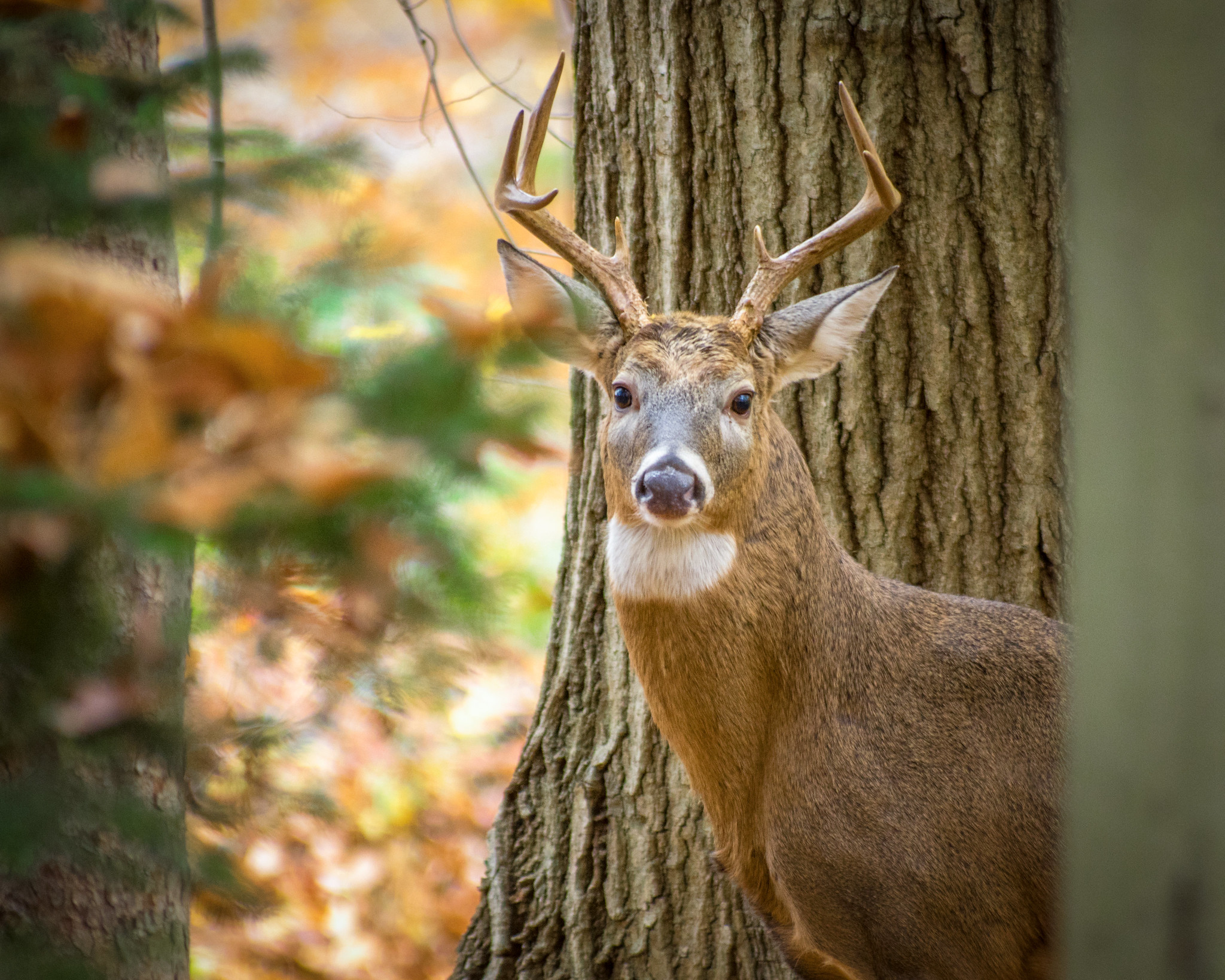
Pennsylvania holds one of the largest deer herds in the country, with a population estimated above 1.4 million animals, yet consistent buck success still eludes many hunters each season. The reason is pressure, not deer numbers. Pennsylvania issues over 900,000 hunting licenses annually, making public land encounters with other hunters as common as encounters with deer. Antler restrictions introduced in the early 2000s require bucks to have at least 3 points on one side in most Wildlife Management Units, which protects younger deer but demands patience from hunters accustomed to shooting spikes. The thick second-growth timber across much of the northern tier makes long-range shooting opportunities rare. Dense laurel thickets provide near-impenetrable bedding cover that bucks exploit heavily during daylight hours. Weather windows in late November can shift dramatically within hours. First-week pressure pushes mature bucks nocturnal almost immediately, meaning hunters who do not access remote areas often sit over empty ground for entire seasons.
5. New Jersey
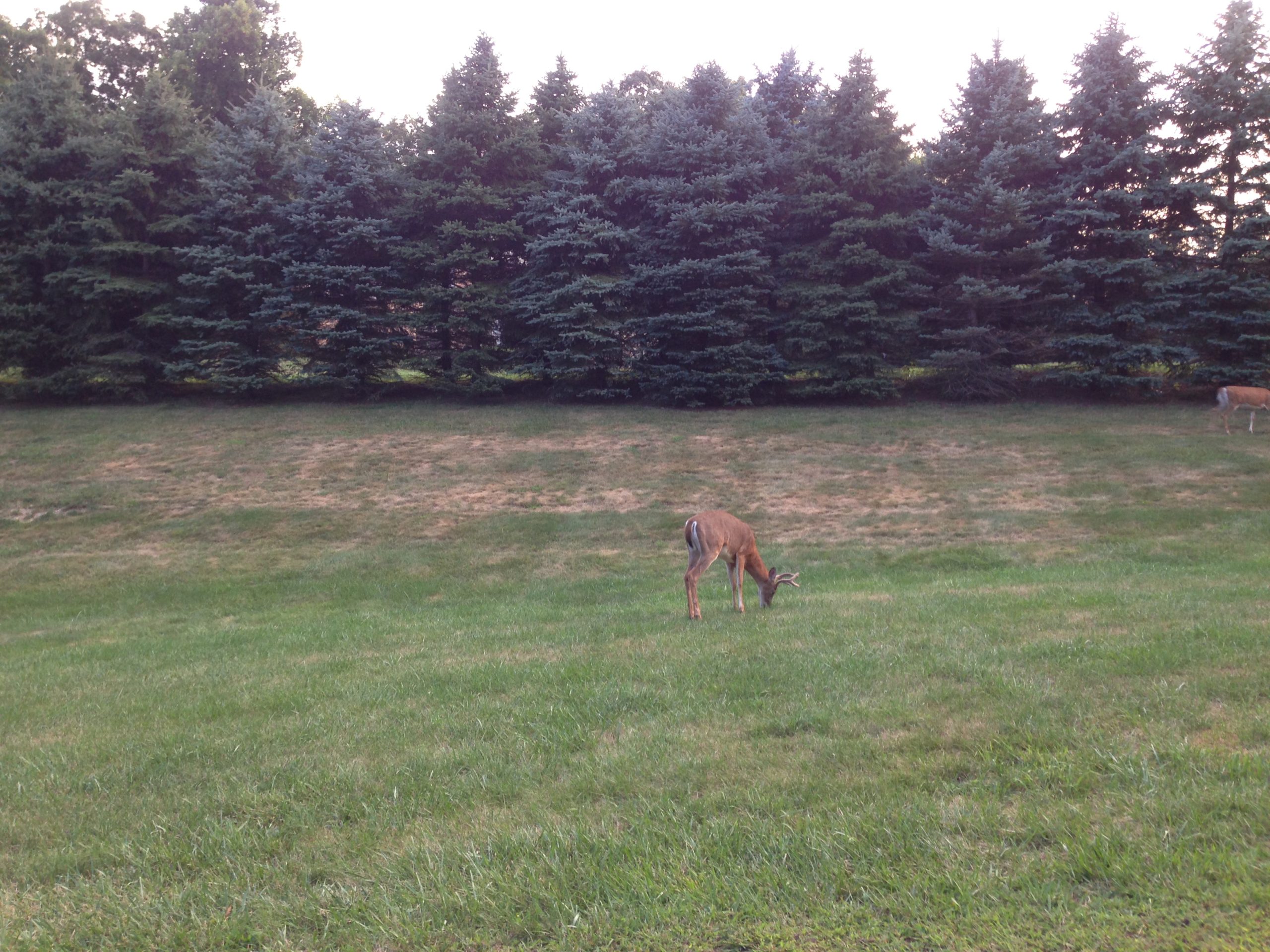
New Jersey is one of the most densely populated states in the country, and that density creates deer hunting complications that go far beyond simple access issues. The state carries an estimated 125,000 deer statewide, which sounds promising until you factor in that huntable public land totals only around 250,000 acres spread across millions of suburban and agricultural acres with private ownership. Landowner permission is essential for most productive hunting locations, and competition for that access is fierce. Firearm discharge setback laws require hunters to maintain minimum distances from dwellings, roads, and property lines, which effectively eliminates large portions of otherwise huntable parcels. Archery seasons run longer and produce better results, but even bowhunters deal with heavy suburban deer pressure that conditions animals to human presence without creating consistent,t predictable patterns. Chronic Wasting Disease monitoring zones add additional reporting requirements. License costs for non-residents reach approximately $135, and meaningful access often requires personal connections with landowners.
6. Montana
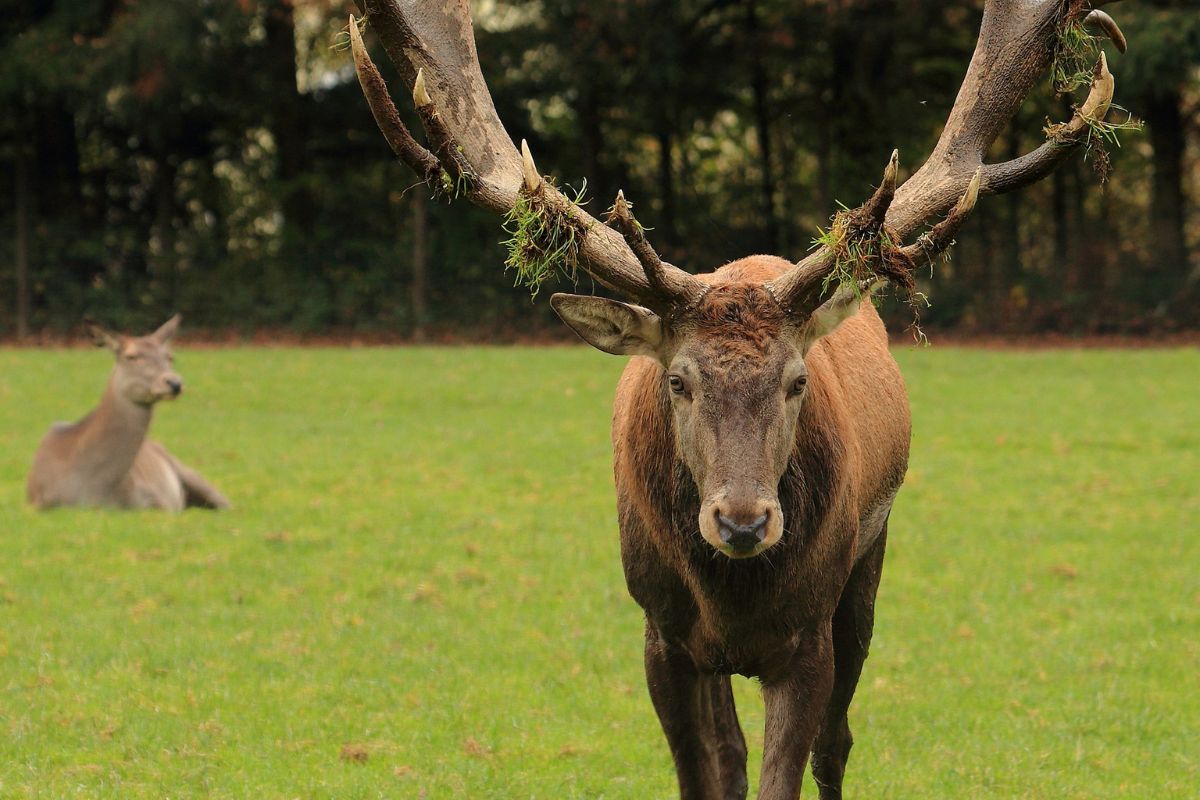
Montana looks like a deer hunter’s paradise from the outside, and in some respects,s it genuinely is. But the scale of the state creates its own brand of difficulty that hunters underestimate badly on first visits. Montana covers 147,000 square miles, and finding productive deer concentrations within that expanse without local knowledge requires extensive pre-season scouting across vast distances. Mule deer populations in eastern Montana have declined noticeably over the past two decades, with surveys showing reductions of 30 to 40 percent in some districts since peak numbers in the early 2000s. Whitetail populations along river corridors are healthier but confined to relatively narrow riparian zones surrounded by open country. The weather in October and November can shift to blizzard conditions within hours, turning a routine hunt into a survival situation. Non-resident licenses run approximately $220 for deer, and combination licenses approach $700. Access to private ranch land, which covers a majority of productive habitat, typically requires outfitter relationships or personal landowner connections built over multiple years.
7. Colorado
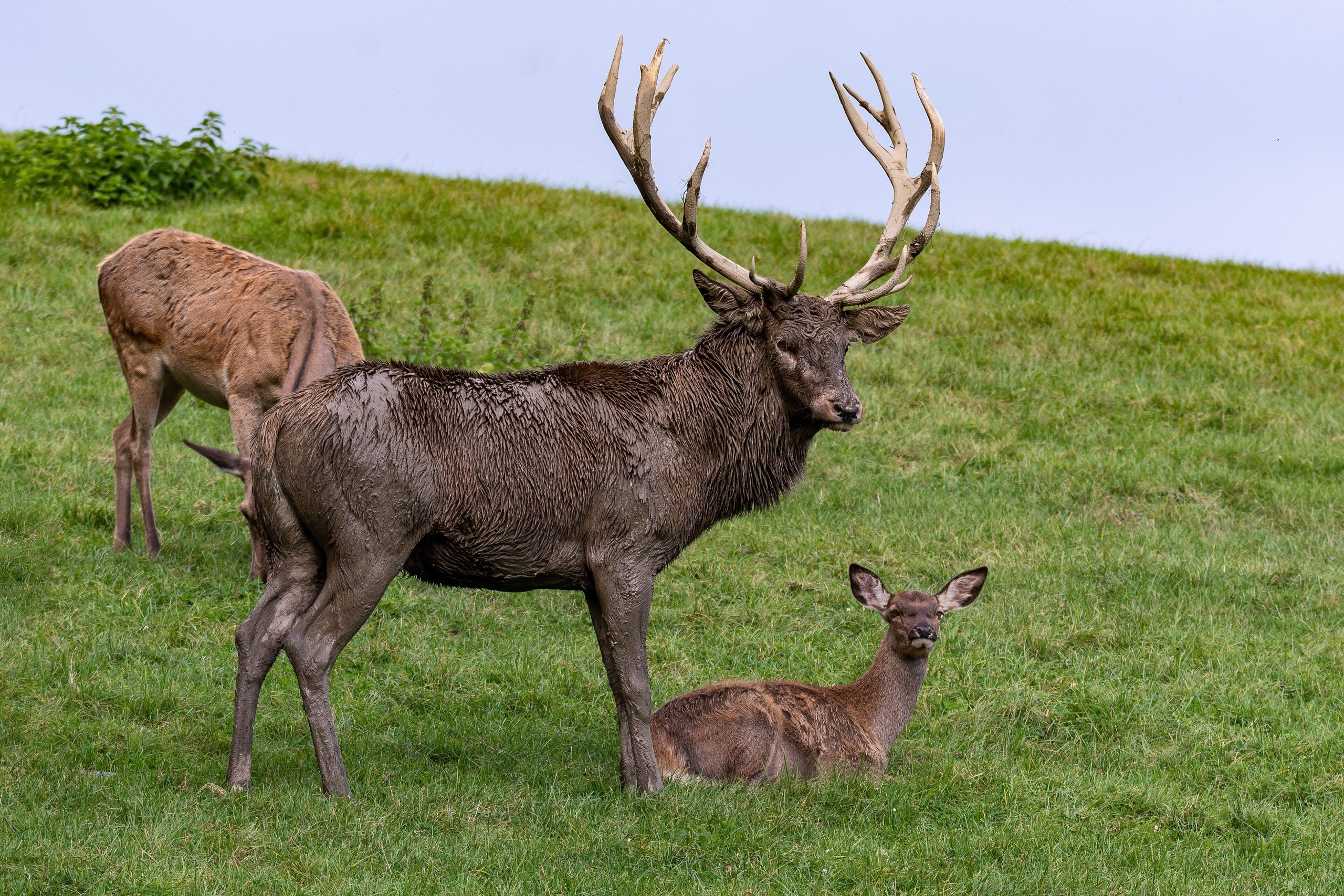
Colorado attracts enormous numbers of deer hunters each year, but the experience on the ground often surprises first-timers expecting easy over-the-counter access and straightforward hunting. Mule deer are the primary target, and while over-the-counter licenses remain available in many units, quality buck hunting increasingly requires limited license draws with waiting periods stretching 3 to 8 years for premium units. Statewide mule deer populations have declined from historical highs, with current estimates sitting around 400,000 animals compared to over 600,000 in the 1990s. Terrain in productive units is consistently brutal, with hunters regularly covering 8 to 12 miles daily on slopes ranging from 7,000 to 11,000feet in elevation. Physical conditioning is genuinely non-negotiable. The state also enforces Chronic Wasting Disease regulations that restrict carcass transport from designated containment zones. Non-resident deer licenses run approximately $392 for limited draws. Public land access is available but shared with heavy pressure from elk hunters during overlapping September and October seasons, compressing deer into less predictable patterns.
8. Mississippi
Mississippi sits in the heart of the deep South whitetail belt, and the deer population is real and huntable, but the environment itself creates physical challenges that northern hunters find genuinely surprising. Summer heat lingers well into October, with temperatures regularly sitting above 85 degrees Fahrenheit during early archery season. Humidity levels make scent control nearly impossible to maintain effectively in bottomland hardwood and swamp timber, which covers a significant portion of the productive deer habitat. Venomous snakes remain active through much of the early season, requiring constant situational awareness on ground approaches. Public land in Mississippi is comparatively limited, with the bulk of productive hunting ground sitting on private timber company leases that charge between $8 and $20 per acre annually. Bag limits are generous at 3 bucks per season in most zones, but access determines success more than regulation. CWD has not reached Mississippi in significant numbers yet, but neighboring state spread has prompted monitoring programs that add regulatory complexity for serious hunters.
9. New York
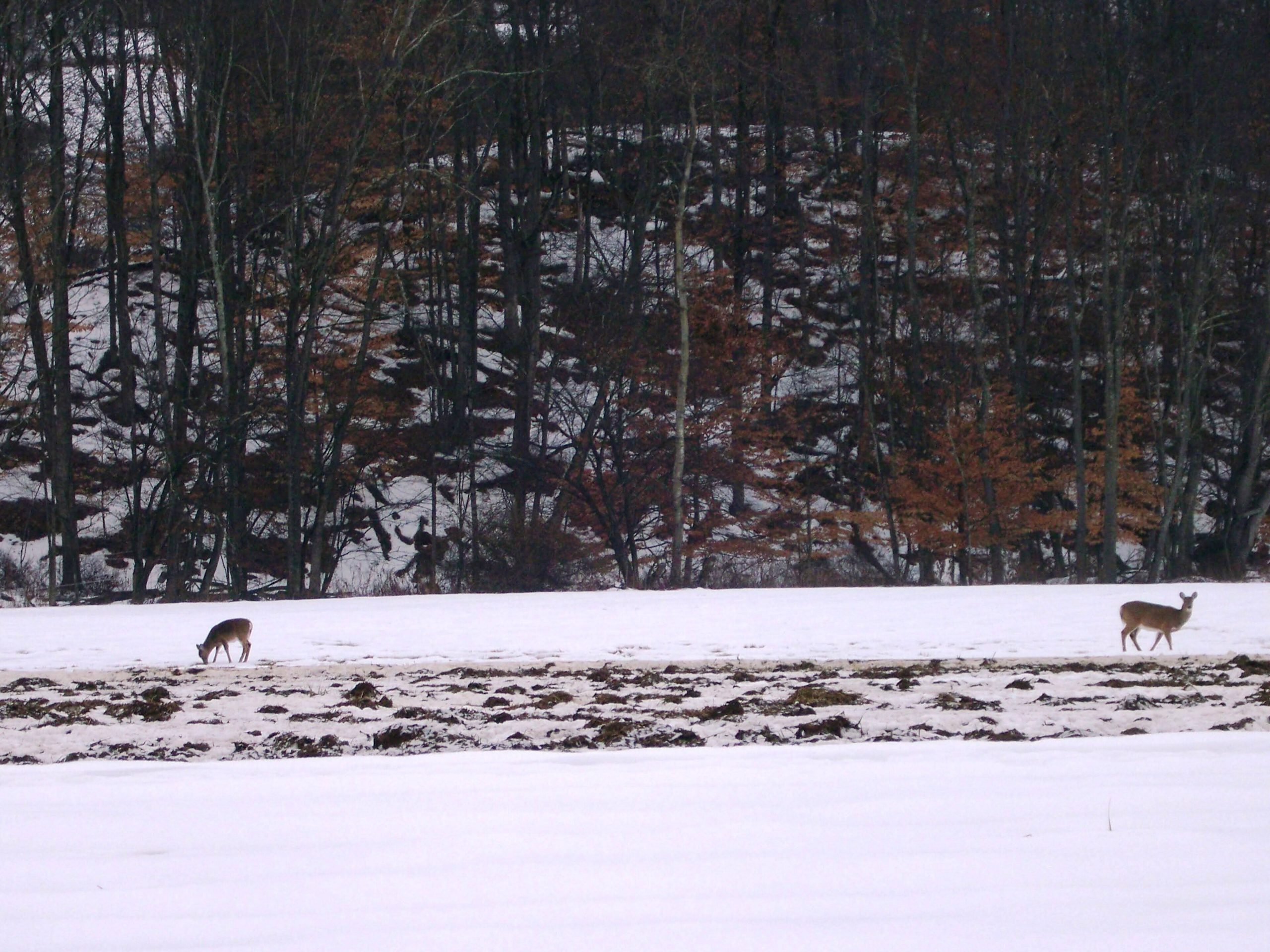
New York holds approximately 1 million deer statewide, yet successfully hunting a mature buck in this state demands a level of commitment that casual hunters rarely expect going in. The state is divided into more than 100 Wildlife Management Units, each carrying specific season dates and regulations that require careful pre-season review. Public land in the Catskills and Adirondacks is abundant but heavily forested, with terrain that limits visibility and complicates movement. The Adirondack Park alone covers 6 million acres, but elevation, remote access, and extreme November cold create logistical hurdles most hunters do not fully account for. Suburban fringe areas around New York City and Long Island hold dense deer populations but operate under archery-only or shotgun-only restrictions due to residential density. Non-resident licenses cost approximately $103 for big game. Coyote predation pressure across the state has grown considerably over the past decade, affecting fawn recruitment and overall herd structure in ways that reduce available mature buck numbers in certain regions.
10. Alaska
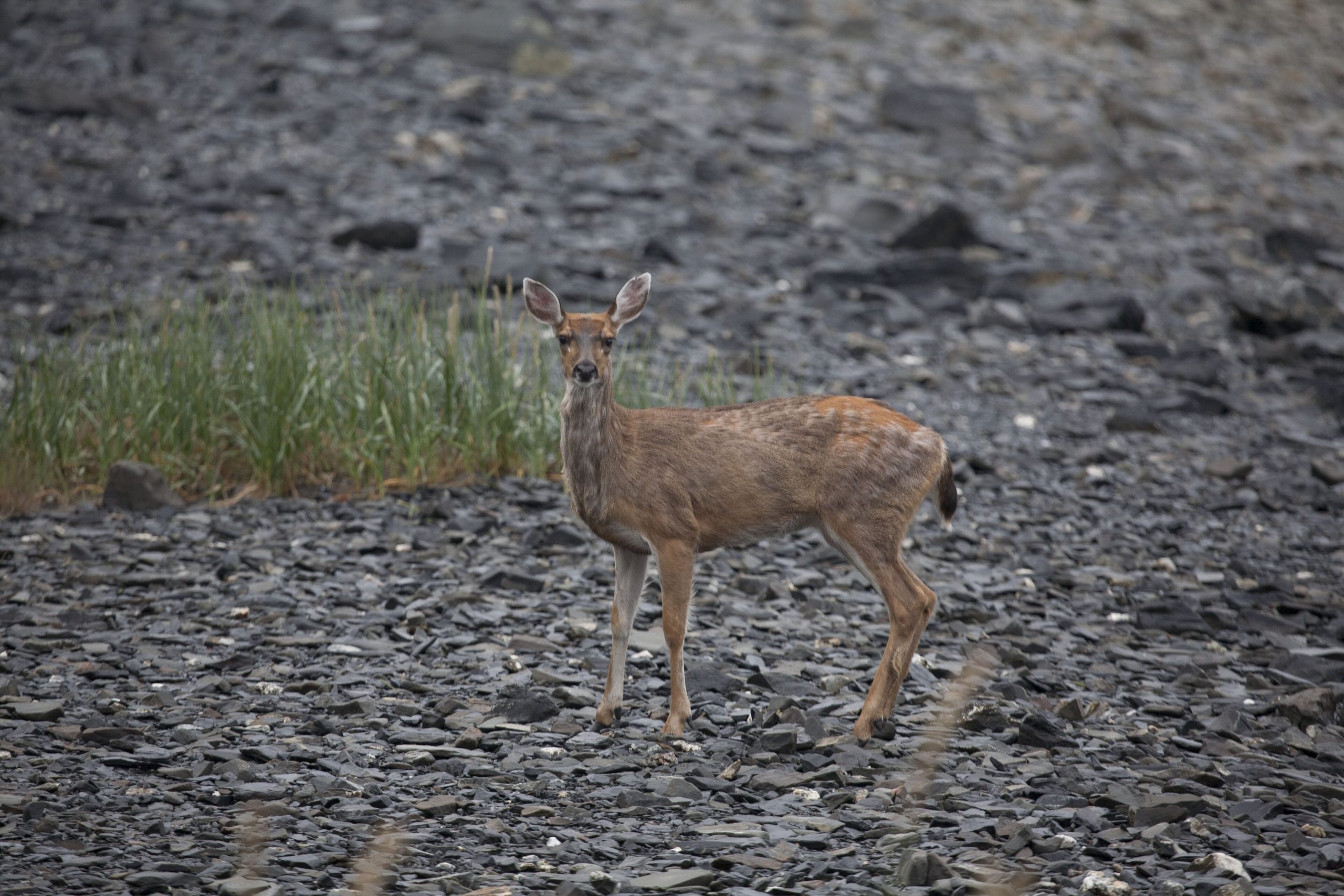
Alaska feels like the ultimate hunting frontier, and for certain species, it absolutely is, but deer hunting here is a genuinely demanding undertaking that weeds out underprepared hunters quickly. Sitka blacktail deer occupy the southeastern panhandle and Kodiak Island, living in terrain that combines steep coastal mountains, dense alder thickets, and some of the most unpredictable weather on the continent. Kodiak Island receives over 80 inches of annual precipitation, and September and October hunts regularly encounter sideways rain, 50 mph wind gusts, and near-zero visibility. Non-resident hunters must be accompanied by an Alaska-licensed guide or a close relative who is an Alaska resident, a requirement that adds substantial cost for most visiting hunters. Guided Kodiak blacktail hunts typically run between $3,000 and $6,000. Float plane access to productive drainages adds another $800 to $1,500 per trip. The deer themselves are not particularly large, with mature bucks averaging 80 to 120 lbs, but the experience of getting to and from hunting areas safely demands serious logistical planning and genuine wilderness competence.