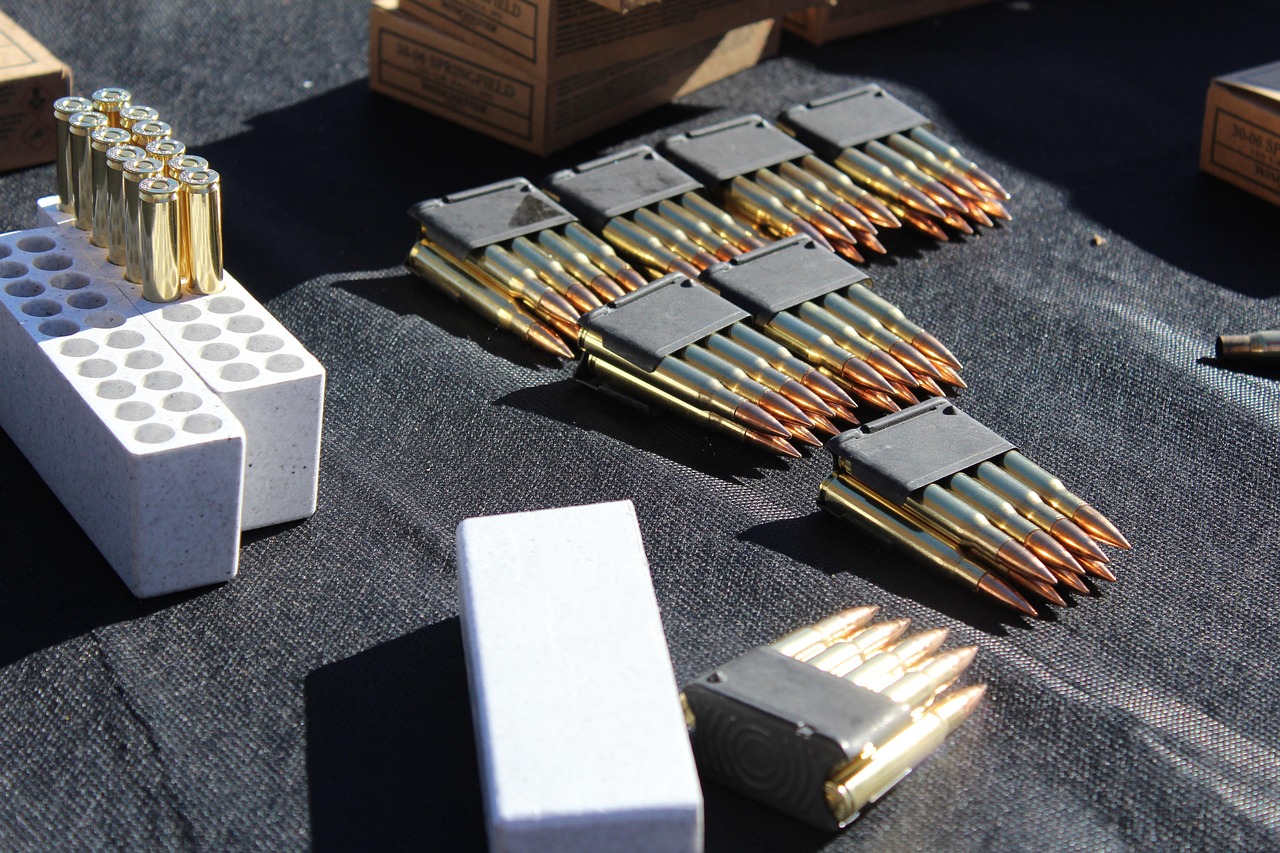
Gun shows can feel overwhelming, especially for first-time attendees. Rows of tables packed with firearms, accessories, and collectors attract everyone from seasoned enthusiasts to curious newcomers. While most gun shows follow posted safety rules, many expectations go unspoken. These unwritten rules help keep the environment safe, respectful, and enjoyable for everyone involved. Understanding them can prevent awkward moments, improve conversations with vendors, and ensure you’re taken seriously as a buyer or enthusiast. Whether you’re browsing, negotiating, or simply learning, following proper etiquette reflects well on you and helps preserve the welcoming culture that keeps gun shows running smoothly year after year.
1. Always Treat Every Firearm as Loaded
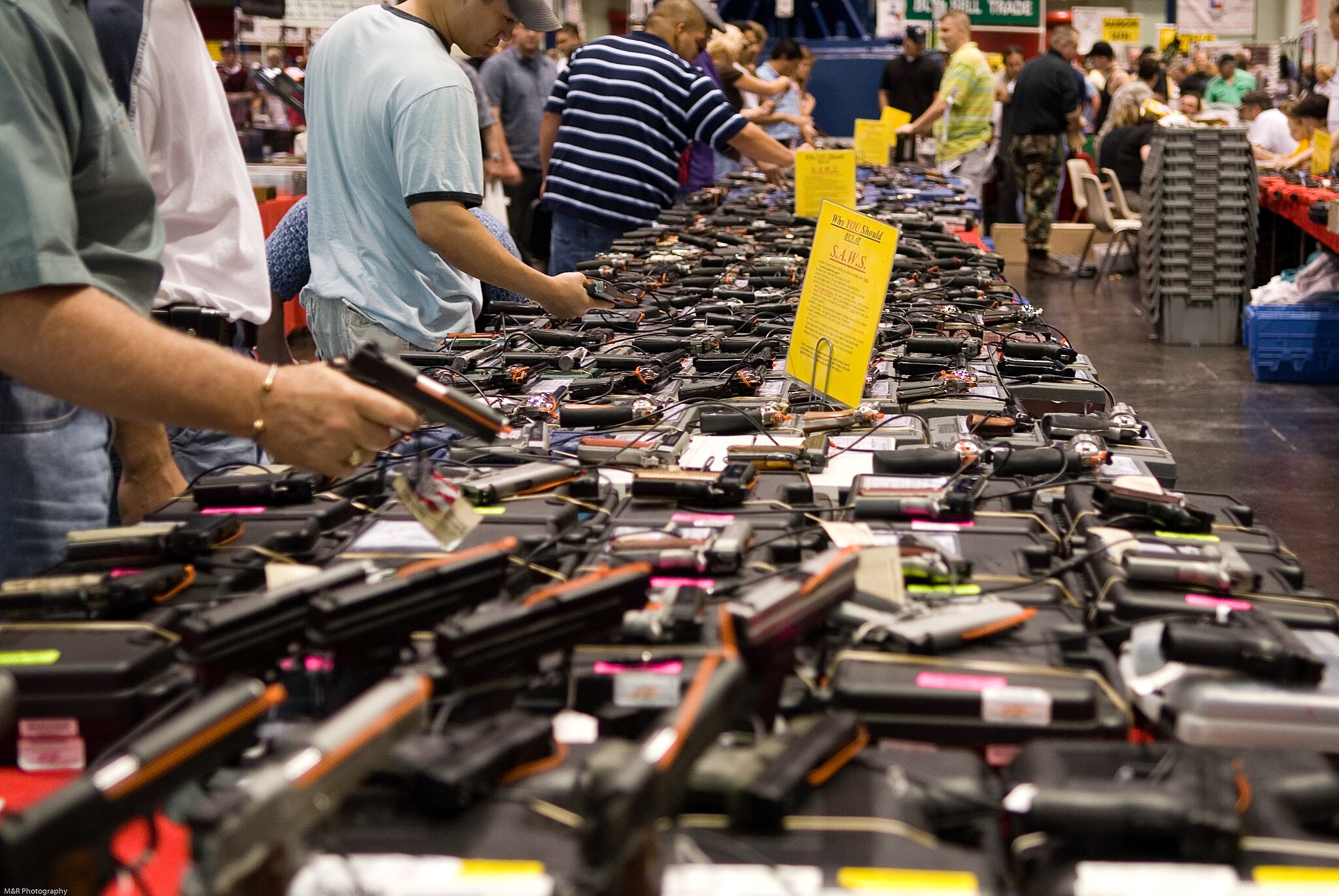
Even at a gun show, where firearms are displayed for sale, the basic rule of treating every gun as loaded still applies. Never assume a firearm is safe just because it’s on a table or being handed to you. Vendors may clear weapons, but responsibility ultimately rests with the person holding them. Avoid careless handling, and never joke about safety. This mindset reassures sellers and nearby attendees that you understand firearm responsibility. Gun shows are busy, crowded environments, and one careless moment can cause panic. Respecting this rule demonstrates maturity, experience, and awareness of shared safety expectations.
2. Never Point a Firearm at Anyone
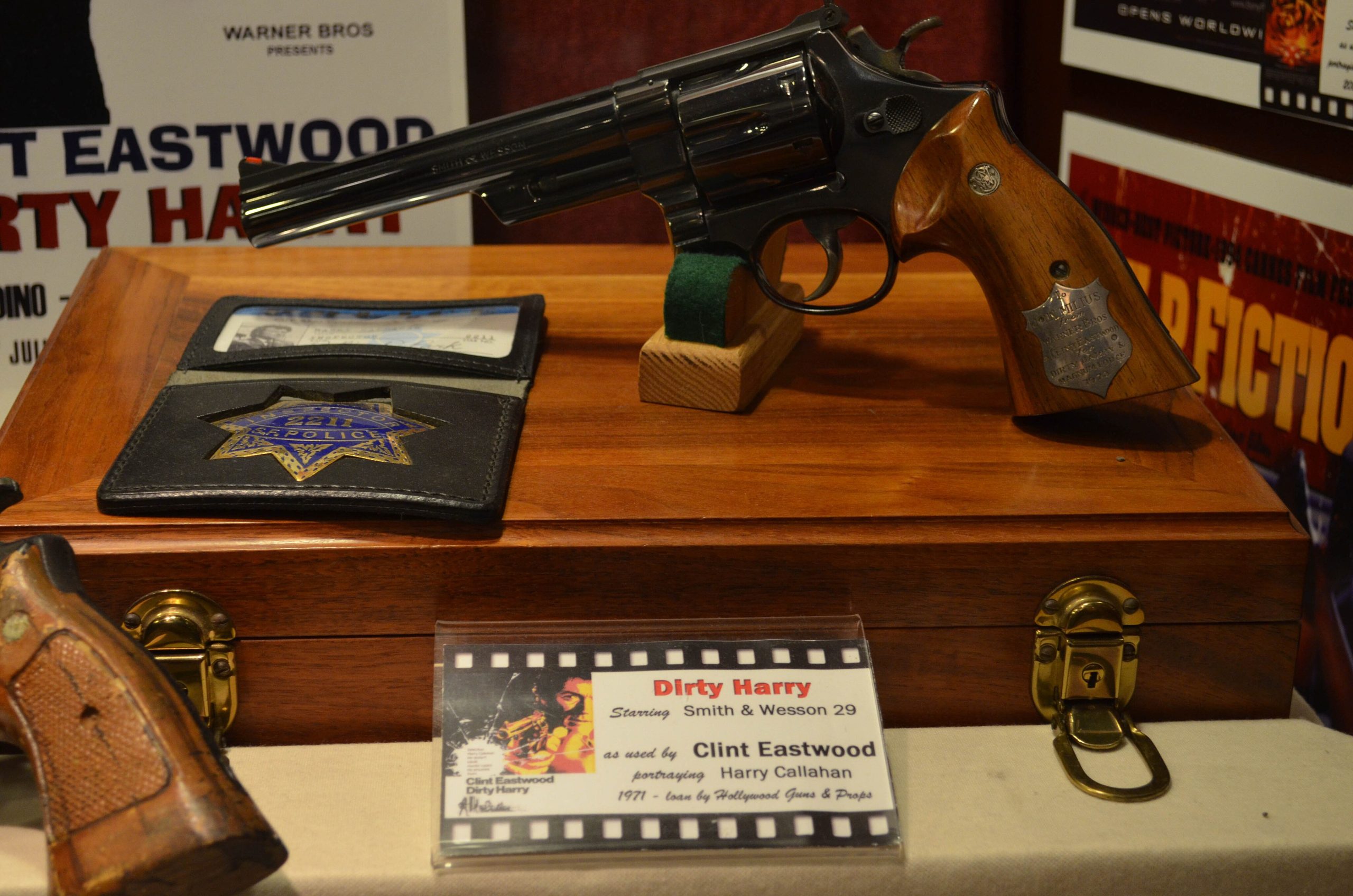
One of the fastest ways to get removed from a gun show is sweeping others with a muzzle. Even if a firearm is cleared, pointing it at people is considered unacceptable. Always keep the muzzle pointed in a safe direction, typically toward the floor or a designated backstop. Remember that aisles are narrow and crowds shift constantly. Being mindful of where the barrel points requires active attention. Vendors notice this immediately, and those who violate this rule quickly lose trust. Proper muzzle discipline shows respect for everyone’s safety and keeps the environment calm and professional.
3. Ask Before Handling Anything
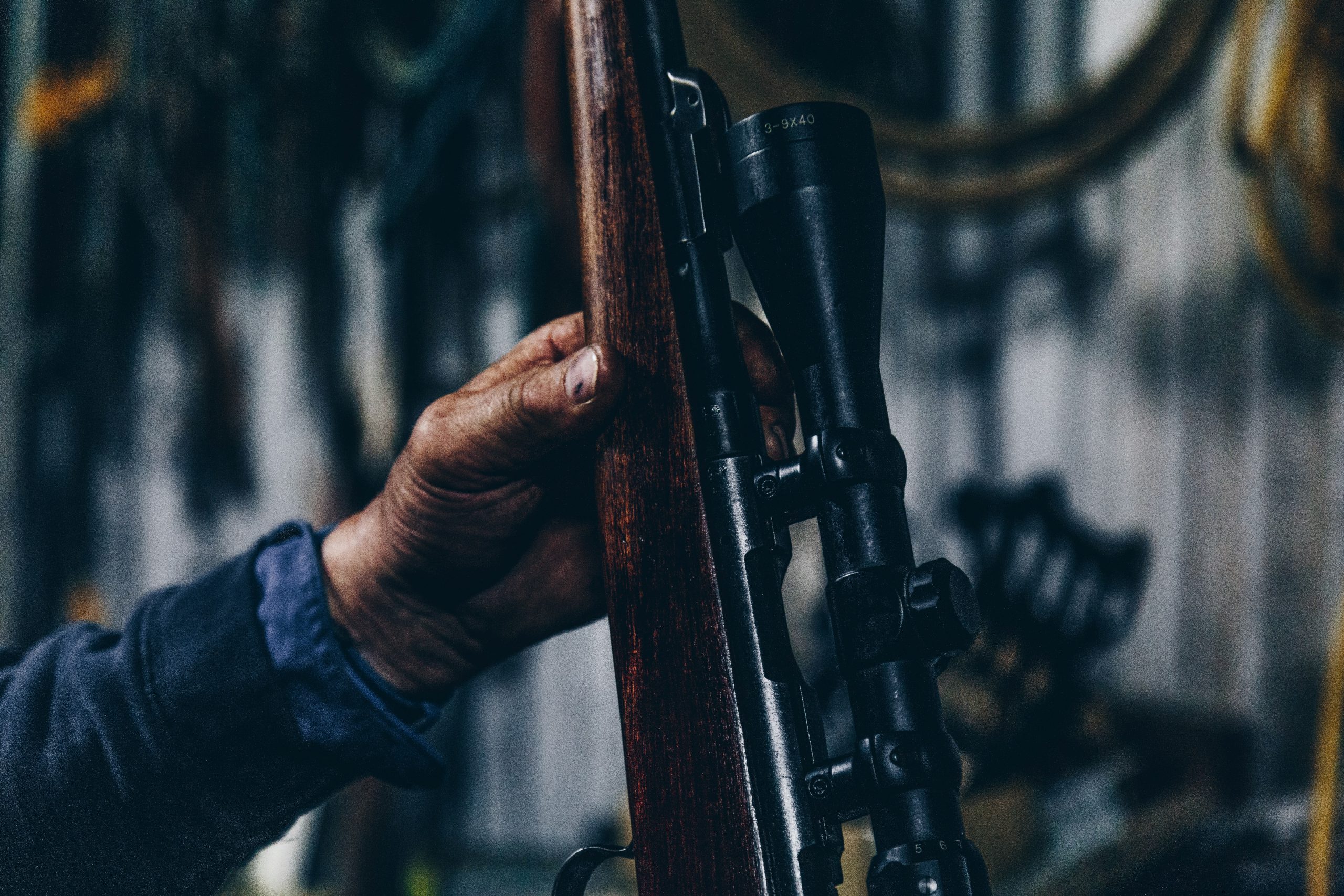
While many items are displayed openly, touching firearms or accessories without permission is poor etiquette. Always ask the vendor before picking up a gun, removing it from a rack, or manipulating controls. This applies equally to knives, optics, and rare collectibles. Asking first shows respect for the seller’s property and allows them to supervise safe handling. Some firearms are fragile, customized, or historically valuable. Vendors appreciate buyers who take the extra moment to ask, and this small courtesy often leads to better conversations, more information, and occasionally better pricing during negotiations.
4. Keep Your Finger Off the Trigger
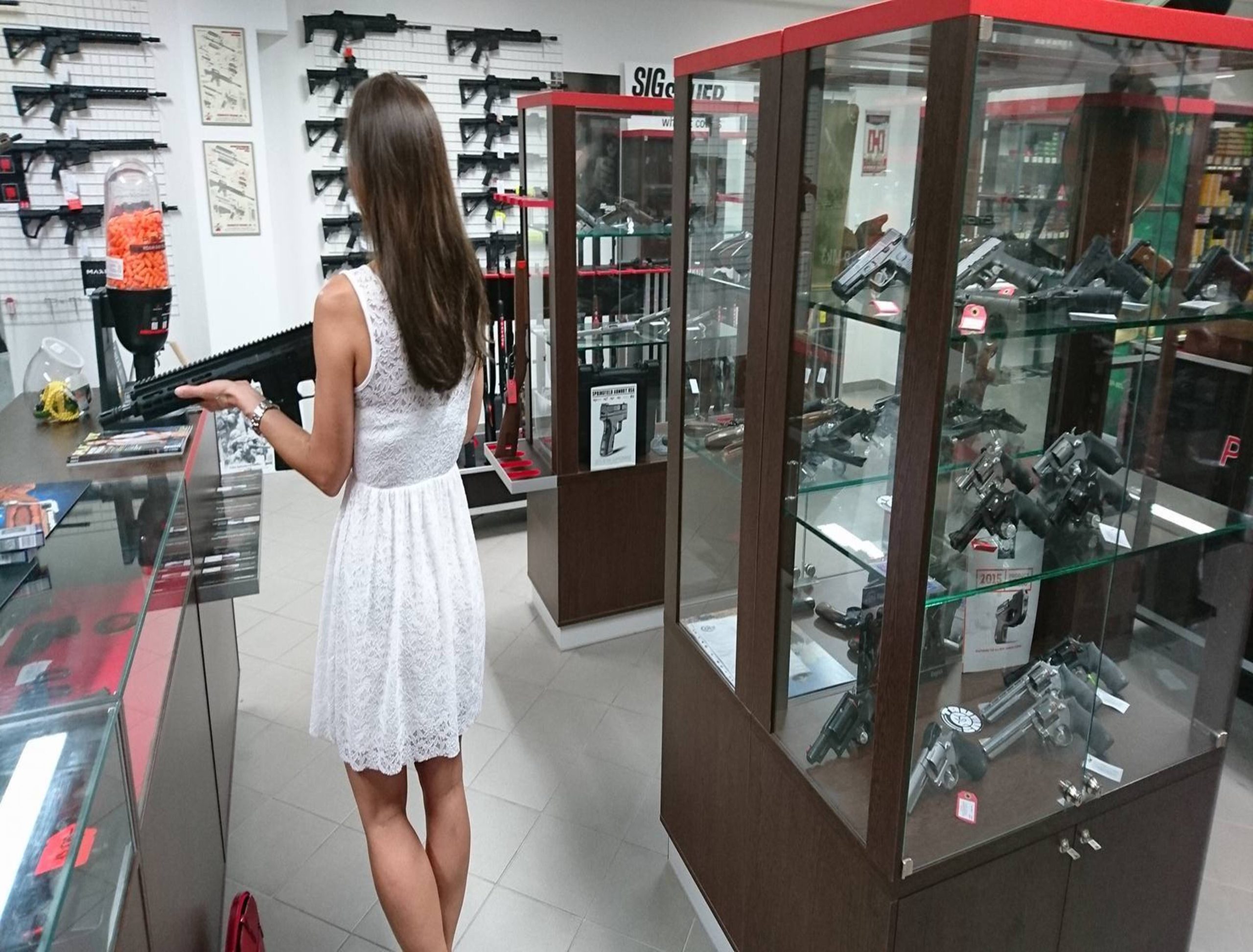
Trigger discipline is non-negotiable at gun shows. Even dry firing without permission is frowned upon and sometimes prohibited. When handling a firearm, your finger should remain clearly outside the trigger guard at all times. This signals control and awareness to vendors and other attendees. Gun shows involve close proximity, and any sudden movement can alarm people nearby. Good trigger discipline reassures everyone that you’re not careless or reckless. Sellers often judge potential buyers by this detail alone, making it a subtle but powerful way to show competence and seriousness.
5. Don’t Criticize a Vendor’s Inventory Loudly
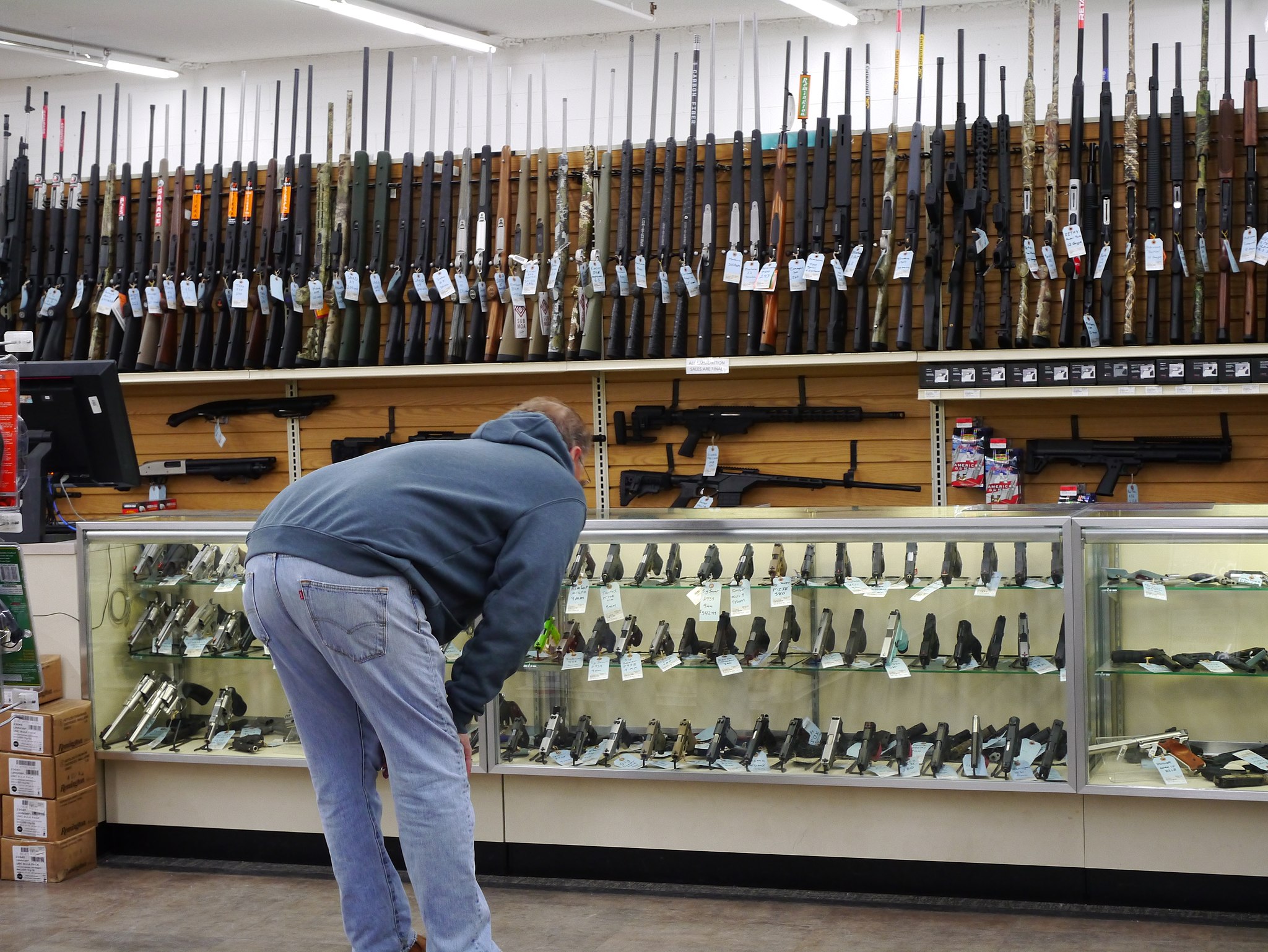
It’s fine to have opinions, but loudly criticizing a vendor’s prices, firearm choices, or condition of items is considered disrespectful. Gun shows are personal businesses for many sellers, not big-box stores. Publicly mocking a table’s inventory can create tension and reflect poorly on you. If something isn’t for you, simply move on. Respectful silence is better than negative commentary. Vendors remember rude behavior, and word travels quickly. Maintaining courtesy keeps the atmosphere friendly and ensures you’re welcomed back at future shows without unnecessary friction.
6. Handle Negotiations Respectfully
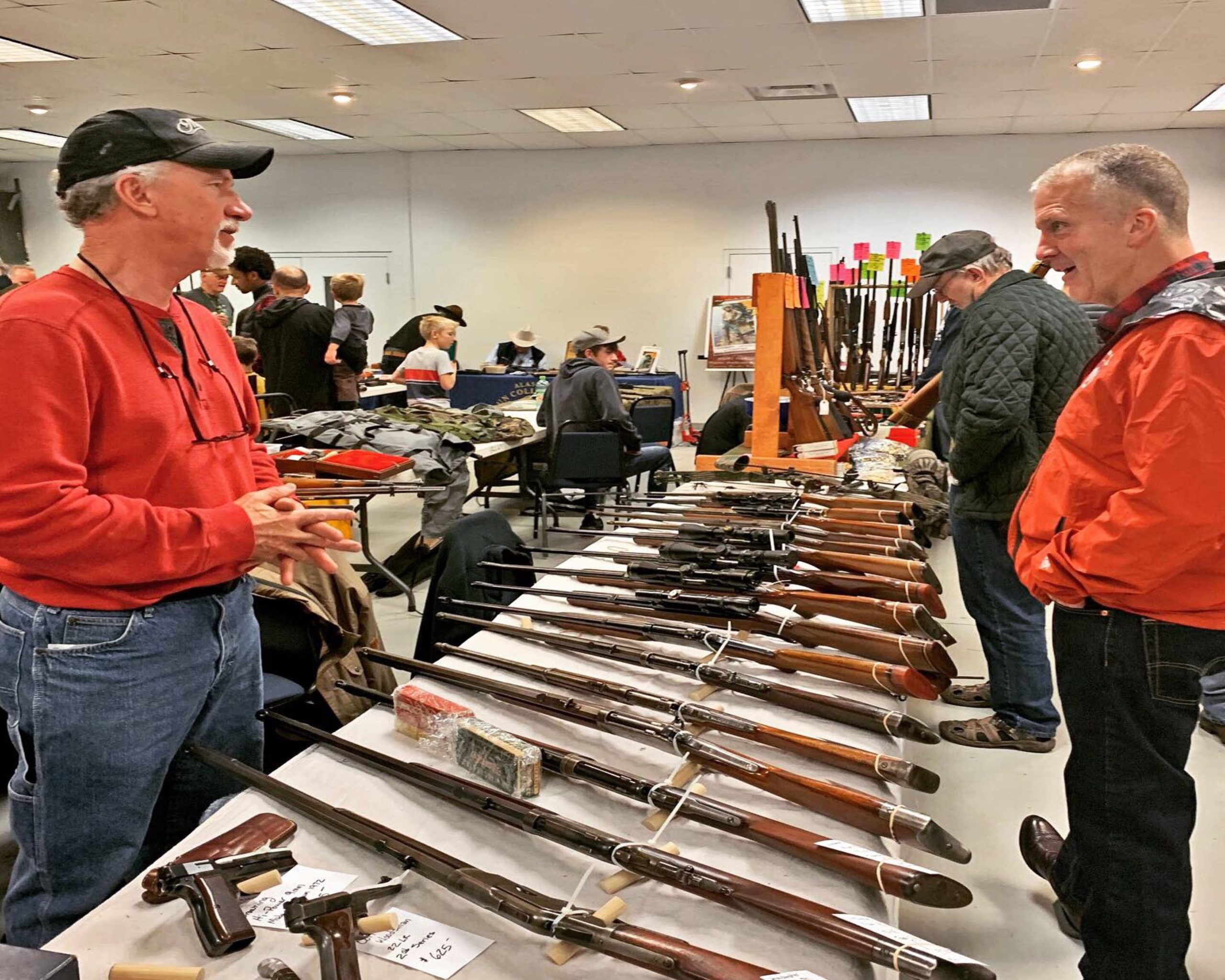
Haggling is common at gun shows, but it should always be done politely. Lowball offers delivered with arrogance or sarcasm are rarely appreciated. Instead, ask reasonable questions, show genuine interest, and negotiate calmly. Vendors often expect some back-and-forth, but respect sets the tone. Remember that many sellers rely on these events for income, not entertainment. A respectful approach increases the chance of reaching a fair deal. Even if a price doesn’t change, maintaining professionalism keeps the interaction positive and preserves your reputation among vendors.
7. Don’t Block Tables or Aisles
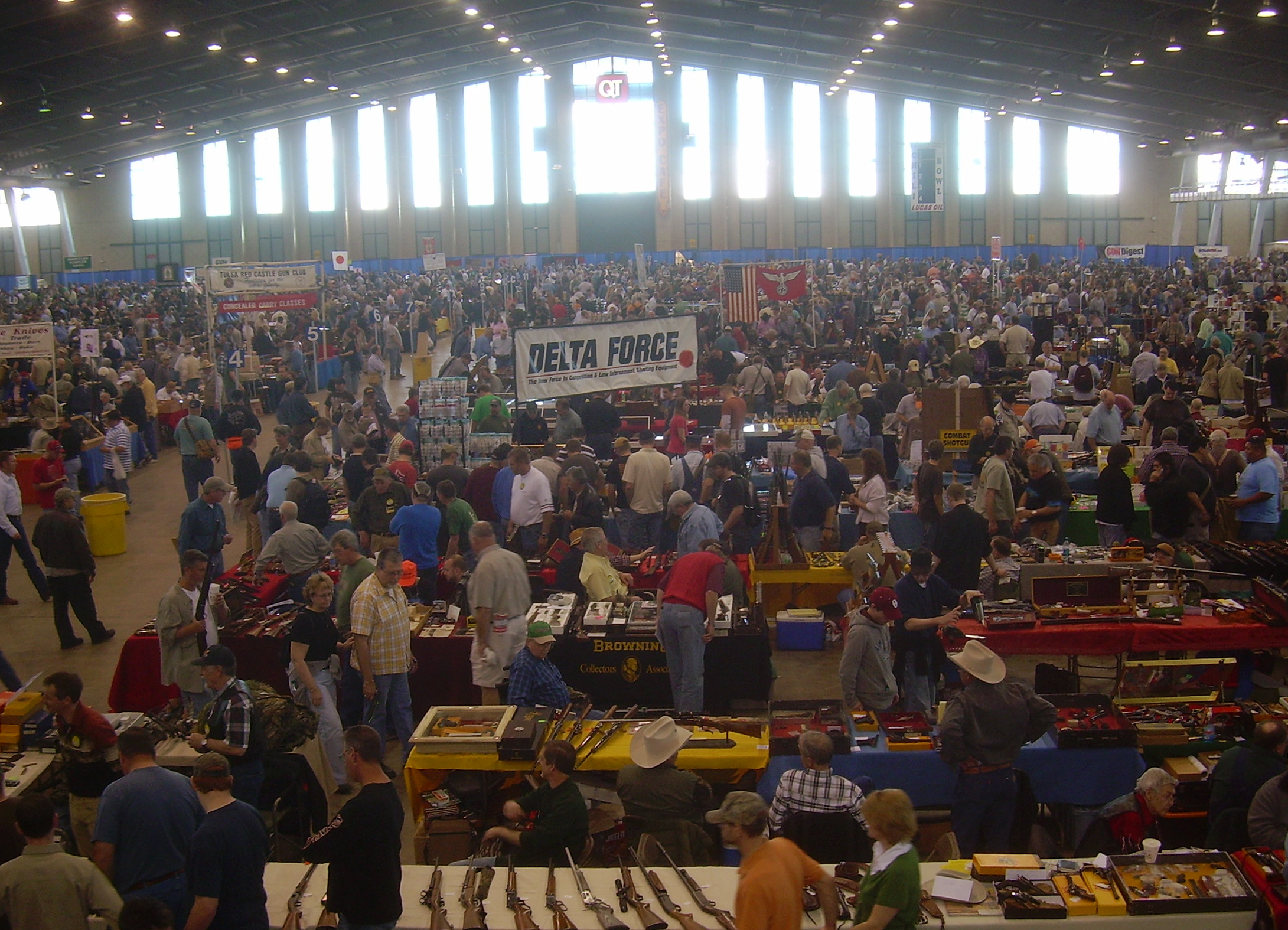
Gun shows can become crowded quickly, especially during peak hours. Standing directly in front of a table while chatting, checking your phone, or debating with friends can block access for others. Be mindful of foot traffic and step aside when needed. Vendors want a steady flow, and attendees want room to browse. Awareness of space keeps things moving smoothly. Blocking aisles frustrates sellers and fellow shoppers alike. Good etiquette means sharing space generously and understanding that everyone is there to browse comfortably without unnecessary congestion.
8. Know the Laws Before You Ask Questions
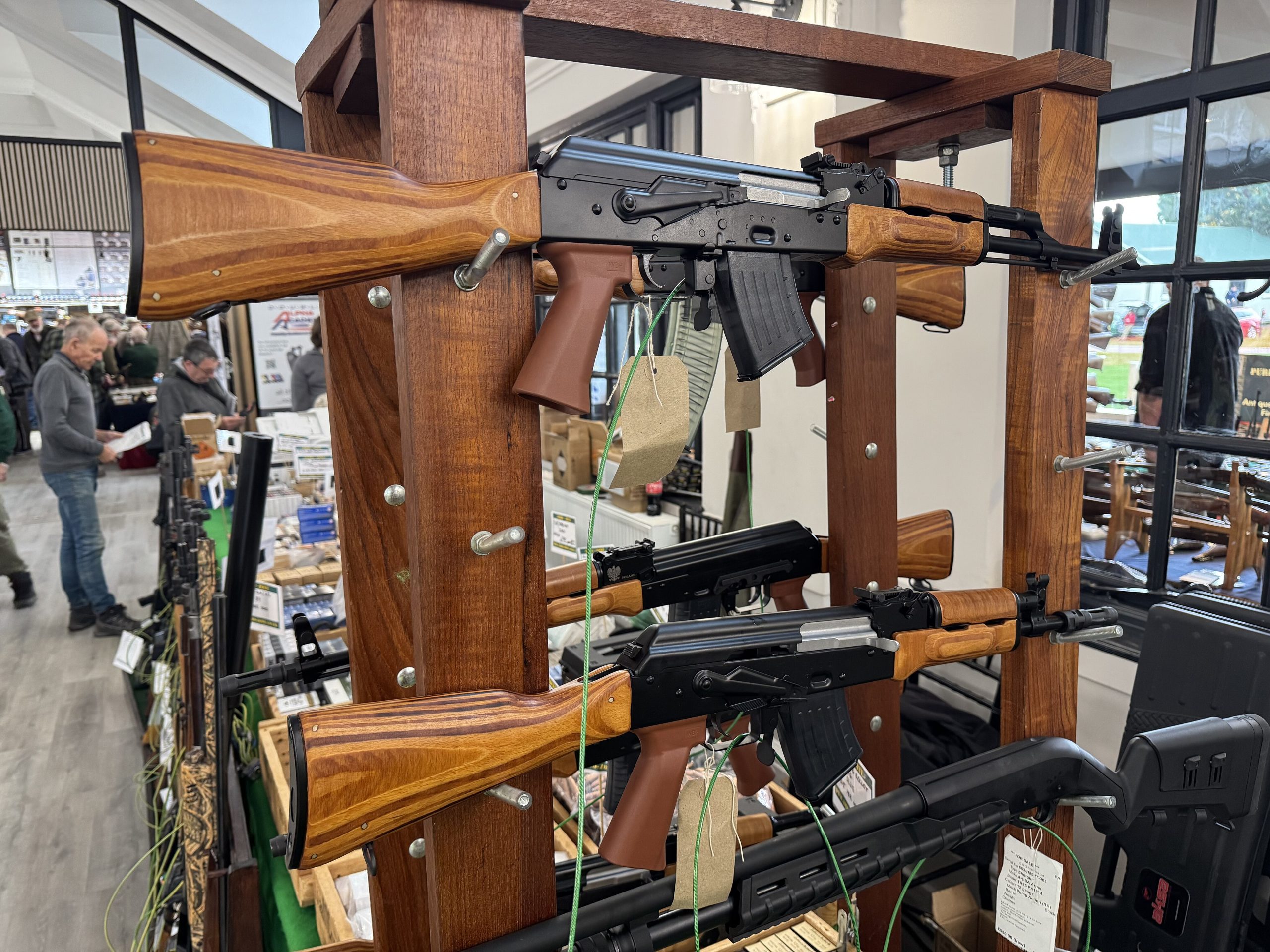
Gun laws vary by state, and asking basic legal questions without preparation can slow interactions. While vendors are often knowledgeable, they’re not legal advisors. Before attending a show, familiarize yourself with local purchasing requirements, waiting periods, and transfer rules. Asking informed questions shows responsibility and seriousness. It also prevents misunderstandings or frustration during potential purchases. Vendors appreciate buyers who’ve done their homework. Being prepared helps conversations stay focused on the firearm itself rather than basic legal explanations that could have been researched beforehand.
9. Don’t Test Functions Without Permission
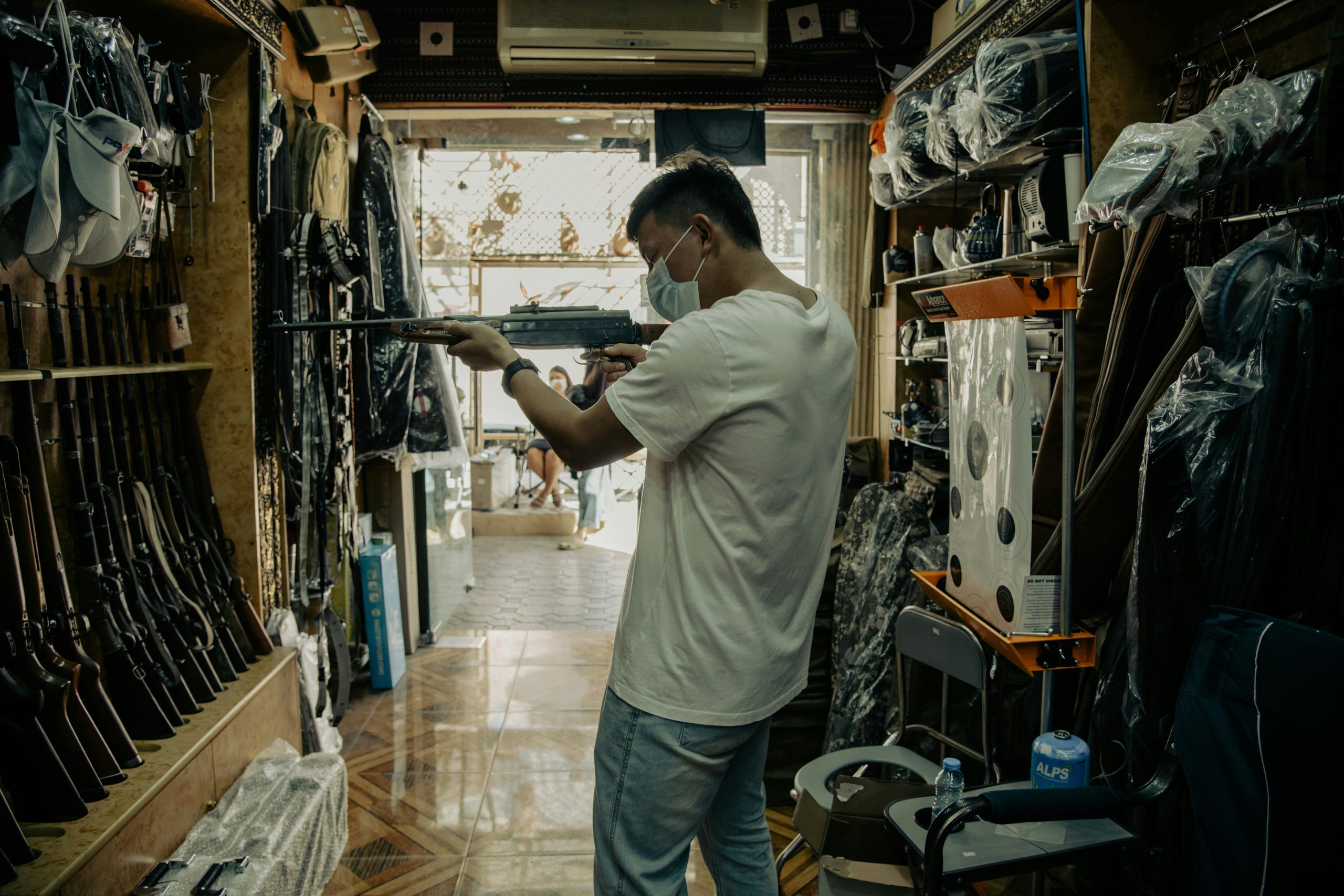
Racking slides, cycling actions, or dry firing without asking is considered rude and sometimes unsafe. Certain firearms require specific handling procedures, and some vendors prefer to demonstrate functions themselves. Always request permission before manipulating controls. This prevents accidental damage and ensures proper supervision. Some firearms may be collector pieces or modified internally. Respecting this boundary protects the firearm and builds trust with the seller. Vendors are more willing to engage with buyers who demonstrate patience and respect rather than impulsive handling habits.
10. Respect That Not Everyone Is a Buyer
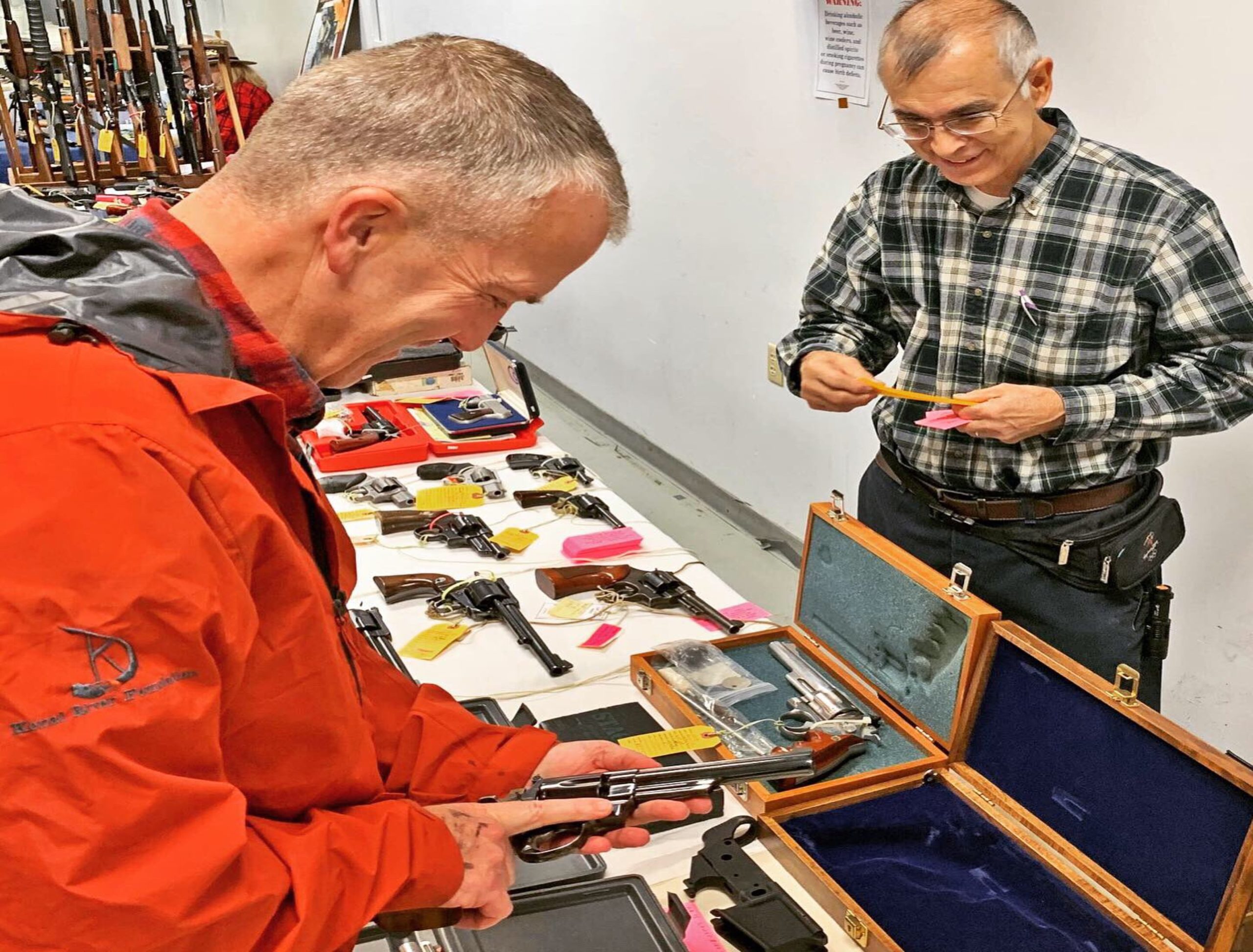
Gun shows attract collectors, historians, hobbyists, and casual browsers. Not everyone attending intends to make a purchase, and that’s okay. Vendors understand this, but attendees should still respect the space. Avoid treating the show like a museum or photo opportunity unless explicitly allowed. Engage politely, ask thoughtful questions, and move along when finished. Recognizing the shared purpose of the event, commerce, education, and community helps maintain a welcoming atmosphere where everyone feels comfortable participating at their own level.