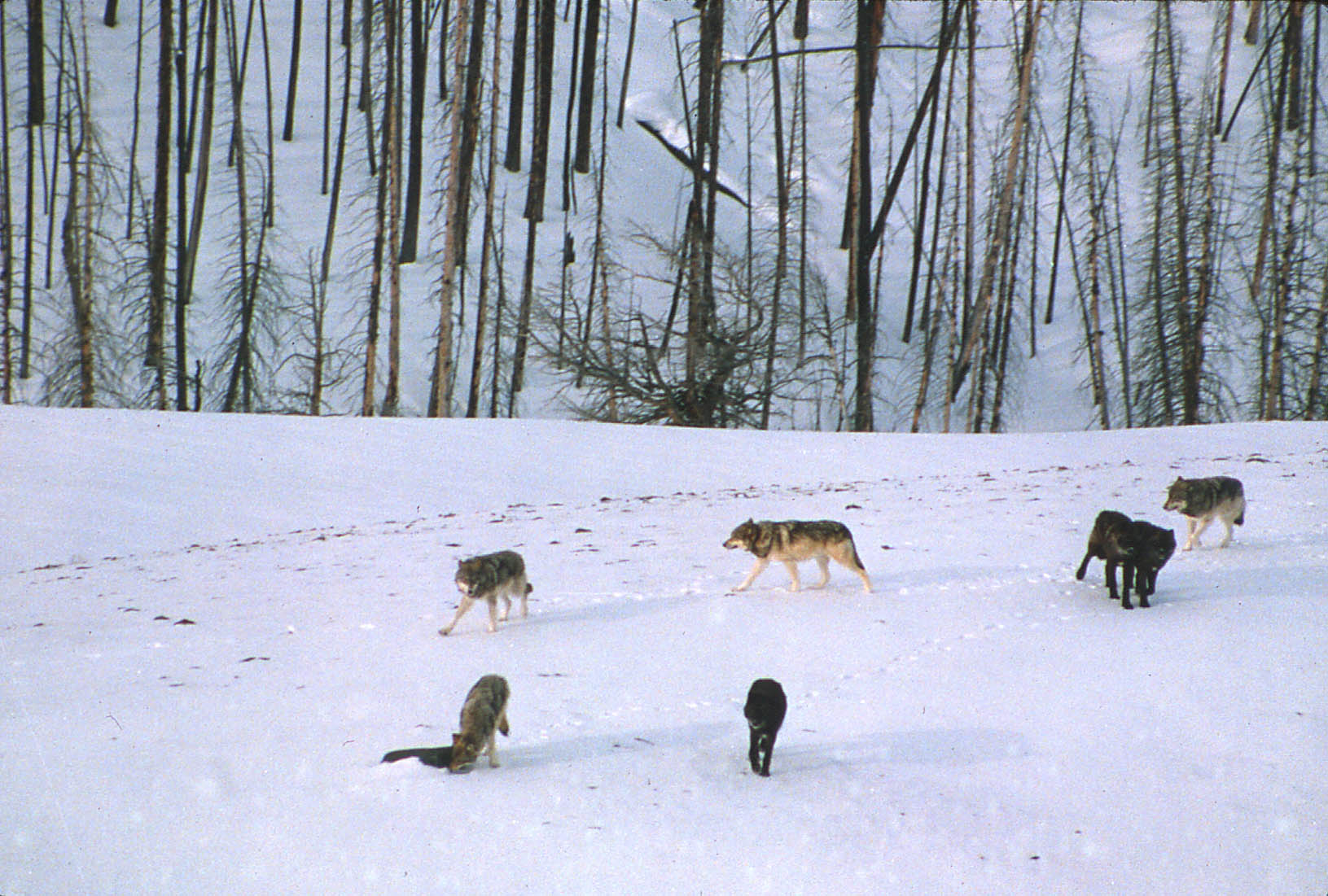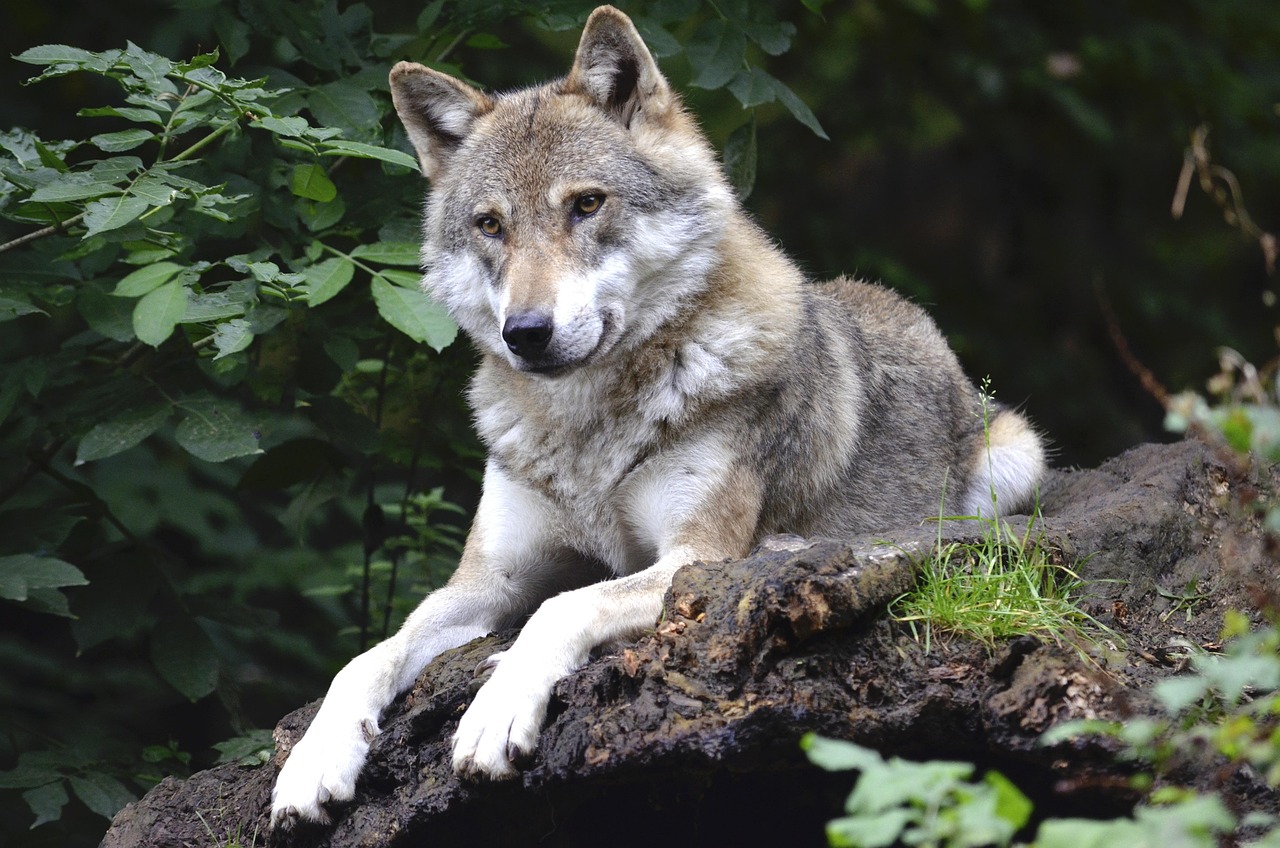
Wildlife conservationists frequently celebrate the 10 US states where wolves are making a quiet comeback today. Observing these magnificent predators returning to their historical territories provides a fascinating glimpse into modern environmental restoration. While early settlement expansion completely decimated local wolf packs across North America, dedicated protection efforts slowly reversed those devastating historical losses. Today, healthy populations successfully expand across diverse geographic regions, from dense northern forests to rugged western mountain ranges. Understanding this incredible biological resurgence highlights the vital role apex predators play in maintaining perfectly balanced, wonderfully vibrant natural ecosystems throughout the country.
Washington
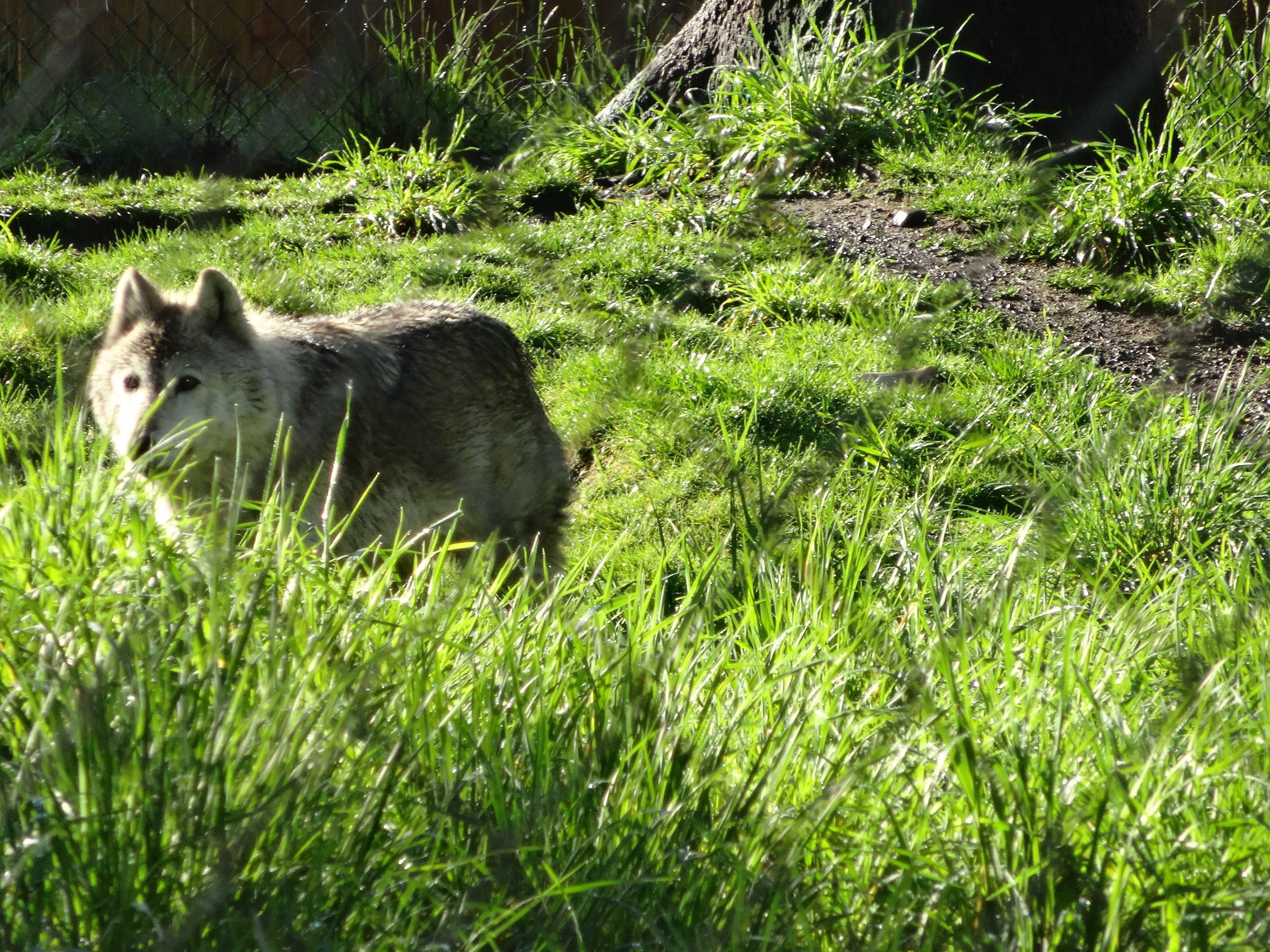
The rugged Cascade Mountains provide an incredibly perfect natural habitat for returning wild canine populations today. Washington currently supports dozens of stable family groups spreading steadily across the eastern and western regional forests. State wildlife biologists carefully monitor their fascinating movements using advanced radio tracking collars to ensure healthy genetic diversity remains intact. These highly adaptable hunters naturally help control massive elk herds wandering through the beautiful alpine wilderness areas. Residents genuinely appreciate witnessing this spectacular environmental success story unfold safely within their majestic evergreen state while maintaining respectful distances from the growing native wildlife communities residing locally.
Oregon
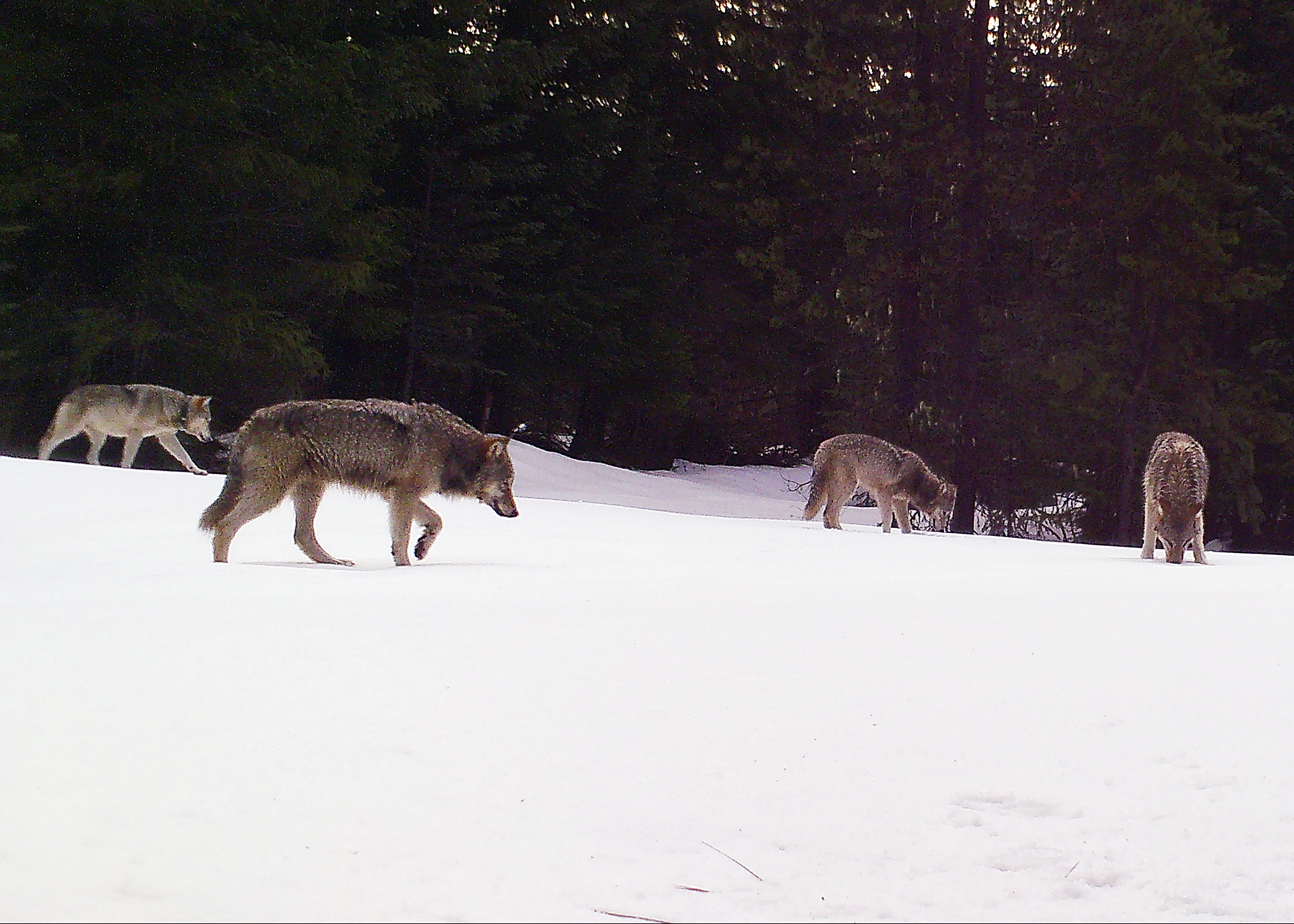
Vast stretches of untouched timberland make Oregon an absolute paradise for expanding predator territories today. The historic arrival of a famous wandering male named OR7 completely captivated the entire nation over a decade ago. Since that incredible historical moment, numerous family units have successfully established permanent residences throughout the spectacular Wallowa Mountains. Conservation organizations work tirelessly alongside rural ranchers to implement highly effective nonlethal deterrent strategies that perfectly protect valuable livestock herds. This brilliant cooperative approach allows humans and magnificent apex predators to coexist peacefully across the lush green wilderness dominating the beautiful Pacific Northwest landscape.
California
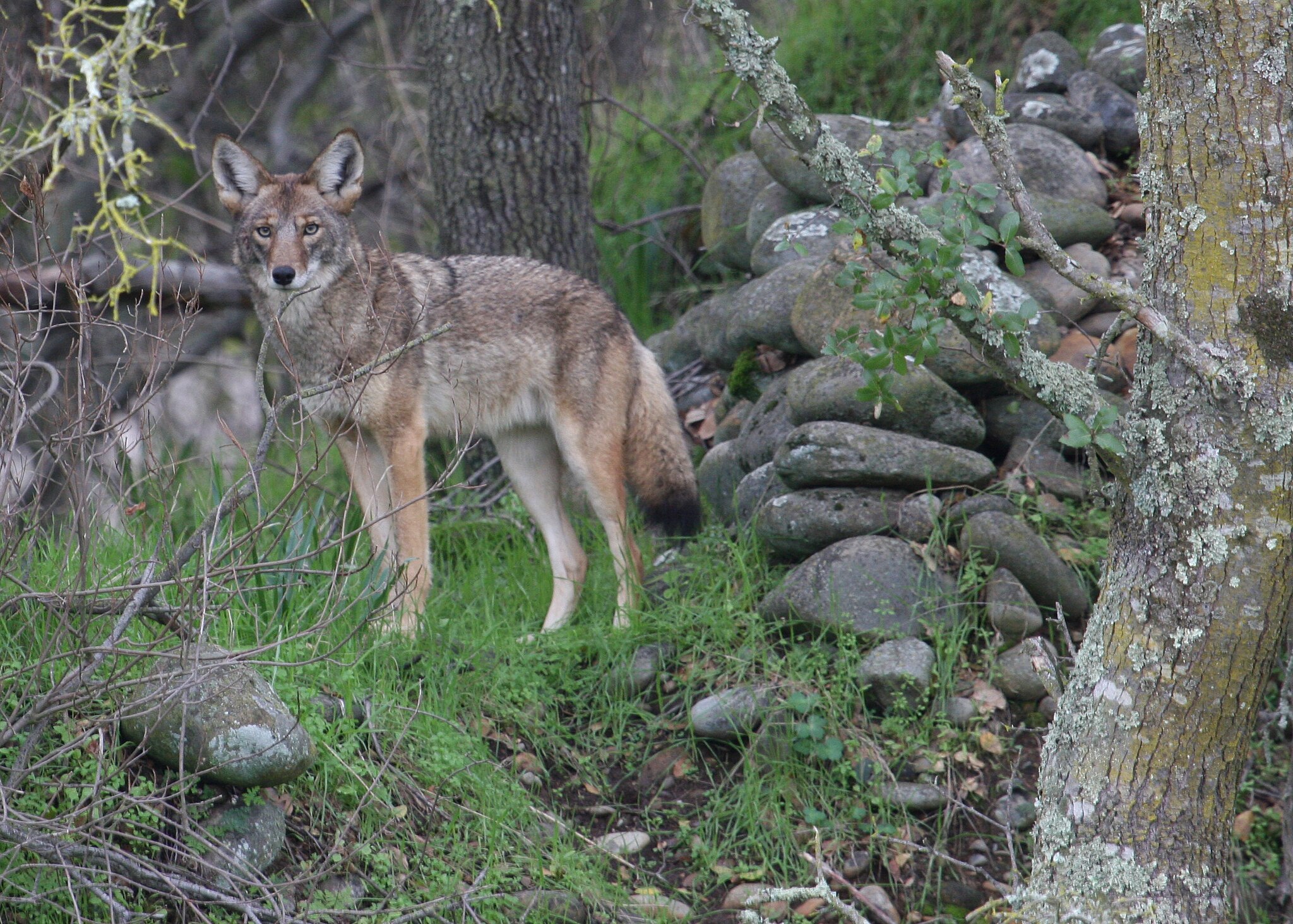
Following nearly a century of complete absence, wild canines finally crossed the northern border back into California recently. The rugged Sierra Nevada mountain range offers incredibly vast uninhabited territories filled perfectly with abundant natural prey sources. State environmental officials carefully map their gradual southern expansion, utilizing advanced remote trail cameras hidden deep inside the isolated wilderness. Residents passionately support strict protection laws that allow these beautiful animals to naturally reclaim their ancient ancestral hunting grounds, completely unhindered. Witnessing a healthy pack raising newborn pups successfully signals an incredibly monumental triumph for regional wildlife conservation efforts operating statewide today.
Colorado
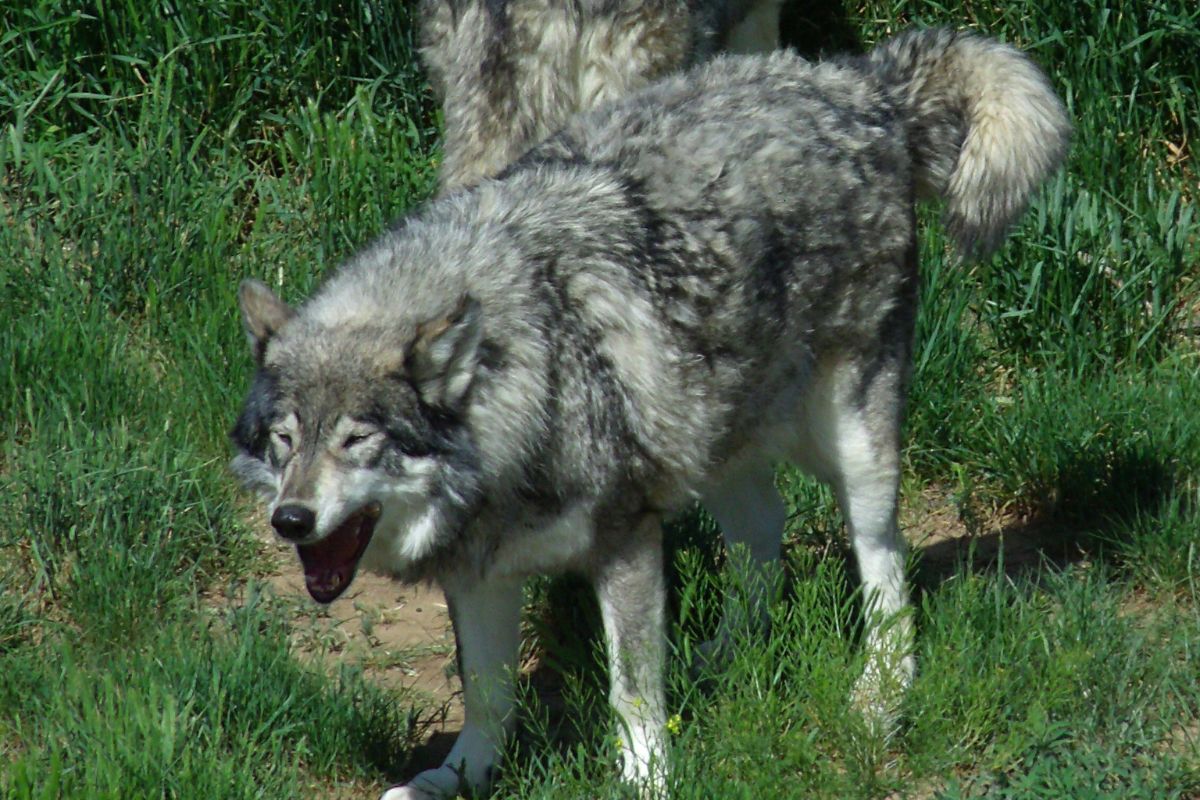
Voters recently approved a highly ambitious environmental initiative designed specifically to reintroduce apex predators across western Colorado. The breathtaking Rocky Mountains easily provide millions of pristine public acres necessary to sustain rapidly growing pack populations forever. Wildlife managers strategically released several healthy individuals gathered from neighboring states into deeply secluded alpine valleys recently. These energetic newcomers immediately began exploring the spectacular high altitude terrain while expertly hunting massive local deer populations daily. Restoring this missing biological link helps naturally manage grazing animal numbers and profoundly revitalizes fragile mountain ecosystems spread throughout the incredibly beautiful Centennial State permanently.
Michigan
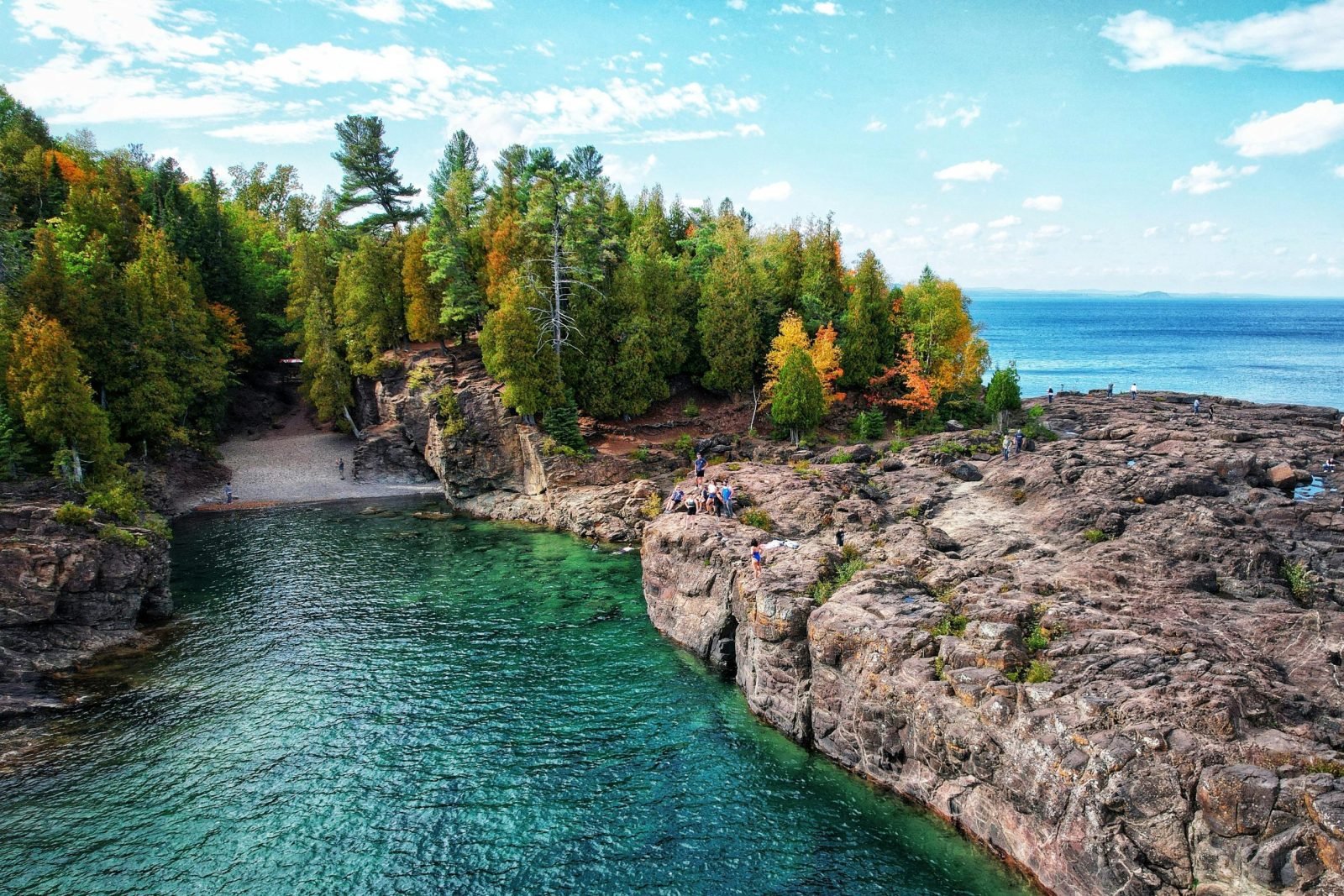
Surrounded by massive freshwater lakes, the isolated northern peninsulas of Michigan host incredibly robust predatory communities today. Thick evergreen forests blanket the spectacular landscape and grant absolutely perfect concealment for these deeply secretive native animals. The famous Isle Royale National Park features a uniquely fascinating isolated population that scientists have studied continuously for many decades. State management programs beautifully balance essential environmental protection alongside the necessary preservation of traditional outdoor recreational hunting traditions. Hearing a lonely howl pierce the freezing winter darkness remains a highly treasured experience for dedicated nature lovers visiting the majestic Upper Peninsula.
Wisconsin
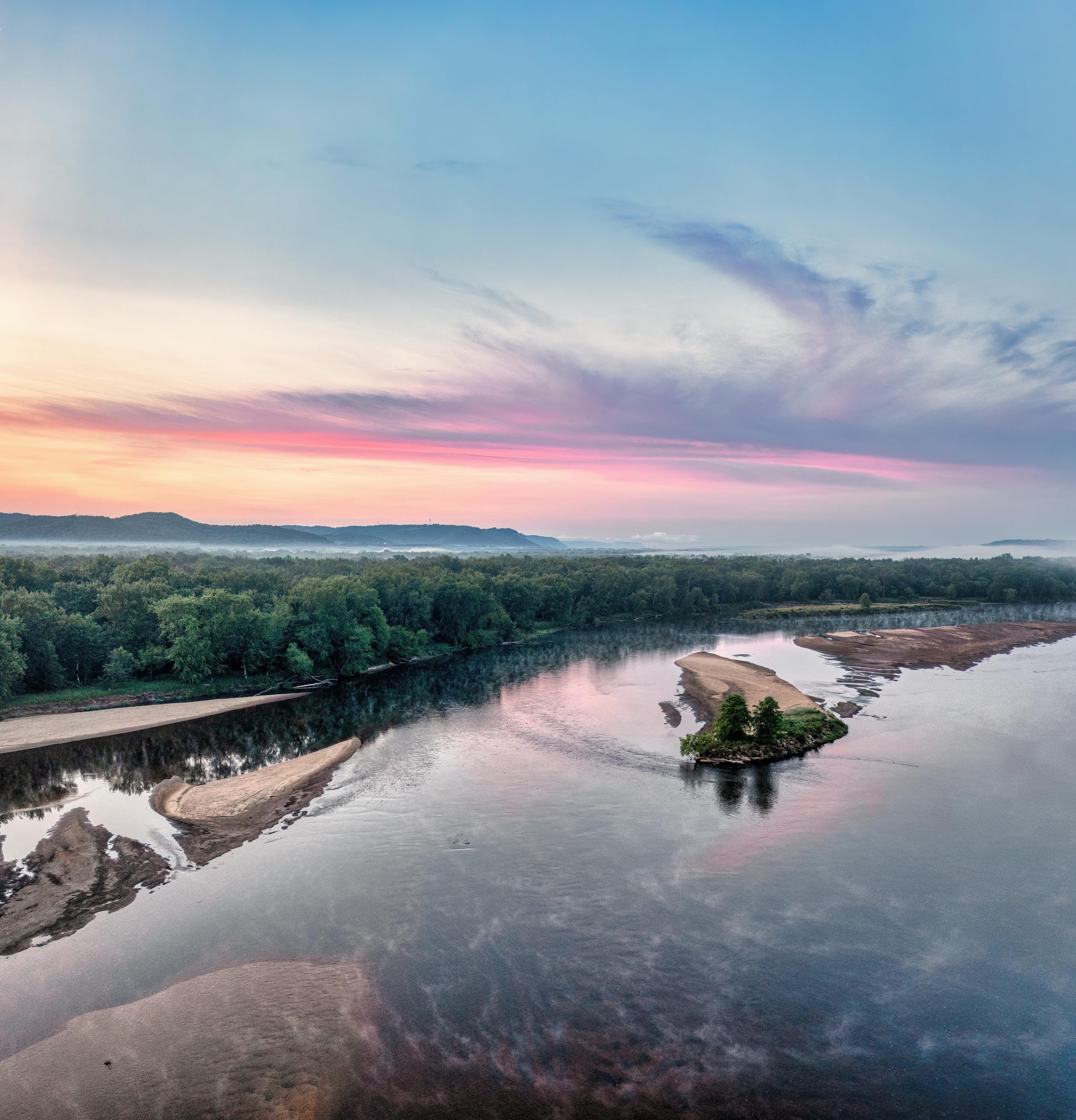
Deep woods covering northern Wisconsin currently sustain a remarkably healthy and totally vibrant wild canine population naturally. Wildlife authorities successfully utilized federal protections to transform completely decimated local numbers into an incredibly thriving biological success story today. The animals wander freely through dense timberlands searching constantly for vulnerable whitetail deer during bitterly cold winter snowstorms. Biologists actively partner with local farmers to prevent unfortunate agricultural conflicts, utilizing highly advanced fencing and bright flashing lights effectively. Their continued presence strongly indicates that massive commercial logging lands can simultaneously support magnificent apex predators without causing severe ecological disruptions whatsoever.
Minnesota
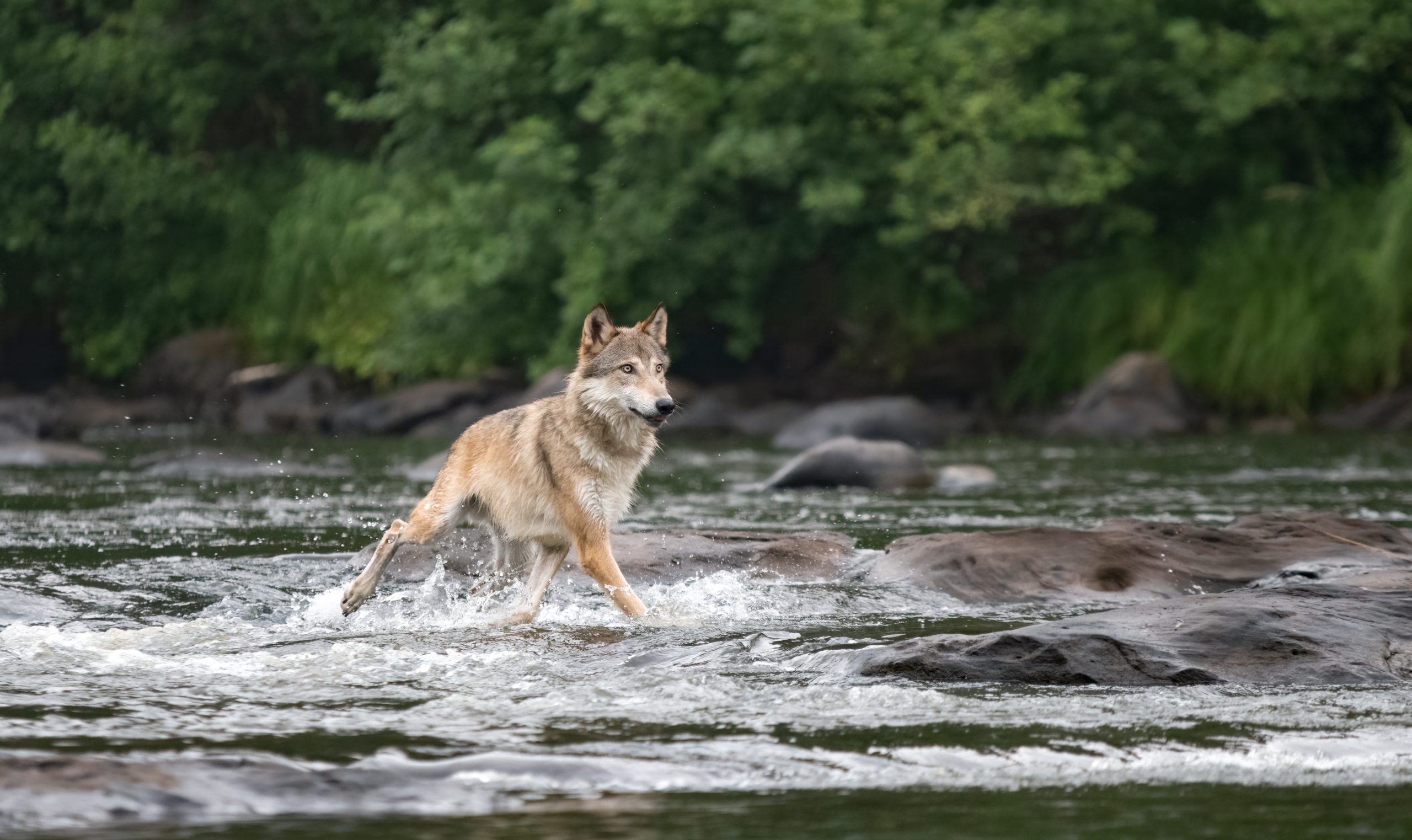
Minnesota boasts the absolutely largest continuous predator population freely roaming anywhere inside the contiguous United States today. The spectacular Boundary Waters Canoe Area provides millions of completely pristine wilderness acres, perfectly isolated from busy urban development projects entirely. These majestic animals expertly navigate frozen lakes and deeply snow-covered pine forests throughout the terribly harsh northern winters seamlessly. Naturalists absolutely adore studying their highly complex social structures and incredibly fascinating vocal communication methods directly from safe distances. State residents proudly embrace these beautiful creatures as fundamental cultural symbols representing the truly untamed spirit defining their gorgeous northern territory.
Arizona
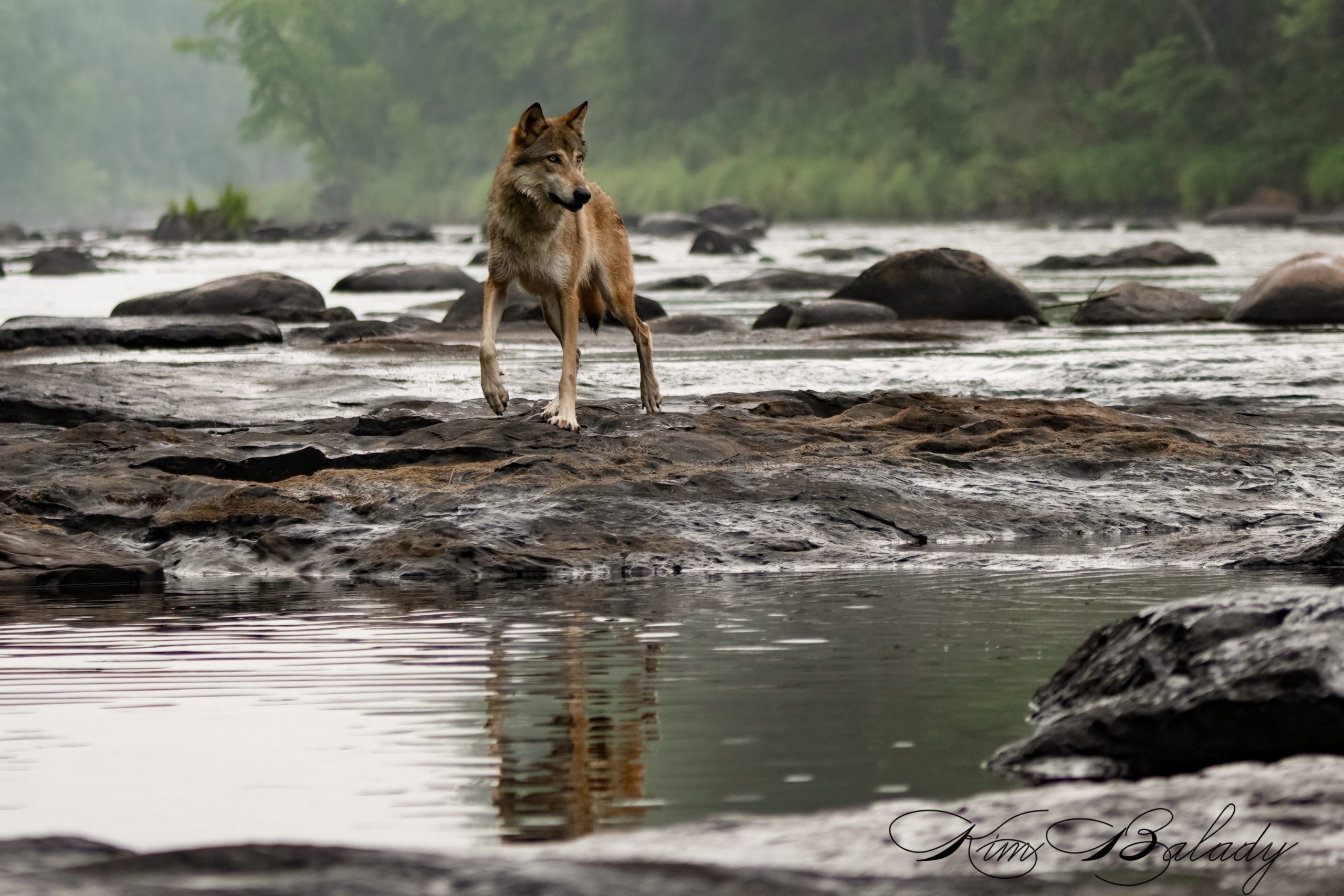
The spectacular desert landscapes of Arizona offer remarkably diverse ecosystems capable of supporting highly endangered native canine species today. Dedicated conservationists work relentlessly to reintroduce the incredibly rare Mexican gray wolf back into the sprawling eastern mountain ranges effectively. Biologists carefully breed these magnificent animals inside secure protective facilities before strategically releasing them into the vast national forests nearby. Their gradual return perfectly restores a critical predatory balance completely missing from the fragile southwestern environment for several decades. Discovering fresh paw prints pressed deeply into dry riverbeds consistently delights adventurous hikers exploring the majestic, rugged desert wilderness.
New Mexico
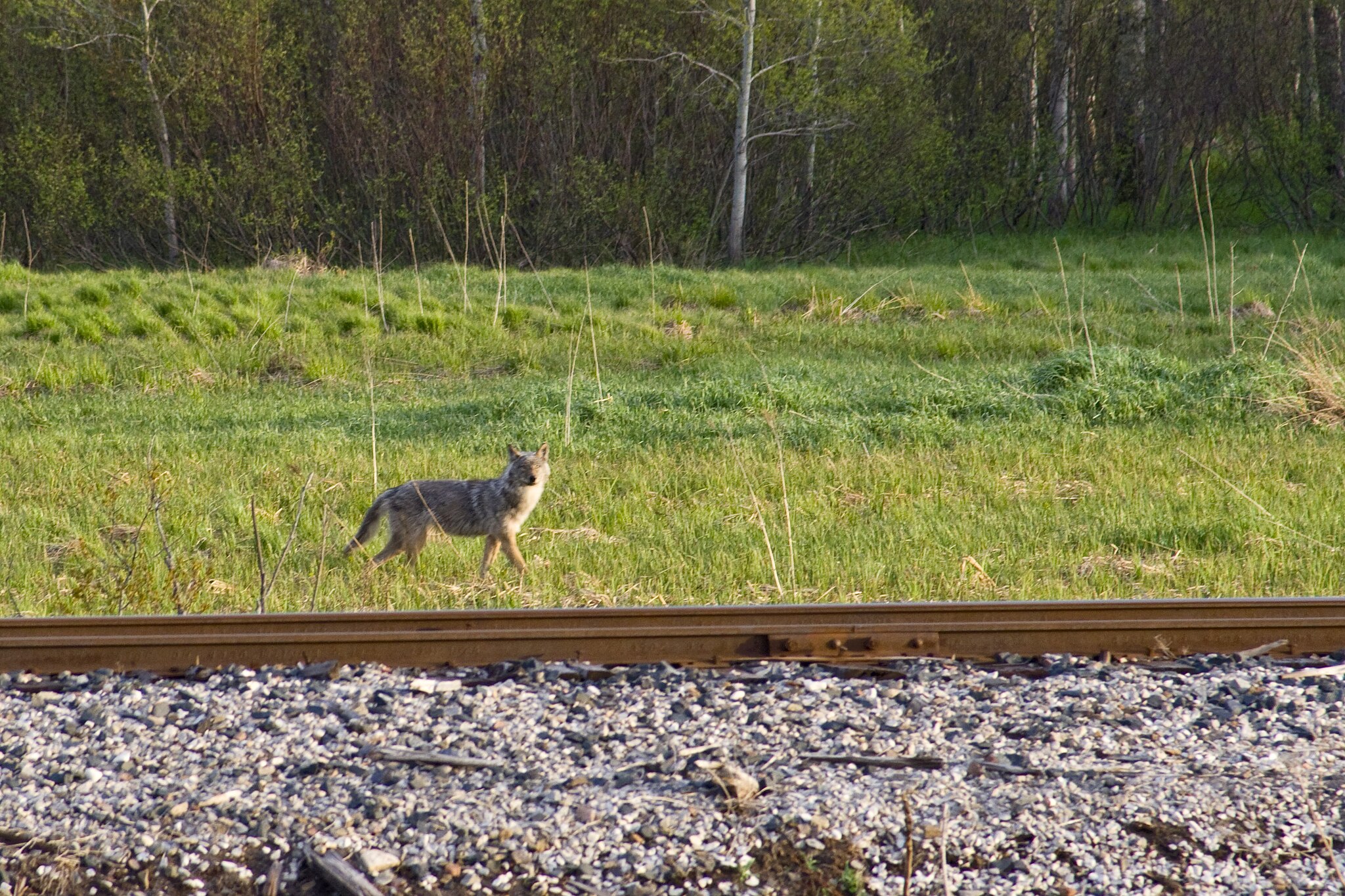
Rugged mountains stretching across western New Mexico create an absolute paradise for thriving populations of beautiful gray predators today. This deeply challenging arid environment forces the incredibly tough native packs to claim exceptionally massive territories simply to locate sufficient daily calories. Local ranchers completely understand the significant ecological benefits associated with returning apex predators to the wild properly. State game wardens successfully employ highly trained tracking dogs to carefully monitor wandering family groups from a remarkably safe distance. This beautiful southwestern territory perfectly showcases how carefully managed wildlife conservation efforts actively preserve historically significant native predatory species indefinitely.
Utah
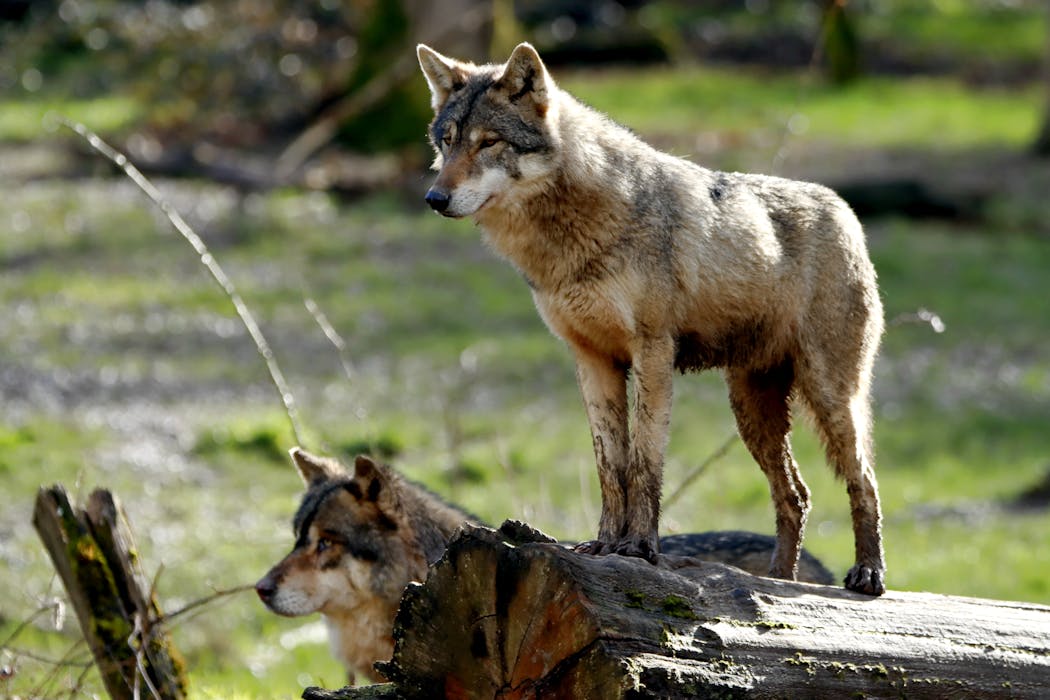
The dramatic red rock canyons of Utah perfectly disguise magnificent returning wild canine populations during their demanding daily hunts. The steep sandstone cliffs provide incredibly secure den locations for safely raising highly vulnerable young pups away from busy human recreation spots. Wildlife biologists actively monitor specific collar frequencies to gather precise scientific data regarding their extensive seasonal migration routes seamlessly. Encountering a quiet, majestic hunter crossing a snowy mountain ridge serves as a startling reminder that nature constantly heals itself. Utah remains a spectacular destination for studying these magnificent, resilient predators closely while enjoying breathtaking natural alpine scenery.