Winter hiking adds beauty and challenge, but travel decisions matter far more when temperatures drop. Snow, ice, and limited daylight magnify small mistakes that might go unnoticed in warmer seasons. Many winter hikers repeat the same travel errors year after year, often because conditions appear manageable at the trailhead. Cold weather hides risks until the body is already stressed or time is running short. Understanding these common travel mistakes helps hikers plan smarter routes, pace themselves realistically, and return safely. Winter demands a slower, more deliberate approach that respects both terrain and weather.
1. Underestimating Travel Time in Snow

Winter hikers often plan travel time using summer expectations. Snow-covered trails slow every step, even on familiar routes. Packed snow, drifts, and icy sections require careful foot placement that reduces speed. Elevation gain becomes more demanding when traction devices are needed. Breaks also take longer due to layering and cold management. Many hikers realize too late that daylight is fading faster than expected. This mistake compounds quickly when navigation slows or weather shifts. Accurate winter travel planning requires generous time buffers and early turnaround decisions that prioritize safety over reaching a destination.
2. Starting Too Late in the Day
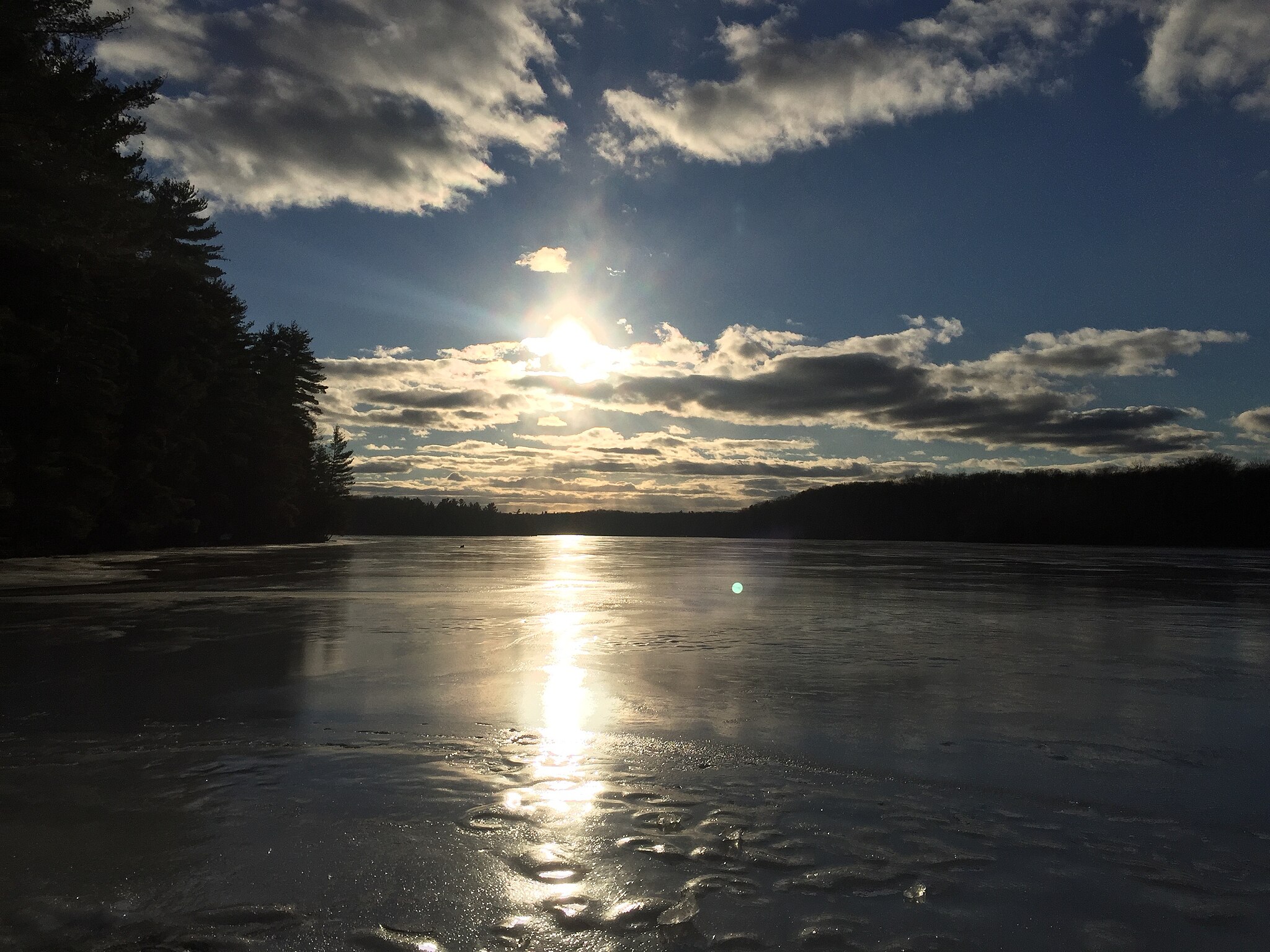
Late starts are one of the most repeated winter travel mistakes. Short daylight hours leave little margin for error. Even experienced hikers underestimate how quickly shadows stretch across snowy terrain. Cold intensifies as the sun drops, increasing fatigue and risk. A delayed start compresses the schedule and encourages rushing. Rushing leads to poor footing and navigation mistakes. Winter hiking rewards early departures that allow steady pacing and frequent checks. Starting late often forces difficult choices between pushing forward or turning back under worsening conditions.
3. Choosing Routes Based on Summer Familiarity
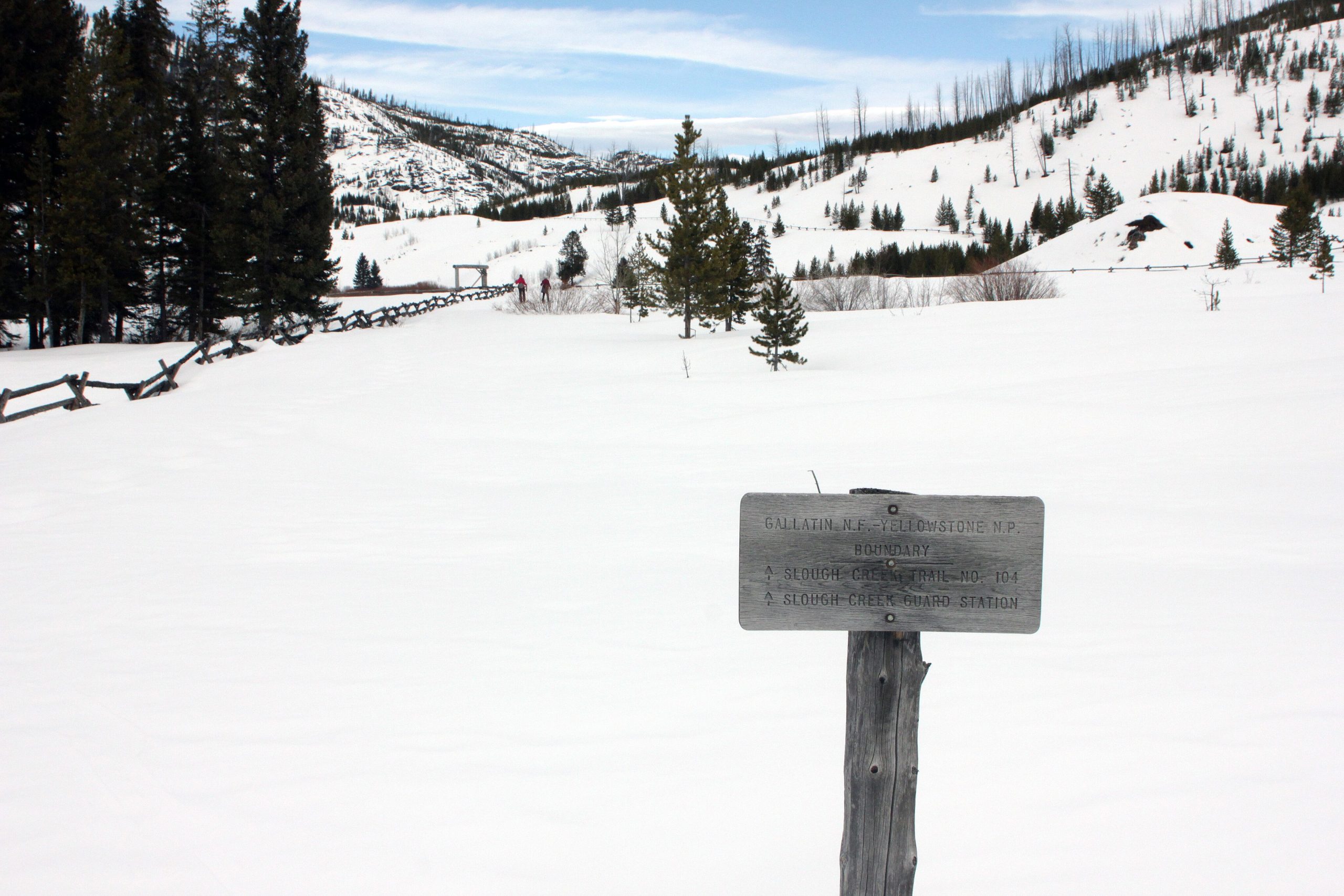
Many winter hikers assume a trail that feels easy in summer will behave the same in winter. Snow hides trail markers, switchbacks, and hazards like drop-offs or stream crossings. Familiar landmarks disappear, making navigation more complex. Routes that are safe in dry conditions may become avalanche paths or ice chutes. Relying on memory instead of winter-specific research leads to poor route selection. Winter travel requires reassessing terrain with fresh eyes and seasonal awareness. Familiarity can create false confidence that blinds hikers to winter-specific dangers.
4. Packing for Distance Instead of Conditions
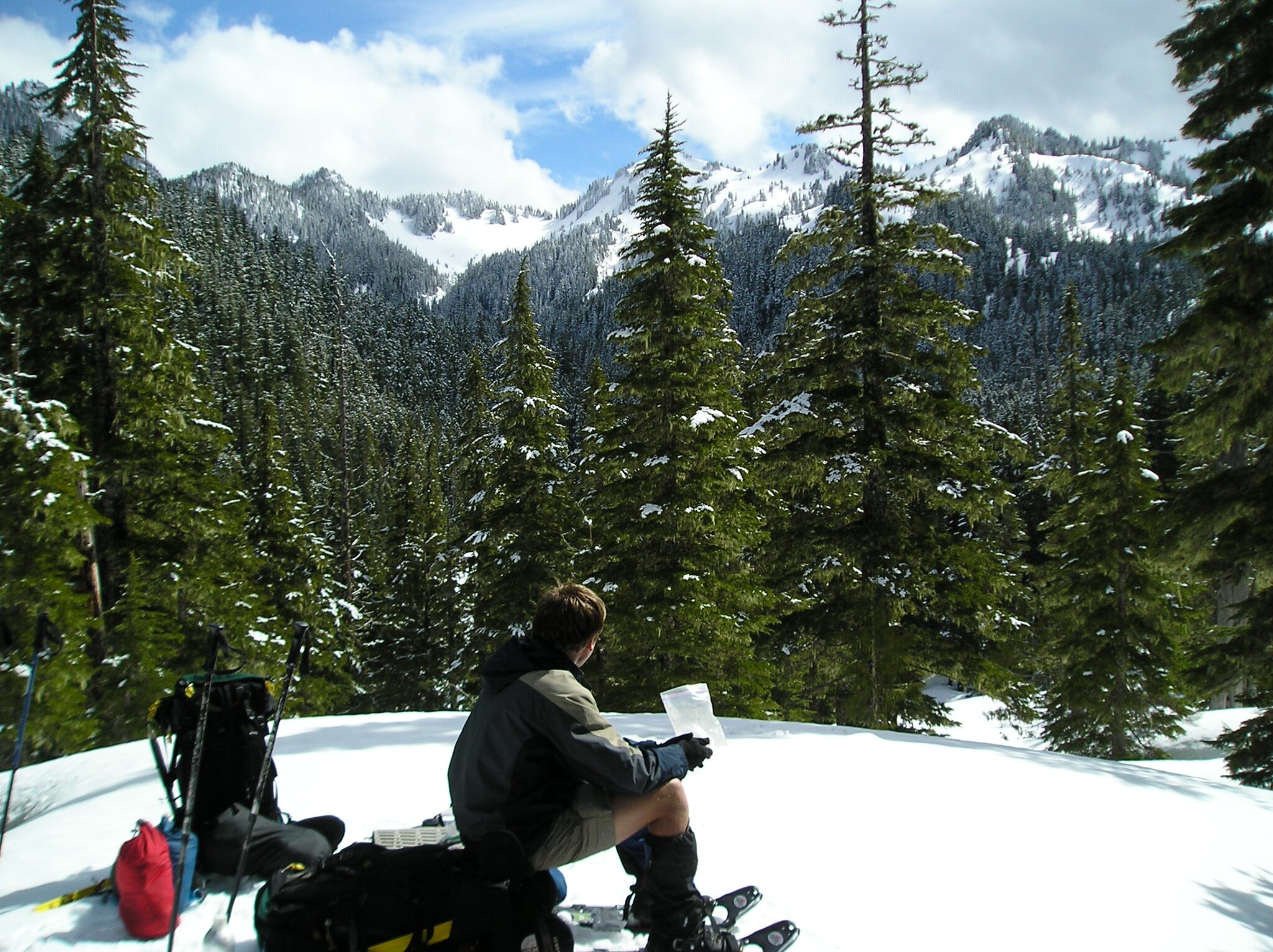
Hikers often pack based on mileage rather than weather severity. Short winter hikes can demand more gear than long summer ones. Cold exposure, wind, and snow increase calorie burn and hydration needs. Extra layers, emergency shelter, and traction add weight but are essential. Underpacking leads to cold stress and limited options when plans change. Winter travel planning must prioritize conditions over distance. A few miles in winter can become serious when weather shifts or progress slows unexpectedly.
5. Ignoring Road and Access Conditions
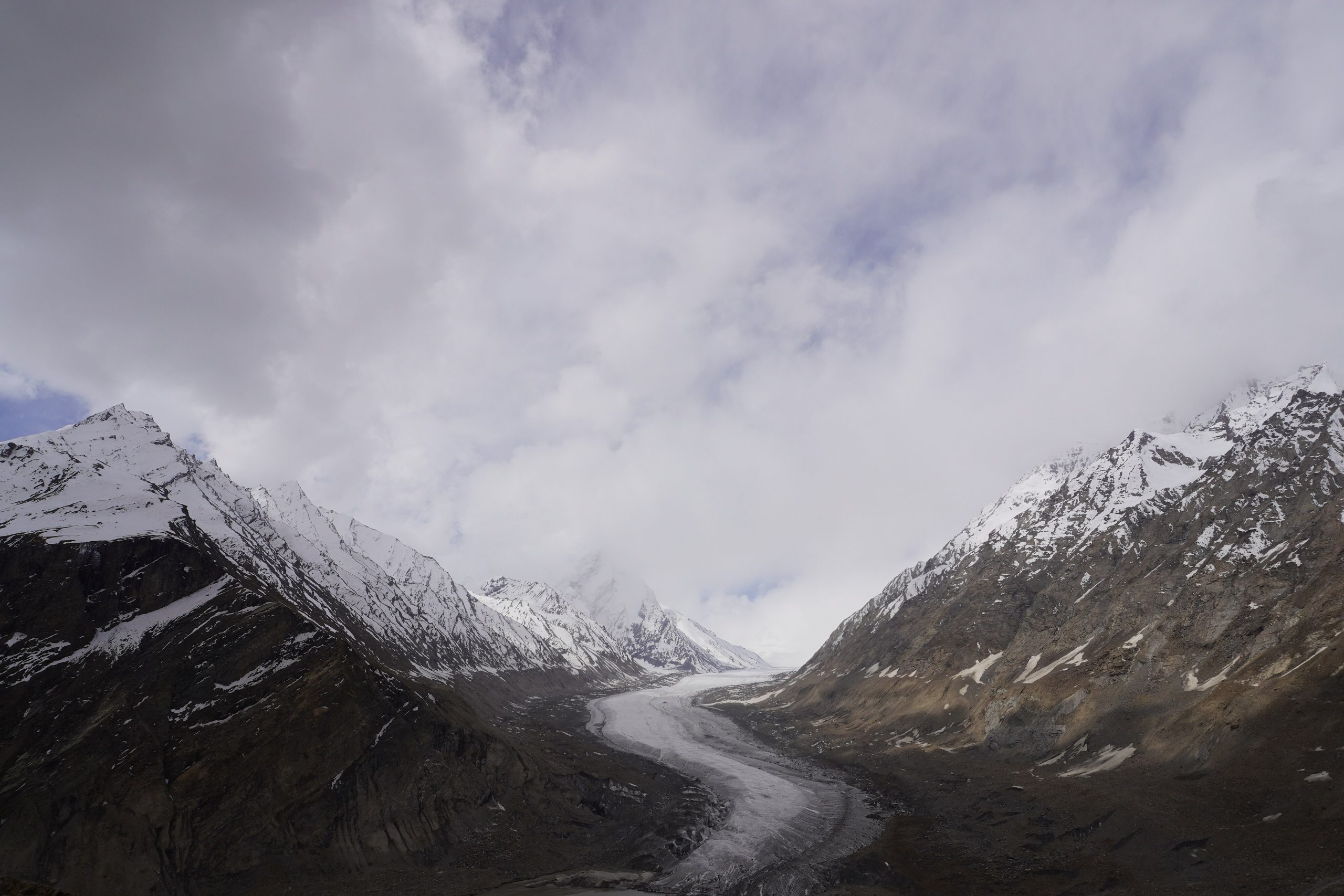
Winter travel mistakes often begin before reaching the trail. Icy roads, snowed-in trailheads, and closed access points disrupt plans. Hikers sometimes assume plowed access without verification. Parking far from trailheads adds unexpected distance and exposure. Poor access planning leads to fatigue before hiking even begins. Checking road reports and seasonal closures is part of winter travel preparation. Ignoring access conditions wastes energy and shortens the safe hiking window.
6. Misjudging Energy and Calorie Needs
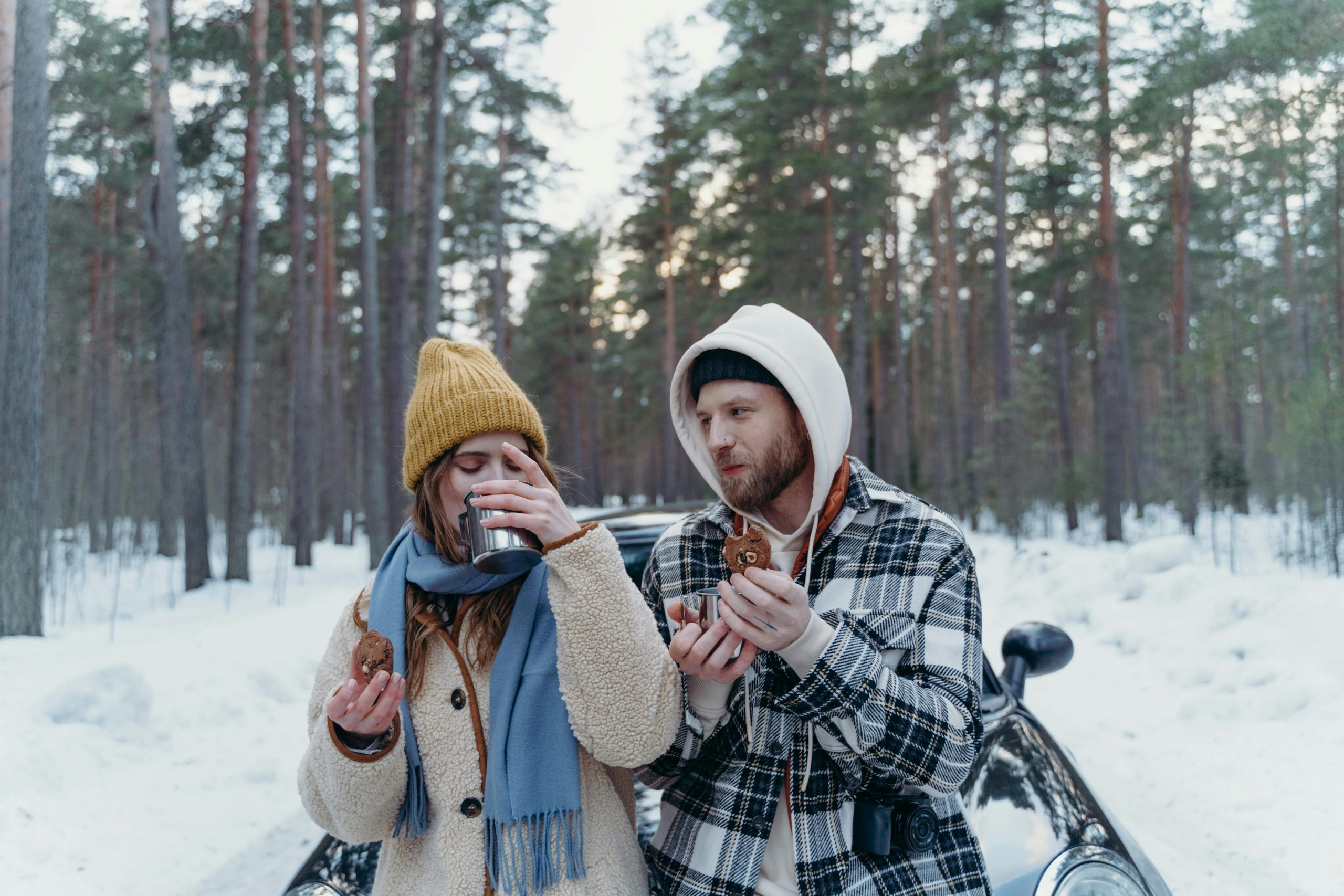
Cold weather dramatically increases energy use. Winter hikers burn calories faster while moving through snow and staying warm. Many carry the same food amounts they use in warmer months. Low energy leads to slower movement, poor decision-making, and increased cold sensitivity. Frozen snacks and water complicate intake. Winter travel demands higher-calorie foods that are easy to eat in cold temperatures. Misjudging nutrition needs is a quiet mistake that weakens hikers long before obvious fatigue appears.
7. Relying Too Heavily on Electronics
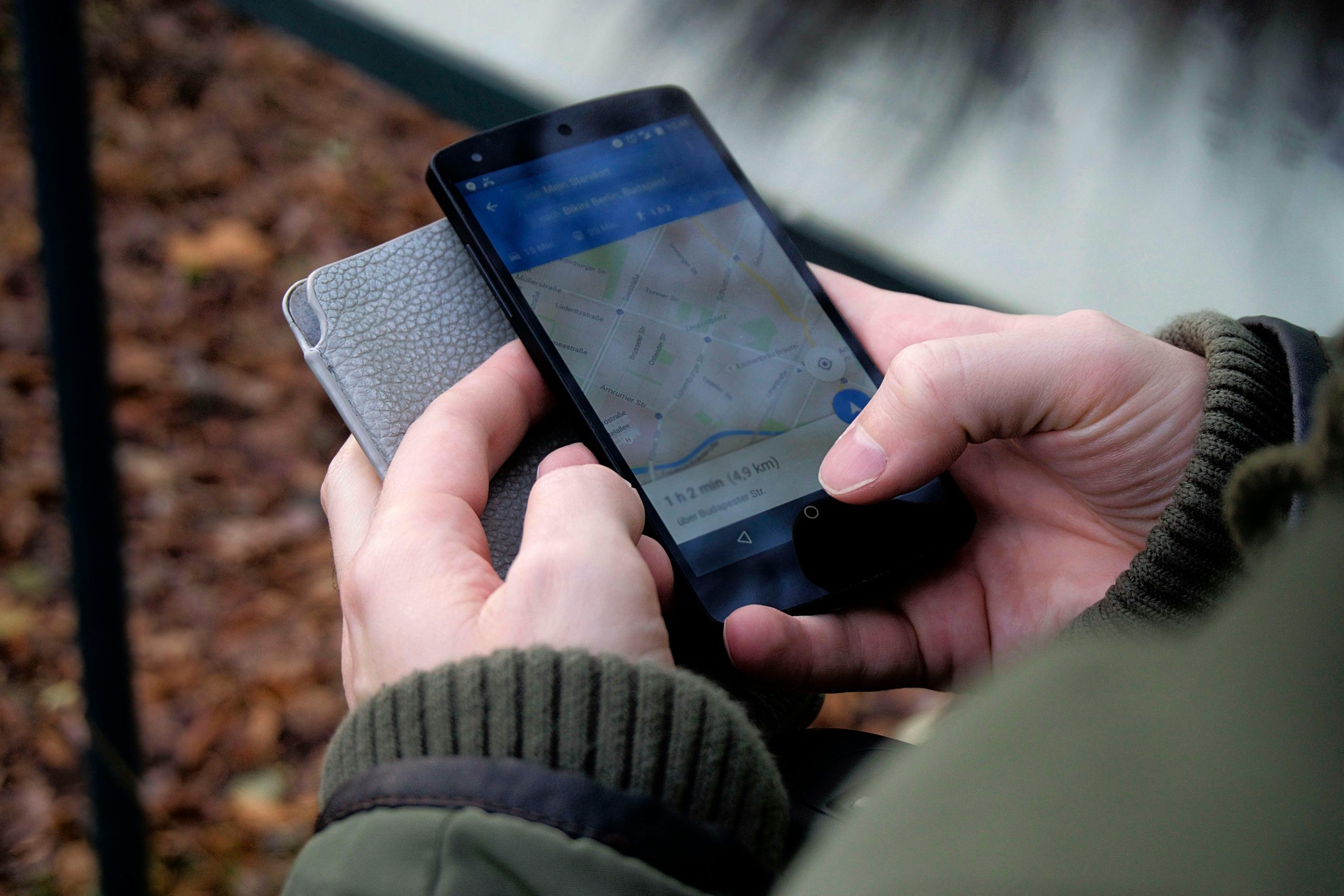
Phones and GPS devices behave differently in cold weather. Batteries drain quickly, screens freeze, and touch controls become unreliable with gloves. Winter hikers sometimes depend entirely on digital navigation without backups. When devices fail, navigation skills may not be ready. Cold conditions demand redundancy. Paper maps and compass knowledge remain critical. Overreliance on electronics creates a false sense of security that can disappear without warning.
8. Failing to Adjust Pace for Safety
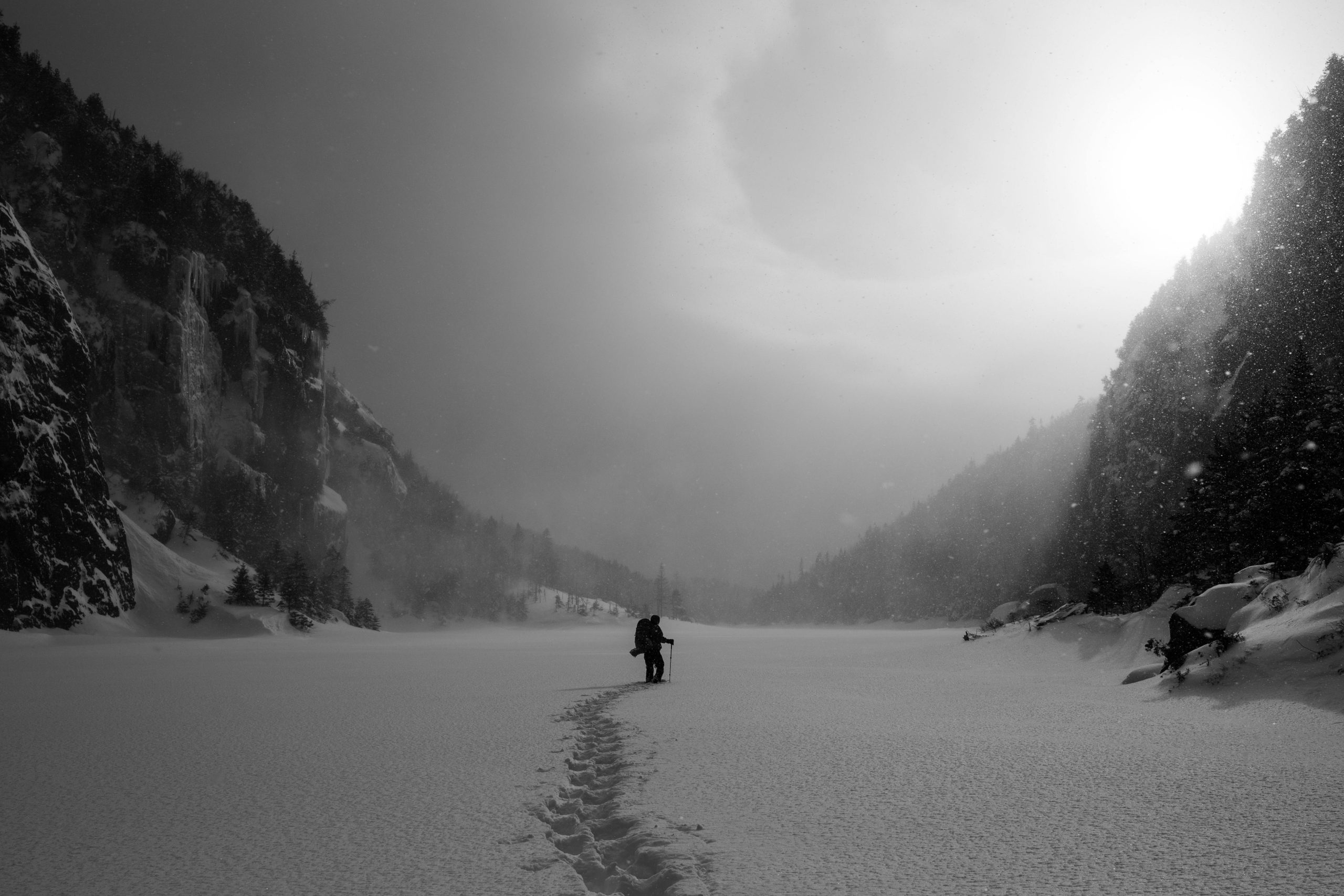
Winter hiking requires a slower, more deliberate pace. Many hikers maintain summer speed expectations and push too hard early. Fatigue builds faster in cold and snow. Slipping risk increases when legs tire. A rushed pace reduces awareness of terrain changes and weather shifts. Adjusting pace preserves balance and judgment. Winter travel rewards consistency over speed. Ignoring this leads to preventable falls and exhaustion.
9. Overlooking Wind Exposure During Travel
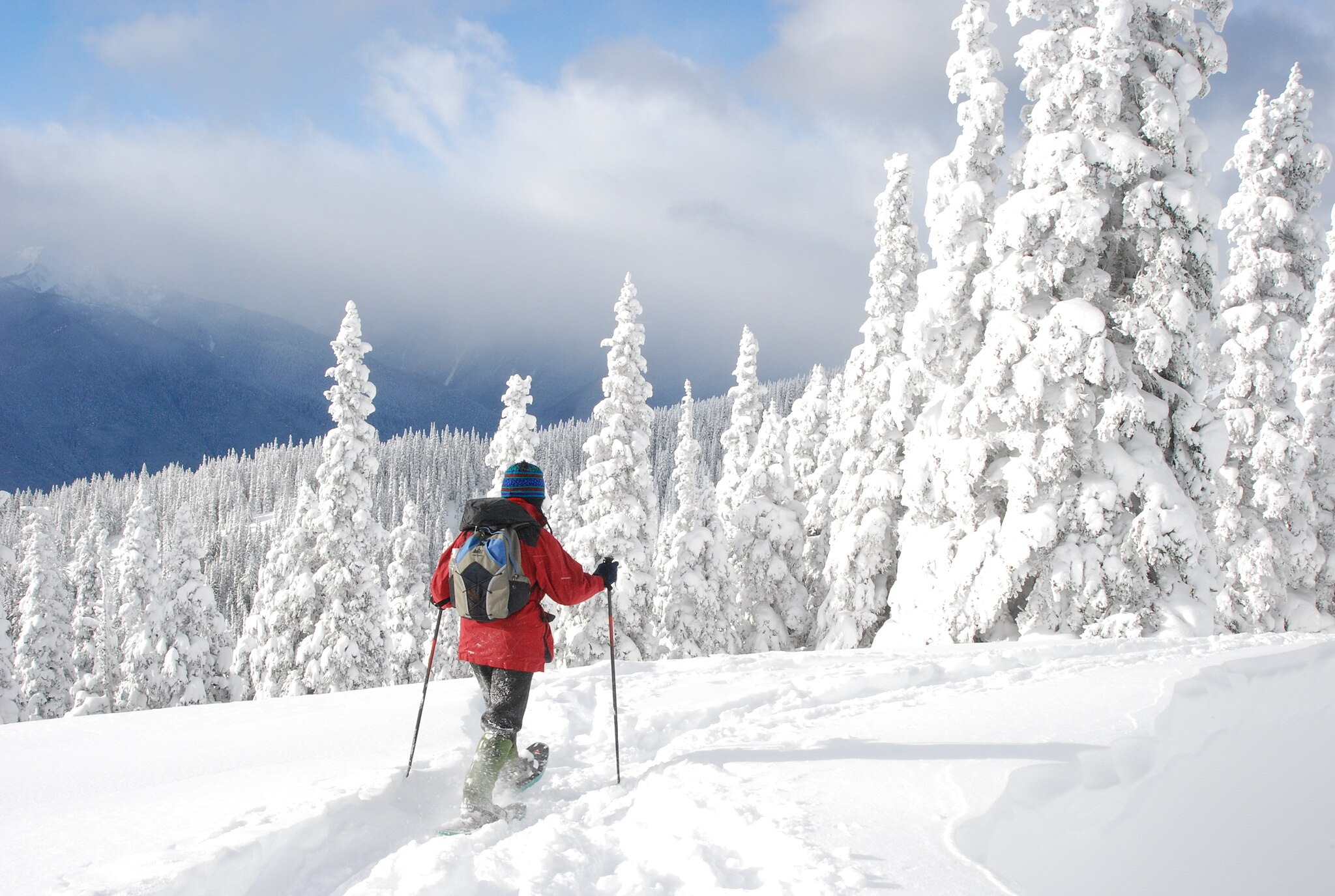
Wind transforms winter conditions dramatically. Travel routes that seem sheltered on maps may funnel cold air across ridges and open slopes. Wind chill accelerates heat loss and drains energy quickly. Hikers often underestimate how wind affects travel comfort and safety. Adjusting routes and timing to minimize exposure matters. Ignoring wind leads to rapid cooling and shortened travel tolerance. Wind awareness is a critical winter travel skill.
10. Delaying Turn Around Decisions
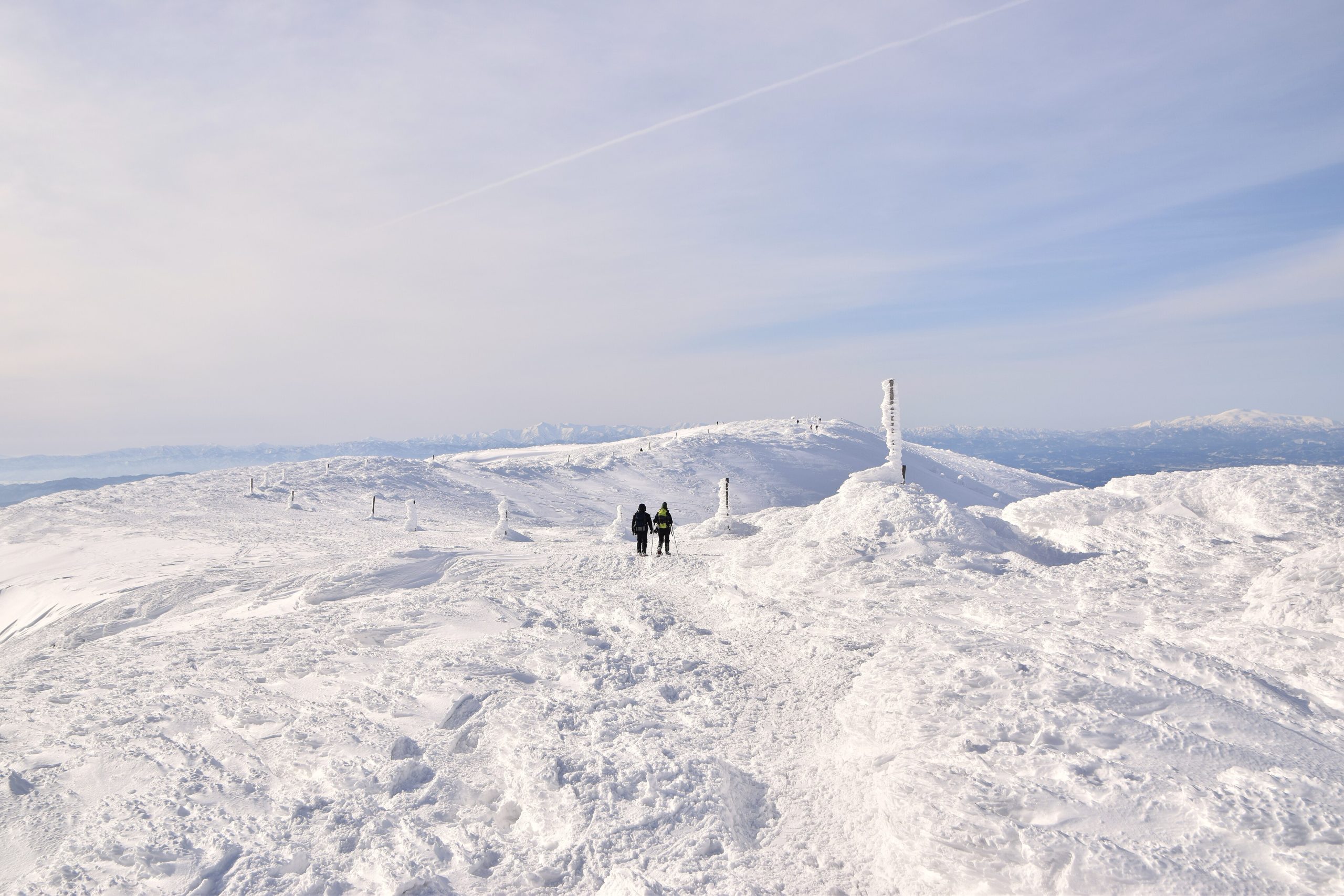
The most repeated winter travel mistake is waiting too long to turn back. Snow, cold, and fading light compound quickly. Hikers hesitate because progress feels hard-earned. Delaying the decision often means descending into worse conditions than the ascent. Winter demands conservative judgment. Turning around early preserves safety and energy. Successful winter travel prioritizes return over destination. Ignoring this lesson leads to unnecessary risk and emergencies.