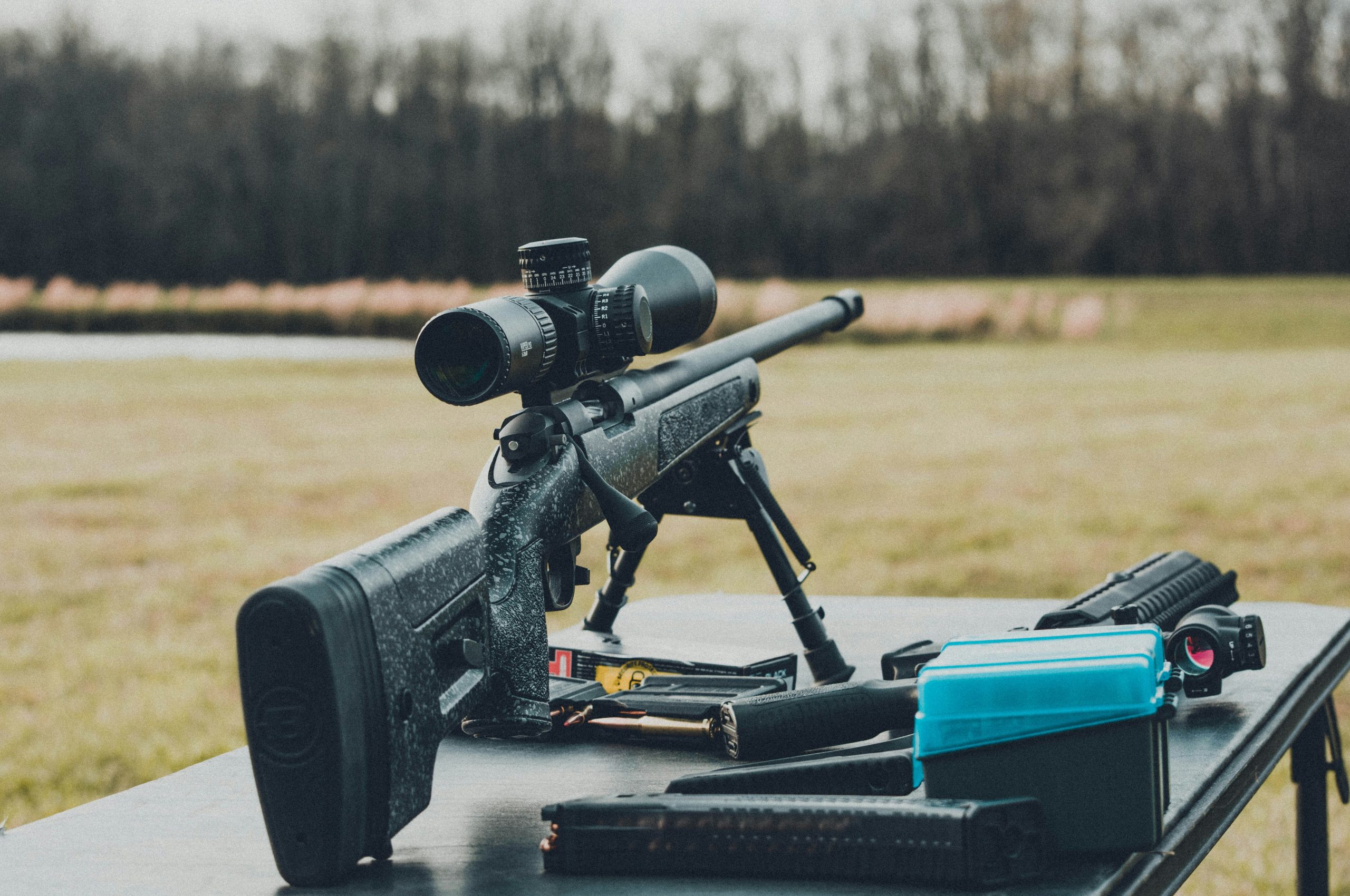
Bullet drop and barrel length are two topics hunters talk about constantly, yet they’re also two of the most misunderstood aspects of rifle performance. Many shooters rely on range chatter, outdated rules of thumb, or simplified online charts that don’t account for real-world variables. Bullet drop isn’t just gravity pulling a projectile downward, and barrel length isn’t simply about “longer equals better.” Both factors interact with velocity, bullet design, environmental conditions, and shooting distance in ways that surprise even seasoned hunters. Misjudging these relationships can lead to missed shots, wounded game, or misplaced confidence in equipment. Understanding what actually influences bullet flight helps hunters make ethical shots, choose appropriate rifles, and build realistic expectations in the field rather than relying on myths passed down over decades.
1. Bullet Drop Is Not the Same as “Distance Fell.”
Many hunters picture bullet drop as the straight vertical distance a bullet falls after leaving the barrel, but that mental model is misleading. Bullets travel in a curved arc relative to the bore, not the ground. When a rifle is zeroed, the barrel is angled slightly upward, causing the bullet to rise above the line of sight before gravity pulls it back down. Drop is measured relative to the line of sight, not absolute gravity fall. This misunderstanding leads hunters to misread ballistic charts and underestimate holdover at longer distances. Knowing that drop is a relationship between sight line, velocity, and gravity helps shooters understand why two rifles with similar calibers can require different adjustments at the same range.
2. Longer Barrels Don’t Always Mean Better Accuracy
A common belief is that longer barrels are automatically more accurate, but barrel length alone doesn’t guarantee precision. Longer barrels typically increase muzzle velocity, which can reduce bullet drop at distance, but accuracy is more closely tied to barrel quality, consistency, and harmonics. A poorly made 26-inch barrel can shoot worse than a well-made 20-inch barrel. Additionally, longer barrels can be harder to manage in hunting situations involving tight terrain, quick shots, or awkward shooting positions. Hunters often confuse flatter trajectories with tighter groups. Understanding that velocity and accuracy are separate concepts helps hunters choose barrels that suit their style and environment rather than chasing length for its own sake.
3. Velocity Loss Isn’t Linear With Barrel Length
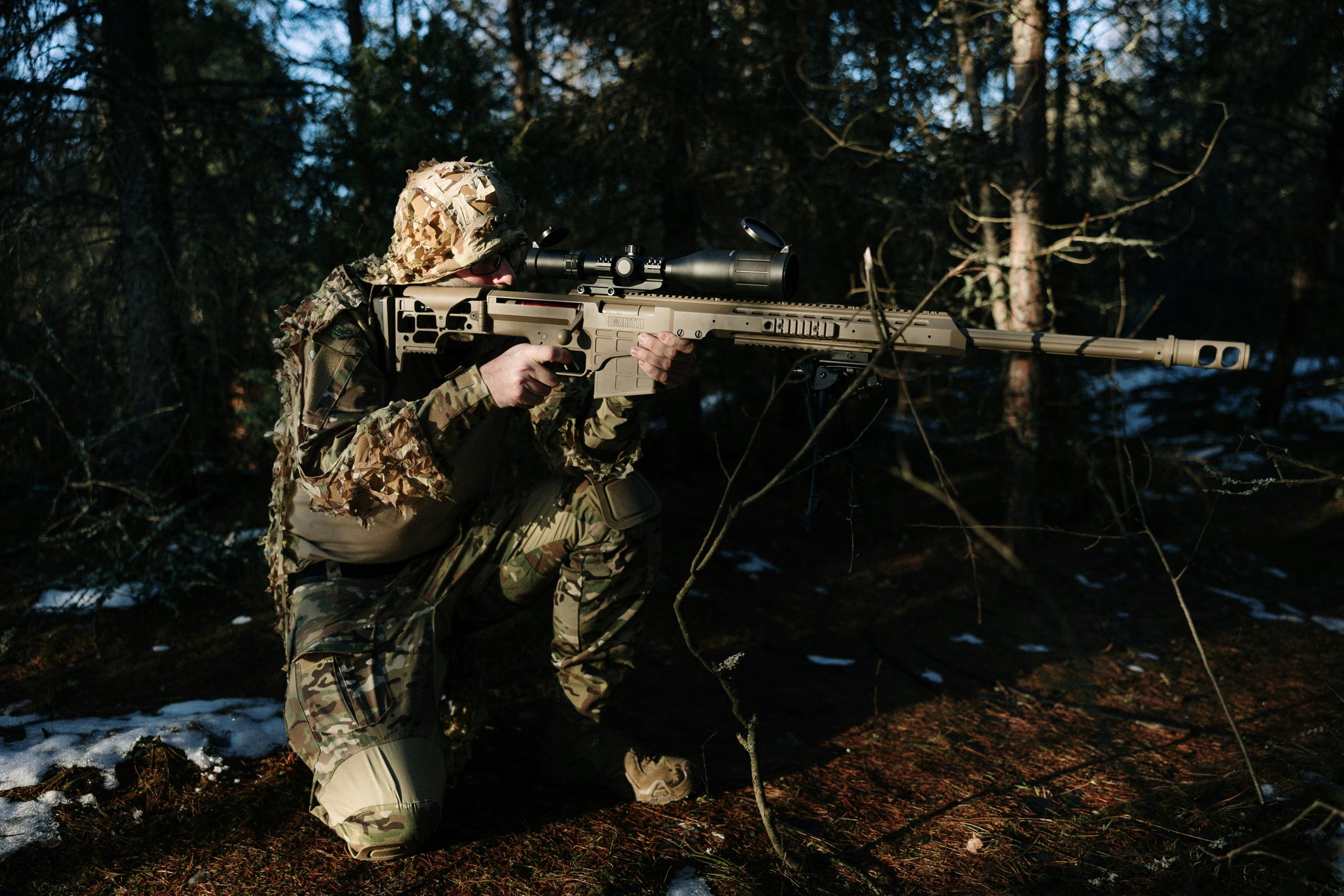
Many hunters assume every inch of barrel adds or subtracts a fixed amount of velocity, but real-world gains vary widely. Velocity increases depend on cartridge design, powder burn rate, and bore diameter. Some cartridges reach peak efficiency in shorter barrels, while others benefit from added length. Cutting a barrel from 24 inches to 20 inches doesn’t automatically mean a massive performance loss. In many cases, the velocity difference may only slightly affect bullet drop inside typical hunting distances. Overestimating velocity loss causes hunters to avoid compact rifles unnecessarily. Understanding diminishing returns helps shooters balance maneuverability, recoil, and trajectory instead of assuming longer barrels always offer dramatic ballistic advantages.
4. Bullet Drop Matters Less at Ethical Hunting Distances
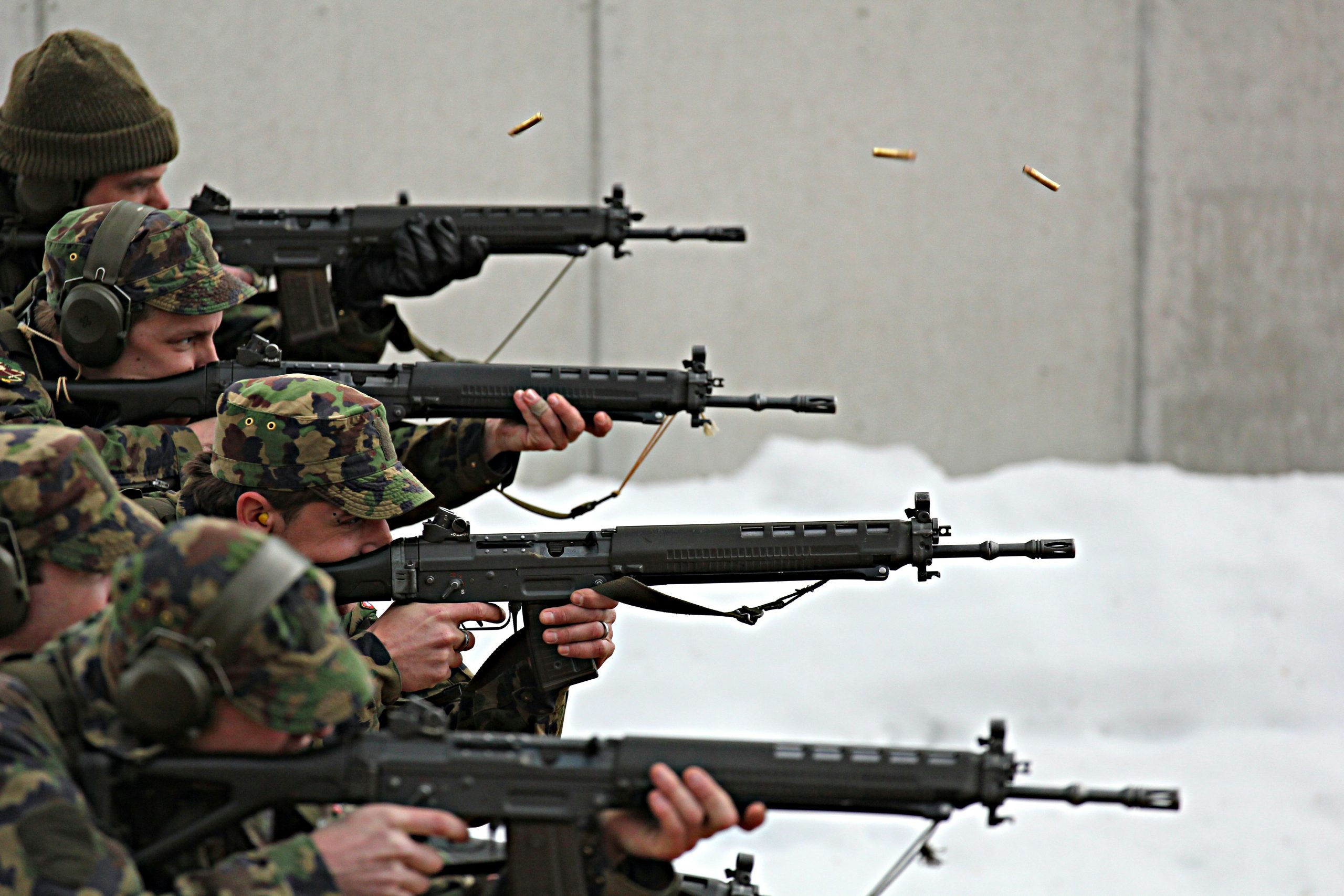
Bullet drop becomes a major factor at long range, but inside common ethical hunting distances, it’s often less dramatic than hunters fear. With a proper zero, many modern cartridges require minimal holdover out to 200 or even 300 yards. Problems arise when hunters apply long-range thinking to short-range shots, overcorrecting when no correction is needed. This misunderstanding leads to missed high or low shots on game. Knowing your zero and realistic engagement range is far more important than obsessing over drop charts. Bullet drop only becomes critical when the distance exceeds the cartridge’s point-blank range, where precise range estimation becomes unavoidable.
5. Barrel Length Affects More Than Just Velocity
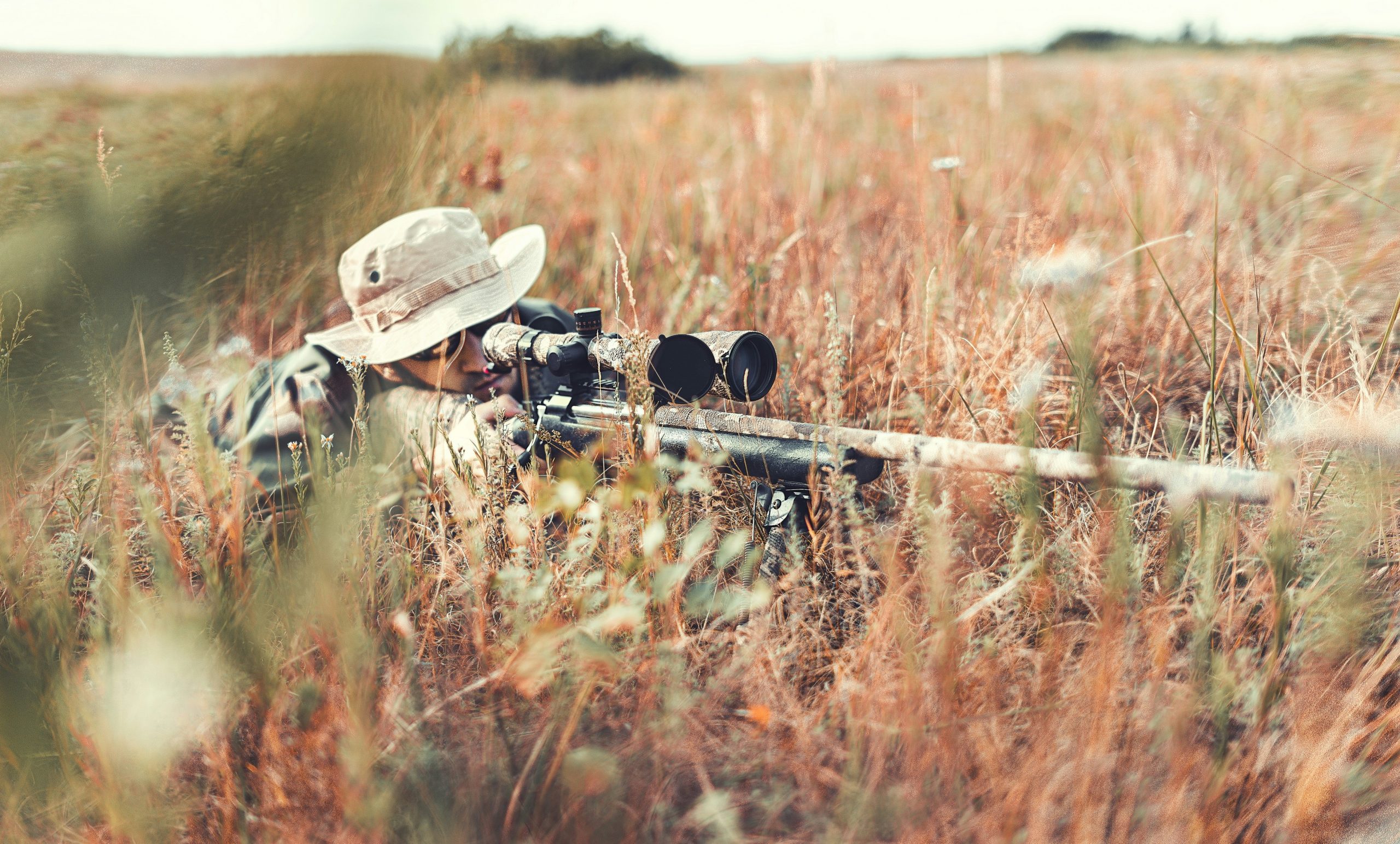
Hunters often focus solely on velocity when discussing barrel length, but other factors change as well. Shorter barrels usually produce more muzzle blast and flash, which can affect follow-up shots and shooter comfort. Longer barrels can reduce perceived recoil by shifting weight forward, but they may be slower to swing on moving game. Barrel length also influences noise levels, especially when hunting without hearing protection. Ignoring these practical effects leads to rifles that perform well on paper but feel awkward in the field. Understanding the trade-offs helps hunters choose barrel lengths that balance ballistic performance with real-world handling and comfort.
6. Bullet Design Influences Drop More Than Many Expect
Barrel length gets a lot of attention, but bullet design often plays a larger role in drop behavior. The ballistic coefficient determines how efficiently a bullet resists air drag, which directly affects velocity retention and trajectory. A high-BC bullet from a slightly shorter barrel can outperform a low-BC bullet fired faster from a longer barrel at extended distances. Hunters who focus only on muzzle velocity often overlook this. Understanding bullet shape, weight, and construction helps shooters select projectiles that maintain speed and stability, reducing drop more effectively than chasing marginal barrel length increases.
7. Zero Distance Changes How Drop Feels in the Field
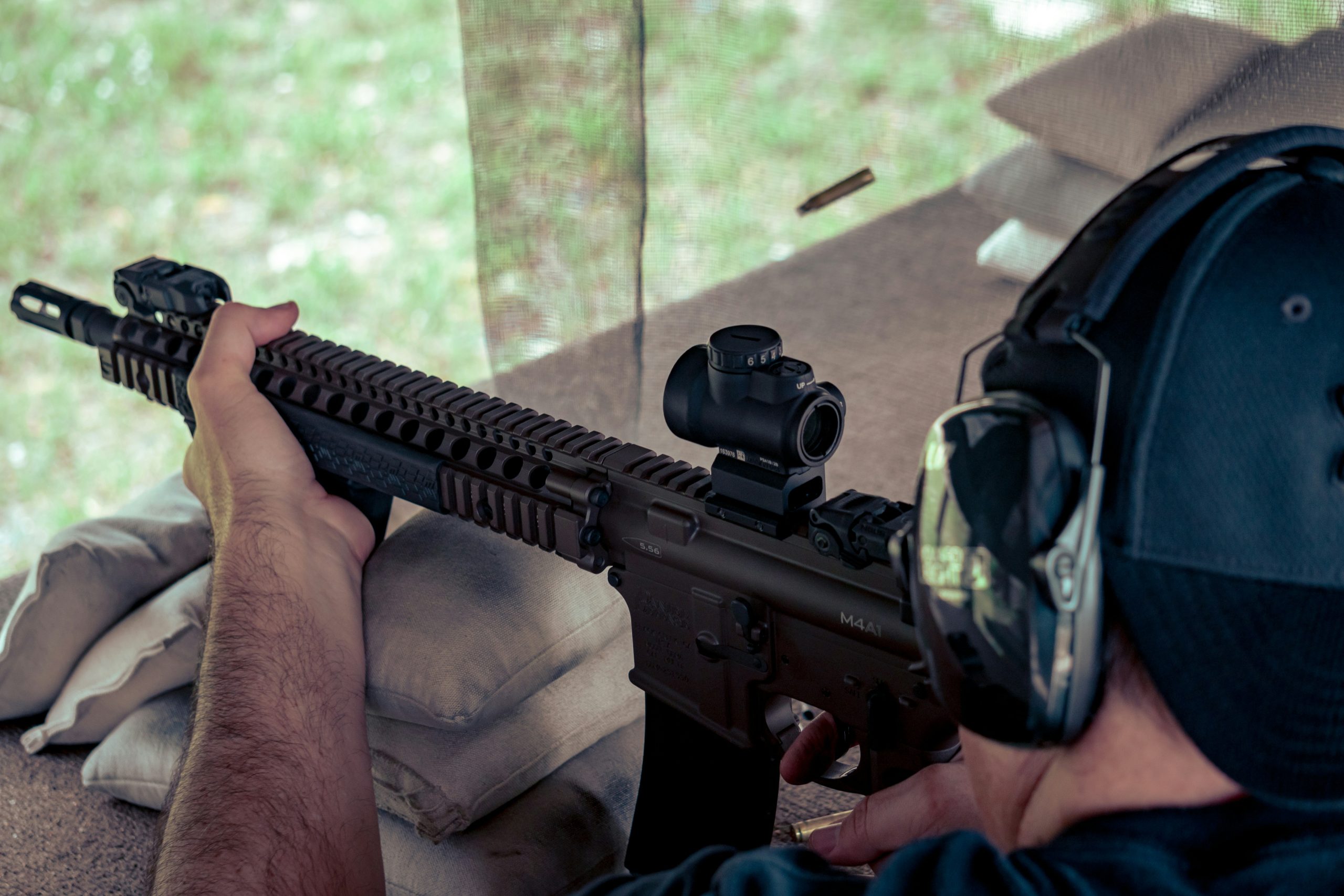
Many misunderstand bullet drop because they don’t fully consider their zero distance. A 100-yard zero emphasizes early drop, while a 200-yard zero flattens the trajectory across common hunting ranges. Hunters using the wrong zero for their environment often feel their rifle “drops fast,” when in reality it’s a setup issue. Barrel length doesn’t change this relationship. Choosing a zero that matches terrain and expected shot distance simplifies holdover decisions and reduces mental math under pressure. Understanding the zeroing strategy helps hunters work with bullet drop rather than constantly fighting it.
8. Environmental Factors Can Outweigh Barrel Differences
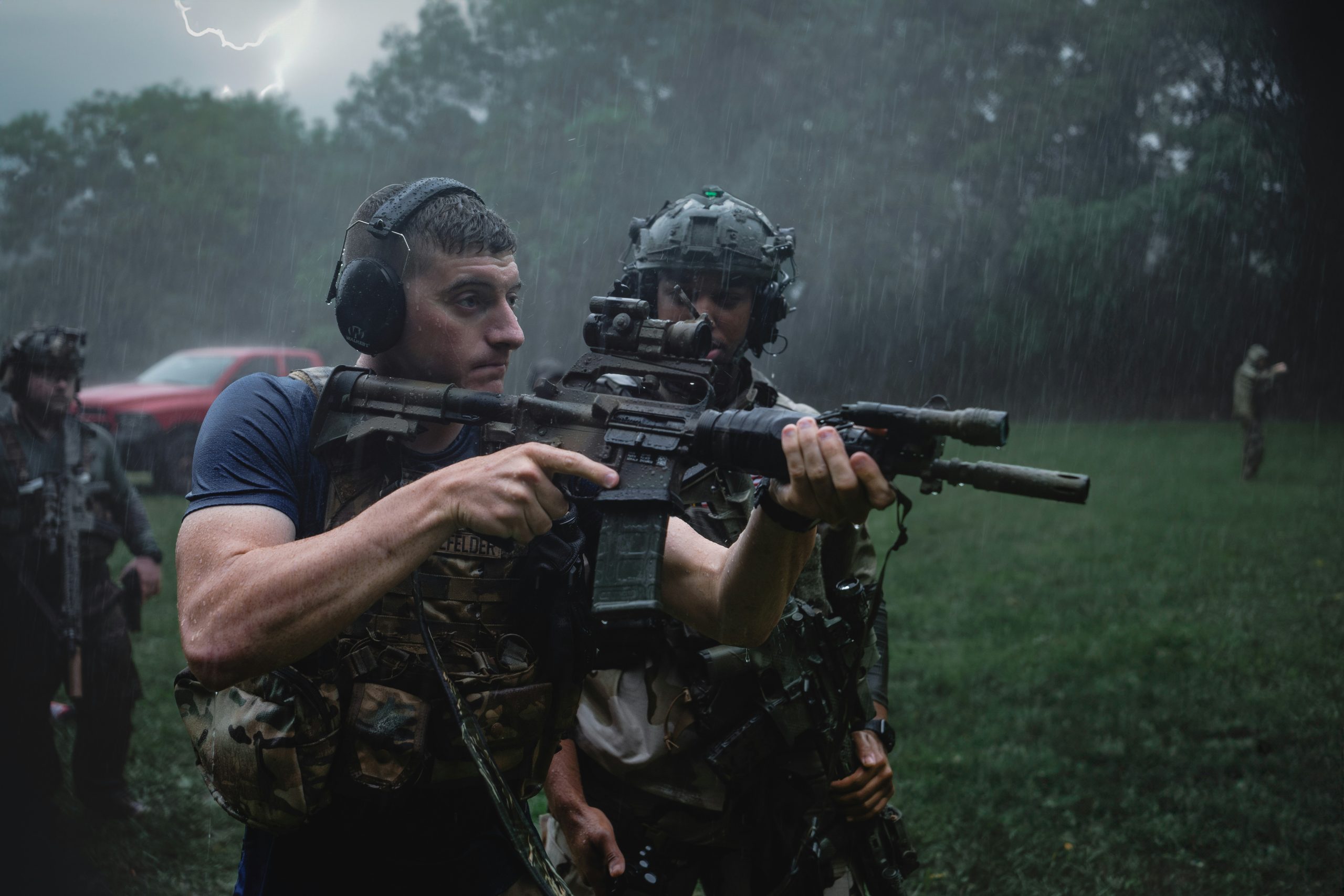
Hunters sometimes blame barrel length for unexpected bullet drop when environmental conditions are the real culprit. Altitude, temperature, humidity, and air pressure all affect bullet flight. Higher elevations reduce air density, flattening trajectories regardless of barrel length. Cold temperatures can reduce velocity, increasing the drop even from long barrels. Ignoring these variables leads to incorrect conclusions about rifle setup. Understanding how the environment interacts with velocity and bullet design helps hunters make smarter adjustments and avoid misattributing misses to barrel length when conditions are the real influence.
9. Short Barrels Aren’t “Short-Range Only”
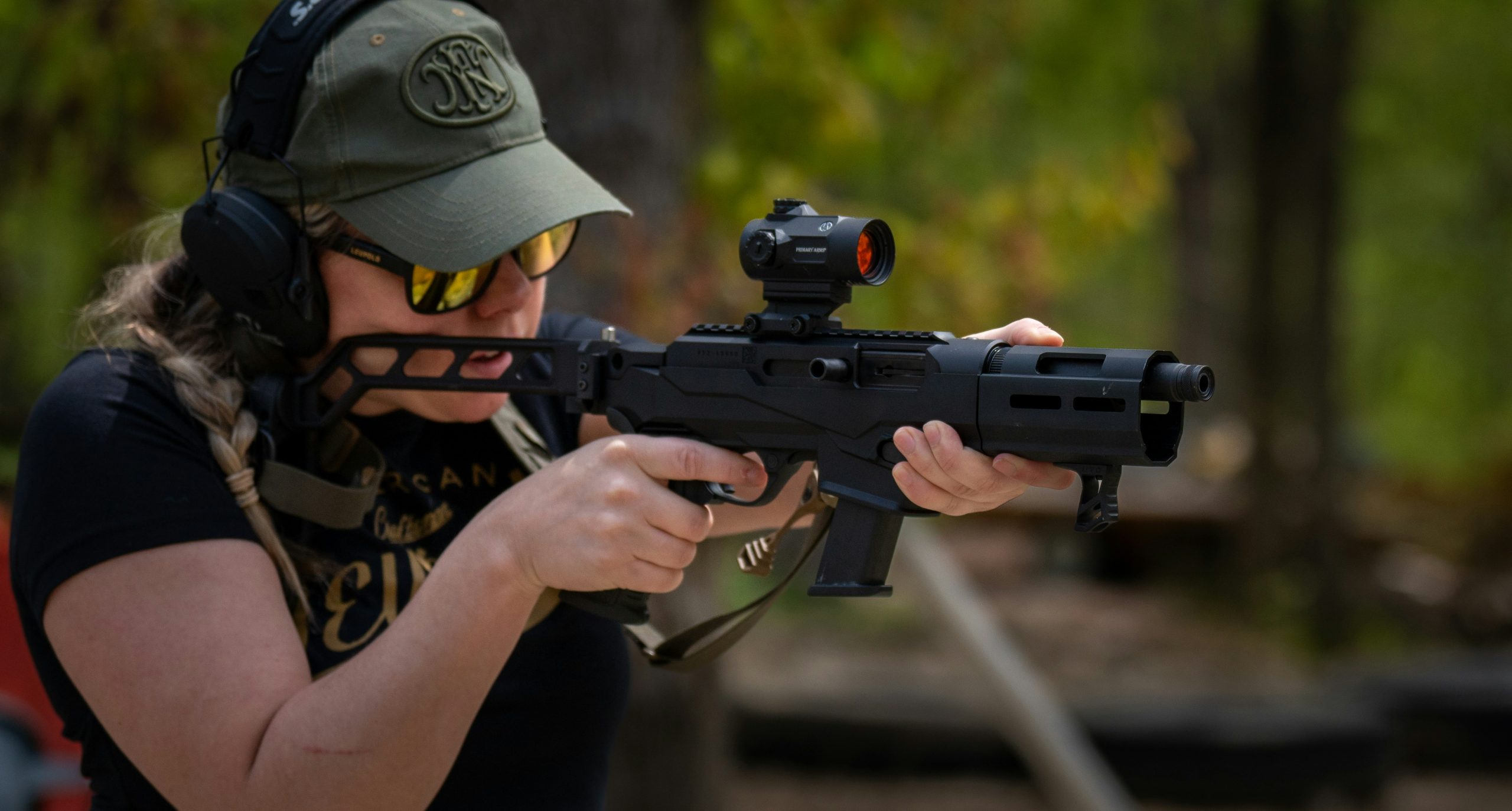
There’s a persistent myth that short barrels are unsuitable for longer shots, but real-world performance often proves otherwise. While shorter barrels may lose some velocity, modern cartridges and efficient bullets still maintain adequate energy and manageable drop at typical hunting distances. Skill, ranging accuracy, and ballistic knowledge matter far more than a few inches of steel. Hunters who dismiss short barrels entirely may sacrifice handling and portability without gaining meaningful performance. Understanding realistic ballistic limits helps shooters evaluate capability based on data, not outdated assumptions tied to barrel length alone.
10. Practical Knowledge Beats Theoretical Ballistics
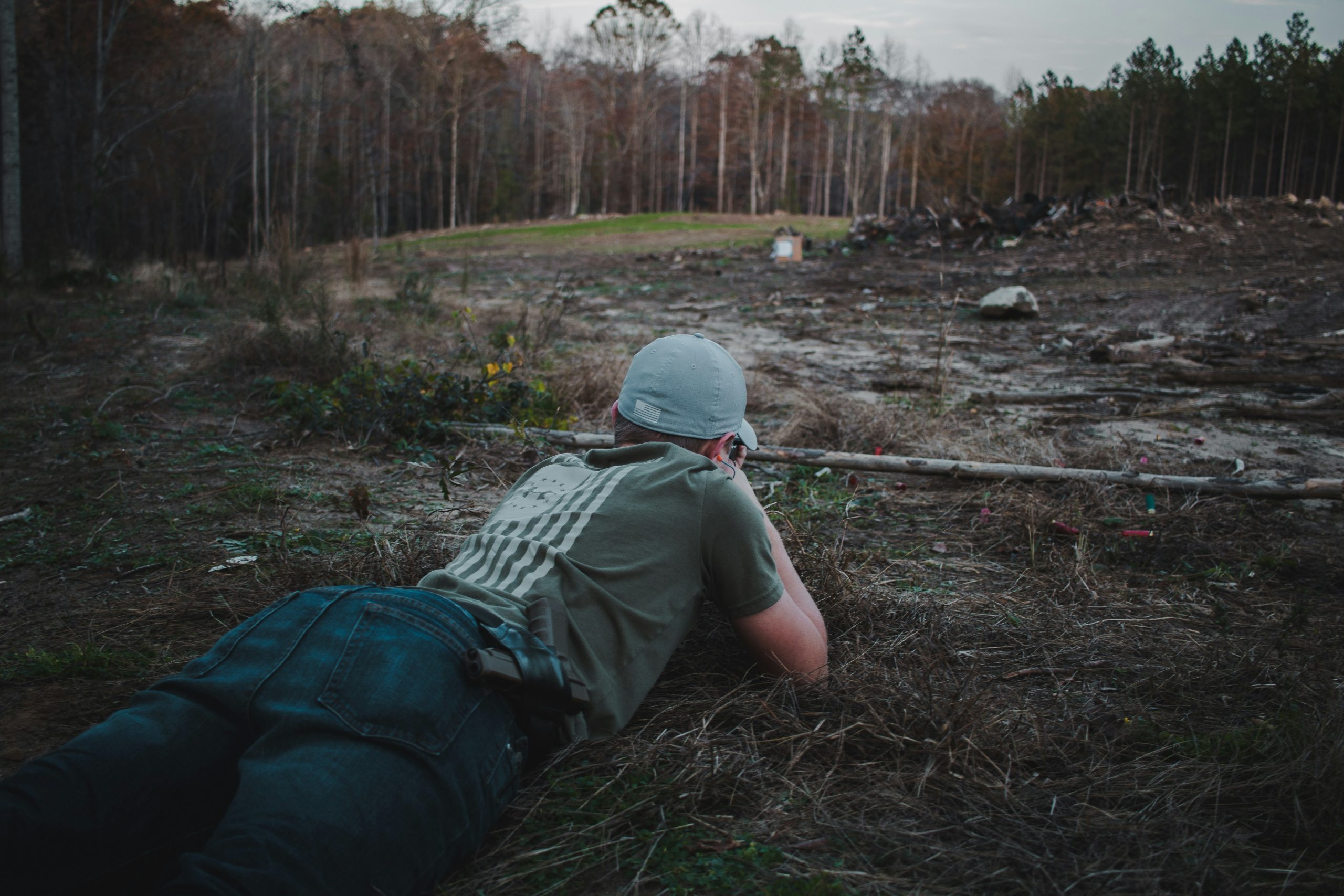
The biggest misunderstanding is believing charts and formulas replace real shooting experience. Barrel length and bullet drop behave differently across rifles, loads, and conditions. Hunters who only study theory often struggle in the field because they haven’t verified data through actual shooting. Chronographing loads, confirming drop at distance, and learning rifle behavior builds confidence that charts alone can’t provide. Barrel length matters, but knowing how your specific rifle performs matters more. Practical understanding turns bullet drop from a confusing concept into a predictable, manageable part of ethical hunting.