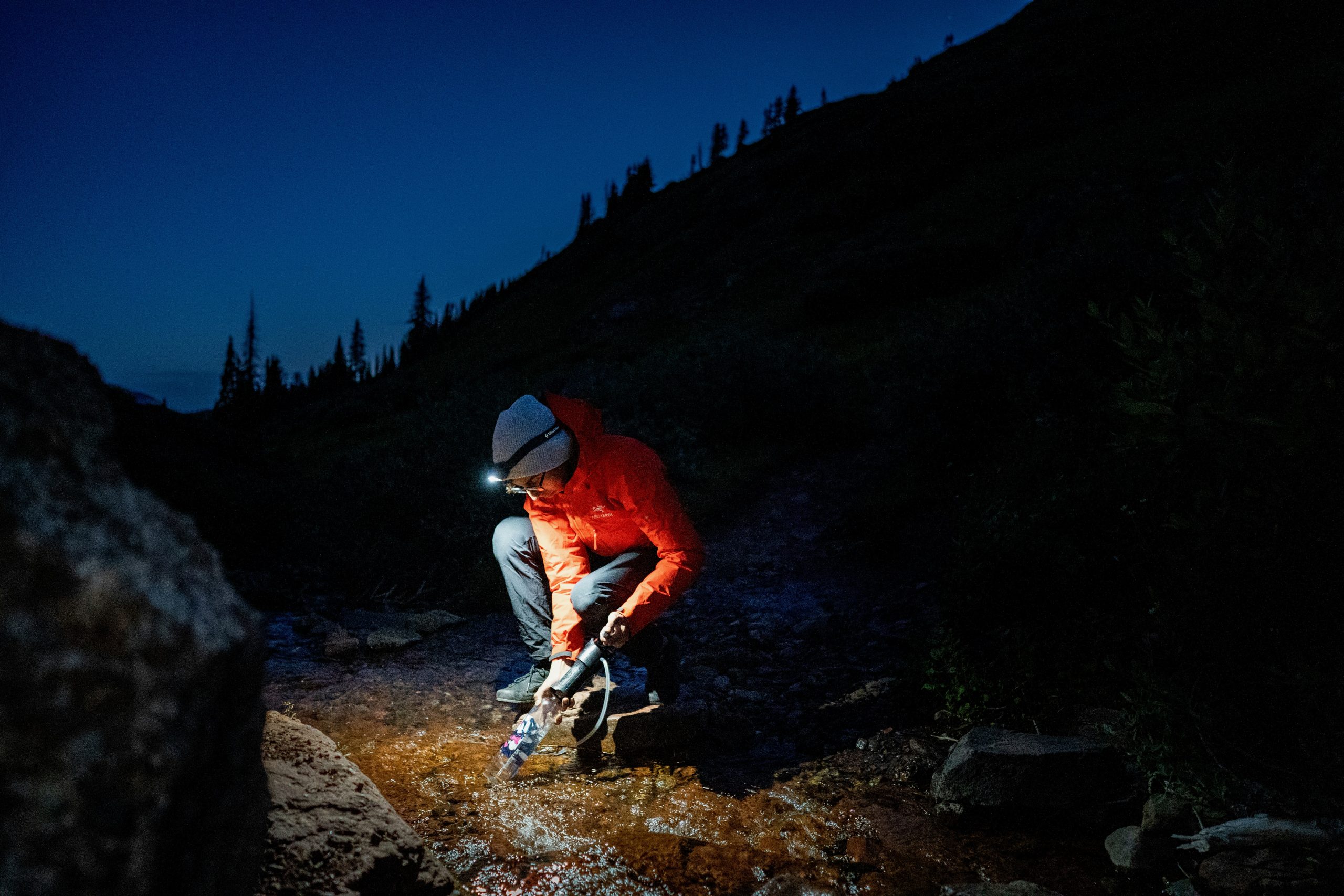
Most hikers plan trips around snacks, meals, and calorie counts, believing food is the key to staying strong outdoors. While nutrition is important, many hikes become difficult or dangerous because of overlooked basics that affect comfort, safety, and decision-making. Small mistakes with preparation, awareness, or gear often matter far more than hunger. These forgotten details influence balance, morale, judgment, and physical endurance. This article highlights ten picture-friendly essentials hikers commonly ignore. Each one plays a major role in how a hike feels and ends. Paying attention to these factors can turn an exhausting outing into a confident and enjoyable experience.
1. Foot Condition and Protection

Healthy feet decide how far and safely a hiker can travel. Many people focus on distance but forget foot condition. Toenails left long cause pressure and bruising on descents. Poor socks create friction that leads to blisters. Damp feet soften skin and increase injury risk. Checking boots for proper fit before a hike prevents hotspots and numbness. Applying blister tape early protects skin before pain begins. Once feet hurt, balance suffers, and pace slows. Confidence drops with every step. Food may fuel muscles, but strong, protected feet support posture, endurance, and steady movement throughout the entire hike.
2. Understanding Weather Behavior

Looking at a forecast is not the same as understanding the weather. Many hikers forget to read the environment around them. Cloud movement, wind shifts, and temperature changes signal incoming conditions. The weather can change quickly, especially in mountains or forests. Ignoring early signs leads to wet clothing, heat stress, or dangerous cold. Learning to add or remove layers at the right time prevents energy loss. Sun exposure without protection causes fatigue and dehydration. Weather awareness supports better timing and smarter decisions. Hunger can wait, but exposure quickly drains strength and turns a simple hike into a serious situation.
3. Smart Hydration Planning

Water management matters more than food on any hike. Many hikers wait until thirst appears, which means dehydration has already begun. Small, regular sips keep muscles working and reduce headaches. Knowing how much water is needed based on distance, heat, and terrain prevents fatigue. Electrolyte balance helps avoid cramps and weakness. Understanding water sources along the trail reduces risk and pack weight. Unsafe water without treatment can cause illness. Dehydration affects focus, balance, and judgment. Food supports energy, but water keeps the body functioning smoothly and safely from start to finish.
4. Basic Navigation Awareness
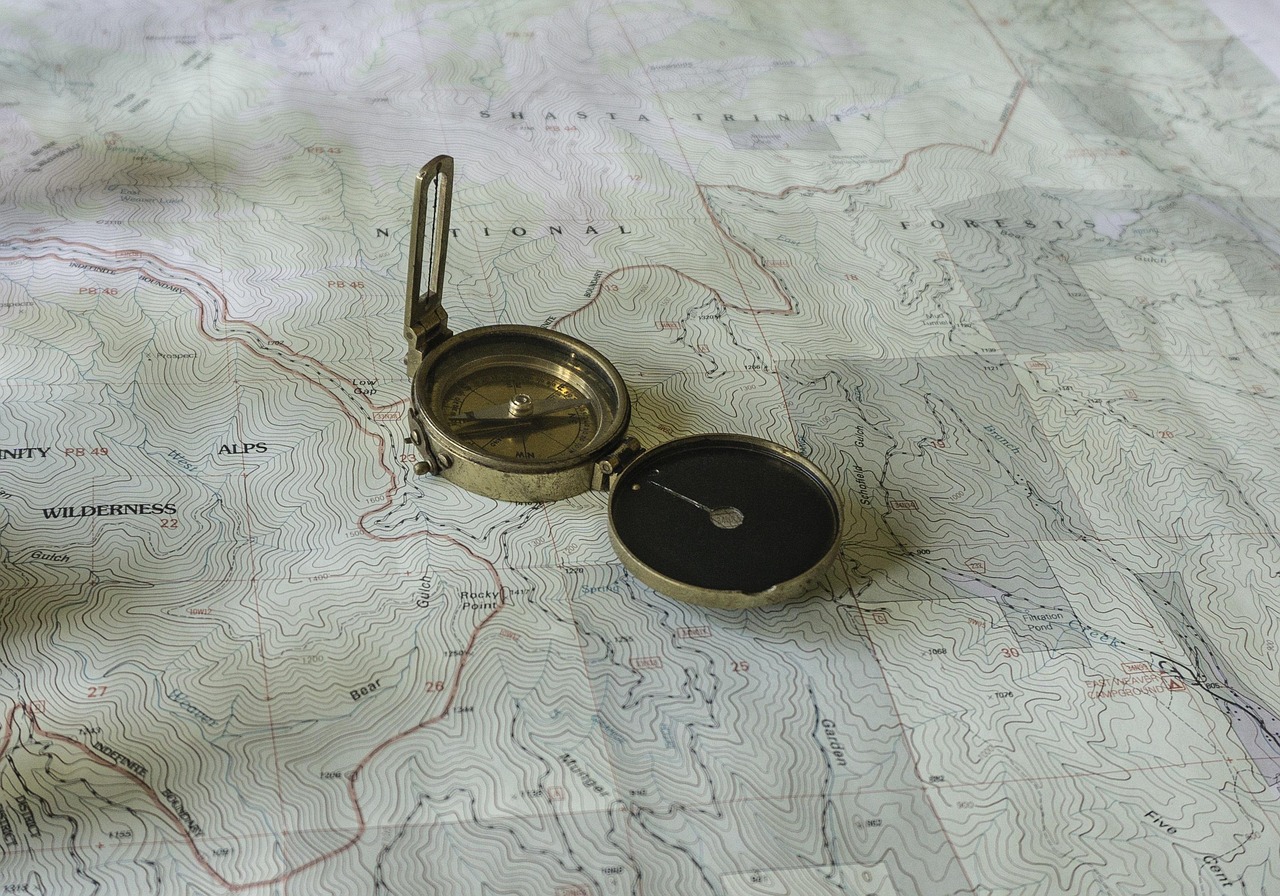
Technology helps, but it should not replace awareness. Many hikers rely only on phone maps and forget navigation basics. Batteries fail, signals disappear, and screens break. Understanding trail signs, landmarks, and map symbols builds confidence. Knowing direction prevents panic when paths split or markers fade. Small navigation errors waste time and energy. Getting lost increases exposure and stress. Carrying a physical map and knowing how to use it offers security. Food cannot fix confusion. Clear navigation skills keep hikers calm, efficient, and in control even when plans change unexpectedly.
5. Controlled Hiking Pace

Excitement often causes hikers to move too fast early. Poor pacing drains energy long before hunger appears. A steady rhythm protects joints, lungs, and focus. Slower steps on climbs reduce strain and breathing stress. Controlled descents protect knees and ankles. Short, planned breaks prevent stiffness and overheating. Rushing increases mistakes and injuries. Matching pace to terrain keeps energy levels balanced throughout the day. When pace is ignored, exhaustion builds quickly. Food helps recovery, but smart pacing preserves strength, coordination, and motivation over long distances.
6. Proper Clothing Management

Clothing mistakes affect comfort more than missing snacks. Many hikers forget how to manage layers correctly. Overheating leads to sweating, which causes chilling later. Wearing cotton traps moisture and increases the risk. Breathable fabrics help regulate body temperature. Wind protection prevents rapid heat loss even on mild days. Adjusting layers before discomfort begins saves energy. Wet or cold clothing lowers morale and movement efficiency. Once chilled, recovery is slow. Food cannot replace warmth. Proper clothing choices keep the body dry, protected, and capable through changing trail conditions.
7. Mental Preparation
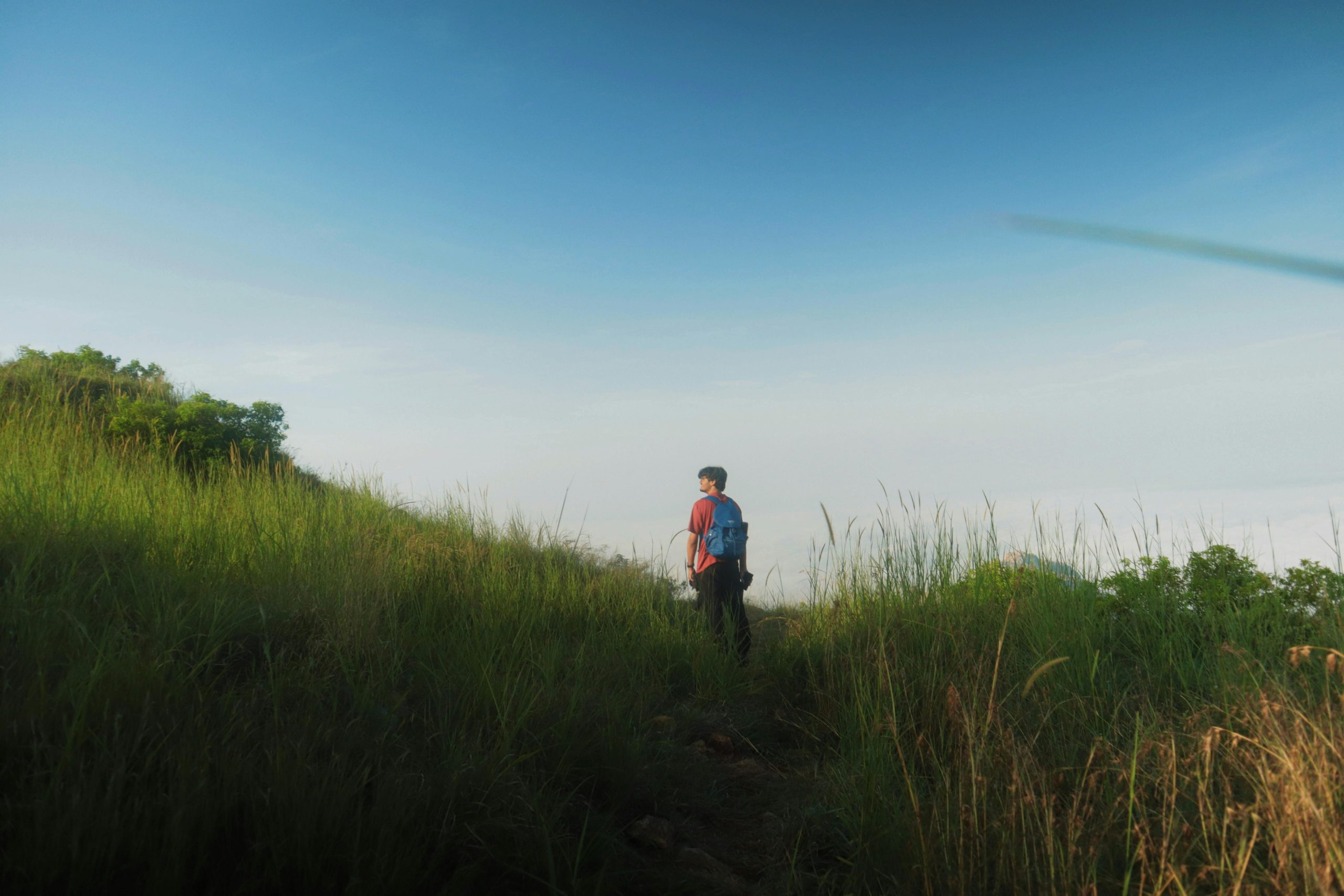
Hiking challenges the mind as much as the body. Many hikers forget to prepare mentally. Unexpected terrain, delays, and discomfort test patience. A calm mindset supports better choices and energy control. Frustration increases fatigue and poor decisions. Accepting slower progress reduces stress. Confidence comes from preparation, not forcing limits. Staying flexible allows plan changes without panic. Fear drains strength faster than hunger. Food fuels muscles, but mental readiness controls perseverance. A prepared mindset keeps focus steady and turns challenges into manageable experiences rather than overwhelming obstacles.
8. Time Awareness on Trail

Losing track of time is a common mistake while hiking. Many people forget to monitor daylight and distance. Trails often take longer than expected due to the terrain and weather conditions. Ignoring turnaround times leads to hiking in the dark or rushing downhill. Sunset brings cooler temperatures and limited visibility. Wearing a watch helps track progress objectively. Planning buffer time allows safer decisions. Hunger can be handled later, but darkness and cold raise serious risks. Time awareness protects safety, reduces stress, and ensures hikers return with energy rather than exhaustion.
9. Emergency Readiness
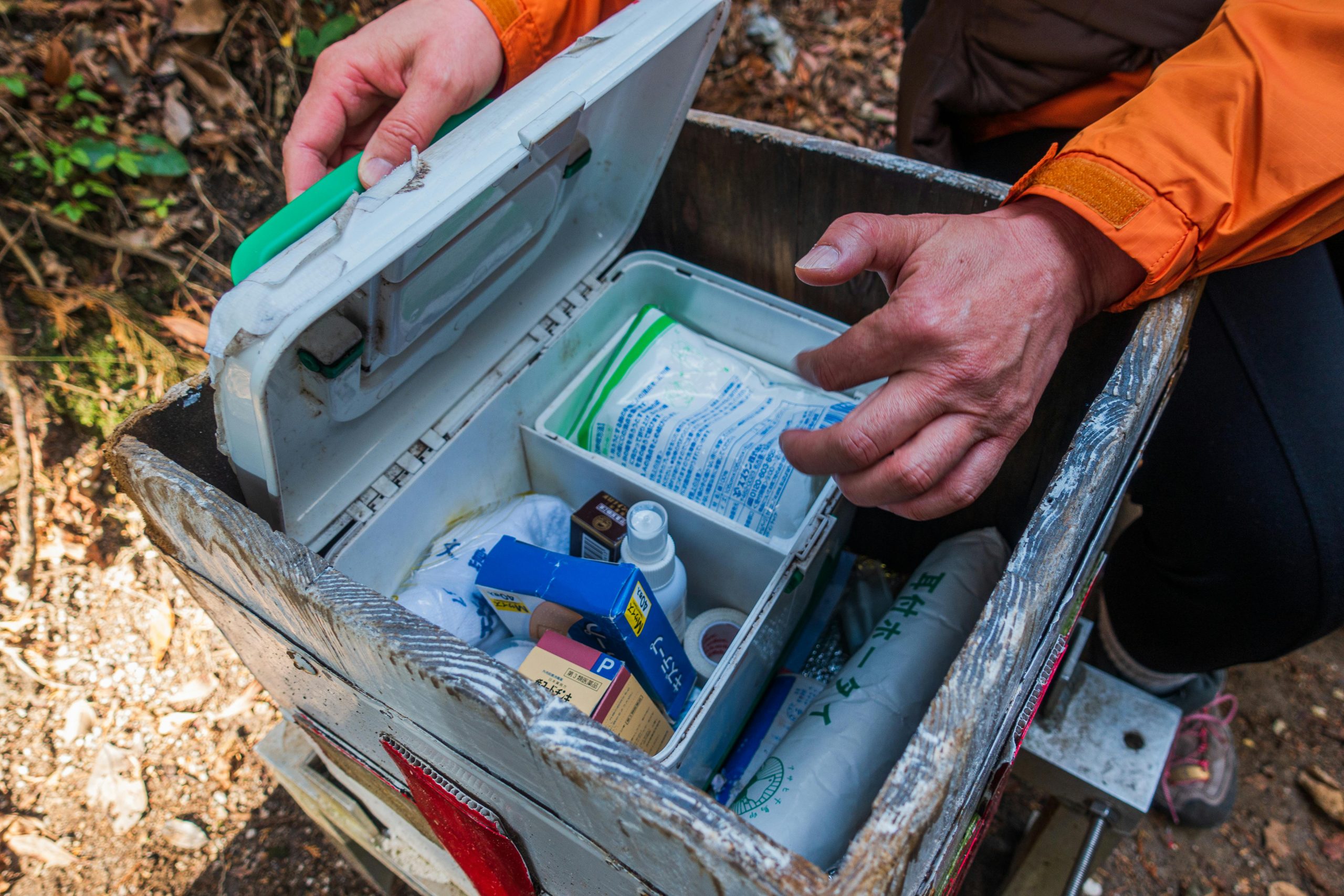
Small problems become serious when unprepared. Many hikers forget basic emergency tools. A simple first aid kit treats blisters, cuts, and sprains. A whistle travels farther than shouting and saves energy. A headlamp is critical even on short hikes. Knowing how to stay calm and visible helps rescue efforts. Panic wastes strength and worsens injuries. Planning for emergencies builds confidence. Food comforts the body, but readiness protects life. Being prepared turns unexpected situations into manageable challenges rather than dangerous events.
10. Awareness of Surroundings

Many hikers focus only on reaching the destination and forget about awareness. Watching foot placement prevents falls and ankle injuries. Noticing trail conditions helps adjust pace safely. Listening reveals wildlife movement or changing weather. Awareness reduces sudden strain and improves balance. Staying alert protects both the hiker and the environment. Distractions increase mistakes and energy loss. Food provides fuel, but awareness guides movement. Being present creates smoother steps, safer decisions, and a more rewarding connection with the trail from beginning to end.