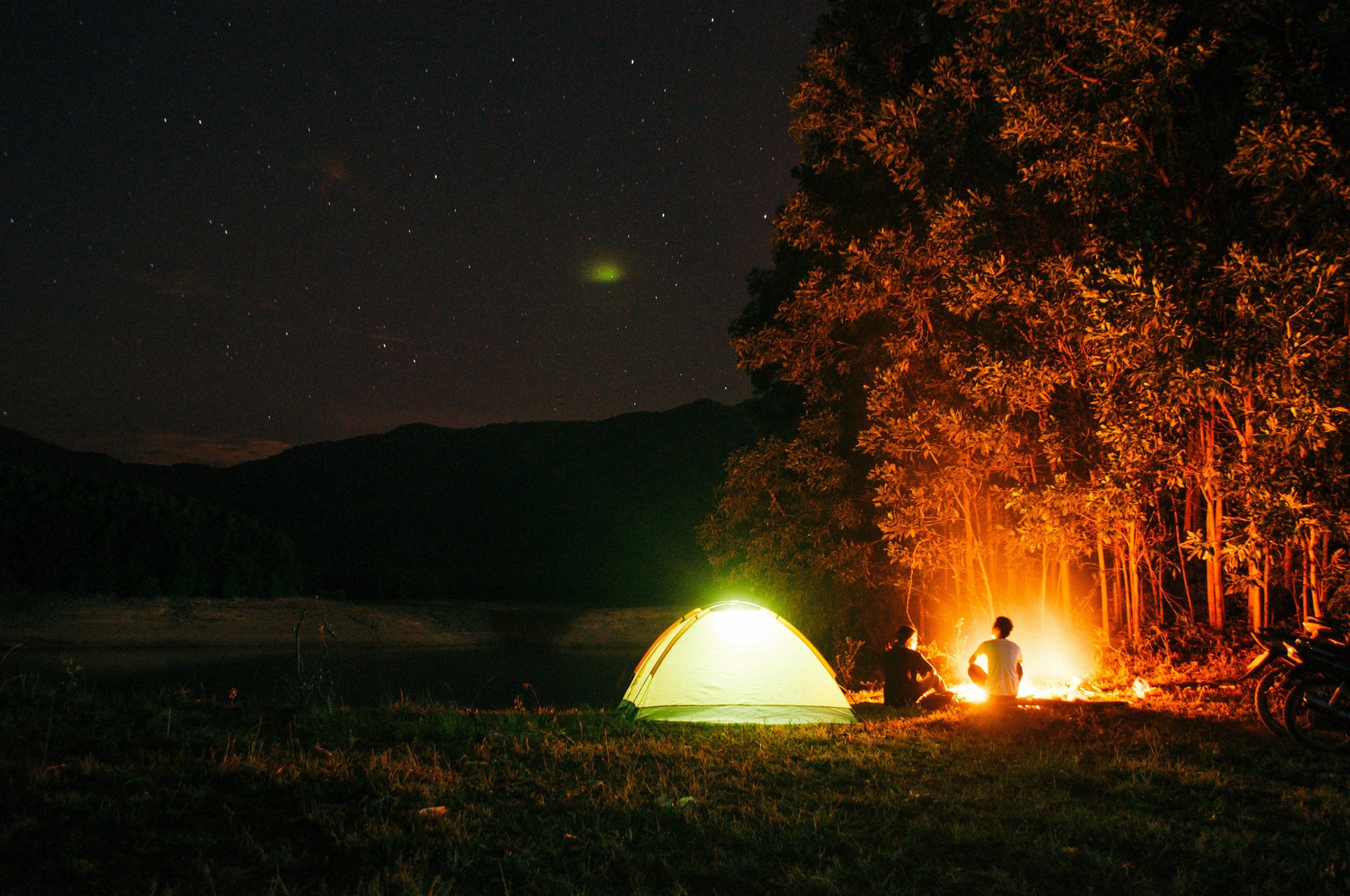
Most campers assume wildlife encounters happen because animals wander randomly into camp. In reality, many nighttime encounters are quietly encouraged by human habits that feel harmless or even responsible. After dark, campsites change. Smells linger longer, sounds travel farther, and light behaves differently in the woods. Animals that avoid people during the day often become bold at night, using scent and sound rather than sight to investigate their surroundings. Campers rarely notice how their routines advertise food, safety, or curiosity to nearby wildlife. Understanding these behaviors matters because most wildlife conflicts begin with attraction, not aggression. By recognizing how small nighttime choices influence animal behavior, campers can reduce unwanted encounters without giving up comfort or enjoyment.
1. Cooking Late and Letting Food Odors Linger
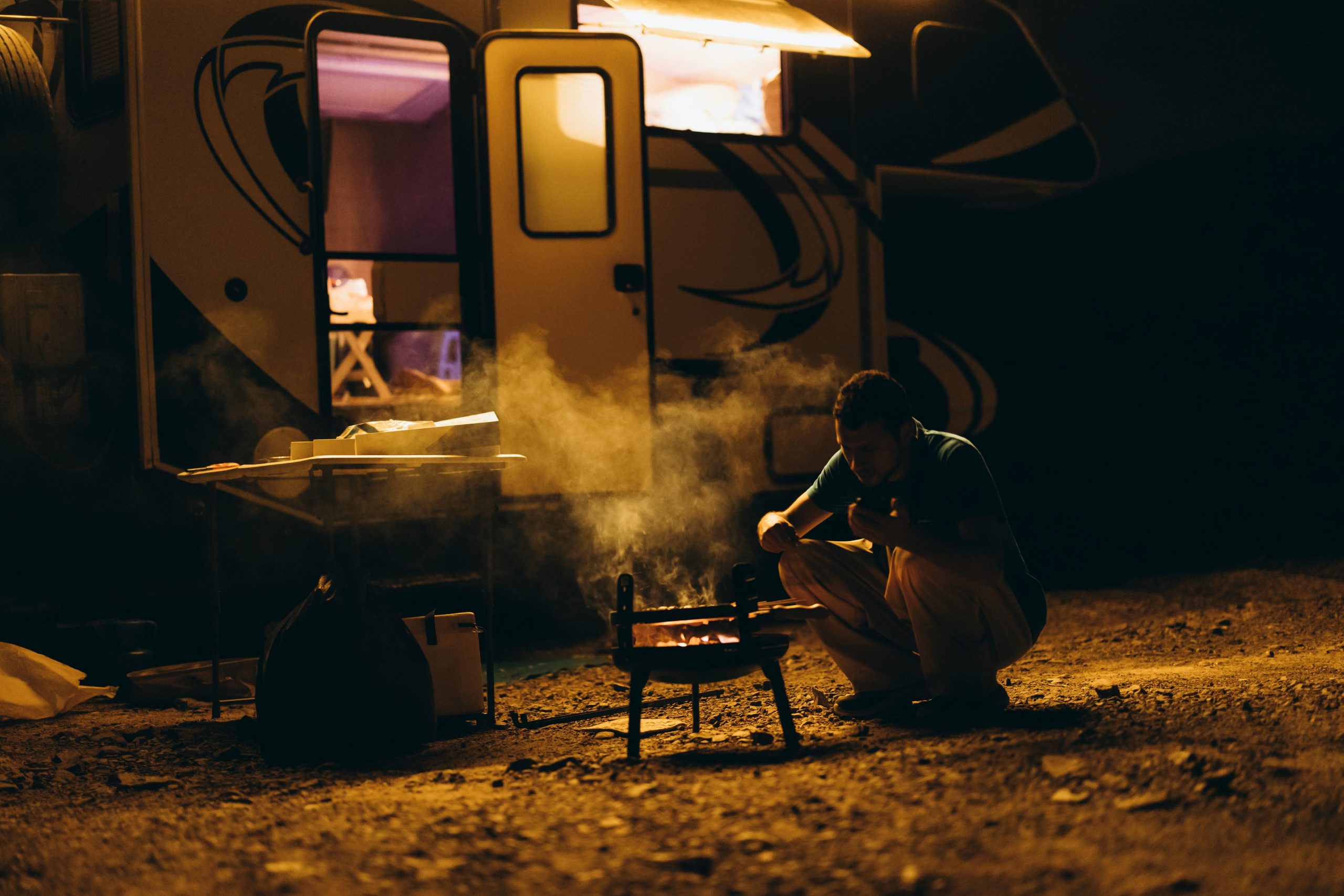
Preparing meals after sunset is one of the strongest wildlife attractors at any campsite. Food odors spread farther at night as cooler air traps scent close to the ground. Even meals that seem mild to humans carry strong signals to animals with sensitive noses. Grease splatter, steam, and food scraps cling to clothing, cookware, and surrounding surfaces. Campers often underestimate how long these smells remain detectable, especially in still air. Wildlife does not need to see food to investigate. Once an animal associates a campsite with cooking smells, it may return repeatedly. This behavior increases the risk of close encounters and teaches animals to link humans with easy meals.
2. Leaving Trash Secured but Still Accessible
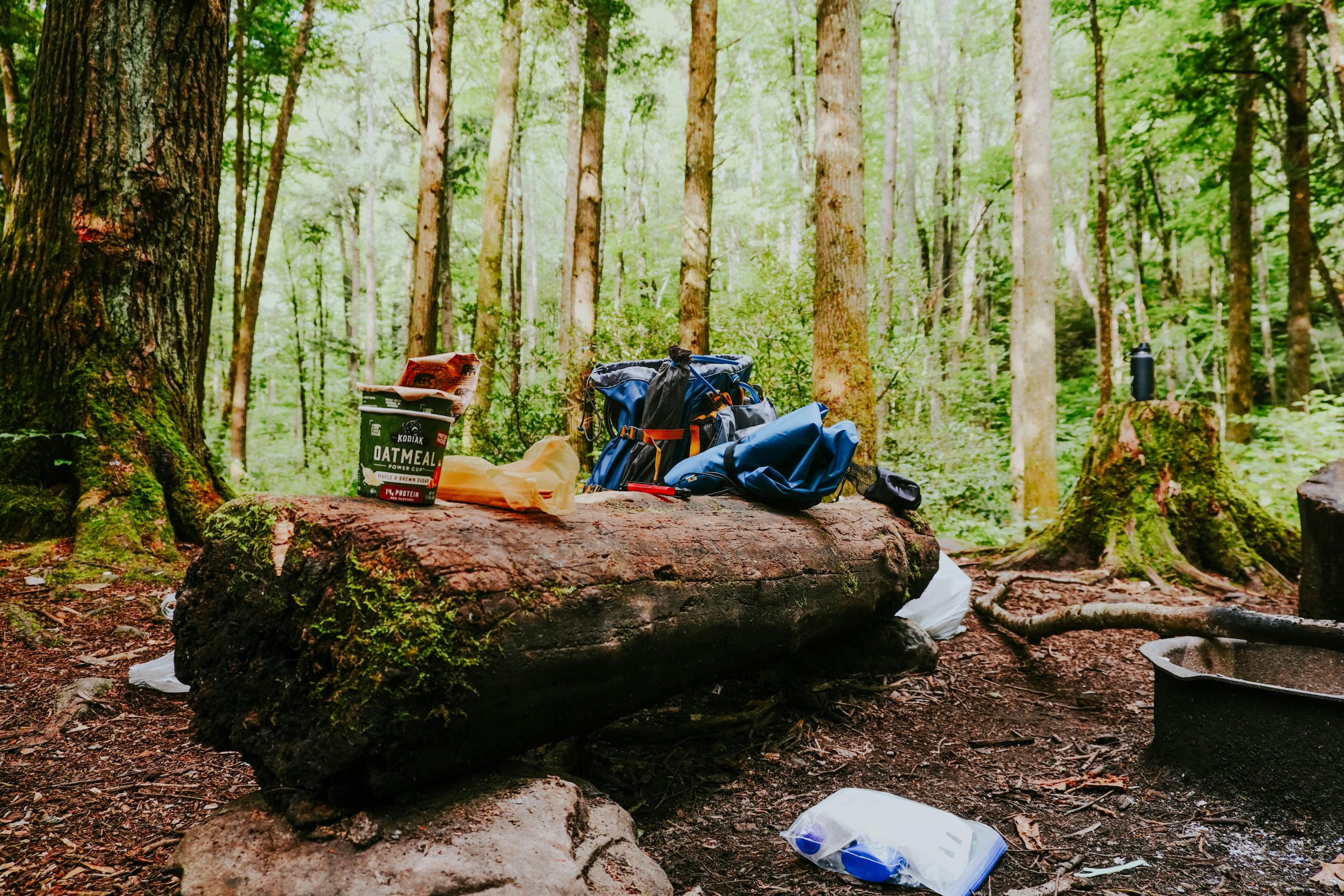
Many campers believe closing a trash bag or bin solves the problem. In reality, odors escape even sealed containers. Plastic bags, soft-sided bins, and thin lids allow scent to leak continuously. Nocturnal animals learn to test these containers, often succeeding through persistence rather than strength. Even if trash is not opened, repeated investigation brings animals closer to sleeping areas. This increases stress for both campers and wildlife. Proper storage means removing trash from the sleeping area entirely or using approved wildlife-resistant containers. When trash remains nearby overnight, it quietly advertises a food source worth investigating.
3. Eating Snacks Inside Tents
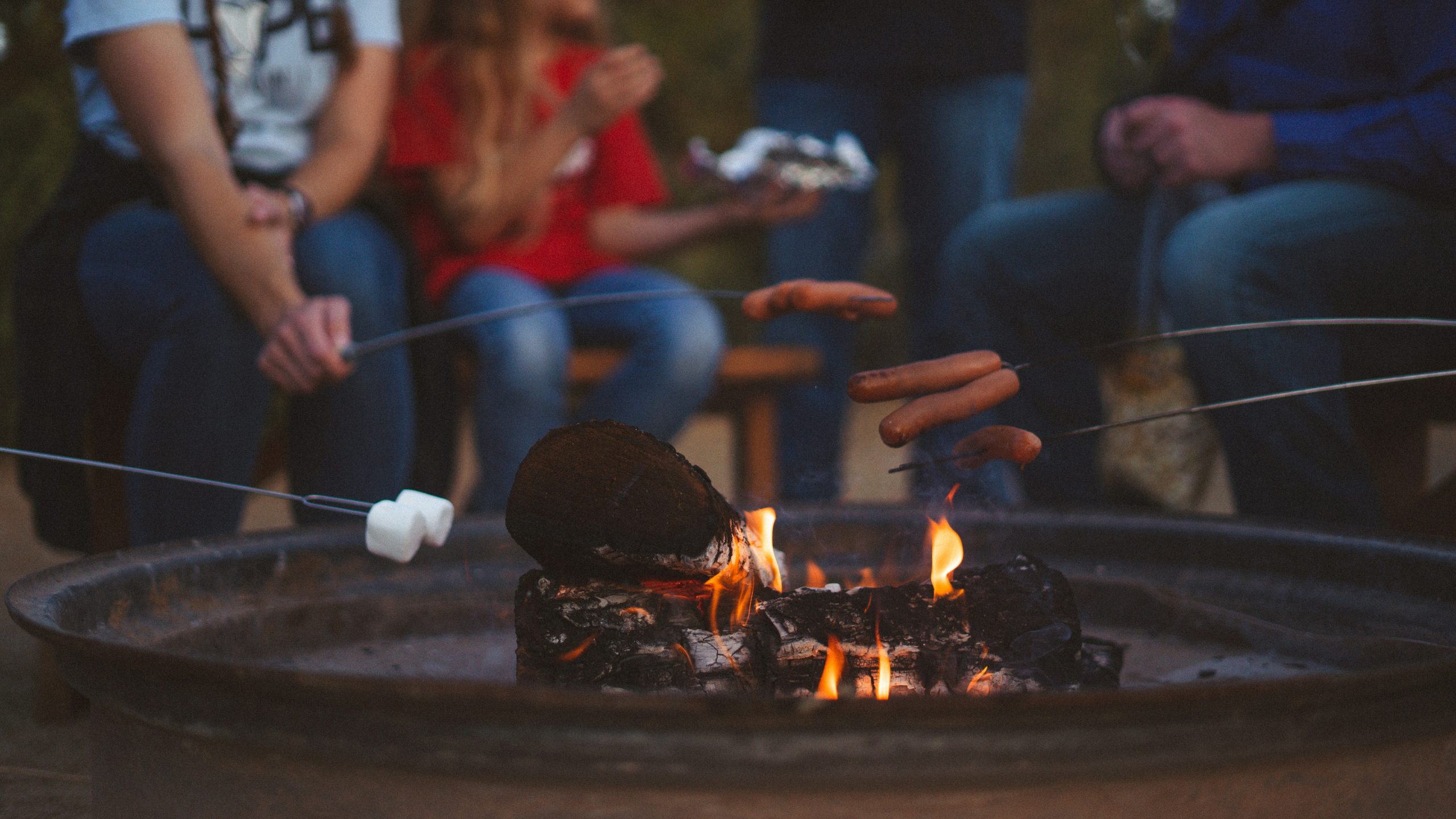
Eating inside a tent feels safe and convenient, especially during cold or rainy nights. Unfortunately, crumbs, wrappers, and residue soak into fabric and sleeping gear. Tents trap scent efficiently, creating concentrated odor pockets that linger for days. Animals investigating these smells may paw, sniff, or bite at tent walls to locate the source. Even if no food remains, the scent alone can trigger curiosity. This behavior increases the risk of damaged gear or dangerous encounters. Once a tent smells like food, it becomes a recurring point of interest for wildlife long after the meal is gone.
4. Wearing Cooking Clothes to Bed
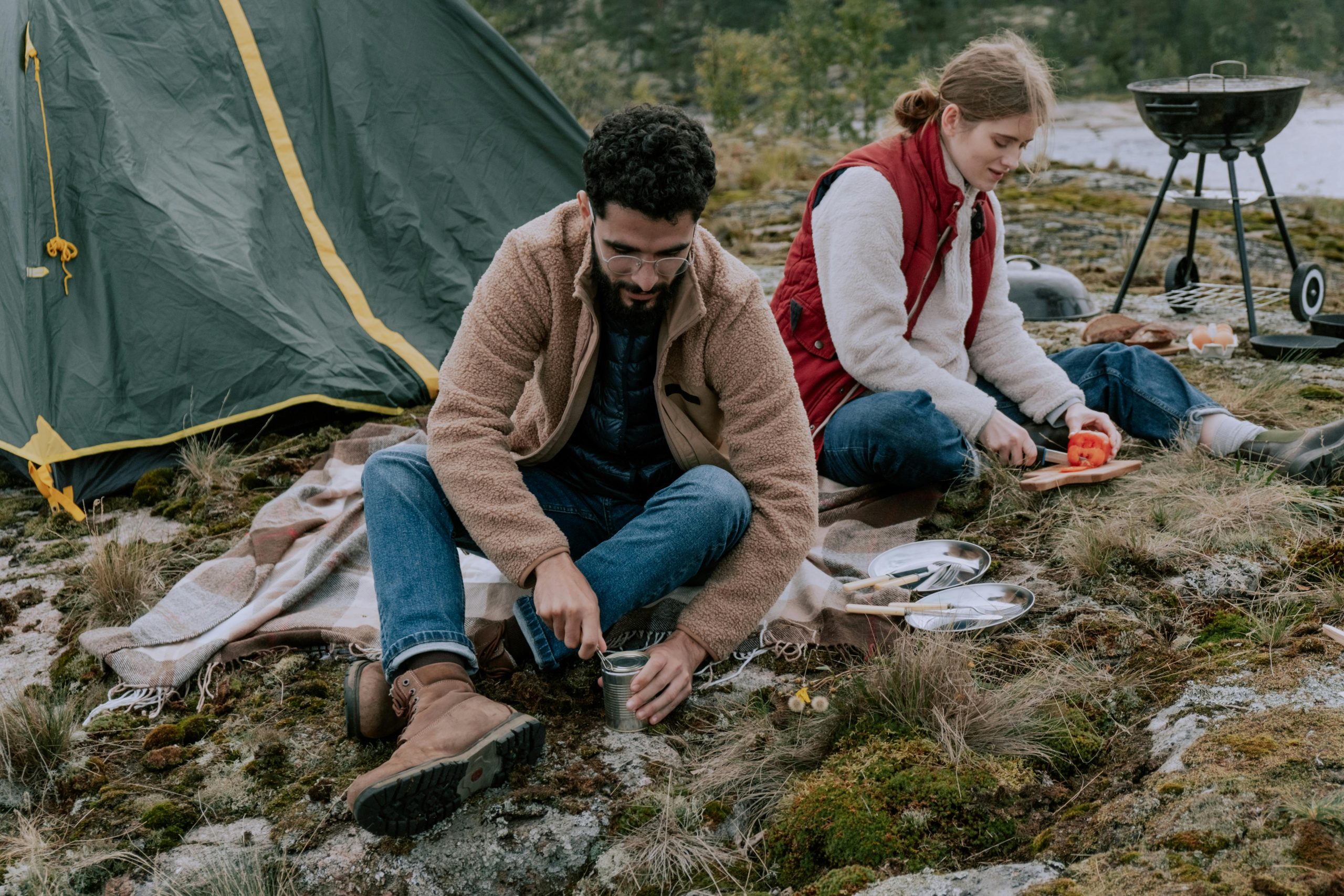
Clothing absorbs odors far more effectively than most campers realize. Smoke, grease, and food vapors cling to fabric fibers and remain detectable long after cooking ends. When campers wear the same clothes to bed, they transfer those smells directly into sleeping areas. Wildlife follows scent trails rather than visual cues, and worn clothing creates a clear path to the tent. This habit can unintentionally draw animals close to sleeping campers. Changing clothes after cooking and storing food-scented garments away from sleeping areas significantly reduces nighttime attraction.
5. Using Scented Toiletries Before Sleeping

Soaps, toothpaste, deodorant, and lotions often contain strong fragrances designed to appeal to humans. To wildlife, these scents resemble food or unfamiliar signals worth investigating. Nighttime grooming concentrates these odors just before campers settle in, making them fresh and noticeable. Animals exploring campsites may follow these scents directly to people. Even items labeled as clean or fresh can trigger curiosity. Unscented toiletries are a safer option in wild areas, especially overnight when animals are most active and less cautious.
6. Leaving Dishes to Soak Overnight
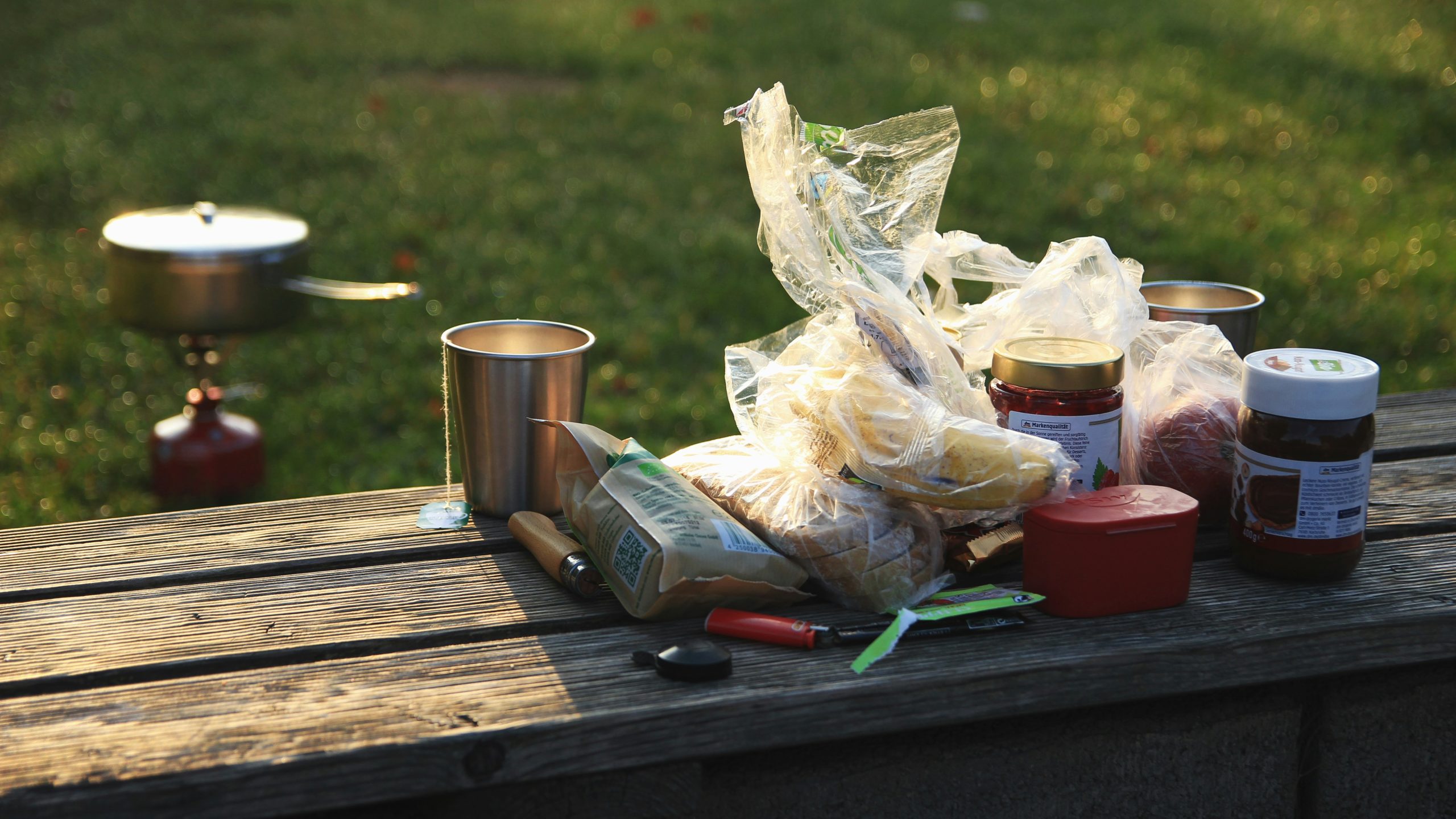
Soaking dishes overnight feels practical, but it creates a powerful scent source. Warm water releases food particles and oils into the air, amplifying odors rather than containing them. Wildlife drawn to these smells may knock over containers, spread residue, or associate the area with easy access to food. Even biodegradable soaps do little to mask food odors. Cleaning dishes immediately and storing them properly reduces scent buildup. Leaving them unattended overnight quietly invites investigation from animals that rely on smell to navigate darkness.
7. Creating Excessive Noise After Dark
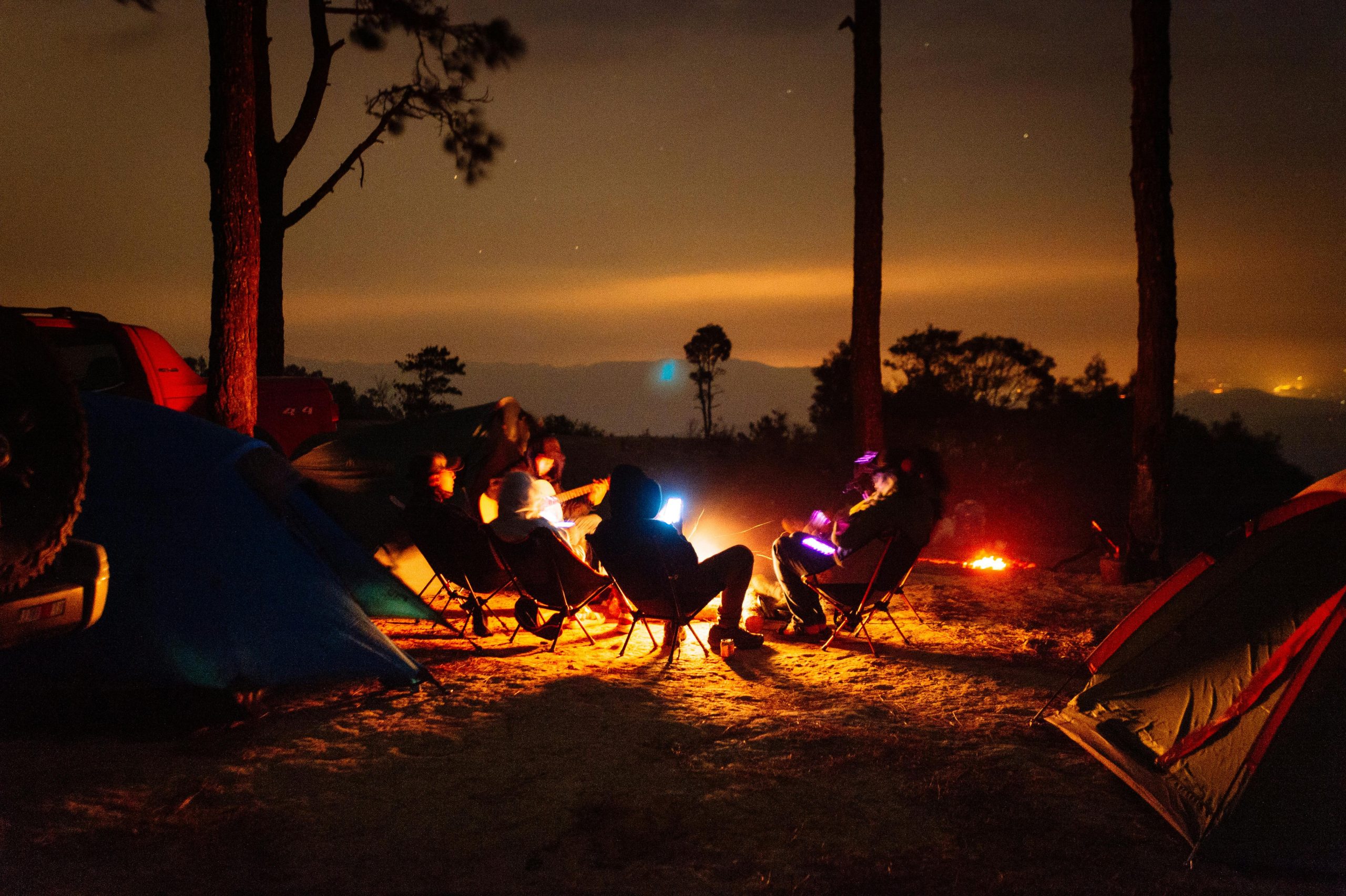
Laughter, music, and conversation carry farther at night due to cooler air and reduced background noise. While noise can deter some animals, it can attract others driven by curiosity. Certain species investigate unfamiliar sounds to assess threats or opportunities. Repeated nighttime noise teaches wildlife that humans are active but not necessarily dangerous. This familiarity can reduce natural avoidance behavior. Quiet campsites are not just peaceful for campers; they also reduce signals that draw animals closer for investigation.
8. Using Bright or Flickering Lights
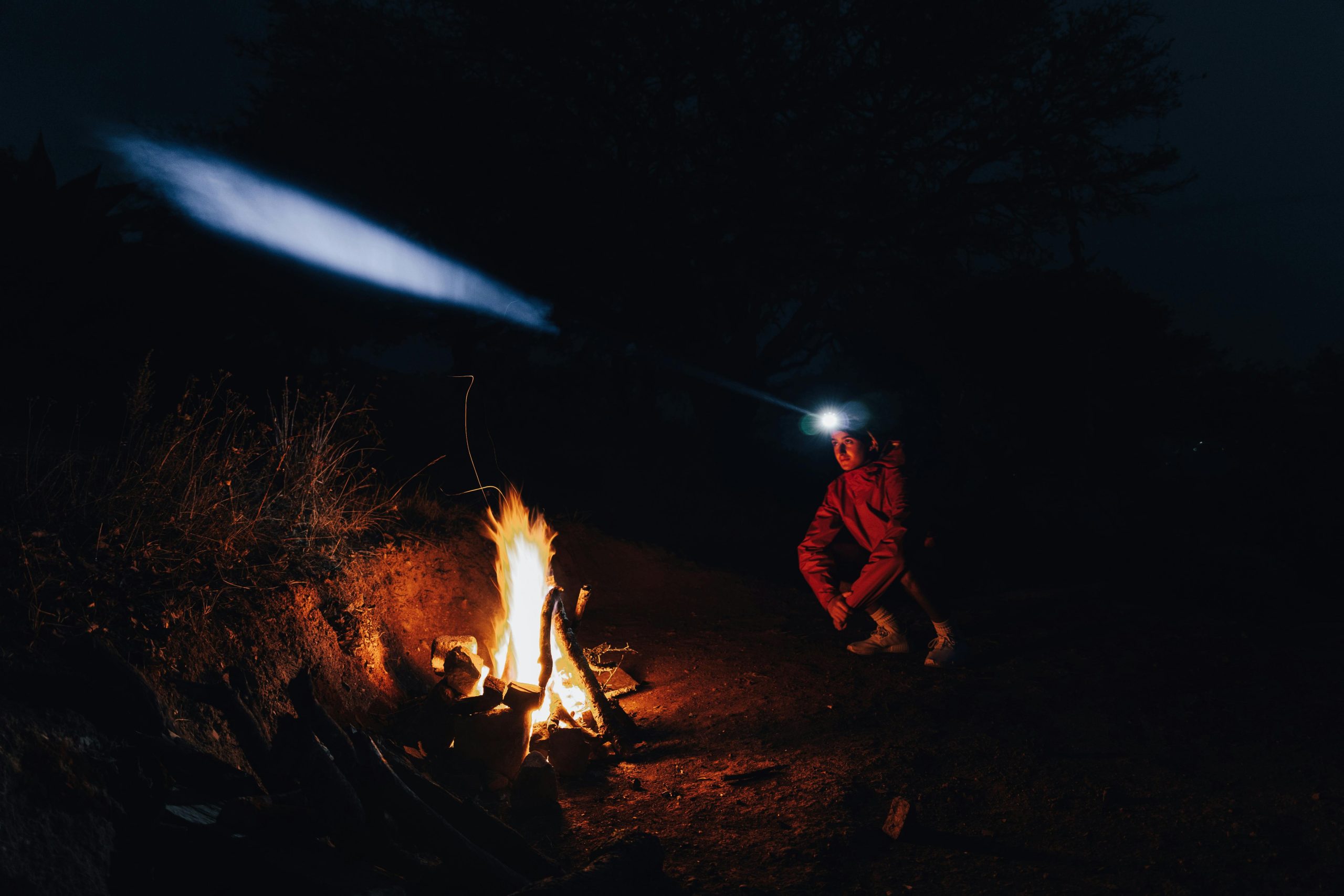
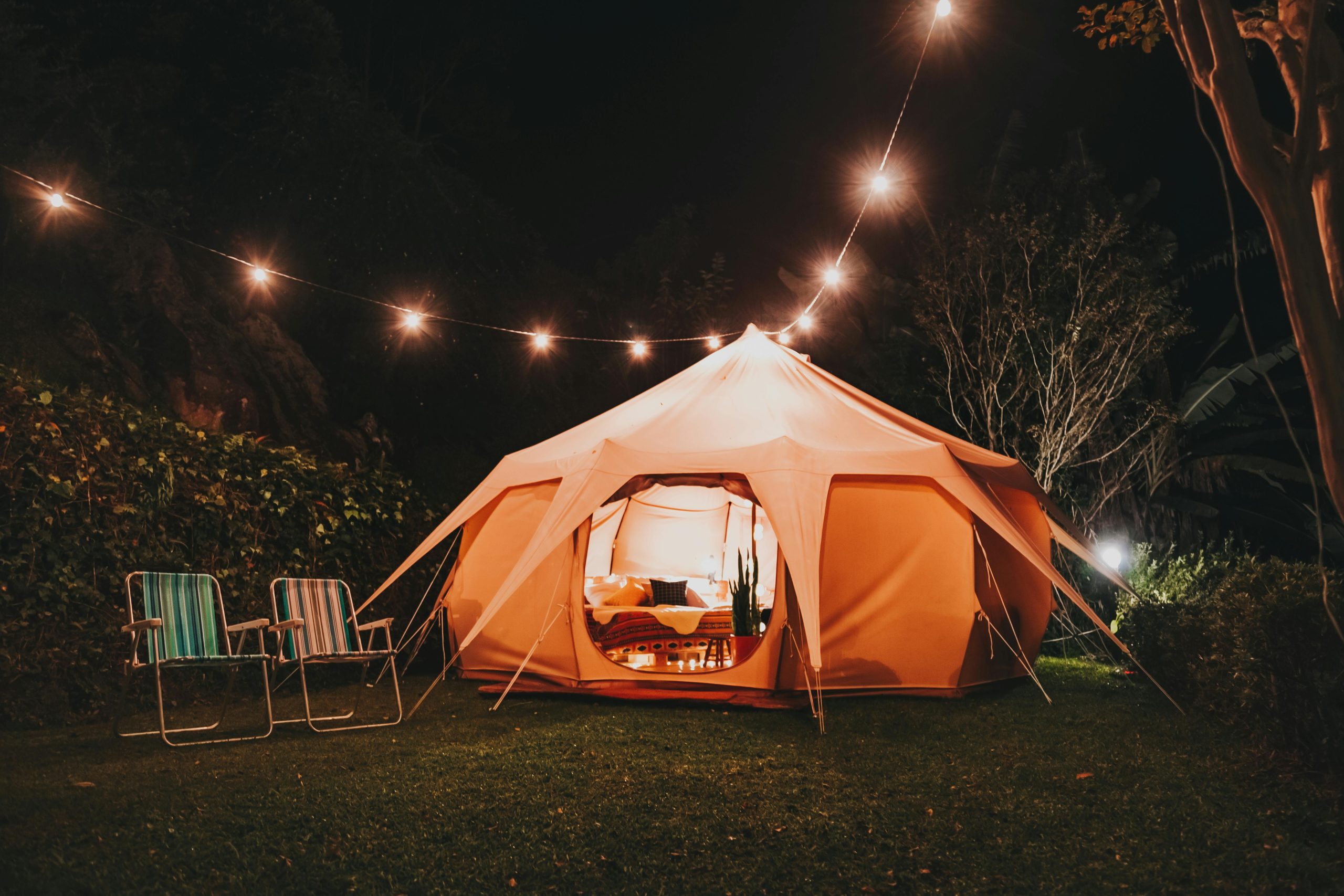
Flashlights, headlamps, and lanterns alter how wildlife perceives a campsite. Flickering or sweeping light can resemble movement, triggering curiosity or alert responses. Some animals associate light with human activity and potential food sources. Bright lights also illuminate cooking areas, making scents easier to investigate. While light is essential for safety, unnecessary use can attract attention. Keeping lighting minimal and steady reduces visual cues that signal an active, potentially rewarding campsite.
9. Storing Food Near Sleeping Areas
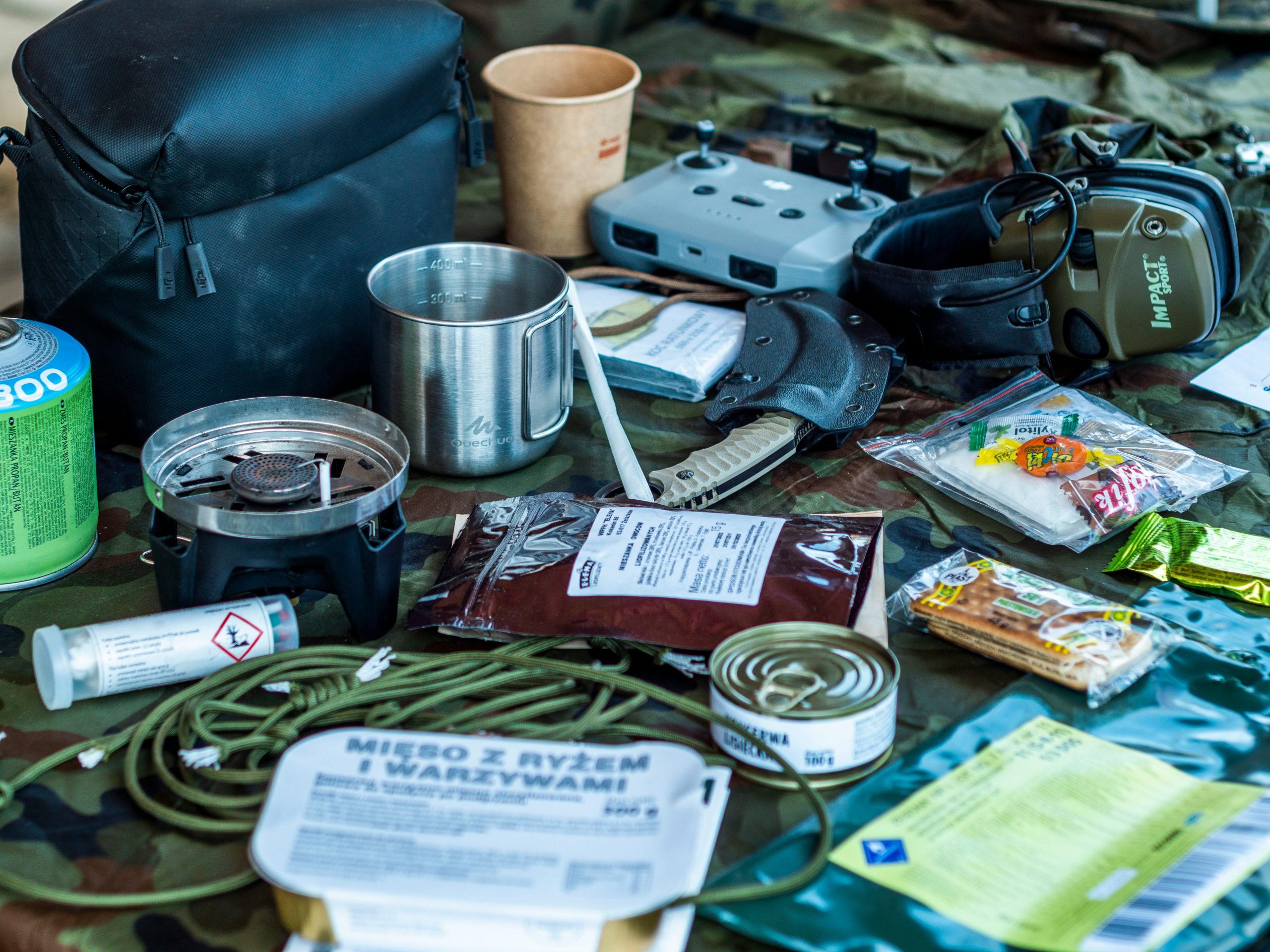
Even when food is sealed, storing it close to where campers sleep concentrates scent in a small area. Wildlife following these odors may approach tents directly. This increases the chance of close encounters during the night. Many campers underestimate how far animals will travel for a possible food reward. Proper food storage means creating distance between sleeping and eating areas. This separation reduces risk and aligns with wildlife safety guidelines used in established backcountry practices.
10. Assuming Wildlife Only Appears by Accident
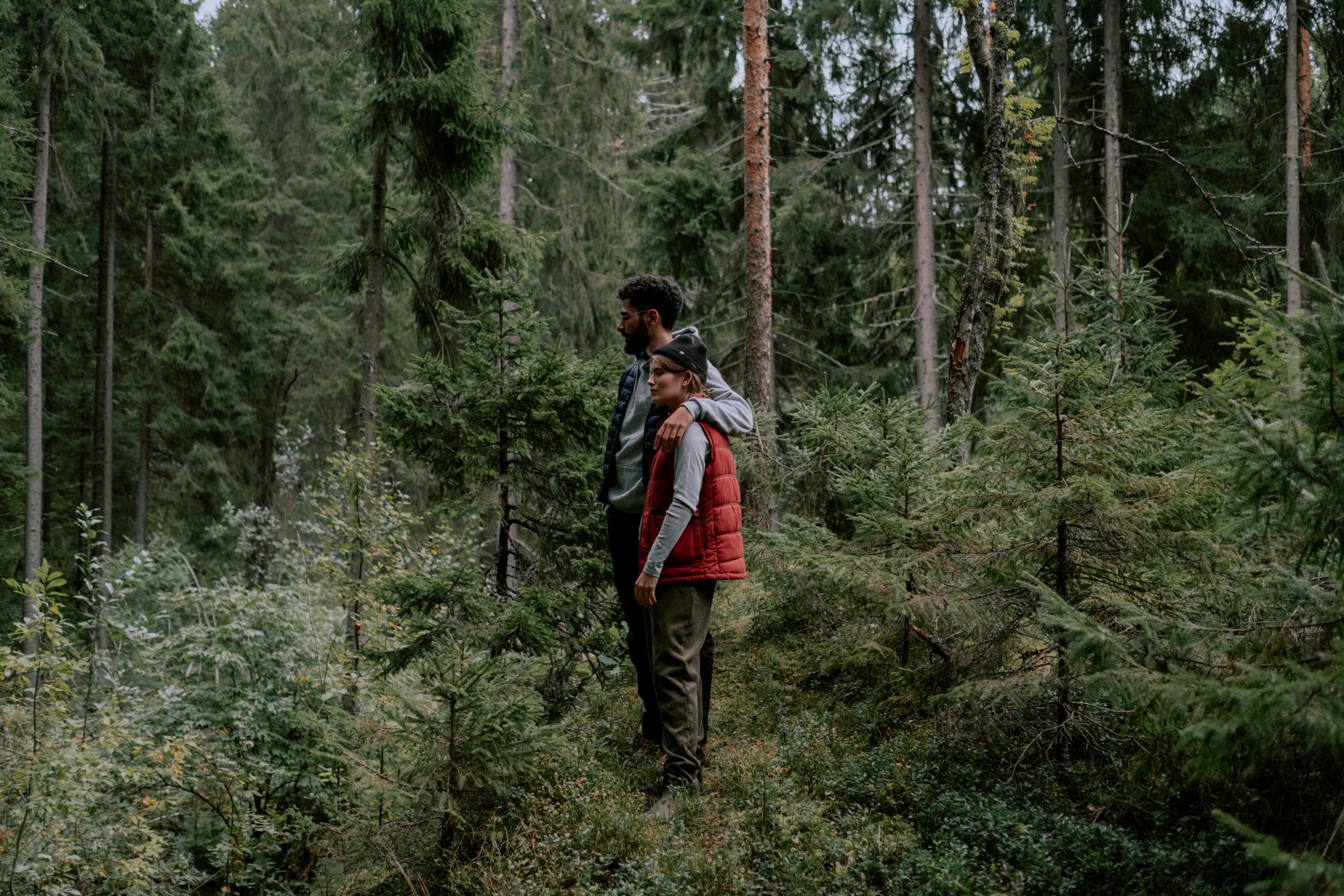
Perhaps the most common mistake is believing wildlife encounters are random. In reality, animals respond to patterns. When campsites consistently offer scent, sound, or light cues, wildlife learns to investigate. Nighttime routines reinforce these patterns more strongly than daytime behavior. Animals are not drawn by malice or hunger alone, but by opportunity. Recognizing that attraction is often unintentional empowers campers to change habits. Small adjustments can dramatically reduce encounters, protecting both people and animals from unnecessary risk.