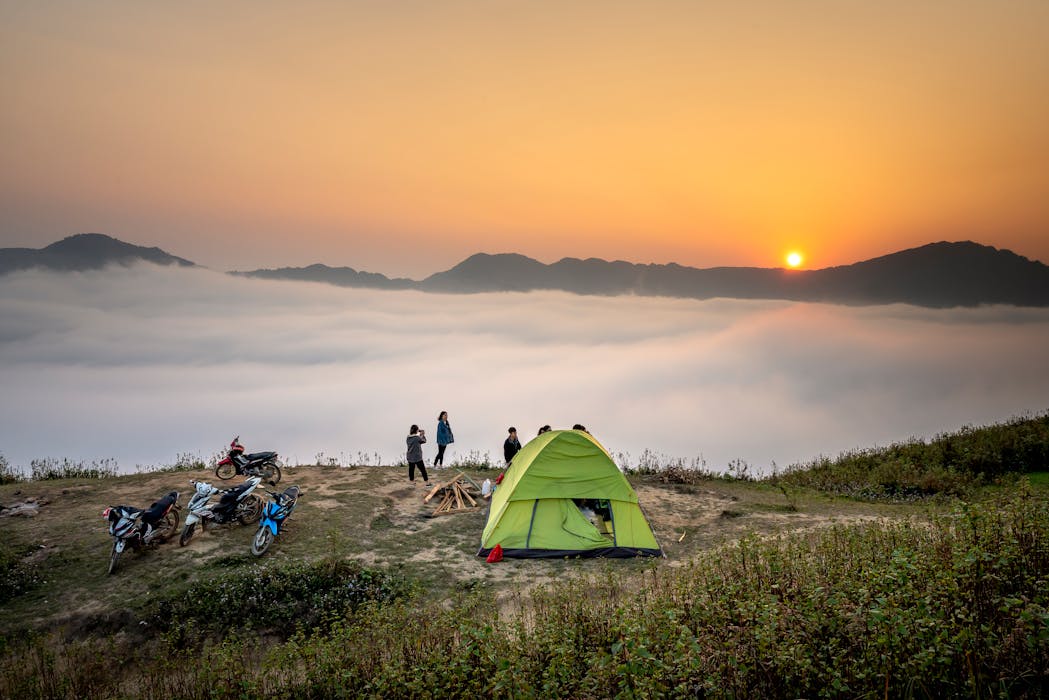
Coastal wind conditions can shift quickly, and storms along shorelines often bring forceful gusts that challenge even experienced campers. Selecting a tent built for extreme weather helps ensure dependable shelter when conditions intensify. Strong poles, reinforced fabrics, and aerodynamic shapes play essential roles in maintaining stability. Durable construction paired with thoughtful design allows these tents to remain secure in exposed dunes, rocky headlands, and broad stretches of open beach.
Hilleberg Keron 3 GT
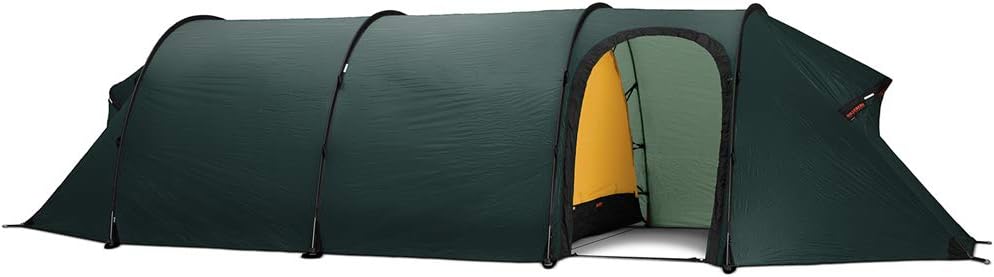
The Hilleberg Keron 3 GT is known for its tunnel shape and tightly tensioned profile that remains stable in coastal wind. Full-length pole sleeves distribute pressure evenly, while the interior structure stays firm as gusts shift direction. Reinforced fabrics hold their form without excessive movement, helping the tent stay anchored in turbulent weather. The extended vestibule adds practical space without sacrificing structural performance along exposed shorelines.
Mountain Hardwear Trango 2
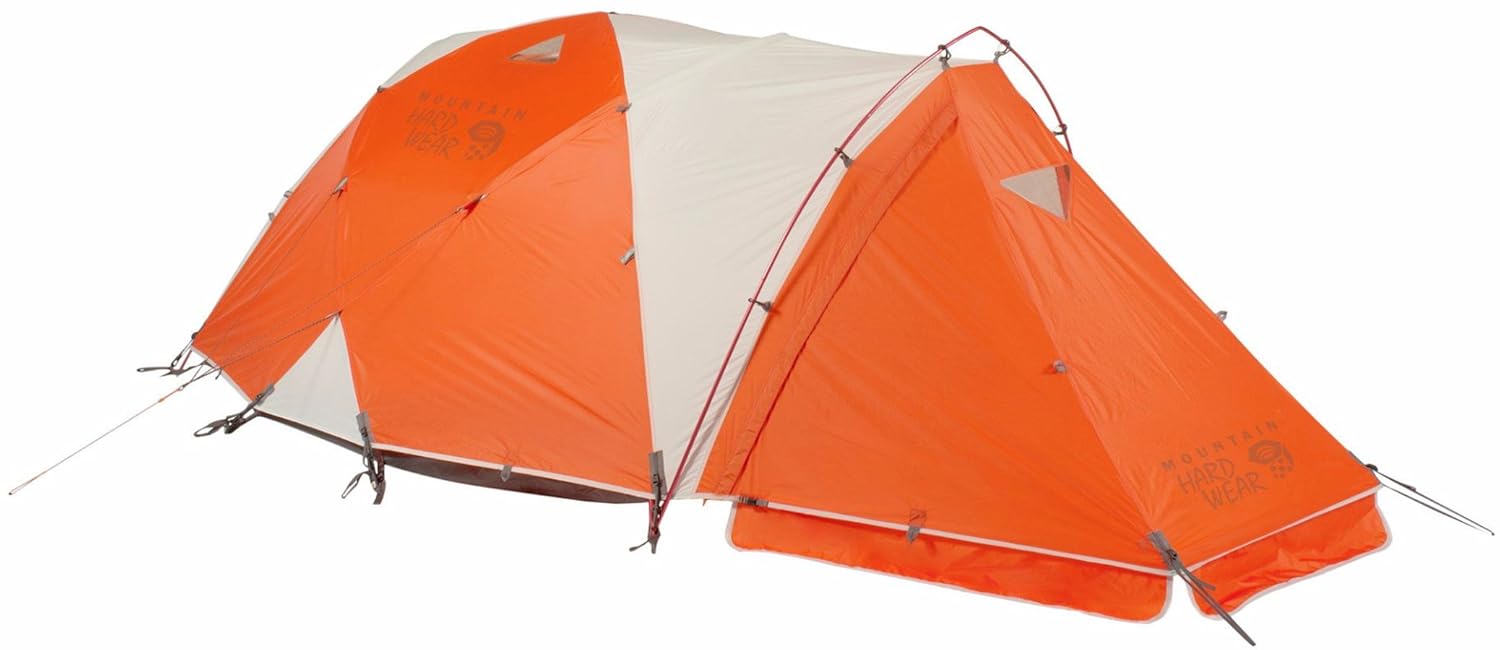
The Mountain Hardwear Trango 2 features a mountaineering-grade frame that transitions effectively into coastal conditions where sudden wind changes are common. Its sturdy poles connect through a balanced geometric pattern that helps manage force from multiple angles. Heavy-duty materials support a rigid canopy that resists deformation during strong gusts. The tent’s shape remains steady through storms, offering a secure shelter for unpredictable environments.
MSR Remote 2
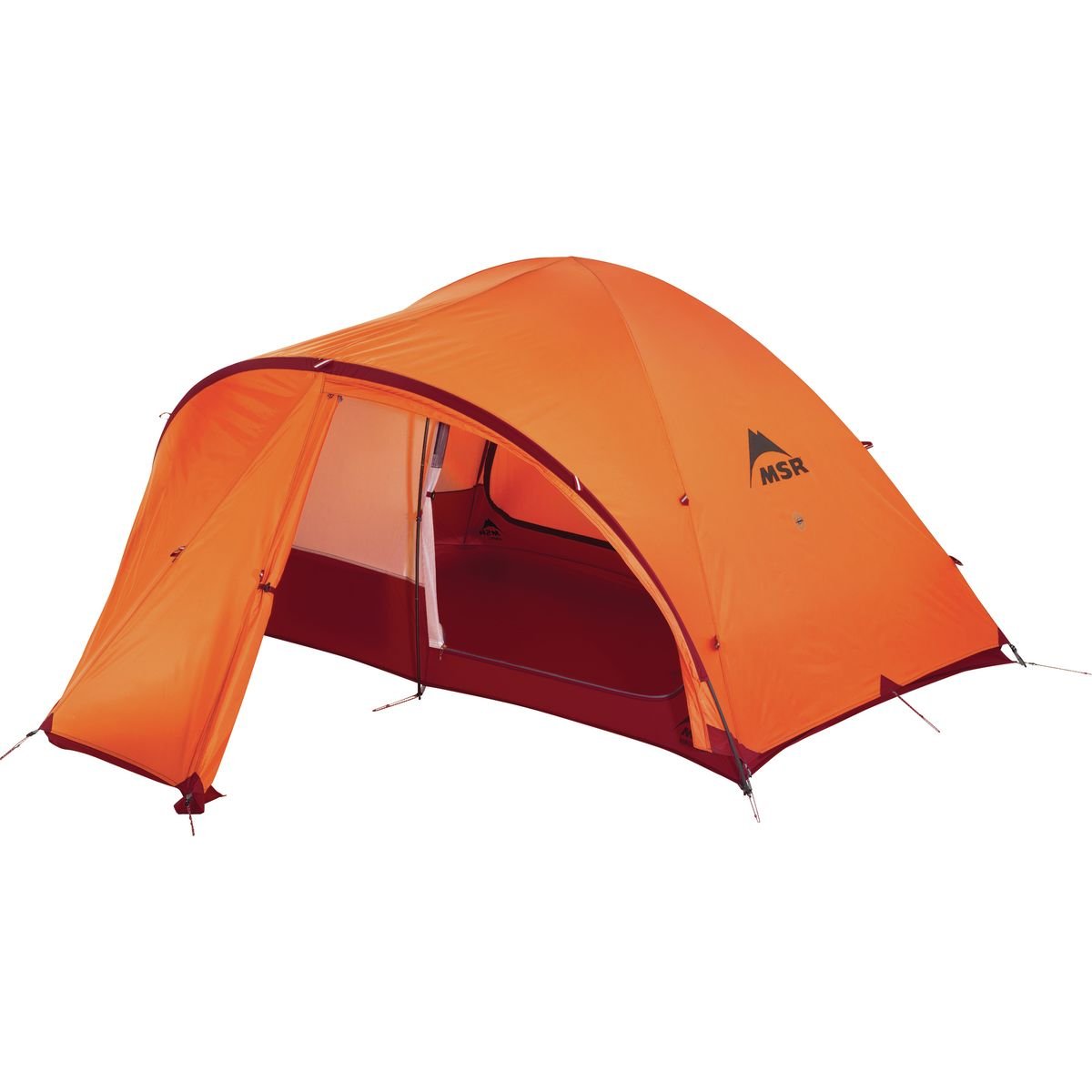
The MSR Remote 2 incorporates expedition-level engineering that prioritizes wind resistance while maintaining a compact footprint suitable for narrow coastal camps. Its strong poles and cross bracing reduce flexing when gusts push against the fabric. Durable materials keep the canopy taut throughout prolonged exposure to wind. Balanced ventilation and reinforced anchoring points help the tent maintain stability while protecting interior comfort.
Big Agnes Battle Mountain 2
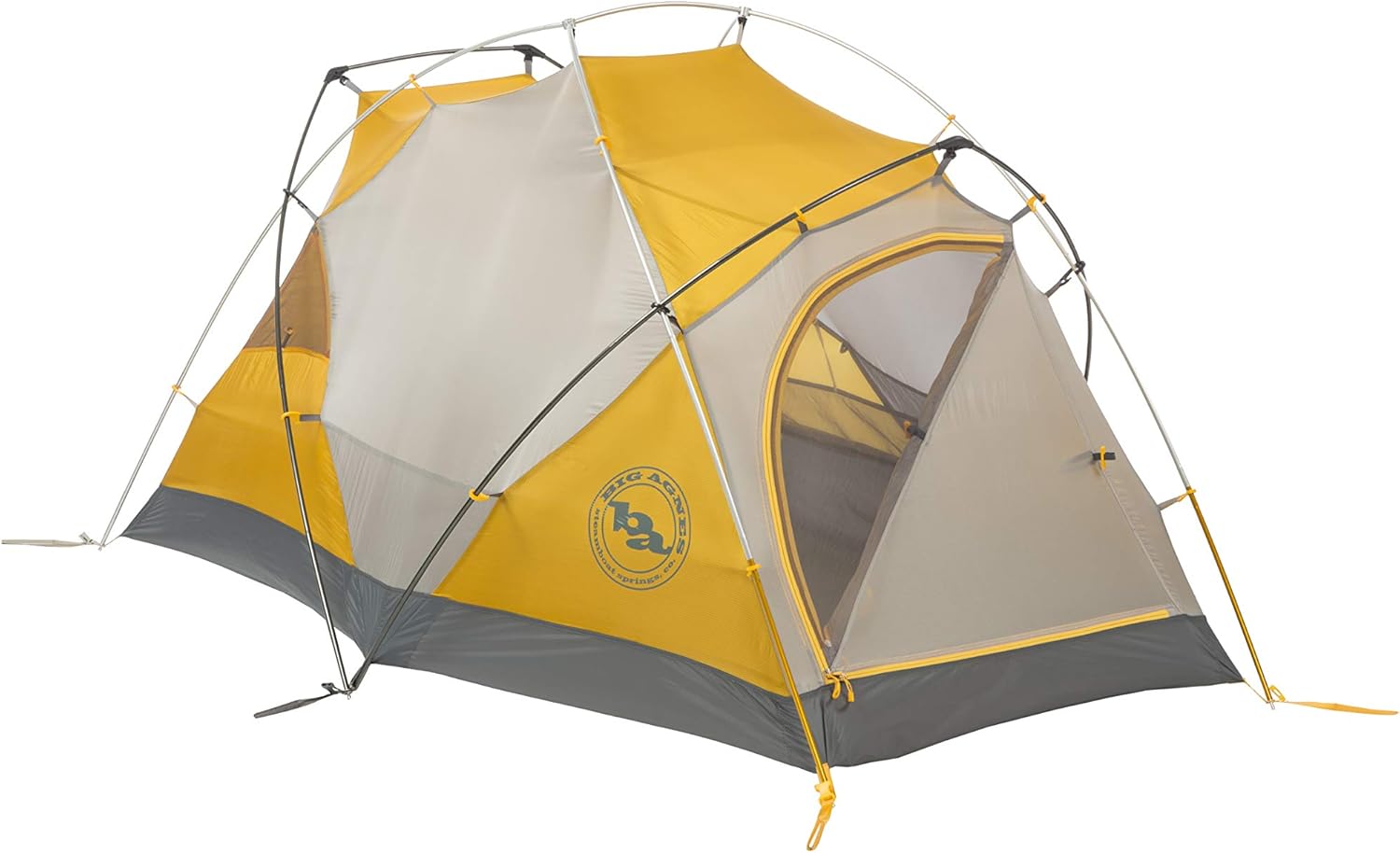
The Big Agnes Battle Mountain 2 uses a dome structure designed for severe four-season conditions, making it well-suited for high-wind coastal regions. Its robust poles and secure connection points provide consistent support during forceful weather. The aerodynamic shape directs wind over the tent rather than against it, reducing strain on the frame. Reinforced fabrics and strong tensioning help maintain dependable stability in exposed areas.
Black Diamond Eldorado
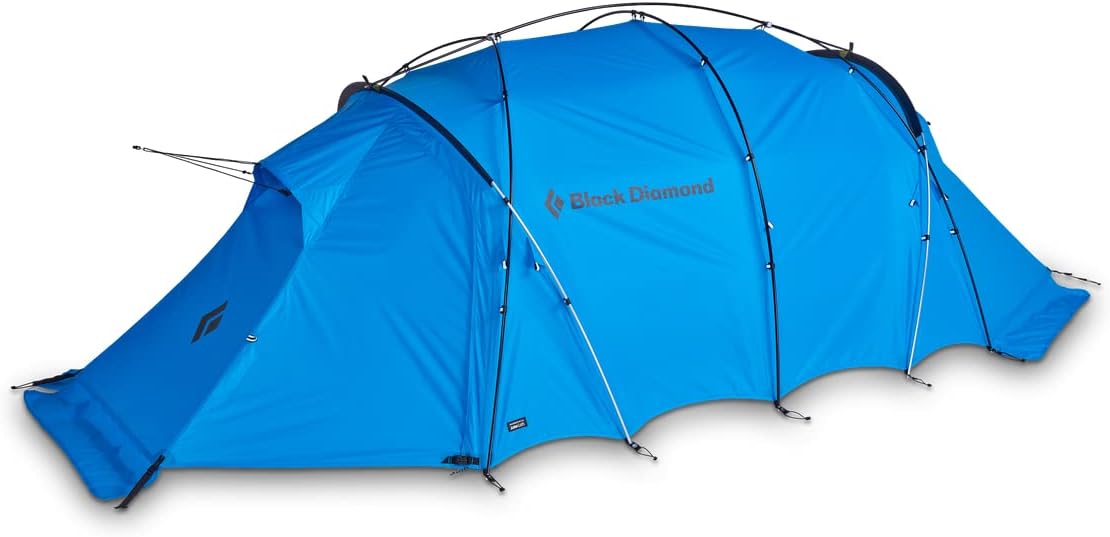
The Black Diamond Eldorado relies on a compact single-wall design that reduces surface area affected by high winds. An internal pole system enhances rigidity by supporting the structure from within, limiting external movement. The tent’s narrow profile allows wind to pass with minimal resistance, while reinforced panels increase durability during intense weather. Its simplicity contributes to strong performance along windy coastlines.
NEMO Chogori
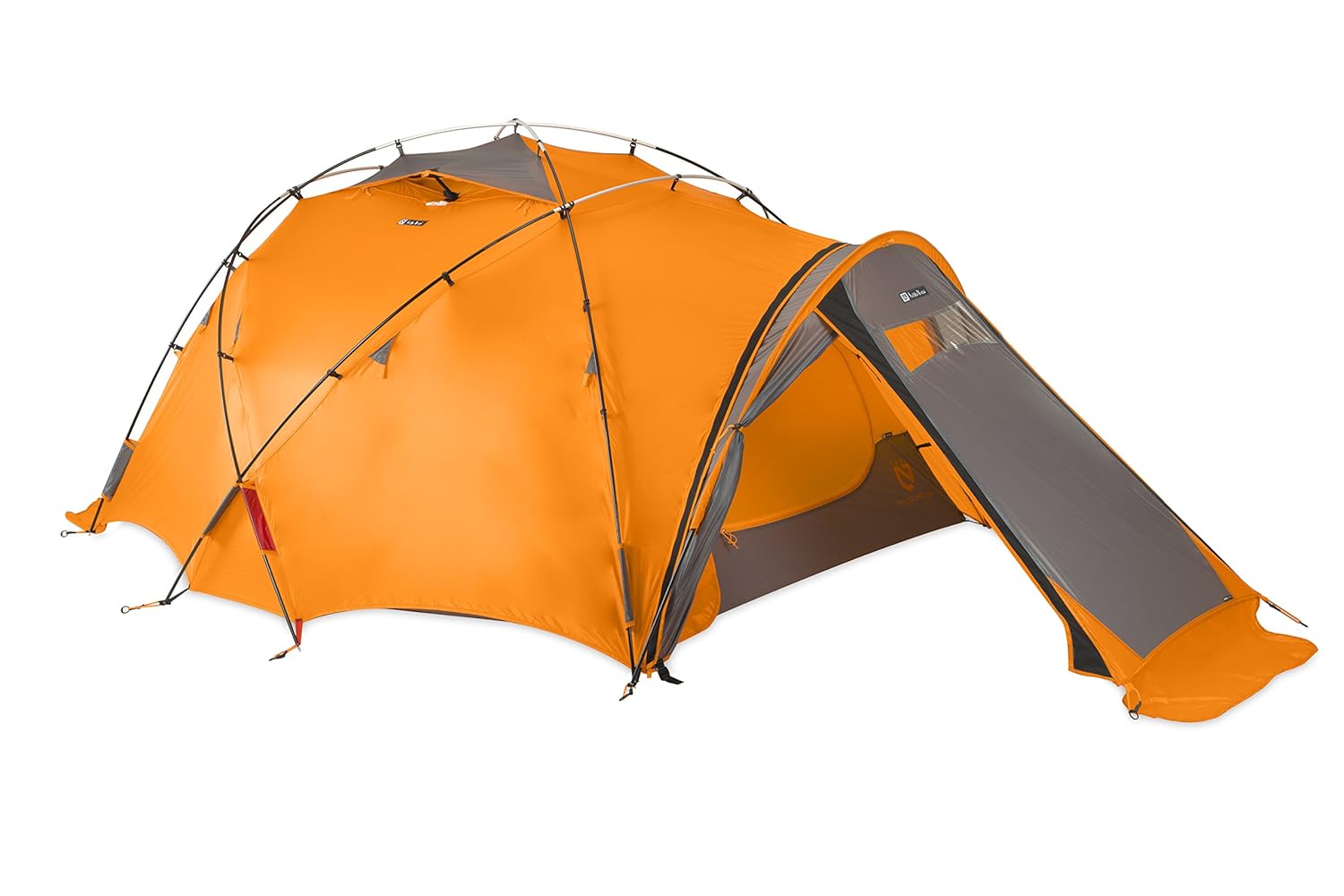
The NEMO Chogori blends traditional expedition form with lightweight yet durable materials that improve wind handling. External poles create a highly rigid shell that responds well to lateral gusts. The canopy remains tight under pressure, preventing flutter that can weaken stability. Its extended vestibule adds sheltered space without compromising aerodynamic flow, making it a dependable option for harsh coastal storms.
The North Face Mountain 25
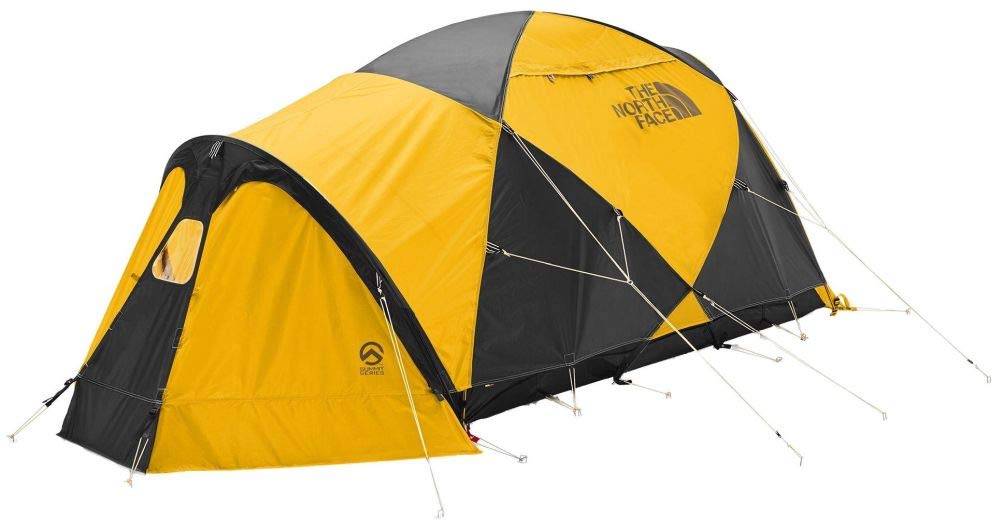
The North Face Mountain 25 uses a geodesic frame with multiple intersecting poles that distribute wind force evenly across the structure. Heavy-duty fabrics reinforce the tent’s ability to withstand sustained gusts from shifting coastal patterns. Strong seams and a balanced shape prevent collapse even during long nights of intense weather. Its proven performance in severe climates supports reliability near storm-exposed shorelines.
Fjallraven Keb Dome 3
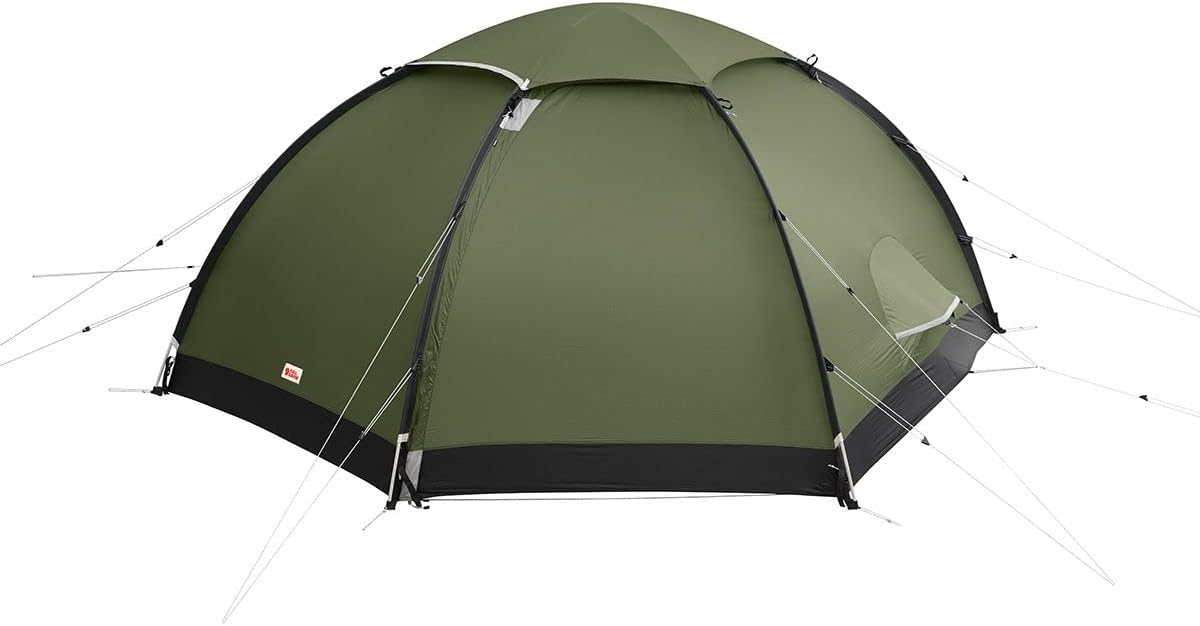
The Fjallraven Keb Dome 3 features a well-balanced dome shape paired with durable pole materials that maintain stability during high wind events. Thick fly fabric keeps tension steady, reducing strain created by persistent gusts. Its structure remains secure when anchored properly, limiting distortion of the canopy. The tent’s combination of strength and internal space supports comfort while handling demanding conditions.
Marmot Thor 3P
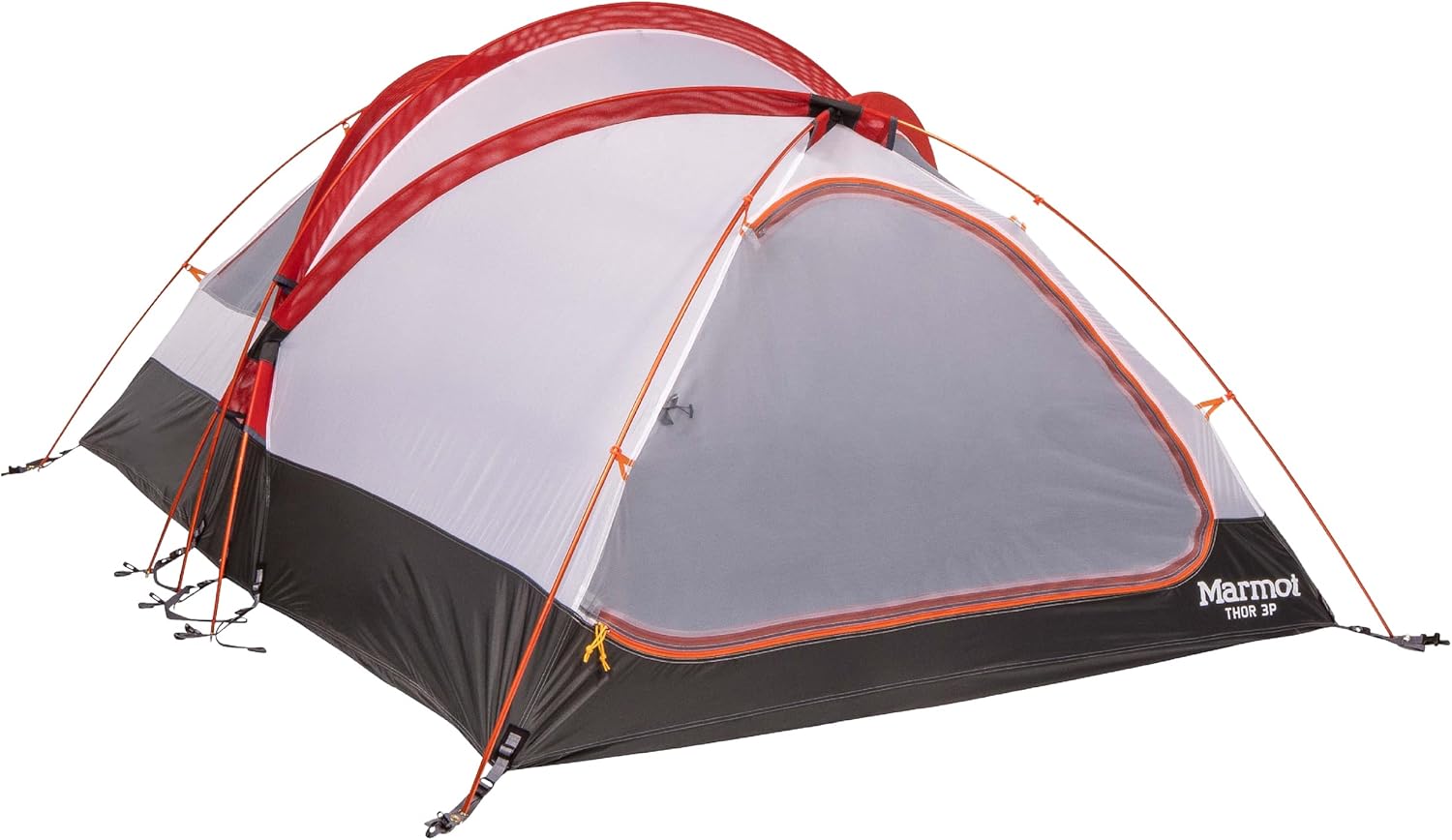
The Marmot Thor 3P incorporates a strong geodesic design that increases resilience against wind approaching from any direction. Multiple pole intersections strengthen the frame and limit flexing under pressure. Reinforced fabric panels complement the sturdy structure to maintain shape throughout storms. The tent’s roomy interior remains usable even when winds push against the outer walls during harsh coastal weather.
Exped Orion II
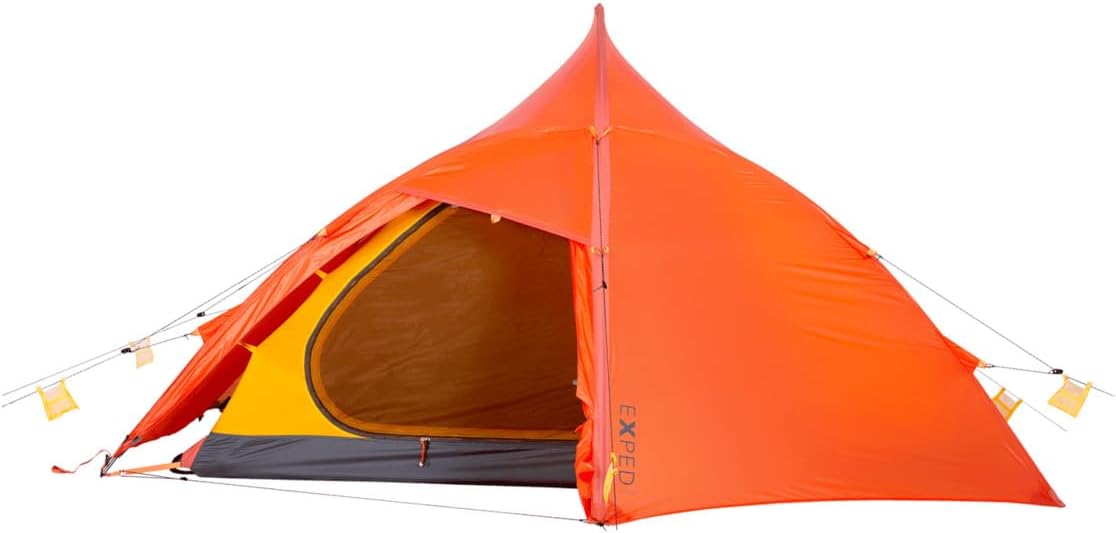
The Exped Orion II uses a hybrid tunnel dome structure that blends aerodynamic efficiency with robust stability in heavy winds. Reinforced pole sleeves support the frame as gusts shift across the tent, helping maintain consistent tension throughout the canopy. The streamlined exterior reduces drag and prevents excessive movement. Its reliable construction ensures strong performance in open, wind-prone coastal environments.