Survival advice often emphasizes training and technique, yet many commonly cited methods succeed only under specific environmental conditions. Temperature, terrain, resources, and weather frequently determine outcomes more than personal ability. A technique that works well in one setting can fail completely elsewhere. People underestimate how much surroundings shape effectiveness. Skill still matters, but context matters more than expected. Understanding these limits prevents false confidence. These ten survival techniques frequently appear reliable but rely heavily on favorable environments. When conditions shift, their effectiveness drops, revealing how survival often depends less on mastery and more on where and when circumstances allow certain methods to work at all.
Fire By Friction
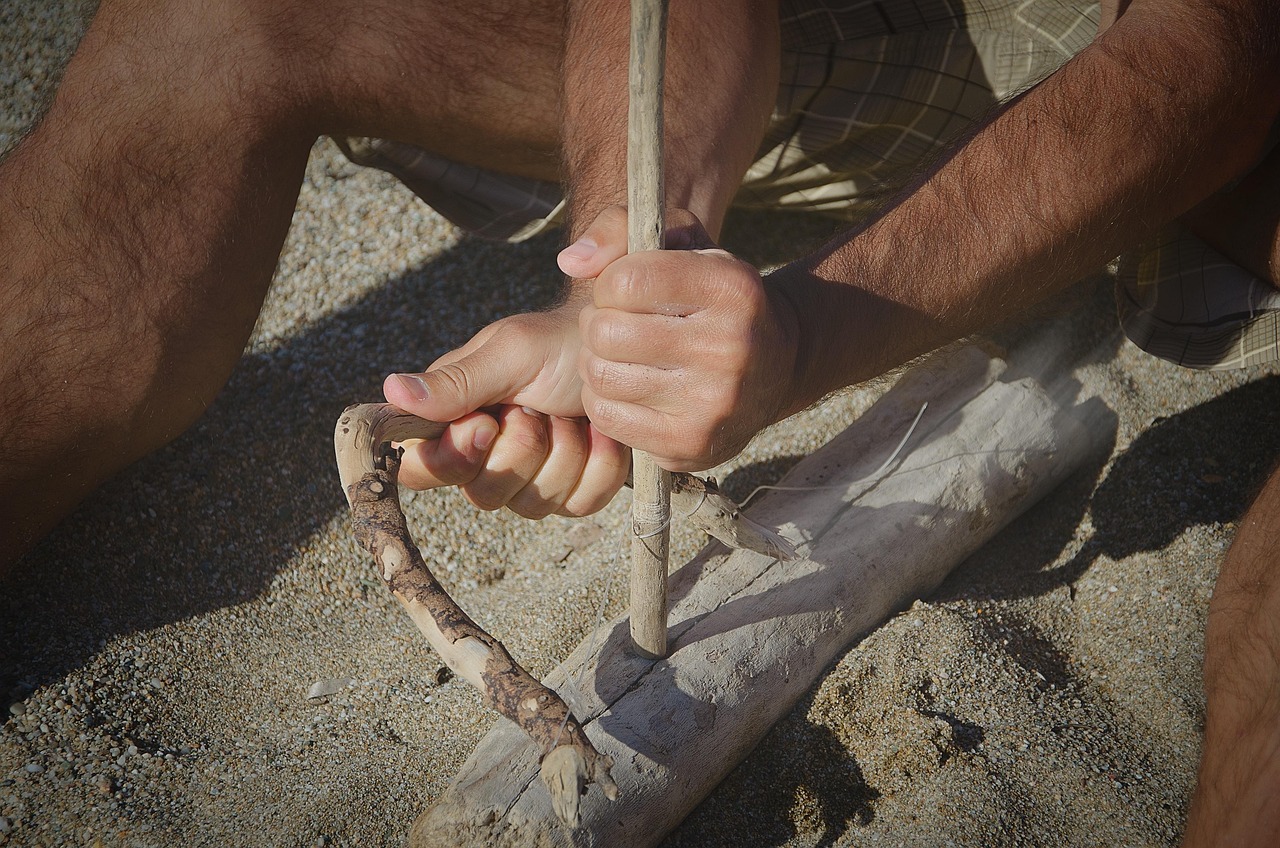
Fire by friction depends heavily on dry environmental conditions. Humidity, rain, and cold drastically reduce success. Wood selection relies on locally available species with proper dryness. Damp air prevents ember formation. Cold temperatures sap hand strength and endurance. Wind complicates spark control. Without dry tinder nearby, effort fails regardless of technique. Skill helps, but environment decides feasibility. In tropical, wet, or snowy regions, friction methods become nearly impossible. Fire by friction works best in arid climates with dry materials. The technique often appears universally teachable, yet its success hinges almost entirely on environmental dryness rather than practiced hand motion alone.
Solar Fire Starting
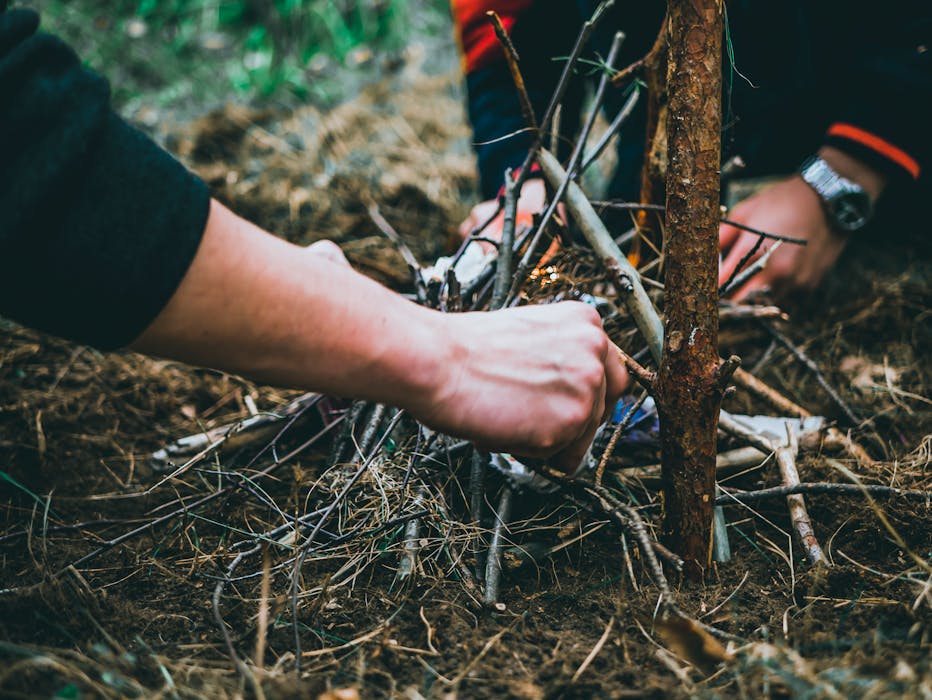
Solar fire starting relies entirely on sunlight availability. Cloud cover, forest canopy, latitude, and season determine success. Without strong direct sun, lenses and reflective surfaces fail. Morning and evening angles reduce intensity. Winter conditions limit effectiveness further. The environment must provide clear skies and adequate solar strength. Skill cannot compensate for overcast weather. Snow glare may help, but clouds negate effort. This method works best in open, sunny environments. Solar fire starting appears clever and simple, yet it depends more on atmospheric conditions and geographic location than user ability or preparation, making it unreliable outside ideal climates and seasons.
Foraging Wild Plants
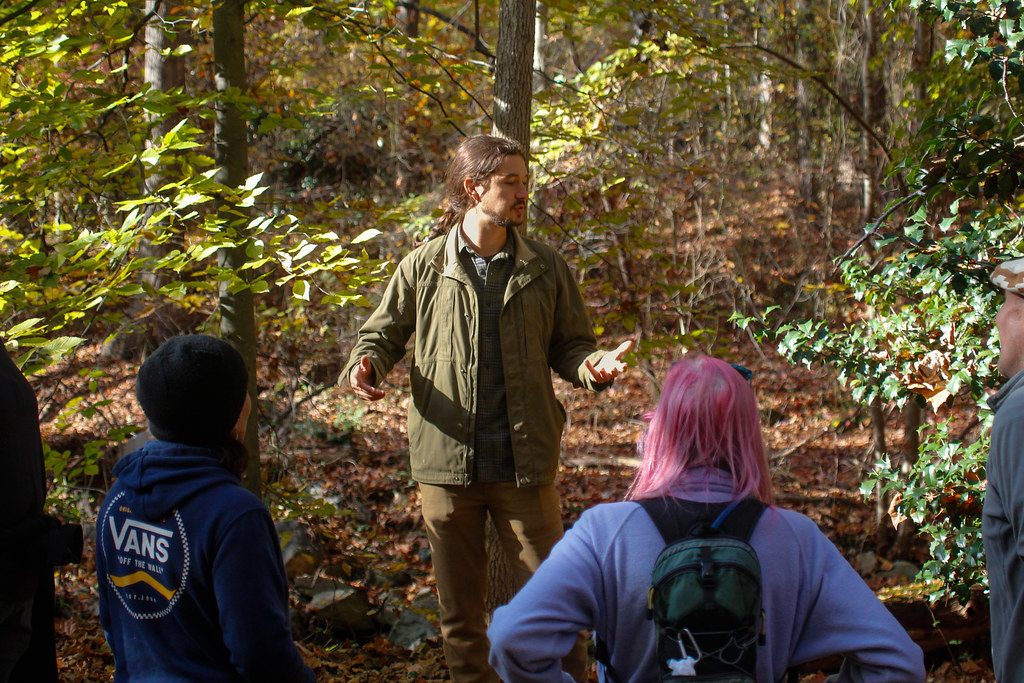
Foraging wild plants depends strongly on local biodiversity and seasonal growth. Skill alone cannot overcome barren landscapes or wrong seasons. Edible species vary by region. Knowledge from one area fails elsewhere. Drought reduces availability. Snow cover hides resources. Environmental familiarity matters more than technique. Without sufficient plant density, foraging yields little. Urban or desert environments limit options. Even skilled foragers struggle outside known ecosystems. This technique succeeds best where edible plants grow abundantly and visibly. Foraging often appears universally useful, yet its success depends far more on environment and timing than identification skill alone.
Ice Fishing
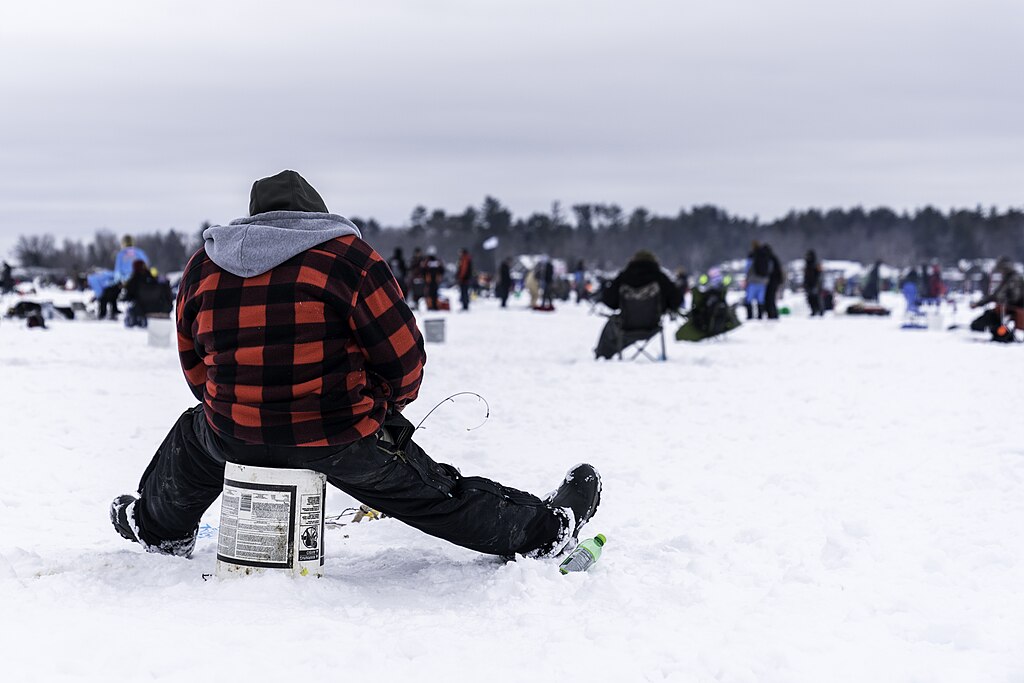
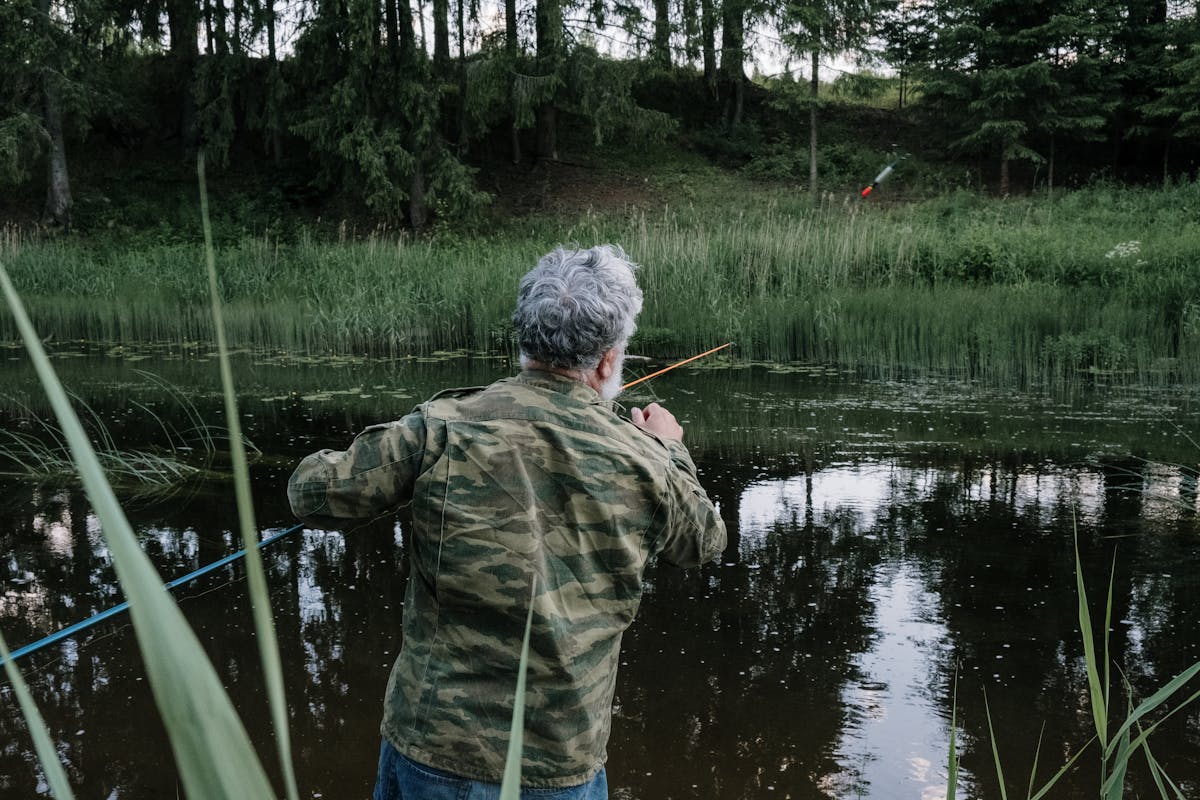
Ice fishing depends almost entirely on environmental conditions. Safe ice thickness varies by temperature, water movement, and season. Skill cannot compensate for unsafe ice. Fish behavior changes with oxygen levels and light. Snow cover affects visibility. Warm spells weaken ice quickly. Without frozen lakes or rivers, the technique fails completely. Equipment matters less than conditions. This survival method works only in specific cold climates. Ice fishing appears practical in theory but depends fully on sustained freezing temperatures and stable ice. Without the right environment, even experienced individuals cannot apply the technique safely or effectively.
Desert Water Solar Still
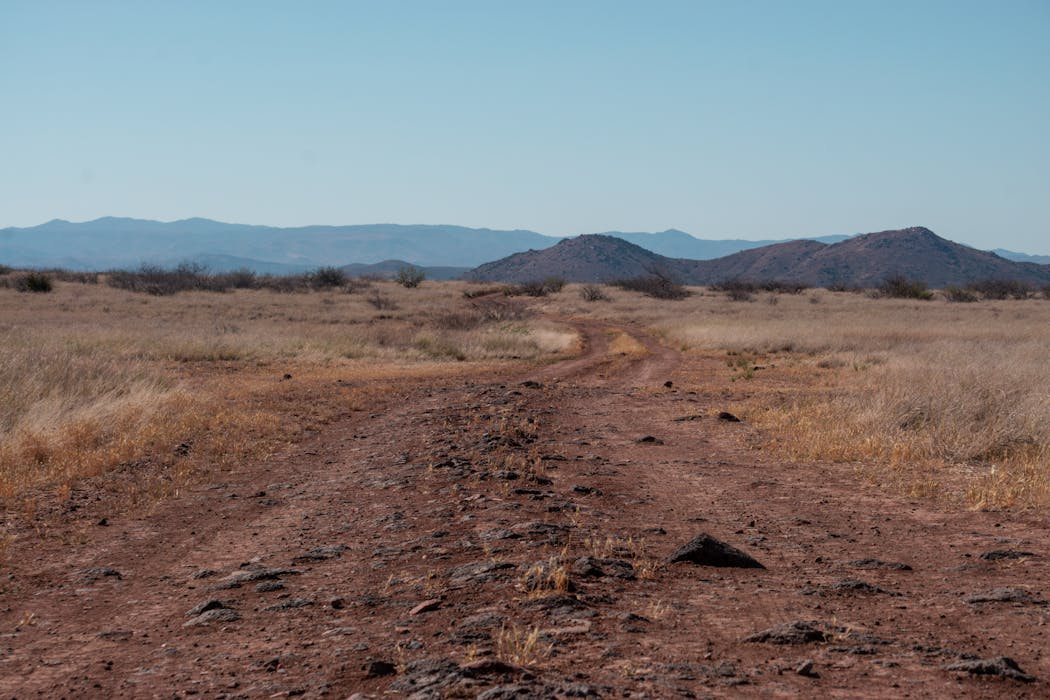
Solar stills in desert environments depend more on heat and soil moisture than construction skill. Extremely dry ground yields minimal water. Cool nights reduce condensation. Wind disrupts temperature gradients. Output remains low even under ideal conditions. Skillful setup cannot overcome lack of moisture. The environment must provide heat and subsurface water. Many deserts lack sufficient humidity. This method produces small amounts slowly. Solar stills often appear reliable in survival guides, yet their effectiveness relies almost entirely on environmental moisture levels and temperature ranges rather than technical proficiency or effort invested.
Snow Shelters
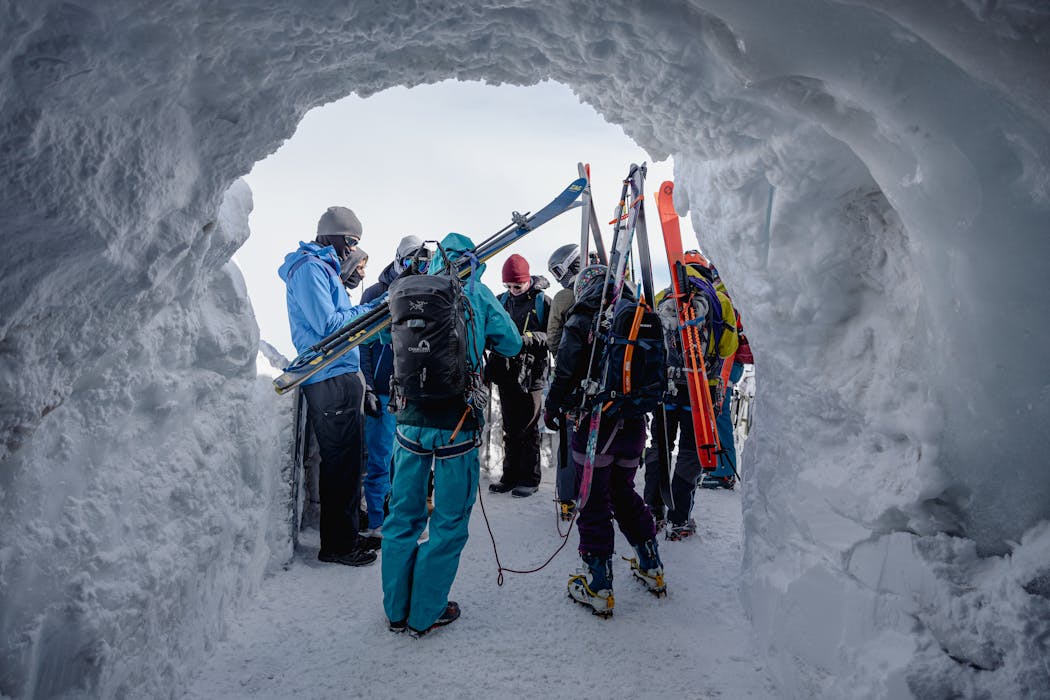
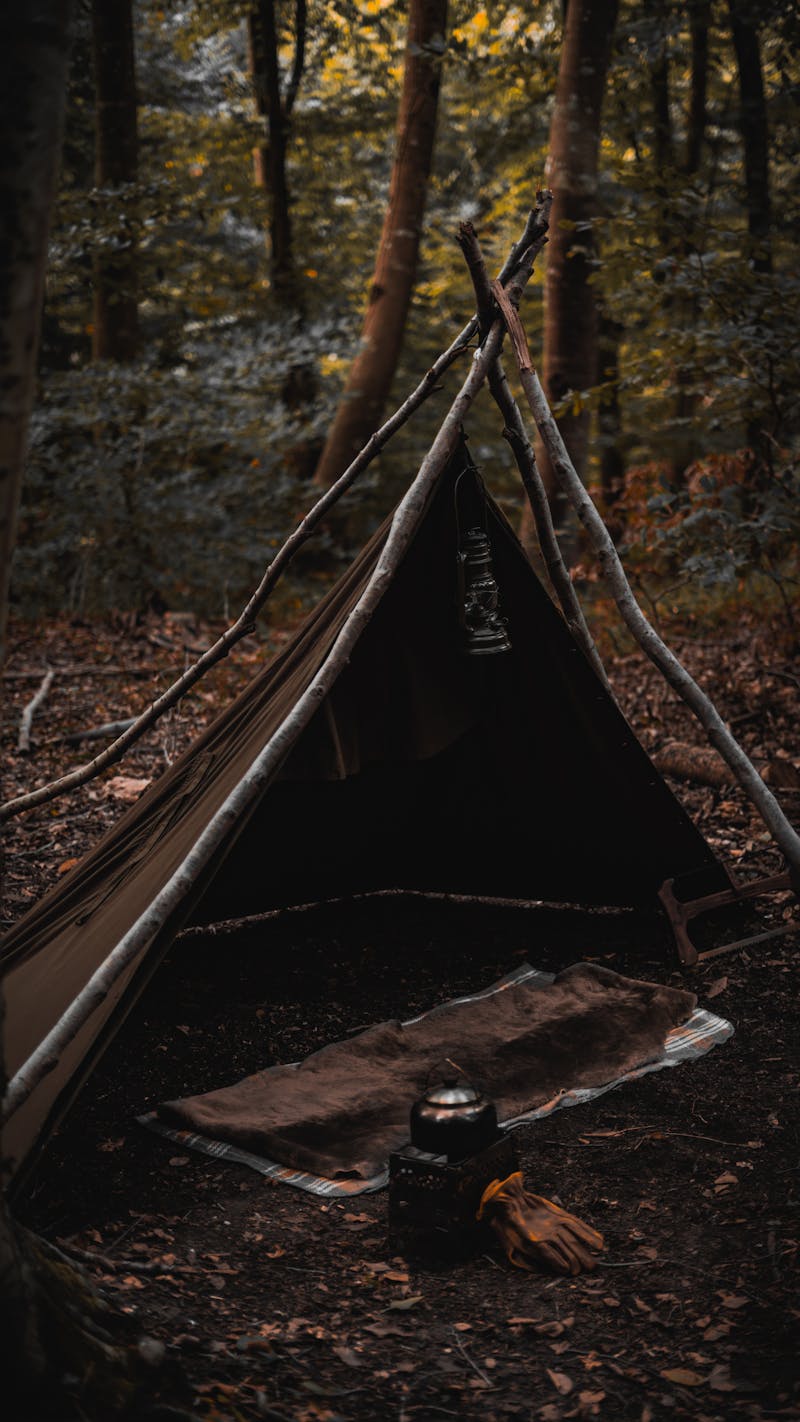
Snow shelters depend on snow quality and volume. Powdery snow collapses easily. Wet snow insulates poorly. Wind scours exposed areas. Without deep, compacted snow, construction becomes impossible. Skill cannot substitute for insufficient material. Temperature affects stability. Thawing conditions cause collapse. Snow shelters work best in cold, stable climates with dense snowfall. In marginal winter environments, the technique fails. Building shelters requires environmental cooperation. Snow shelters often seem universally applicable in cold survival, yet their success depends far more on snow conditions than builder experience or structural knowledge.
Raft Building
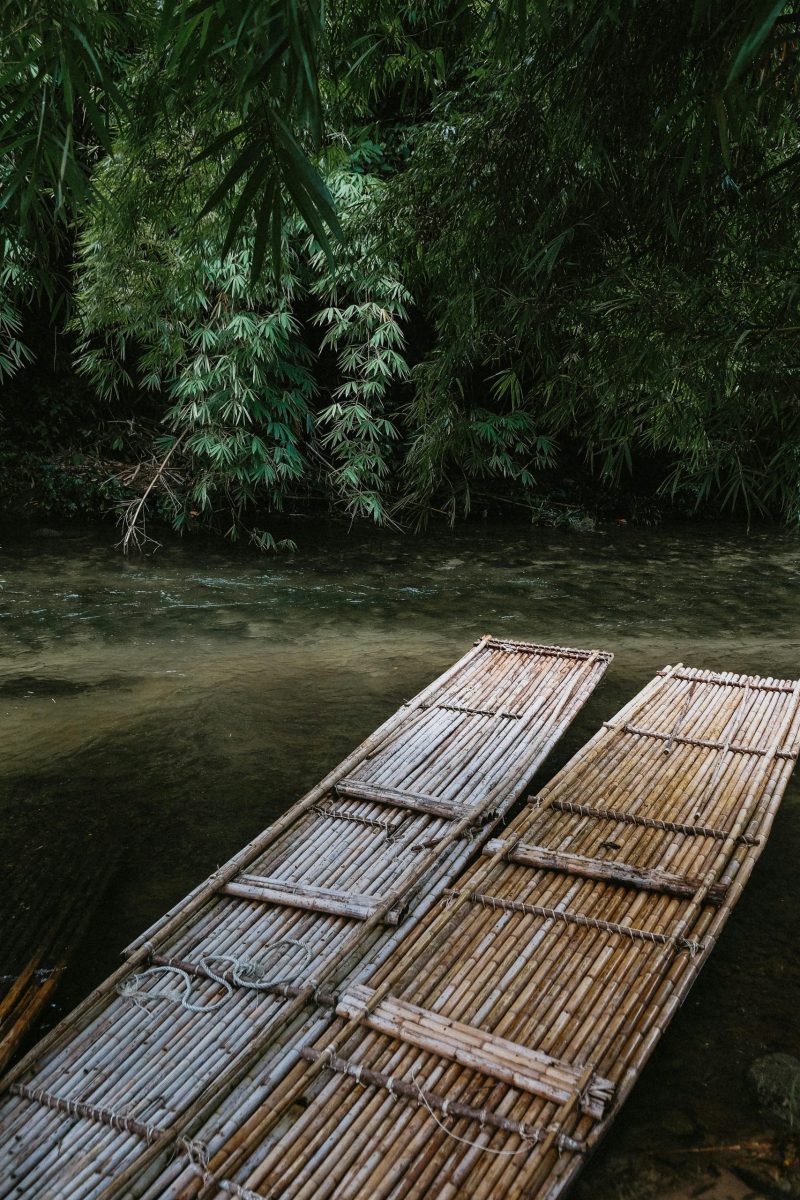
Raft building relies on available materials and water conditions. Calm rivers allow crude designs. Rapids destroy weak structures. Suitable buoyant materials vary by region. Binding resources may be absent. Skill cannot replace missing materials. Cold water increases risk. River width and current speed dictate success. Without cooperative waterways, rafts fail. This technique works best in forested regions with slow moving water. Raft building appears adaptable, but environmental factors dominate outcomes. Without appropriate materials and gentle water, even well planned rafts become dangerous liabilities rather than effective transport solutions.
Trapping Small Game

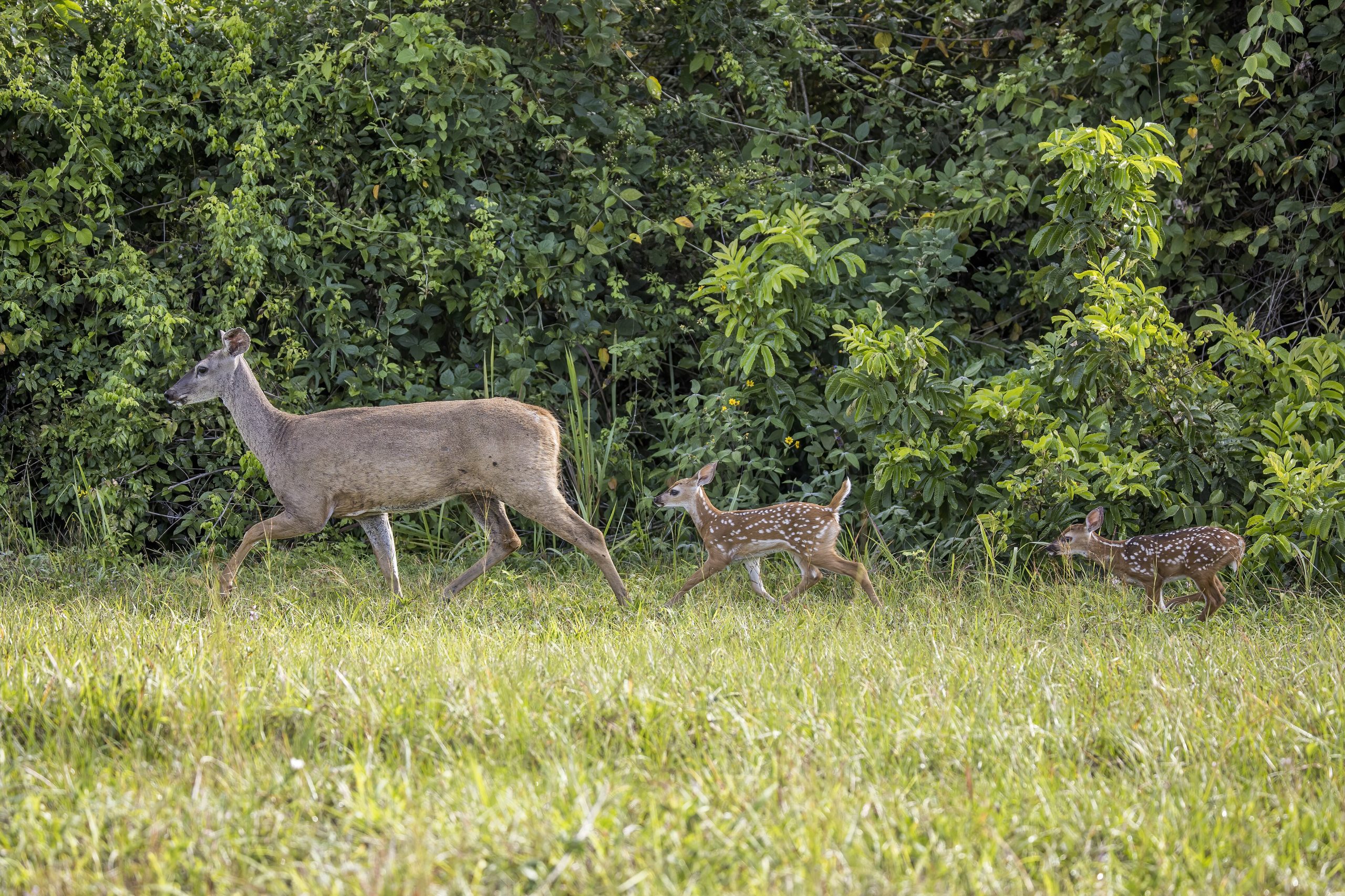
Trapping small game depends heavily on animal presence and movement patterns. Without sufficient wildlife density, traps remain empty. Seasonal changes affect behavior. Snow depth alters tracks. Human pressure reduces success. Skillful trap placement fails where animals are scarce. Habitat quality determines outcomes. This method works best in rich ecosystems. In deserts or overhunted areas, trapping yields little. Trapping often seems reliable because it requires patience, yet its success depends far more on environmental abundance and animal activity than mechanical skill or trap design alone. This reality often surprises beginners expecting reliability across environments without considering ecological limits beforehand carefully.
Signal Fires
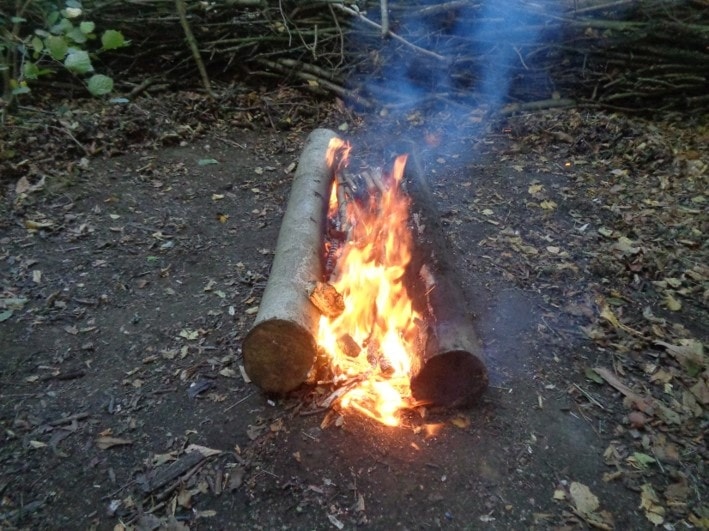
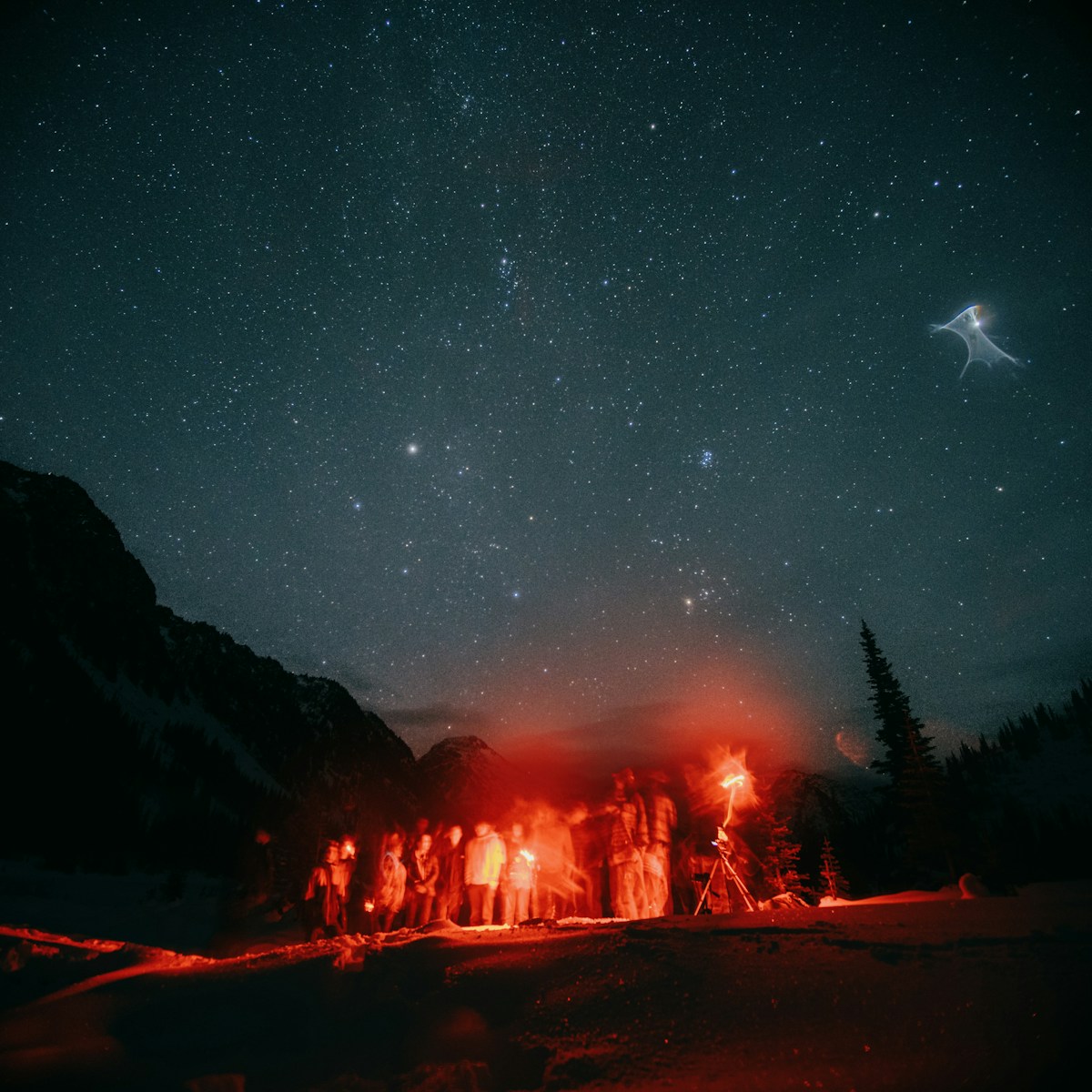
Signal fires depend on visibility conditions. Wind direction, terrain, and vegetation influence smoke rise. Dense forests block sightlines. Rain suppresses smoke. Clear skies increase effectiveness. Without observers nearby, signals fail. Skill cannot overcome isolation. Environmental openness determines reach. Mountains and valleys distort signals. Signal fires work best in open areas with dry fuel and visibility. They often appear dependable, yet success depends on geography, weather, and proximity to potential rescuers rather than the builder’s technique or effort invested. Such limitations become clear during emergencies when visibility drops and rescue expectations fail unexpectedly completely.
Coastal Food Gathering
Coastal food gathering depends on tide cycles and local marine life. Skill matters less than timing. Low tide exposes resources. Storms disrupt access. Water temperature affects species presence. Pollution reduces safety. Rocky coasts differ from sandy shores. Without appropriate coastline, the technique fails. This method works best in temperate, clean coastal environments. Coastal gathering appears straightforward but depends entirely on tidal knowledge and ecosystem health. Without favorable coastal conditions, even experienced gatherers find limited success regardless of preparation or technique. Success relies on environmental timing, biodiversity, and coastal health far beyond individual harvesting skills alone.