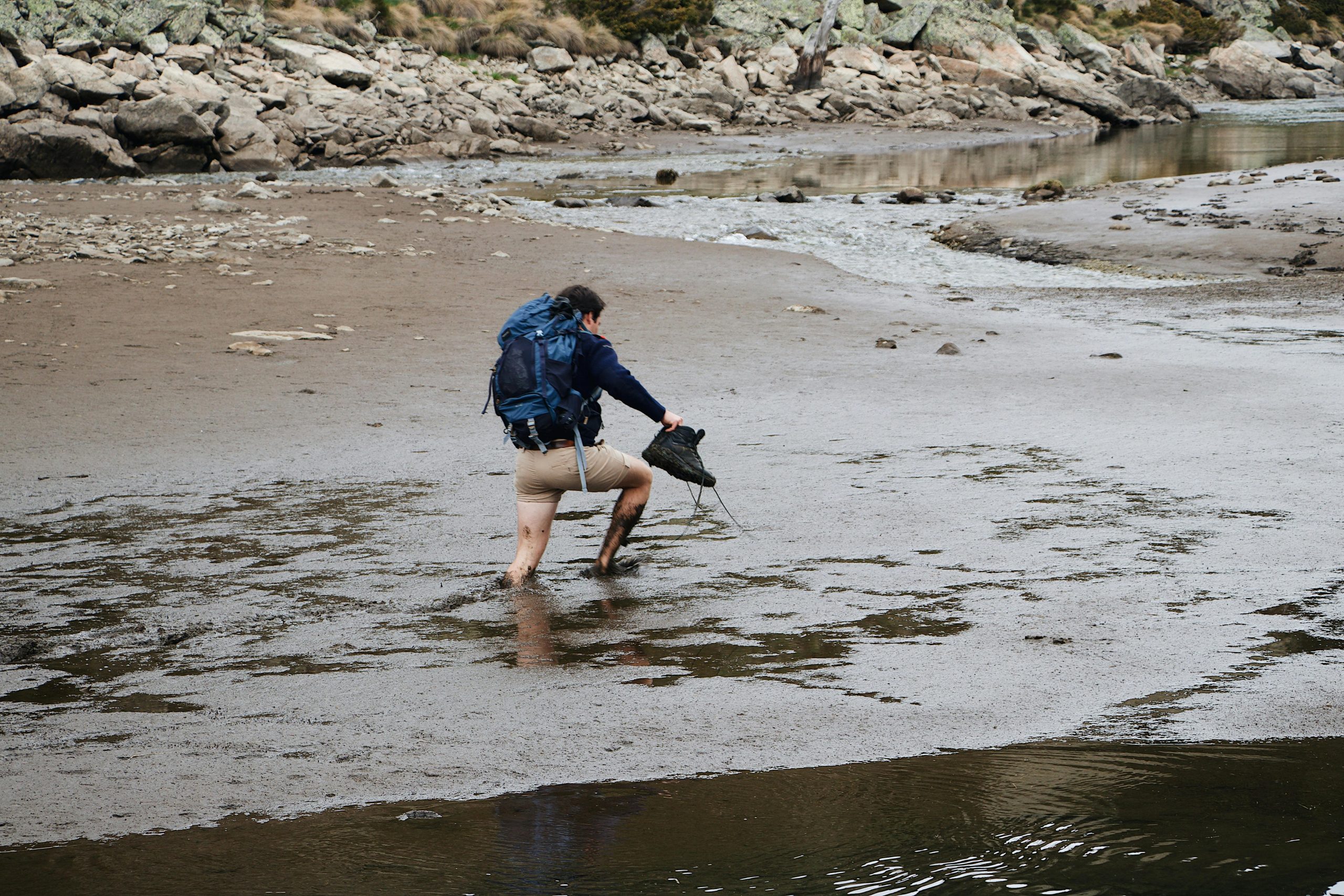
The Oregon Trail tested travelers with difficult terrain, unpredictable weather, and limited resources, yet many completed the long journey through practical planning and shared resilience. Success often depended on cooperation, careful decision-making, and adaptability as families moved westward in search of new opportunities. These survival strategies highlight the determination and ingenuity that defined one of the most challenging migrations in American history.
Careful Supply Planning
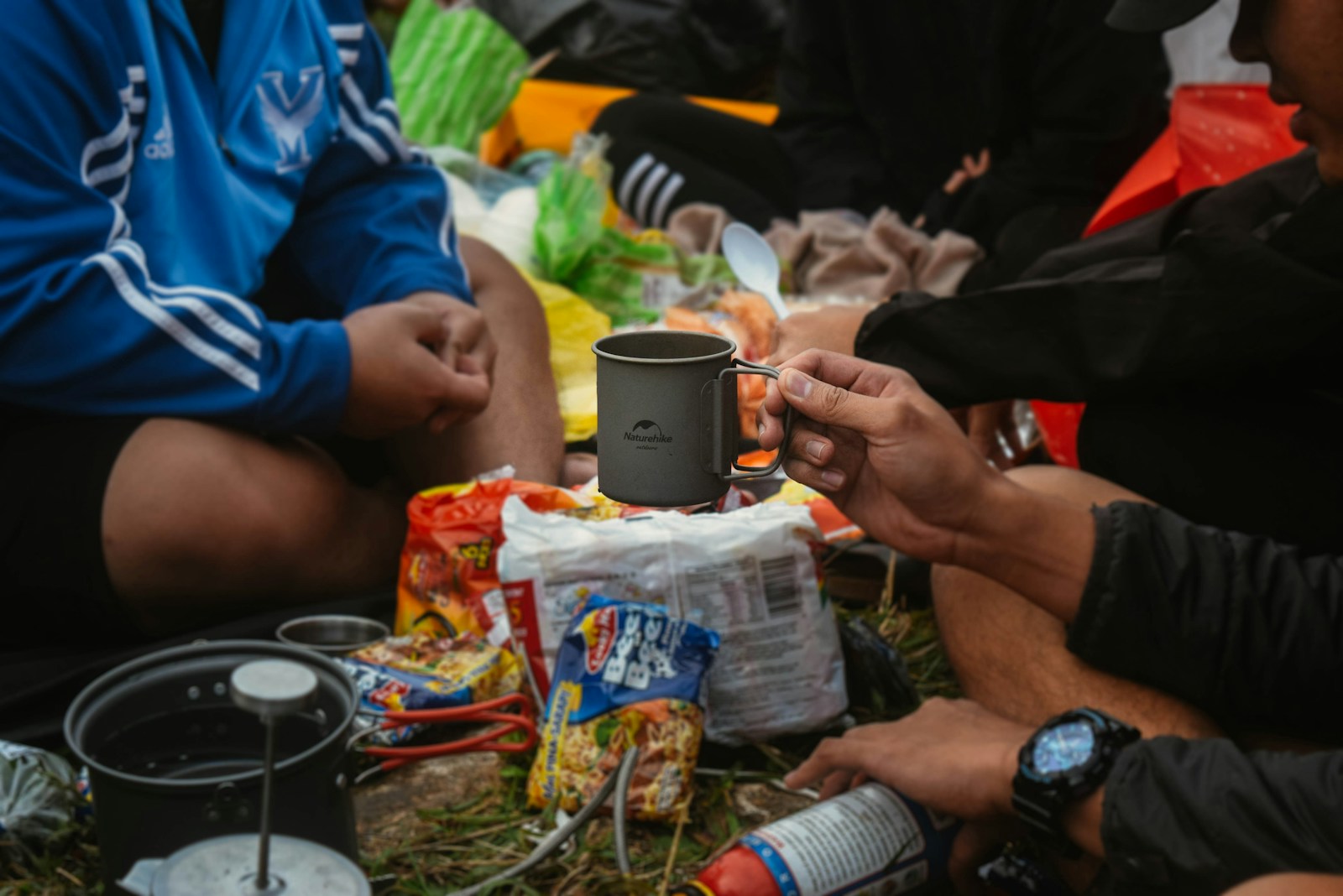
Thoughtful preparation played a major role in the early stages of the journey. Families brought flour, beans, bacon, and coffee as core staples while packing spare wagon parts to avoid being stranded. Balanced loads helped protect supplies from shifting or damage. Strategic planning created a strong foundation for facing the challenges that stretched across thousands of miles.
Mastery of Wagon Maintenance
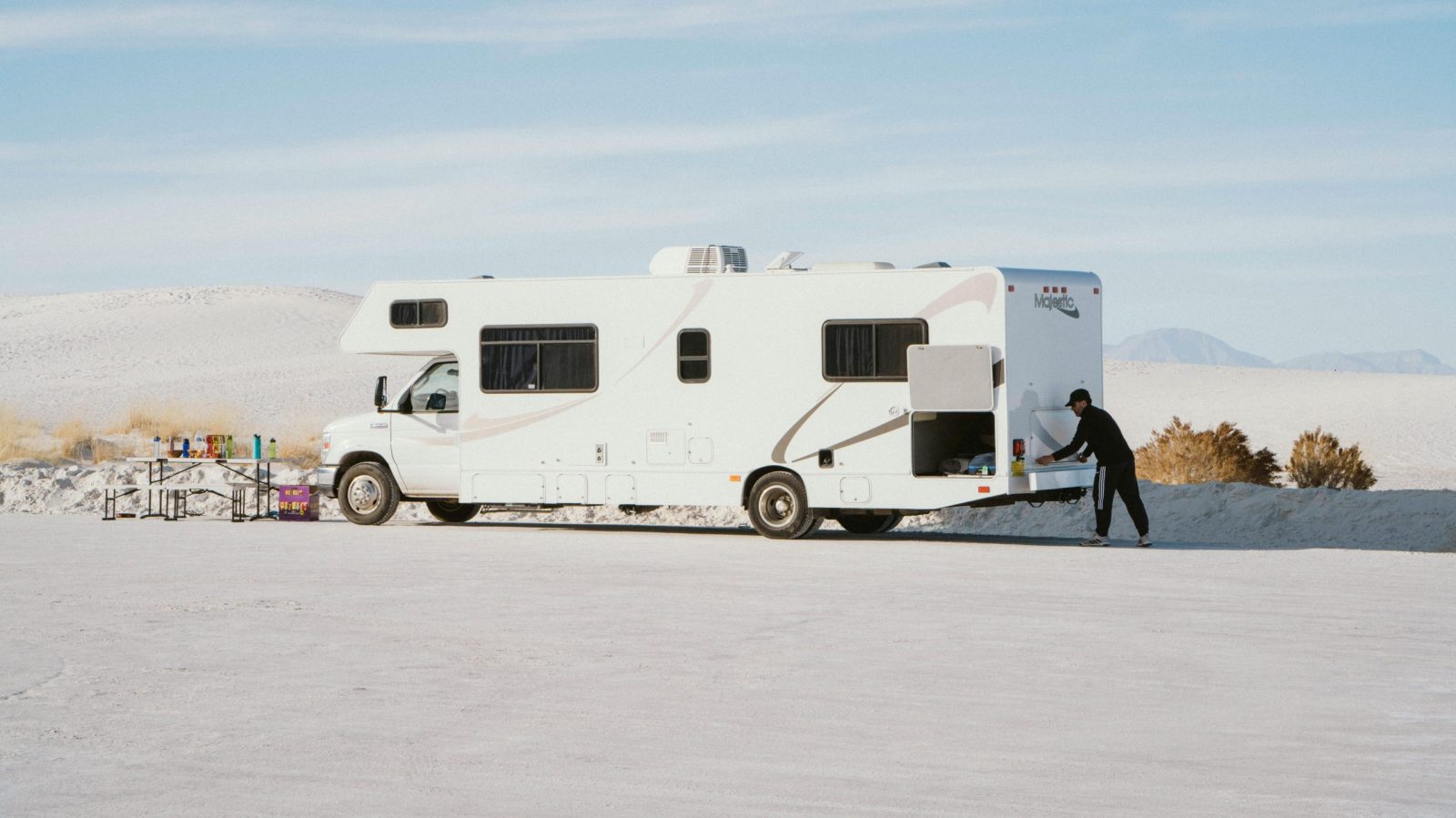
Reliable wagons served as both transportation and shelter, making upkeep essential. Travelers routinely tightened bolts, greased wheels, and repaired axles using parts carried from home. Regular checks reduced the risk of breakdowns far from assistance. Maintaining sturdy wagons ensured that families and their belongings remained protected along rugged and unpredictable trails.
Water Source Navigation

Water scarcity shaped many decisions along the route. Travelers learned to identify safe sources, refill barrels when available, and pace travel according to reliable streams. Avoiding polluted or stagnant water protected both people and livestock. Understanding the landscape’s natural patterns helped maintain steady progress through dry regions and river-heavy stretches.
Safe River Crossings

Crossing rivers remained one of the most dangerous tasks on the trail. Groups selected shallow fords, secured belongings, and sometimes sealed wagon beds to float across. Livestock often crossed separately to minimize risk. Careful scouting and patient timing protected travelers from strong currents and hidden hazards that could threaten entire caravans.
Wildlife Awareness

Encounters with wildlife required patience and caution. Bison herds, predators, and smaller animals created risks to both supplies and livestock. Travelers stored food securely and kept watchful eyes on their surroundings to prevent conflict. Respecting animal behavior reduced accidents and helped preserve essential resources needed for the long journey ahead.
Weather Adaptation

Rapid shifts in weather required constant readiness. Families used canvas covers, layered clothing, and fire-building skills to manage heat, cold, and storms. Seasonal patterns influenced when to push forward or stop to rest. Flexibility and awareness helped travelers endure harsh winds, heavy rain, and sudden temperature drops across plains and mountains.
Cooperative Camp Organization
Life in camp relied on teamwork to remain efficient and safe. Groups shared responsibilities such as cooking, tending animals, gathering firewood, and maintaining equipment. Forming wagon circles created a protected space for nightly tasks. Strong cooperation boosted morale and ensured essential chores were completed before each new day on the trail.
Navigation and Landmark Use
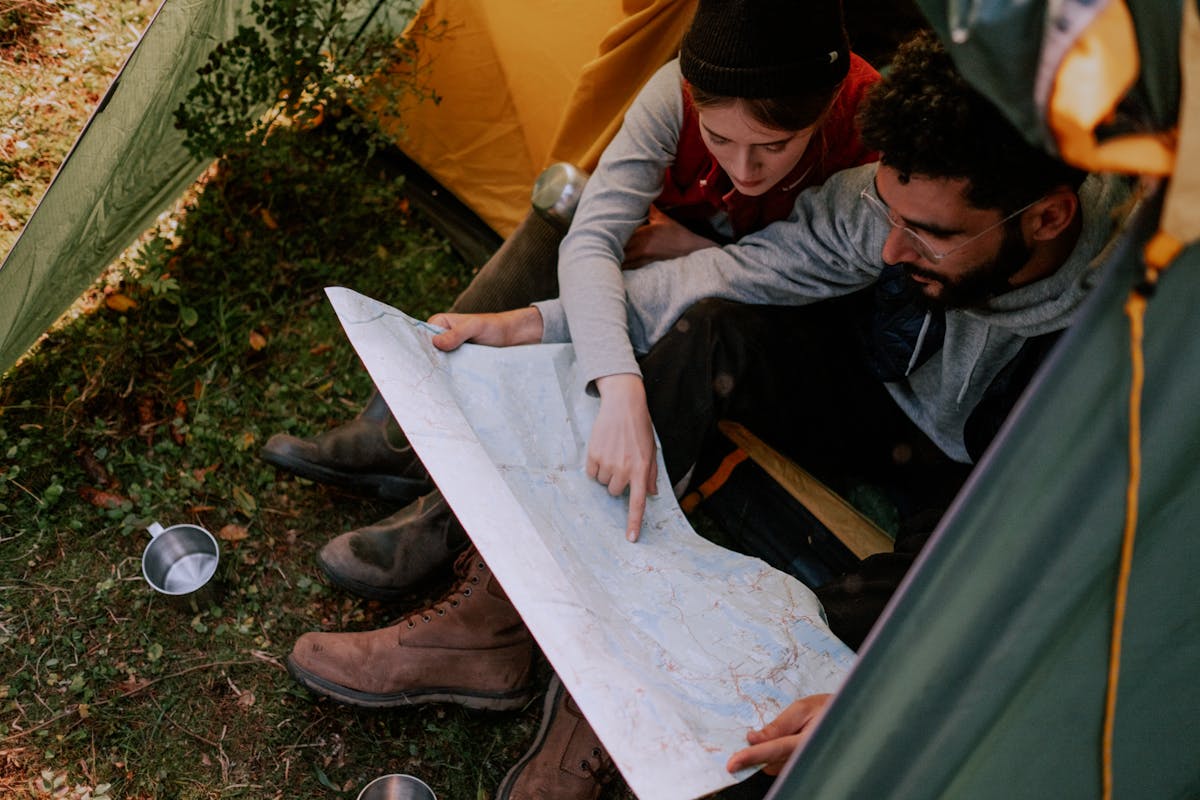
Navigation drew heavily on natural features, guidebooks, and advice from experienced scouts. Travelers followed river bends, ridgelines, and well-known rock formations to stay aligned with established paths. Recognizing these markers prevented costly detours and kept wagon trains moving in the right direction. Landmark awareness served as a steady guide through unfamiliar landscapes.
Medical Preparedness
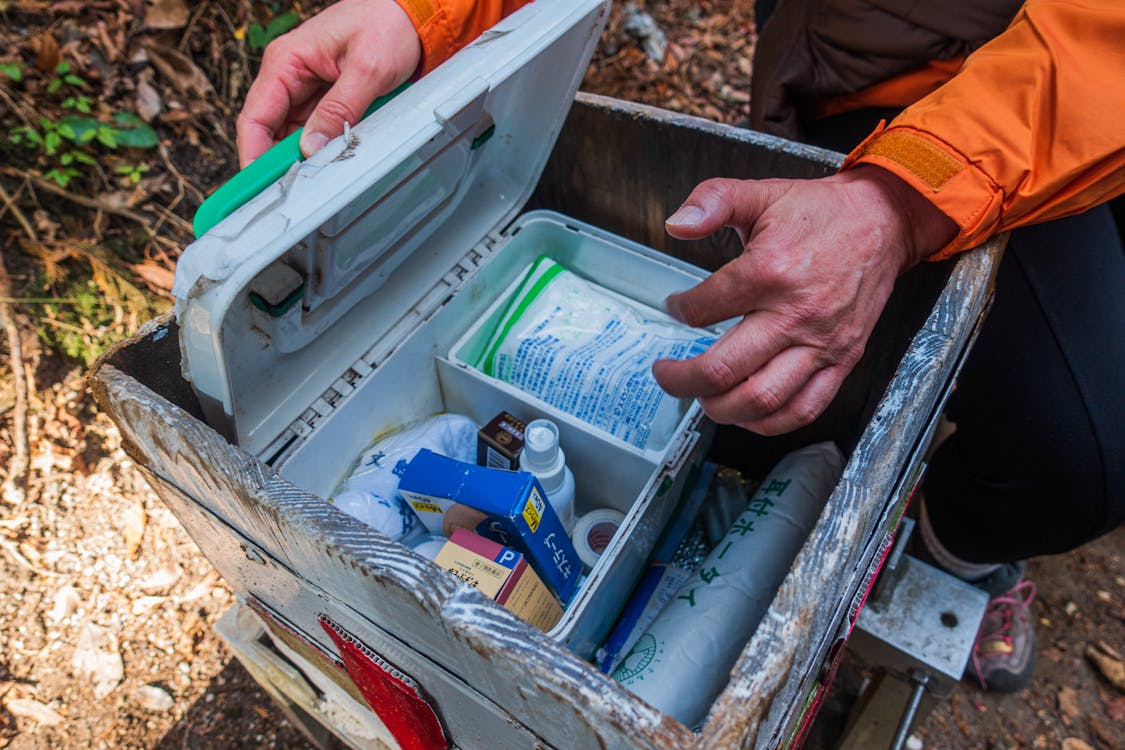
Illness and injury were common, making basic medical supplies essential. Families carried herbs, bandages, and simple remedies to treat wounds, fever, and infection. Shared knowledge often substituted for formal care, helping travelers respond quickly to emergencies. These modest tools and practices helped many survive conditions that could otherwise become life-threatening.
Livestock Care
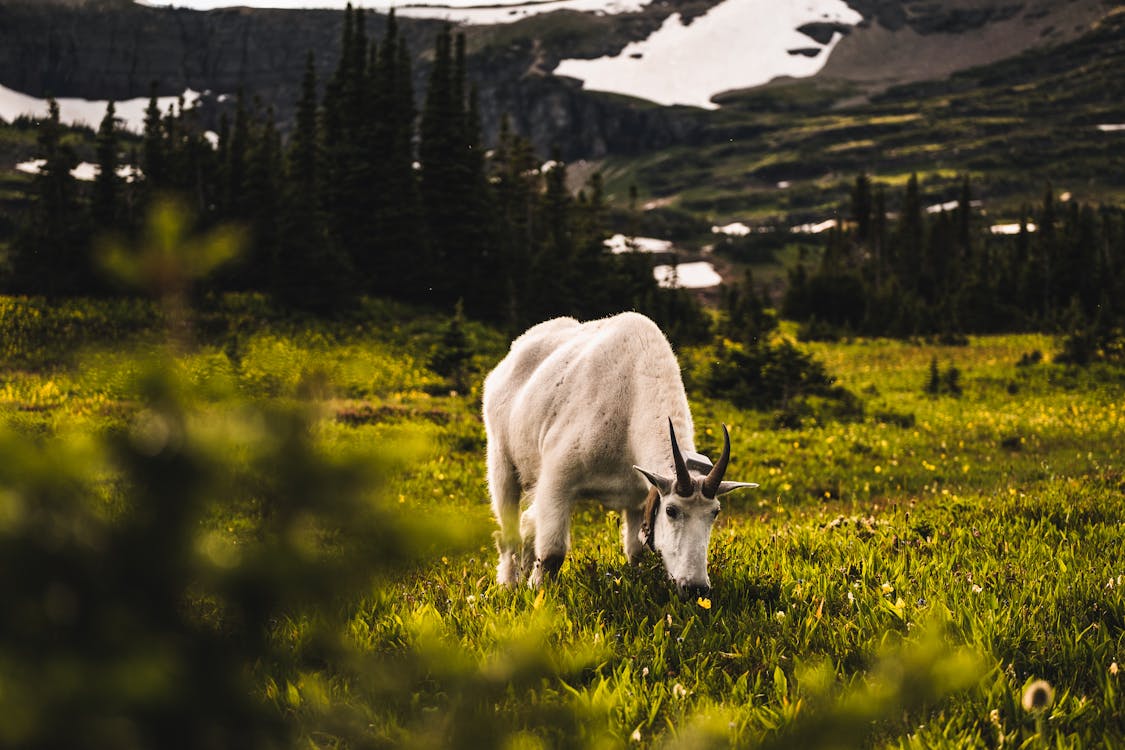
Animals powered the journey, so their well-being remained a top priority. Oxen, horses, and mules received rest, water, and grazing time whenever the landscape allowed. Protecting livestock from exhaustion, injury, or disease safeguarded the entire group’s progress. Strong and healthy animals made it possible to complete the demanding route to the West.