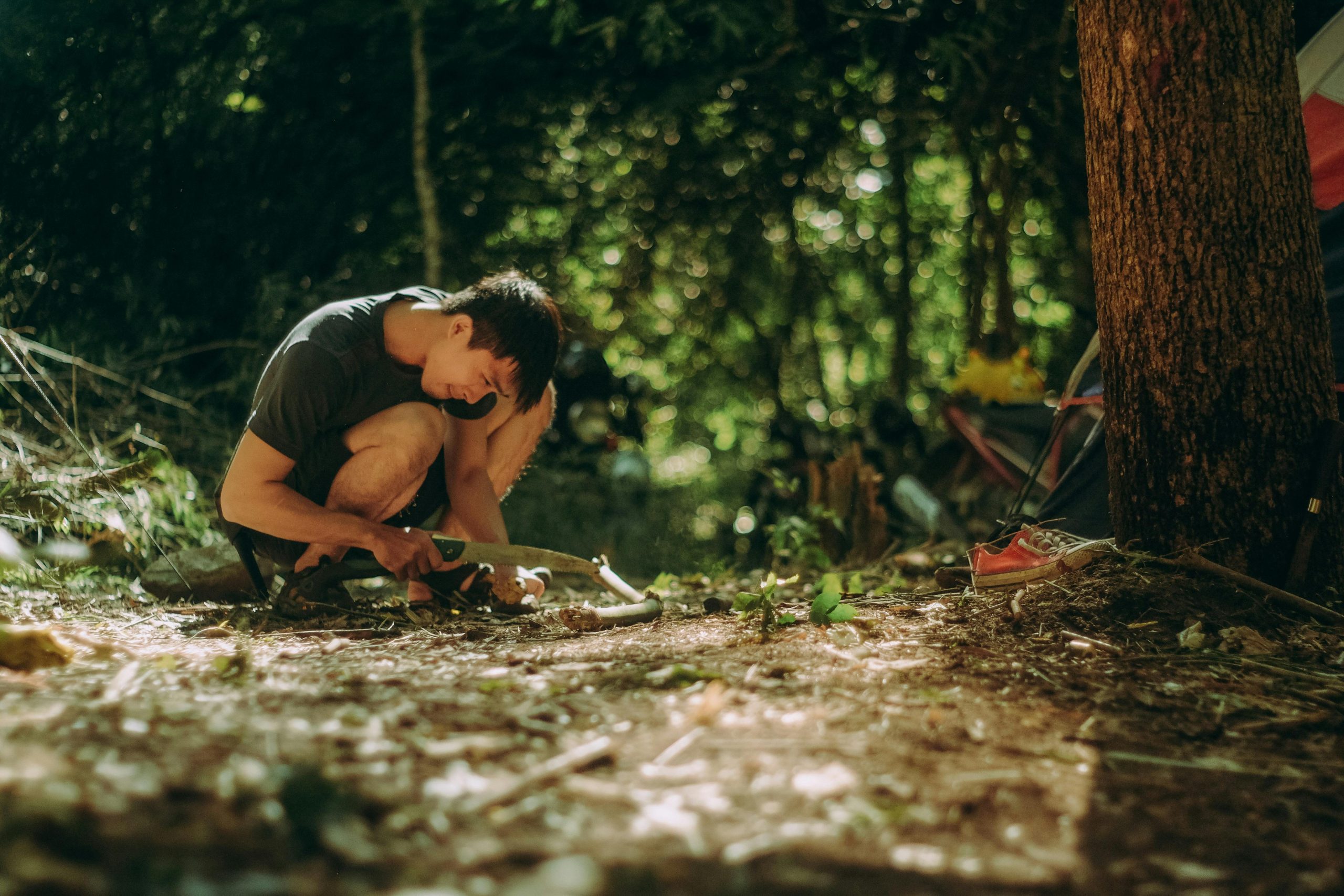
Survival is often portrayed as a test of expertise, packed with complex skills and specialized knowledge. In reality, many life-threatening situations are decided not by what you know, but by when you act. Perfect technique means little if it is used too late. From wilderness emergencies to everyday crises, timing quietly determines whether success or failure will prevail. The following survival skills prove that early decisions, quick judgment, and awareness of changing conditions matter more than memorized instructions. These are not advanced tricks reserved for experts. They are practical actions where recognizing the right moment can prevent panic, injury, or worse. Understanding timing turns basic knowledge into real survival power.
1. Building a Fire Before Conditions Deteriorate
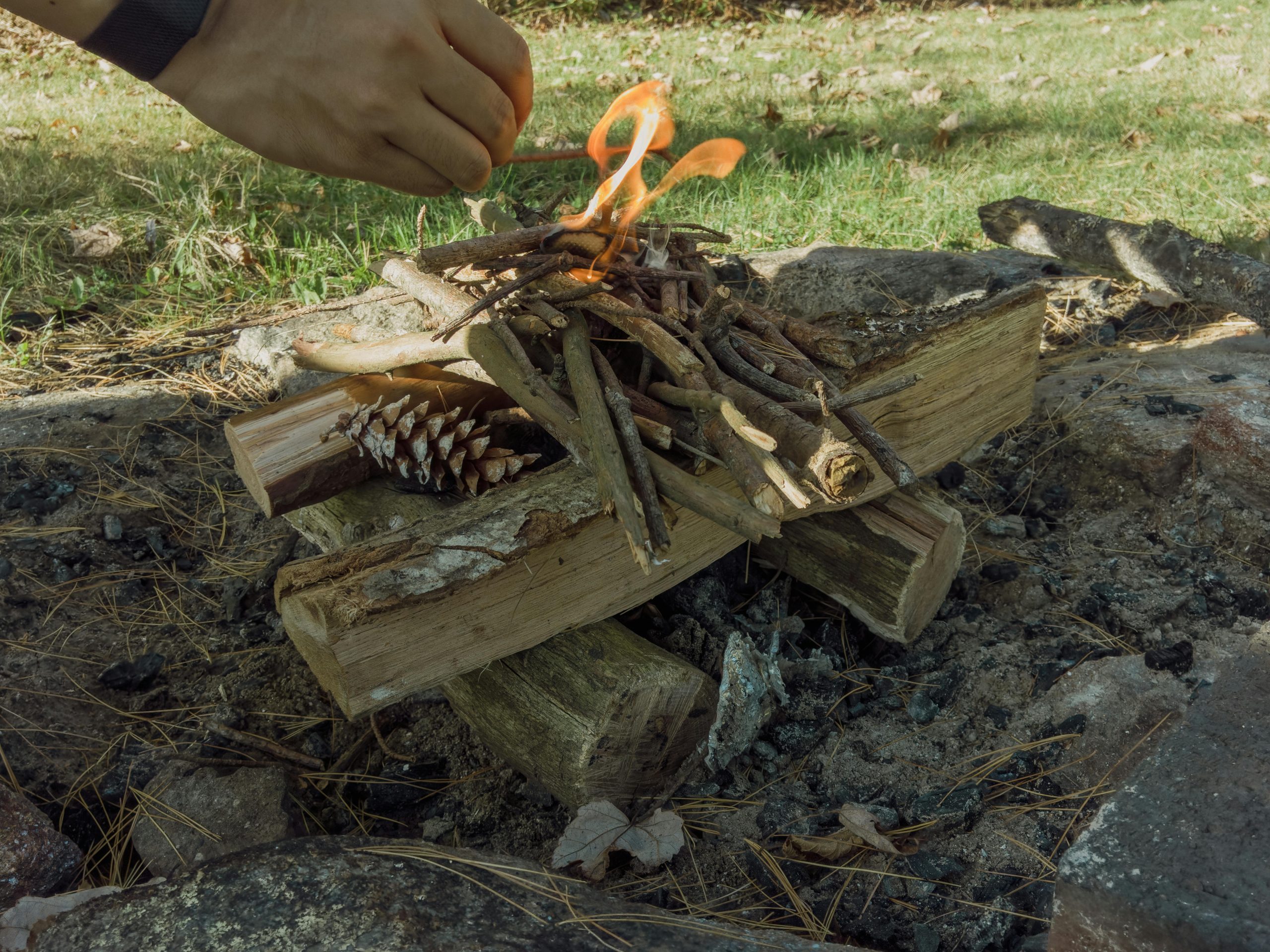
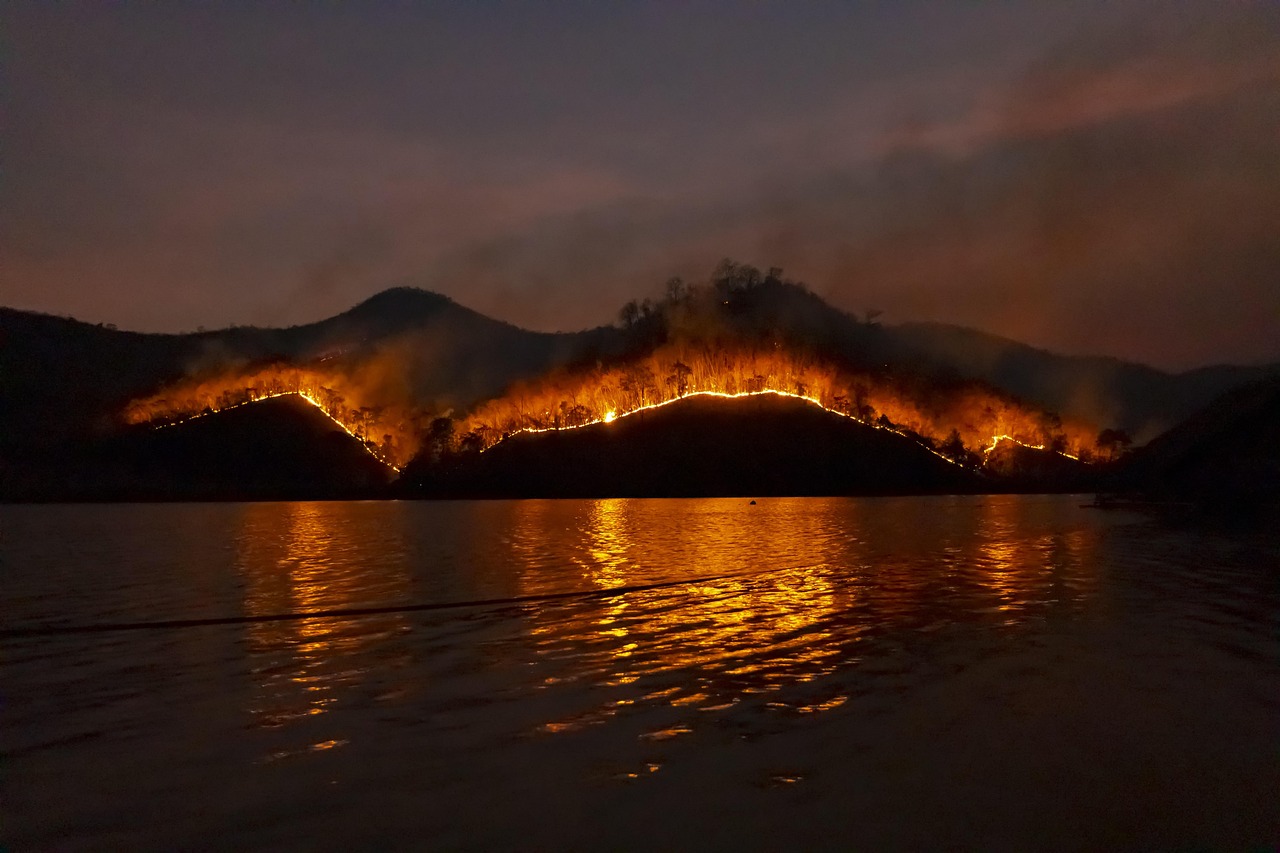
Knowing how to start a fire is common survival knowledge, but timing determines whether that knowledge helps or fails. Starting a fire while daylight remains allows you to gather dry wood, assess wind direction, and correct mistakes calmly. Waiting until darkness, cold, or rain arrives increases stress and reduces visibility, making simple tasks harder. Fire provides warmth, protection, morale, and a psychological sense of control, but only if established early. Experienced survivors begin fire preparation the moment the weather shifts or daylight fades. Acting early also conserves energy and prevents rushed decisions. In survival situations, fire building succeeds not because of skill alone, but because it starts at the right moment.
2. Constructing Shelter Before Weather Turns Hostile
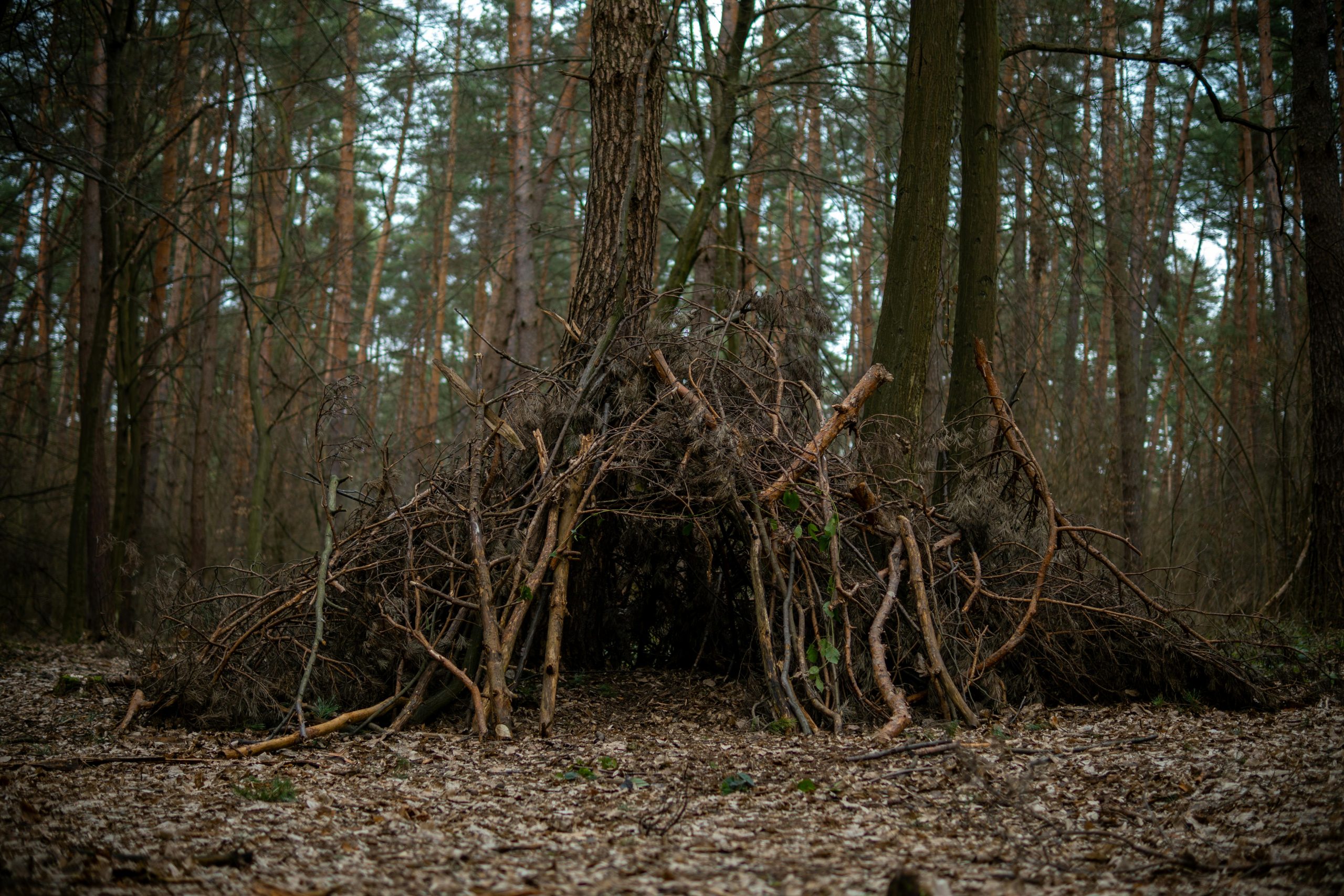
Shelter-building knowledge means little if construction begins after the weather becomes dangerous. Wind, rain, or dropping temperatures turn simple shelter tasks into exhausting struggles. Timing allows shelter to be built while materials are dry, hands are steady, and the body still has energy. Early shelter construction also gives time to reinforce weak points and improve insulation. Many survival injuries happen while scrambling to build shelter in storms or cold. Observing clouds, wind shifts, or temperature changes helps determine when action is needed. Those who survive are rarely the most skilled builders. They are the ones who recognize the warning signs and act before conditions demand it.
3. Treating Injuries Immediately Instead of Waiting
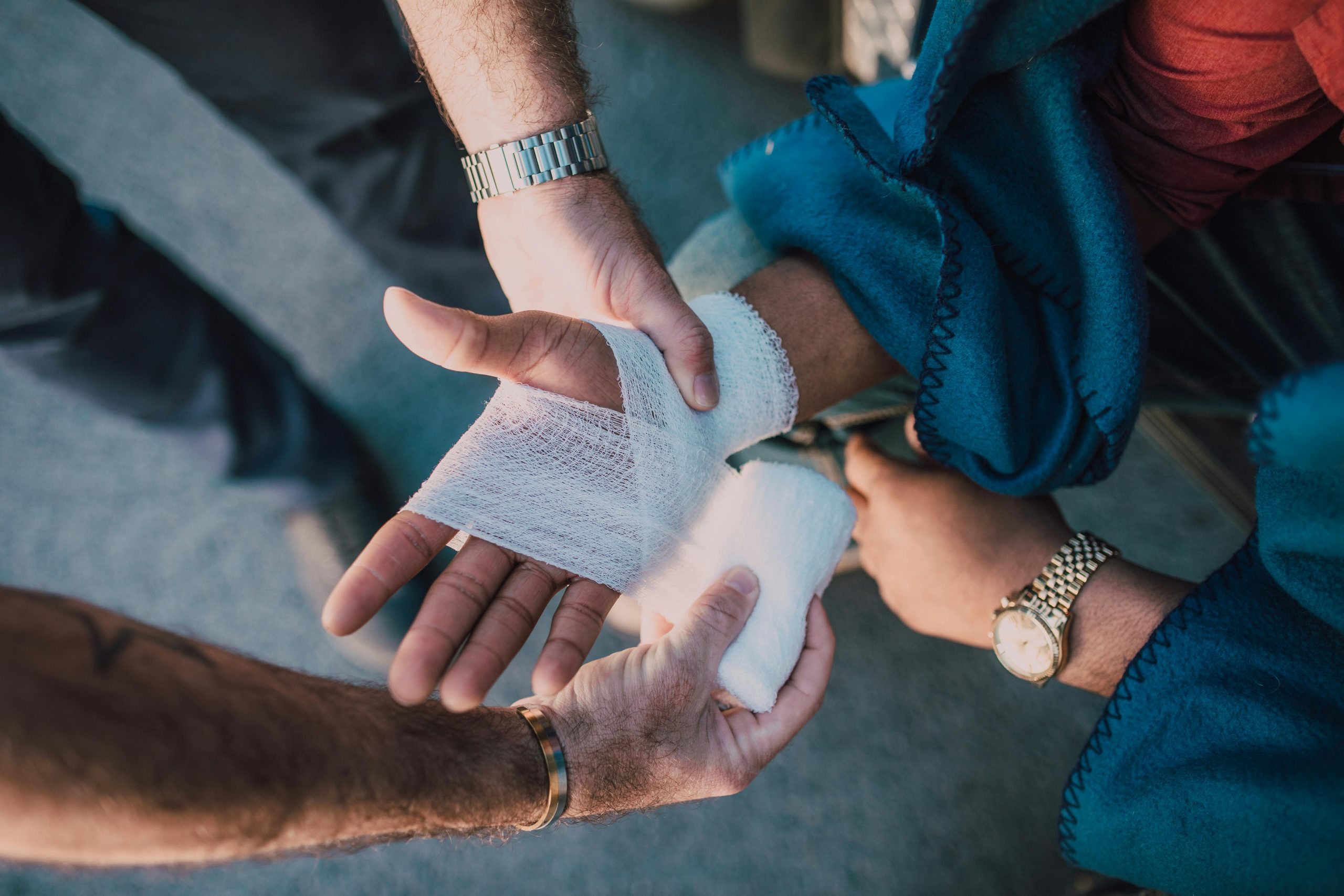
First aid knowledge saves lives only when applied without delay. Small wounds can become infected, sprains can worsen, and blood loss can escalate quickly if ignored. Many people delay treatment because injuries seem minor at first. Timing matters because early care reduces complications, pain, and long-term damage. Cleaning and stabilizing an injury immediately prevents bacteria from spreading and limits swelling. Prompt treatment also preserves mobility, which is essential for survival tasks like moving, signaling, or seeking shelter. In emergencies, the real survival skill is recognizing that no injury is too small to address right away. Acting early often prevents a manageable problem from becoming life-threatening.
4. Conserving Energy Before Exhaustion Sets In
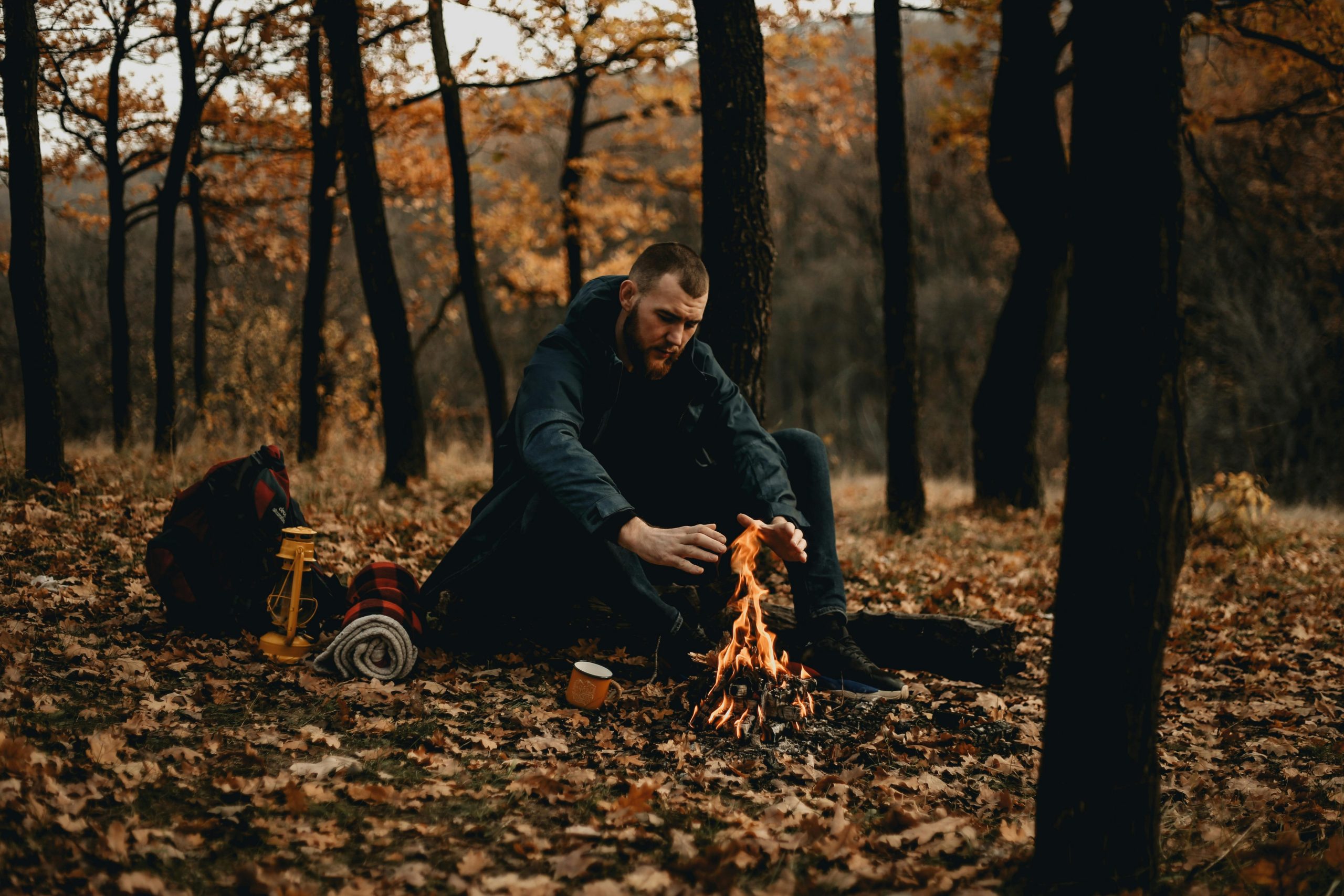
Energy management is a survival skill driven by timing, not strength. Many people burn through energy early by overmoving, panicking, or making unnecessary decisions. Once exhaustion sets in, judgment declines, mistakes increase, and recovery becomes difficult. Conserving energy early preserves physical and mental reserves for critical moments. Resting before fatigue becomes severe allows better problem-solving and reduces injury risk. Experienced survivors pace themselves from the beginning, even when adrenaline is high. They know that survival situations rarely resolve quickly. Choosing when to stop, sit, or slow down is often more important than pushing forward. Energy saved early can be the difference between success and collapse later.
5. Securing Water Before Dehydration Affects Judgment
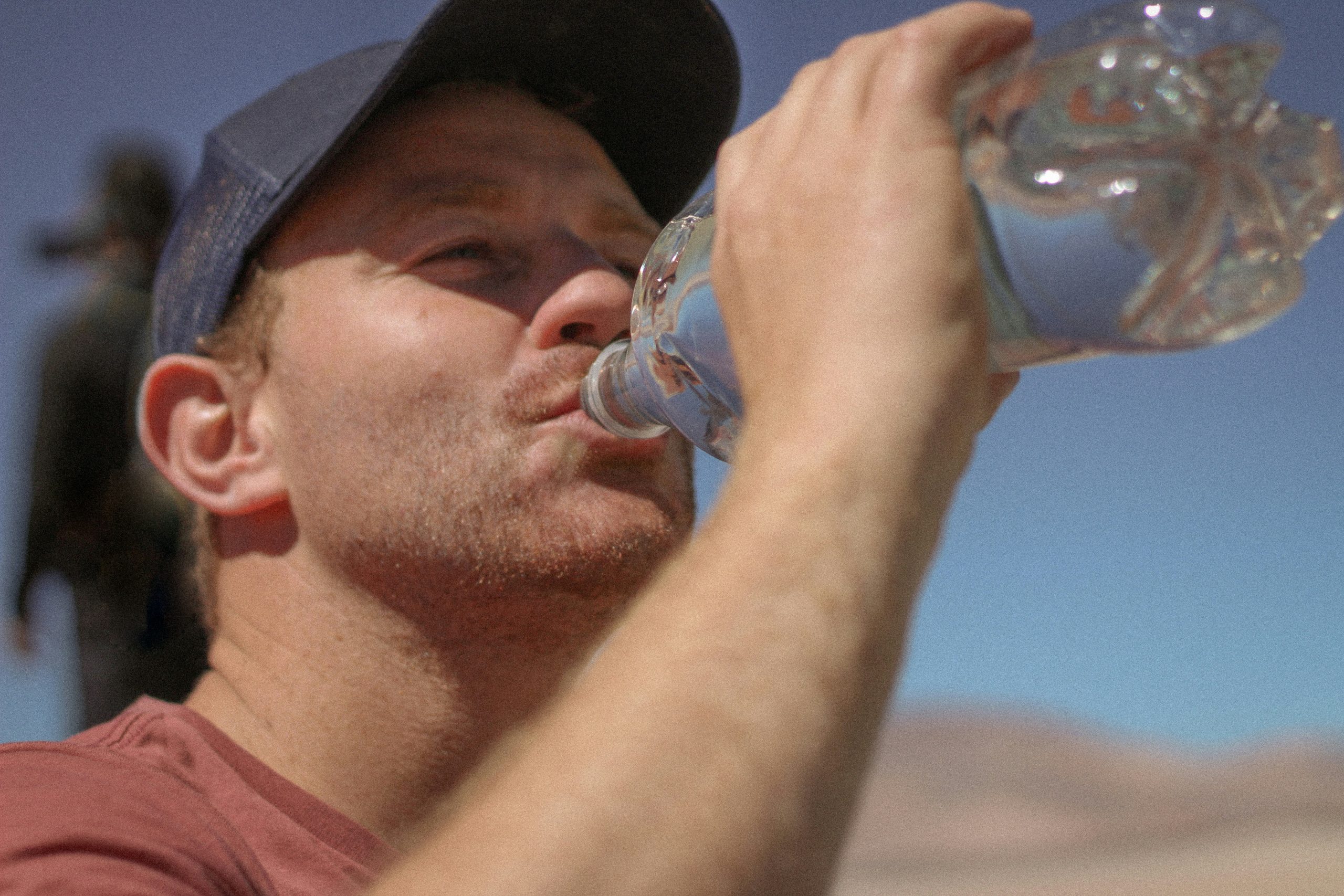
Water collection is most effective when done early. Dehydration quietly impairs thinking long before thirst feels extreme. Once judgment is affected, people make risky decisions and overlook obvious water sources. Gathering water early allows time to locate safer sources, purify properly, and store supplies. Waiting until desperation sets in increases exposure to contaminated water and physical strain. Early water management also reduces stress, allowing clearer planning for shelter or signaling. In most survival situations, the environment offers water clues that are easier to read when the body is hydrated. The skill is not complex purification techniques, but recognizing when to act before dehydration begins, influencing behavior.
6. Deciding When to Turn Back
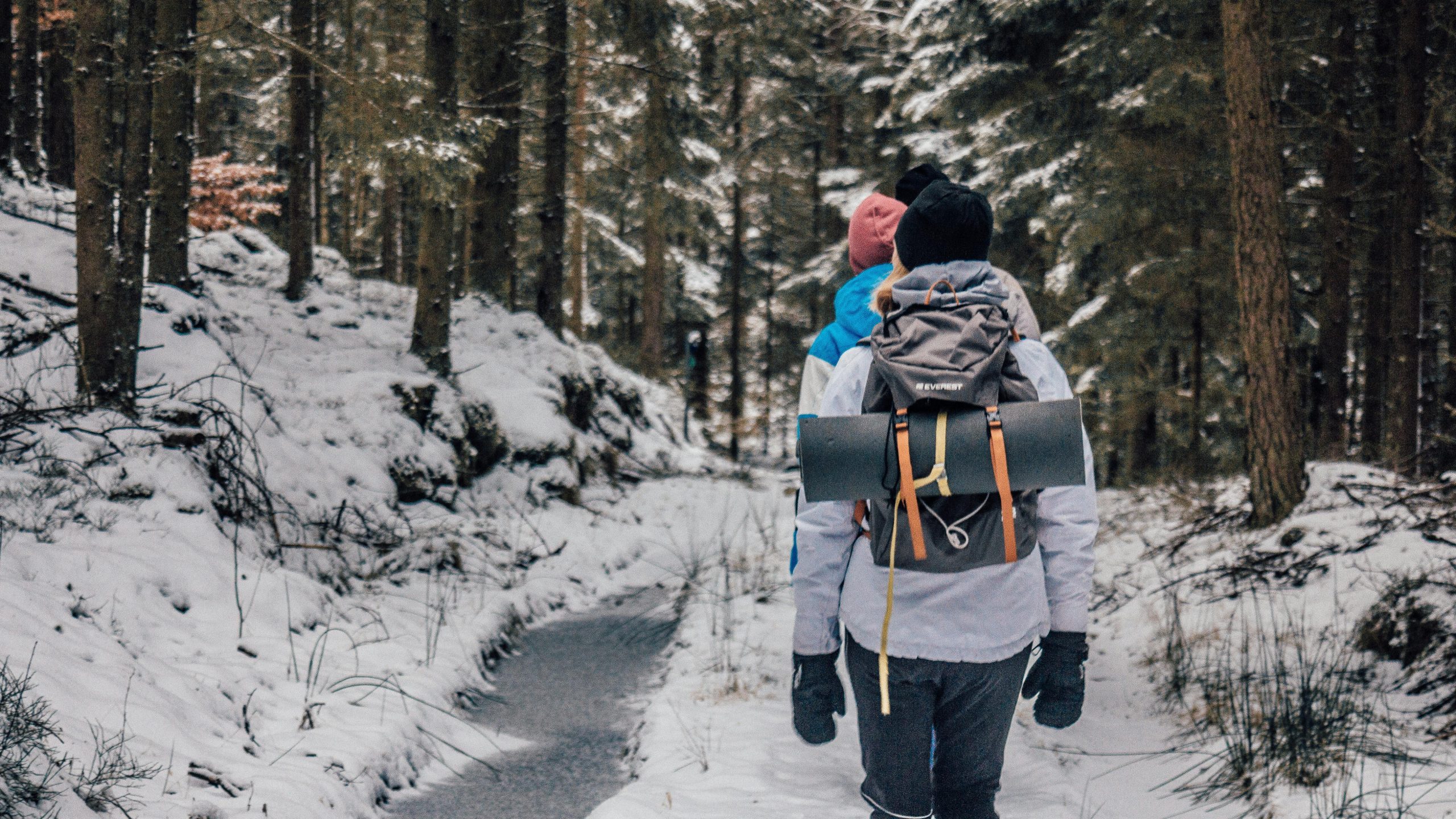
Knowing when to turn back is one of the hardest survival decisions. Many emergencies escalate because people push forward despite worsening conditions. Weather changes, fading daylight, equipment issues, or physical fatigue signal when retreat is safer. Waiting too long turns a manageable return into a dangerous gamble. Pride and optimism often delay this decision, even when warning signs are clear. Timing matters because early retreat preserves energy and orientation. Turning back while conditions are still reasonable prevents navigation errors and injuries. Survivors understand that stopping early is not failure. It is a calculated decision that prioritizes safety over progress. The right timing often prevents survival situations entirely.
7. Signaling for Help While Strength Remains
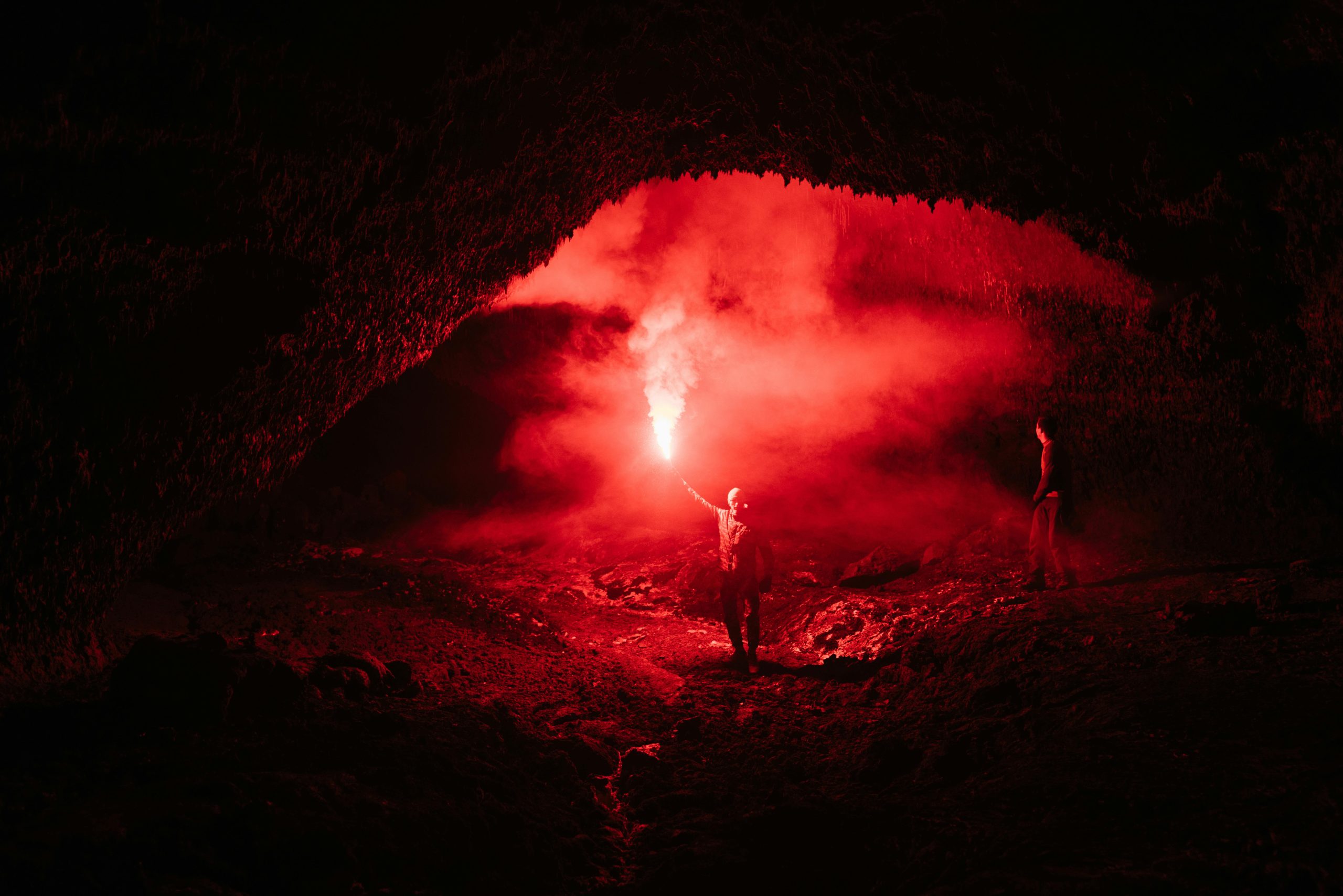
Signaling is most effective when done early, consistently, and with purpose. Waiting until exhaustion or injury limits visibility, range, and coordination. Early signaling allows stronger movements, clearer signals, and better placement. It also increases the chances that rescuers notice activity before conditions worsen. Many people delay signaling because they believe they can self-rescue. This delay often reduces rescue chances later. Effective survival signaling is about timing rather than tools. Even simple signals work when used early and repeatedly. Acting while energy and morale remain high allows signals to be sustained over time. In survival scenarios, early signaling often shortens exposure and reduces overall risk.
8. Moving Locations Before Nightfall or Cold
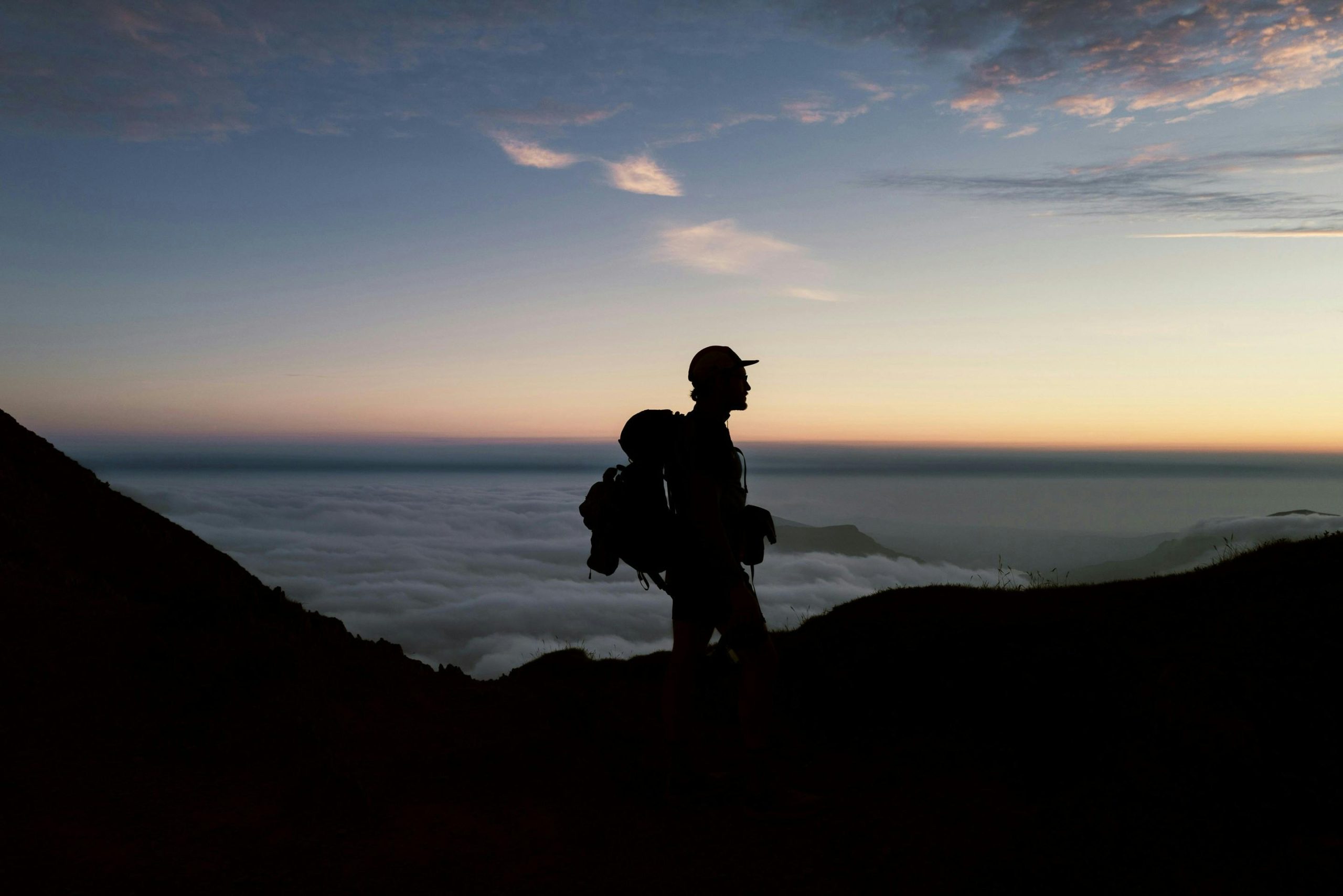
Relocating in survival situations requires careful timing. Daylight provides visibility, warmth, and easier navigation. Waiting until night or extreme cold increases injury risk and disorientation. Moving early allows better terrain assessment and safer route choices. It also reduces reliance on artificial light, which may be limited or unavailable. Many survival mistakes happen because people underestimate how quickly conditions change. Choosing the right time window for movement is more important than speed or distance. Early relocation conserves energy and improves accuracy. Survivors prioritize timing over urgency. They move deliberately when conditions favor success, not when desperation forces action under poor visibility or severe temperatures.
9. Prioritizing Needs in the Correct Order
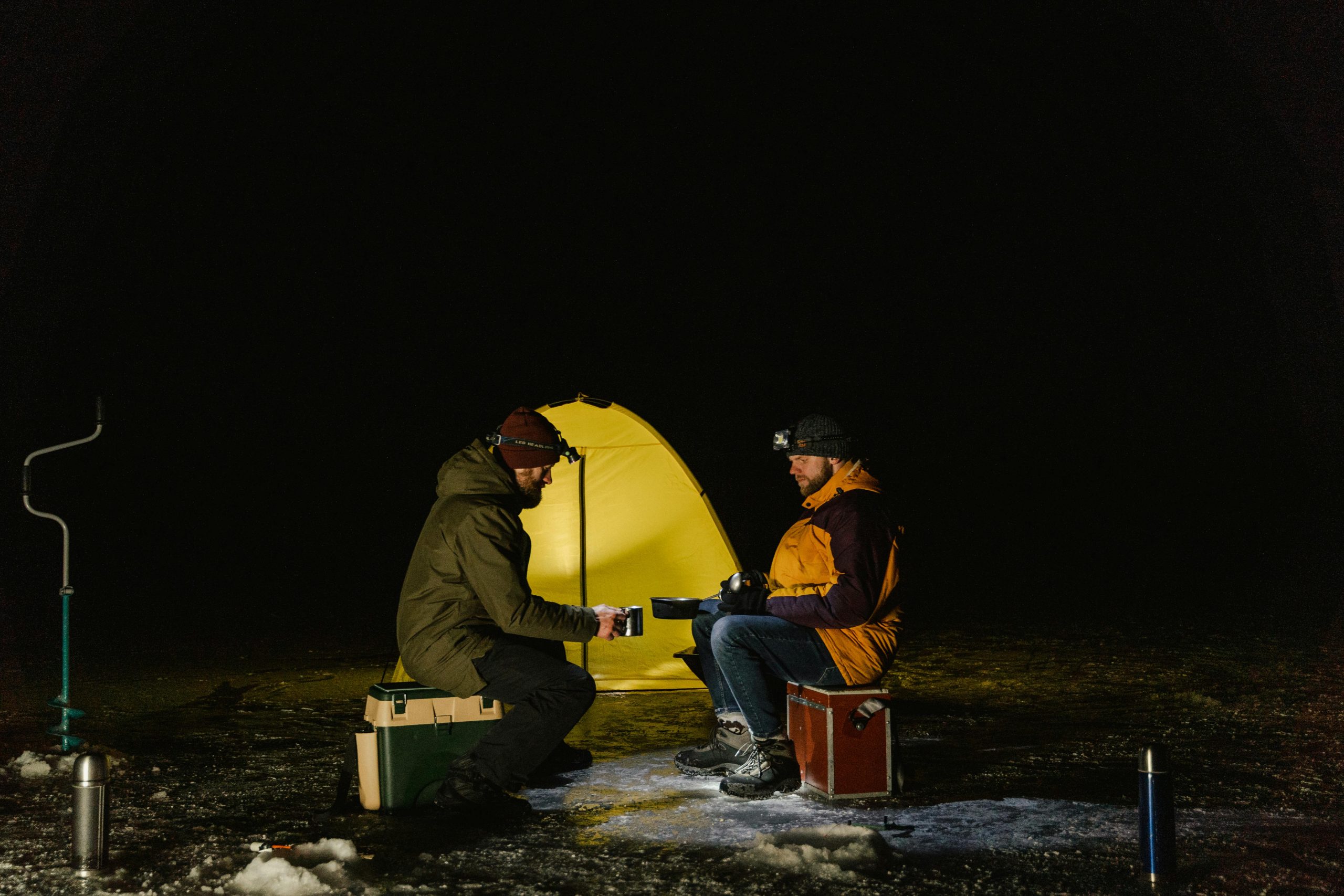
Survival knowledge often includes food gathering, but timing determines when food actually matters. In most short term survival situations, food is not an immediate priority. Focusing on food too early wastes energy needed for shelter, water, and safety. Hunger is uncomfortable, but dehydration and exposure are far more dangerous. The skill lies in delaying food efforts until essential needs are secured. Acting out of habit rather than timing leads to poor decisions. Survivors understand that calories can wait, but warmth and hydration cannot. Proper timing ensures effort is spent where it has the greatest impact. Knowing when not to act is as important as knowing what to do.
10. Choosing to Stay Put Before Getting Lost
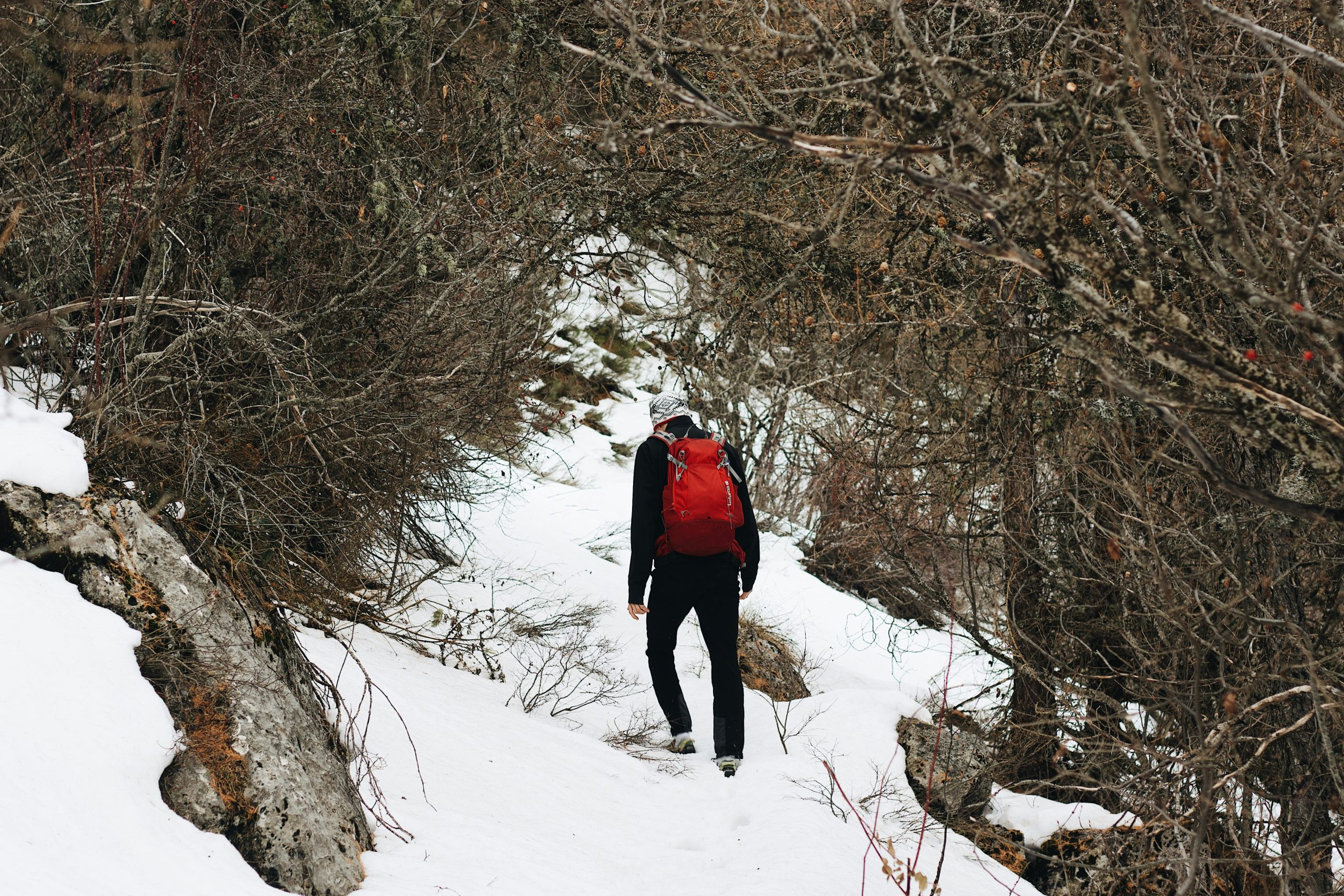
Deciding to stay put is often a survival advantage, but only if done early. Remaining near a last known location increases visibility to rescuers and preserves energy. Wandering without direction reduces rescue chances and increases exposure. Many people move first and decide to stop later, which complicates tracking efforts. Timing is critical because early stillness leaves clearer signs and predictable patterns. Staying put also allows shelter building and signaling to be more effective. This decision requires resisting panic and trusting the process. Survivors who choose to stay early improve their odds significantly. The right moment to stop moving can be just as life-saving as knowing how to navigate.