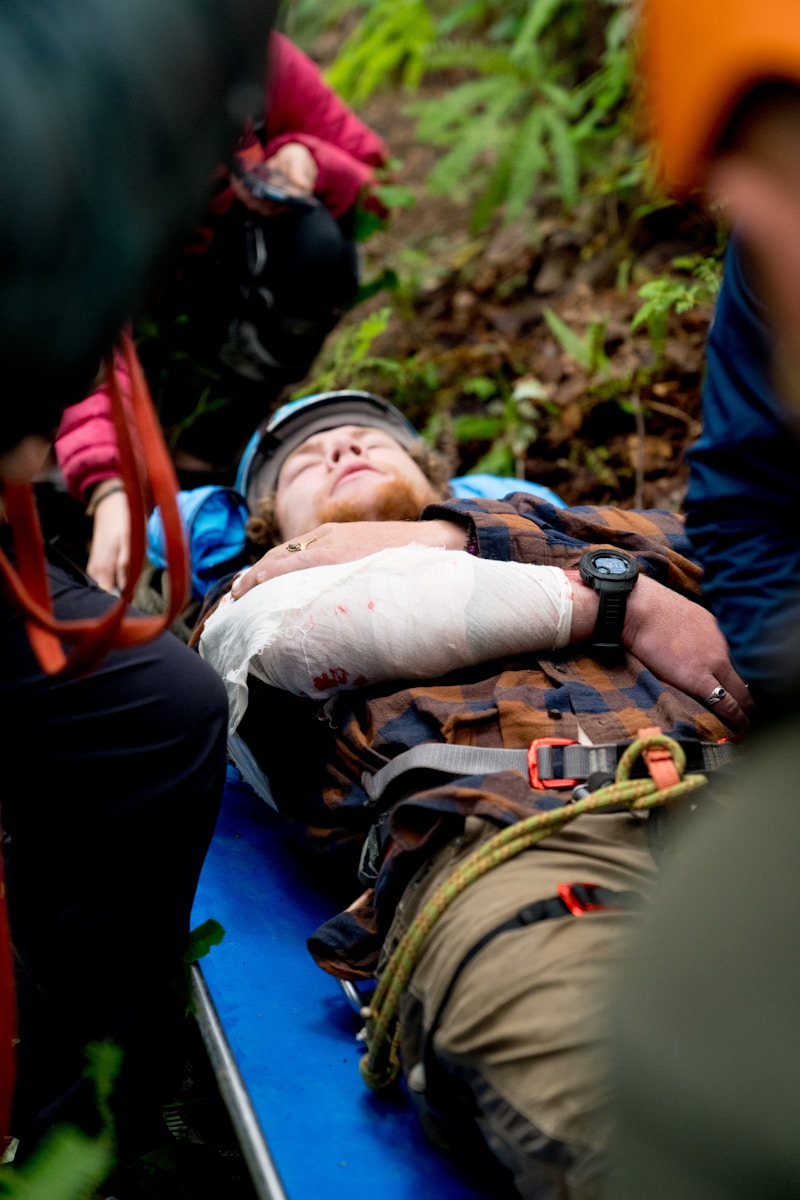
Injuries in the wilderness can feel overwhelming, yet simple and steady responses help maintain control when situations change quickly. Basic care for sprains, cuts, and burns prevents small issues from escalating into larger concerns. A calm approach supported by thoughtful actions keeps the body more comfortable until proper treatment becomes available. With practical knowledge guiding each step, time spent outdoors remains safer and far more manageable even when unexpected accidents occur.
Stabilize a Sprained Joint
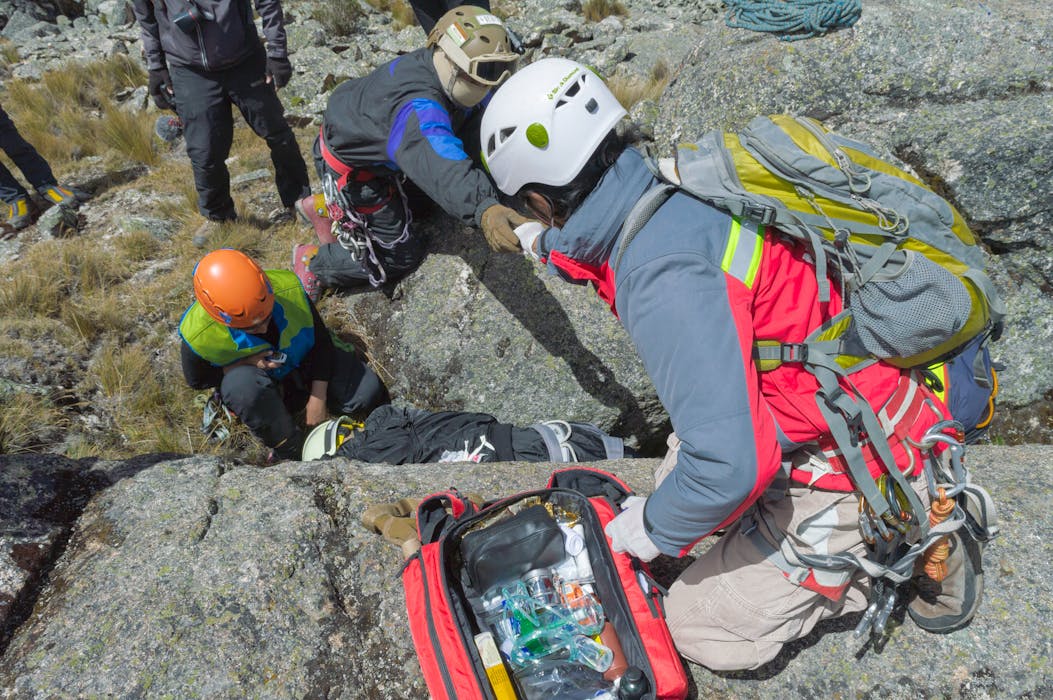
A sprained joint benefits from gentle stabilization that limits unnecessary movement without blocking circulation. A supportive wrap placed snugly around the area helps control swelling while maintaining comfort during rest periods. Elevating the limb whenever possible eases pressure and slows fluid buildup. Taking measured steps afterward keeps additional strain from developing, allowing the joint to begin recovering even in challenging outdoor settings.
Cool the Area Quickly
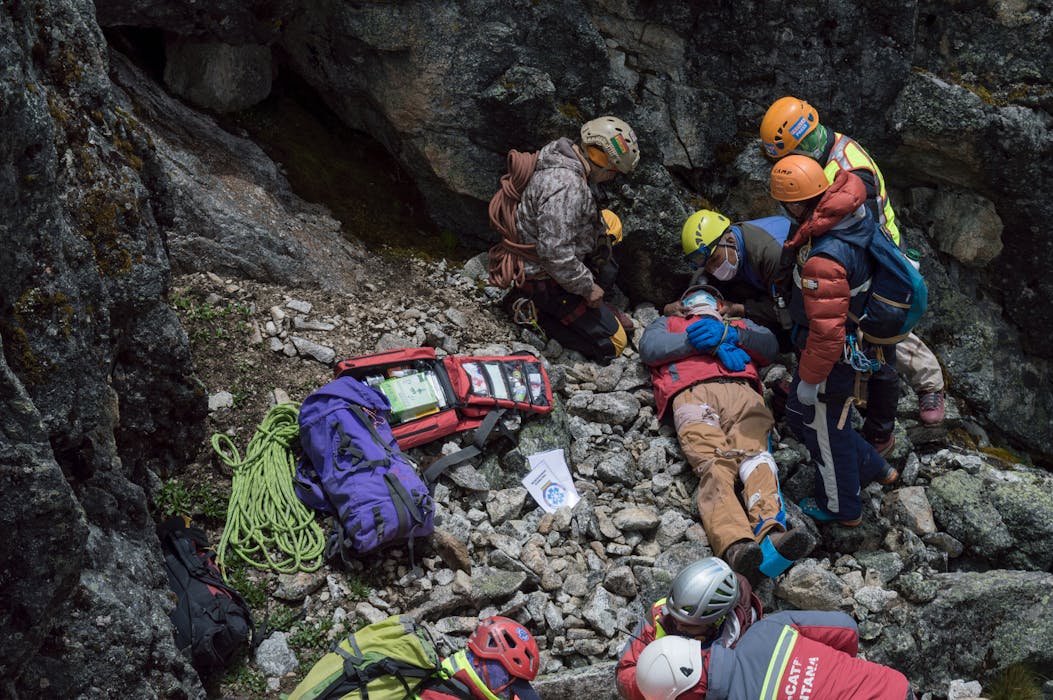
Cooling an irritated or injured area helps ease inflammation after a sprain or mild burn. A stream of cold water, a damp cloth, or a chilled bottle taken from the shade can offer steady relief. Applying cool temperatures in short intervals prevents the skin from becoming numb or irritated. This simple method keeps discomfort manageable and slows escalation while more complete treatment remains out of reach.
Keep Cuts Clean
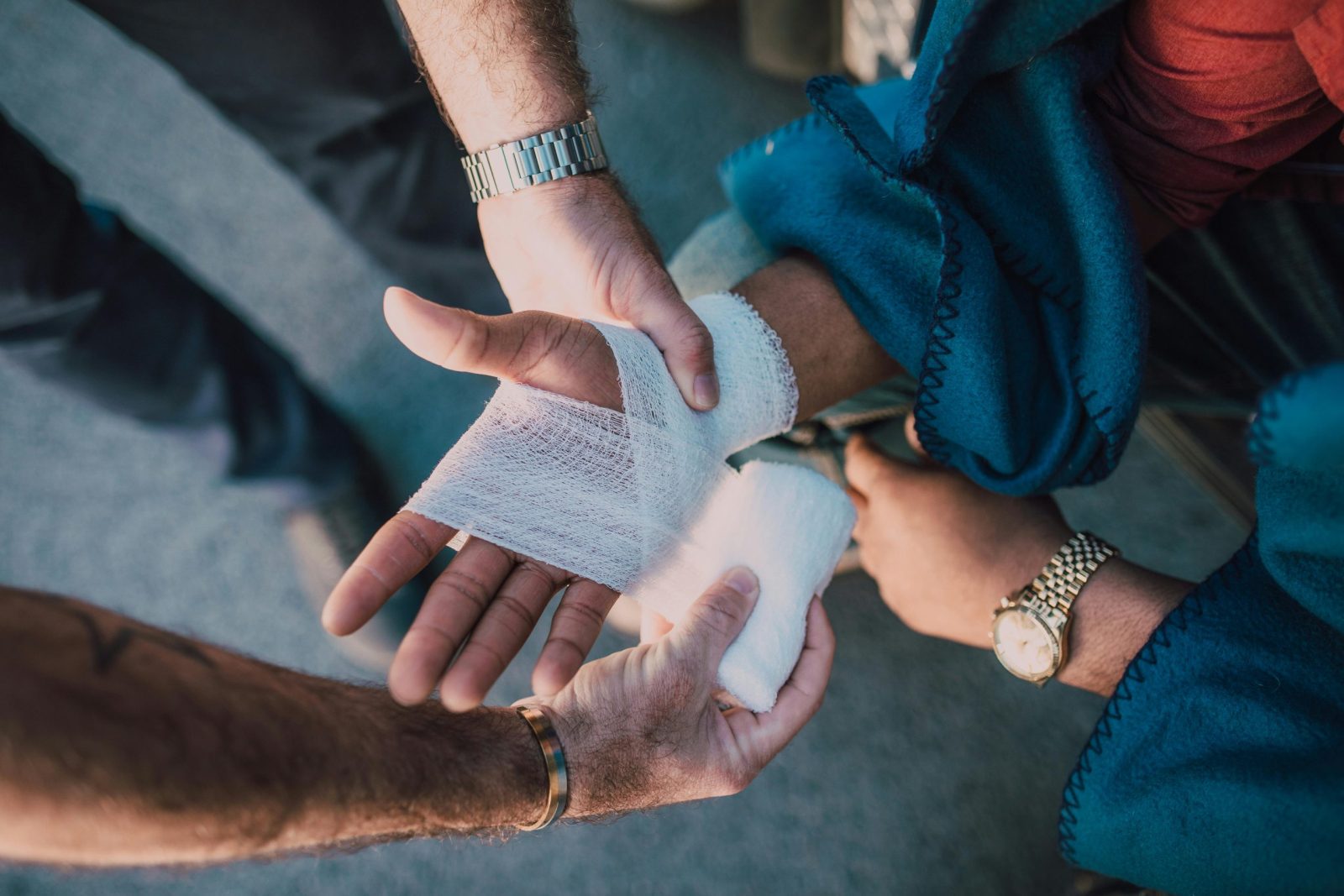
Keeping a cut clean plays a major role in preventing infection in natural environments filled with soil, insects, and rough vegetation. Rinsing the area with clean water removes dirt without causing further irritation. Gently drying the skin minimizes moisture that can harbor bacteria. Maintaining basic cleanliness preserves the body’s natural ability to heal and keeps the wound from worsening as time outdoors continues.
Apply Pressure to Stop Bleeding
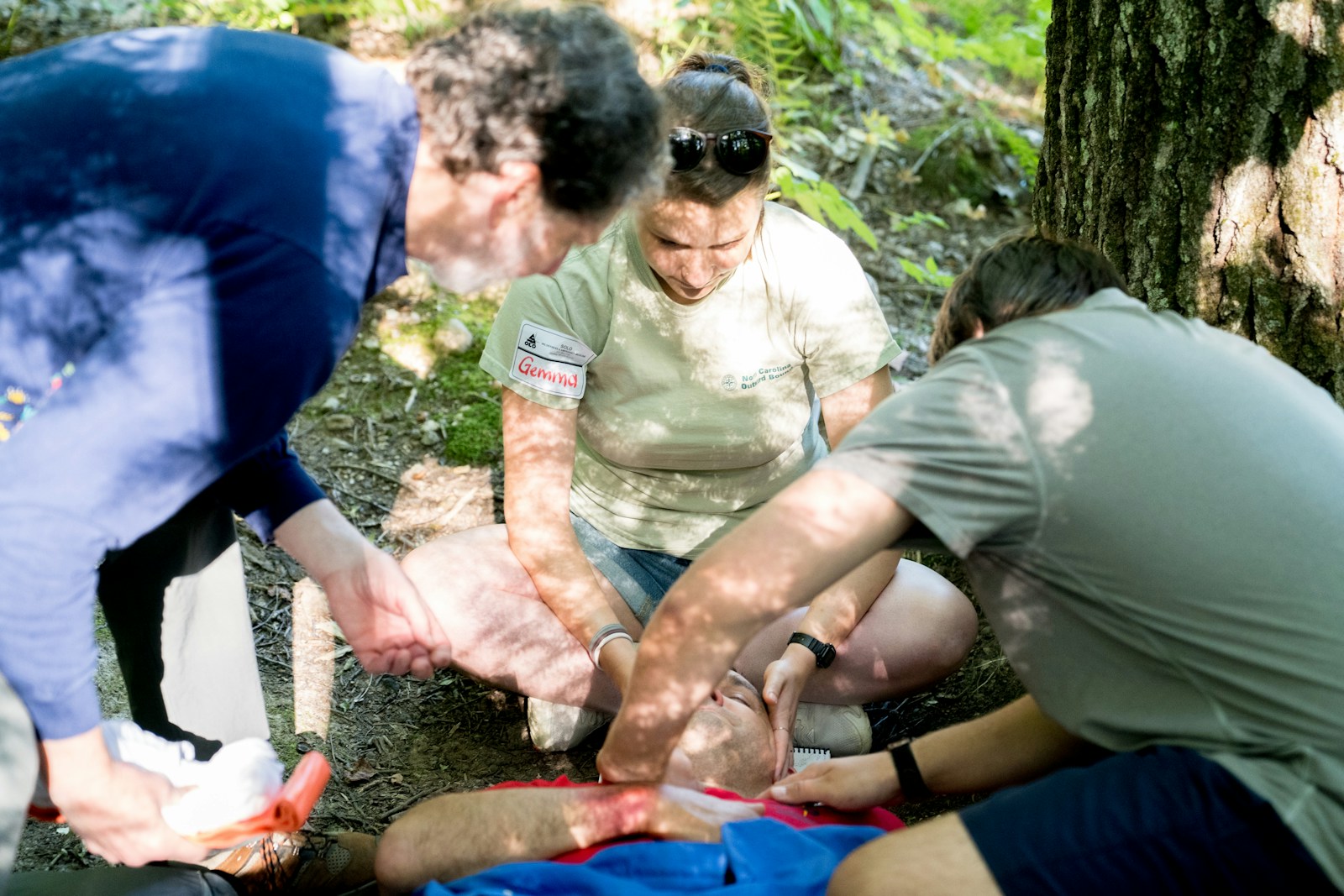
Applying steady pressure to a fresh cut helps slow bleeding and supports the body’s natural clotting process. A clean cloth, bandana, or strip of fabric works well when traditional supplies are not available. Holding consistent pressure for several minutes gives the wound time to stabilize. Once bleeding slows, covering the area provides added protection from dirt and friction during continued travel.
Use Natural Padding for Support
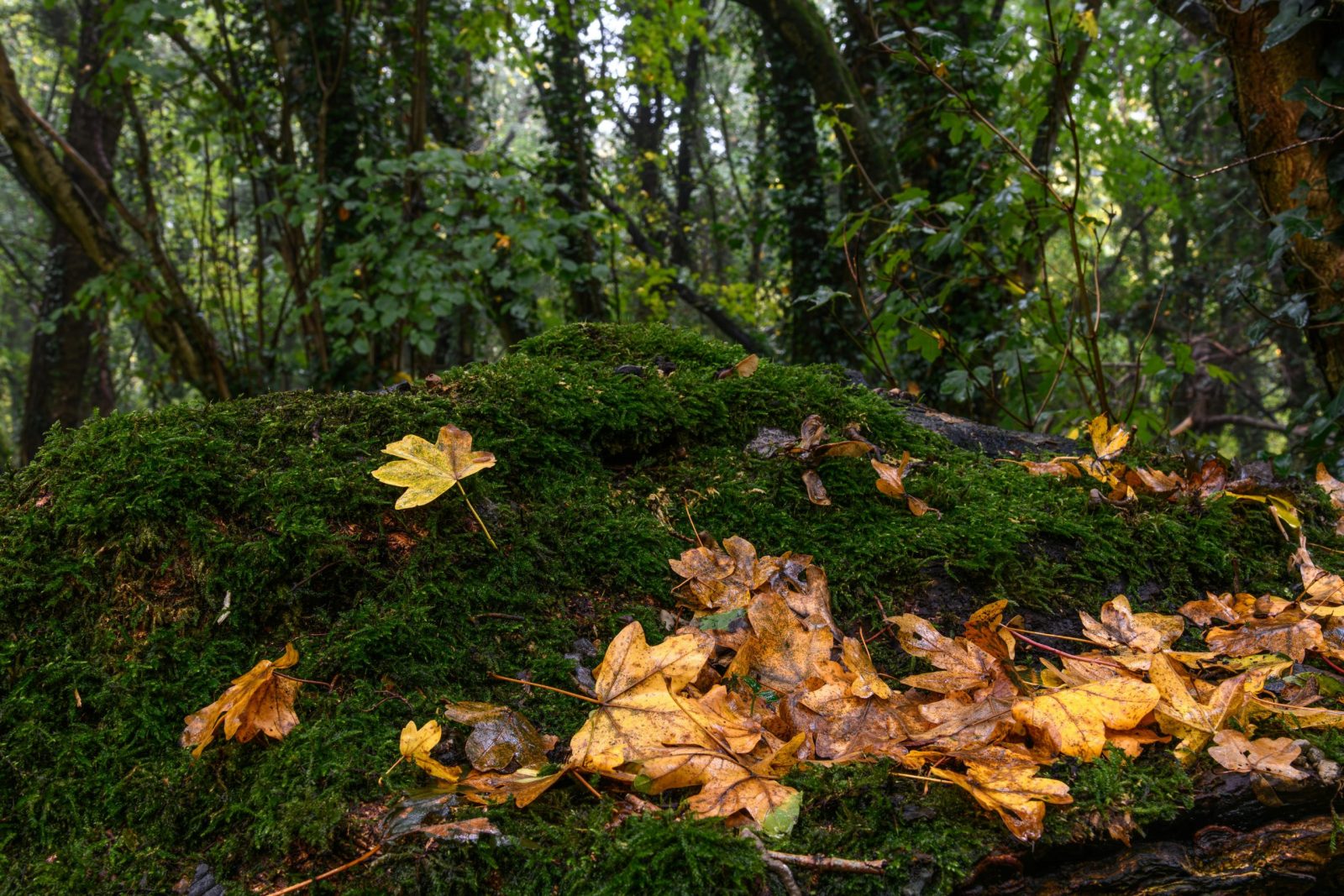
Soft natural materials offer valuable padding when swelling or soreness requires gentle cushioning. Dry moss, layered leaves, or spare pieces of clothing can be arranged beneath a wrap to create comfort and reduce friction. This padding helps stabilize the injured area as movement continues through uneven terrain. Improvised support demonstrates how small adjustments make recovery more manageable in remote conditions.
Create a Makeshift Sling
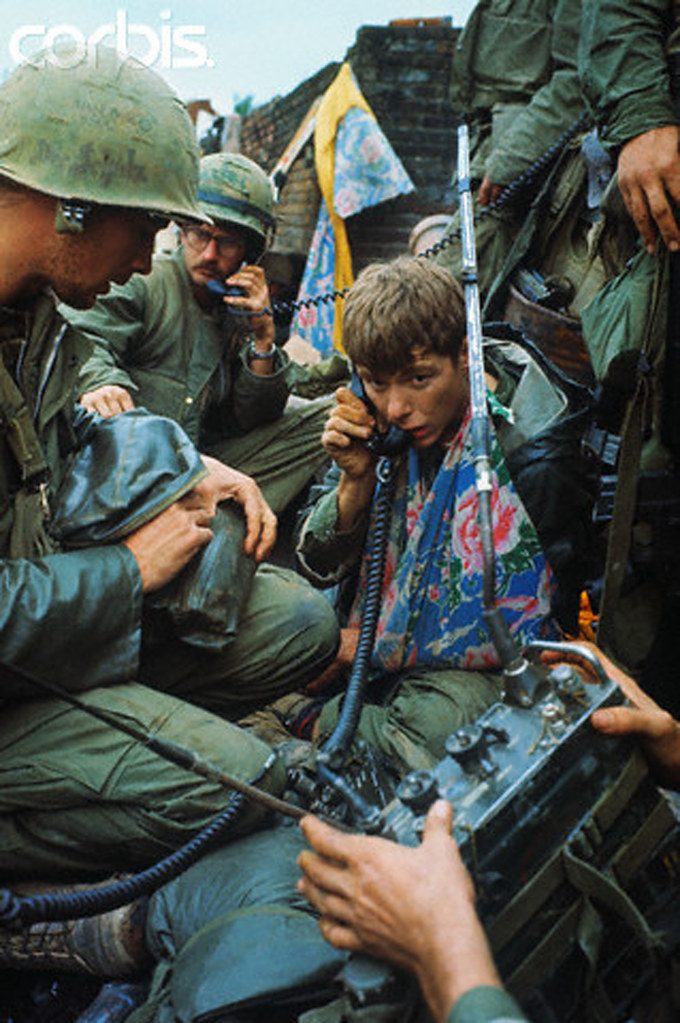
A makeshift sling offers stability for an injured arm or shoulder by limiting movement and reducing strain. A shirt, scarf, or bandana tied securely around the neck can cradle the limb comfortably. Proper positioning helps redistribute weight and protect tender joints from further stress. This simple solution provides a temporary structure until a more complete treatment becomes accessible.
Cover Burns Carefully
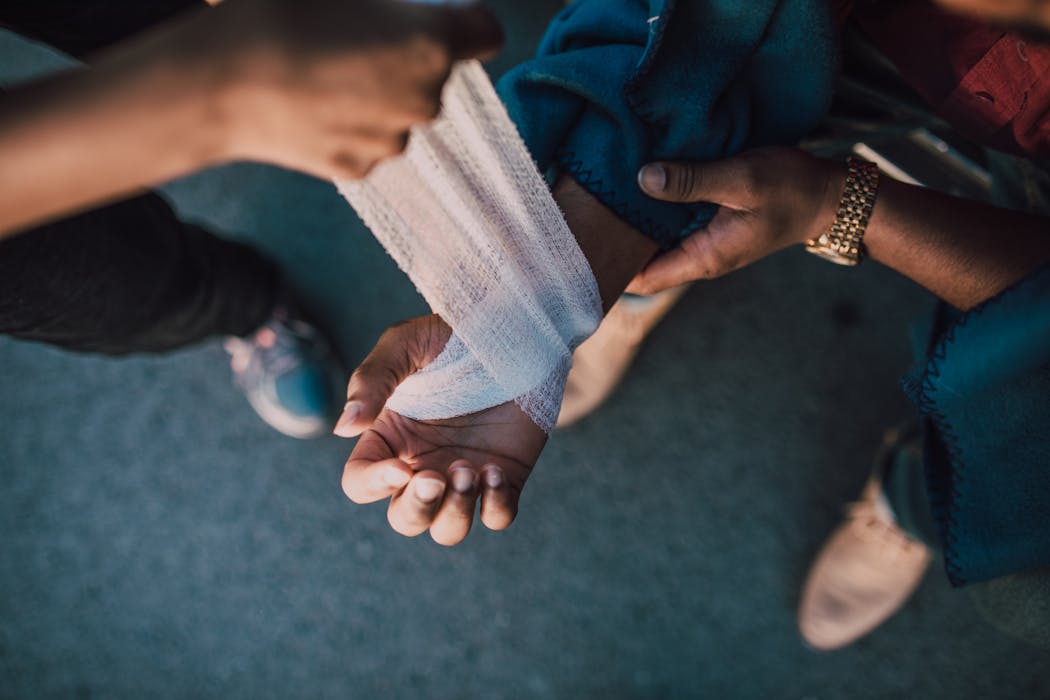
Covering a minor burn protects delicate skin from abrasive debris, insects, and direct sunlight. A clean cloth or soft bandage keeps the area shielded without pressing too heavily on sensitive tissue. Allowing gentle airflow prevents moisture buildup that might slow recovery. Careful handling of the burn supports healing and keeps irritation from increasing during outdoor activity.
Reduce Swelling With Elevation
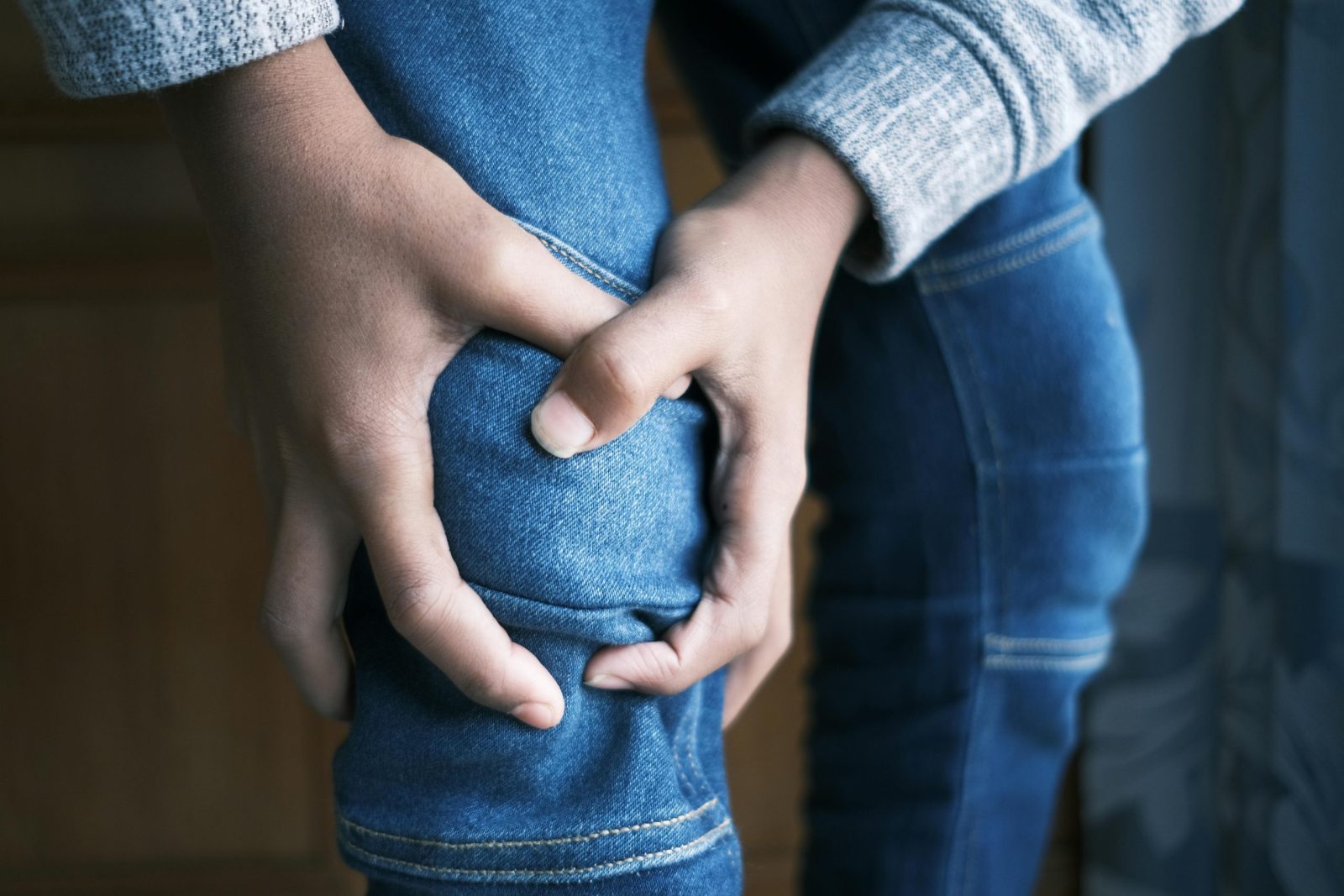
Elevating an injured limb helps reduce swelling by encouraging fluid to drain away from the affected area. Resting the limb on a backpack, folded jacket, or elevated surface provides a comfortable lift. This position minimizes pressure and reduces stiffness that often develops over time. Consistent elevation during rest breaks offers steady relief throughout long days outdoors.
Protect Wounds With Improvised Barriers
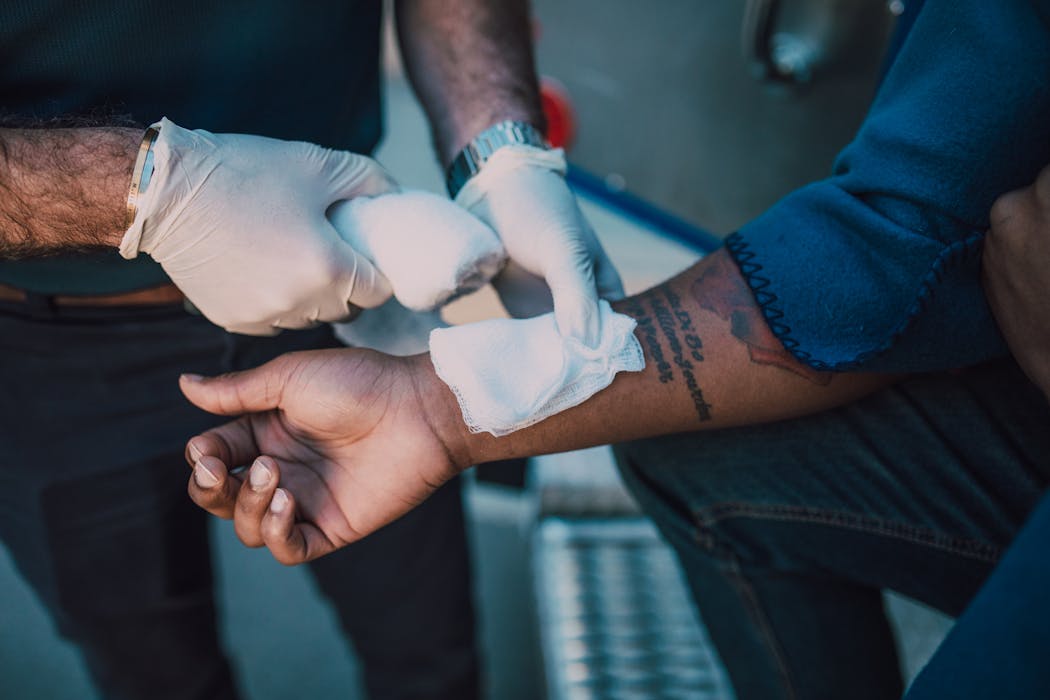
Improvised barriers keep injuries clean when standard bandages are unavailable. Clean fabric scraps, smooth leaves, or sections of worn clothing can be shaped to cover the area. Securing these materials with strips of cloth or cordage helps them remain in place while walking or climbing. This temporary protection limits exposure to dirt and friction until proper care becomes reachable.
Move Slowly After Injury
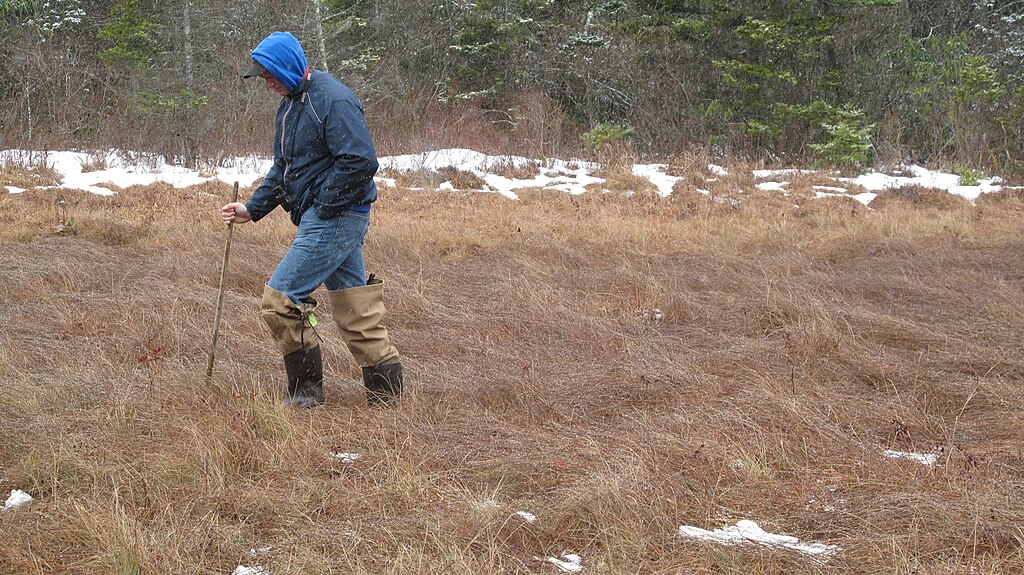
Slow, deliberate movement prevents additional strain from building on recently injured areas. Maintaining a gentler pace lowers the chance of sudden twists or impacts that could worsen sprains, cuts, or burns. Pausing frequently allows discomfort to settle and keeps fatigue from intensifying pain. Mindful movement helps maintain stability and supports the body’s natural recovery process in unpredictable outdoor environments.